2027 Anthropology Internship Requirements: Hours, Placements, and Supervision

Co-Founder and Chief Data Scientist
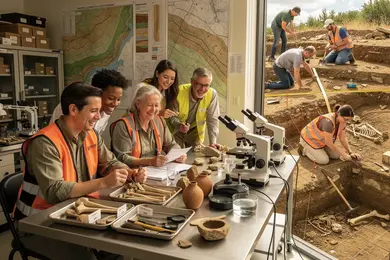
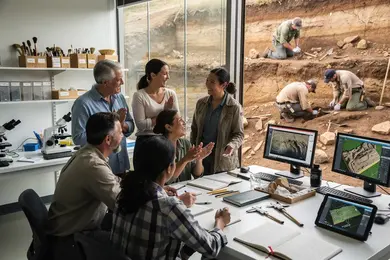
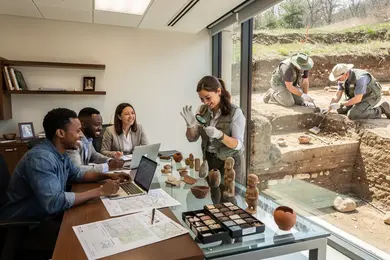
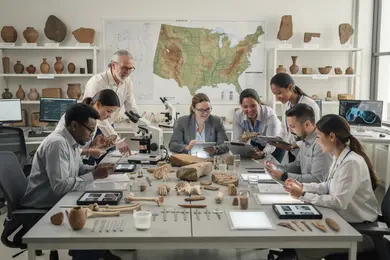
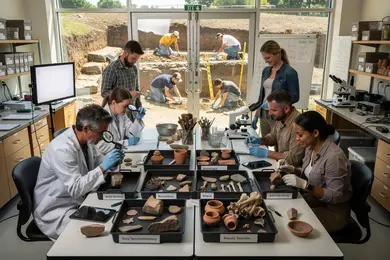
What do internship requirements in anthropology programs typically involve, and how do they shape students' professional readiness? Internships often require a minimum of 120 hours spent in settings like museums, cultural organizations, or research labs, providing practical experience crucial for career entry.
About 68% of anthropology graduates report that internships significantly improved their employment opportunities. Students must navigate placement procedures and understand supervision frameworks, which vary by institution but generally include mentorship by experienced professionals.
This article explains the essential components of anthropology internship requirements, focusing on hours, placement logistics, and supervision expectations to guide students through successful completion.
Key Things to Know About Anthropology Internship Requirements
- Internship hours typically range from 120 to 200, requiring careful academic scheduling to balance coursework and fieldwork commitments effectively.
- Placement depends on site availability and specialty areas, with 65% of students completing internships at museums, research centers, or community organizations.
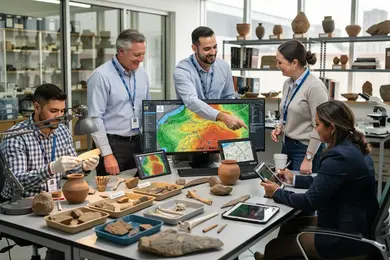
- Supervision demands include regular evaluations by qualified professionals, ensuring practical skill development aligns with program competencies and career goals.
Do All Anthropology Degrees Require an Internship?
Internships are frequently integrated into anthropology curricula to provide students with practical experience and professional skill development. Approximately 62% of undergraduate anthropology programs in the U.S. offer either a required or optional internship component, reflecting the value placed on experiential learning. Several factors influence whether an internship is mandatory, shaping the educational path for students seeking anthropology degrees.
- Program Type: Bachelor's degree programs are more likely to require internships as part of their hands-on learning approach, while some graduate-level programs focus more on research and may not mandate internships.
- Specialization Track: Applied anthropology tracks-such as cultural resource management or forensic anthropology-often have internship requirements to prepare students for specific careers, unlike more theoretical or academic tracks.
- Accreditation Standards: Some academic institutions align their curricula with accreditation bodies or professional organizations that emphasize internship completion to ensure workplace readiness.
- Alternative Experiences: Graduate programs may offer substitutions for internships, including field schools, laboratory work, or research assistantships, providing practical exposure without formal internships.
Students exploring degrees should carefully review their programs' expectations regarding internships to understand how practical experience is incorporated and how it aligns with their career goals in anthropology. Those considering accelerated degree options might also benefit from resources like a one-year masters degree that sometimes integrates practical, real-world learning experiences alongside coursework.
What Requirements Must Be Met Before Starting a Anthropology Internship?
Internship programs in anthropology establish prerequisites to ensure students are academically and professionally ready, which supports both the intern and the hosting organization. Studies show that students with a minimum GPA of around 2.5 to 3.0 tend to perform more successfully during internships, highlighting the importance of meeting clear criteria.
The following outlines common eligibility requirements that students must fulfill before starting an anthropology internship.
- Minimum GPA: Most programs require students to maintain a GPA between 2.5 and 3.0 on a 4.0 scale to demonstrate academic competence and foundational knowledge essential for practical anthropological work.
- Completed Coursework: Students must typically finish key anthropology courses such as cultural anthropology, archaeological methods, or biological anthropology to gain the theoretical and methodological skills necessary for internships.
- Application Approval: A formal application process is required, including submission of transcripts, recommendation letters, and a statement of purpose. This enables supervisors to evaluate the student's motivation and suitability for the internship role.
- Faculty Endorsement: Internship placement often requires approval from a faculty advisor or internship coordinator, ensuring alignment with academic goals and readiness for fieldwork.
- Background Checks: For internships involving sensitive work or vulnerable populations, background verifications may be mandatory to protect all parties involved.
These requirements ensure interns are adequately prepared and adhere to the ethical and professional standards expected within the anthropology field.
How Many Internship Hours Are Required for Anthropology Degrees?
Internship hours in anthropology degree programs are designed to ensure students gain practical experience that complements academic learning. Typically, undergraduate internships require between 120 and 160 hours, while graduate programs often demand over 200 hours.
Generally, one semester credit corresponds to about 45 to 60 internship hours, allowing institutions to align hands-on work with academic credit. Several factors influence these hour requirements:
- Academic Credit Equivalencies: Internship hours are often determined by credit hour calculations, with each credit representing a set number of supervised practical hours, helping standardize requirements across institutions.
- Program Level: Bachelor's programs typically have lower hour expectations than master's or doctoral studies, reflecting the varying depth and scope of academic and field training at each stage.
- Accreditation Standards: Programs accredited by professional bodies may require a minimum amount of practical experience to meet competency and industry standards, affecting the internship hour mandates.
- Enrollment Status: Full-time students usually complete their required hours within a semester, while part-time students may spread these hours over multiple terms, impacting scheduling and duration.
When asked about his experience, a anthropology degree graduate reflected on the internship hour demands as both challenging and rewarding.
He recalled the difficulty in balancing intensive fieldwork with coursework, especially during tight semester schedules. 'Managing the required hours meant careful planning and sometimes long days in the field, but it really deepened my understanding beyond the classroom,' he shared. This hands-on engagement, though demanding, ultimately enriched his skills and professional readiness in ways that purely academic work could not.
Where Do Anthropology Students Complete Internships?
Internship placement environments are vital for providing anthropology students with practical, experiential learning that shapes their career paths and professional skills. Over 40% of internship opportunities are found in nonprofit and government sectors, reflecting a strong public service emphasis.
These diverse settings help students explore varied perspectives and prepare for work in multiple employment areas. The typical internship sites include:
- Corporate Organizations: Internships here often involve market research, user experience design, or cultural consulting to help companies understand diverse populations and consumer behaviors, especially in urban settings.
- Government Agencies: These placements focus on public health, cultural resource management, and policy analysis, where anthropological insights guide decisions and community programs.
- Nonprofit Groups: Offering hands-on advocacy, international development, and social services experience, nonprofits emphasize social justice and cultural preservation.
- Research Institutions: Students assist with data collection, fieldwork, and analysis on academic projects spanning archaeology, linguistics, and other disciplines within the United States.
Many anthropology internship placement opportunities in urban settings span these categories, offering rich, real-world contexts. For those exploring degree options with practical experience, resources like the cheapest online school counseling programs (CACREP-accredited) can be valuable for guidance beyond anthropology fields.
How Are Internship Placements Assigned in Anthropology Programs?
Internship placements in anthropology programs are carefully organized to align student interests with suitable field opportunities, ensuring meaningful practical experience. Recent studies show that nearly 70% of anthropology students are matched through collaborative processes involving faculty and institutional networks.
These structured systems help maintain both academic relevance and professional growth. Typical placement methods include the following:
- Faculty-Guided Matching: Academic advisors and internship coordinators actively pair students with sites based on prior relationships and each student's specific educational goals, fostering personalized and well-supported placements.
- Student-Driven Applications: Some programs empower students to identify and apply independently to organizations, requiring interviews or proposals that allow students to advocate for internships aligning with their interests.
- Centralized Placement Systems: Certain institutions use organized platforms where available internships are posted for students to select, balancing capacity with student preferences through an algorithm or coordinator oversight.
- Partnership-Based Assignments: Programs with established connections to museums, research centers, or governmental bodies often assign placements directly through these partnerships, ensuring consistent quality and supervision.
Asked about how her internship placement was assigned, a current anthropology degree student shared that her experience was 'both exciting and a bit daunting.' She recalled that while her program offered guidance, she had to proactively research organizations, craft her application, and prepare for an interview.
"It felt good to have some control but also reassuring knowing faculty supported me behind the scenes," she explained. Though navigating between her interests and available opportunities was challenging, she valued the process for helping her develop initiative and connect with experienced professionals in her field.
Are Virtual or Remote Internships Available?
Virtual and hybrid internships have seen significant growth across many academic fields, including anthropology, with recent data showing that more than 60% of internships now incorporate these flexible formats.
This shift reflects broader changes in how students gain hands-on experience while balancing academic and personal commitments. As remote work becomes more common, anthropology programs are increasingly offering opportunities that do not require physical presence. These adaptations open doors for students who cannot easily access traditional, location-based internships.
In practice, remote anthropology internships leverage a range of digital tools such as video calls, cloud storage, and project management platforms to maintain communication and collaboration between students and supervisors. This setup allows for flexible scheduling, accommodating diverse student needs like family responsibilities or geographic distance.
Students benefit from access to a wider variety of employers, including museums and nonprofit organizations outside their immediate area. However, the availability of virtual internships varies depending on each program's emphasis, since some prioritize fieldwork that necessitates being on-site while others embrace digital research methods.
Are Part-Time Internships Allowed for Working Students?
Part-time internships have become an important option for students balancing work and study, especially in anthropology programs. A recent survey found that 43% of college students work at least part-time while enrolled, creating a clear demand for flexible internship structures that accommodate employment commitments.
Below are key features of part-time internships designed to support working anthropology students.
- Flexible Scheduling: Students can complete required hours during evenings, weekends, or other convenient times, allowing them to fit internships around their work and school calendars.
- Employer Accommodations: Internship supervisors often adjust tasks and deadlines to match the student's availability, making practical experience feasible without disrupting job responsibilities.
- Academic Workload Balance: Programs consider students' course and exam demands when setting internship expectations, preventing conflicts and promoting manageable progress.
- Program-Specific Guidelines: Many anthropology departments set minimum weekly or total hour requirements but permit extended timelines so students can fulfill obligations gradually.
These flexible arrangements ensure that internship experiences remain accessible and practical for working students, bridging classroom theory and professional skills while respecting diverse schedules. Some programs may have certain limits on internship duration or require occasional in-person attendance, yet the overall approach increasingly favors adaptability for those balancing employment with their anthropology studies.
What Supervision Is Required During a Anthropology Internship?
Supervision is essential in anthropology internships, ensuring students gain hands-on experience with appropriate guidance. Research shows that 85% of interns value mentorship as a key factor in professional growth, highlighting the role of effective supervision.
The following elements outline typical supervision requirements for anthropology internships that uphold both student learning and professional accountability.
- Faculty Oversight: Faculty supervisors coordinate with internship sites to align student activities with academic goals. They provide ongoing support and resolve issues to maintain educational standards throughout the placement.
- Workplace Mentors: Experienced anthropologists or specialists offer day-to-day mentoring by demonstrating techniques, providing feedback, and ensuring ethical application of theory in practice. This effective mentorship during anthropology internship placements fosters skill development in real-world contexts.
- Progress Monitoring: Regular check-ins, reflection reports, or meetings are used to evaluate student learning and professional behavior, identifying areas for improvement. These assessments help tailor support and enhance competency advancement.
- Performance Feedback: Constructive feedback from mentors and faculty aids interns in refining their skills and understanding disciplinary expectations, which builds confidence and prepares them for professional roles.
Students interested in broadening their opportunities may explore top online universities that offer strong Anthropology programs by visiting top online universities.
How Are Anthropology Internships Evaluated?
Evaluation plays a vital role in anthropology programs, ensuring students develop applicable skills and deepen their understanding through internships. A recent study revealed that 78% of students felt structured assessments significantly enriched their experiential learning outcomes.
Below are common methods used for evaluation criteria for anthropology internship performance that measure student progress and success.
- Supervisor Reviews: Workplace mentors provide detailed feedback on student competencies, professionalism, and the application of anthropological concepts in field settings. These reviews are central to gauging practical skills.
- Reflective Assignments: Journals, essays, or presentations require students to critically analyze their internship experiences and connect them with anthropological theories, fostering deeper intellectual engagement.
- Performance Benchmarks: Clear milestones, such as completing specific research tasks or community engagement efforts, guide students and help supervisors assess achievement toward educational goals.
- Faculty Assessment: Academic staff review supervisor feedback and student reflections to ensure internship outcomes align with curricular standards and degree requirements, integrating academic rigor with experiential learning.
- Outcome Integration: Methods for assessing anthropology internship outcomes increasingly emphasize alignment between practical skills and academic theory, validating students' readiness for professional or research roles.
Prospective students interested in furthering their education can explore options like a one-year online master's in communication that complements anthropology internship experiences by enhancing communication skills vital for research dissemination and fieldwork collaboration.
What Challenges Do Anthropology Students Face During Internships?
Anthropology internships offer valuable hands-on experience but can also pose significant challenges. Research shows that nearly 60% of students report stress related to managing internship workloads alongside academic responsibilities. These difficulties often require careful navigation and adaptability.
Below are some common challenges faced by anthropology students during internships in the United States.
- Balancing Academic and Practical Demands: Juggling coursework with internship hours can be stressful. Students often struggle to remain on top of academic tasks while fulfilling internship commitments, especially when schedules overlap.
- Adapting to Diverse Environments: Placements can vary widely, requiring students to quickly adjust to different workplace cultures and expectations. This can be particularly tough when transitioning between fieldwork, labs, or community settings.
- Transportation and Financial Concerns: Internships may demand travel or unpaid hours, which can strain students financially. Limited access to reliable transportation can further complicate attendance and punctuality.
- Managing New Professional Responsibilities: Taking on supervisory feedback and working independently can be daunting for first-time interns. Learning to navigate workplace hierarchies while maintaining professionalism is often a steep learning curve.
Successfully managing these challenges is crucial, and gaining such experience is often essential for career advancement. For students considering costs, comparisons like electrical engineering online tuition costs can also offer insight into investment decisions within STEM-related fields, including anthropology.
What Graduates Say About Anthropology Internship Requirements
- Dante: "My anthropology internship required a minimum of 200 hours, which felt intense but rewarding. The program's placement in a local museum exposed me to real-world research and artifact handling, deepening my academic knowledge. This hands-on experience was crucial in landing my first job, proving how valuable internships are in linking theory with practice."
- Collin: "Reflecting on my anthropology internship, I appreciated the structured supervision provided by experienced professionals. Weekly check-ins and feedback sessions helped me refine my fieldwork and analytical skills. This mentorship made a significant impact on my confidence and competence as I transitioned into a career in cultural resource management."
- Dylan: "During my anthropology internship, I found the variety of placements-from community projects to academic labs-remarkably enriching. The flexible hours allowed me to balance schoolwork while getting diverse practical experience. It's clear that these internships are not just academic requirements but pivotal stepping stones toward becoming a well-rounded professional."
Other Things You Should Know About Anthropology Degrees
In 2027, most anthropology programs require students to actively participate in securing their own internship placements. Universities may offer resources and guidance, but students often need to contact organizations, apply independently, and confirm the placement meets their program's academic and experiential requirements.
Many programs allow students to split their required hours across more than one internship placement as long as both sites are approved and offer relevant learning experiences. This flexibility helps students gain diverse perspectives within the field.
Yes, programs often require internships to enhance skills such as ethnographic research, data collection and analysis, cross-cultural communication, and ethical fieldwork practices. Demonstrating competency in these areas is critical for successful completion.
References
- Environmental Anthropology: Making a Difference in the World Applied Antropology Internships https://nepis.epa.gov/Exe/ZyPURL.cgi
- Internship Tips - NAPA https://practicinganthropology.org/mentoring-career/internship-tips/
- 13 Anthropology Internships for Undergraduates — Ladder Internships https://www.ladderinternships.com/ladder-internships-blog/ladder-anthropology-internships-for-undergraduates
- Applied Anthropology Internships: How to Create the Ideal Experience https://www.academia.edu/1060382/Applied_Anthropology_Internships_How_to_Create_the_Ideal_Experience
- Volunteer and Intern Policy - Royal Anthropological Institute https://therai.org.uk/about/governance/volunteer-and-intern-policy/
- Real-World Work Experience | Virtual Internships https://www.virtualinternships.com/
- How can anthropology departments prepare students for their careers? - The Anthropology Career Readiness Network https://anthrocareerready.net/how-can-anthropology-departments-prepare-students-for-their-careers/
- Workplace Ethnography 101—Interrogating the Unpaid Internship | Savage Minds https://savageminds.org/2012/07/25/workplace-ethnography-101-interrogating-the-unpaid-internship/
- Fellowships, Internships, and Grants in Anthropology | AMNH https://www.amnh.org/research/anthropology/fellowships-internships
- Lessons from internship programme: a study of sociology and anthropology students at IIUM http://irep.iium.edu.my/42773/