
2027 Which Industries Offer the Best Career Paths for Anthropology Degree Graduates?

Co-Founder and Chief Data Scientist
Graduates holding an anthropology degree often encounter a complex choice-selecting industries that balance competitive compensation, job stability, advancement potential, and a positive workplace culture. For example, the social sciences sector shows a median annual wage 12% higher than the overall humanities average, highlighting disparities across fields. Without clear guidance, this can lead to career stagnation or underemployment. This article delves into industries offering the best career trajectories for anthropology graduates, evaluating essential factors such as remote work options, licensing, and mission alignment. It aims to equip readers with actionable insights for making informed, strategic career decisions.
Key Things to Know About the Industries That Offer the Best Career Paths for Anthropology Degree Graduates
- Anthropology graduates often find stable roles in government and academia-fields offering steady compensation with clear promotion tracks and a strong emphasis on research and teaching culture.
- Cultural resource management provides competitive wages and increasing remote work opportunities but demands professional certification and continuous skill development for advancement.
- Nonprofit and international development sectors prioritize mission alignment and workplace inclusivity-though salary growth may be slower, the roles offer meaningful impact and expanding professional networks.
Which Industries Offer the Highest Starting Salaries for Anthropology Degree Graduates?
Anthropology degree graduates frequently find the highest starting salaries in industries where their specialized skills align with strong economic demand and robust sector profitability. According to the latest occupational wage data, sectors offering peak mean and median starting pay tend to reflect a combination of advanced skill requirements, labor shortages, and the capacity of industries to invest heavily in talent.
- Pharmaceutical and Biotechnology: These sectors lead with premium starting salaries driven by substantial investment in research and development. Anthropology graduates specializing in medical anthropology or clinical trial research leverage their expertise in human behavior and cultural diversity to meet complex regulatory demands, fueling competitive compensation.
- Federal Government and Defense: Employers in federal agencies involved in cultural resource management, intelligence, or human terrain analysis offer above-average salaries. The requirement for security clearances and specialized expertise narrows the talent pool, justifying strong pay for qualified anthropology professionals.
- Environmental Consulting: Anthropologists engaged in environmental impact assessments or cultural heritage preservation benefit from the growing regulatory emphasis on sustainability and legal compliance, which supports higher entry-level wages.
- Management Consulting: Consulting firms employ anthropology graduates to interpret organizational culture and consumer behavior, rewarding these skills with competitive starting salaries comparable to broader consulting industry standards.
- Technology and User Experience (UX) Design: The tech sector values anthropology graduates skilled in ethnographic research and human-centered design. As digital products expand, deep user behavior insight becomes crucial, making this a lucrative entry point.
- Higher Education and Research Institutions: While generally not topping starting salary charts, select research-intensive universities offer competitive postdoctoral and research assistantship positions, often tied to interdisciplinary initiatives and grant funding.
- Nonprofit and International Development: These sectors may offer lower average pay, but some large NGOs focused on global health or cultural preservation pay well for field expertise and project management in complex environments.
These patterns illustrate how highest starting salaries for anthropology degree graduates in the US depend on intersecting factors such as specialized skill demands and sector-wide profitability. Salary is one metric-future insights will explore advancement potential, job stability, and alignment with personal mission to indicate where anthropology graduates can truly thrive.
Those interested in furthering their education might consider exploring the cheapest PhD programs online to enhance qualifications and career mobility across these promising industries.
What Are the Fastest-Growing Industries Actively Hiring Anthropology Graduates Today?
The fastest-growing industries hiring anthropology graduates today reflect major shifts in the economy, demographics, and technology. Projections based on BLS Employment data and industry labor reports reveal several sectors with above-average expansion of anthropology-related roles over the next five to ten years. These trends help those seeking the top sectors recruiting anthropology degree holders to identify where opportunities and long-term career sustainability align.
- Healthcare and Social Assistance: Aging populations and the rising demand for culturally competent care drive growth in this sector. Anthropology graduates play key roles in creating accessible health programs and addressing diverse patient needs-particularly within underserved communities.
- Environmental Services and Sustainability: Increasing climate policy initiatives and global commitments to sustainability expand employment in environmental anthropology and cultural resource management. Graduates assess human-environment interactions, conduct impact studies, and ensure compliance with regulations protecting indigenous lands and heritage sites.
- Technology and User Experience Research: Digital transformation fuels demand for ethnographic research and human-centered design expertise. Anthropology's qualitative methods enhance software interfaces, product innovation, and market research-ensuring technology solutions resonate with real-world user behaviors and cultural contexts.
- Government and Public Policy: A growing focus on social equity, immigration, and community development drives hiring in federal, state, and local agencies. Anthropology graduates contribute to policy analysis, program evaluation, and stakeholder engagement-providing vital insight into complex cultural dynamics.
- Cultural and Heritage Organizations: Museums, archives, and nonprofits dedicated to cultural preservation continue to see steady demand for anthropology expertise in curation, education, and public outreach.
- Short-Term vs. Long-Term Trends: Certain areas-such as disaster response and infrastructure projects-experience cyclical surges influenced by immediate funding or crises rather than ongoing growth. Graduates should distinguish these from sectors with sustained expansion.
- Remote Work and Licensing Considerations: Some roles in tech and research offer remote flexibility, while fieldwork-heavy or regulatory positions require on-site presence and specialized certification. Assessing these factors alongside industry growth is key for career planning.
Those mapping their career pathways will find that the fastest-growing industries hiring anthropology graduates combine mission-driven roles with practical growth potential. For examples of related educational opportunities, exploring the cheapest online civil engineering degree options can provide insight into how interdisciplinary skills enhance employability across expanding sectors.
How Does Industry Choice Affect Long-Term Earning Potential for Anthropology Professionals?
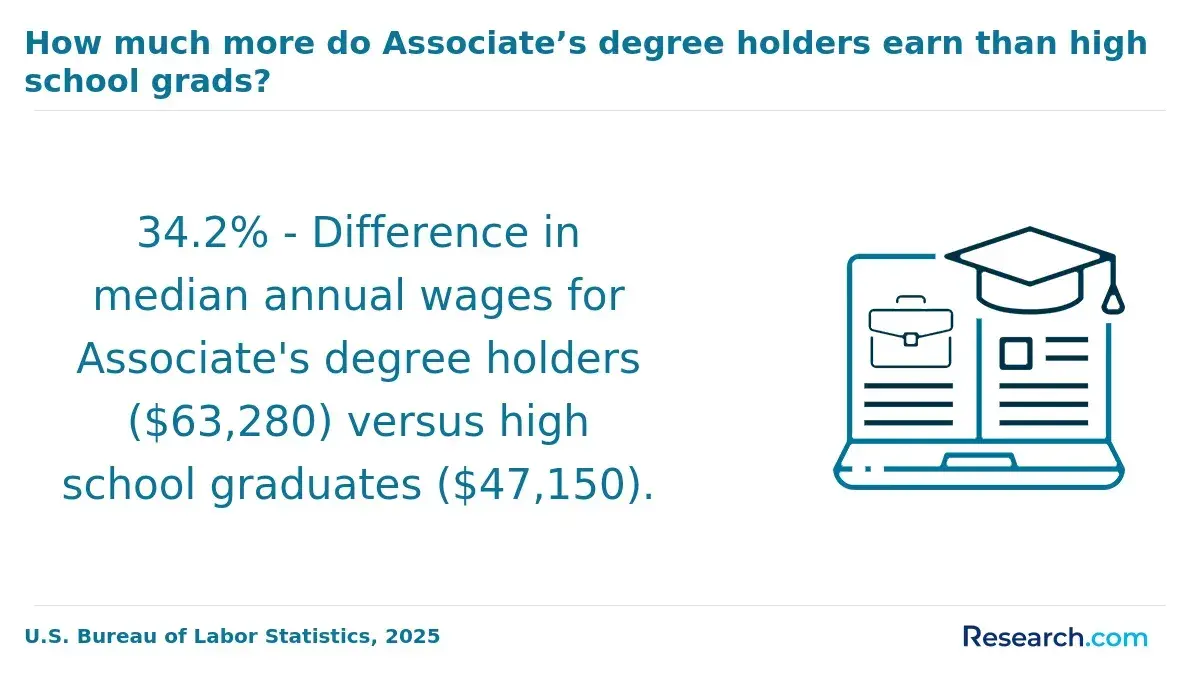
Salary growth for anthropology professionals varies widely depending on industry-entry-level wages may look comparable, but long-term trends tell a different story. Industries such as technology, pharmaceuticals, and consulting often feature accelerated pay increases, where earnings can double or even triple within 10 to 15 years due to clear career ladders, heightened demand for expertise, and merit-based rewards.
- Compensation Structures: Private sectors frequently integrate bonuses, equity options, and profit-sharing, significantly enhancing total income over time, while these benefits are rarer in academic and nonprofit fields.
- Wage Compression: Government and nonprofit roles tend to have tightly capped salary bands-promotions exist but pay growth remains modest, limiting lifetime earnings regardless of tenure or performance.
- Professional Growth and Work Flexibility: Fields investing in development opportunities and offering remote work tend to retain talent longer, enabling anthropology specialists to adapt skills and boost lifetime income.
- Intrinsic Versus Financial Rewards: Missions aligned with cultural resource management or international development may fulfill personal values but come with narrower financial upside, requiring careful balancing of passion and compensation.
A professional who successfully graduated with an anthropology degree shared that early in his career, the toughest challenge was navigating industries without transparent advancement paths. "I initially focused on roles with solid missions but limited pay growth," he recalls. Over time, shifting to a consulting firm with structured performance reviews and incentive bonuses transformed his outlook. "Seeing the possibility to significantly increase earnings motivated me to develop specialized skills and embrace new responsibilities," he explains. His experience underscores that choosing an industry with scalable compensation and clear development plans profoundly shapes long-term financial success beyond the first paycheck.
Which Industries Provide the Most Stable and Recession-Proof Careers for Anthropology Graduates?
Employment for anthropology graduates has historically proven more stable in sectors linked to government, healthcare, and essential public services-especially during downturns like the 2008 financial crisis and the 2020 COVID-19 pandemic. These industries tend to maintain or even increase demand for anthropology skills, reflecting their countercyclical nature and relative immunity to broad economic shocks. In contrast, private-sector roles in technology or research often face layoffs and hiring freezes amid volatility, despite offering higher compensation when markets are strong.
Government: Roles in cultural resource management, federal research, and compliance have sustained steady funding and critical operations through recessions, making government agencies a reliable option for those seeking stable careers for anthropology graduates in the United States.
Healthcare: Positions in public health, epidemiology, and patient advocacy exhibit consistent demand driven by ongoing societal health needs. Anthropology expertise in cultural competence directly supports effective healthcare interventions, adding resilience to these jobs even in economic downturns.
Trade-Off: Graduates often balance the increased salary potential of private-sector jobs against the job security of public or nonprofit roles. Personal financial obligations and risk tolerance play a key role in choosing between volatile but lucrative opportunities and slower-growth industries that offer greater stability.
Higher Education: Though tenure-track positions are competitive and can fluctuate with funding cycles, adjunct and research roles offer flexible schedules and remote work possibilities, appealing to those weighing stability with professional growth.
Recent Trend: Growing interest in online and flexible degree options is reflected in educational fields closely related to applied social sciences; programs like online construction management have seen significant enrollment rises, highlighting a shift toward adaptable learning paths that anthropology graduates might consider when planning career pivots.
What Role Does the Private Sector Play in Shaping Career Paths for Anthropology Degree Holders?
The private sector opens a diverse array of career avenues for anthropology degree holders-ranging from established Fortune 500 companies to agile startups-each valuing anthropological skills for unique business needs. In the technology industry, firms like Google and Microsoft hire anthropology graduates to enhance product design and user engagement within fast-moving, collaborative workplaces, often pairing attractive salaries with stock options or bonuses. Consumer goods corporations such as Procter & Gamble and Nielsen leverage anthropologists for ethnographic studies and consumer insights, offering structured career advancement, professional growth programs, and a competitive, results-oriented culture.
- Healthcare Sector: Private health systems and biotech ventures utilize anthropology expertise to address patient diversity and optimize care delivery, frequently supporting remote work and multidisciplinary collaboration.
- Consulting Firms: Leading consulting firms including Deloitte and McKinsey employ anthropology graduates to guide cultural change, diversity efforts, and international market strategies, featuring fast-paced roles with rapid promotion based on measurable results and extensive client interaction.
Compared with public sector jobs, private roles generally present higher starting wages but require adaptability to rigorous performance evaluations and accelerated promotions tied to innovation and tangible business impact. These environments encourage dynamic team-based cultures emphasizing ongoing skill development, whereas public roles may offer more stability and seniority-driven advancement. Anthropology graduates should consider whether their preferences align with the risk tolerance and growth pace found in startups or the structure and resources of established corporations.
When reflecting on her own path, a professional who built her career after completing an anthropology degree shared how transitioning into the private sector involved overcoming uncertainty about translating academic skills into business value. She described the initial challenge of navigating corporate expectations and learning to communicate anthropological insights in terms measurable to stakeholders. Over time, she found that persistence and openness to cross-disciplinary learning were crucial-"It wasn't just about what I knew but how I applied it," she noted. This experience highlights how private-sector roles can uniquely reshape an anthropology graduate's career trajectory, blending cultural expertise with business acumen.
How Do Public Sector and Government Agencies Compare to Private Employers for Anthropology Graduates?
Career Structure: Federal, state, and local agencies typically employ anthropology graduates within established civil service systems-such as the General Schedule (GS) for federal positions-that define roles, responsibilities, and stepwise promotion paths. Key employers include the Smithsonian Institution, National Park Service, Department of Defense, and various cultural resource management offices. These organizations focus on regulation, preservation, and public education missions.
Compensation Model: Private sector roles often start with higher salaries and include performance-based incentives, especially in fields like market research, cultural consulting, or technology companies leveraging anthropological expertise. Government positions are bound by salary limits connected to grade levels but offer defined-benefit pension plans, providing stable retirement income-benefits less common in private jobs.
Advancement Opportunities: Promotions in government tend to follow rigid, lengthier timelines, reflecting structured bureaucracies that prioritize predictability and job security. In contrast, private employers may reward merit with quicker advancement but can have more uncertain career stability and less formal progression frameworks.
Unique Government Advantages:
- Access to federal student loan forgiveness programs for public servants
- Robust job security maintained through civil service protections
- Comprehensive benefits packages including healthcare and retirement plans
Trade-Offs: Graduates should weigh the trade-off between slower promotions and capped salaries in government roles versus potentially higher yet less predictable compensation and career trajectories in private firms.
Recent Trend: Employment projections from the U.S. Bureau of Labor Statistics anticipate a 5% growth rate for anthropologists and archeologists in government agencies from 2022 to 2032, signaling steady demand amidst ongoing cultural preservation efforts.
Which Industries Offer the Clearest Leadership and Advancement Pathways for Anthropology Professionals?
Anthropology graduates looking to advance into leadership roles often find the clearest pathways in industries that prioritize merit-based promotion and structured professional development. Data from professional association surveys, alumni outcomes, and LinkedIn workforce analyses highlight several sectors where anthropology professionals regularly ascend to management, director, and executive positions within a decade or slightly more.
- Healthcare and Public Health: Transparent career ladders exist especially for those with additional qualifications such as a Master of Public Health (MPH) or an MBA focused on healthcare management.
- Organizations invest heavily in leadership development programs that emphasize cultural competency and diversity, skills anthropology graduates excel in.
- These structured frameworks accelerate progression into senior leadership roles.
- Technology and User Experience (UX) Design: The tech industry values ethnographic research and human-centered design skills inherent to anthropology.
- Clear promotion tracks lead from research roles to product management and director-level positions.
- Advanced credentials in data analytics or an MBA concentrating on technology management further boost advancement potential.
- Government and International Development: Formal civil service and international organizations provide well-publicized merit-based promotion paths.
- A master's in public policy or international relations combined with anthropology enhances leadership opportunities.
- Management roles often become attainable within about ten years of entering these systems.
- Corporate Social Responsibility (CSR) and Sustainability: Growing corporate focus on social impact results in clearly defined leadership tracks in CSR departments.
- MBAs with sustainability or social enterprise specializations give anthropology graduates a competitive edge for director-level roles.
- Promotion increasingly favors candidates who link cultural insight directly to business goals.
Graduate Education Influence: Supplementary degrees-especially MBAs or master's with targeted industry specializations-consistently accelerate entry into leadership by complementing anthropology expertise with business acumen.
Long-Term Growth Considerations: Evaluating industries through a ten-year career horizon reveals which sectors provide early leadership opportunities and which demand advanced credentials but offer executive-level potential.
Recent workforce surveys reveal that more than 40% of anthropology professionals in healthcare and tech attain managerial positions within ten years-highlighting these industries' strong potential for sustained career advancement.
What Emerging and Technology-Driven Industries Are Creating New Demand for Anthropology Skills?
Emerging and technology-driven industries are rapidly expanding opportunities for anthropology professionals as organizations seek nuanced understanding of human behavior, culture, and ethics within complex technical settings. Anthropology graduates bring critical perspectives on social dynamics, usability, and ethical frameworks essential for innovation in these high-growth areas, creating strong digital innovation career paths for anthropology graduates.
- Artificial Intelligence: AI development increasingly benefits from human-centered design, ethical algorithm use, and cultural context awareness. Anthropology experts play key roles in bias mitigation in machine learning, user experience research, and policy creation for responsible AI deployment.
- Clean Energy: Sustainable energy initiatives rely on community engagement, behavioral change, and cross-cultural negotiation. Skills in anthropology help navigate local contexts, indigenous rights, and social acceptance challenges for renewable energy projects.
- Biotechnology: Advances in genetics and personalized medicine introduce ethical and societal questions. Anthropology specialists analyze patient narratives and cultural perceptions to guide inclusive clinical trials and communication strategies.
- Advanced Manufacturing: Automation and robotics reshape workforce dynamics. Anthropology insights aid understanding labor practices, organizational culture, and technological adoption among diverse populations.
- Digital Health: Telehealth and health informatics depend on understanding patient experience, privacy concerns, and socioeconomic barriers. Anthropology graduates support user research, health equity studies, and technology adoption strategies.
Employers demand anthropology graduates skilled in qualitative research, ethnography, data interpretation, and interdisciplinary collaboration. Combining anthropology training with technical certifications-such as coding, data analytics, or UX design-and advanced study in fields like public health or human-computer interaction enhances career readiness. Some professionals explore pathways such as an MBA without GMAT or GRE to complement their expertise.
While these emerging sectors offer high reward through innovation and societal impact, they also carry increased risks like market volatility and shifting regulations. Graduates should assess industry maturity, funding stability, ethical alignment, and remote work availability to ensure their career choice supports long-term advancement and mission fulfillment.
How Do Nonprofit and Mission-Driven Organizations Compare as Career Options for Anthropology Graduates?
Nonprofit, social enterprise, and mission-driven organizations offer a viable career path for anthropology graduates seeking to balance purpose with professional growth. While median compensation in these roles often trails that of corporate or government sectors, the overall value proposition includes multiple benefits and incentives worth considering for those focused on career growth in nonprofit organizations for anthropology graduates.
- Compensation and Benefits: Typical salaries for anthropology-related positions in nonprofits are lower than in private industry. However, these roles frequently come with comprehensive healthcare, robust retirement plans, and generous paid leave. Additionally, many organizations facilitate continuing education through tuition assistance.
- Advancement Opportunities: Career progression tends to be slower with fewer formal promotion tracks. Still, many nonprofits promote skill development via leadership training, cross-functional projects, and chances to lead community-driven initiatives, allowing graduates to build diverse leadership experience.
- Financial Incentives: Programs such as Public Service Loan Forgiveness (PSLF) significantly improve financial outcomes by forgiving federal student loans after a decade of qualifying payments. Such mechanisms help offset lower early-career salaries and make nonprofit roles more accessible to recent graduates.
- Mission Alignment and Workplace Culture: These positions often resonate deeply with anthropology degree holders prioritizing mission-driven job opportunities for anthropology degree holders-work closely aligned with social justice, cultural preservation, or community development fosters supportive, collaborative environments that enhance job fulfillment.
- Non-Monetary Benefits: Flexible schedules, remote work possibilities, and meaningful autonomy contribute to higher job satisfaction. Opportunities to engage directly with communities or research related to academic passions reinforce a strong professional purpose.
- Challenges to Consider: Budget constraints may limit available resources and require juggling multiple responsibilities, which demands adaptability but can broaden skills and expertise.
Anthropology graduates exploring an impactful career with balanced growth should also consider online graduate schools with low GPA requirements, which can offer credentials to strengthen their qualifications for these roles. Ultimately, mission-driven organizations provide a compelling career path where cultural values and growth potential align beyond just salary considerations.
Which Industries Support the Most Remote and Flexible Work Arrangements for Anthropology Degree Holders?
Many sectors have adopted remote and hybrid roles for anthropology degree holders, though the extent varies widely by field. Technology firms-especially those specializing in user experience research-often support flexible schedules, enabling professionals to study cultural and social dynamics from virtually any location. Academic settings and research organizations have similarly embraced online collaboration and remote data work, increasing accessibility for scholars outside traditional campuses.
Nonprofits and international development agencies present a blend of in-person and remote roles. While field assignments usually require travel, many administrative and data-centric positions operate remotely, aided by evolving digital communication. In contrast, careers involving extensive fieldwork-such as cultural resource management and museum curation-generally demand physical presence for tasks like archaeological excavations and artifact preservation, limiting flexibility.
Remote work opportunities widen geographic choices for anthropology graduates, allowing them to obtain competitive wages common in metropolitan areas while residing in more affordable regions. This flexibility can improve lifestyle quality and reduce living costs without hindering professional growth.
When assessing remote work culture within a sector, job seekers should research employer policies and industry patterns closely. Negotiating hybrid or remote trial arrangements during hiring is increasingly feasible, helping candidates demonstrate productivity beyond traditional office settings.
- Workforce Trend: Over 30% of anthropology-related roles now include remote or hybrid options, marking a 15% increase since before the pandemic.
- Industry Flexibility: Tech and academia dominate remote job postings, whereas field-intensive disciplines remain less adaptable.
- Geographic Impact: Remote work decouples location from income, expanding career possibilities for anthropology professionals.
How Do Industry-Specific Licensing and Certification Requirements Affect Anthropology Career Entry?
Licensing and certification demands vary widely across industries for Anthropology graduates-some sectors impose significant hurdles beyond earning a degree, requiring additional time and professional development to advance.
- Government and Cultural Resource Management: These fields typically mandate permits and certifications for archaeological fieldwork and artifact handling.
- The Registered Professional Archaeologist (RPA) credential is often essential for leading projects or securing contracts.
- Ongoing education is required to stay compliant with shifting heritage protection laws and environmental standards.
- Healthcare and Public Health: Licenses or certifications are necessary when Anthropology graduates specialize in forensic investigation or medical anthropology consulting.
- Credentials like forensic science certifications or Certified Health Education Specialist credential bolster credibility and career opportunities.
- Academia and Research Institutions: While formal licensing is less common, advanced degrees, published work, and grant-funded research serve as professional validation. Membership in scholarly associations also supports career growth.
- Corporate and Market Research: This sector offers easier access without stringent licensing, but expertise in data analytics, ethnography, or UX design can strongly enhance recruitment and promotions.
Obtaining recognized certifications beyond baseline requirements helps Anthropology candidates distinguish themselves-signaling commitment to ongoing learning, crucial for long-term success. Prospective professionals should verify evolving licensing standards with authoritative bodies like the Society for American Archaeology or the American Anthropological Association to remain current.
Employment for anthropologists and archaeologists is expected to grow 4% from 2022 to 2032, underscoring how specialized credentials increasingly impact career prospects amid competition.
What Graduates Say About the Industries That Offer the Best Career Paths for Anthropology Degree Graduates
- Dante: "Studying anthropology opened my eyes to the diversity of industries valuing cultural insight-especially nonprofits and education sectors. The compensation might not always be top-tier initially, but the workplace culture is incredibly rewarding, emphasizing collaboration and meaningful impact. If you prioritize a sense of purpose alongside your paycheck, anthropology is a goldmine."
- Collin: "From my experience, careers rooted in anthropology offer remarkable stability, particularly within government agencies and museums. Advancement opportunities may require dedication, yet those who commit can rise to leadership roles that influence policy and preservation efforts. It's a field that demands patience but rewards with long-term professional growth and respect."
- Dylan: "I found that anthropology careers in private consulting and tech firms provide some of the most exciting advancement opportunities-you're encouraged to innovate constantly. While compensation is competitive in these areas, the fast pace can challenge the workplace culture at times. Still, if you thrive in dynamic environments, anthropology can lead you to some excellent positions."
Other Things You Should Know About Anthropology Degrees
Anthropology graduates often find strong work-life balance and job satisfaction in nonprofit organizations, cultural resource management (CRM), and academia. Nonprofits and CRM typically provide structured hours and a clear mission, which contributes to employee engagement. Academia offers flexibility through research and teaching schedules but may demand more during grant cycles or conference seasons.
Government agencies and academic institutions lead in funding professional development for Anthropology professionals. These sectors often provide access to conferences, workshops, and advanced training programs to keep employees current on methodologies and technologies. Nonprofits also invest in continuing education but typically with smaller budgets and limited opportunities.
Anthropology graduates should assess industries by aligning organizational missions with their passion for cultural understanding, social justice, or scientific inquiry. They should consider factors such as job stability, potential for advancement, and ethical practices within the industry. Reflecting on whether they prefer research, applied work, or community engagement will guide them toward suitable career paths.
References
- What Can You Do With an Anthropology Degree? https://www.snhu.edu/about-us/newsroom/social-sciences/what-can-you-do-with-an-anthropology-degree
- Can Anthropology Propel Your Career in Culture and Belonging? - The Anthropology Career Readiness Network https://anthrocareerready.net/can-anthropology-propel-your-career-in-culture-and-belonging/
- Career outlook https://clas.wayne.edu/anthropology/programs/career-outlook
- Government & Policy https://discoveranthropology.org.uk/careers-in-anthropology/government/
- New Book Explores Anthropology's Role in Emerging Technologies - BusinessAnthro.com https://businessanthro.com/new-book-explores-anthropologys-role-in-emerging-technologies/
- Career Options | Maynooth University https://www.maynoothuniversity.ie/anthropology/career-options-anthropology
- What Can You Do With an Anthropology Degree? 2026 Guide | Extern https://www.extern.com/post/what-can-you-do-with-an-anthropology-degree-career-guide
- Call for Contributions: LLMs, Generative AI and the Future of Anthropology https://easaonline.org/jobs-calls/call-for-contributions-llms-generative-ai-and-the-future-of-anthropology/
- Employability https://www.durham.ac.uk/departments/academic/anthropology/undergraduate-anthropology-degrees/employability/
- Ten Predictions for AI and the Future of Anthropology - Anthropology News https://www.anthropology-news.org/articles/ten-predictions-for-ai-and-the-future-of-anthropology/


