
2027 Are Online Health Informatics Master's Degrees Respected by Employers? Hiring Trends & Career Outcomes

Co-Founder and Chief Data Scientist
Imagine a recent graduate with an online health informatics master's degree facing skepticism from hiring managers accustomed to traditional campus programs. Despite the growing demand for digital health expertise, 62% of employers report uncertainty about the quality and rigor of online credentials in this field. This hesitation can create barriers to entry and slow career progression for qualified candidates. This article examines how accreditation, institutional reputation, and evolving hiring practices influence employer perceptions of online health informatics degrees. Readers will gain insights into career outcomes and strategies to maximize the value of an online credential in today's competitive healthcare technology job market.
Key Benefits of Knowing Whether Online Health Informatics Master's Degrees Are Respected by Employers
- Employers increasingly recognize accredited online health informatics master's degrees as equivalent to traditional ones, reflecting improved program rigor and institutional reputation.
- Graduates with online degrees often demonstrate competitive workplace performance, benefiting from skills-based hiring trends that prioritize practical expertise over modality.
- Online degree holders report similar access to promotions and salary growth, with studies indicating a 15% average increase in career advancement opportunities compared to non-graduates.
How Have Employer Perceptions of Online Health Informatics Master's Degrees Changed Over the Past Decade?
Employer skepticism toward online health informatics master's degrees was pronounced in the early 2010s, with many concerns centered on the quality and rigor of remote education. This period was also heavily influenced by the stigma surrounding for-profit colleges, which offered a significant share of online programs but were often viewed as less credible than traditional campus-based degrees. These doubts shaped hiring trends, making employers hesitant to fully trust online credentials in health informatics and related fields.
The COVID-19 pandemic accelerated institutional adoption of remote learning, forcing employers to reassess their attitudes toward online education. Organizations across industries witnessed the effectiveness of virtual classrooms firsthand, prompting a shift in perspectives on the legitimacy of online health informatics degrees. This rapid change, fueled by practical experience and necessity, helped reduce skepticism and increased acceptance.
Recent data underscores this evolving perception. A 2023 survey by Champlain College revealed that 84% of employers are more open to hiring candidates with online degrees than before the pandemic. This reflects a growing recognition that factors such as accreditation, curriculum rigor, and program reputation, rather than delivery method alone, define educational value today.
- Early Skepticism: Employer doubts in the early 2010s stemmed from concerns over for-profit college quality and the perceived lack of rigor in online health informatics degrees.
- Pandemic Acceleration: COVID-19 forced reliance on remote learning, leading employers to witness the practicality and quality of online education firsthand.
- Growing Employer Openness: The 2023 Champlain College survey shows that 84% of employers now view online credentials more favorably than before the pandemic.
- Accreditation Focus: Accreditation and institutional reputation are now primary indicators employers use to judge the legitimacy of online health informatics master's programs.
- Skills and Outcomes: Emphasis has shifted toward measurable skills and alumni success, which have become essential markers of an online program's worth in hiring decisions.
As employer acceptance rises, accreditation and institutional prestige have become critical filters in evaluating online health informatics master's degrees. Prospective students are advised to focus on these criteria alongside skills gained and credible alumni outcomes to ensure their credentials hold weight in this changing labor market.
For those exploring allied health fields, consider also researching medical assistant training programs, which can provide foundational healthcare skills.
What Do Hiring Managers Actually Think About Online Health Informatics Graduate Credentials?
Employer perceptions of online graduate credentials in health informatics have shifted notably over the past decade, according to surveys from the National Association of Colleges and Employers (NACE) and the Society for Human Resource Management (SHRM). Early doubts about academic rigor and networking opportunities have evolved into a more nuanced view.
Larger healthcare organizations and established technology firms tend to value online health informatics degrees from regionally accredited institutions nearly as much as traditional, campus-based programs. These employers emphasize skills, applied knowledge, and relevant experience over the mode of delivery.
However, smaller clinics and more conservative regions often still prefer campus-based degrees, associating them with greater prestige and familiarity.
- Sector Differences: Large healthcare and IT companies generally accept online degrees as equivalent, while smaller or traditional employers remain cautious.
- Accreditation Matters: Recognized accreditation shapes positive employer attitudes regardless of program delivery format.
- Geographic Variation: Urban and tech-centric areas display greater online credential acceptance than rural or conservative regions.
- Skills Over Format: Demonstrated competencies, certifications, and practical experience increasingly outweigh format concerns in hiring decisions.
- Reputation and Outcomes: Institutional reputation and alumni success continue to be key factors in recruiter confidence toward online health informatics graduates.
Prospective students exploring options like a health care administration online degree will find that program rigor and alumni outcomes significantly influence employability and career advancement. Candidates with strong project experience and certifications often secure roles equal to or above those of their traditionally educated peers.
Does Accreditation Determine Whether an Online Health Informatics Master's Degree Is Respected?
When evaluating online health informatics master's programs, accreditation stands as a critical factor for employers and certification bodies alike. Two primary forms exist: regional accreditation, which assesses the institution as a whole, and programmatic or professional accreditation, which scrutinizes the specific curriculum-particularly pertinent for fields like health informatics and health information management.
While regional accreditation demonstrates general educational quality, programmatic accreditation often carries more professional weight by confirming that a program meets industry-specific standards.
Prospective students should confirm accreditation through trusted resources such as the U.S. Department of Education's Database of Accredited Postsecondary Institutions and Programs (DAPIP) and the Council for Higher Education Accreditation (CHEA) directory. These databases help applicants avoid unaccredited offerings that typically fail to gain employer or certification board recognition, effectively hindering career prospects.
- Accreditation Types: Regional accreditation evaluates overall institutional quality, while programmatic accreditation targets health informatics programs, often offering stronger industry credibility.
- Verification Methods: Utilize the Department of Education's DAPIP and CHEA directories to confirm legitimate accreditation and steer clear of unrecognized programs.
- Specialized Accrediting Body: CAHIIM accreditation signifies adherence to professional standards, enhancing graduate marketability.
- Employer Preference: The majority of employers require accredited credentials as a baseline for candidate evaluation.
- Consequences of No Accreditation: Degrees lacking formal accreditation are frequently dismissed during hiring and certification, making accreditation essential for career entry.
One notable accrediting organization in this realm is the Commission on Accreditation for Health Informatics and Information Management Education (CAHIIM). Programs accredited by CAHIIM signal alignment with rigorous, up-to-date professional criteria, which reassures employers of graduate preparedness.
Recent surveys reveal that around 75% of employers now prioritize candidates with degrees from accredited institutions, underscoring the growing importance of verified program quality in hiring decisions.
How Does Institutional Reputation Affect the Value of an Online Health Informatics Master's Degree in the Job Market?
The reputation of the institution awarding an online health informatics master's degree greatly influences employer perception. This phenomenon, often called the brand premium, means the prestige of the university accompanies the credential, whether earned online or on campus. Schools like Johns Hopkins, University of Michigan, and Northwestern provide flagship online health informatics programs with the same faculty, curriculum, and academic rigor as their traditional versions, helping to sustain employer trust.
According to surveys from the National Association of Colleges and Employers (NACE), hiring managers place notable emphasis on institutional name recognition when considering candidates. Graduates from well-known schools benefit from established hiring pipelines and alumni networks, impacting their employment prospects. Still, this is not the only factor affecting employer assessment.
- Brand Premium: University prestige adds significant value to online health informatics degrees, fostering employer confidence regardless of delivery method.
- Flagship Online Programs: Leading institutions maintain identical academic standards online, bridging gaps between online and campus-based education.
- Employer Preferences: NACE surveys reveal that school recognition strongly influences hiring, but other factors play important roles.
- Industry Partnerships: Programs with active employer connections and career support often outperform higher-ranked schools lacking such ties.
- Informed Choices: Candidates should balance prestige with accreditation, curriculum quality, and employment outcomes for optimal career readiness.
Prospective students should avoid focusing solely on reputation. Strongly accredited mid-tier programs with extensive industry collaborations and solid career placement often yield better outcomes than some prestigious universities with limited employer connections.
These alternatives can offer more practical experience and direct ties to healthcare employers, a key advantage in today's skills-based job market. For those exploring advanced degrees, options like nurse practitioner courses online can also illustrate the value of accredited online programs in healthcare fields.
What Salary Outcomes Can Online Health Informatics Master's Graduates Realistically Expect?
The 2024 Education Pays report from the U.S. Bureau of Labor Statistics reveals that individuals with master's degrees generally earn 20-30% more in median weekly wages than those holding only bachelor's degrees, accompanied by significantly lower unemployment rates. Within the health informatics field, the BLS Occupational Outlook Handbook notes that master's-level professionals make about $15,000 more annually than bachelor's graduates, emphasizing a clear financial benefit in advancing education.
Concerns about salary disparities between online and on-campus degree holders generally find little support. Studies from NYU School of Professional Studies and others indicate that when accounting for program reputation and field, salary outcomes between these groups are comparable. This highlights that accreditation and institutional standing matter more to employers than the delivery method of the degree.
- Higher Earnings: Master's degree holders in health informatics earn significantly more annually than bachelor's degree holders, as confirmed by BLS data.
- Salary Parity Online vs. On-Campus: Research finds minimal differences in pay based on whether the degree was earned online or on campus when institution quality is comparable.
- Robust Job Market: Employment growth in health informatics is expected to accelerate, expanding opportunities for advanced-degree holders.
- Strong ROI: A reasonable program cost combined with the salary boost supports a rapid return on investment.
- Lower Unemployment: Master's graduates benefit from enhanced job stability compared to those with bachelor's degrees.
Calculating return on investment (ROI) can guide prospective students effectively. For example, a program costing around $30,000 with a likely salary increase of $15,000 per year could repay educational expenses within roughly two years post-graduation, factoring in typical completion times of 1.5 to 2 years.
Job growth in health informatics is projected at 15% over the next decade, reflecting rising industry demand and bolstering career prospects for master's graduates in this specialty.
Which Health Informatics Industries and Employers Are Most Receptive to Online Master's Degree Holders?
Healthcare remains the most welcoming sector for candidates with an online master's degree in health informatics, driven by urgent needs for expertise in managing electronic health records, data security, and patient analytics. Technology companies involved in health IT and software development follow closely, prioritizing hands-on skills and familiarity with healthcare workflows over the degree delivery method.
Nonprofit organizations and government bodies, especially those engaged in public health, data privacy, and policy, increasingly accept online credentials when paired with strong project experience and relevant certifications. Consulting firms focusing on healthcare transformation and digital solutions have notably eased traditional preferences for degree format, favoring candidates who demonstrate tangible expertise through portfolios and references.
Insights from NACE's Job Outlook 2026 highlight that 70% of employers now emphasize skills-based hiring. This shift minimizes bias against online graduates by focusing on proven competencies rather than where or how a degree was earned.
- Healthcare Sector Leadership: Employers in healthcare prioritize online master's holders due to ongoing demands for data management and technological competencies in patient care.
- Tech and Consulting Flexibility: These industries value demonstrated skills and practical experience, often recruiting confidently from online programs aligned with industry needs.
- Skills-Based Hiring Growth: A significant majority of employers now focus on abilities, reducing traditional biases against the format of degree acquisition.
- Diverse Employer Preferences: Large corporations may still weigh institutional reputation heavily, while smaller businesses and public agencies embrace broader candidate backgrounds.
- Evidence-Based Claims: Applicants should confirm employer hiring practices through credible sources to avoid assumptions about online degree acceptance.
While some Fortune 500 companies may still emphasize program prestige, many have expanded recruitment to include graduates from rigorous online programs with strong alumni records. Small and midsize firms tend to prioritize skills and experience, showcasing greater adaptability to nontraditional educational paths.
Prospective applicants should rely on publicly available information or verified employer statements when evaluating the acceptance of online health informatics degrees. Avoiding unsubstantiated claims helps establish a clear and realistic perspective on the value of online credentials across different industries and organizations.
How Do Online Health Informatics Master's Programs Compare to On-Campus Programs in Terms of Curriculum and Academic Rigor?
Curriculum equivalency remains a critical factor in employer confidence toward online health informatics master's programs. Many established universities deliver online courses using the exact same syllabi, faculty, and assessments as their on-campus counterparts, ensuring that academic rigor and learning outcomes are consistent regardless of format. This alignment is essential for hiring managers who rely on these benchmarks when evaluating candidates' credentials.
Additionally, regional and programmatic accreditation bodies enforce strict standards that require program quality to be maintained equally across both in-person and online modalities, reassuring employers that degrees awarded by accredited online programs reflect the same academic standards.
Concerns about peer learning and collaboration have been addressed through dynamic online instructional strategies. Programs now commonly incorporate synchronous lectures, virtual cohort group projects, and interactive assignments that mirror the engagement levels found in traditional classrooms.
However, specific health informatics specializations may demand hands-on labs or clinical placements, which can be challenging to replicate fully online. To satisfy these requirements, respected programs offer hybrid models or arrange local partnerships, providing students with vital experiential learning opportunities.
- Identical Curriculum: Many online health informatics master's programs use the same syllabi, faculty, and assessments as on-campus courses, ensuring consistent academic rigor and content coverage.
- Accreditation Assurance: Regional and programmatic accreditation mandates uphold equal quality standards for both online and traditional formats, giving employers confidence in degree validity.
- Collaborative Learning: Virtual cohorts, live sessions, and group projects replicate key peer interaction and teamwork experiences central to health informatics education.
- Practical Training Solutions: Programs address hands-on lab or clinical placement needs through local partnerships or hybrid models, maintaining essential experiential learning.
- Growing Employer Trust: Data shows a rising acceptance of online degrees based on comparable learning outcomes, reflecting improvement in program design and delivery.
According to a recent survey by the Online Learning Consortium, over 70% of colleges report equal learning outcomes between their online and on-campus courses, underscoring growing employer trust in well-designed online degrees. Graduates from accredited online programs in health informatics are increasingly viewed as well-prepared and competitive in today's job market.
What Role Does the Online Learning Format Play in Developing Job-Ready Skills for Health Informatics Careers?
Online health informatics master's degree career readiness has shifted significantly as employers increasingly value the competencies developed through online learning. The self-directed study format requires students to cultivate essential project management and time management skills, balancing coursework independently while meeting strict deadlines.
Additionally, digital collaboration tools and asynchronous communication strengthen digital literacy and virtual teamwork abilities, which align with market demands for tech-savvy professionals.
The National Association of Colleges and Employers (NACE) career readiness competency framework highlights abilities such as critical thinking, communication, professionalism, and technology use. Many reputable online health informatics programs design their curricula to intentionally build these competencies through case studies, simulations, and group projects conducted entirely online.
This competency-based approach helps graduates confidently meet technology-driven workplace requirements without access to traditional campus resources.
- Self-Directed Learning: Online formats promote independent study, which sharpens time management and personal initiative-qualities that employers highly value in dynamic healthcare environments.
- Technology Proficiency: Coursework consistently integrates digital platforms and tools, enhancing digital literacy critical to the health informatics field.
- Competency-Based Curriculum: Programs align with NACE guidelines, fostering critical thinking, teamwork, and professionalism through online assignments and projects.
- Employer Validation: Data demonstrates that online graduates enter the workforce with practical skills equal to or better than on-campus peers, gaining increasing respect from hiring managers.
- Networking Challenges: Online students must proactively seek mentorships and networking opportunities to compensate for fewer in-person events, relying on virtual career fairs and online communities.
Graduate outcome data and employer feedback reveal that online health informatics alumni often match or outperform their on-campus counterparts in practical skills. However, online students must often take extra initiative to engage in networking, mentorship, and recruiting activities typically found in physical settings.
Virtual career fairs and digital professional communities help bridge this gap, but proactive effort remains key to fully leveraging these opportunities. Prospective students should also consider affordability when exploring program options, and resources like the cheapest master's in healthcare administration can provide useful guidance on accessible pathways to advanced healthcare education.
What Do Graduate Employment Outcomes and Alumni Data Reveal About Online Health Informatics Master's Degrees?
Graduate employment outcomes and alumni career success in online Health Informatics master's programs provide crucial insights beyond broad statistics when assessing program quality. Prospective students should request official placement rates, median salaries, and lists of employer partners directly from the online Health Informatics programs they consider to verify if the program equips graduates with marketable skills and solid career support.
External benchmarks, such as the National Center for Education Statistics (NCES) Integrated Postsecondary Education Data System (IPEDS) graduation rates, offer a baseline for evaluating program completion success. Additionally, the National Association of Colleges and Employers (NACE) publishes graduate outcomes benchmarks covering salary ranges and employment rates by field.
Comparing a program's published outcomes with these frameworks can reveal whether it performs above, at, or below sector averages, informing better decisions for prospective students.
Self-reported outcomes data often lack independent verification and should be viewed cautiously. Programs with robust third-party audits, such as reviews by external accounting firms or validation through NACE surveys, offer more trustworthy evidence of alumni success.
This transparency mitigates risks of inflated results and more accurately reflects the real-world impact of an online Health Informatics degree.
- Official Placement Data: Always request official graduate placement rates, median salaries, and employer partner lists directly from programs for an accurate picture of career outcomes.
- External Benchmarks: Use NCES IPEDS graduation data and NACE benchmarks to objectively compare program results with sector-wide averages.
- Verified Outcomes: Favor programs with third-party audits or NACE survey validation to ensure data reliability and reduce inflated statistics.
- Institutional Factors: Accreditation status and school reputation strongly influence employer respect and alumni employment outcomes.
- Market-Relevant Skills: Programs demonstrating alignment with skills-based hiring trends enhance long-term career advancement opportunities for graduates.
Students seeking respected online credentials should also consider program accreditation and institutional reputation, as these factors heavily influence employer perception and alumni career success. For a reliable list of accredited programs that may qualify for financial aid, explore accredited medical billing and coding schools online.
What Are the Biggest Misconceptions Employers Have About Online Health Informatics Master's Degrees?
Misconceptions about online health informatics master's degrees persist, yet many are outdated due to shifts in employer perceptions and educational quality standards. A common myth is that online degrees signify lower academic ability, but data from Excelsior College and Zogby Analytics reveal that 83% of executives now consider online credentials equally credible to campus-based ones. Concerns that online degrees are easier or faster than traditional programs overlook the rigorous coursework and comparable time commitments required.
Another widespread misunderstanding involves accreditation; reputable online programs meet the same strict accreditation criteria as their in-person counterparts, ensuring comparable legitimacy and employer recognition.
Finally, fears that online degrees reflect a lack of dedication have diminished as remote work becomes the norm and prestigious universities expand their online offerings, elevating the status of virtual education in health informatics.
- Academic Quality: Employer trust in the rigor and validity of accredited online degrees has significantly increased, making academic standards comparable to traditional programs.
- Accreditation Importance: Proper accreditation remains the key factor employers prioritize over delivery format when assessing degree value.
- Program Difficulty: Online health informatics degrees demand substantial effort and mastery, mirroring the challenges of on-campus studies.
- Workplace Evolution: The rise of remote work environments has normalized online credentials, enhancing their acceptance in the job market.
- Institutional Prestige: The involvement of elite universities in online education has fueled greater employer confidence in these programs.
What Is the Long-Term Career Outlook for Professionals Who Hold an Online Health Informatics Master's Degree?
Occupations connected with Health Informatics that typically require or benefit from a master's degree, such as medical and health services managers, health information managers, and computer and information research scientists, are forecasted by the U.S. Bureau of Labor Statistics to grow between 11% and 16% through 2032-2034. These roles offer median annual salaries ranging from $100,000 to $150,000, reflecting strong sector demand and competitive pay.
Research from the BLS Monthly Labor Review indicates that earning an advanced degree in related areas usually results in an average salary increase of about $24,588 annually, moving median earnings from approximately $69,459 pre-degree to $94,047 post-degree. This demonstrates the significant, enduring financial benefit of graduate education, including online master's programs.
- Robust Job Growth: Health Informatics-related professions are expected to expand by 11%-16% through 2032-2034, driven by growing healthcare data needs and technological developments.
- Significant Wage Gains: Advanced degrees boost earning potential by about $24,500 annually across related fields, showing strong financial returns for master's holders.
- Credential Longevity: Over time, employers value practical achievements more than whether the degree was earned online or on-campus.
- Growing Online Acceptance: With more than 2.5 million exclusively online graduate students in 2023-24, online degrees have become widely respected by employers.
As professionals accumulate experience and build a proven track record in Health Informatics, the way they earned their master's degree-whether online or traditional-tends to become less significant to hiring managers and promotion panels, which prioritize demonstrated skills, leadership, and project success instead.
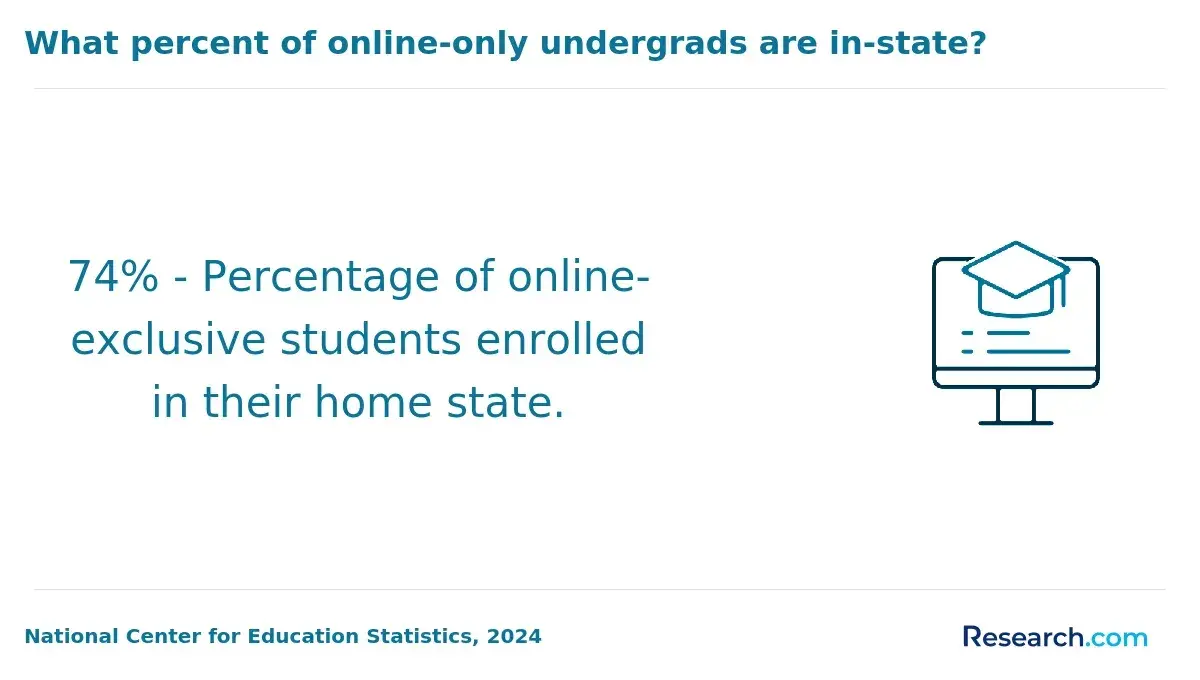
Online graduate education has gained mainstream acceptance, evidenced by over 2.5 million graduate students enrolled exclusively online in 2023-24, according to National Center for Education Statistics data, highlighting increasing employer recognition of online credentials in career advancement.
What Graduates Say About Employer Reception to Their Online Health Informatics Master's Degree
- Armando: "Pursuing my online health informatics master's degree was a game changer, especially since my employer was initially skeptical about online credentials. However, once they saw the program was accredited and the real-world skills I gained, their support grew tremendously. It has truly boosted my confidence in leveraging this degree to advance my role in healthcare technology."
- Damien: "Looking back, the decision to enroll in an accredited online health informatics program was crucial for my career transition. My employer's positive reception of my degree helped validate the worth of an online education in this field. This experience has given me a deeper appreciation of how quality online programs can open doors in the evolving healthcare landscape."
- Aiden: "As a professional already in the healthcare sector, earning an online health informatics master's degree provided me with fresh perspectives and crucial skills. Initially, my company was uncertain about the online nature of my education, but the comprehensive curriculum and accreditation quickly proved its value. This degree significantly impacted my career advancement and how I contribute to data-driven healthcare decisions."
Other Things You Should Know About Health Informatics Degrees
Skills-based hiring emphasizes demonstrable abilities over the mode of degree completion, benefiting online health informatics graduates who can showcase relevant competencies. Employers are increasingly using assessments and project portfolios to evaluate candidates, which levels the playing field between traditional and online degree holders. However, the reputation of the program and accreditation still matter, as they validate the learning quality behind the skills presented.
Prospective students should inquire about the program's accreditation, faculty expertise, and connections to healthcare organizations for internships or job placement. It is important to ask whether the curriculum covers current industry standards and technologies, as well as what career support services are available. Additionally, students should verify if the degree meets employer expectations in their target region or healthcare sector.
Graduates should emphasize the program's accreditation and any hands-on projects completed during the course to demonstrate practical experience. Highlighting internships, certifications earned, and technical proficiencies strengthens their candidacy. It is also effective to address the online format positively by discussing self-discipline and time management skills acquired through remote learning.
References
- CAHIIM Accredited Online Master’s in Health Informatics / HIM Programs https://www.onlineeducation.com/healthcare/faqs/cahiim-accredited-online-masters-in-health-informatics-programs
- Is an Online Master’s Degree Respected and Worthwhile? https://www.usfhealthonline.com/resources/career/is-an-online-masters-degree-worth-your-time/
- Health Informatics Careers: Is a Master's Worth It? https://online.txst.edu/degrees/graduate/masters-health-information-management/data-analytics/professional-career-development/
- 11 Health Informatics Careers for Master’s Graduates to Consider https://www.nec.edu/news/health-informatics-careers
- The Long-Term Impact of Online Learning on Career Development: Health Sciences | Caduceus https://cipcourses.com/blog/the-long-term-impact-of-online-learning-on-career-development-health-sciences/
- Health Informatics - CAHIIM https://www.cahiim.org/accreditation/health-informatics/
- Should I Pursue An Online Health Informatics Master’s Degree? - Healthcare Management Degree Guide https://www.healthcare-management-degree.net/faq/online-health-informatics-masters-degree/
- Future Skills Centre • Centre des Compétences futures https://fsc-ccf.ca/projects/evaluation-upskilling-program/
- How are Health Informatic Programs Accredited? https://www.healthinformaticsdegrees.org/faq/how-are-health-informatic-programs-accredited/
- What Can You Do With a Master’s in Health Informatics? https://masterspublichealth.com/masters-in-health-informatics-jobs/


