2027 Health Informatics Degree Programs for Career Changers

Co-Founder and Chief Data Scientist
Consider a mid-career professional from finance seeking stability in healthcare but uncertain how to leverage existing skills for a health informatics role. Career changers often face uncertainty about program alignment with their experience. Recent studies show that 48% of adult learners pursuing health informatics degrees come from unrelated fields, reflecting growing demand for adaptable, skilled workers within healthcare technology. This article explores degree programs tailored for career changers, emphasizing curriculum flexibility, practical skill development, and strategies to transition effectively into health informatics careers. The discussion aims to guide professionals in choosing education paths that match their career goals and backgrounds.
Key Things to Know About Health Informatics Degree Programs for Career Changers
- Health informatics degree programs often offer flexible scheduling and online or hybrid formats, accommodating working adults balancing professional and personal commitments.
- Many programs align curricula with employer needs, increasing graduates' job placement rates in the growing health informatics sector, projected to grow 17% through 2031.
- Accelerated pacing and dedicated support services like tutoring and career counseling help career changers efficiently transition while maintaining their current employment.
What Health Informatics Programs Accept Career Changers?
Programs designed for professionals seeking a career change in health informatics often offer flexible admissions and curricula that leverage diverse work experiences. Nearly 40% of master's students in health informatics programs are adult learners pursuing career shifts, highlighting the appeal of this field for nontraditional students balancing education with existing responsibilities.
- Post-Bachelor's Certificates: These programs require a bachelor's degree but typically do not demand prior healthcare experience. This allows professionals from various industries to efficiently transition into the health informatics field with focused, practical training.
- Master's Degrees in Health Informatics: Many master's programs provide flexible prerequisites and a curriculum emphasizing both healthcare and technical skills. This balance supports career changers in gaining comprehensive knowledge necessary for new roles.
- Bridge Programs: Tailored for those moving from unrelated careers, these programs cover foundational health sciences alongside informatics. They equip students with essential domain knowledge and technical expertise for successful transition.
- Professional Development or Continuing Education Courses: These courses offer targeted skill enhancements without requiring full degree enrollment. They serve as an ideal introduction or upskilling opportunity for career changers exploring the field.
Health informatics admissions for nontraditional students often emphasize recognition of transferable skills and offer pathways that accommodate working adults. Those interested in the broader healthcare sector may also explore the best online pharmacy programs to complement their career planning.
What Health Informatics Specializations Are Best for Career Changers?
Selecting the right health informatics specialization is vital for career changers as it helps leverage existing skills while meeting industry demand, enhancing employability and career growth. Employment in health informatics is expected to grow 28% from 2021 to 2031 according to the U.S. Bureau of Labor Statistics, underscoring strong opportunities in specialized fields. Here are four top specializations particularly suited for those pursuing the best health informatics career change tracks:
- Clinical Informatics: This specialization is ideal for individuals with healthcare experience, such as patient care or nursing backgrounds. It capitalizes on clinical knowledge to optimize electronic health records and improve patient outcomes, making it accessible to those transitioning from direct care roles.
- Health Data Analytics: Well suited for those with analytical, IT, or data management skills, this track involves interpreting complex health data to guide policy and operational decisions. It offers career mobility by combining technical savvy with healthcare applications.
- Health IT Project Management: Individuals with management or organizational expertise benefit from this role, which focuses on coordinating healthcare technology initiatives. Strong communication and leadership skills are key, helping professionals apply their experience in a growing tech-driven sector.
- Healthcare Cybersecurity: This area suits those with IT security backgrounds, addressing the critical need to protect sensitive patient data and healthcare infrastructures. It offers a vital, high-demand pathway that combines technical knowledge with healthcare priorities.
For career changers seeking an efficient transition, exploring specialized programs such as the easiest DNP programs can provide structured learning and support tailored to adult learners entering health informatics.
What Are the Admission Requirements for Career Changers Applying to a Health Informatics Program?
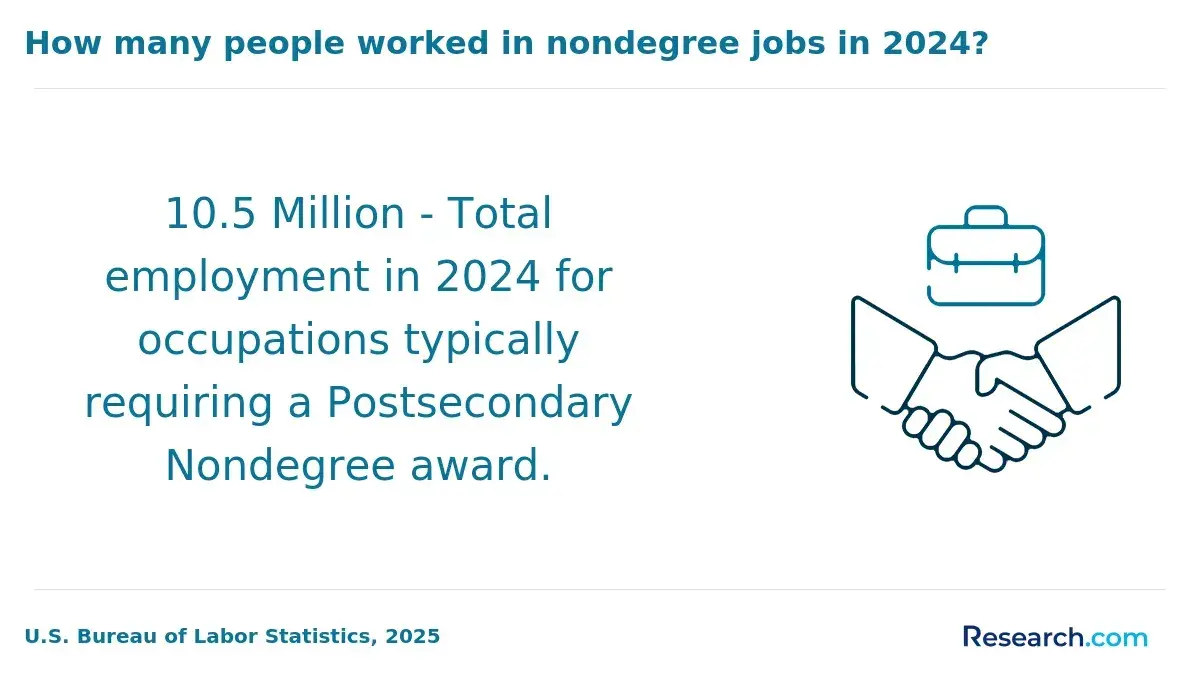
Admission requirements for career changers are especially important because these criteria often differ from those designed for traditional students. Over 40% of postsecondary students are nontraditional, highlighting the need for flexible admissions. Below are common prerequisites highlighting flexibility and relevant experience for those entering a health informatics degree.
- Bachelor's Degree: Most programs require a completed bachelor's degree from an accredited institution, which does not necessarily have to be in a related field, allowing career changers to leverage prior education.
- Application Materials: Transcripts, letters of recommendation, and a statement of purpose are typical, with a focus on explaining your career transition goals clearly to admissions committees.
- Standardized Tests: While some programs might request GRE scores, many waive these requirements for experienced professionals to promote access for nontraditional students.
- Flexible Learning Options: Part-time, evening, or online programs accommodate working professionals, ensuring study can fit around existing job commitments.
- Transferable Experience: Relevant skills in healthcare, IT, or data analysis strengthen applications. Professional certifications or work history in these areas can also serve as alternative qualifications.
- Demonstrated Commitment: Highlighting problem-solving, data management, or technology skills through work or volunteer experience improves admission chances.
For those considering a pivot within healthcare, courses like medical billing and coding certification online can complement your education and strengthen your foundation in the field.
What Is the Coursework for a Health Informatics Degree for Career Changers?
Career changers need a clear grasp of health informatics coursework to effectively shift into this evolving field. Programs are crafted to blend foundational concepts with specialized topics, supporting a seamless move from other professions. Here are the key coursework components typically included:
- Introduction to Health Informatics: Offers an overview of healthcare infrastructure, fundamentals of data handling, and the significance of informatics within clinical and administrative settings.
- Data Analytics and Management: Covers methods for gathering, interpreting, and safeguarding healthcare data, with attention to practical software and techniques prevalent in the sector.
- Health Information Systems: Focuses on electronic health records (EHRs), including their design, implementation, and the technical challenges encountered in healthcare environments.
- Regulatory and Ethical Issues: Addresses compliance with legal frameworks, privacy standards, and ethical decisions critical to protecting patient information integrity.
- Project Management and Leadership: Introduces approaches for overseeing health informatics initiatives, emphasizing teamwork, strategic planning, and organizational change within healthcare settings.
Many programs offer adaptable schedules such as online courses, evening classes, and accelerated formats to accommodate working adults. Practical learning opportunities like internships, case studies, and simulations help bridge prior experiences with new industry demands.
A professional who completed an online health informatics degree shared his insights when asked about the coursework: "Balancing work and study was tough at first, especially learning new technical skills while managing deadlines. It took weeks to adjust to the pace and content, but the online format really helped me fit classes around my job. I appreciated the real-world cases because they made theoretical concepts tangible. My biggest challenge was navigating the ethical and legal modules-it felt overwhelming but ultimately rewarding. The support from instructors made a big difference when I felt stuck."
What Health Informatics Program Formats Are Available for Career Changers?
For career changers, choosing a health informatics program format that accommodates existing work and life commitments is essential. Approximately 40% of U.S. postbaccalaureate students take at least some courses online, highlighting the rising demand for flexible learning options. Below are common formats designed to support adult learners and professionals pursuing this field.
- Fully Online Programs: These programs provide complete remote access to lectures and coursework, ideal for students balancing full-time employment or family duties. They offer maximum convenience without geographic limitations.
- Hybrid Programs: Combining online study with occasional on-campus sessions, hybrids allow students to interact face-to-face while still benefiting from flexible scheduling. This approach supports networking and hands-on experiences alongside remote learning.
- Evening or Weekend Classes: Tailored specifically for working adults, these classes occur outside traditional business hours to minimize conflicts with job responsibilities. They enable learners to pursue degrees without pausing their careers.
- Part-Time Study: By spreading coursework over a longer period, part-time options lighten weekly academic loads. This format helps career changers adjust to new subject matter without overwhelming their schedules.
What Skills Do Career Changers Gain in a Health Informatics Program?
For career changers, developing relevant skills is essential since 87% of employers emphasize the value of transferable abilities when hiring individuals transitioning into new roles. Focusing on targeted skill-building can significantly improve adaptability and success in healthcare technology fields. Below are five core skills gained through a health informatics program that support this career shift.
- Data Analysis and Management: Proficiency in evaluating healthcare data helps professionals make informed decisions that improve patient outcomes and streamline operations in clinical settings.
- Health Information Systems Proficiency: Mastery of electronic health records and digital tools enables efficient handling of patient information, meeting both organizational needs and regulatory compliance.
- Regulatory Knowledge: A deep understanding of healthcare laws and privacy policies prepares learners to uphold legal and ethical responsibilities critical to maintaining trust within medical organizations.
- Project Management: Skills in organizing and managing technology-driven projects empower career changers to lead initiatives, coordinate teams, and facilitate smooth transitions in multidisciplinary environments.
- Communication and Collaboration: The ability to effectively engage with clinicians, IT experts, and administrators fosters teamwork and ensures successful integration of health informatics solutions.
When asked about her experience, a career changer who completed a health informatics degree shared that initially, the shift felt overwhelming due to the technical aspects and unfamiliar healthcare language. She emphasized the importance of persistence and how acquiring hands-on skills, particularly in managing health data systems, boosted her confidence. Reflecting on her journey, she noted, "The program challenged me to think critically and communicate clearly with diverse professionals, which was crucial in overcoming early doubts." Her story illustrates how targeted skill development not only supports immediate job readiness but also fosters ongoing growth in this dynamic field.
How Much Does a Health Informatics Degree Cost for Career Changers?
Career changers considering a health informatics degree must carefully assess the total program cost, especially since graduate education expenses in the United States can range widely. The average student loan debt for master's degree holders exceeds $66,000, underscoring the importance of financial planning for adult learners. Below are the main cost factors to consider when evaluating the average tuition fees for health informatics programs.
- Tuition: This is generally the largest expense and varies significantly based on program length, delivery format, and institution type. Online programs often offer more affordable options and greater flexibility for working professionals, sometimes reducing indirect costs like transportation or lost wages.
- Fees: Additional campus or technology fees may apply depending on whether the program is online or on-site. These can include administrative fees, software licenses, or access to specialized platforms, typically amounting to a few hundred to several thousand dollars over the course of study.
- Textbooks and Materials: Expect to budget for textbooks, digital resources, and software required for coursework. Costs may range from $500 to $2,000, though some programs include resources within tuition or offer cost-saving options.
- Technology Requirements: Reliable hardware and internet access are essential, especially for online learners. Purchasing a suitable laptop or upgrading existing equipment can incur additional, sometimes one-time expenses.
- Clinical Practicum Expenses: Some programs require clinical or practical experience, which may involve travel, liability insurance, or other related costs. These vary and are often program-specific, so students should inquire early about potential expenses.
Many programs offer flexible payment plans, employer tuition assistance, and scholarships that help mitigate financial strain. Additionally, accelerated formats or stackable certificates can spread costs over time and support gradual skill acquisition. Considering the potential return on investment as you compare costs is critical when looking into the health informatics degree cost for career changers.
For those exploring affordable options, researching related fields is beneficial; for example, nursing programs online might provide insights into cost-saving strategies applicable to health informatics degrees.
How Does a Health Informatics Curriculum Support Career Transitions?
Curriculum design is especially important for career changers pursuing a health informatics degree because it must address the unique challenges of entering a new field while building on prior experience. Tailored programs focus on flexibility, practical knowledge, and skill applicability to ensure a smooth career transition. Below are key ways a health informatics curriculum supports career transitions:
- Applied Learning: Through case studies and scenario-based exercises that reflect real healthcare environments, students gain practical experience to better understand complex industry challenges.
- Transferable Skills: Emphasizing data analysis, project management, and communication, programs equip learners with abilities that apply across sectors and enhance versatility during career shifts.
- Flexible Formats: Offering online and part-time options helps working professionals balance education with their current responsibilities, enabling steady progress without overwhelming schedules.
- Hands-on Experience: Capstone projects and internships provide vital real-world exposure and networking opportunities, essential for building competence and industry connections in health informatics.
- Domain Knowledge: Curriculum focuses on healthcare technology and systems, allowing students to quickly acquire specialized expertise necessary for new roles.
These features ensure that students not only learn the theoretical foundations but also gain the skills needed to successfully navigate career transitions. For those interested in exploring additional affordable options within healthcare education, consider reviewing the cheapest BSN programs available nationally. Overall, a health informatics degree curriculum for career changers provides a strategic approach, maximizing skills gained from health informatics programs for career transitions.
What Careers Can Career Changers Pursue With a Health Informatics?
For professionals considering a shift into healthcare technology, recognizing potential career trajectories helps leverage existing skills while adapting to new demands. Employment in health information technology is expected to grow 9% between 2022 and 2032, reflecting increased industry needs. Below are common roles accessible to health informatics graduates.
- Health Data Analyst: This role involves analyzing clinical and operational data to enhance patient care and organizational efficiency. Prior experience with problem-solving and data interpretation supports success in these positions.
- Clinical Informatics Specialist: Specialists apply clinical knowledge alongside IT expertise to integrate and optimize electronic health records and related systems. Individuals with backgrounds in healthcare or technology find this role a natural fit.
- Health IT Project Manager: Managing healthcare technology initiatives requires strong organizational and leadership capabilities. Those from project management or supervisory roles can transition effectively into this position.
- Health Information Manager: Overseeing patient data integrity and compliance, this role suits individuals familiar with healthcare administration or quality control processes.
- Healthcare Consultant: Consultants guide organizations in adopting technological solutions and improving workflows, drawing on a wide range of professional experiences across industries.
What Is the Average Salary After Earning a Health Informatics Degree as a Career Changer?
Salary expectations play a key role for professionals switching careers to earn a health informatics degree, as it helps gauge the return on investment in education and skill development. Studies indicate that those reskilled in healthcare technology roles often experience a median salary boost of about 15% compared to their previous jobs. Below are key salary insights relevant to this field.
- Entry-Level Specialists: Typically earn between $60,000 and $75,000 annually. Starting salaries depend on foundational knowledge and relevant certifications acquired during the transition.
- Mid-Career Professionals: With three to five years of experience, salaries usually range from $80,000 to $100,000. Prior experience in related domains like project management or IT may enhance compensation.
- Senior and Management Roles: Often offer salaries exceeding $110,000. Leadership responsibilities and extensive domain expertise contribute to higher earnings.
- Specialized Skills: Expertise in areas such as data analytics or electronic health record (EHR) systems often commands premium pay due to increased demand for technical proficiency.
- Geographic Variation: Urban centers generally provide higher compensation than rural regions, reflecting local cost of living and job market dynamics.
What Graduates Say About Their Health Informatics Degrees for Career Changers
- Theo: "I decided to transition from retail management into health informatics because I wanted a career with more growth potential and impact on patient care. Although the average cost hovered around $30,000, investing in this degree was worth every dollar since it opened doors in healthcare IT that I never anticipated. Completing the program gave me the confidence and skills needed to thrive in this new field, and I'm now happily working in hospital data management."
- Aries: "Changing my career path to health informatics was a reflective choice shaped by my desire for a role that combined technology and healthcare. The cost of the program was certainly a consideration, as spending close to $35,000 was a significant investment, but the value I gained in knowledge and hands-on experience exceeded my expectations. Finishing the degree allowed me to step into a highly specialized position, making the financial and personal commitment truly rewarding."
- Anthony: "As a professional in finance seeking to shift into health informatics, I viewed the degree program as both an educational and strategic step. The tuition, ranging from $25,000 to $40,000 depending on the institution, felt justified given the rapid career advancement opportunities it provided. This program was vital in equipping me with the technical expertise necessary to succeed, enabling a smooth and successful transition into health informatics roles within health systems."
Other Things You Should Know About Health Informatics Degrees
Yes, 2027 health informatics programs often provide networking and job placement support tailored for career changers. Many programs feature dedicated career services that offer workshops, networking events, and partnerships with healthcare organizations to facilitate a smooth transition into a new career.
Career changers often face technical challenges related to acquiring foundational knowledge in healthcare systems, medical terminology, and data analysis tools. Balancing coursework with existing job or family commitments can also be demanding. However, many programs offer preparatory courses and flexible learning options to ease these transitions.
References
- A Career Guide to your Future in Health Informatics | Pitt SHRS https://www.shrs.pitt.edu/story/a-career-guide-to-your-future-in-health-informatics/
- A Guide to Health Informatics Salaries https://mastersinhealthinformatics.com/masters-in-health-informatics-average-salary/
- Health Informatics Specialist Skills in 2025 (Top + Most Underrated Skills) https://www.tealhq.com/skills/health-informatics-specialist
- Top Entry-Level Health Informatics Jobs https://www.usfhealthonline.com/resources/career/top-entry-level-health-informatics-jobs/
- MS Health Informatics Frequently Asked Questions | Yale School of Public Health https://ysph.yale.edu/school-of-public-health/graduate-programs/master-of-science-in-public-health-msph/health-informatics/faqs/
- MS in Health Informatics | Healthcare Degree Program https://www.css.edu/academics/programs/graduate/master-of-science-in-health-informatics/
- Health Informatics | Advance Your Healthcare Career — Skills for Change https://skillsforchange.org/health-informatics
- The Chang School: Health Informatics https://www.torontomu.ca/ce/healthinformatics/
- 2025 Most Affordable Online Healthcare Informatics Degrees https://www.onlineu.com/most-affordable-colleges/healthcare-informatics-degrees
- 46 Most Affordable Master's in Health Informatics Online https://www.geteducated.com/online-college-ratings-and-rankings/master-of-health-informatics-online/