2027 Is a 2-Year Health Informatics Degree Worth It: Accelerated Bachelor's ROI & Time Trade-Offs

Co-Founder and Chief Data Scientist
Many prospective students face uncertainty about whether pursuing a 2-year accelerated bachelor's degree in health informatics delivers a worthwhile return on investment. The challenge lies in balancing time commitments with future earnings potential in a rapidly evolving healthcare industry. Recent data shows the health informatics workforce is expected to grow by 20% through 2030, outpacing average job growth rates.
This article evaluates the financial and temporal trade-offs of accelerated health informatics degrees. It offers a detailed analysis of career outcomes and salary prospects to help readers make informed decisions aligned with their personal and professional goals.
Key Benefits of a 2-Year Health Informatics Degree
- An accelerated 2-year health informatics degree offers faster entry into a growing field with a projected 20% job growth rate by 2030, improving time-to-earn potential.
- The comparatively lower tuition costs enhance return on investment, as graduates typically earn median salaries of around $95,000 within five years.
- Shortened program duration reduces opportunity costs, allowing students to gain experience and advance professionally sooner than traditional pathways.
How Do 2-Year Health Informatics Programs Work?
Two-year health informatics programs offer a compressed path to earning a bachelor's degree, appealing to students who want to accelerate their education and enter the workforce sooner. Understanding the structure of these programs helps prospective students evaluate if the intensity and pacing align with their career goals and personal commitments.
Below is a breakdown of the key features that define this educational route.
- Accelerated Pacing: These programs condense four years of study into about half the time, requiring students to manage a faster learning curve and heavier weekly workloads compared to traditional timelines.
- Year-Round Enrollment: Students often attend classes continuously through fall, spring, and summer terms, minimizing breaks and maintaining steady progress.
- Condensed Course Terms: Terms usually last 8 to 10 weeks instead of full semesters, intensifying the pace of instruction and requiring strong discipline for course completion.
- Credit Load Expectations: Learners carry more credits each term, balancing multiple demanding courses that demand effective time management and commitment.
- Instructional Format: Programs commonly blend online and in-person learning, using interactive modules, video lectures, and virtual labs suited for busy adults seeking flexibility.
- Assessment Methods: Students face regular quizzes, project-based assignments, practical case studies, and milestone exams to ensure mastery of health informatics concepts and skills.
- Curriculum Progression: The sequenced curriculum covers foundational areas such as health data management, database systems, healthcare regulations, and technical skills in analytics and informatics software.
Those considering health informatics program admissions and coursework intensity should weigh the demand of accelerated study against the benefit of faster degree completion. The focused nature of these programs often results in cost savings, as shortening time-to-degree can reduce tuition expenses significantly.
Moreover, timely graduation supports entering a field with promising growth. The Bureau of Labor Statistics projects a 16% increase in employment for medical records and health information technicians from 2021 to 2031.
For students exploring roles beyond health informatics, resources like online pharmacy school options offer additional accelerated paths in healthcare education.
What Are the Admission Requirements for a 2-Year Health Informatics Degree?
Prospective students considering an accelerated bachelor's in health informatics benefit from understanding the typical admissions expectations to better prepare their applications. Knowing these criteria helps evaluate if the program's pace and rigor align with their academic and career goals.
Below is a detailed breakdown of the common requirements for 2-year health informatics degree admission criteria.
- Prior Education: Most programs require a high school diploma or equivalent, with some offering accelerated options for those who hold associate degrees or have prior college credits, making the 2-year format appealing to transfer students.
- GPA Expectations: Applicants generally need a minimum GPA between 2.5 and 3.0 on a 4.0 scale, reflecting satisfactory academic performance that suggests readiness for accelerated study.
- Standardized Tests: SAT or ACT scores are less frequently mandatory, especially for adult learners or candidates with existing college coursework, which reduces barriers for non-traditional students.
- Prerequisite Courses: Completion of foundational courses in biology, computer science, or statistics is often expected to ensure applicants have the essential skills required for success in health informatics.
- Work Experience: Experience in healthcare or information technology can strengthen applications though it is not always required. Personal statements or letters of recommendation may also be requested to assess motivation and program fit.
Accelerated health informatics programs offer a strategic route for those looking to advance quickly, with growing job prospects supported by an expected 9% employment growth in health information roles through 2032 according to the U.S. Bureau of Labor Statistics.
Students seeking complementary training might explore options such as a certified medical assistant program to broaden their healthcare credentials alongside their degree.
What Does a Typical Week Look Like in a 2-Year Health Informatics Program?
A clear picture of the weekly demands in a 2-year accelerated health informatics program helps students determine if the pace suits their lifestyle and ambitions. Balancing an intensive curriculum requires awareness of time commitments and academic expectations.
Below is an overview of the typical components that fill a week in such a program.
- Class Sessions: Multiple lectures are scheduled per week, often adding up to 10-15 hours focused on subjects like healthcare data systems, clinical workflows, and technology applications.
- Assignments & Assessments: Frequent quizzes, case studies, and project submissions are common, designed to reinforce key concepts and assess understanding swiftly.
- Group Projects: Collaborative work encourages communication and problem-solving skills through team-based exercises and presentations.
- Independent Study: Students dedicate 15-20 hours weekly to reviewing course materials, conducting research, and practicing with health IT tools to deepen technical knowledge.
- Instructor Support: Structured availability via office hours, discussion boards, and virtual meetings helps students resolve questions and stay connected with faculty.
- Time Management: Managing overlapping deadlines and preparing for comprehensive exams in a rapid timeframe demands strong organizational skills and discipline.
When asked about his experience, a professional who completed a bachelor's in health informatics within two years emphasized the intensity and reward of the journey. "It felt like hitting the ground running every week," he explained, highlighting how the compressed schedule forced him to develop strict study routines quickly.
Group projects sometimes felt challenging due to different schedules, but those collaborations taught essential real-world teamwork. He recalled moments of fatigue but also the satisfaction in mastering complex software tools faster than expected. Overall, he described the process as demanding yet highly motivating, with every week presenting new challenges that sharpened his skills and confidence for a career in health informatics.
Breakdown of Public Fully Online Title IV Institutions

Are 2-Year Health Informatics Programs Available Online?
Choosing the right delivery format is essential for students pursuing an accelerated 2-year health informatics degree, as it directly impacts flexibility, accessibility, and effective time management. Online and hybrid options offer different ways to balance coursework with personal and professional obligations.
The following points detail how these formats function and their implications for student success.
- Fully online vs. hybrid formats: Fully online programs let students complete all coursework remotely, providing maximum convenience. Hybrid options blend online instruction with occasional on-campus sessions, offering some face-to-face interaction.
- Asynchronous and synchronous learning: Asynchronous elements allow students to study on their own schedules by accessing recordings and assignments anytime. Synchronous sessions involve live discussions or group work, fostering real-time engagement and collaboration.
- Technology requirements: Students need a dependable internet connection, modern computer, and access to specific software such as learning management platforms and data analysis tools essential for coursework.
- Student support services: Online learners often benefit from virtual tutoring, academic advising, and tech support, which help replicate the in-person experience and improve retention.
- Impact on pacing and engagement: Online delivery grants flexibility in progressing through classes quickly, but demands strong self-discipline. Regular interaction during synchronous sessions can boost motivation and understanding within the condensed two-year timeframe.
How Much Does a 2-year Health Informatics Degree Cost?
Evaluating the total cost of a 2-year health informatics degree is essential to determine its return on investment, especially for those considering an accelerated program. These degrees offer a faster pathway to entering the workforce but involve a cost structure distinct from traditional formats.
Below is a detailed look at the main expenses involved.
- Tuition structure: Tuition fees for accelerated health informatics programs often exceed the per-credit cost of traditional degrees due to the intensive pace and additional support but typically result in lower total costs because of the shortened timeline.
- Institutional and technology fees: Beyond tuition, students may face mandatory fees, including technology or lab fees linked to the specialized software and tools common in health informatics, which can raise overall expenses.
- Textbooks and learning materials: Current technology and software standards in health informatics require students to invest in updated textbooks and digital resources, contributing to the cost of 2-year health informatics degree programs.
- Accelerated pacing savings: Completing a degree in two years instead of four reduces living expenses and tuition payment durations, offering meaningful financial benefits often overlooked in cost comparisons.
For those seeking entry through less competitive options, exploring easy nursing programs to get into may provide alternative pathways into healthcare education.
Can You Get Financial Aid for 2-Year Health Informatics Programs?
Considering financial aid is crucial when choosing an accelerated 2-year health informatics degree, as these programs often require a condensed timeline that can impact payment schedules and eligibility. Securing aid can significantly ease the financial burden, making it essential to explore all available options.
Below is a detailed overview of common financial support opportunities tailored to this accelerated pathway.
- Federal student aid eligibility: Programs that are accredited and participate in Title IV funding typically qualify students for federal aid, including Pell Grants and Direct Loans. Accelerated pacing may demand careful planning since faster completion can modify semester-based disbursement timelines.
- Scholarships: Numerous scholarships target health informatics or healthcare technology fields, often awarded by professional groups, nonprofits, or state agencies focused on workforce development. These awards can provide targeted financial relief but usually require meeting specific criteria.
- Grants: Local governments and private foundations sometimes offer grants that do not need repayment. These grants are less common and often come with strict eligibility conditions related to demographics or career goals.
- Employer tuition assistance: For many working adults, employer-funded tuition programs offer valuable support if the degree directly enhances job responsibilities. This can cover partial or full tuition, substantially lowering out-of-pocket costs.
- Payment plans: Some institutions provide flexible payment arrangements designed to accommodate the quicker tuition cycles of accelerated programs, easing financial management throughout the degree.
When discussing financial aid with a professional who completed an accelerated bachelor's in health informatics, she shared how managing aid was both challenging and rewarding. "Balancing job hours with classes was intense, and the accelerated format meant I had to submit financial aid paperwork months ahead to align with shortened semesters," she explained.
Employer tuition benefits covered a significant portion, but she also pursued targeted scholarships requiring detailed applications. She reflected, "It wasn't easy navigating all the deadlines and requirements, but having multiple aid sources was essential to finishing in two years without overwhelming debt."
Her experience highlights that while financial aid for accelerated health informatics degrees is available, success depends on early planning, persistence, and combining several options effectively.
What Jobs Can You Get With a 2-Year Health Informatics Degree?
Evaluating potential career outcomes is critical when considering the value of an accelerated health informatics bachelor's degree, especially since students seek to quickly enter the job market. Knowing which roles are accessible with a 2-year health informatics degree can guide realistic expectations and help align educational choices with career ambitions.
Below is an overview of common jobs and industries that graduates typically pursue.
- Health Information Technician: Graduates often begin as health information technicians, where they manage and organize patient records. This role supports the smooth operation of EHR systems, which are central to healthcare facilities.
- Clinical Data Specialist: This position involves analyzing clinical data collected from various healthcare sources, providing vital insights to improve patient care and healthcare delivery. It is a key entry-level health informatics career that bridges data management with clinical operations.
- Medical Records Analyst: Specialists in this role review and interpret medical records to ensure data integrity and regulatory adherence. Their work helps maintain the quality of healthcare documentation used across hospitals and insurance providers.
- Patient Information Coordinator: This professional serves as a liaison between clinical staff and administrative systems by managing patient data intake, record requests, and information flow across departments.
- Advancement and Industry Options: Many entry-level health informatics jobs with 2-year degree foundations exist in hospitals, insurance companies, outpatient care centers, and government agencies. The competencies developed through these roles can lead to higher positions in healthcare administration or data management with further experience or education.
For students considering how to efficiently transition into healthcare technology careers, it is worth exploring options like the cheapest FNP programs online, which offer additional pathways to advance within the healthcare sector.
How Do Salaries Compare for 2-year Health Informatics Degree vs. Traditional Bachelor's Degrees?
Salary outcomes are a critical factor when evaluating the return on investment (ROI) of accelerated versus traditional degree paths in health informatics. Prospective students often weigh the time saved by completing a 2-year program against potential differences in earnings.
A detailed comparison reveals how these education choices impact both early career and long-term financial prospects.
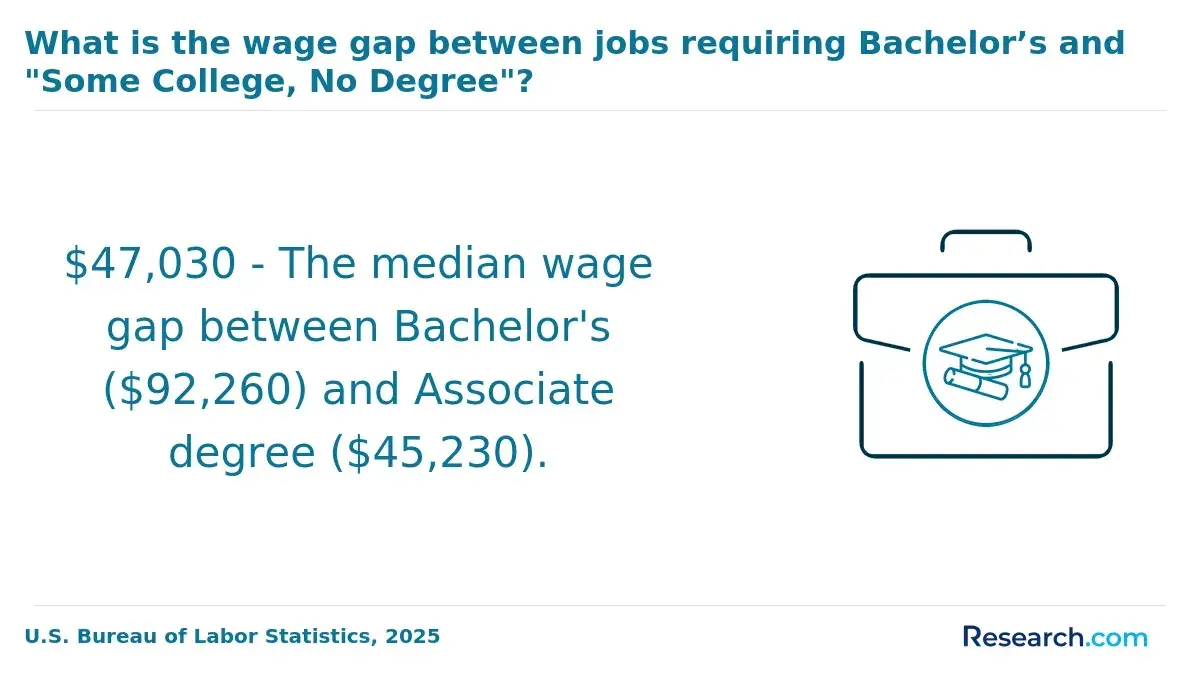
- Early-career earnings: Graduates with a 2-year health informatics degree typically earn between $45,000 and $60,000 annually. In contrast, those holding traditional bachelor's degrees often start in the $55,000 to $70,000 range, reflecting market demand for four-year credentials.
- Long-term earning potential: Bachelor's degree holders generally experience stronger salary growth, with median earnings rising beyond $90,000 over time due to eligibility for advanced roles in analytics management and health IT leadership. Holders of 2-year degrees may face a ceiling closer to $70,000 to $80,000 unless they pursue additional education or certifications.
- Employer perception: Competitive urban job markets and technical positions often prioritize candidates with traditional bachelor's degrees, valuing their comprehensive education. However, 2-year degree graduates benefit from quicker entry into the workforce, which can be a strategic advantage if paired with ongoing professional development.
- Career progression timelines: The shorter duration of associate-level programs, which save approximately 1-2 years of education time, allows earlier workforce participation. This may enable accelerated accumulation of experience, though it does not always fully offset lower starting salaries compared to traditional bachelor's degree holders.
- Impact on lifetime earnings: Earlier employment from 2-year degrees can enhance lifetime income when combined with effective career advancement strategies. Still, the median early salary difference favoring bachelor's graduates, typically $5,000 to $10,000, reflects enduring trends in hiring practices and expected qualifications.
The 2-year health informatics degree salary comparison highlights these trade-offs clearly. Students considering accelerated bachelor's vs accelerated health informatics earnings must also factor in options for further credentialing. Data from the U.S. Bureau of Labor Statistics (2023) and the National Center for Education Statistics support this outlook.
For those interested in advancing within health-related professions, exploring additional paths such as the cheapest DNP programs may complement initial degrees for enhanced career and salary growth.
Which Factors Most Affect ROI for Accelerated Health Informatics Degrees?
Evaluating the return on investment (ROI) is essential when choosing an accelerated health informatics degree. Accelerated programs promise quicker completion, but understanding how this and other factors affect long-term gains helps in making an informed decision.
Below is a detailed look at key elements shaping ROI in accelerated health informatics programs.
- Time-to-completion: Accelerated degrees typically allow students to finish in roughly half the time of traditional programs, often around two years. This shorter duration reduces overall tuition, living costs, and other expenses linked to longer study periods.
- Tuition and total cost: Costs can vary widely, but generally, lower tuition or program fees improve ROI. Many accelerated options also offer online or flexible formats that minimize indirect expenses like commuting and housing.
- Opportunity cost savings: Graduating sooner means entering the workforce earlier, which helps start salary earnings and career advancement without prolonged income loss from extended education.
- Employment outcomes: Health informatics is a growing field with steady demand. Graduates often find roles in healthcare data and information management, supporting strong job prospects aligned with market needs.
- Salary growth: The ability to progress into specialized or leadership positions can significantly increase earning potential over time, making a faster degree path financially advantageous.
- Industry demand: A 10% employment growth projection for health information roles through 2032 indicates stable and expanding opportunities, reinforcing the value of credentials in this area.
- Transferability of skills: Skills learned, such as managing electronic health records and understanding healthcare regulations, are versatile and applicable across various settings, enhancing long-term job security and adaptability.
How Do You Decide If a 2-year Health Informatics Degree Is Right for You?
Choosing a 2-year health informatics degree requires assessing your learning preferences and schedule. These programs demand strong self-discipline and the ability to grasp material quickly due to their intensive, fast-paced nature.
Consider whether you can dedicate sufficient time to study while managing work or family commitments. Career urgency plays a role; some roles prioritize rapid certification, while others may expect more extended education or experience. Your readiness for accelerated learning and your immediate professional goals should both guide this decision.
From a practical standpoint, a 2-year program typically costs less than a traditional 4-year degree, potentially reducing tuition and living expenses by 1-2 years. Assess the return on investment by comparing program costs with typical salaries, which for health informatics professionals average around $100,000 mid-career.
Employer preferences vary, with some valuing quick credentialing and others favoring longer training. Also consider if the degree allows flexibility to pursue advanced certifications or education later, supporting evolving career plans.
What Graduates Say About Their 2-Year Health Informatics Degree
- Javier: "Choosing the 2-year accelerated bachelor's degree in health informatics was a strategic move for me, especially considering the average cost of attendance was manageable compared to traditional programs. Balancing the intensive schedule required strict time management, but the support from faculty made it possible to stay on track. This degree has opened doors in healthcare IT, allowing me to contribute to patient data management and analytics effectively. "
- Lauren: "I opted for the 2-year health informatics program because I wanted to deepen my expertise quickly without sacrificing my work commitments. The program's rigorous pace was challenging, yet I handled it by prioritizing my studies and leveraging online resources to fit learning into my busy days. Reflecting on the experience, I'm grateful that this accelerated path not only saved me time but significantly advanced my career in healthcare technology. "
- Esther: "As a professional already in the healthcare field, I chose the 2-year bachelor's degree in health informatics for its efficiency and focus. Managing the compressed schedule required disciplined planning, but the practical knowledge gained was invaluable. Since graduating, I've seen tangible growth in my role, particularly in improving clinical workflows and data systems. The investment, including the roughly average tuition, has truly paid off. "
Other Things You Should Know About Health Informatics Degrees
In 2027, graduates with a 2-year health informatics degree can pursue roles like medical records technician, health data analyst, or informatics support specialist. These positions capitalize on skills gained in data management, technology use in healthcare settings, and regulatory knowledge.
An accelerated bachelor's degree in health informatics allows students to complete their studies faster, which can lead to quicker entry into the workforce or advancement into specialized roles. This time efficiency often results in higher lifetime earnings by reducing educational costs and enabling earlier professional experience. However, employers may sometimes prioritize experience alongside accelerated degrees, so supplementing education with internships or certifications is beneficial.
References
- Health Informatics (BS) Program | Pitt SHRS https://www.shrs.pitt.edu/academics/him/hibs/
- Costs and Financial Support https://osph.utsouthwestern.edu/degree-programs/health-informatics/cost.html
- Careers in Health Informatics: Where Healthcare Meets Technology | National University https://www.nu.edu/blog/careers-in-health-informatics/
- Master of Science in Health Informatics https://bcbi.brown.edu/education/health-informatics-scm
- Bachelor of Science in Health Information and Informatics - BSHII Online or On Campus https://alliedhealth.llu.edu/academics/health-informatics-information-management-and-administration-hiima/bachelor-science-health-information-and-informatics-bshii-online-or-campus
- Advance your education with a Health Informatics degree https://www.regis.edu/news/2023/discern-learn/04/health-informatics-continuing-education
- Admissions Requirements: Healthcare Informatics Certificate https://www.utrgv.edu/accelerated/programs/health-sciences-healthcare-informatics-certificate-program/admissions/index.htm