
2027 How to Become an Education Director: Education, Salary, and Job Outlook

Co-Founder and Chief Data Scientist
Becoming an education director is a leadership decision, not just a promotion. The role typically sits between instruction, operations, staff development, compliance, budgeting, and long-term program strategy. In schools, early childhood centers, nonprofits, museums, universities, healthcare organizations, and corporate training departments, education directors are responsible for turning learning goals into programs that actually work.
This guide explains the credentials, skills, work settings, salary expectations, internships, advancement options, and day-to-day challenges connected with education director roles. It is designed for teachers moving into administration, career changers with training or program-management experience, and students planning an education leadership pathway.
Requirements vary by state, employer, student population, and setting. Public school leadership roles often have stricter licensure expectations than nonprofit, corporate, or museum-based education roles. Use this guide as a practical starting point, then verify the exact credential and licensure rules in the state and organization where you plan to work.
What are the benefits of becoming an education director?
- The job outlook for education directors is strong, with a projected growth rate of 8% by 2027, reflecting increasing demand for skilled leaders in educational institutions.
- Education directors earn an average annual salary of around $95,000, which can rise with experience and working at larger organizations.
- This career is rewarding for those passionate about shaping educational programs and policies, offering both leadership opportunities and a positive impact on learning environments.
What credentials do you need to become an education director?
The credentials you need to become an education director depend heavily on the setting. A public K-12 district may require state licensure, teaching experience, and graduate preparation in educational leadership. A nonprofit, museum, childcare center, or corporate learning department may focus more on program leadership, curriculum design, staff supervision, budgeting, and measurable learning outcomes.
In general, competitive candidates build a profile that combines education, practical experience, leadership preparation, and, where required, state-approved credentials. Florida education director credential requirements, for example, may differ from requirements in other states and may also vary by early childhood, K-12, or administrative role type.
- Bachelor's degree: Most education directors start with a bachelor's degree in education, curriculum development, child development, instructional design, or a related field. For public school roles, this degree often supports initial teacher preparation.
- Teaching license or certificate: Many K-12 leadership roles require an active teaching license or certificate. Requirements usually include state exams, approved coursework, background checks, and state education board approval.
- Classroom or instructional experience: Education directors are expected to understand how learning works in practice. Years of teaching, tutoring, coaching, training, or curriculum implementation can make later leadership decisions more credible and realistic.
- Master's degree: A master's degree in education administration, educational leadership, curriculum and instruction, or a related area is often preferred and may be required for higher-level school leadership roles.
- Specialized certifications: Depending on the role, candidates may benefit from educational leadership certification, director credential educational leadership certification, or early childhood credentials such as the Child Development Associate (CDA).
- Setting-specific qualifications: Nonprofits, museums, and corporate training departments may accept candidates with strong program management, adult learning, evaluation, and stakeholder engagement experience, even when the pathway is less tied to traditional school licensure.
If you are still completing your undergraduate education while working, flexible options such as accelerated online bachelor degree programs for working adults may help you build the academic foundation for later leadership roles. Before enrolling, confirm accreditation, transfer-credit rules, licensure alignment, tuition costs, and whether the program meets requirements in the state where you intend to work.
What skills do you need to have as an education director?
An education director needs more than instructional knowledge. The role requires the judgment to set priorities, the technical ability to evaluate programs, and the interpersonal skill to lead teachers, trainers, administrators, families, funders, and community partners. The strongest candidates can connect learning goals with staffing, budgets, compliance, technology, and measurable outcomes.
- Curriculum design: Education directors must create, review, and improve learning programs that align with standards, organizational goals, student needs, and available resources.
- Educational technology: Directors often work with LMS platforms such as Canvas or Moodle, e-learning tools, and emerging AI technologies. The key is not simply using tools, but choosing technology that improves instruction, access, assessment, and reporting.
- Data analysis: Tools such as Excel or Tableau can help track attendance, completion, assessment results, learner progress, program participation, and equity gaps. Directors need to interpret the data without reducing students or staff to numbers.
- Project management: Education initiatives involve deadlines, budgets, training schedules, materials, approvals, and evaluation plans. Tools such as Asana or Trello can help, but success depends on clear ownership and follow-through.
- Compliance knowledge: Directors must understand applicable education laws, accreditation standards, documentation rules, privacy expectations, and internal policies. In regulated settings, compliance errors can affect funding, licensure, or program approval.
- Grant writing and budgeting: In nonprofits and community programs, funding may depend on persuasive proposals, realistic budgets, outcome reporting, and careful stewardship of restricted funds.
- Adult learning theory: This is especially important in corporate training, professional development, healthcare education, and staff learning programs. Adults need relevant, practical, respectful instruction that connects to their responsibilities.
- Leadership and collaboration: Directors must support educators while also holding teams accountable. This requires coaching, delegation, conflict resolution, and the ability to build trust across roles.
- Communication: Education directors explain complex plans to different audiences, including teachers, executives, school boards, families, students, funders, and regulators.
- Creativity and problem-solving: Limited budgets, staffing shortages, technology gaps, and changing learner needs require practical solutions rather than one-size-fits-all plans.
- Analytical thinking: Directors need to identify patterns, test assumptions, compare options, and turn evidence into decisions that improve learning quality.
A useful way to assess your readiness is to compare your current strengths with the work you would actually do. If you are strong in instruction but weak in budgeting, compliance, or staff supervision, target those gaps before applying for director-level roles.
What is the typical career progression for an education director?
The typical path to education director is gradual. Most professionals first build credibility in direct instruction or learner support, then move into coordination, coaching, curriculum, or administrative responsibilities. By the time they become directors, they are expected to manage people, programs, policies, budgets, and outcomes rather than only deliver instruction.
- Teacher: Many education directors begin in the classroom. Teaching experience builds practical understanding of lesson planning, assessment, student behavior, family communication, and the realities educators face every day. This role generally requires a bachelor's degree and teaching license.
- Teaching assistant or tutor: These roles can help early-career professionals gain exposure to instructional support, learner needs, and school operations before moving into licensed teaching or program roles.
- Department head or curriculum coordinator: After gaining experience, educators may supervise a subject area, coordinate curriculum implementation, review materials, lead meetings, or support assessment planning.
- Instructional coach: Instructional coaches help teachers improve practice through observation, feedback, modeling, data review, and professional development. This role is often a strong bridge from teaching to leadership.
- Education director: At the director level, responsibilities usually expand to program strategy, staffing, budgets, curriculum quality, compliance, partnerships, and evaluation. A master's degree in education administration or a related field plus leadership experience is usually required here.
- Chief academic officer: Some education directors advance into senior academic leadership, overseeing broader instructional strategy and academic operations across an institution or system.
- Corporate training director: Professionals interested in workplace learning may move into corporate education, where they design and manage training programs tied to employee development and organizational goals.
- Non-Profit Education Director: Others lead mission-driven education initiatives, community programs, advocacy projects, or public learning campaigns in nonprofit settings.
Career progression is not always linear. A teacher may move into nonprofit program management, a museum educator may become a curriculum leader, or a corporate trainer may transition into higher education. What matters is whether each step helps you build evidence of leadership, program improvement, staff development, and learner impact.
How much can you earn as an education director?
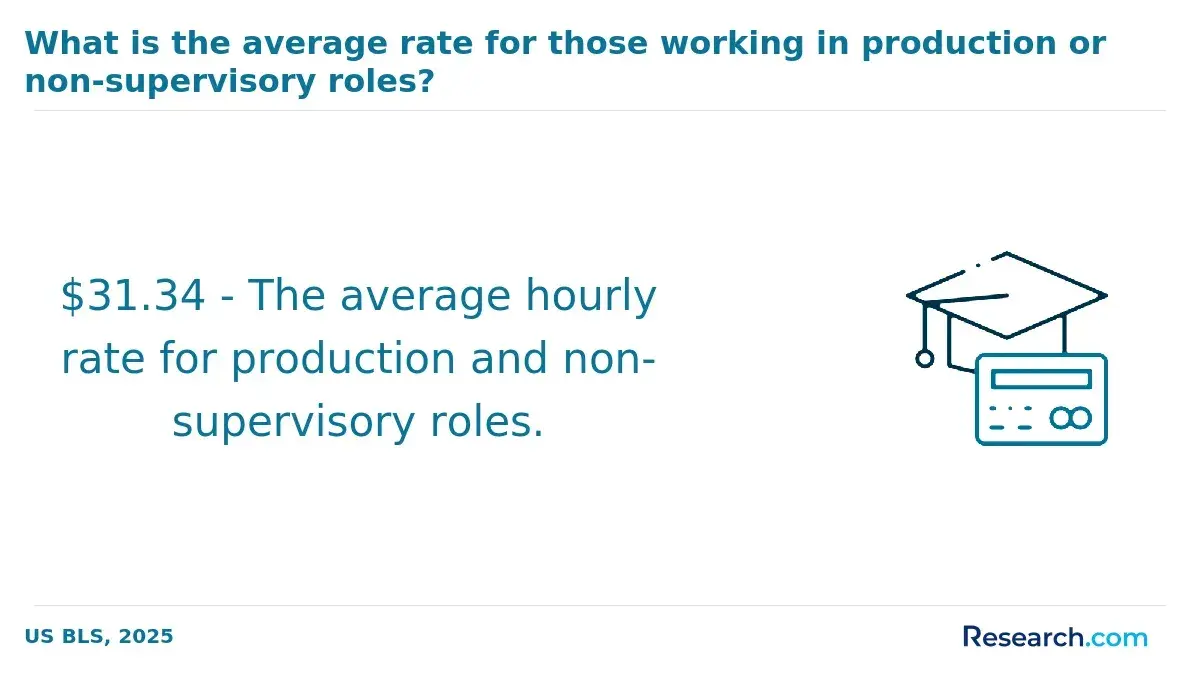
As of 2025, the average education director salary in the United States is around $74,000 to $75,000 per year, or roughly $35 to $36 an hour. Pay can vary widely because the title is used across many settings, including schools, childcare programs, nonprofits, universities, healthcare systems, museums, and corporate training departments.
Most education directors make between $51,000 and $86,500, while top earners can make more than $110,000 annually. Entry-level directors or candidates moving into their first leadership role often start near $53,000. With additional experience, salaries can rise into the mid-$60,000s or higher.
Several factors influence where you may land within that range:
- Experience level: Candidates who have supervised staff, managed budgets, led curriculum adoption, or evaluated programs are usually more competitive than candidates with instruction-only experience.
- Education: Advanced degrees and specialized credentials can support higher pay, especially when they align with state requirements or employer priorities.
- Work setting: Public districts, private institutions, nonprofits, healthcare organizations, and corporate employers may use different pay scales and benefits structures.
- Location: Large cities and high-cost areas may offer higher salaries, though the cost of living can reduce the practical value of that increase.
- Scope of responsibility: A director managing one program may earn less than a director responsible for multiple campuses, large teams, compliance obligations, or major funding streams.
If you are early in your education pathway, easy online associate degrees may serve as an initial step. However, director roles commonly require far more than entry-level coursework, so evaluate how an associate degree would transfer into a bachelor's program and, eventually, a graduate or leadership credential if your target role requires one.
What internships can you apply for to gain experience as an education director?
Internships for future education directors should expose you to program planning, curriculum review, policy, assessment, staff development, budgeting, outreach, or data reporting. The best internship is not always the one with the most impressive name; it is the one that lets you practice leadership-adjacent work and document measurable contributions.
Students and graduates looking for education director internship opportunities in California or other competitive markets can consider several types of placements:
- U.S. Department of Education: Internships may provide exposure to federal education policy, communications, outreach, and public-sector education operations.
- The Education Trust: This organization focuses on education equity. Interns may gain experience in advocacy, policy analysis, research support, and program development tied to opportunity gaps.
- Educational Testing Service (ETS): Opportunities may involve assessment development, data analysis, educational technology, or research-connected projects, all of which are relevant to education leadership.
- Healthcare organizations: Hospitals and healthcare systems sometimes need interns to help design patient education, staff education, compliance training, or continuing education programs.
- Schools and universities: Campus-based internships can offer experience shadowing administrators, assisting with curriculum planning, supporting professional development, or helping with student success initiatives.
When evaluating an internship, ask whether you will do substantive work or mostly administrative tasks. Strong internship outcomes include a curriculum map, training module, needs assessment, grant proposal draft, policy brief, data dashboard, program evaluation, or professional development plan.
If you plan to combine experience with graduate study, options such as the quickest online masters degree may appeal to working professionals. Before choosing a program, confirm accreditation, total cost, schedule intensity, fieldwork expectations, and whether the degree supports your intended leadership or licensure goals.
How can you advance your career as an education director?
Career advancement as an education director depends on visible results. Employers want leaders who can improve program quality, retain and develop staff, manage budgets responsibly, document outcomes, and respond to changing learner needs. Advancement usually comes from combining stronger credentials with stronger evidence of impact.
- Pursue further education and certifications: Advanced degrees, educational leadership credentials, curriculum certifications, or specialized training can strengthen your qualifications. Choose programs that match your target setting rather than collecting credentials without a clear purpose.
- Build a professional network: Join education associations, attend conferences, participate in local leadership groups, and maintain relationships with peers in schools, nonprofits, higher education, and training organizations. Many director-level opportunities are easier to identify when you are active in the field.
- Seek mentorship: A senior administrator or experienced director can help you understand budgeting, board communication, political dynamics, staffing decisions, and career timing. Good mentorship can also help you avoid common leadership mistakes.
- Lead innovation carefully: Technology, AI tools, new curricula, and alternative delivery models can improve learning, but only when implementation is thoughtful. Pilot changes, train staff, collect feedback, and evaluate results before scaling.
- Document your impact: Keep a record of programs launched, staff trained, budgets managed, grants supported, learner outcomes improved, compliance issues resolved, and partnerships developed. These details make promotions and job applications stronger.
- Expand your management scope: Look for opportunities to supervise larger teams, manage cross-functional projects, oversee multiple programs, or contribute to strategic planning. Advancement often follows broader responsibility.
A practical advancement plan should identify your next target role, the missing qualifications for that role, and the evidence you need to prove readiness. Without that plan, professional development can become scattered and expensive.
Where can you work as an education director?
Education director jobs are available in more settings than traditional schools. If you are searching for education director jobs in Knoxville Tennessee or in another location, compare employers by mission, learner population, licensure requirements, compensation structure, and the level of authority attached to the title.
- Traditional educational institutions: Public school districts, private schools, charter networks, preschools, and childcare centers hire education directors to oversee curriculum, instructional quality, staff training, program operations, and early childhood development initiatives.
- Alternative education settings: Museums, cultural institutions, science centers, children's museums, libraries, and community organizations need directors who can design engaging learning experiences outside the standard classroom model.
- Corporate and healthcare sectors: Companies and healthcare providers employ education directors to manage employee training, compliance education, patient education, continuing education, onboarding, and professional development.
- Higher education and specialized programs: Colleges, universities, educational consulting firms, study abroad programs, professional development providers, and special education services may hire education directors to manage academic support, program delivery, or specialized learning initiatives. If you are comparing institutions, a list of FAFSA-approved schools can be a useful starting point for identifying eligible schools and programs.
Director of education employment opportunities 2025 appear promising. According to the Bureau of Labor Statistics, about 80,500 education director roles become available yearly, and the field is expected to grow nearly 8% through 2032.
When comparing workplaces, look beyond the title. Ask how many people you would supervise, what budget you would control, which outcomes you would be accountable for, and whether the role has real decision-making authority. Two jobs with the same title can have very different responsibilities.
What challenges will you encounter as an education director?
Education director roles can be meaningful, but they are not low-pressure jobs. Directors are often responsible for solving problems that involve students, staff, families, administrators, funders, regulators, technology vendors, and community partners at the same time. Success requires calm judgment under competing demands.
- Managing attendance and absenteeism: Tracking attendance, identifying patterns, and responding to absenteeism can be a persistent challenge, especially with absenteeism expected to be a major issue in 2027 nationwide.
- Supporting mental health: Directors may help create systems that support students and staff facing mental health challenges. This does not mean acting as a clinician; it means coordinating appropriate resources, training, policies, and referrals.
- Handling burnout: Education teams often work under heavy emotional and administrative demands. Directors must watch for burnout in staff and themselves, set realistic priorities, and avoid building programs that depend on constant overwork.
- Adapting to technology: AI and other technology tools are changing instruction, assessment, administration, and communication. Many organizations still lack clear planning and training, so directors may need to lead careful adoption.
- Protecting against cyber threats: More digital tools mean more responsibility for data privacy, secure systems, staff training, and coordination with IT teams.
- Dealing with unexpected changes: Budget cuts, staffing shortages, enrollment shifts, policy changes, and emergency disruptions can force quick decisions. Directors need contingency plans and clear communication habits.
- Promoting equity and closing gaps: Education directors must identify barriers that affect access and outcomes, then adjust programs, supports, staffing, and resources to help more learners succeed.
The most common mistake is treating these challenges as separate issues. Attendance, mental health, staffing, technology, and equity often interact. Strong directors build systems that help teams respond consistently rather than relying on last-minute fixes.
What tips do you need to know to excel as an education director?
To excel as an education director, you need to lead with clarity, use evidence well, protect your team's capacity, and communicate decisions in a way people can understand and trust. The role rewards professionals who can combine strategic thinking with practical follow-through.
- Practice adaptive leadership. Conditions change quickly in education. Stay steady during conflict, adjust plans when evidence changes, and help your team understand why a shift is necessary.
- Manage time and priorities deliberately. Director-level work can become a constant stream of meetings, emails, urgent requests, and compliance tasks. Set priorities, protect time for strategic work, and avoid confusing activity with progress.
- Use data to ask better questions. A data-driven mindset is not about collecting more reports. It is about identifying what learners need, where programs are falling short, and which interventions are working.
- Create and repeat a clear vision. Teams need to know what the program is trying to accomplish, how success will be measured, and how their work contributes. Repeat the vision often enough that it guides daily decisions.
- Build trust before you need it. Listen to teachers, staff, students, families, administrators, and community partners. People are more likely to support difficult changes when they believe you understand their concerns.
- Communicate trade-offs honestly. Education leadership often involves choosing between imperfect options. Explain the constraints, the reasoning, and the expected impact rather than pretending every decision is easy.
- Develop your team. A strong education director does not become the only capable problem-solver. Train others, delegate meaningful responsibility, and create leadership pathways for staff.
How do you know if becoming an education director is the right career choice for you?
Becoming an education director may be the right career choice if you want to influence learning at the program or organizational level rather than only in one classroom, training session, or project. It is a good fit for people who enjoy leadership, planning, collaboration, and problem-solving under pressure.
- You are comfortable leading adults. Education directors spend significant time guiding teachers, trainers, coordinators, administrators, and partners. Strong communication and conflict-resolution skills are essential.
- You care about student success and educational equity. Many directors are motivated by improving access, quality, and outcomes for learners with different needs, backgrounds, and barriers.
- You can manage complexity. The job often involves multiple projects, deadlines, stakeholders, and reporting requirements at once. If you prefer highly predictable work, the role may feel stressful.
- You understand the lifestyle demands. Peak academic periods, accreditation reviews, budget cycles, staff shortages, or program launches can lead to long hours and high responsibility.
- You want stability with room to grow. If you are asking whether education director is a good career in the United States, the role can offer career stability, advancement options, and meaningful professional development, but the experience depends on the employer and setting.
- You enjoy mentoring and program development. The role can be highly satisfying if you like helping educators improve, designing learning systems, and seeing programs become stronger over time.
- You are willing to build experience first. Hands-on work in teaching, training, tutoring, curriculum, administration, or program coordination helps you decide whether the responsibilities of directorship fit your strengths.
If you are still exploring pathways or want flexible preparation before committing to an education leadership track, accredited trade schools online may help you compare education and training options. Make sure any program you consider fits your long-term career goal, especially if licensure, accreditation, or transfer credit will matter later.
What Professionals Who Work as an Education Director Say About Their Careers
- Bella: "Working as an education director has given me incredible job stability and competitive salary potential, especially within public and private institutions. The demand for skilled leaders in education continues to grow, providing a great sense of security and growth. I'm truly grateful for the financial and professional rewards this career offers."
- Maxine: "The unique challenges of adapting curriculum and programs to ever-changing educational standards keep my role dynamic and fulfilling. Each day presents an opportunity to innovate and impact students' learning experiences directly. This career pushes me to think creatively and stay ahead in the field."
- Oscar: "One of the most rewarding aspects of being an education director is the continuous professional development opportunities and the chance to mentor upcoming educators. The career path encourages lifelong learning and leadership growth, which has significantly broadened my skills and network. It's a fulfilling journey of growth and impact."
Other Things You Should Know About Becoming an Education Director
To become an education director in 2027, you typically need a master's degree in education or a related field. Experience in teaching and administration is often required, with many positions looking for candidates with 5-10 years in educational settings.
In 2027, the career outlook for education directors is positive, with an increasing demand in both public and private educational settings. As schools focus more on curriculum development and educational technology, opportunities for skilled directors continue to grow, offering stable positions and competitive salaries.
In 2027, an education director is primarily responsible for overseeing educational programs, developing curriculum standards, and ensuring compliance with regulations. Their role includes conducting performance evaluations and collaborating with teaching staff to implement advanced educational technology and innovative teaching methods.
References
- Administrative Internship Program | Department of Educational Leadership | Ball State University https://www.bsu.edu/academics/collegesanddepartments/educational-leadership/internships
- Elementary Education Director Salary in Kraków, Poland (2025) - SalaryExpert https://www.salaryexpert.com/salary/job/elementary-education-director/poland/krakow
- Director Credential - The Pennsylvania Key https://www.pakeys.org/director-credential/
- 7 Biggest Challenges Affecting Education Management - Classter https://www.classter.com/blog/edtech/7-biggest-challenges-affecting-education-management/
- How to be an Effective Director: The Role of Director Education – Women Get On Board https://womengetonboard.ca/how-to-be-an-effective-director-the-role-of-director-education/
- The Principal's Test: Overcoming the Top 7 Challenges of Educational L https://learningfocused.com/blogs/leadership/the-principals-test-overcoming-the-top-7-challenges-of-educational-leadership
- Understanding the Role of a Director of Education in Schools - EduExec https://www.eduexec-recruitment.com/blog/Director-of-Education-in-Schools-Roles-Responsibilities-Recruitment-Guide
- Career Paths You Can Pursue in Education and Leadership | Rockhurst University https://onlinedegrees.rockhurst.edu/blog/educational-leadership-career-path
- Director Credential | Florida DCF https://www.myflfamilies.com/childcaretraining/credentials/director-credential
- Special Education Director Credential | University of Mary Online https://online.umary.edu/academics/education/special-education-director-credential


