2027 How Fast Can You Get a Geoscience Degree Online?

Co-Founder and Chief Data Scientist
An online geoscience degree can be a practical route into earth science, environmental consulting, natural resources, hazard assessment, education, or graduate study—but the timeline is not the same for every student. The real question is not simply whether an online program is faster. It is whether the format, field requirements, transfer policies, and course pace fit your schedule, budget, and career goal.
Geoscience is different from many online majors because it often blends theory with labs, mapping, data analysis, research, and field-based learning. A flexible online format can help students continue working, complete courses year-round, or build on prior credits. However, accelerated study also demands strong planning, especially when a program includes lab kits, field intensives, thesis work, or capstone projects.
This guide explains how long online geoscience degrees typically take, when accelerated options make sense, how transfer credits and prior learning may shorten the path, and what to check before enrolling in a fast-track program.
What are the benefits of pursuing a degree in Geoscience online?
- Accelerated online Geoscience degrees allow completion in as little as 18 months, enabling quicker entry into a growing industry projected to grow 6% through 2030.
- Flexible scheduling supports working professionals and parents, combining asynchronous lectures with interactive labs tailored for remote learning environments.
- Access to digital simulations and real-time data analysis tools enhances practical skills essential for careers in environmental consulting and resource management.
How long does it typically take to earn a degree in Geoscience?
The time required to earn an online geoscience degree depends mainly on the degree level, enrollment status, transfer credits, and whether the program requires fieldwork, a thesis, or a capstone. Online delivery can make scheduling easier, but it does not automatically reduce the academic work required for graduation.
For a bachelor’s degree, full-time students usually need about four to five years. Students who follow a consistent full-time plan, avoid dropped courses, and meet prerequisites on schedule may finish in four years. Part-time students should expect a longer timeline because they take fewer credits each term.
For a master’s degree, full-time students often finish in approximately two years. Some programs offer accelerated schedules, non-thesis tracks, or condensed terms that can shorten that timeline for students who can handle a heavier workload. A thesis, research project, field component, or practicum may extend the completion time, especially if the student is also working.
Students planning to earn both a bachelor’s and a master’s degree should look carefully at combined or fast-track pathways. These options can reduce duplicated coursework, but they usually require strong academic performance and early advising to make sure undergraduate and graduate credits are sequenced correctly.
Are there accelerated Geoscience online programs?
Yes, accelerated online geoscience programs exist, but they are more common at the graduate level or in combined bachelor’s-to-master’s pathways than as fully online accelerated bachelor’s programs. Students should read the program details carefully because “accelerated” can mean different things: shorter terms, year-round enrollment, heavier course loads, transfer-friendly policies, or a structured bridge from undergraduate to graduate study.
Examples of accelerated or faster online geoscience-related options include:
- University of North Dakota (UND): UND offers an accelerated Geology degree online where students can earn both a Bachelor of Science and a Master's degree in five years. The program integrates hands-on fieldwork, advanced research opportunities, and access to leading facilities. UND holds Carnegie R1 research status and full accreditation.
- Ohio University: Ohio University provides a 100% online Master's in Geological Sciences that can be completed in as little as three semesters. The program is designed for professionals and educators and includes flexible pacing and non-thesis tracks focused on applied geoscience skills.
- University of Pennsylvania: The online Master of Science in Applied Geosciences emphasizes environmental geology, hydrogeology, and geophysics. While not explicitly labeled accelerated, students can complete graduate certificates within two semesters while using Ivy League resources and accreditation.
When comparing accelerated options, look beyond the advertised completion time. Ask whether the program requires summer enrollment, synchronous sessions, field residencies, lab kits, thesis credits, or a minimum number of courses per term. A fast program is only useful if you can realistically complete the work without delaying graduation because of missed prerequisites or scheduling conflicts.
Students who want short-term credentials alongside a degree may also compare related options such as top paying 6 month certificate programs, especially if they need a focused skill upgrade before completing a longer geoscience program.
How do accelerated Geoscience online programs compare with traditional ones?
Accelerated online geoscience programs and traditional programs can lead to comparable academic credentials when they are offered by properly accredited institutions. The main differences are pace, scheduling, delivery method, and how hands-on requirements are completed. The right choice depends on how much time you can commit each week and whether you need maximum flexibility or a more structured learning environment.
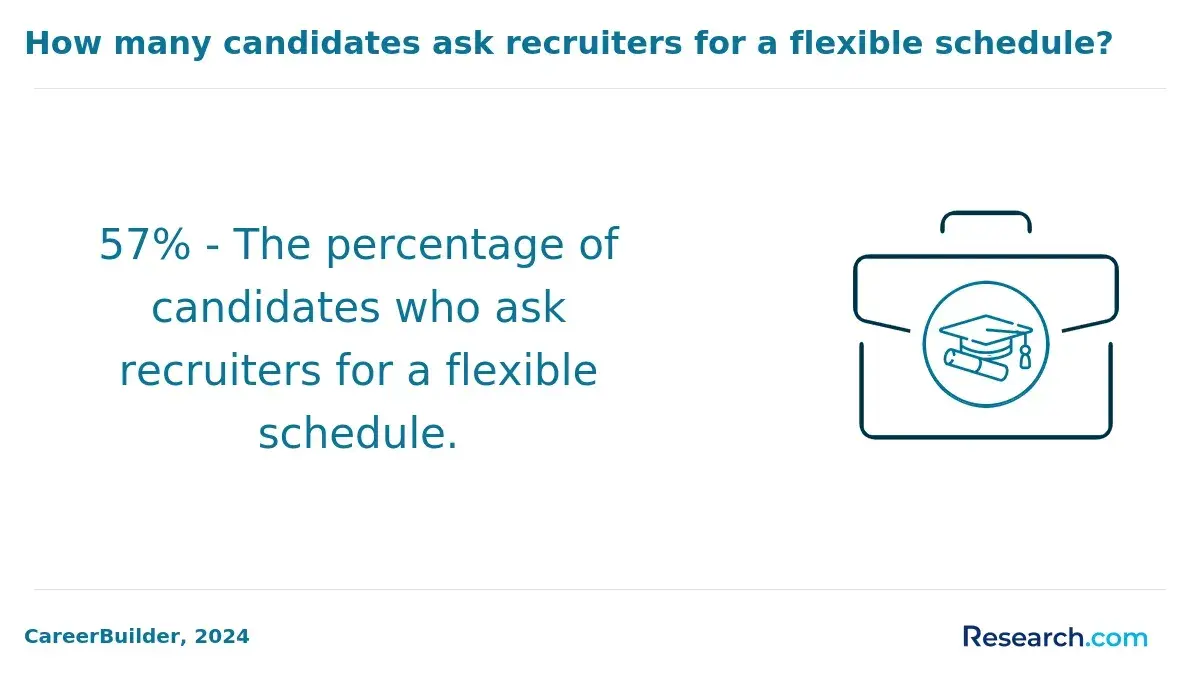
- Pacing: Accelerated programs may use condensed sessions, year-round courses, or heavier course loads. This can reduce completion time to as little as two years or less in some pathways, but it also leaves less room for falling behind. Traditional programs generally follow a more predictable semester or quarter schedule.
- Course structure: Accelerated online programs often emphasize required courses and core competencies. Some may offer fewer electives so students can move through the curriculum faster. Traditional programs may provide broader elective choices and more time for exploratory coursework.
- Field and lab requirements: Geoscience often requires applied learning. Traditional campus programs may provide more frequent in-person labs and field trips. Online programs may use virtual labs, mailed lab kits, local field assignments, or short intensive field components. Students should confirm these requirements before enrolling.
- Flexibility: Accelerated online programs often provide asynchronous coursework, multiple start dates, or flexible enrollment options. Traditional programs usually require more fixed attendance, which may be difficult for working adults or students with family obligations.
- Workload: A faster calendar does not mean less content. Accelerated online geology degree programs can be demanding because students cover advanced material in compressed timeframes. Traditional programs spread the workload across a longer period, which may be better for students who need more time for labs, math, writing, or scientific analysis.
- Recognition: Employers and graduate schools generally focus on accreditation, curriculum quality, technical skills, and relevant experience rather than whether the degree was online or campus-based. The format matters less than whether the program develops credible geoscience competencies.
Students considering long-term academic goals may also want to review options beyond the master’s level, including guidance on what is the easiest doctorate to obtain, while keeping in mind that doctoral fit should be based on research interests, faculty expertise, funding, and career purpose—not speed alone.
Will competency-based online programs in Geoscience affect completion time?
Competency-based education can shorten completion time for some students because progress is based on demonstrated mastery rather than seat time. In a competency-based geoscience program, students typically advance by proving they can apply specific skills, such as interpreting earth systems, analyzing geologic data, using technical tools, or completing applied assessments.
This model works best for students who already have relevant experience, strong independent study habits, and the discipline to complete assessments quickly. Someone with prior coursework, professional exposure, or military training related to mapping, environmental work, GIS, field operations, or science may move faster through familiar material.
However, competency-based learning is not automatically easier. Geoscience still requires technical accuracy, scientific reasoning, lab work, and sometimes field-based evidence of skill. Some programs may use at-home kits, virtual simulations, research projects, or local field assignments to verify competencies. Students who need more instructor structure may find a traditional term-based format more manageable.
Before choosing a competency-based option, ask how tuition is charged, how many assessments can be completed per term, whether faculty feedback is timely, and how field or lab competencies are evaluated. These details determine whether the format will actually reduce your timeline.
Can you work full-time while completing fast-track Geoscience online programs?
Yes, some students work full-time while completing fast-track online geoscience programs, but it requires careful planning. The most manageable programs for working adults usually offer asynchronous courses, predictable assignment schedules, part-time enrollment options, and clear timelines for any labs, fieldwork, or intensive sessions.
Programs at institutions like Ohio University and the University of Illinois offer seven-week or customizable courses designed for working adults, enabling completion in under two years or just three semesters without pausing a career. That flexibility can be valuable, but accelerated terms can also compress readings, labs, projects, exams, and discussions into a demanding schedule.
The main challenge is not watching lectures online; it is completing the applied work. Geoscience courses may require lab exercises, mapping projects, data interpretation, research assignments, or occasional field components. These can create scheduling pressure for students with full-time jobs, rotating shifts, travel obligations, or caregiving responsibilities.
Before enrolling, working students should ask the program for a sample course schedule, expected weekly workload, fieldwork dates, technology requirements, and policies for missed intensives. It is also wise to speak with an employer early if the program may require brief absences for field-related tasks.
Can prior learning assessments (PLAs) shorten Geoscience degree timelines?
Prior learning assessments can shorten an online geoscience degree timeline when a college awards credit for verified college-level learning gained outside a traditional classroom. This may include workplace training, professional development, certifications, military education, or independent learning that matches course outcomes.
Common PLA methods include credit-by-examination options such as the College Level Examination Program (CLEP), faculty-reviewed portfolios, standardized evaluations, and institution-specific assessments. Depending on the college, students may earn up to 30 credits by demonstrating prior learning.
Students should be realistic about where PLA credits apply. In geoscience programs, prior learning credits may be more likely to satisfy general education, electives, or introductory requirements than upper-level geoscience courses. Advanced geology, hydrogeology, geophysics, field methods, and research courses often must be completed directly through the program.
Before relying on PLA to accelerate graduation, request a written evaluation policy. Check credit limits, fees, documentation requirements, minimum score rules, portfolio review timelines, and whether PLA credits count toward residency requirements or major requirements.
Can prior college credits help you get a degree in Geoscience sooner?
Yes. Prior college credits are one of the most reliable ways to finish an online geoscience degree sooner, especially for students who have already completed general education courses, math, chemistry, physics, environmental science, or introductory geology. Transfer credit reduces the number of remaining courses, but the benefit depends on how closely your previous coursework matches the new program’s requirements.
Use these steps to transfer college credits to an online geoscience degree effectively:
- Review transfer credit policies: Check the maximum number of credits the institution accepts. Schools like Southern New Hampshire University and the University of Florida typically accept up to 90 transfer credits.
- Confirm course equivalency: Make sure prior courses meet the required minimum grade, often a C or better, and align with the geoscience curriculum. A course may transfer as an elective even if it does not replace a major requirement.
- Prepare documentation: Submit official transcripts and, when requested, course descriptions or syllabi. Science courses may need closer review to confirm lab content, prerequisites, and subject coverage.
- Consult admission advisors: Ask for a preliminary credit review before committing. Some programs, such as the University of North Dakota, may have transfer pathways or streamlined advising for incoming students.
- Check general elective applicability: Credits that do not satisfy core geoscience requirements may still count toward general electives, helping you reduce the total number of credits left to complete.
- Verify residency requirements: Many colleges require students to complete a minimum number of credits through the institution granting the degree. A generous transfer policy does not always mean every prior credit will apply to graduation.
With strong transfer credit, some students may finish much faster, sometimes in as little as two years at generous institutions. Because policies vary by school and major, students should request an official transfer evaluation before assuming a specific graduation date. If you are still comparing early credential options, reviewing how much does it cost to get an associate's degree can also help with broader education planning.
Can work or military experience count toward credits in a degree in Geoscience?
Work or military experience may count toward credits in an online geoscience degree, but approval is not automatic. Colleges usually award credit only when the experience can be documented and matched to specific college-level learning outcomes.
Military students may be evaluated through American Council on Education (ACE) recommendations and records such as the Joint Services Transcript (JST). Professional experience may be reviewed through a portfolio, employer training records, certifications, job descriptions, or faculty assessment. Relevant backgrounds may include environmental compliance, surveying support, GIS work, natural resources, field operations, laboratory work, or technical data collection.
In many cases, awarded credits apply to general education or electives rather than core geoscience courses. This is especially true for advanced subjects that require department-controlled labs, field methods, or research supervision. Students should ask whether experience-based credit can apply to the major, how many credits are allowed, and whether awarded credits affect financial aid status or degree residency requirements.
What criteria should you consider when choosing accelerated Geoscience online programs?
Choosing an accelerated online geoscience program requires more than finding the shortest advertised timeline. A strong program should help you graduate efficiently while still building credible scientific, technical, and applied skills. Use the criteria below to compare fast-track geoscience degree options.
- Accreditation: Confirm that the institution is regionally accredited. Accreditation affects employer recognition, graduate school eligibility, transfer credit, and access to federal financial aid.
- Curriculum fit: Review required courses and concentrations. A program focused on environmental geology may not be the best fit for a student interested in mineral exploration, geophysics, hydrogeology, or teaching.
- Faculty expertise: Look for instructors with advanced credentials, research activity, or professional experience in geology, earth science, environmental science, hydrology, geophysics, or related fields.
- Course delivery format: Confirm whether courses are fully online, synchronous, asynchronous, or hybrid. If the program requires field experiences, ask where they occur, how long they last, and whether travel is required.
- Lab and field requirements: Geoscience is an applied discipline. Check whether the program uses virtual labs, lab kits, local field assignments, in-person field camps, or research-based alternatives.
- Credit transfer policies: Ask how many credits can transfer, whether science labs transfer cleanly, and how previous coursework applies to the major. Transfer-friendly policies can shorten completion time more than an accelerated calendar alone.
- Student support services: Accelerated students need reliable advising, tutoring, library access, technical support, career services, and help planning course sequences.
- Research and applied learning: Programs with faculty-led projects, capstones, or independent research can strengthen graduate school applications and employment readiness.
- Program reputation: Consider the geology department’s visibility, alumni outcomes, employer connections, and recognition from relevant earth science communities.
- Total cost and scheduling risk: A faster program is not always cheaper if you must retake courses, reduce work hours, travel for field requirements, or pay additional fees. Ask for a full cost estimate and a realistic graduation plan.
Students comparing institutions can start by reviewing top ranked online schools, then narrow the list based on accreditation, curriculum, field requirements, transfer credit, and support for accelerated learners.
Are accelerated online Geoscience degrees respected by employers?
Accelerated online geoscience degrees can be respected by employers when they come from accredited institutions and include rigorous coursework, applied learning, and relevant technical skills. Employers typically care most about what the graduate can do: interpret geologic information, analyze data, communicate findings, understand environmental systems, and use appropriate tools and methods.
Online format alone is usually not the deciding factor. Accreditation, institution reputation, course quality, field or lab experience, internships, research, certifications, and work history all influence employer confidence. A fast program with weak practical training may be less useful than a slightly longer program with stronger applied experience.
Students should also be aware that some geoscience roles may prefer or require field experience, graduate education, specialized technical training, or state-specific professional credentials. If your goal is environmental consulting, hydrology, geology, education, or resource-related work, review job postings early and compare their requirements against the program curriculum.
For career changers or students weighing hands-on occupations alongside geoscience, researching best skilled trades careers may help clarify whether a degree, trade credential, certificate, or combined pathway best fits their goals.
What Geoscience Graduates Say About Their Online Degree
- Larry: "Completing my Geoscience degree online allowed me to accelerate my career without pausing my full-time job. The program's flexible schedule and engaging coursework made it possible to graduate faster than I expected, and the average cost of attendance was surprisingly affordable. I now work as an environmental consultant, all thanks to this degree."
- Chris: "Going through the online Geoscience program was a deeply rewarding experience. The curriculum was comprehensive, covering everything I needed to excel in the field, and the interactive virtual labs truly enhanced my understanding. Finishing swiftly gave me confidence and practical skills that proved invaluable as I transitioned into a new role."
- Beatrice: "The professional edge I gained from the accelerated online Geoscience degree is undeniable. Balancing work and study was challenging, but the focused learning modules helped me advance quickly while absorbing key concepts thoroughly. Considering the typical costs, this program was a great investment in my future as a geologist."
Other Things to Know About Accelerating Your Online Degree in Geoscience
In 2027, hands-on experience remains crucial in online Geoscience programs. Many courses integrate virtual labs and simulations alongside optional in-person fieldwork opportunities to ensure that students gain practical skills while maintaining the flexibility of online learning.
Financial aid options such as federal grants, loans, and scholarships are generally available for eligible students in fast-track online Geoscience programs. Additionally, some institutions offer specific aid packages or employer tuition reimbursement programs to support accelerated study. It is important to check with the school's financial aid office for program-specific assistance.
To expedite an online Geoscience degree in 2027, choose accelerated programs that offer condensed coursework. Additionally, transfer previous credits, if eligible, and opt for a high course load each semester. Intensive summer sessions can also help to fast-track your graduation timeline.
References
- Geoscience Programs Evolve Through Declining Enrollment https://www.aapg.org/news-and-media/details/explorer/articleid/56972/geoscience-programs-evolve-through-declining-enrollment
- Can I Work Full-Time While Earning an Online Degree? https://www.athens.edu/online-degree-completion-programs-working-adults/can-i-work-full-time-while-earning-an-online-degree/
- Geoscience https://www.durham.ac.uk/study/courses/geoscience-f643/
- Find Anything https://www.gfcmsu.edu/home/campus-departments/advising/prior-learning-assessment/
- Geoscience (BSc) https://www.viu.ca/programs/science-and-technology/geoscience-bsc
- Combined BS/MS or BA/BS/MST - Geological Sciences https://geology.ufl.edu/combined-bsms-or-babsmst/
- Accelerated M.A. in Earth Science https://wmich.edu/geology/accelerated-masters
- 2025's Fastest Online Master’s Degrees & Accelerated Programs https://www.onlinemastersdegrees.org/features/fastest-online-masters-degrees/
- Geoscience - MSc - Thesis https://grad.ucalgary.ca/future-students/explore-programs/geoscience-msc-thesis
- Geoscience MSc https://www.ucl.ac.uk/prospective-students/graduate/taught-degrees/geoscience-msc