2027 Are There Any One-Year Online Music Education Degree Programs Worth Considering?

Co-Founder and Chief Data Scientist
A one-year online Music Education degree can be a smart option if you already have a strong music background and need an advanced credential without stepping away from teaching, performing, or family responsibilities. The key question is not only whether a program can be finished in twelve months, but whether that pace fits your goals, licensure needs, budget, and workload capacity.
Most one-year options are graduate-level programs built for working educators, musicians, or school professionals who want deeper training in pedagogy, curriculum design, assessment, music technology, and culturally responsive teaching. They are usually not the same as a traditional undergraduate path into initial teacher certification, which often requires more time, fieldwork, and state-approved clinical experiences.
This guide explains what one-year online Music Education programs typically include, when they are feasible, what they cost, what admissions committees look for, and how to judge whether an accelerated format is worth it for your career.
Key Points About One-Year Online Music Education Degree Programs
- One-year online Music Education degrees offer accelerated paths but often focus on foundational theory and pedagogy, lacking extensive performance practice typical of traditional programs.
- Students should expect intensive coursework with limited ensemble opportunities compared to on-campus degrees that emphasize collaborative musicianship and live instruction.
- Such programs appeal to working professionals seeking credential advancement, with enrollment trends showing increased interest among educators needing flexible, fast-track certification options.
Is It Feasible to Finish a Music Education Degree in One Year?
Yes, finishing an online Music Education degree in one year can be feasible, but it is most realistic for master's programs designed for accelerated study. It is much less common for undergraduate degrees, especially if the program is meant to lead to initial teacher licensure.
Programs such as Longy's online Master of Music in Music Education are structured for flexibility, including asynchronous coursework that lets students complete assignments without attending live classes at fixed times. Accelerated calendars, year-round enrollment, and transfer credits can also shorten the time to completion.
The main limitation is that Music Education is not purely academic. Many programs include applied projects, capstones, research requirements, teaching observations, practicum work, or licensure-related field experiences. Any required school placement, audition, ensemble component, or supervised teaching experience can make a one-year timeline harder to maintain.
When a one-year timeline is most realistic
- You already hold a bachelor's degree: Most one-year options are graduate programs, not first degrees.
- You have prior music training: A background in music theory, performance, pedagogy, or classroom teaching reduces the need for prerequisites.
- The program is designed as accelerated: A standard online program may be flexible but still take longer than one year.
- You can study consistently every term: A twelve-month path often requires coursework during fall, spring, and summer.
- You do not need extensive licensure fieldwork: State certification requirements may add time beyond the degree itself.
Before applying, ask the admissions office for a written degree plan showing how a student can finish in one year. Confirm whether that plan assumes full-time enrollment, transfer credits, summer study, or an existing teaching license.
Are There Available One-year Online Music Education Degree Programs?
One-year online Music Education programs are available, but they are not widespread. The clearest options are typically master's programs for current educators, musicians, or graduates with previous music study. Some related online music graduate programs may also be completed in about 12 months, though they may focus more on music technology, performance technology, or pedagogy than on school-based music education.
Students who still need foundational undergraduate preparation may need a longer route before entering graduate study. Those comparing faster undergraduate pathways can review accelerated bachelor's degree programs, but they should understand that undergraduate acceleration does not automatically replace teacher preparation, clinical practice, or state licensure requirements.
Examples of accelerated online options
- Longy School of Music of Bard College: Longy offers a Master of Music in Music Education Online that can be completed in as little as one year. The asynchronous program includes core courses on historical foundations, culturally responsive teaching, assessment methods, and electives such as choral pedagogy and music education technology. Students also complete a capstone project that connects course learning to practical application.
- Southern Utah University: Southern Utah University provides a fully online Master of Music in Music Technology with an emphasis in Performance Technology, designed for completion in about 12 months. The 30-credit curriculum includes digital music notation, MIDI orchestration, and a required capstone project.
- William Carey University: William Carey University offers a Graduate Music Education Program that can be finished within one calendar year. The program focuses on advanced music pedagogy and research methods, with core and elective coursework plus a comprehensive project or thesis for graduation.
Because program names and emphasis areas differ, review the curriculum carefully. A Music Education degree, a Music Technology degree, and a performance-oriented graduate degree may support different career goals.
Why Consider Taking Up One-year Online Music Education Programs?
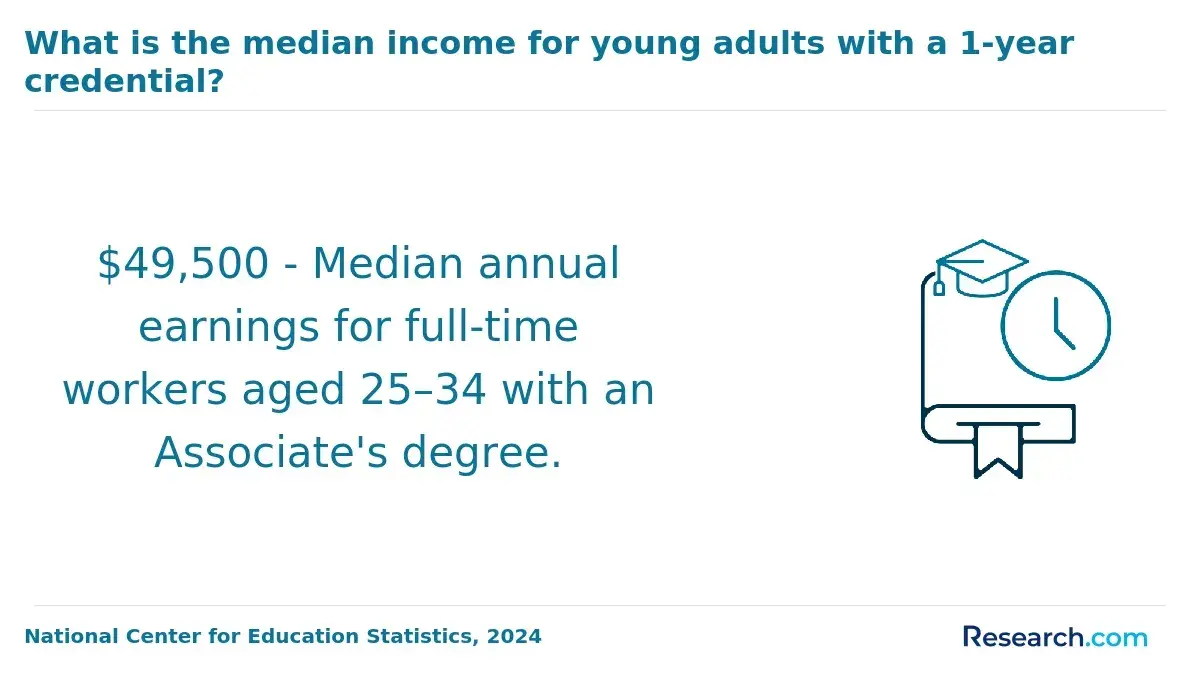
A one-year online Music Education program may be worth considering if you want a graduate credential quickly, need coursework that connects directly to your teaching practice, and can handle an intensive academic schedule. The strongest candidates are usually current music educators, private instructors, ensemble directors, teaching artists, or musicians moving toward education-focused roles.
Potential advantages
- Faster credential completion: A one-year format can help you complete graduate study sooner than a traditional multi-year schedule, especially if you remain enrolled through the full academic cycle.
- Flexibility for working adults: Online and asynchronous courses can make it easier to study around teaching schedules, rehearsals, performances, caregiving, or other work obligations.
- Practice-focused coursework: Many programs emphasize curriculum design, assessment, classroom technology, inclusive instruction, and culturally responsive teaching that can be applied quickly in schools or community music settings.
- Professional relevance: A graduate program can help experienced educators update their methods, build stronger lesson design, and reflect more deeply on their teaching philosophy.
- Broader peer network: Online cohorts may include teachers, performers, and music professionals from different regions, giving students exposure to a wider range of classroom and ensemble contexts.
Best-fit students
| Student profile | Why the format may work | What to verify first |
| Current music teacher | Can apply coursework directly to classroom, ensemble, or curriculum responsibilities. | Whether the degree supports district salary schedules, promotion rules, or professional development requirements. |
| Private instructor or teaching artist | Can strengthen pedagogy, assessment, and lesson planning for individual or group instruction. | Whether the program includes the school-based preparation needed for public school roles. |
| Musician moving toward education | Can build formal knowledge of teaching methods and educational technology. | Whether additional licensure, student teaching, or prerequisite coursework will be required. |
The main benefit is speed, but speed should not be the only reason to enroll. Choose an accelerated program only if it aligns with your professional goals and gives you enough time to produce meaningful work.
What Are the Drawbacks of Pursuing One-year Online Music Education Programs?
The biggest drawback of a one-year online Music Education program is intensity. Compressing graduate-level music study into a short timeline can be demanding, particularly for students who are also teaching, performing, or managing family responsibilities.
Another concern is availability. Fully accredited one-year online programs in Music Education are relatively rare, so students may have fewer choices by location, specialization, tuition level, faculty expertise, or licensure alignment.
Common challenges
- Heavy workload: Accelerated programs compress readings, projects, research, discussion work, and capstone preparation into a shorter period, increasing the risk of stress and burnout.
- Less time for reflection: Music education involves practice, experimentation, feedback, and revision. A fast format can leave less time to test new strategies in depth.
- Limited in-person connection: Online study may reduce informal networking, ensemble collaboration, and face-to-face mentoring unless the program intentionally builds community.
- Reduced practical exposure: Some teaching and performance skills are easier to develop through live observation, rehearsal, and supervised classroom work.
- Restricted access to facilities: Online students may not have the same access to campus rehearsal rooms, recording spaces, specialized equipment, or physical music libraries.
- Possible licensure gaps: A graduate degree may not automatically qualify you for initial teacher certification. State requirements can add coursework, exams, or clinical practice.
How to reduce the risks
- Request a term-by-term workload estimate before enrolling.
- Ask whether the program includes live advising, faculty feedback, peer collaboration, and capstone support.
- Confirm whether any in-person, practicum, or fieldwork requirement exists.
- Plan local opportunities for observation, workshops, ensemble leadership, or classroom practice if the online program does not provide them.
- Check state licensure rules directly instead of assuming the degree will meet certification requirements.
What Are the Eligibility Requirements for One-year Online Music Education Programs?
Eligibility requirements vary by school, but accelerated online Music Education programs generally expect applicants to show both academic readiness and musical preparation. Because the timeline is compressed, admissions teams often look for students who can begin graduate-level study without extensive remedial coursework.
Most one-year options are master's-level programs, so a bachelor's degree is usually the baseline requirement. Some institutions may accept related credentials or equivalent preparation, but applicants should expect to document their musical background, academic record, and professional goals.
Common admission requirements
- Bachelor's Degree or Equivalent: Programs typically require a bachelor's degree in music or a related discipline, though some institutions may accept a conservatory diploma or equivalent credential.
- Artistic Résumé: Applicants may need to summarize musical training, performance experience, teaching roles, ensemble leadership, publications, presentations, or other relevant achievements.
- Personal Statement: A strong statement should explain why the applicant wants an accelerated online Music Education degree and how the program connects to specific career goals.
- Letters of Recommendation: Programs often request two letters from academic or professional mentors who can evaluate the applicant's musicianship, teaching potential, reliability, and readiness for graduate work.
- Transcripts: Unofficial transcripts may be used during the application review, while official transcripts are often required after admission.
- English Proficiency Scores: Non-native English speakers may need TOEFL, IELTS, or equivalent test results to demonstrate language readiness.
- Additional Requirements: Some programs may require interviews, prerequisite coursework, entrance assessments, or evidence of prior teaching or music experience.
Applicants focused on long-term academic careers may also compare graduate costs across fields. Resources on affordable PhD programs can be useful for understanding cost-conscious academic pathways, though doctoral programs differ significantly from one-year master's programs in Music Education.
What Should I Look for in One-year Online Music Education Degree Programs?
When evaluating a one-year online Music Education program, focus on fit, credibility, and outcomes. A fast program is only valuable if it is recognized, academically sound, manageable, and aligned with the type of work you want to do after graduation.
Program quality checklist
- Accreditation: Check whether the institution has regional accreditation and whether the music program is accredited by the National Association of Schools of Music (NASM), when applicable. Regional accreditation is especially important for financial aid eligibility, transferability, employer recognition, and future graduate study.
- Faculty Expertise: Review faculty biographies for teaching experience, performance backgrounds, advanced degrees, research activity, certification experience, and work with K-12 or community music education.
- Curriculum Structure: Strong programs balance music pedagogy with advanced coursework in theory, history, literature, curriculum, assessment, technology, and research. Some programs require entrance exams in music theory, history, and literature, and many graduate programs total 30-40 credit hours.
- Transfer and Prior Learning Policies: Verify whether the program accepts transfer credit. Many accept up to 6 transfer credits and may recognize prior professional experience, but policies vary by institution.
- Course Delivery Format: Determine whether classes are asynchronous, synchronous, or a mix of both. Also ask whether there are in-person auditions, residencies, student teaching placements, or scheduled live performances.
- Student Support: Look for advising, one-on-one faculty mentoring, writing support, technology help, access to online music libraries, and clear capstone guidance.
- Technology Requirements: Music students may need notation software, recording tools, MIDI equipment, reliable audio setup, or specific learning platforms. Ask for the required technology list before enrolling.
- Financial Considerations: Tuition rates vary widely, starting around $460 per credit hour. Compare total tuition, fees, software costs, books, transfer scholarships, military benefits, and financial aid. For broader cost comparisons, review affordable online college programs.
Questions to ask before applying
- Can the program be completed in one year without transfer credits?
- Does the one-year plan require summer enrollment?
- Is the degree intended for licensed teachers, aspiring teachers, or general music professionals?
- Does it lead to initial teacher licensure, or is licensure handled separately?
- How many hours per week should students expect to study?
- What percentage of students actually finish on the one-year timeline?
Because fully online one-year Music Education programs are rare, you may need to compare accelerated options with flexible programs that take longer but offer better specialization, support, or licensure alignment.
How Much Do One-year Online Music Education Degree Programs Typically Cost?
One-year online master's programs in Music Education generally cost between $5,600 and $20,979 in total tuition. The University of Missouri offers the most affordable program at $5,600 per year, while higher-priced examples include the University of Florida at about $20,979 and Longy School of Music's one-year program at $18,500.
Costs vary based on institution type, residency rules, credit requirements, program specialization, and accreditation. Tuition may also be affected by whether the program focuses on music education, music technology, pedagogy, or another specialized area. Credit-hour prices can range from $406 to $578.12, which makes it important to calculate the full program cost rather than comparing per-credit rates alone.
Costs to include in your estimate
- Tuition: Multiply the credit-hour rate by the total required credits, or confirm the full program tuition if the school charges a flat rate.
- Fees: Online, technology, graduation, portfolio, or course-specific fees may increase the final cost.
- Software and equipment: Music programs may require notation software, recording tools, microphones, keyboards, MIDI equipment, or upgraded audio hardware.
- Books and digital materials: Scores, texts, databases, and digital platforms may add to the budget.
- Travel: Even online programs may occasionally require campus visits, performances, workshops, or field experiences.
- Opportunity cost: A one-year program may allow you to keep working, but the workload can still affect your availability for extra teaching, gigs, or other paid work.
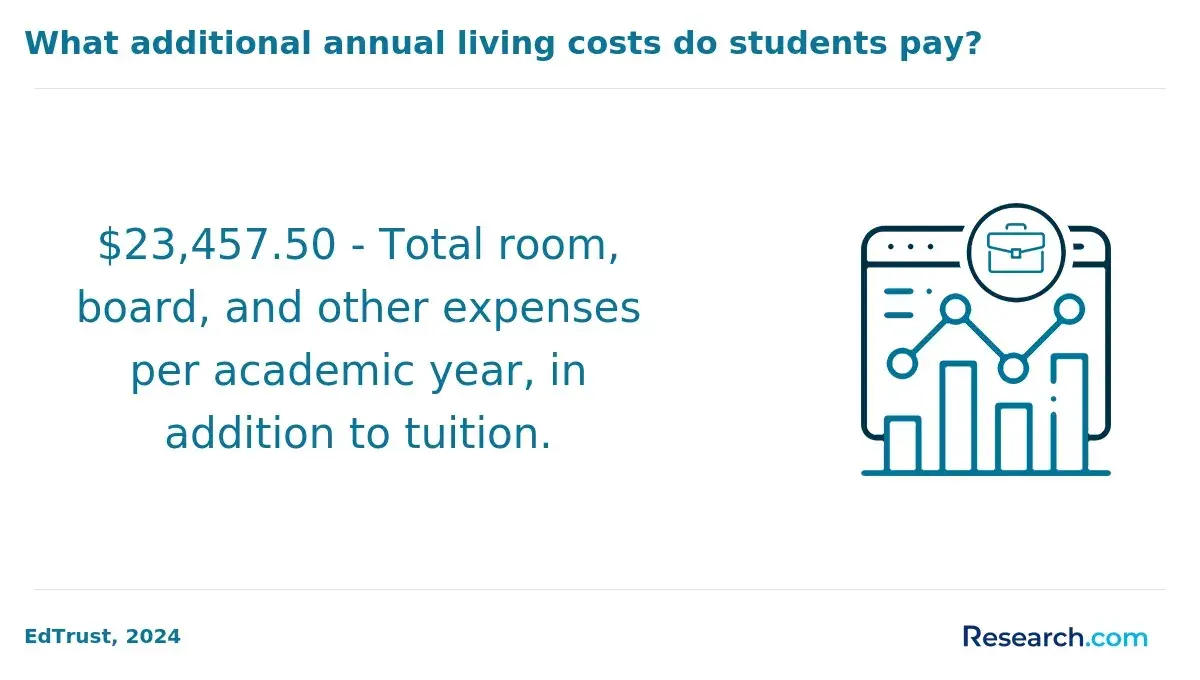
Compared with traditional four-year degrees, accelerated online master's programs may reduce housing, meal, commuting, and time-away-from-work costs. However, the shorter timeline does not automatically mean a lower total price, so compare total cost, payment schedule, and financial aid eligibility before enrolling.
What Can I Expect From One-year Online Music Education Degree Programs?
Expect a one-year online Music Education program to be structured, fast, and application-oriented. These programs often compress a curriculum that might otherwise be spread over a longer period, so students need strong time management and consistent weekly study habits.
Coursework commonly emphasizes practical teaching improvement. Students may study culturally responsive instruction, inclusive classroom methods, assessment, curriculum planning, music education technology, and research-based pedagogy. Examples of courses may include Socially Relevant and Culturally Responsive Teaching, Non-Traditional Ensemble Arranging, and Technology for Music Education.
Many accelerated online music education degree tracks require 30-33 credit hours in only twelve months. Some programs may waive auditions and application fees, but applicants generally still need a bachelor's degree, preferably in music. Students comparing institutions can use a nationally accredited college resource as one starting point, while also confirming regional accreditation, program-level recognition, and Music Education-specific requirements.
Typical learning experience
- Online coursework: Classes may be asynchronous, synchronous, or blended. Asynchronous courses give more scheduling flexibility, while live sessions may provide more direct interaction.
- Applied assignments: Projects often ask students to design lessons, evaluate repertoire, create assessments, use music technology, or analyze teaching practice.
- Capstone or final project: Many programs require a culminating project that synthesizes pedagogy, research, and practical application.
- Peer discussion: Online forums and group projects may be used to compare teaching contexts and share strategies.
- Independent discipline: Because the format is compressed, students must keep pace without waiting for frequent in-person reminders.
The best experience comes when students use the program as more than a credential. If you bring current teaching questions into your assignments, the degree can become a structured way to improve your classroom, ensemble, studio, or community music work.
Are There Financial Aid Options for One-year Online Music Education Degree Programs?
Financial aid may be available for one-year online Music Education programs, but eligibility depends on the school, accreditation status, enrollment level, program type, and the student's financial circumstances. Accelerated pacing can also affect how aid is packaged and disbursed across terms.
Common aid sources
- Federal aid: Students in eligible accredited programs can submit the FAFSA to be considered for Federal Direct Loans and, in some cases, Pell Grants. Award amounts depend on factors such as financial need, enrollment status, and program eligibility.
- School-based scholarships and fellowships: Institutions may offer merit-based, need-based, or experience-based awards for music education candidates. These may consider teaching experience, musicianship, leadership, academic record, or commitment to education.
- Employer tuition assistance: Current educators may be able to use district, school, or employer tuition benefits if the degree is relevant to their current role. Some employers require preapproval or continued employment after completion.
- Private grants and music organizations: Some external awards support music educators, performers, or graduate students, though these opportunities can be competitive and may have narrow eligibility rules.
- Military and service benefits: Eligible students may be able to use military education benefits or service-related tuition support, depending on the institution and program approval.
Financial aid questions to ask
- Is the program eligible for federal financial aid?
- Does the accelerated calendar change disbursement dates?
- Are scholarships available for online students?
- Does maintaining full-time enrollment affect aid eligibility?
- Are summer courses included in the same aid year?
- What happens to aid if you slow down and take longer than one year?
Before applying, confirm both program availability and financial aid eligibility directly with the institution. Do not assume that every online, accelerated, or certificate-adjacent program qualifies for the same aid as a traditional degree.
What Music Education Graduates Say About Their Online Degree
- Jordan: "Completing the one-year online Music Education degree was a game-changer for my teaching career. The accelerated format allowed me to finish quickly without sacrificing depth, and the skills I gained have already improved my classroom engagement. Plus, the affordable tuition made it accessible for me."
- Peter: "The competency-based structure of the Music Education program really suited my learning style, letting me focus on mastering each skill thoroughly before moving on. Reflecting back, I appreciate how the program balanced flexibility with strong academic support over just one year. It felt like a meaningful investment in both my personal growth and professional expertise."
- Willfred: "As a busy professional, I valued how the one-year online Music Education degree fit seamlessly into my schedule. The curriculum was comprehensive yet streamlined, and I quickly realized the practical benefits of what I learned in my work. Considering the typical cost of attendance, this program offered impressive value without compromising quality."
Other Things You Should Know About Pursuing One-Yeas Music Education Degrees
In 2027, trends in online Music Education degree programs include integrating AI technology in music instruction, offering more personalized learning paths, and the inclusion of global musical perspectives. These innovations aim to provide versatile, adaptive education suitable for a rapidly changing educational landscape.
Many one-year online Music Education degrees focus on advanced coursework rather than initial teacher certification. However, some programs may include elements that align with state certification requirements or provide pathways to certification when combined with other qualifications. Students interested in becoming certified teachers should carefully review the curriculum and state licensing criteria before enrolling.
When selecting a program, consider accreditation, faculty expertise, curriculum comprehensiveness, and online learning tools. Additionally, evaluate student support services and career placement opportunities to ensure they align with your educational and professional goals.
References
- Examining the instructors’ perspectives on undergraduate distance learning music instrument education during the COVID-19 pandemic https://www.ijopr.com/article/examining-the-instructors-perspectives-on-undergraduate-distance-learning-music-instrument-education-11023
- Music Education MMEd https://online.usm.edu/graduate/music-education-online-degree/
- Why Music Educators Choose Berklee’s Graduate Programs https://www.berklee.edu/berklee-now/news/why-music-educators-choose-berklee-s-graduate-programs
- Music Education, M.M. https://programs.tarleton.edu/music-education-mm/
- 2025 Most Affordable Online Master's Degrees in Music Education https://www.onlineu.com/most-affordable-colleges/music-masters-degrees
- Music Education https://online.missouri.edu/degrees-programs/mu/arts-and-sciences/music-education/mm
- The 7 Best Online Music Schools & How Online Music Degrees Work https://www.careersinmusic.com/online-music-school/