2027 Can You Complete an Online Biomedical Engineering Degree Program While Working Full-Time?

Co-Founder and Chief Data Scientist
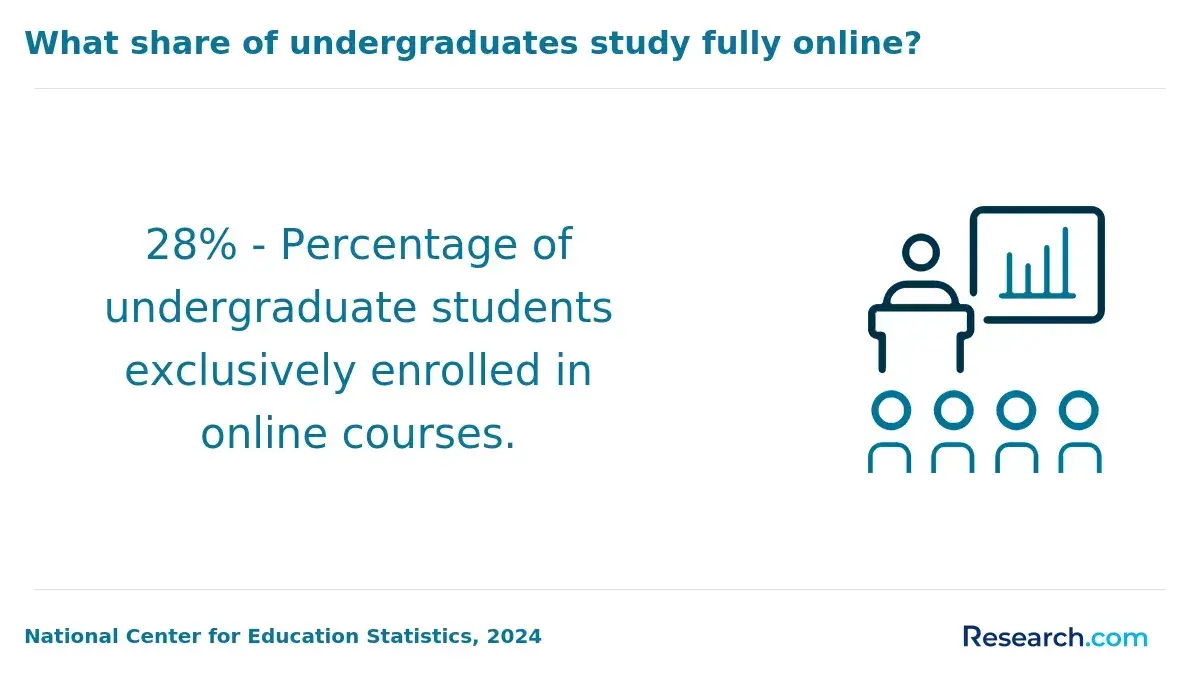
Managing full-time work alongside the demands of an online biomedical engineering degree program presents significant challenges. Professionals often face tight schedules, family responsibilities, and rigorous coursework, making time management essential. According to the National Center for Education Statistics, over 40% of online learners in the U.S. are working adults, highlighting the growing need to understand how to balance these commitments effectively.
This article offers practical insights for full-time workers considering an online biomedical engineering degree, exploring whether such programs can fit into busy lifestyles. It addresses key factors like program flexibility, course load, and support systems, helping readers make informed decisions based on their personal and professional obligations.
Key Benefits of Completing an Online Biomedical Engineering Degree Program While Working Full-Time
- Flexible schedules allow full-time workers to balance coursework and job demands, often enabling evening or weekend study crucial for biomedical engineering projects and labs.
- Online programs often provide asynchronous lectures, helping professionals absorb complex topics like biomaterials at their own pace, improving retention without workplace disruption.
- Access to digital resources and virtual simulations supports hands-on learning remotely, essential for mastering biomedical equipment design while maintaining employment.
How Long Does It Take to Complete an Online Biomedical Engineering Degree While Working Full-Time?
The time it takes to complete an online biomedical engineering degree while working full-time varies significantly depending on several factors. While the standard duration for full-time students is about four years, working professionals often need additional time to balance their commitments effectively.
Key factors influencing completion time include:
- Enrollment Status: Part-time enrollment is common for working students, extending the duration by one to two years compared to full-time study, as fewer courses are taken each semester.
- Course Format: Asynchronous classes offer flexibility, allowing students to create their own study schedules. Accelerated programs condense coursework into shorter periods but require more intensive study, potentially shortening overall time if manageable.
- Prior Credits/Transfer Courses: Students with relevant prior coursework or transfer credits can reduce their time to graduation, as some programs accept 24 or more transfer credits.
- Work Schedule and Study Hours: Balancing full-time employment often limits students to one or two courses per term, affecting how quickly they can progress. The number of realistic study hours per week directly impacts program length.
- Program-Specific Requirements: Certain degree programs require capstone projects, internships, or practicum hours that may need to be completed in-person or during business hours, potentially extending completion time.
For working professionals considering the online biomedical engineering degree duration for working professionals, accelerated combined bachelor's and master's degrees-such as those offered by some universities-might be an option, though they require serious time commitments.
Exploring fast college courses may also provide alternatives that help reduce the total time spent in school.
Is an Asynchronous or Synchronous Online Biomedical Engineering Program Easier for Students Working Full-Time?
For students working full-time, an asynchronous online biomedical engineering program is generally easier to manage than a synchronous one. This is because asynchronous courses allow students to access lectures and assignments flexibly, fitting their studies around unpredictable work schedules and personal commitments.
The course format significantly impacts a full-time worker's ability to balance professional and academic responsibilities effectively. Many of the best online asynchronous biomedical engineering programs for working professionals offer this kind of adaptable learning pace without fixed class meeting times.
In comparing asynchronous vs synchronous biomedical engineering degree formats for full-time workers, asynchronous programs provide superior time management and flexibility. For instance, the University of North Dakota offers content asynchronously, letting students complete lab simulations and coursework as their schedules permit, though deadlines still apply.
Conversely, synchronous programs require logging in for live lectures and discussions, which can enhance real-time interaction, engagement, and immediate feedback. This format supports collaborative learning through live case studies or group problem-solving in biomechanics but demands stricter scheduling.
Choosing between these formats depends on whether a student prioritizes flexible pacing or enhanced community and interaction. For those exploring degree options, resources like easy associate degrees online can provide helpful insights.
What Time Management Strategies Help Online Biomedical Engineering Students Working Full-Time?
Balancing full-time work with an online biomedical engineering program demands strong time management to prevent stress and maintain academic success. Adopting proven strategies can significantly improve focus and productivity.
Effective approaches include:
- Prioritize tasks: Catalog professional, academic, and personal duties, estimating time requirements and ranking them by urgency to meet critical deadlines such as exams or project milestones.
- Structured scheduling: Utilize digital calendars or task apps to allocate dedicated blocks for studying, working, and personal breaks, helping to avoid overbooking and maintain consistency.
- Divide large assignments: Break complex projects into smaller, manageable goals with clear deadlines, enabling steady progress and reducing last-minute pressure.
- Apply productivity methods: Techniques like the Pomodoro Technique increase concentration, while active recall aids retention of challenging biomedical concepts.
- Limit distractions: Disable non-essential notifications and set specific times for social media to preserve focus and meet coursework deadlines.
One student who maintained a full-time job while pursuing her online biomedical engineering degree shared how she initially struggled with juggling work stress and coursework. She found that creating a weekly task list and sticking to strict evening study sessions helped her regain control.
"Sometimes it felt overwhelming, but breaking tasks down and rewarding myself after each completed step kept me motivated," she recalled. Her methodical approach not only improved her grades but also enhanced her confidence in managing both roles effectively.
What Are the Biggest Challenges Full-Time Workers Face in Online Biomedical Engineering Programs?
Balancing a full-time job with the demands of an online biomedical engineering degree is difficult due to the intense workload and technical content. Professionals often find that managing work tasks alongside complex studies requires significant effort and discipline.
The following challenges can affect their academic progress and practical skill development:
- Time Management Challenges: Handling coursework that covers subjects like biology, mathematics, and engineering concepts leaves minimal time for relaxation or personal activities. Deadlines for assignments often clash with job responsibilities, making it easy to fall behind and jeopardize comprehension of essential material needed for career advancement.
- Limited Practical Exposure: Biomedical engineering emphasizes hands-on activities such as lab experiments and working with medical devices. Online programs frequently offer fewer opportunities for direct interaction with such equipment, limiting students' ability to gain the practical experience employers seek in this field.
- Ongoing Knowledge Demands: This field evolves quickly, requiring professionals to continuously update their understanding of new technologies, regulations, and ethical issues. Full-time workers might struggle to stay current while juggling career obligations, which can hinder their growth and adaptability.
How Do Online Biomedical Engineering Programs Handle Internships for Full-Time Workers?
Balancing internships with a full-time job can be difficult due to limited availability and work responsibilities, yet these practical experiences remain a vital part of online biomedical engineering degrees. Programs understand this challenge and offer various flexible options to help students meet hands-on requirements.
Here are common strategies online biomedical engineering programs use to accommodate working professionals:
- Flexible Scheduling: Internships often allow students to choose hours that fit their schedules, including evenings and weekends. For instance, some schools enable credit adjustments based on the number of weekly hours, supporting gradual progress alongside work duties.
- Remote and Virtual Internships: Many programs offer internships that can be completed fully online, giving students access to real projects and collaboration without commuting, which is vital in a tech-driven field like biomedical engineering.
- Short-Term and Modular Experiences: Internships may be structured as shorter or segmented periods, making it easier for those with limited time to gain practical experience without long interruptions.
- Recognition of Prior Work Experience: Students already working in relevant roles can sometimes count their job duties toward internship credits by documenting learning outcomes and receiving evaluations from employers.
- Customized Internship Placement: Career advisors often assist students in finding placements that coordinate with their work commitments and location, ensuring the internship is both feasible and valuable.
When asked about how his program managed internships for full-time students, one recipient shared that flexibility was a game-changer. He described feeling anxious about fitting everything in at first, but appreciated that his internship allowed evening hours and remote tasks.
"It wasn't just about fulfilling a requirement; I could apply what I learned directly to my day job," he explained. The personalized support from faculty helped him navigate scheduling conflicts and make the most of his experience, reflecting how thoughtful program design can make practical learning accessible for busy professionals.
What Technology Do You Need for an Online Biomedical Engineering Degree While Working Full-Time?
Having the right technology is essential for busy working students enrolled in an online biomedical engineering degree. It enables seamless participation in coursework and helps balance job responsibilities with academic demands. The technology needed to balance work and online biomedical engineering studies includes several critical tools and platforms.
Below are key technology requirements for full-time professionals pursuing this degree:
- High-Performance Computer: A laptop or desktop with a fast processor, at least 16 GB of RAM, and ample storage is vital. This meets the minimum computer requirements for online biomedical engineering degree programs, ensuring smooth operation of engineering software like MATLAB, LabVIEW, or SolidWorks used for simulations and data analysis.
- Stable High-Speed Internet Connection: A reliable internet connection with a minimum of 25 Mbps download speed supports streaming lectures, uploading assignments, and attending live virtual labs or discussions. This stability prevents disruptions that could negatively affect learning and project collaboration.
- Specialized Engineering Software: Access to programs such as MATLAB for numerical analysis, COMSOL Multiphysics for device modeling, and image processing tools like ImageJ is necessary. These applications reflect real-world biomedical engineering tasks and enhance practical learning.
- Proctoring and Collaboration Platforms: Tools like Zoom, Microsoft Teams, and learning management systems such as Canvas or Blackboard allow students to attend virtual classes, communicate asynchronously, and take exams remotely. These platforms provide flexibility, crucial for those managing full-time work.
- Peripheral Devices and Digital Lab Tools: Devices such as a webcam, headset, and digital drawing tablet facilitate participation in virtual labs, remote exams, and annotating engineering diagrams. Cloud-based lab simulations enable effective hands-on experiences outside traditional hours.
Those considering working full-time while earning their degree can explore options like a cheap masters degree online to help manage costs without compromising on quality or flexibility.
Can You Qualify for Financial Aid If You Study Online and Work Full-Time?
Financial aid is a critical consideration for full-time workers pursuing an online biomedical engineering degree, as the costs of tuition and fees can be high. Balancing work and study requires financial support to maintain stability and reduce stress while advancing education.
Below are key factors that affect online biomedical engineering financial aid eligibility for full-time professionals:
- FAFSA and Federal Aid: Most accredited U.S. institutions offering online biomedical engineering programs permit students to apply for federal financial aid through the Free Application for Federal Student Aid (FAFSA). Eligibility depends on financial need, citizenship status, and enrollment in a qualifying program. Federal financial aid for working professionals in biomedical engineering is not restricted by employment status but income levels may influence need-based aid amounts.
- Enrollment Status: Full-time enrollment is not always necessary to qualify for financial aid. Many federal loans and grants require only half-time enrollment, typically six credits per semester, enabling working professionals to manage their course load flexibly while still accessing aid.
- Employer Tuition Assistance: Numerous employers offer tuition reimbursement programs that can substantially offset the cost of an online degree. Full-time employment often makes students eligible for these benefits, which can be combined with federal aid, provided total aid does not exceed the cost of attendance.
- Private Scholarships and Institutional Aid: Scholarships from universities, professional organizations, and private foundations are often available to online students working full-time. Certain schools provide tuition reductions or scholarships specifically for working professionals or alumni entering biomedical engineering programs.
- State and Institutional Requirements: State grants and institutional aid programs may have residency, academic, or enrollment criteria that impact eligibility. It is important for working students to verify their state of residence and school policies, as some aid requires in-state status or maintaining a minimum GPA.
For professionals interested in advanced study options, one year PhD programs online offer accelerated pathways worth exploring alongside financial aid options.
Do Employers Support Employees Pursuing Online Biomedical Engineering Degrees in 2027?
Employer support has become a key factor for full-time professionals considering online biomedical engineering degrees, as balancing work and academic demands is often challenging. Flexible workplace policies and financial assistance can significantly influence a student's ability to manage both responsibilities effectively.
Below are five common ways employers can support employees pursuing online biomedical engineering degrees:
- Tuition Assistance: Many healthcare and engineering companies offer tuition reimbursement or scholarships, reducing the personal cost burden of these often expensive degrees. This employer tuition reimbursement for online biomedical engineering degrees helps make continued education financially feasible for many working professionals.
- Flexible Work Schedules: Employers may provide flexible hours, remote work options, or reduced workloads during critical academic periods, allowing employees to attend online classes or meet assignment deadlines without sacrificing job performance.
- Professional Development Incentives: Some organizations tie career advancement opportunities-such as promotions or specialized roles in medical device development or regulatory affairs-to degree completion, motivating employees to complete rigorous online biomedical engineering programs.
- Mentorship and Networking: Supportive companies often connect employees with experienced biomedical engineers or sponsor attendance at industry events, bridging academic learning with real-world practice and expanding professional networks.
- Concerns About Performance Impact: Some employers hesitate to offer support fearing that coursework might detract from job duties or deadlines. Smaller firms or those outside the biomedical sector may be less likely to provide formal assistance, especially if the degree does not align directly with company goals.
Working professionals evaluating further education options can also explore specialized study paths through dual degree colleges, which sometimes offer integrated programs suited for busy schedules and career ambitions.
Does Completing an Online Biomedical Engineering Degree While Working Full-Time Improve Your Salary?
Completing an online biomedical engineering degree can lead to higher salaries, but outcomes depend on several key factors. The industry demand remains strong, with median wages around $106,950 in 2024, while advanced degrees often open doors to roles paying over $134,000.
Employer acceptance of online credentials has improved, especially from accredited programs, though some still prefer traditional degrees. Crucially, relevant work experience plays a significant role; those with 10-19 years of experience often earn salaries nearing $97,000 or more.
The combination of degree level, practical experience, and market demand shapes earning potential after graduation.
Continuing to work full-time during the degree can provide distinct advantages, such as better chances for promotions and added responsibilities by applying new knowledge immediately.
This approach supports stronger job stability and demonstrates commitment to employers. However, salary gains are not guaranteed and can differ based on the specific biomedical engineering niche, employer tuition reimbursement policies, and broader economic factors.
While many benefit from this blend of education and work, individual results depend on these dynamic circumstances.
What Should Full-Time Workers Look for When Choosing an Online Biomedical Engineering Program?
For working adults pursuing an online biomedical engineering degree, choosing a program with the right structure is crucial to balancing job demands and academic success. A well-designed program can prevent burnout and accommodate unpredictable work schedules, increasing the likelihood of completion.
Consider these essential factors when evaluating your options:
- Flexible pacing: Programs that allow you to set your own timeline or take courses one at a time help prevent work conflicts from interrupting progress. This flexibility suits professionals managing full-time jobs, enabling steady advancement without overwhelming commitments.
- Asynchronous learning: Access to course materials and assignments on your schedule avoids clashes with work hours and eliminates the need for live attendance. This format supports studying during evenings or weekends, fitting neatly around professional responsibilities.
- Clear prerequisites and admissions: Knowing beforehand what background and GPA requirements exist helps avoid unexpected leveling courses. This clarity ensures efficient enrollment and fewer disruptions once the program begins.
- Support geared toward professionals: Programs offering career development and mentorship tailored to working students enhance job growth alongside technical skills. Such support strengthens your position in the biomedical engineering field while balancing dual roles.
- No campus visits: Fully online options without residency demands are ideal for those unable to relocate or take extended leave from work, ensuring continuous employment alongside studies.
What Graduates Say About Completing an Online Biomedical Engineering Degree While Working Full-Time
- Emme: "Balancing a full-time job with an online biomedical engineering degree was challenging but incredibly rewarding. The flexible pace allowed me to deeply understand complex concepts without sacrificing my work performance. Considering the average cost, I found it to be a worthwhile investment that has opened doors for advancements in my career. "
- Grace: "Pursuing an online biomedical engineering degree while working full-time gave me the space to reflect on my professional goals and develop practical skills at my own rhythm. The program's affordability was a pleasant surprise, making it accessible without overwhelming financial strain. It truly enhanced my confidence and competency in the biomedical field. "
- Margaret: "Enrolling in an online biomedical engineering program while maintaining a full-time job demanded discipline, but the structured yet flexible curriculum made the learning manageable. The cost was competitive compared to traditional programs, which fit well within my budget. This degree significantly strengthened my professional profile and expanded my career opportunities. "
Other Things You Should Know About Biomedical Engineering Degrees
In 2027, online biomedical engineering programs provide resources like virtual tutoring, discussion forums, and flexible office hours to help students balance their work and study commitments. These resources ensure that full-time professionals receive the support they need to succeed in their courses.
To effectively manage time while pursuing an online biomedical engineering degree in 2027, establish a structured schedule, set clear priorities, and leverage time management tools. Consistency and regular breaks can enhance productivity, helping to balance work and study commitments efficiently.
In 2027, successful balancing of work and study involves effective time management, utilizing flexible scheduling options provided by the online program, and prioritizing tasks. Many programs offer resources like virtual study groups, academic advising, and tutoring to support working professionals.
Most online biomedical engineering programs provide a range of academic support services tailored for working students, including virtual office hours, tutoring, and discussion forums. Technical support teams are available to troubleshoot software or platform issues that might hinder learning. Additionally, many programs offer career counseling and mentorship options to foster student success while balancing full-time employment.
References
- Thinking About a Biomedical Engineering Degree? Here’s What to Look For https://online-engineering.case.edu/blog/what-to-look-for-in-biomedical-engineering-degree
- Internships and Jobs https://bme.uic.edu/internships-and-jobs/
- Don’t UNDERESTIMATE yourself!. Leaving my comfort zone is challenging… | by Myrick Chow | Medium https://myrickchow.medium.com/how-do-i-become-a-programmer-from-a-biomedical-engineer-student-6696ff5f1c1f
- Biomedical Engineering: Directory of Internships, Research Opportunities, Scholarships & Fellowships https://www.pathwaystoscience.org/Discipline.aspx
- Balancing Full-Time Work and Part-Time Studies: My Journey https://www.lemon8-app.com/@zekeho.sg/7519198108383822354
- Students and Graduates https://www.siemens-healthineers.com/en-us/careers/students
- Biomedical engineering degree: The intersection of technology and health care https://uiowa.edu/explore/biomedical-engineering-degree
- How to Become a Biomedical Engineer - Steps Required https://www.onlineengineeringprograms.com/faq/how-do-i-become-a-biomedical-engineer
- 10 Time Management Tips for Online Learners https://www.elearners.com/education-resources/online-learning/time-management-for-online-learners/