
2027 Is a 2-Year Public Health Degree Worth It: Accelerated Bachelor's ROI & Time Trade-Offs

Co-Founder and Chief Data Scientist
Prospective students often question whether a 2-year accelerated bachelor's degree in public health offers sufficient return on investment compared to traditional programs. With the U. S. public health workforce expected to grow by 13% from 2020 to 2030, many seek a faster pathway to enter this expanding field.
However, the upfront cost, potential salary, and time commitment remain critical concerns. This article examines the financial and time trade-offs of accelerated public health degrees, analyzing salary outcomes, tuition costs, and career prospects. It aims to help readers make informed decisions aligned with their personal and professional goals.
Key Benefits of a 2-Year Public Health Degree
- Accelerated 2-year public health degrees reduce educational costs and enable quicker workforce entry, improving overall return on investment compared to traditional 4-year programs.
- Graduates often experience faster career advancement opportunities in community health, epidemiology, or health policy due to timely completion and practical skill development.
- According to recent labor data, public health roles show 11% job growth through 2031, enhancing long-term income potential for accelerated degree holders.
How Do 2-Year Public Health Programs Work?
Two-year public health degree programs offer an accelerated route for students aiming to complete a bachelor's degree in a shorter timeframe. Understanding the structure and admissions of 2-year public health programs is essential for those weighing the intensity and pace against their career goals.
These programs compress requirements through faster pacing and flexible formats, enabling students to enter the workforce sooner. They typically feature the following models:
- Accelerated pacing and year-round enrollment: Many programs run continuously throughout the year, including summer terms, to help students accumulate credits quickly and finish in about two years.
- Condensed course terms: Classes are shorter in duration but meet more frequently or for longer sessions each week, requiring students to adapt to an intensive learning schedule.
- Increased credit load: Students often take 15 to 18 credits per term, higher than the traditional 12 to 15 credits, demanding strong time management skills and commitment.
- Instructional formats: Programs commonly blend online and in-person elements to accommodate working adults and busy students, adding flexibility to learning.
- Assessment methods: Frequent quizzes, projects, research assignments, and exams provide continuous evaluation of student progress and mastery of concepts.
- Curriculum progression: Emphasis on practical skills such as epidemiology, data analysis, and health communication ensures students are workforce-prepared upon graduation.
Prospective students interested in fast-tracking their education should also explore options like RN to BSN programs without clinicals for further flexible pathways. Overall, accelerated 2-year public health degree programs offer an intensive but efficient approach aligned with growing demand in the field.
What Are the Admission Requirements for a 2-Year Public Health Degree?
Students considering an accelerated bachelor's in public health benefit from a clear understanding of admission requirements before applying. Knowing these criteria upfront helps in planning academically and ensures alignment with personal and professional goals.
A closer look at typical expectations will clarify what is needed to qualify.
- Prior Education: Most 2-year public health degree admission criteria include a high school diploma or equivalent as a minimum. This foundational requirement ensures candidates have completed basic secondary education needed for college-level work.
- GPA Expectations: Programs usually expect a minimum GPA between 2.5 and 3.0 on a 4.0 scale. These standards can vary based on the competitiveness of the program but give a general benchmark for academic readiness.
- Standardized Tests: Requirements for accelerated public health programs often exclude SAT or ACT scores, especially for adult learners or accelerated tracks. Some programs may administer placement tests to evaluate specific skills instead.
- Prerequisite Courses: Introductory biology, chemistry, or mathematics classes are commonly required. These courses establish necessary foundational knowledge to succeed in public health studies.
- Work Experience: While not always mandatory, having experience in healthcare or community service can enhance an application. This practical exposure often demonstrates commitment and relevant skills.
Accelerated bachelor's degrees in public health can reduce time to graduation by one to two years, offering cost savings and faster entry into the workforce. For those considering related career paths, completing a certified medical assistant program might also present a valuable option.
What Does a Typical Week Look Like in a 2-Year Public Health Program?
Knowing the weekly structure and workload in a 2-year accelerated public health program helps prospective students assess if they can balance the demands alongside their personal and professional lives. This understanding is key to making informed choices about the program's intensity and ensuring success throughout the condensed timeline.
- Class Sessions and Lectures: Students often attend several back-to-back sessions each week, covering essential topics like epidemiology, biostatistics, and health policy. These condensed classes require sharp focus to absorb complex material efficiently.
- Assignments and Assessments: Weekly workloads include quizzes, essay writing, and reflection pieces that deepen comprehension and analytical skills. Regular evaluations keep students accountable and reinforce learning amid the fast pace.
- Group Work: Collaborative projects are a staple, promoting teamwork and communication skills vital for public health careers. These usually involve coordinating meetings, sometimes virtually, outside scheduled classes.
- Independent Study: Extensive reading, case analysis, and exam prep demand significant out-of-class hours, often 15-20 weekly. Time management is crucial to keep pace with the curriculum and maintain quality work.
- Instructor Interaction: While formal contact hours are limited, students engage instructors through office hours, online forums, or brief check-ins. These moments focus on clarifying difficult concepts and guidance on assignments.
- Time Management Expectations: The accelerated nature calls for strong organizational skills to juggle coursework, study, and group obligations. Prioritization is essential to avoid burnout and meet deadlines.
After speaking with a professional who completed a 2-year bachelor's in public health, he described the experience as a "constant juggling act" where every hour counted. He recalled days packed with back-to-back lectures followed by late-night study sessions and group chats to finalize projects.
Though exhausting, he emphasized that the intensity sharpened his ability to quickly synthesize information and adapt under pressure—skills he now values highly in his career. Reflecting on the workload, he noted, "It wasn't just about managing time but staying mentally agile. That challenge ultimately made me more confident in handling complex public health issues."
Are 2-Year Public Health Programs Available Online?
Choosing the right delivery format is essential for students pursuing an accelerated two-year public health degree, as it impacts their ability to balance studies with personal and professional responsibilities. Flexible and accessible online options can enhance time management and convenience, making rigorous programs more attainable.
Below is an overview of key aspects of available online formats.
- Fully online vs. hybrid formats: Programs may be entirely online or combine live sessions with self-paced components. Hybrid models offer scheduled interaction alongside flexible study times, catering to diverse learner needs.
- Asynchronous and synchronous learning: Self-paced coursework allows students to learn on their own schedule, while live classes provide real-time engagement. This blend supports a dynamic learning experience essential for accelerated pacing.
- Technology requirements: Success depends on reliable internet connections and access to compatible devices. Online platforms often use video lectures, interactive tools, and learning management systems requiring technical readiness.
- Student support services: Virtual tutoring, advising, and career counseling are commonly available to assist with academic progress and professional development. These services help maintain motivation and overcome challenges.
- Impact on pacing and engagement: Online delivery demands strong self-discipline to keep pace with intensive coursework. While providing flexibility, it also requires active participation to sustain progress within a compressed timeframe.
How Much Does a 2-year Public Health Degree Cost?
Evaluating the total cost of a 2-year public health degree is crucial for understanding its return on investment, especially in accelerated bachelor's programs that shorten traditional timelines. These programs can affect expenses by altering tuition pacing and other associated costs.
Below is a detailed breakdown to help prospective students gauge affordability and financial commitment in accelerated public health programs.
- Tuition structure: Accelerated programs often charge tuition per credit hour or semester, with students completing credits more quickly than in traditional degrees. This means tuition payments are concentrated within a shorter timeframe.
- Fees: Additional costs such as technology, library access, lab use, and administrative fees may vary by school and program delivery, sometimes adding a significant portion to overall expenses.
- Textbooks and learning materials: Required resources can be costly, though some accelerated programs reduce these fees by relying on digital materials and open-access resources to keep expenses manageable.
- Technology or lab costs: Public health curricula that include specialized lab work or software may require extra investment in equipment or access licenses, which should be factored into total costs.
- Time and living expenses: Accelerated study shortens time spent in school, potentially saving on living expenses and lost income. However, the condensed pace may require spending on supporting materials or services to maintain academic performance.
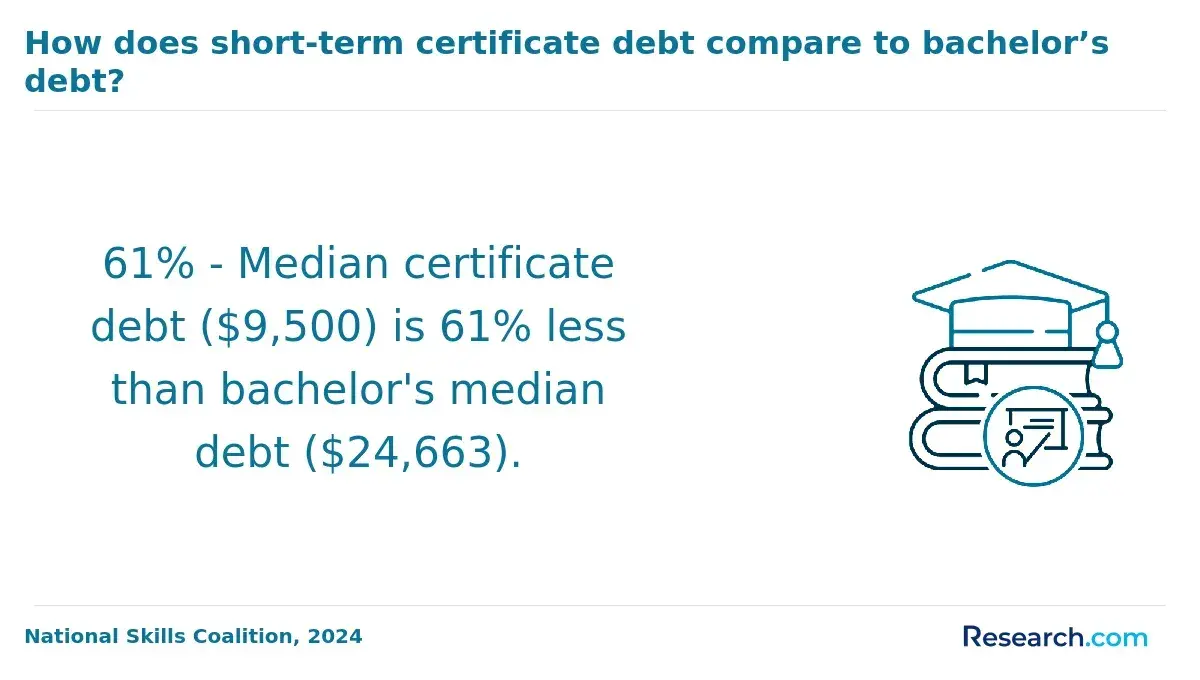
Average annual tuition at public institutions ranges roughly between $7,000 and $15,000, making a 2-year accelerated public health degree cost approximately $14,000 to $30,000 before additional fees and supplies.
For those exploring affordable accelerated public health programs, balancing these costs with potential earlier workforce entry is key. Prospective students may also explore options like the easiest nursing programs to get into as complementary career pathways with efficient entry.
Can You Get Financial Aid for 2-Year Public Health Programs?
For students weighing accelerated public health degree options, understanding financial aid availability can be a decisive factor. Since accelerated programs often compress coursework into shorter timeframes, it's vital to know how financial support aligns with these unique schedules.
Below is a breakdown of key financial aid aspects relevant to 2-year public health students.
- Federal student aid eligibility: Students in 2-year public health pathways, including accelerated formats, usually qualify for Pell Grants and Direct Loans if their institution participates in federal aid programs. These resources help mitigate tuition costs regardless of a sped-up curriculum.
- Scholarships and grants: Numerous awards are targeted toward public health students or accelerated degree candidates. These funds often come from professional bodies, public health foundations, or community organizations, reducing financial strain.
- Employer tuition assistance: Many working adults can access tuition reimbursement through their employers, especially if their job is health-related. This benefit is particularly helpful for balancing work commitments with an accelerated study pace.
- Impact of accelerated pacing: Compressed course loads can affect when and how financial aid is disbursed, since aid calculations typically depend on enrollment status and credits per term. Early communication with financial aid offices is essential to navigate these nuances.
- Flexible payment options: Some programs offer installment plans or other pay-as-you-go systems, easing immediate financial burdens without requiring lump-sum payments upfront.
When I spoke with a professional who completed her accelerated bachelor's in public health in just two years, she highlighted how crucial financial aid was from start to finish. "Navigating the timing of loan disbursements alongside an intensive course schedule was tricky," she said, "but the combination of federal aid and some local scholarships made it possible for me to focus on finishing quickly without overwhelming debt."
She recalled feeling both anxious and motivated, especially as balancing work and study required careful financial planning. Despite initial worries, the financial support she secured allowed her to graduate on time, opening doors to public health roles that matched her career goals. Her experience confirms that while accelerated programs demand extra attention to aid timing and eligibility, the financial assistance options are indeed accessible and vital for success.
What Jobs Can You Get With a 2-Year Public Health Degree?
Evaluating career outcomes is essential when considering the value of an accelerated public health bachelor's degree, especially because the time and financial commitments differ from traditional programs. Knowing which job prospects are realistic helps prospective students align their education with their long-term goals.
This understanding leads naturally to an overview of the common career paths and industries open to graduates of such programs.
- Entry-Level Public Health Roles: Graduates with a 2-year public health degree often qualify for positions like community health workers, health educators, environmental health technicians, and medical records specialists. These roles emphasize the practical application of foundational public health knowledge in health promotion, disease prevention, and data collection.
- Accelerated Program Advantages: Accelerated bachelor's programs condense the traditional four-year curriculum, allowing students to enter the workforce faster. The curriculum typically centers on core competencies such as epidemiology basics, health program planning, and communication.
- Industry Opportunities: Typical employers include government health departments, non-profits, hospitals, and private health organizations. Positions in these industries can serve as stepping stones for advancing into public health administration or health policy roles over time.
- Career Advancement Paths: Many graduates leverage early professional experience to pursue further certifications or degrees. This pathway supports career growth in specialized areas and management roles within the field of public health.
Incorporating the knowledge of 2-year public health degree job prospects can help students make informed decisions to maximize their educational investment and workforce readiness. Employment in community and social service occupations, including many related to public health, is projected to grow faster than average.
This trend underscores the advantage graduates gain by completing accelerated public health degree programs and entering a favorable job market promptly. Exploring cheap online nursing programs alongside public health degrees may offer additional avenues for diversification and career development.
How Do Salaries Compare for 2-year Public Health Degree vs. Traditional Bachelor's Degrees?
Salary outcomes are a critical factor when evaluating the return on investment (ROI) of accelerated versus traditional degree paths in public health. The following points explore these differences, providing a realistic perspective on financial considerations.
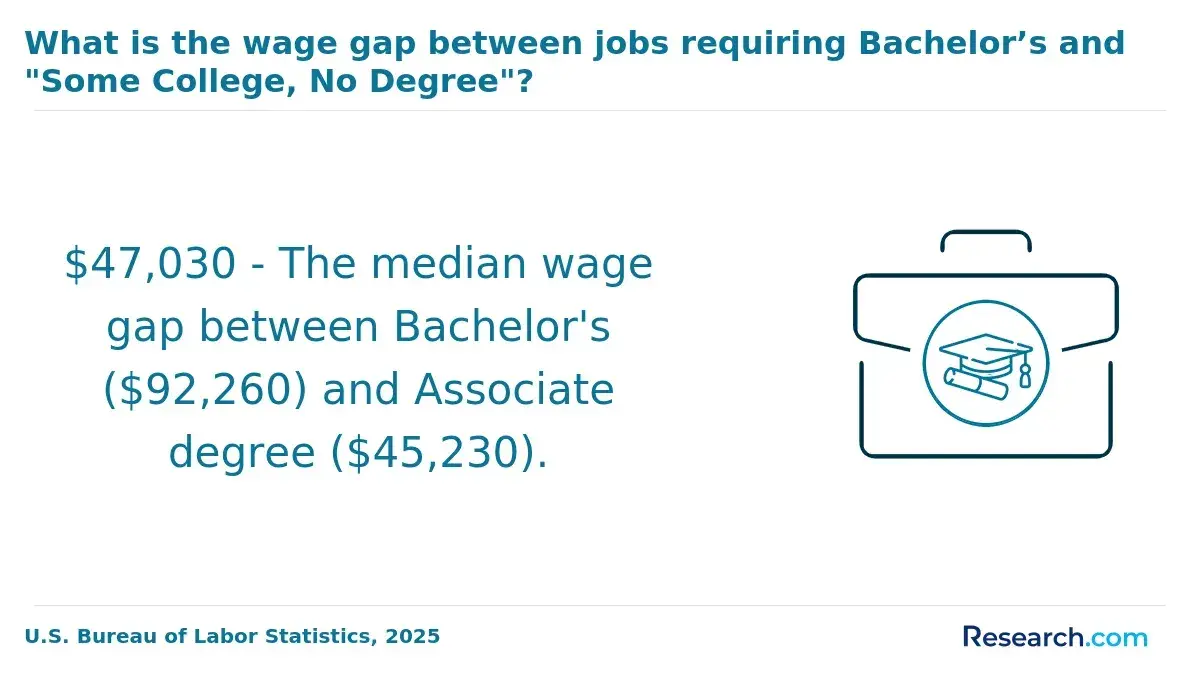
- Early-career earnings: Graduates with 2-year public health degrees typically start with median salaries ranging from $40,000 to $50,000 per year, while traditional bachelor's degree holders often earn between $50,000 and $60,000 annually. This gap reflects the added credential value employers place on a full four-year degree early in a career.
- Long-term earning potential: Individuals with traditional bachelor's degrees usually see their median earnings surpass $70,000 by mid-career, whereas those with accelerated 2-year degrees often remain under $60,000 at the same stage. The higher credentials open doors to specialized and leadership positions that boost salary growth over time.
- Employer perception and advancement: Many employers consider a bachelor's degree the standard qualification for public health roles, accelerating promotion and salary increases. This makes bachelor's degree holders more competitive for advancement opportunities compared to holders of 2-year degrees.
- Time saved entering the workforce: Accelerated 2-year degree graduates can begin working one to two years earlier, gaining practical experience and income sooner. This head start may partially offset lower starting salaries by increasing total work experience and lifetime earnings potential.
Evaluating accelerated public health degree earnings vs traditional bachelor's paths involves weighing immediate salary differences against the value of earlier workforce entry. Moreover, understanding the 2-year public health degree salary comparison is essential for making informed career decisions aligned with both financial goals and professional ambitions.
For students seeking cost-effective pathways, reviewing programs such as the cheapest BSN programs may offer insights into affordable accelerated options with good ROI metrics.
Which Factors Most Affect ROI for Accelerated Public Health Degrees?
Evaluating the return on investment (ROI) is essential for students considering accelerated public health degrees, as it influences decisions about time, finances, and career trajectories. Measuring ROI helps determine whether the advantages of completing a degree faster outweigh associated costs and align with long-term professional goals.
Below is an analysis of the primary factors that shape ROI in accelerated public health programs.
- Time-to-completion: Accelerated public health programs reduce the traditional four-year timeline by up to two years, enabling students to enter the workforce earlier. This shorter duration limits opportunity costs and accelerates earning potential.
- Tuition and total cost: Because accelerated degrees require fewer semesters, overall tuition expenses are often lower despite varying per-credit rates. Savings can add up to thousands of dollars, especially when compared to the average yearly tuition for public in-state students.
- Opportunity cost savings: Graduating sooner means accessing public health jobs more quickly, with median salaries for bachelor's-level roles typically ranging from $48,000 to $60,000. Earlier employment opens doors to compounded income growth over a lifetime.
- Employment outcomes and industry demand: Forecasts indicate a 16% growth in public health-related occupations over the next decade, outpacing average job market expansion. Accelerated graduates can capitalize on this rising demand ahead of peers in traditional programs.
- Transferability of skills: Core competencies taught-such as epidemiology, health policy, and data analysis-equip graduates to navigate various sectors within public health. This flexibility enhances career sustainability and ROI by broadening job opportunities.
How Do You Decide If a 2-year Public Health Degree Is Right for You?
Choosing whether a 2-year public health degree fits your needs requires assessing your learning preferences and capacity for fast-paced study. These programs compress typical four-year coursework into two, demanding effective time management and quick comprehension.
Reflect on your schedule and urgency to begin working, as accelerated formats suit those aiming for rapid workforce entry. Consider if you thrive in high-intensity environments and can handle condensed material without sacrificing understanding. Professional goals should also guide your choice, ensuring the degree aligns with your desired career path and level of specialization.
Financial aspects play a crucial role, as shorter programs can lower tuition and living costs, enhancing your overall return on investment. Tuition at public institutions offering these accelerated options generally remains more affordable than traditional four-year programs.
Employment prospects in community health are promising, with projected growth signaling demand, though some roles may require advanced degrees beyond a bachelor's. It's important to weigh employer expectations and consider future education needs to maintain career flexibility. Ultimately, evaluate how this accelerated degree fits your financial situation and long-term professional objectives.
What Graduates Say About Their 2-Year Public Health Degree
- Dimitri: "The decision to enroll in a 2-year accelerated bachelor's degree in public health was all about efficiency for me. Knowing the average cost of attendance was manageable, I felt confident I could invest wisely both financially and time-wise. The intense schedule challenged me to develop excellent time management skills, and now, as a community health coordinator, I see how this focused program fast-tracked my career growth."
- Eula: "Choosing a 2-year program allowed me to jump into the workforce quicker without sacrificing the depth of knowledge needed in public health. Balancing coursework and part-time work was tough, but the compact format made it possible. Reflecting on my journey, I appreciate how this degree opened doors to opportunities in health policy that wouldn't have been accessible otherwise. "
- Chel: "The 2-year public health degree appealed to me because of the blend of accelerated learning and cost-effectiveness, which fit my professional goals perfectly. The rigorous pace required discipline and strategic planning to keep up, but I embraced the challenge. This degree was instrumental in securing my current role in epidemiology, proving its value in a competitive job market."
Other Things You Should Know About Public Health Degrees
Yes, accelerated bachelor's degrees in public health are generally respected by employers, provided the program is accredited and offered by a reputable institution. Employers often focus more on the skills, knowledge, and relevant experience candidates bring rather than the duration of the degree. However, some public health roles may prefer candidates with traditional four-year degrees or advanced education depending on the complexity of the work.
Networking opportunities in a 2-year accelerated public health degree can be less extensive due to the condensed format. Traditional programs offer more time to engage with faculty, peers, and industry events, potentially enriching professional networking opportunities.
Completing a 2-year public health degree does not limit future advanced education opportunities. Graduates can pursue master's programs in public health or related fields. Admissions often consider experience and skills acquired during the accelerated bachelor's degree, making it a feasible pathway for continued academic and professional growth.
References
- What Can You Do With a Master’s in Public Health Degree? 10 Careers https://nurse.org/healthcare/masters-public-health-degree-careers/
- A Guide to Accelerated Bachelor's Degrees https://www.coursera.org/articles/accelerated-bachelors-degree
- Tuition and Financial Aid for Public Health programs | Yale School of Public Health https://ysph.yale.edu/admissions-financial-aid/financial-aid/
- Scholarships for Public Health Degrees: Complete List & Application Tips https://masterspublichealth.com/public-health-scholarships/
- BS/MPH Accelerated Program, Public Health https://catalog.unr.edu/preview_program.php
- Online Associate of Science in Public Health https://www.online.uc.edu/degrees-programs/no-degree-required/associates/as-public-health.html
- Online Associate of Science in Public Health (AS) https://www.apu.apus.edu/online-associate-degrees/associate-of-science-in-public-health/


