2027 Online vs On-Campus Chemistry Degree Programs: Pros & Cons

Co-Founder and Chief Data Scientist
The popularity of online chemistry degree programs has surged in recent years, with enrollment in fully online undergraduate degrees growing by over 15% from 2021 to 2023. This shift reflects evolving student needs and advances in digital learning technology. Evaluating both online and on-campus chemistry programs requires careful consideration of flexibility, cost, and the quality of the learning experience. Additionally, career prospects linked to each mode deserve attention.
This article offers a balanced analysis designed to help prospective students make an informed decision based on their educational goals and lifestyle priorities.
Key Benefits of Online vs On-Campus Chemistry Degrees
- Online chemistry degree programs offer flexible scheduling that allows students to balance studies with work or family commitments, a benefit cited by 73% of online learners in recent surveys.
- Many online chemistry courses provide access to cutting-edge virtual labs and simulations, enabling hands-on experience remotely, which has been shown to improve concept retention by up to 40% compared to traditional lectures.
- On-campus chemistry programs facilitate direct interaction with instructors and peers, fostering collaborative research opportunities that often lead to higher employment rates within related industries-up to 85% within six months of graduation.
Are Online vs. On-Campus Chemistry Programs Structured the Same Way?
The structure of online and on-campus chemistry degree programs differs significantly, shaping how students access coursework, participate in labs, and engage with peers. These structural differences influence flexibility, interaction, and hands-on learning experiences in each format.
Below is a comparison of key structural elements distinguishing online and on-campus chemistry programs:
- Course Delivery: Online programs mainly use digital platforms to provide lectures and materials, enabling students to study at their own pace. Laboratory components may be completed through virtual simulations, video demonstrations, or brief in-person residencies, whereas on-campus programs rely on live lectures and traditional, in-person labs that require regular attendance.
- Class Schedules: Flexibility is a major advantage of online chemistry degrees; students can complete coursework on schedules that fit their personal and professional lives. Conversely, on-campus programs have fixed class and lab times, demanding consistent, physical presence on campus.
- Interaction and Collaboration: Online students communicate with instructors and classmates mostly via discussion boards, email, and video calls, which can limit spontaneous exchanges but offer structured virtual engagement. On-campus students benefit from face-to-face interactions, immediate feedback, and collaborative group activities that can enhance understanding and teamwork.
- Laboratory Experience: Hands-on lab work poses a challenge online, often addressed with virtual labs or periodic on-site sessions. In contrast, on-campus programs integrate continuous, supervised laboratory experiences throughout the curriculum, promoting practical skills development.
- Student Engagement: Research shows online learners can develop strong positive attitudes toward science, but in-person students often experience a deeper sense of community through campus life and peer networks, which can impact motivation and belonging.
Are Admission Requirements the Same for Online vs On-Campus Chemistry Degree Programs?
Colleges and universities maintain consistent academic standards for chemistry degree programs whether offered online or on-campus, ensuring that all graduates meet the same learning outcomes. However, institutions often differ in how they evaluate applicants' readiness for online learning, taking into account factors like technology skills and self-motivation alongside traditional academic qualifications.
Here's a comparison of the typical admission requirements for online chemistry degree admission requirements versus on-campus chemistry program prerequisites:
- Academic Qualifications: Both formats generally require a high school diploma or equivalent for undergraduate admission and a bachelor's degree for graduate study. Minimum GPA requirements hover around 3.0, though competitive programs may set higher standards in math and science courses, especially for chemistry majors.
- Standardized Test Scores: Undergraduate programs often request SAT or ACT scores, but many schools apply test-optional policies more readily for online applicants to widen access. Graduate programs may require GRE scores in both formats, with some online options offering waivers or alternative assessments.
- Application Materials: Personal statements, letters of recommendation, and official transcripts are standard for all applicants. Online applicants might need to demonstrate their ability to manage time and work independently through essays or interviews.
- Technology Readiness: Online programs usually require proof of reliable internet access and basic computer literacy. Some may include technology orientations or skills assessments, whereas on-campus students typically benefit from in-person tech support.
- Work Experience: While undergraduate chemistry programs rarely require work experience, certain online graduate programs may prefer candidates with relevant professional or lab experience, often tailored for adults balancing work commitments.
- Cost and Support: Online students save on commuting and housing expenses while accessing virtual academic support and networking. Financial aid is available for both, but some scholarships specifically support online learners. For those interested in accelerating their studies, consider exploring the top associate degrees in 6 months online.
Do Online Chemistry Students Receive the Same Academic Support as On-Campus Students?
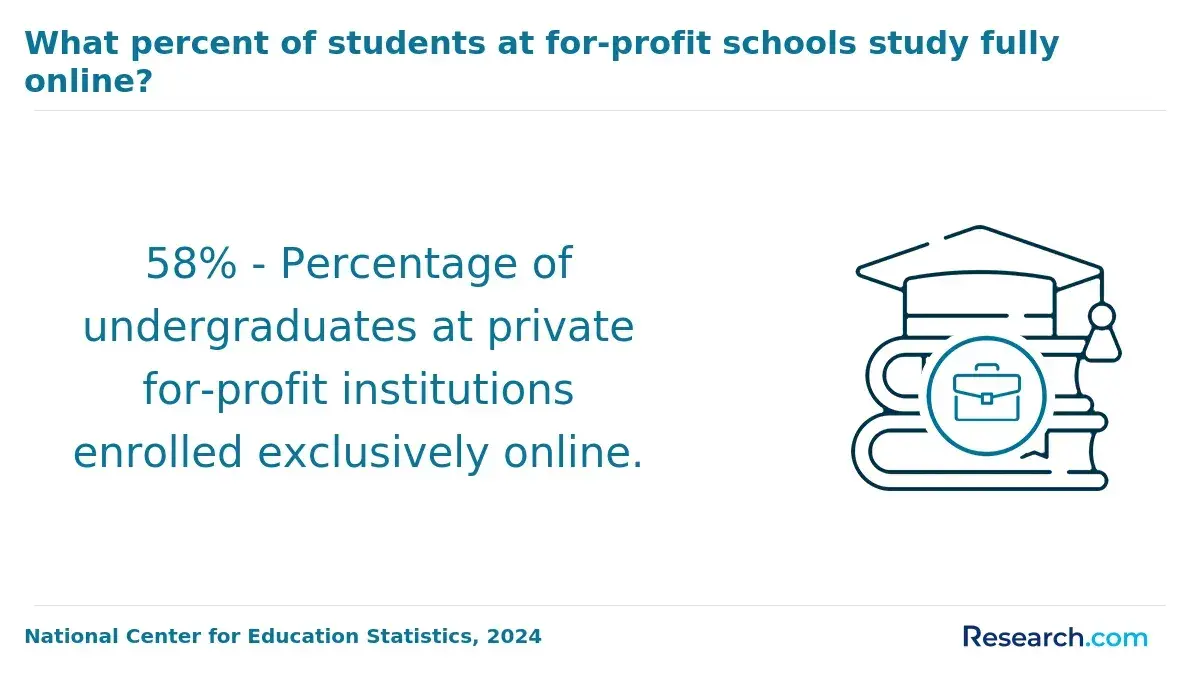
Universities have significantly expanded their academic support systems to ensure that online chemistry students receive comparable resources and assistance as their on-campus peers. This development aims to bridge the gap between different learning environments and uphold academic quality for all students.
To better understand the similarities in support, here is a comparison of the main academic services available in both formats:
- Tutoring Services: Both online and on-campus chemistry students have access to tutoring, with online learners typically using virtual platforms such as Zoom or learning management systems. This flexibility allows tailored assistance and improves student retention and success.
- Faculty Interaction: On-campus students attend in-person office hours, while online students connect through email, discussion boards, or live virtual meetings. Research shows that the quality of faculty support, not the medium, is key to student satisfaction and performance.
- Library Access: Both student groups enjoy full access to digital library resources including journals, e-books, and chemistry databases. Although online students lack physical library access, universities provide extensive virtual collections and remote research support.
- Career Counseling: Career services such as resume workshops, job boards, and advising are available both in-person and online, often tailored to remote delivery. This ensures online chemistry majors are well-prepared for employment and graduate school applications.
- Online Homework and Assessment Tools: Digital platforms used in online courses provide immediate feedback and adaptive learning features, enhancing exam performance and engagement. Many on-campus programs also incorporate these tools to support student learning.
- Peer Collaboration: On-campus students collaborate in labs and study groups, whereas online learners engage through forums, group chats, and virtual lab simulations. Institutions invest in interactive platforms to foster community and teamwork for online students.
How Long Does It Take to Complete an Online vs an On-Campus Chemistry Degree?
The length of time required to complete a chemistry degree can vary widely depending on whether the program is online or on campus, as well as the student's individual pace and the flexibility built into the program's schedule. Both delivery formats generally require a similar number of credits, but differences in scheduling options and pacing affect how quickly students can graduate.
Here is a comparison of the typical completion times for online and on-campus chemistry degrees:
- Online Chemistry Degree Online chemistry programs often offer greater scheduling flexibility, with most full-time bachelor's students completing their degree in about four years, though accelerated options can shorten this to three years. Online master's programs typically take 1-2 years to finish, but part-time learners may extend study up to six years, especially when balancing work or family commitments. Self-paced courses and short, intensive sessions for lab work add to the adaptability of these programs, allowing motivated students to graduate sooner if they maintain discipline.
- On-Campus Chemistry Degree On-campus programs generally follow a traditional academic calendar and require students to attend lectures and labs in person, resulting in less flexibility. Bachelor's degrees usually take four years full-time to complete, while master's programs require between 1.5 and 2 years. Part-time options exist but are less common and often prolong graduation. The fixed schedule can make it difficult for students to accelerate progress or easily manage other responsibilities alongside their studies.
One professional who pursued an online chemistry degree shared his personal experience with the program's timing. He noted that while the flexibility of taking courses at his own pace was a major advantage, "the challenge was staying consistently motivated without the structure of a traditional campus schedule." He completed his bachelor's degree in just over three years by carefully balancing accelerated courses with work, adding that "intensive lab sessions on campus, though brief, required rearranging my schedule significantly but were worth the effort."
His reflection underscores how self-discipline combined with program flexibility can shorten total completion time, but also highlighted that managing occasional on-campus requirements can be a demanding part of the process. Overall, his experience illustrated how online chemistry degrees offer a viable pathway for professionals needing flexible timing without compromising educational quality.
Are Online Chemistry Programs Cheaper Than On-Campus Ones?
Tuition, fees, and other expenses can differ significantly between online and on-campus chemistry programs, making it crucial for prospective students to carefully evaluate the full cost impact. While online programs often market cost savings, the total price depends on various factors beyond just tuition rates.
Here are some key cost elements that influence whether an affordable online chemistry degree programs option is genuinely cheaper than attending campus, highlighting important considerations for a thorough cost comparison online vs on-campus chemistry degree:
- Tuition and Fees: Online chemistry programs sometimes offer lower tuition due to reduced overhead expenses like building maintenance. For example, Western Governors University's online chemistry degree costs $3,825 per six-month term, whereas Arizona State University charges $654 per credit hour for a similar online program. However, some schools maintain comparable tuition for both formats, so prospective students should carefully review each institution's fee structure.
- Living Expenses: Online learners typically save on housing, meal plans, and campus fees since they study remotely, avoiding dormitory or commuting costs. Conversely, on-campus students often face higher expenses related to room and board, transportation, and access to campus amenities, which significantly add to their overall financial commitment.
- Technology Costs: Students pursuing chemistry degrees online must budget for reliable computers, software, and high-speed internet to complete coursework and lab simulations. Although these expenses can add up, they generally remain lower than the typical living costs associated with being on campus.
- Financial Aid Availability: Both online and on-campus chemistry students can access federal financial aid like Pell Grants and student loans. However, institutional scholarships and other funding opportunities are often more readily available to on-campus students, making it important for online learners to investigate external aid sources.
- Credit Transfer and Accelerated Options: Many online programs facilitate credit transfers from previous coursework or professional experience, reducing time to degree completion and overall costs. This flexibility is less common with on-campus programs, where degree requirements are more rigid, potentially leading to longer and more expensive study periods.
For those interested in identifying the easiest degree to get, online chemistry programs might offer a practical balance of cost and flexibility worth exploring.
What Are the Financial Aid Options for Online vs On-Campus Chemistry Programs?
Both online and on-campus students pursuing a chemistry degree in the U.S. may qualify for financial aid, but eligibility and accessibility often vary based on program format and institution policies. Understanding these differences can help students make informed decisions about their educational financing. Below is an overview that outlines and compares the main financial aid options available for both online and on-campus chemistry students.
- Federal aid: Both online and on-campus chemistry students generally qualify for federal financial aid such as Pell Grants, work-study, and federal student loans, provided their institution is accredited and they complete the FAFSA. However, direct federal loan eligibility requires enrollment at half-time or more (usually six credits per term), which can limit access for many online students who often study part-time. Pell Grants are prorated for part-time enrollment, benefiting online learners who balance study with work or family commitments.
- State aid: State grants and scholarships tend to favor full-time, in-state, and on-campus students, although both formats remain eligible. Some state awards are restricted to physical residency or on-campus attendance, making it essential for online students to verify eligibility with their state agencies and financial aid offices. This distinction can affect the amount and availability of support for online chemistry majors.
- Scholarships and grants: Institutional and private scholarships are available to both on-campus and online chemistry students, but funds often skew toward traditional students. For example, scholarships for on-campus chemistry programs may require full-time enrollment or campus presence, limiting accessibility for online learners. This contributes to a disparity where online students, despite often having greater financial need, may have reduced access to institutional scholarships and grants.
- Employer tuition reimbursement: Many working chemistry students benefit from employer tuition reimbursement for both online and on-campus degrees. Online programs offer greater scheduling flexibility, making it easier for employed students to qualify and progress in their coursework without interrupting job responsibilities, a key advantage for professionals balancing work and study.
- Private student loans: Both online and on-campus students can apply for private student loans, but approval depends on factors like creditworthiness and program accreditation. Online chemistry degrees from accredited institutions generally meet eligibility requirements, though lenders may scrutinize online credentials more closely. This can influence loan terms and accessibility for online learners.
Cost factors also play a significant role in financial aid needs, as online undergraduate tuition averages lower than on-campus programs. Students exploring these options should also consider career prospects, given the increasing employer acceptance of accredited online chemistry degrees, which align with many college majors that pay well.
Are Online Chemistry Programs as Credible as On-Campus Ones?
Accreditation plays a crucial role in establishing the credibility of both online and on-campus chemistry programs. Leading institutions offering online chemistry degrees follow the same regional and professional accreditation standards as their on-campus counterparts, ensuring that curriculum rigor and faculty qualifications remain consistent. Programs accredited by recognized agencies like ABET validate that graduates meet important academic and professional benchmarks.
Additionally, highly ranked online programs, such as those at the University of Florida and Arizona State University, employ qualified faculty and use curriculum standards comparable to their campus-based offerings. This alignment ensures that students receive similar quality education regardless of the delivery format.
Employer and academic perceptions of online chemistry degrees have shifted notably in recent years, partly due to the pandemic-driven growth of online education. Surveys indicate that over 61% of undergraduate students in the US enrolled in online courses in 2021, reflecting widespread adoption.
Most employers and graduate schools now emphasize accreditation and the reputation of the institution rather than the mode of instruction, with transcripts rarely differentiating between online and on-campus coursework.
Although concerns about hands-on lab experience persist, advancements such as remote lab kits and virtual simulations have helped bridge these gaps. Innovations in virtual learning technology and strengthened partnerships with industry continue to enhance the credibility and acceptance of online chemistry programs, with increasing recognition of the unique skills online learners develop.
Do Employers Prefer Online vs On-Campus Chemistry Degrees?
Employer attitudes toward online versus on-campus chemistry degrees have notably converged in recent years, with most now viewing online degrees as comparable to traditional programs, particularly when earned from reputable, accredited universities. According to the National Association of Colleges and Employers (NACE) Job Outlook 2024 survey, 87.4% of employers hired graduates holding online degrees, and none reported salary differences based on degree modality.
Similarly, the Society for Human Resource Management (SHRM) found that 92% of employers regarded online degrees from established brick-and-mortar institutions positively, though fewer (42%) valued degrees from exclusively online schools equally. This evolving perspective reflects changing workplace norms, especially the rise of remote and hybrid work, which has normalized virtual learning and highlighted productivity beyond physical presence.
Despite this growing acceptance, employers emphasize university reputation, accreditation status, and candidates' demonstrated skills over whether a degree was earned online or on-campus.
Accreditation remains critical as it signals program quality and credibility, influencing employer confidence in graduates' knowledge and abilities. Practical laboratory experience often factors into hiring decisions, occasionally posing challenges for purely online programs, although some online degrees now offer hybrid or hands-on components.
Online graduates may also bring valuable skills such as independent time management and self-discipline, increasingly prized in modern work environments. Ultimately, hiring decisions focus more on qualifications, experience, and institutional credibility than on delivery format, reflecting a shift toward evaluating candidates holistically.
When discussing these trends with a professional who completed her chemistry degree online, she emphasized how her program's strong reputation and inclusion of virtual lab simulations helped mitigate employer concerns.
She shared that initial skepticism from recruiters gave way after she effectively communicated her hands-on project experience and practical skills during interviews. She noted, "The self-motivation required in an online program prepared me exceptionally well for remote work settings, which most employers now appreciate." H
er journey underscores that while modality matters less than tangible competencies and institutional trust, graduates who articulate their unique online learning experiences can successfully demonstrate their readiness for chemistry roles. This real-world perspective highlights the nuanced landscape of employer preferences today.
Do Online vs On-Campus Chemistry Program Graduates Earn the Same Salaries?
Salary comparisons between online and on-campus chemistry program graduates are increasingly shaped by factors such as employer perceptions, institutional reputation, and job market trends, rather than solely by the learning format itself. As the landscape of online education evolves, these elements play a larger role in determining earning potential for graduates. Below are the main trends and factors currently influencing salary outcomes for online versus on-campus chemistry graduates.
- Employer Perception and Accreditation: Most employers now regard accredited chemistry degrees similarly, whether earned online or on campus, as long as the program is regionally accredited and reputable. Though some traditional employers may still favor on-campus experience, especially for lab-intensive roles, this preference is diminishing.
- Institution Reputation: Graduates from well-known and highly ranked institutions often command higher salaries regardless of study format. The networking opportunities and credibility associated with prestigious schools generally outweigh whether the degree was earned online or on-campus.
- Hands-on Experience and Lab Work: Chemistry's reliance on laboratory skills means on-campus students typically gain more direct research experience, which can boost salary prospects. Many online programs offer virtual labs or partnerships with local facilities, but employer acceptance of these alternatives varies.
- Cost and Student Debt: Online chemistry degrees usually cost less, often about 64% of on-campus tuition, which may reduce student debt burdens. Graduating with less debt can affect salary expectations, though long-term earning potential is influenced more by experience and career progression. For affordable options, students can explore cheapest online universities that accept financial aid.
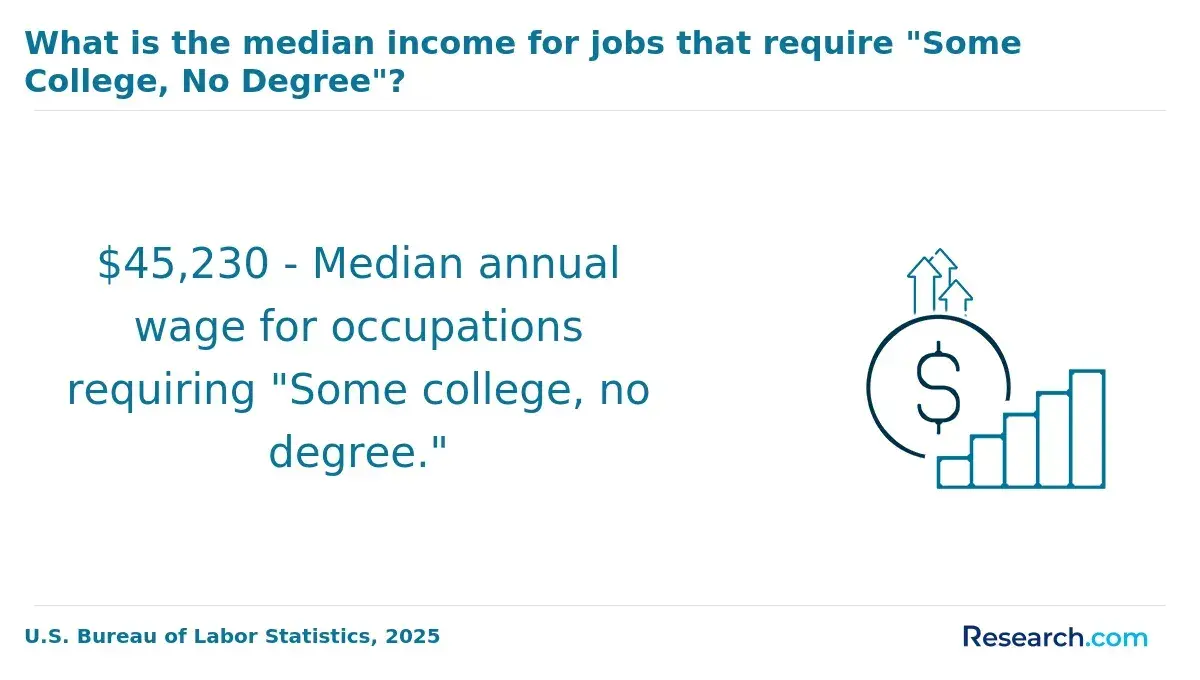
- Career Advancement and Flexibility: Online formats attract professionals balancing work and study, potentially leading to higher immediate earnings after graduation. Initial salaries for bachelor's-level chemists average between $46,000 and $51,000 annually regardless of degree format.
- Academic Support and Networking: On-campus programs may offer stronger face-to-face academic resources and networking, which can enhance starting salaries and career growth. However, many online programs are improving virtual support to narrow this gap.
Overall, the chemistry degree salary comparison online vs on-campus USA shows that individual outcomes depend more on program quality, experience, and career strategy than the delivery method itself.
How Do You Decide Whether an Online vs On-Campus Chemistry Program Is Right for You?
Choosing between online and on-campus chemistry programs depends on your personal learning preferences, lifestyle, and professional goals. Both options can lead to the same degree but offer different experiences and challenges. To help you decide, consider the following key factors that influence whether an online or on-campus format is the best fit for you.
Here are major considerations to keep in mind:
- Learning style: If you benefit from hands-on laboratory work and face-to-face instruction, on-campus programs typically provide direct access to labs and immediate feedback. Conversely, online chemistry programs have evolved, frequently incorporating virtual lab simulations and video content that can offer comparable learning outcomes for independent learners.
- Flexibility needs: Online chemistry degrees are ideal if you require scheduling flexibility to balance work, family, or other commitments, allowing you to study anytime and anywhere. On-campus programs have fixed schedules and mandatory in-person attendance, which might be difficult to accommodate for busy students.
- Budget: Online programs often lower costs by eliminating commuting, housing, and some campus-related fees, but tuition varies widely. On-campus study can be more expensive overall due to living expenses, though it may provide access to scholarships and work-study opportunities. It's wise to compare total costs carefully, possibly consulting lists of cheap online schools for working students.
- Networking opportunities: On-campus students generally have easier access to peer interaction, faculty mentorship, and research internships, fostering stronger professional networks. Online students can still engage through online forums and virtual office hours, though spontaneous connections may be less frequent.
- Access to campus resources: Students attending in person benefit from immediate use of labs, libraries, and tutoring centers, enhancing hands-on learning. Online learners rely on digital resources and virtual alternatives, which have become more sophisticated but may not suit those needing extensive physical lab experience.
Comparing online and on-campus chemistry degrees involves balancing these factors in light of your goals and circumstances to choose a path that supports your success.
Here's What Graduates of Online vs On-Campus Chemistry Programs Have to Say About Their Degree
- Jamal: "Completing my chemistry degree entirely online gave me the flexibility to balance work and family life while pursuing my passion. The program's interactive labs and virtual collaboration with peers prepared me for real-world challenges in the pharmaceutical industry. Starting my career from home allowed me to adapt quickly and find stability in a rapidly changing job market. I feel proud to contribute to developing affordable medications that impact people's health on a daily basis."
- Cassandra: "Attending the on-campus chemistry program immersed me in a vibrant academic community that pushed me to excel both intellectually and socially. Being able to work directly with professors and participate in hands-on lab research sharpened my skills and opened doors to internships at national labs. The friendships and mentorships I gained have been invaluable as I've advanced in my career in environmental chemistry. Reflecting back, the personal growth I experienced was as impactful as the technical knowledge I gained."
- Ravi: "The hybrid chemistry degree offered the best of both worlds: in-person engagement with faculty and peers along with the convenience of remote coursework. This format challenged me to be disciplined and self-motivated while still benefiting from hands-on experiments and group projects. Professionally, the hybrid approach made me adaptable and confident in navigating both traditional lab environments and virtual collaborations. It has empowered me to take on leadership roles in community health initiatives that rely on chemistry expertise."
Other Things You Should Know About Online & On-Campus Chemistry Degree Programs
In 2027, employer acceptance hinges on factors like accreditation, curriculum quality, and graduate skills. Online programs with strong reputations and proven graduate success can be as respected as on-campus programs. However, traditional views still favor on-campus experiences, especially for hands-on disciplines like chemistry.
Employers generally recognize degrees from accredited online chemistry programs, but preference may depend on the employer and job requirements. Positions requiring extensive laboratory skills may favor candidates with on-campus experience. Accreditation and program reputation remain key factors.
References
- College majors and their average salaries | Wells Fargo https://collegesteps.wf.com/starting-salaries-by-major/
- Page loading... https://www.guidechem.com/question/is-it-a-bad-idea-to-take-an-on-id83150.html
- Online Education vs. On-Campus Tuition: How ACE Online Degree Programs Help Keep Your Costs Down | ACE Blog https://ace.edu/blog/online-education-vs-on-campus-tuition-how-ace-online-degree-programs-help-keep-your-costs-down/
- Enhancing Student Engagement and Success in General Chemistry Through Supplemental Co-Class Models https://pmc.ncbi.nlm.nih.gov/articles/PMC12243076/
- Cost of Online Education vs. Traditional Education [2025]: Comparison https://educationdata.org/cost-of-online-education-vs-traditional-education
- Are Online Degrees Worth It? https://www.appily.com/guidance/articles/finding-your-college/are-online-degrees-worth-it
- Online and on-campus colleges | University of Phoenix https://www.phoenix.edu/blog/cost-of-online-vs-traditional-college.html
- Online vs. Traditional Chemistry Classes: Which is the Best? https://takemyclassforme.us.com/blog/online-vs-traditional-chemistry-classes-which-is-the-best/