
2027 Different Types of Sociology Degrees and Their Salaries

Co-Founder and Chief Data Scientist
According to recent labor statistics, employment opportunities in sociology-related careers are projected to grow steadily over the next decade, reflecting a rising need for specialized knowledge and critical insight. Understanding the variety of sociology degrees available is essential for making an informed educational choice that aligns with career goals and earning potential.
This article provides a clear overview of the different sociology degree options and explores the earning prospects graduates can expect within each pathway.
Key Points About Different Types of Sociology Degrees and Their Salaries
- Individuals with a bachelor's degree in sociology typically enter the workforce in roles such as social services or community work, earning a median salary around $48,000 annually, while their employment growth is projected to remain steady at about 5% over the next decade.
- Pursuing a master's degree in sociology can significantly increase earning potential, with median salaries rising to approximately $65,000, and it opens opportunities for advanced roles in research, academia, and policy analysis where job growth is expected to outpace the bachelor's level.
- An associate degree in sociology generally leads to entry-level positions in support services or administrative capacities, with median salaries closer to $35,000, but it offers limited long-term career advancement compared to higher-level degrees in the field.
What Are the Different Types of Sociology Degrees Available?
Understanding the different types and levels of sociology degrees is crucial for students to make informed choices that align with their educational backgrounds and career aspirations. Each degree type offers a tailored approach, equipping students with specific skills suited to various professional paths.
Here are the main types of sociology degrees and what distinguishes each one:
- Associate Degree in Sociology: Provides an introduction to core sociological concepts, social problems, and cultural analysis. Coursework typically covers introductory sociology, social issues, and basic anthropology, laying a foundational understanding for further study or entry-level positions in social services.
- Bachelor's Degree in Sociology: Offers a comprehensive exploration of sociological theory, research methods, and social structure analysis. Students engage with sociological theory, research design, and statistics, alongside electives such as family studies or social inequality, fostering critical thinking and applied analysis.
- Master's Degree in Sociology: Focuses on advanced sociological theory, policy analysis, and specialized topics like race, globalization, or social change. This level involves rigorous data analysis, research projects, and often a thesis, preparing students for advanced research or teaching roles.
- Doctoral Degree (PhD) in Sociology: Emphasizes original research and developing new sociological knowledge. Doctoral studies concentrate on advanced theory, independent research, and dissertation writing, preparing students to contribute to academic scholarship and lead research efforts.
When considering your options, you might explore further to find fast degrees that suit your pace and goals in sociology education.
What Specializations Are Available in Sociology Degrees?
Choosing a specialization within a sociology degree is a crucial factor that helps students tailor their education to specific interests and career objectives. Specializations provide focused skills and knowledge that align with particular professional paths, increasing employability and job satisfaction.
Below is a list of common sociology specializations that highlight different career directions students can pursue.
- Law And Society: Focuses on the interaction between legal institutions, social order, and change. Students develop analytical skills in criminology, deviance, and justice, preparing for careers in law enforcement, criminal justice policy, legal research, or advocacy.
- Social Services Sociology: Examines family dynamics, community systems, and social welfare issues. Graduates gain interpersonal and problem-solving skills suited for roles in case management, counseling, social work, and public health.
- Race, Ethnicity, And Immigration Sociology: Explores identity, migration, and social integration challenges. This specialization prepares students for careers in diversity management, immigration services, advocacy, or multicultural education.
- Global And International Sociology: Studies global challenges, political economies, and cross-cultural interactions. Students learn cross-disciplinary analysis, equipping them for international policy, humanitarian work, or global development roles.
- Business And Organizational Sociology: Analyzes organizations, markets, and workplace behavior. Students acquire skills in data analysis, management, and organizational dynamics, leading to jobs in human resources, market research, or corporate consulting.
- Health And Population Sociology: Investigates health disparities, population trends, and healthcare systems. Graduates often work in public health administration, healthcare policy, or epidemiological research.
- Gender And Sexuality Sociology: Focuses on social inequalities related to gender and sexual identity. This track prepares students for careers in gender advocacy, human rights organizations, or policy analysis.
For those interested in advanced study, understanding how to select the easiest doctorate degree can be key to successfully specializing in sociology fields that require higher qualification levels; resources like the easiest doctorate degree guide offer valuable insights on this process.
How Long Does It Take to Complete Each Type of Sociology Degree?
Understanding how long it takes to complete each type of sociology degree is crucial for students planning their education and future career paths. Knowing typical program durations helps manage expectations, financial planning, and life commitments.
Here are the typical durations for different sociology degrees, along with factors that may affect the length of study and options for acceleration or flexible learning:
- Associate Degree in Sociology: Usually completed in about two years of full-time study, this degree offers foundational knowledge. Part-time enrollment or transferring credits from high school advanced placement programs can shorten the timeline. Many community colleges provide online or accelerated options to accommodate working students.
- Bachelor's Degree in Sociology: Typically requires four years of full-time study. Some students may finish sooner by taking summer courses or earning transfer credits. Online programs and part-time study options are widely available, often extending the duration but offering more flexibility.
- Master's Degree in Sociology: Generally takes two years post-bachelor's to complete. The timeline may vary based on thesis requirements, part-time enrollment, or accelerated programs. Some universities offer online master's degrees, allowing students to balance work and study for a longer, but more flexible schedule.
- Doctorate in Sociology (PhD): Usually requires four to six years after obtaining a master's or bachelor's degree. This length varies greatly depending on research, dissertation work, and academic progress. Programs can be full-time or part-time, though online options are limited due to the research-intensive nature of the degree.
Are There Accelerated Sociology Degree Programs?
Accelerated sociology degree programs offer students a faster path to earning both undergraduate and graduate degrees, typically reducing the time required to about five years instead of the traditional six or more.
These programs employ several formats to facilitate this efficiency, including condensed courses, year-round academic terms, and the option to apply graduate-level credits toward both degrees-commonly up to 12 credits, with some institutions allowing as many as 18.
Online options also exist, with some undergraduate sociology programs completing in as little as 16 months. Participating universities often include institutions like UCCS, George Mason, Saint Louis University, and Loyola University Chicago, which have structured their offerings to support a streamlined academic journey.
Transfer credits and dual counting of courses help minimize redundant coursework, enabling a more focused progression through the curriculum.
While accelerated programs provide clear benefits in reducing completion time, students should carefully consider key challenges such as increased workload intensity and strict eligibility criteria.
These programs demand strong academic performance, usually requiring a GPA between 3.0 and 3.5, alongside completion of core sociology courses before advancement. Some schools may also require letters of recommendation or interviews to assess candidate readiness.
The accelerated pace means balancing undergraduate and graduate-level coursework simultaneously, which can be demanding both mentally and in terms of time management. Transfer students face additional hurdles, including meeting minimum credit hour thresholds within the institution.
Prospective students should also review financial aid options carefully, as some accelerated tracks offer specific tuition discounts or scholarships for graduate studies.
Graduates from these programs, particularly those emphasizing applied or public sociology, often find enhanced opportunities in research, policy analysis, and academia, with median salaries for sociologists in the U.S. near $92,910 annually as of 2024.
A graduate of an accelerated sociology degree program shared insights about his experience that highlight both the rigor and rewards of such a path. He described the program as "intense but incredibly focused," emphasizing how balancing simultaneous coursework pushed him to develop strong organizational skills quickly.
Despite early doubts about managing the workload, he found the immersive nature of the study kept him engaged, noting that "there was no downtime between semesters, so I stayed in an academic mindset throughout."
The challenge of meeting eligibility requirements, including maintaining a high GPA and securing recommendations, initially added pressure, but the structured support from faculty helped. He reflected that the ability to "fast-track both degrees opened doors sooner than I expected," allowing him to enter the workforce with a competitive edge.
His journey underscored the importance of resilience and proactive planning for anyone considering this accelerated route in sociology.
Are Online Sociology Degrees as Credible as Traditional Ones?
Online sociology degree programs in the US today maintain the same academic standards as traditional, on-campus programs, provided they are offered by regionally accredited institutions.
Both types of programs generally use identical core curricula, textbooks, and instructional materials. The main difference is in delivery: online degrees rely on virtual platforms and recorded lectures, while traditional programs emphasize live discussions and hands-on activities.
Accreditation plays a crucial role in both formats, ensuring that coursework, faculty qualifications, and assessment methods meet rigorous industry and educational standards. While online programs offer greater flexibility, especially for working professionals and remote learners, there can be some loss of spontaneous in-class interaction that traditional settings naturally provide.
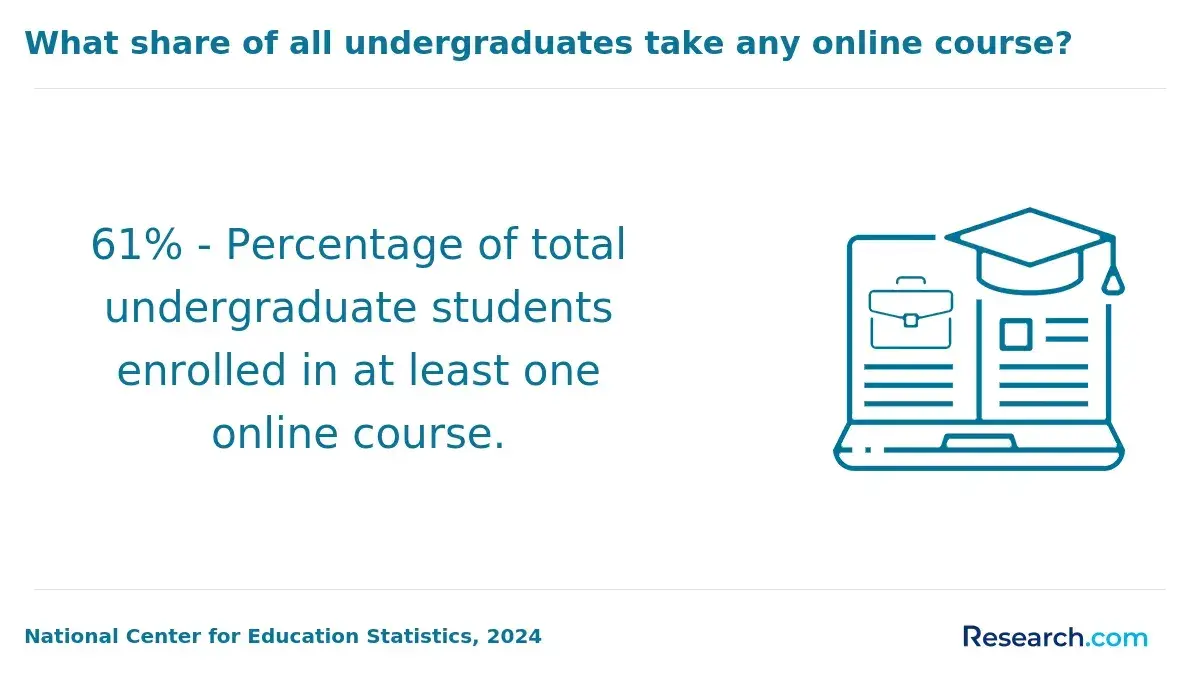
Recent employer surveys highlight growing acceptance of online sociology degrees. A 2024 poll showed that 61% of HR leaders consider online learning equal or superior in quality to traditional formats, and 71% have hired candidates with online degrees.
Most employers now focus primarily on the reputation and accreditation of the awarding institution rather than the mode of study. Salary outcomes for sociology graduates are comparable regardless of whether the degree was earned online or on-campus, with median annual wages ranging from $50,000 to $92,910 according to the US Bureau of Labor Statistics.
When evaluating credentials, hiring managers tend to emphasize the institution's reputation and accreditation far more than the learning format itself.
How Much Does Each Type of Sociology Degree Typically Cost?
Understanding the differences in tuition costs across sociology degree levels is essential for effective budgeting and long-term financial planning. These variations impact not only immediate expenses but also overall student debt and future earning potential.
Below is a detailed outline of typical tuition ranges for each level of sociology degree, helping prospective students navigate their educational investments wisely.
- Associate Degree in Sociology: Tuition for associate degrees is generally the most affordable, typically ranging from $3,000 to $6,500 per year at community colleges. Costs tend to be lower for in-state students, and many institutions offer need-based grants, scholarships, and federal Pell Grants to help reduce financial burden.
- Bachelor's Degree in Sociology: Undergraduate sociology programs at public universities average about $10,386 per year for in-state students and up to $33,173 for out-of-state students, with private colleges often charging higher rates. Online bachelor's programs may provide significant savings, with some schools offering tuition as low as $4,162 annually. Financial aid options include federal and state grants, scholarships, and student loans.
- Master's in Sociology: The cost of master's programs varies, with public universities averaging $11,958 annually and private institutions charging around $27,680. Some schools price tuition on a per-credit basis, sometimes exceeding $1,400 per credit hour. Graduate students can frequently access assistantships, fellowships, and work-study programs to offset expenses.
- Doctoral Degree in Sociology: Doctoral programs often represent the highest tuition costs, ranging from $11,958 to over $30,000 per year depending on whether the institution is public or private. Many doctoral candidates benefit from funding opportunities such as research or teaching assistantships, tuition waivers, and grants, which can substantially reduce out-of-pocket costs.
When discussing the cost of her sociology degree, a graduate of a master's program shared her personal experience balancing tuition and financial aid.
She recalled, "Navigating tuition wasn't easy, but securing a graduate assistantship was a game changer; it covered a large part of my tuition and provided valuable professional experience."
She noted how combining assistantships with scholarships and careful budgeting helped her manage expenses without excessive loans. Reflecting on her journey, she emphasized that although the upfront cost was significant, the long-term career opportunities and personal growth she gained made the investment worthwhile.
Her story highlights how strategic financial planning and exploring all aid options can make advanced sociology degrees attainable and rewarding.
What Jobs Can You Get with Each Type of Sociology Degree?
The level of sociology degree you earn-associate, bachelor's, master's, or doctoral-significantly influences the career opportunities available and the scope of responsibilities you can expect.
Below is a list outlining common jobs associated with each sociology degree type to help students understand where their credential may lead.
Here are typical career paths for each level of sociology degree:
- Associate Degree in Sociology: Graduates often secure entry-level roles in social services, such as case management assistant or community outreach coordinator. These positions mainly involve supporting social workers, assisting clients with accessing community resources, and working within local nonprofits or government agencies.
- Bachelor's Degree in Sociology: Work environments vary from corporations and schools to government agencies and nonprofit organizations. For those interested in accelerated graduate options, a quickest masters program may help advance their career prospects further.
- Master's Degree in Sociology: Master's graduates qualify for advanced roles like program evaluator, senior policy analyst, social researcher, or college instructor. Salaries typically range from $60,000 to $90,000 depending on experience and region, with employment commonly found in research institutes, universities, or government agencies.
- Doctoral Degree (PhD) in Sociology: A doctoral degree leads to careers as university professors, principal researchers, or high-level consultants. Median salaries for sociology professors reached approximately $80,840 in 2023, while senior researchers and consultants may earn six-figure incomes.
How Do Salaries Differ by Sociology Degree Type?
Degree level is a significant factor influencing earning potential for graduates in sociology, with higher degrees often opening doors to more specialized roles and greater salaries.
The following outlines typical salary ranges and considerations for each degree level in sociology.
The typical salary differences by sociology degree type are summarized below:
- Associate Degree in Sociology: Entry-level roles such as social services assistants or administrative support in nonprofit organizations often require an associate degree. Starting salaries generally range between $30,000 and $40,000 per year.
- Bachelor's Degree in Sociology: Graduates may work as human resources specialists, public relations assistants, or community health workers, with starting salaries from around $39,000 to $55,000 annually. Pay varies depending on industry, location, and employer size, with higher earning potential in areas such as market analysis or urban planning, where salaries can reach up to $74,731 per year.
- Master's Degree in Sociology: This degree qualifies individuals for advanced positions like sociologists, instructional coordinators, or policy analysts. Median salaries for those holding a master's degree reached approximately $101,690 in 2024.
- Doctorate in Sociology (Ph.D.): Doctoral graduates typically enter academia, research, or senior administrative roles. Average salaries range from about $92,910 to $101,690, with higher earnings possible for experienced professionals serving as postsecondary administrators or academic deans, often exceeding $95,410 per year.
Is There High Demand for Sociology Degree Holders in the Job Market?
There is steady but not high demand for sociology degree holders in the current U.S. job market, with growth mainly in service-oriented, data-driven, and policy-related fields.
Key factors influencing demand include emerging technologies that require advanced data analysis skills, evolving workforce needs emphasizing social research and community impact, and regional economic differences. For example, market research analysts-a common career path for sociology majors-are projected to experience 13% job growth, while social and community service roles expect growth between 9% and 12%.
In contrast, specialized roles like sociologists typically require a master's degree or higher and show modest growth around 4% from 2024 to 2034 with a median salary near $101,690 annually.
Urban centers and fast-growing cities, such as Charlotte, NC, often have a higher demand for sociology graduates in nonprofit administration, public health, and housing services. The rise of remote work further expands opportunities in policy analysis, research, and digital communications, allowing graduates to work nationally or internationally regardless of location.
To improve employment prospects, sociology graduates are encouraged to supplement their degree with skills in data analysis, technology, or public administration. Such interdisciplinary expertise aligns well with the constantly shifting job market and workforce demands.
Additionally, obtaining career certifications that pay well can enhance job competitiveness and salary potential. Government, education, and public health sectors remain consistent employers, especially in regions with strong community development and diversity initiatives.
Overall, the outlook for sociology degree holders is positive but competitive. Graduates who combine their sociology knowledge with in-demand technical or analytical skills, and remain open to interdisciplinary roles or additional certification, are positioned to secure meaningful, well-compensated positions across various industries.
What Factors Should You Consider When Picking a Type of Sociology Degree?
Choosing the right sociology degree level is a critical decision because it directly impacts both your educational experience and future career opportunities. Aligning your degree with your career goals and personal circumstances ensures that your investment of time and resources delivers the best return.
To make an informed choice, consider the following key factors:
- Career Goals: Different sociology degree levels open distinct career paths. For instance, a bachelor's degree can lead to roles like social worker or public relations specialist, while advanced positions such as sociologist typically require a master's degree or higher. Understanding the career you want will guide which degree level is necessary.
- Time Commitment: Bachelor's degrees generally require about four years of study, master's degrees add one to two years, and doctoral programs can take several more years. Assess how much time you can realistically dedicate based on your current life situation and career timeline.
- Earning Potential: Salaries for sociology-related roles increase with advanced degrees. Graduate-level sociologists can earn median salaries exceeding $100,000 annually, whereas those with only a bachelor's degree usually earn between $40,000 and $60,000, depending on the job and location. Balancing potential earnings with educational costs is essential.
- Specialization Opportunities: Higher degree levels offer chances to specialize in areas like criminology, social policy, or medical sociology. Specializing can improve your competitiveness in niche fields and graduate programs, so consider if a focused path aligns with your interests.
- Transferable Skills and Flexibility: Sociology degrees build valuable skills like research, critical thinking, and communication at all levels, but advanced programs deepen analytical and research abilities. These enhanced skills can provide broader professional opportunities.
- Program Structure and Fit: Some programs allow double majors, minors, internships, or study abroad, which may better suit your goals. Investigate each program's offerings to find one that matches your preferences and career plans.
What Sociology Graduates Say About Their Degree and Salary
- Corey: "Completing my bachelor's degree in sociology opened doors I hadn't even imagined. The comprehensive curriculum not only enhanced my critical thinking but also prepared me to handle real-world social issues at a community organization. I found it incredibly rewarding to use my education to support underserved populations and advocate for meaningful policy changes. The program's focus on research and community engagement helped me build a strong foundation that employers value highly."
- Karen: "After earning my master's in sociology, I quickly transitioned into a research analyst role where the advanced statistical skills and theoretical knowledge I gained have been invaluable. This degree challenged me intellectually and pushed me to grow both personally and professionally. It's fulfilling to contribute to studies that influence social policy and improve lives on a broader scale. The rigorous training ensured I was well-prepared for the competitive job market and ongoing career advancement."
- Monique: "My doctorate in sociology was a transformative experience that deepened my passion for teaching and mentorship. Navigating the challenges of advanced research gave me resilience and a nuanced understanding of social dynamics, which I now bring to my work with students. I'm proud to contribute positively to their well-being and inspire the next generation of social scientists. The doctoral program's emphasis on original research and community impact has defined my career path and personal mission."
Other Things You Should Know About Sociology Degree Programs & Salaries
Several factors affect sociology graduates' salaries in 2027, including the level of degree obtained, area of specialization, industry sector they enter, and geographic location of their employment. Graduates with expertise in popular fields, like data analysis or urban planning, tend to command higher salaries.
Doctoral degrees in sociology generally lead to the highest-paying jobs, often in academia, research, or policy development. These roles require extensive expertise and offer salaries above those available to bachelor's or master's holders.
In 2027, sociology graduates with a bachelor's degree can expect an average starting salary of around $45,000 to $55,000 annually. This can vary based on geographical location, industry, and additional skills or experience.
References
- Accelerated MA in Sociology | Department of Sociology https://sociology.uconn.edu/graduate/accelerated-masters/
- What to Consider When Choosing a Sociology Program https://blog.collegevine.com/choosing-sociology-program
- Top Careers for Sociology Majors in 2025 https://sociology.org/what-are-the-top-jobs-for-sociology-majors/
- Major - Department of Sociology https://sociology.charlotte.edu/academics/undergraduate-programs/major/
- 13 Types of Sociology https://www.northcentralcollege.edu/news/2023/02/15/13-types-sociology
- Sociology (SOC) https://catalog.utsa.edu/undergraduate/coursedescriptions/soc/
- Majors and Minors https://sociology.ucdavis.edu/undergraduate/sociology-major-options
- Tuition & Aid | Cost of Sociology Degree https://und.edu/programs/sociology-ba/cost.html
- Accelerated Bachelor of Science in Sociology/Master of Science in Sociology https://catalog.twu.edu/undergraduate/arts-sciences/sociology/accelerated-sociology-bs-ma/
- What Can You Do With A Sociology Degree? https://www.immerse.education/career-exploration/sociology/careers-in-sociology/


