
2027 Best History Degrees for Working Adults

Co-Founder and Chief Data Scientist
Balancing a full-time job while pursuing a history degree can feel overwhelming, especially when many programs demand rigid schedules and extensive campus attendance. Nearly 60% of adult learners report that inflexible course formats hinder their educational progress, limiting opportunities for career advancement. This challenge is critical as the demand for history professionals who combine practical experience with academic credentials grows. This article reviews the best history degrees designed specifically for working adults, focusing on flexibility, accreditation, and career support to help readers find programs that fit professional and personal commitments without sacrificing quality.
Key Things to Know About History Degrees for Working Adults
- Flexible scheduling and online or hybrid formats enable working adults to balance professional responsibilities with coursework, increasing degree completion rates by up to 25% compared to traditional programs.
- Employer relevance is emphasized through curricula integrating critical thinking and research skills applicable to roles in education, public policy, and cultural resource management.
- Accelerated pacing and dedicated support services, such as coaching and career advising, improve retention and success rates among adult learners pursuing history degrees.
What Are the Best History Degrees for Working Adults?
The best history degrees for working adults vary greatly depending on schedule flexibility, career goals, and return on investment. Many professionals seek programs that accommodate part-time enrollment or offer online coursework to balance work and study. A growing trend among adult learners is the availability of asynchronous courses that allow self-paced study, crucial for those managing full-time jobs and family responsibilities.
Here are some history degree options well-suited for employed students:
- Public History: Emphasizes practical skills applicable in museums, archives, and cultural institutions, often featuring flexible course structures aligned with professional advancement.
- Digital History: Integrates history with emerging technology skills like digital archiving and data visualization, appealing to those seeking roles in tech-driven history fields.
- Military History: Provides expertise valuable for careers in government, defense contracting, or education, typically available with evening or online class options.
- American History: Offers broad career pathways in education, research, and public service with many programs supporting part-time and online enrollment.
These specialties combine relevant, career-focused content with flexible delivery, ideal for students searching for affordable history degree programs for professionals. For those interested in expanding their qualifications further, pursuing an online AI degree can enhance digital competencies in related fields.
What Are the Admission Requirements for Working Adults in History Degree Programs?
Admission requirements for working adults seeking history degrees often differ from those for traditional students to better accommodate professional and personal commitments. Nationwide, about 40% of graduate students enroll part-time, highlighting a trend toward programs that support increased flexibility. For many, flexible entry criteria reflect an understanding of the balance required between study and full-time employment.
When exploring history degree program entry criteria for professionals, several key considerations frequently arise:
- Prior Work Experience: Relevant professional background can bolster applications, sometimes compensating for lower GPA scores by demonstrating practical skills and knowledge applicable to academic study.
- GPA Expectations: Although strong academic performance remains important, some programs adopt more flexible GPA thresholds specifically designed for adult learners balancing other responsibilities.
- Standardized Test Waivers: Candidates with substantial work or academic experience often qualify for waivers of GRE or similar standardized tests, easing admission barriers.
- Professional Recommendations: Letters from employers or colleagues provide valuable insights into an applicant's maturity, reliability, and skills beyond traditional academic achievements.
- Flexible Attendance Options: Admission committees frequently consider the need for part-time, evening, or online study formats tailored to accommodate working adults' schedules.
Those interested in advancing their careers while managing work commitments may also explore alternative pathways such as a fast track psychology degree, which similarly emphasizes flexibility and accelerated progression.
What Coursework Is Required in History Degree Programs for Working Adults?
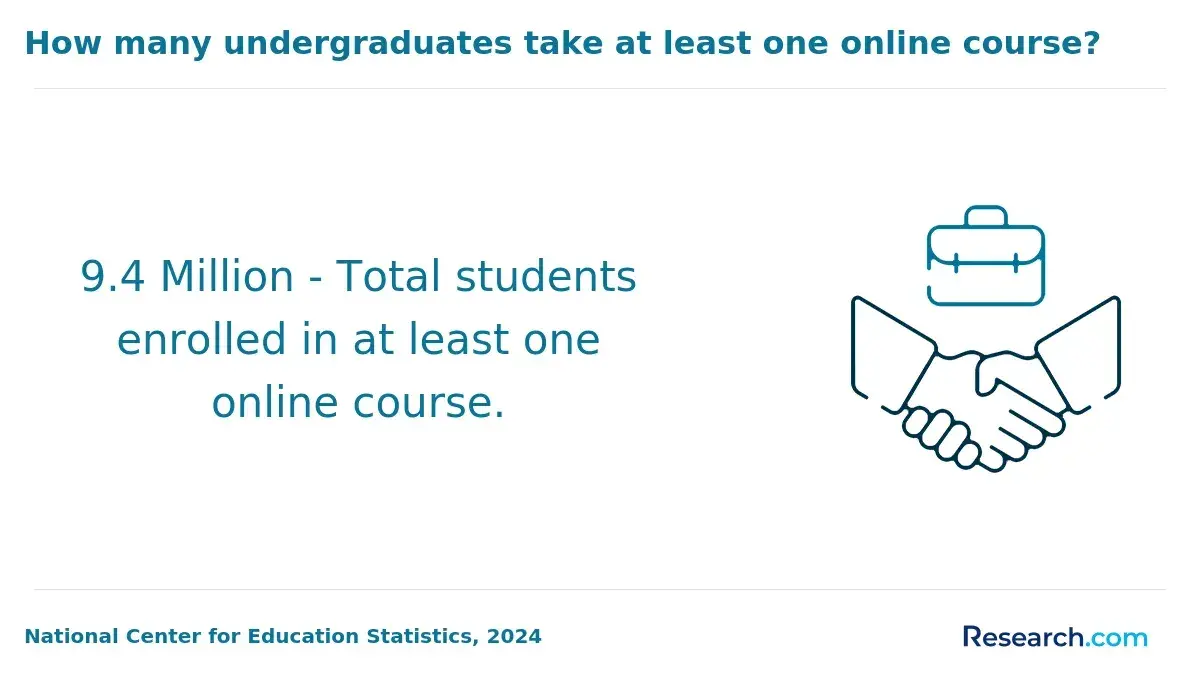
Coursework in history degree programs for working adults is designed to balance career relevance, practical skills, and flexible learning options that accommodate full-time employment. Nearly 40% of undergraduate students nationwide are adult learners, reflecting a growing trend toward lifelong education in fields like history.
These programs often provide asynchronous courses and condensed schedules to support busy professionals. Exploring typical classes in adult history degree programs reveals a focus on areas that enhance both academic understanding and career advancement.
Common coursework areas in history degree programs for working adults include:
- Historical Methods and Research: This course teaches critical thinking and research skills, guiding students on evaluating sources and crafting historical arguments. It equips professionals with analytical tools valuable in communication-focused roles.
- American and World History: Covering major events and themes, these classes offer broad context beneficial for educators, writers, or cultural institution professionals.
- Public History and Preservation: Focusing on presenting history through museums or archives, this coursework prepares students for roles in heritage management and public education.
- History and Technology: This area introduces digital tools for research and presentation, providing modern skills applicable to academic and professional environments.
- Special Topics in Cultural and Social History: Highlighting underrepresented groups or current issues, these courses develop cultural awareness useful in education, policy, or social services careers.
For working adults interested in expanding their education further, programs such as the MLIS degree offer additional pathways to combine history knowledge with practical library and information science skills.
Integrating history degree coursework for working adults with flexible structures and focused content makes continuing education accessible and relevant. Understanding the typical classes in adult history degree programs helps prospective students select courses aligned with their professional goals.
How Long Does It Take to Complete a History Degree While Working?
Completion time for a history degree often extends beyond the typical four years for working adults, mainly due to juggling job responsibilities alongside academics. Research shows that on average, it takes about six years for these students to finish their bachelor's degrees, though individual experiences vary significantly.
Several factors influence how long it may take to complete a history degree while maintaining employment:
- Program format: Online and hybrid options offer greater flexibility, enabling students to attend classes outside traditional hours. However, this convenience relies heavily on how effectively a student manages their schedule.
- Course load: Many adults opt for part-time enrollment to balance work and personal life, which can extend their path to graduation compared to full-time study.
- Prior credits: Transfer credits or previously earned coursework can shorten degree completion by fulfilling general education requirements ahead of time.
- Work schedule: Irregular hours or shift work can limit availability for coursework and lectures, often prolonging study duration.
- Accelerated options: Summer courses or intensive classes allow faster progress but demand a heavier workload and greater focus.
How Much Does a History Degree Cost for Working Adults?
Balancing tuition costs with other financial responsibilities is essential for working adults pursuing a history degree. Nearly 44% of part-time undergraduates in the U.S. are adult learners, reflecting growing demand for affordable and flexible education options. Several key factors influence the overall expense of earning a history degree for this group.
The following factors contribute significantly to the total cost:
- Tuition Rates: Costs per credit hour vary broadly, with online programs often providing more budget-friendly options compared to traditional campus classes. This rate largely determines the base expense for most students.
- Program Duration: Part-time enrollment can extend the time needed to complete the degree, resulting in higher cumulative tuition and additional fees over several semesters.
- Mandatory Fees: Beyond tuition, students may face registration charges, technology fees, and other institutional costs, which can substantially increase overall spending.
- Course Materials: History courses frequently require multiple textbooks; opting for digital versions or using library resources can help reduce these costs.
- Financial Aid Options: Employer tuition reimbursement, scholarships targeted at adult learners, and accelerated courses are valuable strategies to lower financial burdens and shorten program length.
What Financial Aid Options Are Available for Working Adults in History Degree Programs?
Balancing work, family, and education makes financial aid vital for adults pursuing a history degree to manage tuition costs without undue stress. Access to various financial support options can ease the burden and make continuing education more attainable.
Common types of assistance for working adults include:
- Federal Financial Aid: Programs through FAFSA provide grants and subsidized loans designed to reduce debt. Grants such as the Pell Grant are especially helpful since they don't require repayment, offering critical relief.
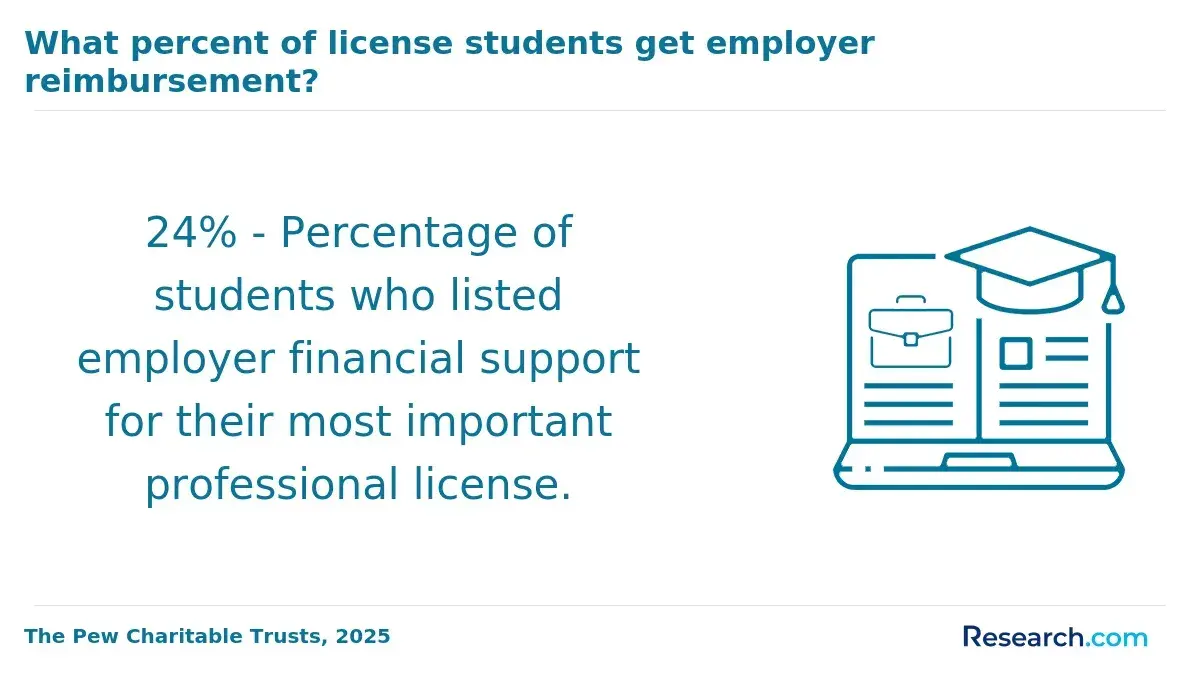
- Employer Tuition Assistance: Many companies offer reimbursement or tuition help to encourage employee development. These benefits differ by employer, but they can substantially lower education expenses.
- Scholarships for Adult Learners: Various organizations award scholarships tailored for adult and returning students, considering their unique challenges balancing education with work and family.
- State and Private Grants: In addition to federal aid, some states and private organizations provide grants to support academic progress in history programs without the need to repay.
- Payment Plans and Tax Credits: Flexible tuition payment options allow spreading costs over time, while tax credits like the Lifetime Learning Credit offer further financial relief.
What Support Services Help Working Adults Succeed in a History Program?
Working adults pursuing a history degree often juggle coursework alongside full-time jobs and family duties, creating distinct challenges that demand effective institutional support to stay on track academically.
- Academic Advising: Offers tailored assistance with selecting courses and planning degree progression, helping students navigate requirements efficiently despite busy schedules.
- Flexible Scheduling: Provides classes during evenings, weekends, or online formats, enabling learners to adapt study time around professional and personal commitments.
- Online Learning Support: Includes technical help and access to digital resources that facilitate remote study and keep students connected to their academic community.
- Cohort-Based Learning: Forms small peer groups for collaboration and motivation, which fosters a sense of belonging and reduces the isolation many adult learners face.
- Mental Health Resources: Supplies counseling and stress management tools essential for balancing the pressures from multiple life roles while maintaining academic focus.
Are History Degrees for Working Adults Accredited?
Accreditation signifies that history programs meet rigorous academic standards set by recognized agencies, ensuring a quality curriculum and qualified faculty. For working adults, this validation is essential as it enhances employer trust in the degree and opens access to federal and state financial aid options, including grants and loans. Accredited programs better support students balancing education with full-time jobs by maintaining recognized legitimacy.
Notably, adult learners now make up nearly 40% of graduate students in the U.S., reflecting the rising demand for flexible, accredited education paths.
The lasting value of a history degree for working adults is closely tied to accreditation. It facilitates credit transfer between institutions, making it easier for learners to continue their education. Additionally, some professions require degrees from accredited programs to qualify for licensure or certification, which is crucial for career progression. Ultimately, holding an accredited degree can improve opportunities for promotions and salary increases, ensuring the credential remains respected and beneficial throughout a professional's career.
Does a History Degree Increase Salary for Working Adults?
Salary growth is a significant motivator for many working professionals considering a history degree, with annual earnings typically ranging from $45,000 to $75,000 depending on experience and sector. Those seeking a history degree salary increase for working adults often find that the financial benefits vary widely by industry and career path.
- Industry Demand: The need for professionals with history expertise fluctuates across education, archives, public history, and cultural institutions. Some industries may offer more competitive salaries, while others have limited openings, influencing overall earning potential.
- Role Advancement: Career advancement with history degree for professionals often requires additional degrees or certifications to access senior or specialized roles that offer higher pay. A history degree alone may open doors but combining it with further qualifications strengthens salary opportunities.
- Employer Policies: Organizations sometimes reward continuing education with salary increases or promotions. Employees who can demonstrate the value of their history degree to their employer's goals may benefit from such policies.
- Years of Experience: Accumulating relevant work experience alongside a history degree enhances prospects for higher salaries. Employers tend to value practical skills and proven performance paired with academic credentials.
- Specialization: Developing niche expertise in areas such as legal history, museum studies, or archival management can create access to specialized roles that command higher salaries. This targeted knowledge often distinguishes candidates in competitive fields.
Working adults interested in pursuing history degrees while managing full-time jobs may also explore affordable EdD programs that offer flexible learning paths to support career advancement without sacrificing income. Combining strategic education choices with experience and specialization is key to maximizing salary growth opportunities for those considering a history degree.
What Jobs Can Working adults Get With a History Degree?
A history degree equips working adults with critical thinking, research, and communication skills that qualify them for higher-level, specialized, or leadership roles beyond entry-level positions. This credential is especially valuable for professionals aiming to advance into roles requiring strategic oversight or complex problem-solving.
Here are some common advanced job opportunities for experienced professionals with a history degree:
- Historian: This role focuses on researching, interpreting, and presenting historical information, often specializing in a particular era or topic. Historians frequently contribute to academic publications, archives, or public programs, reflecting a move toward expertise and thought leadership.
- Museum Curator: A management position responsible for organizing collections, exhibitions, and educational outreach. History graduates excel here by applying their organizational skills and deep subject knowledge to lead teams and programs.
- Archivist: Archivists preserve and organize important documents and records, ensuring historical data remains accessible. This role demands both attention to detail and contextual understanding gained through a history background.
- Policy Analyst: Utilizing analytical and research skills developed through history studies, policy analysts assess and influence public policies, often in government or nonprofit sectors, steering complex decision-making processes.
- Education Consultant or Program Manager: Professionals in these roles design curricula or training programs, leveraging their historical expertise and communication skills to drive educational initiatives and organizational growth.
Working adults seeking career opportunities with a history degree for professionals will find that these roles offer significant advancement through specialization and leadership. For those balancing employment and education, exploring flexible options at online schools that accept FAFSA can provide the needed support to enhance qualifications while maintaining a career.
What Graduates Say About Their History Degrees for Working Adults
- Oriel: "Choosing to pursue a history degree online while working full-time was a game-changer for me. Despite the average cost of attendance being around $15,000 to $20,000 for part-time students, I found the investment worthwhile as it allowed me to apply historical knowledge directly to my role in cultural resource management. Completing the program definitely opened doors to leadership opportunities I hadn't imagined before."
- Gavio: "Balancing work and study through a part-time history degree program required discipline, but it was financially manageable given the typical tuition fees for working adults. The flexibility was crucial for me, allowing steady progress without sacrificing my job. Now, with my degree, I've expanded my expertise in archival research, which has significantly advanced my career in education administration."
- Kit: "Enrolling in an online history degree program while working was a practical decision driven by both time constraints and cost considerations, as programs often average less than $20,000 in total. Reflecting on this path, I appreciate how gaining a deeper understanding of historical contexts has enhanced my analytical skills and credibility in my consulting work. The degree has been a worthwhile asset professionally and personally. "
Other Things You Should Know About History Degrees
Accredited online history degree programs are generally regarded as credible and reputable by employers and academic institutions. The key factor is the program's accreditation status rather than delivery mode. Working adults benefit from the flexibility of online programs without compromising the quality of their education.
In 2027, working adults may find specializing in Public History or Digital History within history degree programs beneficial for career advancement. These areas emphasize skills in archival management, digital tools, and public engagement, which are valuable in sectors like education, public service, and consultancy.
References
- Online History Degrees https://www.affordablecollegesonline.org/degrees/history-programs/
- Exclusive History Scholarships with 2025 Deadlines https://bold.org/scholarships/by-major/history-scholarships/
- How I Make Money Using My Graduate History Degree (opinion) https://www.insidehighered.com/opinion/career-advice/2025/04/07/how-i-make-money-using-my-graduate-history-degree-opinion
- Master’s in History Online https://www.snhu.edu/online-degrees/masters/ma-in-history
- Accredited Online History Degree Programs https://www.accreditedonlinecolleges.org/history/
- Fully Funded Master's Programs in History | ProFellow https://www.profellow.com/fellowships/fully-funded-ma-in-history-programs/
- 2025 Most Affordable Online History Degrees https://www.onlineu.com/most-affordable-colleges/history-degrees
- Degree Requirements and Course Descriptions - History https://www.augsburg.edu/history/degree-requirements/
- Curriculum https://www.ccsu.edu/programs/history-ma/curriculum
- Career Opportunities and Salary Outlook With an M.A. in History https://online.ewu.edu/degrees/education/master-arts-history/career-and-salary-outlook/


