
2027 Is a 2-Year History Degree Worth It: Accelerated Bachelor's ROI & Time Trade-Offs

Co-Founder and Chief Data Scientist
Many prospective students grapple with whether investing two years in an accelerated history degree justifies the time and financial costs. Data shows that graduates holding bachelor's degrees in liberal arts, including history, face a median early-career salary approximately 15% lower than those in STEM fields, raising concerns about immediate returns.
This article examines the fiscal and temporal trade-offs of fast-tracking a history degree, analyzing salary trajectories, employment prospects, and skills relevance. It aims to guide readers in making informed decisions by evaluating the accelerated bachelor's degree's potential for career growth and overall return on investment in today's dynamic job market.
Key Benefits of a 2-Year History Degree
- Accelerated 2-year history degrees reduce tuition and living costs, improving overall ROI compared to traditional 4-year programs.
- Graduates enter the workforce sooner, enabling earlier salary accumulation and career advancement opportunities in education, research, or public service.
- While average mid-career salaries for history majors are moderate, the shorter study period minimizes opportunity costs, balancing time trade-offs effectively.
How do 2-year history programs work?
Two-year accelerated history degree programs offer a fast-tracked alternative to the traditional four-year bachelor's path, ideal for motivated students seeking to complete their degree quickly. Understanding the structure of these programs is crucial for evaluating whether the demanding pace aligns with personal commitments and career goals.
Below is a breakdown of core components explaining how these condensed history programs operate.
- Accelerated Pacing: Courses run on a shortened schedule, often between 8 to 12 weeks, instead of the typical 15 to 16, requiring students to absorb material more intensively.
- Year-Round Enrollment: Programs often provide continuous start dates throughout the year, eliminating long breaks and enabling faster degree completion.
- Condensed Course Terms: Each term demands a heavier credit load, with students typically taking more classes simultaneously compared to traditional programs to meet graduation requirements within two years.
- Instructional Format: A blend of synchronous online lectures, asynchronous assignments, and interactive seminars allows flexible learning, benefiting adult learners managing multiple responsibilities.
- Assessment Methods: Frequent quizzes, research papers, timed essays, and comprehensive final exams evaluate critical thinking and mastery of historical analysis under tight deadlines.
- Curriculum Progression: The curriculum emphasizes core historical competencies early, such as analyzing primary sources and understanding contexts, while integrating electives and specialization areas to ensure well-rounded education.
Prospective students satisfying history associate degree admissions requirements should consider that intense time management and commitment are critical for success. Financially, though total tuition can be less due to fewer semesters, per-term costs may be higher given concentrated credit loads.
For those interested in different fields, exploring options like a pharmacist degree can provide alternative career paths. Graduates with a bachelor's level humanities education generally earn a median salary notably above high school diploma holders, reinforcing the value of accelerated pathways for a strong return on investment.
What are the admission requirements for a 2-year history degree?
Knowing the admission requirements is crucial for students considering an accelerated bachelor's in history, as these programs demand strong preparation and the ability to handle intensive coursework. Prospective students benefit from understanding what foundational qualifications and skills they must demonstrate to succeed in a compact timeline.
Below is a detailed breakdown of the typical criteria for entry into a 2-year history degree program.
- Prior Education: Applicants generally need a high school diploma or its equivalent. This baseline ensures students possess the fundamental academic skills necessary for college-level study in history.
- GPA Expectations: Most programs look for a minimum GPA around 2.0 to 2.5 on a 4.0 scale, reflecting consistent academic performance. Meeting or exceeding this benchmark improves admission chances in accelerated history degree entry criteria.
- Standardized Tests: Some institutions do not require SAT or ACT scores, but requirements can vary. It is important to verify testing policies, especially when applying to programs with competitive selection standards.
- Prerequisite Courses: Completion of courses in English or social studies is often recommended to prepare students for the demanding reading and writing tasks in historical studies. These prerequisites strengthen the application by demonstrating relevant academic skills.
- Work Experience: While usually not a formal requirement, relevant experience can enhance an application, particularly for non-traditional or returning students. This may also indicate readiness for the accelerated pace.
- Program Readiness: Accelerated degrees expect students to manage compressed timelines effectively. Some schools use interviews or placement tests to assess applicants' preparedness for this intensity.
Students interested in efficient career paths might also explore a certified medical assistant program as a comparative option in accelerated education.
What does a typical week look like in a 2-year history program?
Grasping the weekly demands of a 2-year accelerated history program helps students evaluate if the pace matches their learning style and personal commitments. The intensity requires balancing multiple responsibilities efficiently. Below is an overview of the common components shaping a typical week in such a fast-track curriculum.
- Class Sessions: Students attend several lectures and discussion groups weekly, often totaling three to five sessions. These classes cover diverse historical topics and analytical frameworks, requiring active engagement and detailed note-taking.
- Assignments and Assessments: The workload is steady, including weekly readings, analytical essays, and timed quizzes or exams. This frequent evaluation reinforces comprehension but demands consistent time investment.
- Group Work: Collaborative projects and presentations foster teamwork and deeper subject exploration. Peer interaction enhances communication skills vital for academic and career success.
- Independent Study: Considerable time outside class is allocated to researching primary and secondary sources. Students use academic databases and libraries to prepare for discussions and complete written assignments.
- Instructor Interaction: Though brief, instructor support is ongoing, with office hours and email as key resources. Proactive outreach helps clarify complex material and maintain progress.
- Time Management: A disciplined approach is critical to juggle the accelerated schedule. Prioritizing tasks and setting a study routine safeguards against burnout and maximizes learning.
The professional I spoke with, who completed a history bachelor's in two years, described the experience as "intense but rewarding." He recalled juggling work and study, noting, "Some weeks felt overwhelming, especially when multiple deadlines collided."
He emphasized that developing a strict study regimen was vital: "Without a solid calendar and realistic time blocks, I wouldn't have kept up." Despite challenges, he found the condensed structure sharpened his focus and felt well-prepared for his career, describing the program as "a rigorous sprint that pushed me beyond what I thought possible."
Are 2-year history programs available online?
Choosing the right delivery format is crucial for students pursuing an accelerated history degree, as it directly impacts flexibility, accessibility, and effective time management. Online programs provide options that cater to diverse schedules, making it easier to balance studies with personal and professional responsibilities. Below is an overview of key aspects in online two-year history programs.
- Fully Online vs. Hybrid Formats: Some programs are entirely online, offering complete virtual access to coursework, while others blend online instruction with limited on-campus sessions, giving students occasional in-person interaction.
- Asynchronous and Synchronous Learning: Asynchronous classes offer the freedom to engage with lectures and assignments anytime, promoting a self-paced approach. Synchronous sessions require live attendance, enabling real-time discussions but demanding fixed schedules.
- Technology Requirements: Students need reliable computers, stable internet connections, and compatible software for video conferencing, forums, and digital libraries to fully participate in course activities.
- Student Support Services: Robust virtual resources such as tutoring, academic advising, and technical assistance are vital for helping students remain on track and succeed in accelerated history studies.
- Impact on Pacing and Engagement: Online delivery often allows faster completion than traditional programs, sometimes reducing degree time by up to half. However, student involvement depends greatly on course design and personal motivation to stay engaged.
How much does a 2-year history degree cost?
Careful evaluation of total costs is essential when considering the return on investment for a 2-year accelerated history degree. This type of program often involves compressed timelines and distinct tuition models that can impact both immediate expenses and long-term financial planning.
Breaking down the specific cost components helps prospective students understand how affordability aligns with their educational and career goals.
- Tuition Structure: Accelerated history degrees usually charge tuition per credit hour, with students completing more credits in less time than traditional paths. While this can increase semester expenses, it shortens the overall duration, potentially lowering total tuition paid and related living costs.
- Fees: Beyond tuition and fees for 2-year history programs often include registration, technology, and student service fees that vary by institution. These additional costs contribute to the full price of attendance and should be factored into budgeting.
- Textbooks and Learning Materials: History courses demand extensive reading and updated materials, which may be costly. Though digital resources can offset some expenses, continuous investment in textbooks and online archives remains a significant consideration.
- Technology and Lab Costs: Certain accelerated programs may require access to specialized software or digital archives, adding technology or lab fees to the overall cost. These are especially relevant for courses using modern historical research tools.
- Impact of Accelerated Pacing: According to the National Center for Education Statistics, accelerated degrees save students one to two years compared to traditional options. This reduction lessens opportunity costs like lost income and can enhance ROI, making some expense increases per term worthwhile in the broader financial picture.
For students comparing options, it is also helpful to explore affordable alternatives in similar fields; for example, the cheapest medical billing and coding program offers a cost-effective pathway with shorter timelines that might appeal to those balancing budget concerns alongside career goals.
Can you get financial aid for 2-year history programs?
For students considering accelerated history degree programs, understanding financial aid options is crucial, as shorter program durations can impact how aid is applied and received. Evaluating these factors helps ensure that the faster pace does not inadvertently reduce available funding or create unexpected financial challenges.
The following points outline key types of aid and relevant considerations.
- Federal Student Aid Eligibility: Students in accelerated programs typically remain eligible for Pell Grants and Direct Loans if they meet the Department of Education's enrollment and academic progress standards. However, the rapid completion timeline may affect when funds are disbursed since some aid depends on credit hours completed within specific terms.
- Scholarships and Grants: Merit- and need-based scholarships aimed at history majors or those enrolled in fast-track degrees can provide critical financial support. These awards often come from nonprofit organizations or academic foundations focused on promoting history education.
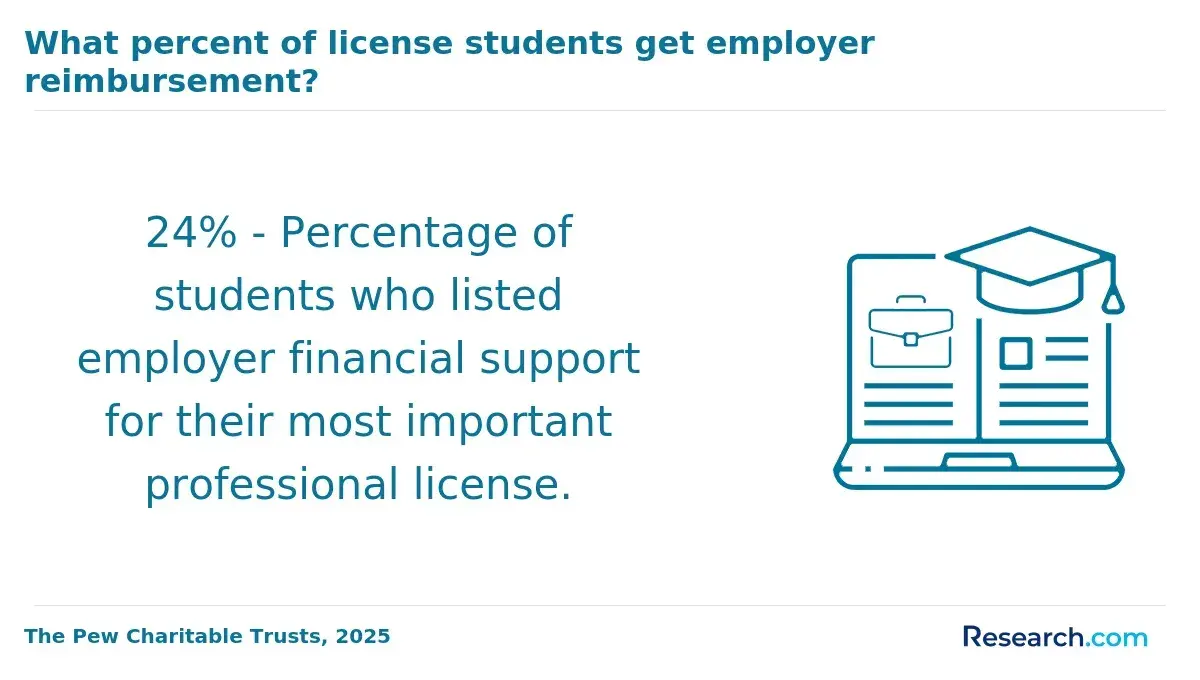
- Employer Tuition Assistance: Working adults in accelerated history programs might benefit from employer-sponsored tuition reimbursement, particularly if their roles relate to history or adjacent fields. This form of aid can significantly offset costs and ease financial burdens.
- Flexible Payment Plans: Some institutions offer staggered payment options tailored for accelerated schedules, allowing students to spread out tuition payments in alignment with the compressed academic calendar.
- Impact of Accelerated Pacing: The reduced time to degree completion-often 25% to 50% less than traditional routes-can improve cost efficiency yet requires students to maintain accelerated academic progress to avoid losing financial aid eligibility.
When I spoke with a professional who completed an accelerated bachelor's degree in history within two years, she reflected on her financial aid journey. "Managing the timing of my loan disbursements was tricky because I had to stay on top of my credit hours to ensure continued eligibility," she explained.
She also relied on a combination of a merit-based scholarship and employer tuition assistance, which together eased the pressure of upfront costs. "The payment plan was a lifesaver," she added, noting how the flexible schedule matched her fast-paced coursework. Despite the challenges, she felt the financial aid resources available made her ambitious timeline possible and ultimately worth the effort.
What jobs can you get with a 2-year history degree?
Evaluating career outcomes is crucial when considering the value of an accelerated history bachelor's degree, as it helps prospective students understand how the program aligns with their professional ambitions. Knowing the job prospects available with a 2-year history degree offers insight into the potential return on investment and time commitment.
This overview highlights common roles and industries where graduates often find opportunities after completing an accelerated history program.
- Museum Technician or Assistant: Graduates often begin in cultural institutions supporting the preservation and exhibition of historical artifacts. These positions require skills in information management and an understanding of historical context.
- Archival Assistant: This role involves organizing, cataloging, and maintaining historical records. It demands meticulous attention to detail and proficiency in research methods, which are key components taught in an accelerated history degree.
- Research Analyst: Entry-level research roles appear in public history fields, government agencies, and nonprofits, where evaluating data and contextual analysis help shape reports and policy recommendations.
- Library Technician: Positions in libraries emphasize information organization, digital cataloging, and customer service, leveraging writing and communication skills developed during the program.
- Research Assistant or Legislative Aide: Early-career roles that involve analyzing documents, drafting reports, and supporting legislative processes benefit from a strong foundation in critical thinking and data evaluation.
- Internships and Project-Based Learning: Accelerated history programs often include hands-on experiences that enhance workforce readiness. These practical opportunities help build relevant skills that facilitate immediate employment or future advancement.
Careers with an accelerated history bachelor's degree depend heavily on the ability to research, analyze, and communicate effectively. The 2-year history degree job prospects also reflect a growing need for professionals who can interpret and contextualize complex information in meaningful ways across public and private sectors.
Students considering this path may also explore related fields or combine history studies with other disciplines to broaden their range of opportunities. For those seeking further education, accelerated programs offer an efficient route to enter the workforce sooner, allowing time to assess long-term career goals.
For guidance on related affordable options, consider this affordable healthcare administration degree online as an example of complementary career planning resources.
How do salaries compare for a 2-year history degree vs. traditional bachelor's degrees?
Salary outcomes play a critical role in evaluating the return on investment (ROI) of accelerated versus traditional degree paths, especially in history fields. Comparing earnings between 2-year history degree holders and those with traditional bachelor's degrees helps prospective students understand the financial implications of their educational choices.
Below is a detailed comparison of these salary outcomes and related factors affecting career trajectories.
- Early-Career Earnings: Graduates with a 2-year history degree typically earn between $40,000 and $45,000 annually in the early stages, whereas those with traditional bachelor's degrees in history generally see higher median salaries around $50,000 to $55,000. This difference highlights an important initial salary gap for prospective students weighing accelerated options.
- Long-Term Earning Potential: Over a 20- to 30-year career span, traditional bachelor's degree holders often access specialized roles such as museum curators, historians, or educators, with salaries reaching $65,000 to $80,000. In contrast, 2-year degree holders may remain in entry-level or support positions, limiting cumulative earnings and career advancement.
- Employer Perception and Career Progression: Many employers tend to favor traditional bachelor's degrees for advanced roles, which can influence promotion timelines and total career earnings. This perception impacts how quickly graduates with 2-year history degrees move into higher-paying positions and leadership roles.
- Faster Workforce Entry: Accelerated or 2-year history degrees allow quicker entry into the job market, which may provide earlier income and work experience. When parlayed into experience-based promotions, this early start could help offset some salary differences found in traditional bachelor's degree earnings in history majors over time.
- Tuition Savings and Financial Trade-Offs: Accelerated programs can reduce tuition costs by 25-50%, lowering upfront investment. For those balancing cost with career goals, reviewing options like the cheapest online RN to BSN programs may provide insight into affordable degree paths and financial planning.
Which factors most affect ROI for accelerated history degrees?
When considering an accelerated history degree, evaluating the return on investment (ROI) is essential to ensure that the time and money spent align with long-term career and financial goals. ROI helps students understand the value gained relative to the costs and sacrifices associated with completing the program quickly. Several key factors affect this calculation and deserve careful attention.
- Time-to-Completion: Completing a degree in around two years instead of four allows students to enter the workforce earlier, reducing the time spent out of full-time employment. This accelerated path can lead to an earlier start on career advancement and income generation.
- Tuition and Total Cost: While tuition prices vary, shortened programs often reduce overall expenses by limiting the number of semesters and associated fees. Additionally, saving on living costs and other incidental expenses can lower the total financial burden.
- Opportunity Cost Savings: Less time enrolled means fewer lost wages, especially important for adults balancing work and family commitments. The ability to maintain or quickly return to full-time income supports a stronger ROI.
- Employment Outcomes: Graduates with history-related degrees typically earn median salaries around $65,000 annually. Job growth is stable in fields related to education, cultural institutions, and research but tends to mirror average occupational trends.
- Salary Growth: While advanced degrees and experience boost earnings over time, accelerated programs primarily influence early career salary by shortening education timelines, allowing for faster entry into higher-paying roles.
- Industry Demand: Funding variations in public and cultural sectors affect job availability, making skill versatility critical. Proficiency in research, critical thinking, and communication enhances employability across multiple industries.
- Transferable Skills: The analytical and communication skills developed in history programs are valuable beyond traditional roles, providing flexibility to pursue careers in education, public administration, publishing, and more.
How do you decide if a 2-year history degree is right for you?
Choosing a 2-year history degree involves careful reflection on your personal and academic readiness. Accelerated programs condense what is typically a four-year course into two, demanding strong discipline and the ability to keep up with a rigorous schedule. Consider whether this pace suits your learning style and current life commitments, such as work or family responsibilities.
Time sensitivity plays a crucial role-those needing to enter the workforce swiftly may find this option beneficial. Assess how urgently you want to advance your career and whether a shorter program aligns with your goals.
Financially, a condensed history degree can lower overall costs by reducing tuition and living expenses, potentially minimizing student debt. However, it is important to weigh these savings against expected earnings; history-related jobs average around $62,000 annually and growth in the field remains modest.
Investigate how employers in your target industry perceive accelerated degrees to ensure the credential holds value. Additionally, consider the long-term flexibility the degree provides, including opportunities for further education or career shifts, to maximize your return on investment.
What Graduates Say About Their 2-Year History Degree
- Robin: "I chose the 2-year accelerated bachelor's degree in history because I wanted to fast-track my education without sacrificing quality. The intense schedule was challenging but completely manageable with disciplined time management and support from professors. Graduating quickly allowed me to enter the workforce sooner, and the degree has been invaluable in securing a position in cultural heritage management."
- Aaron: "Opting for the 2-year history program was a thoughtful decision influenced by the affordability, with the average cost of attendance being much lower than traditional programs. Balancing the compact curriculum required careful planning, yet the immersive learning experience deepened my understanding of historical contexts. This degree has since opened doors in research and academia, reinforcing my passion and career goals. "
- Matthew: "The accelerated history degree appealed to me because of its intense format and the promise of completing my studies swiftly. The rigorous schedule demanded prioritization and consistent effort, which honed my organizational skills tremendously. Professionally, this credential has enhanced my credibility in the field of archival work and positioned me well for advancement. "
Other Things You Should Know About History Degrees
In 2027, employers may value the dedication and efficiency demonstrated by a 2-year history degree. However, traditional degrees might still hold more recognition due to longer exposure to diverse coursework and academic rigor, making them potentially more competitive.
An accelerated bachelor's degree in history may reduce total tuition and living expenses by shortening the duration of study. Completing a degree faster means students can enter the workforce sooner, potentially increasing their lifetime earnings. However, the intensity of accelerated programs can require a significant time commitment and disciplined study habits.
References
- Two-year Degree Courses in the UK | GoStudyIn https://gostudyin.com/study-in-uk/study-options/two-year-degree/
- Exclusive History Scholarships with 2025 Deadlines https://bold.org/scholarships/by-major/history-scholarships/
- Accelerated BA/BS + MA Program (4+1) https://www.murraystate.edu/academics/CollegesDepartments/CollegeOfHumanitiesAndFineArts/History/academicPrograms/accelerated.aspx
- What careers can I go into with a history degree? [The ultimate 2024 careers guide] | Blog | University of Essex https://www.essex.ac.uk/blog/posts/2024/04/02/what-jobs-can-i-get-with-a-history-degree
- The impact of undergraduate degrees on lifetime earnings | Institute for Fiscal Studies https://ifs.org.uk/publications/impact-undergraduate-degrees-lifetime-earnings
- Can You Get a Bachelor's Degree in 2 Years or Less? https://www.coursera.org/articles/can-you-get-a-bachelors-degree-in-2-years
- Is a History Degree Worth It? https://www.snhu.edu/about-us/newsroom/liberal-arts/is-a-history-degree-worth-it
- Online Bachelor's Degree: History https://www.umgc.edu/online-degrees/bachelors/history


