
2027 Accelerated vs. Traditional Nurse Educator Degrees: Pros & Cons

Co-Founder and Chief Data Scientist
Choosing between accelerated and traditional nurse educator degrees involves weighing key advantages and drawbacks. Accelerated programs attract working adults and career changers seeking quicker completion, often finishing in less than two years. Traditional degrees typically offer a more flexible pace and extensive academic engagement, appealing to those valuing in-depth learning. Notably, accelerated nursing education enrollment in the U.S. has grown by over 25% in recent years, reflecting rising demand for efficient pathways.
This article examines time commitments, learning experiences, career outcomes, and critical factors influencing the choice between these programs. Students will gain insights on which format aligns best with their professional goals and personal circumstances in nurse educator training.
Key Points About Accelerated vs. Traditional Nurse Educator Degrees
- Accelerated nurse educator degrees offer flexibility for working professionals, enabling faster career advancement while reducing overall tuition costs by compressing coursework into a shorter timeframe.
- Traditional programs promote deeper academic engagement and provide opportunities for stronger peer connections, enhancing collaborative learning and mentoring experiences essential in nurse educator roles.
- The balanced pace of traditional degrees supports thorough skill mastery, benefiting learners who prefer comprehensive study without the intensity of accelerated deadlines, improving long-term retention and application.
What Are the Differences Between Accelerated vs. Traditional Nurse Educator Programs?
Accelerated and traditional nurse educator programs differ mainly in pacing, scheduling, and learning intensity. These structural differences influence how students manage workload and balance their studies with other commitments. Below is a comparison of key elements that characterize both formats.
The key differences between accelerated and traditional nurse educator programs highlight how these formats shape the student experience across various dimensions.
- Pace and Intensity: Accelerated programs are fast-paced, demanding students absorb large volumes of material quickly, which requires intense focus and dedication. Traditional programs allow a slower, more gradual progression supporting deeper reflection and steady skill development.
- Cohort Composition and Peer Interaction: Accelerated students often have a bachelor's degree in another field and tend to be older, creating a diverse peer group. Traditional programs mostly include first-time college students aged 18-24, fostering a conventional campus environment.
- Support Services and Networking: Traditional programs usually offer broader access to campus resources, mentorship, leadership, and extracurricular activities that enhance growth and networking. Accelerated courses concentrate resources on essential academic and clinical support, limiting outside engagement.
- Flexibility and Learning Formats: Many accelerated programs provide hybrid or online coursework options, catering to working adults. In contrast, traditional programs more often require in-person attendance with campus-based classes.
- Clinical Experience Structure: Clinical rotations in accelerated paths are condensed and intensive, requiring rapid adaptation. Traditional programs distribute clinical practice over several years, allowing more time for gradual skill acquisition.
For those exploring options, understanding the accelerated nurse educator program admission requirements is crucial to determine fit and readiness. Prospective students interested in efficient pathways can also explore a degree fast track to align with their career goals.
How Fast Can You Finish an Accelerated vs. Traditional Nurse Educator Program?
Program length varies significantly between accelerated and traditional nurse educator degrees. Accelerated formats condense coursework into shorter terms, allowing students to graduate quickly by focusing intensively on core material. Traditional paths follow a standard academic pace, generally requiring more years of study to cover the same content with a more flexible schedule.
When comparing accelerated nurse educator program length with traditional nurse educator degree duration, students should consider several factors that impact completion time and their overall experience.
- Transfer Credits: Students with previous college coursework or degrees can often transfer credits, which reduces time spent on prerequisites and core classes in both accelerated and traditional programs.
- Enrollment Status: Full-time enrollment speeds up completion but demands more daily commitment, especially in accelerated programs. Part-time study extends the timeline but offers flexibility, common in traditional tracks.
- Course Intensity: Accelerated programs compress courses into shorter terms with heavier workloads, requiring significant time each day. Traditional programs spread courses over semesters, allowing a lighter pace.
- Prerequisite Requirements: Completion speed depends on whether students have completed required science and general education courses before starting; this affects both program formats but is critical for accelerated tracks.
- Program Format: Some schools use hybrid or online components to help students progress more quickly through asynchronous coursework while still requiring in-person clinical experiences.
Traditional nurse educator degree duration usually ranges from two to four years, such as a four-year BSN or a two to three-year MSN education focus. In contrast, accelerated nurse educator program length can be as short as 12 to 20 months, depending on prior credits and program design. Students interested in flexible options may explore the top degrees for older adults online that offer convenient paths toward nursing education credentials.
What Are the Admission Requirements for Accelerated vs. Traditional Nurse Educator Programs?
Admission requirements for accelerated and traditional nurse educator programs often share foundational academic standards, such as GPA minimums, standardized test scores, and prerequisite coursework. However, these programs differ significantly in how they evaluate applicants' academic readiness and professional experience, reflecting their unique educational pathways and student profiles.
Key distinctions between accelerated nurse educator program admission requirements and traditional nurse educator degree prerequisites include:
- Prior Degree Requirement: Accelerated programs usually require applicants to already hold a bachelor's or master's degree in a non-nursing field, focusing on career changers or those pursuing a second degree. By contrast, traditional programs admit students directly from high school or with minimal college credits, suitable for first-time nursing students.
- Minimum GPA Standards: Accelerated tracks commonly enforce a higher minimum GPA, often 3.0 or above, due to the program's intensity and demand for academic excellence. Traditional programs may accept lower GPAs, sometimes in the range of 2.5 to 2.7, accommodating entry-level students.
- Prerequisite Coursework: Applicants to accelerated programs must have completed specific prerequisite science courses like biology and chemistry, often as part of their prior degree. In contrast, traditional programs usually include these prerequisites within the early years of study, easing immediate entry requirements.
- Experience and Readiness Evaluation: Accelerated programs frequently require a personal statement, resume, and sometimes an interview to assess professional maturity and motivation. Traditional programs focus more on standardized tests and transcripts from secondary education.
- Program Commitment Expectations: Accelerated programs expect full-time, intensive study with limited flexibility for outside work, appealing to motivated career changers. Traditional programs often offer more flexible schedules designed for gradual progression over multiple years.
For applicants considering career change pathways, accelerated nurse educator program admission requirements reflect a rigorous but streamlined route. Traditional nurse educator degree prerequisites offer a broader entry with gradual academic development. Those interested may also explore high paying 4 year degrees as part of long-term career planning.
How Are Accelerated Nurse Educator Courses Structured Compared to Traditional Ones?
Accelerated nurse educator programs compress the full nursing education curriculum into a significantly shorter time, typically 12 to 18 months, compared to the 2 to 4 years required by traditional programs. These fast-paced courses differ in pacing, workload, and delivery methods, catering to students who aim to quickly shift careers or intensify their study commitment.
Below are key structural differences between accelerated and traditional nurse educator programs:
- Course Length: Accelerated programs run continuously year-round with fewer breaks, allowing students to complete more credits per term. Traditional programs follow a semester schedule with regular pauses, suiting those who prefer gradual learning and time to reflect.
- Weekly Workload: The accelerated format demands a full-time focus with a high credit load, limiting time for part-time work or extracurricular activities. Traditional paths offer a more balanced pace that accommodates work and campus involvement alongside studies.
- Instruction Style: Accelerated courses often include online components for flexibility but maintain intensive, in-person clinical sessions to ensure hands-on experience. Traditional programs primarily rely on face-to-face teaching, fostering mentorship and networking opportunities.
Both formats uphold rigorous academic and clinical standards, preparing graduates equally well for educator roles. Accelerated programs fit driven learners seeking swift career changes, while traditional ones appeal to those valuing a broader, paced educational journey.
How Much Do Accelerated Nurse Educator Programs Cost Compared to Traditional Programs?
Tuition and total expenses vary notably between accelerated and traditional nurse educator programs, primarily due to differences in program length and credit requirements. Accelerated programs often cost less overall because they take less time to complete, though the cost per credit hour may be comparable or sometimes higher.
Key cost factors that distinguish the two program types include:
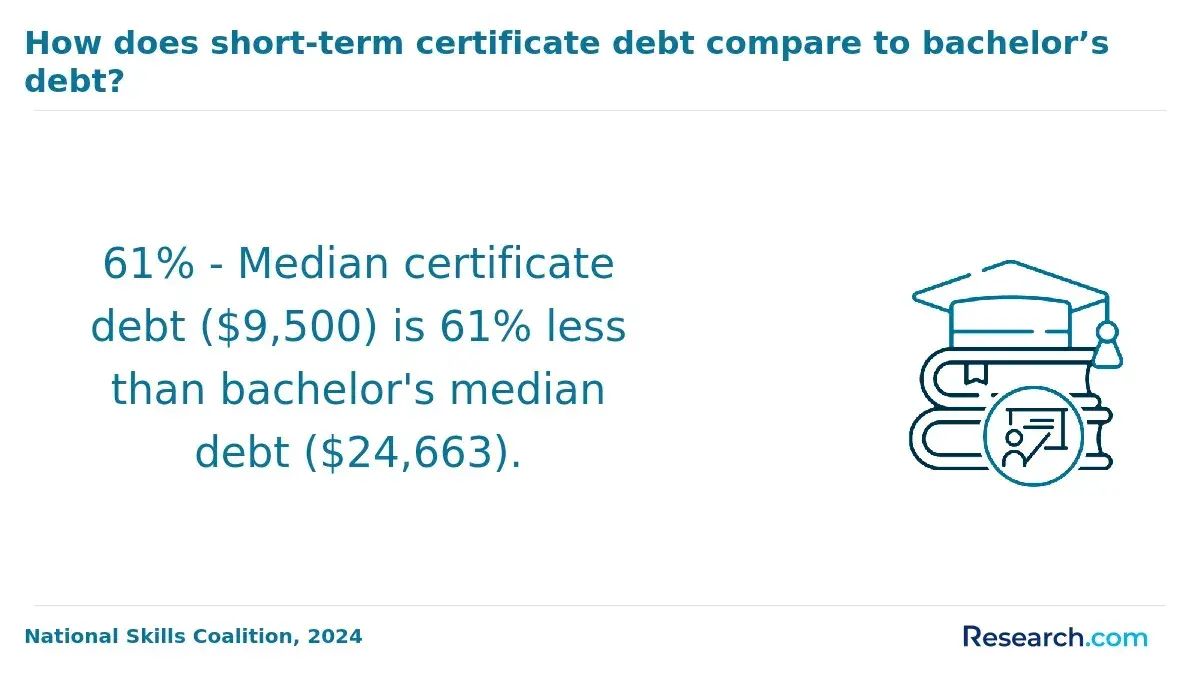
- Program Duration and Total Cost: Accelerated nurse educator programs typically last 12 to 24 months with total tuition ranging from $13,000 to $26,000. In contrast, traditional programs span up to three years and can cost between $20,000 and over $50,000, increasing cumulative living and related expenses.
- Tuition Rate per Credit: Both accelerated and traditional formats often charge similar rates per credit hour, generally between $329 and $800. Accelerated programs may require fewer credits due to transfer options or competency-based assessments, lowering the total tuition burden.
- Overall Expenses: Shorter program length in accelerated tracks reduces additional costs such as commuting, fees, and living expenses that accumulate over longer enrollments in traditional programs.
- Opportunity Cost: Accelerated programs enable students to reenter the workforce sooner, decreasing lost income and allowing earlier attainment of higher nurse educator salaries.
- Financial Aid Availability: Both formats provide access to financial aid with similar eligibility and award amounts, but prospective students should verify current options with specific institutions.
What Financial Aid Is Available for Accelerated vs. Traditional Nurse Educator Degrees?
Students pursuing both accelerated and traditional nurse educator degrees in the U.S. can often receive financial aid, though eligibility and disbursement timelines vary based on program length and enrollment status. Accelerated formats may alter funding schedules due to their condensed pace.
Below is a comparison of how financial aid options differ between these two degree paths:
- Federal Aid Eligibility: Both program types qualify for federal loans through the FAFSA, including subsidized and unsubsidized options. Accelerated students must carefully align their enrollment to meet funding periods as their shorter terms can impact aid distribution.
- Scholarship Timelines: Scholarships and grants are accessible for both, though some scholarships favor traditional, longer formats or full-time study. Specific awards like the Nurse Corps Scholarship and state programs may carry particular commitments tied to service after graduation.
- Employer Tuition Assistance: Many healthcare employers offer tuition reimbursement primarily to employees advancing in roles related to nurse education. Eligibility often involves post-graduation work agreements regardless of program type.
- Disbursement Challenges: Accelerated students might face hurdles with aid renewal and disbursement given compressed course schedules, requiring proactive planning to avoid funding gaps.
A professional who chose an accelerated nurse educator degree shared his experience. He described navigating a "fast-paced financial aid process" where timing was crucial to ensure funds arrived before classes began. "It was stressful juggling paperwork with coursework, but knowing that aid was available made the intense schedule manageable," he recalled. Applying for employer assistance added another layer, as he had to commit to certain employment terms after graduation. His reflection highlights that while accelerated programs demand careful financial planning, the support options can make it a rewarding path for motivated students.
What Kind of Student Support Do Accelerated vs. Traditional Nurse Educator Programs Offer?
Student support is vital for success in nurse educator programs, with accelerated and traditional formats differing significantly in the timing, delivery, and type of services provided. These differences impact how students access guidance and resources throughout their studies, influencing their overall experience and achievement. Below is a comparison of common support services in both program styles.
- Academic Advising: Traditional programs typically offer frequent, personalized advising that fosters long-term faculty relationships over multiple semesters. Accelerated programs provide more structured, time-sensitive advising, focusing on immediate needs due to condensed timelines.
- Tutoring Services: Students in traditional programs have broader access to in-person tutoring and peer-led study groups, while accelerated students rely more on online tools and scheduled sessions aimed at rapid skill reinforcement.
- Career Guidance: Traditional formats often include extended career workshops, networking opportunities, and alumni connections. Accelerated tracks emphasize quick career support with focused resume clinics and job placement assistance for faster workforce entry.
- Peer Interaction: Traditional students benefit from more social and extracurricular engagements enhancing peer support, whereas accelerated students experience limited interaction due to intense, full-time study demands.
Do Graduates from Accelerated vs. Traditional Nurse Educator Programs Get Hired More Quickly?
Employment outcomes are a major factor when deciding between accelerated and traditional nurse educator programs. Both pathways can open doors to rewarding careers, but the speed at which graduates find jobs varies based on several key factors. Here is a comparison of hiring trends and influences for graduates from these program types.
Graduates often face different experiences in job placement timelines depending on whether their program was accelerated or traditional:
- Employer Perception: Traditional programs are frequently considered more rigorous due to their length, yet accelerated graduates are valued for their ability to adapt quickly to high-demand settings, making them attractive hires.
- Career Readiness: Accelerated program completers typically show strong time management and adaptability, essential in fast-paced healthcare education roles, whereas traditional graduates often bring deeper clinical expertise appealing to some academic positions.
- Industry Demand: With a nursing faculty shortage and many retirements anticipated by 2025, employers often favor accelerated and online graduates for immediate openings due to their quicker readiness.
- Job Placement Speed: Surveys indicate accelerated and online graduates frequently secure employment within six months at rates above 90%, surpassing traditional cohorts, which report 70-80% timely placement.
When asked about the hiring pace, a professional who completed a traditional nurse educator program shared that although she faced a more prolonged application process, her extensive clinical background helped her stand out.
"I had to be patient," she reflected, "but the depth of experience I gained made employers confident in my capabilities." She described several interviews that emphasized her comprehensive training, which ultimately led to a fulfilling role. Her journey highlights how persistence and preparation can lead to success, even if the path isn't the fastest.
Are Accelerated Nurse Educator Degrees Accredited the Same Way as Traditional Programs?
Accreditation ensures academic quality and legitimacy for both accelerated and traditional nurse educator programs, regardless of the pacing or delivery format. This process guarantees that institutions meet established educational standards, which affect key factors such as eligibility for federal financial aid, transferability of academic credits, and recognition by employers.
Both program types must comply with rigorous requirements set by national accrediting bodies to maintain consistent quality. As a result, students enrolling in either format can be confident that their degree holds value in the professional nursing education field. Ensuring a program's accreditation supports long-term career and educational advancement opportunities.
The accreditation process typically applies equally to accelerated nurse educator accreditation and traditional programs, although institutions may design accelerated coursework with a more intensive schedule to meet standards within a shorter timeframe. Regional or programmatic accrediting organizations, such as the Commission on Collegiate Nursing Education (CCNE) and the Accreditation Commission for Education in Nursing (ACEN), focus on outcomes rather than delivery speed.
Students should always verify that both their institution and specific program hold current, recognized accreditation before enrolling to guarantee their degree is widely accepted. For those seeking reputable options, exploring accredited non-profit colleges can be a helpful step in this verification process.
How Do You Choose Between an Accelerated vs. Traditional Nurse Educator Degree?
Choosing between accelerated and traditional nurse educator degrees depends on a student's career goals, schedule flexibility, and preferred learning pace. Both options offer distinct advantages based on individual circumstances. To make an informed choice, students should evaluate several key factors that influence how well either program fits their needs.
Here are the main factors to consider when choosing between accelerated and traditional nurse educator programs:
- Time Commitment: Accelerated degrees require full-time immersion over 12-18 months, leaving little space for part-time work or other responsibilities. Traditional degrees span four years and provide a more flexible schedule, allowing students to balance employment, family, and extracurricular activities.
- Learning Style: Accelerated programs suit highly motivated learners who can absorb large amounts of material quickly in an intensive setting. In contrast, traditional programs benefit those who prefer paced learning with a broader academic experience that integrates general education alongside nursing coursework.
- Career Goals: Accelerated tracks are ideal for individuals seeking a rapid transition into the nursing education field. Traditional degrees support long-term professional development, networking, and specialization, which may be advantageous for leadership roles.
In terms of choosing between accelerated and traditional nurse educator degrees, the decision hinges on readiness for an intense or paced learning environment as well as prior education. Understanding the pros and cons of accelerated vs. traditional nursing education programs helps students align their academic path with career objectives. For those exploring certifications beyond degrees, consider what certificate can I get that pays well to complement nursing education credentials.
What Students of Accelerated vs. Traditional Nurse Educator Programs Say About Their Degree
- Vincent: "The accelerated nurse educator program was intense and fast-paced, demanding a lot of focus and dedication. Despite the high cost, the speed at which I completed the degree was worth it because it allowed me to start my career earlier. The challenge was maintaining balance with my personal life, but the program's efficiency truly suited my ambition and work ethic. "
- Yusuf: "The traditional program I chose balanced rigorous coursework with practical applications effectively, though it required a significant time commitment. I found the learning process thorough but occasionally slow, which was a downside for someone eager to advance quickly. The cost was manageable compared to what I expected, and I appreciate how this degree has expanded my professional opportunities in nursing education. "
- Eiden: "Enrolling in a traditional nurse educator degree program gave me a well-rounded learning experience, allowing ample time to absorb complex concepts and engage in meaningful discussions. The steady pace prevented burnout, but the overall cost was slightly higher than I anticipated, which was a challenge. Still, this degree has positioned me well for my teaching career, and I value the depth of knowledge I gained. "
Other Things You Should Know About Traditional vs. Accelerated Nurse Educator Degrees
Accelerated nurse educator programs in 2027 tend to be more intense and fast-paced, often leading to higher stress levels compared to traditional ones. The condensed format requires extensive coursework and clinical practice in a shorter time, demanding excellent time management and stress-coping strategies from students.
Both accelerated and traditional programs typically include clinical teaching components, but the duration and depth may vary. Traditional programs often provide extended, more immersive clinical practicum experiences, while accelerated tracks may offer shorter but equally focused clinical sessions. The quality of clinical experience depends largely on the program's structure rather than the format.
In 2027, traditional nurse educator programs often provide more opportunities for networking due to their longer duration, which facilitates deeper connections with peers and faculty. Accelerated programs, being shorter, may offer fewer chances but can still provide meaningful interactions through intensive group projects and online forums.
References
- Choosing Between Accelerated And Traditional BSN | Davis & Elkins https://www.dewv.edu/choosing-between-accelerated-and-traditional-bsn-programs-which-path-is-best-for-you/
- Reliability estimation from two types of accelerated testing considering individual difference and measurement error - ScienceDirect https://www.sciencedirect.com/science/article/abs/pii/S0266892024000067
- Accelerated versus traditional nursing students: a comparison of stress, critical thinking ability and performance - PubMed https://pubmed.ncbi.nlm.nih.gov/8655267/
- Comparing Accelerated and Traditional Nursing Education Models https://afaeducation.org/blog/comparing-accelerated-and-traditional-nursing-education-models/
- ABSN vs. BSN: What Can You Expect from an Accelerated Nursing Program? https://onlinedegrees.elmhurst.edu/blog/absn-vs-bsn-what-to-expect-accelerated-nursing-program
- What Is Nursing School Accreditation? - Averett ABSN https://absn.averett.edu/blog/what-is-nursing-school-accreditation/
- Traditional and Accelerated BSN Student Expenses » College of Nursing » University of Florida https://nursing.ufl.edu/programs/bachelor-of-science-bsn/traditional-bsn/traditional-and-accelerated-bsn-student-expenses/
- Scholarships & Financial Aid https://www.aacnnursing.org/students/scholarships-financial-aid
- ABSN Meaning: How an Accelerated BSN Differs from a Traditional - Felician https://absn.felician.edu/blog/absn-meaning/
- Traditional vs. Accelerated Nursing Programs: Which Path is Right for You? https://www.alliant.edu/blog/traditional-vs-accelerated-nursing-programs-which-path-right-you


