
2027 History Degree vs. Certificate: Which Should You Choose?

Co-Founder and Chief Data Scientist
Students and professionals today face crucial choices when deciding between earning a history degree or a certificate. Both educational paths can advance careers in museums, education, or research, but they differ in time commitment, depth of study, and cost. A degree typically offers a broader, more in-depth exploration of history, while certificates focus on specialized skills or topics.
Nearly 60% of history majors pursue roles requiring strong analytical and research abilities, skills emphasized more in degree programs. Certificates, however, provide flexible options for those seeking quick, targeted knowledge without the longer commitment. This article compares key differences in curriculum, career impact, and lifestyle to guide your decision.
Key Points About History Degree vs. Certificate Programs
- A history degree offers comprehensive study, enhancing critical thinking and research skills, often leading to higher salary potential and broader career options compared to certificates.
- Certificate programs focus on specific history topics or skills, providing faster completion and affordable credentials suitable for career changers or skill boosters.
- While degrees typically require four years, certificates can take months, affecting professional growth timelines and suitability depending on individual learning and job market goals.
What Are the Differences Between History Degree and Certificate Programs?
Both history degrees and certificate programs can open doors to meaningful careers, but they differ in several important aspects. Understanding these distinctions enables students to select the best educational path suited to their ambitions and time availability. Below is a comparison highlighting key differences between history degrees and certificates.
- Depth of Learning: History degrees provide comprehensive study of historical events, theories, and research methods, appealing to learners seeking in-depth knowledge. Certificates typically offer targeted instruction on specific topics, suiting those wanting focused skills without extensive commitment.
- Time Commitment: Degree programs generally require several years of study, demanding significant dedication. Certificate programs are shorter, ideal for individuals aiming to quickly enhance credentials or gain specialized expertise.
- Career Advancement: Degrees often carry more weight for roles demanding broad analytical abilities and critical thinking in history-related fields. Certificates may be more practical for professionals seeking to supplement existing qualifications or pivot to niche areas.
- Cost and Accessibility: Certificates tend to be more affordable and accessible, allowing learners to upskill without the financial or time burden of a full degree. Degrees usually involve higher costs but provide a more extensive educational experience.
How Long Does It Take to Complete a History Degree vs. a Certificate Program?
Completion time is one of the most important factors students consider when choosing between a history degree vs. certificate. Understanding the average time commitment helps prospective students align their educational goals with personal schedules and career plans.
- Typical Duration: The average duration of a history degree program, such as a full-time bachelor's, is typically around four years at most U.S. colleges. Associate degrees usually require about two years. In contrast, how long to finish a history certificate is far shorter-most certificate programs last between three to twelve months, with some completing in just a few weeks.
- Flexibility: Certificate programs often provide greater pacing flexibility, allowing accelerated, self-paced, or part-time completion. Degree programs also offer part-time options but generally extend the timeline by several years. This makes certificates appealing for those needing a faster path or better accommodation for work and life commitments.
- Factors Affecting Timeline: Degree completion time increases due to general education requirements combined with history-specific coursework. Certificates focus mainly on core history topics or practical skills, streamlining the learning process. Prior college experience or transfer credits can shorten degree duration, whereas certificates rarely accept transfer credits but may recognize relevant professional experience.
Pursuing a history certificate often represents the fastest route for gaining skills and entering new careers. For more insights on efficient educational pathways, consider exploring best certifications for high paying jobs.
Can You Complete a History Degree or Certificate Entirely Online?
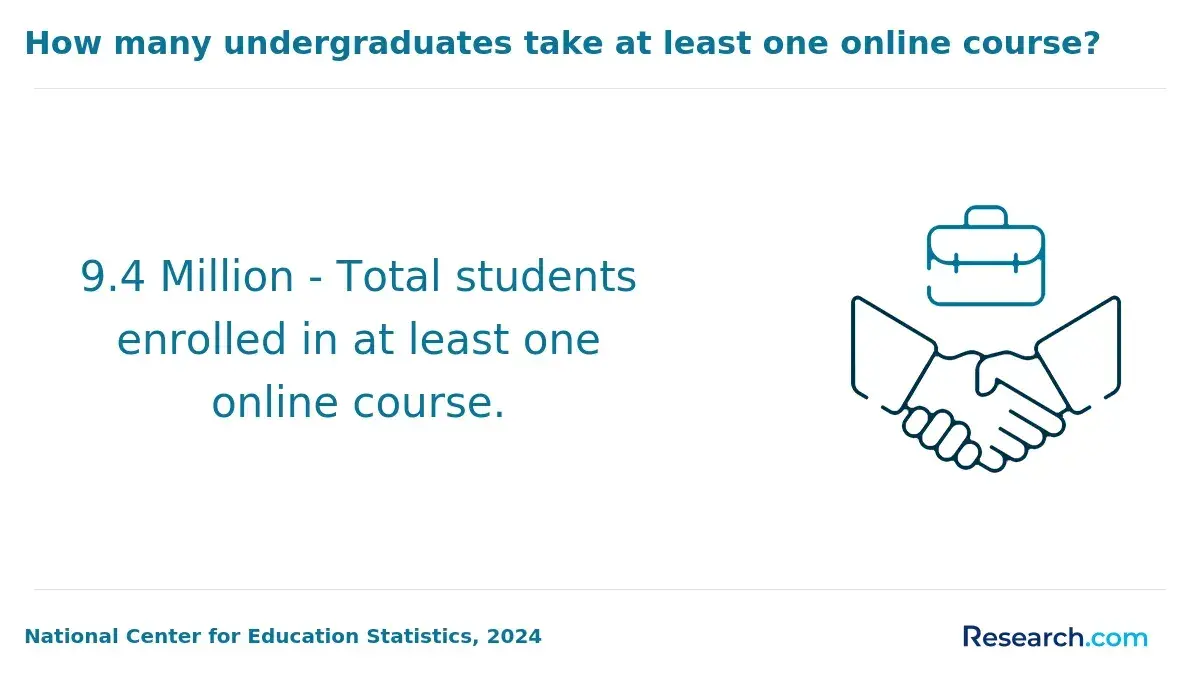
The rapid growth of online education now enables students across the U.S. to pursue history degrees and certificates entirely remotely. Many universities, including Oregon State University, University of Massachusetts Dartmouth, and Penn State, offer fully online bachelor's degree options in history.
Certificate programs, designed for those seeking a focused historical study without committing to a full degree, are also broadly available as accredited online history certificate options. While most programs allow completion without stepping foot on campus, some institutions may provide hybrid formats, so verifying whether 100% online options exist for the program of interest is essential.
Most online history degree programs do not require hands-on training, laboratory work, or internships for graduation since history is largely research- and writing-based. However, students planning careers in teaching or public history might face additional licensure or fieldwork requirements that could necessitate in-person participation.
Choosing the right online format involves considering your career goals, scheduling flexibility, and any professional standards. For adults seeking flexible study paths, exploring degrees for older adults online can be particularly helpful in making an informed decision.
What Are the Admission Requirements for a History Degree vs. a Certificate Program?
Admission requirements are essential for determining eligibility and success in history programs, guiding prospective students to choose the path that best matches their background and goals. Understanding these criteria helps clarify the differences between history degree and certificate programs. Below is a side-by-side comparison of what applicants typically need for each program type.
Admission Requirements for History Degree Programs
- Educational background: Most history bachelor's degree programs in Ohio require a high school diploma or equivalent, often with a completed pre-college curriculum. Transfer students may need a minimum number of college credits earned at the admitting institution.
- Academic performance: A minimum GPA is commonly specified, with some programs-especially honors or integrated undergraduate/graduate tracks-requiring a 3.5 or higher in prior coursework.
- Prerequisite coursework: Applicants usually must have completed at least one university-level history course with a grade of C or better before declaring the major.
- Application materials: Submission of official transcripts is standard; some programs require a statement of purpose, faculty references, or a proposed program plan, particularly for advanced tracks.
- Testing requirements: Though some universities remain test-optional, standardized test scores (e.g., SAT or ACT) may still be required or recommended for first-year applicants.
- Other requirements: Completion of general education courses, foreign language proficiency, or additional university-specific criteria may be necessary.
Admission Requirements for History Certificate Programs
- Educational background: Certificate programs generally require a high school diploma or GED but tend to be less academically demanding. Many allow current undergraduates or working professionals to enroll concurrently, increasing certificate program eligibility for history students in Ohio.
- Academic performance: Minimum GPA requirements are generally lower or not specified, making certificates more accessible to a broader applicant pool.
- Prerequisite coursework: Many certificate programs do not mandate prior history coursework, though some recommend a foundational course for optimal success.
- Application materials: Transcripts are often required to prove high school completion; letters of recommendation or personal statements are rarely needed.
- Testing requirements: Standardized testing is typically not required for admission to certificate programs.
- Other requirements: Some specialized or post-baccalaureate certificates target applicants with an existing degree or relevant work experience.
If you are exploring advanced options, you might wonder whether can you get a PhD without a dissertation is possible in history or related fields.
How Many Credits Do You Need to Complete a History Degree vs. a Certificate?
Knowing the credit requirements for history programs is crucial for students to efficiently plan their academic paths and manage time commitments. Understanding these differences helps clarify the scope of study involved in pursuing a full degree versus a certificate.
Here is a straightforward comparison of the credit expectations for history degrees and certificate programs:
- History Degree Credits: Typically requires between 30 and 42 credits in history courses alone, varying by university. This is part of a larger total, often around 120 credits, which includes general education and electives.
- History Certificate Credits: Generally demands fewer credits, usually between 12 and 18 focused on history, sometimes including related electives for a more targeted curriculum.
Students should consider how each program’s credit requirements align with their academic and career goals. Understanding the differences between a full degree and a certificate helps learners choose the path that best balances comprehensive historical knowledge with focused, time-efficient learning.

What Is the Average Tuition for a History Degree vs. a Certificate?
Tuition costs are a key factor to consider when deciding between pursuing a history degree or a certificate, as they strongly influence your financial commitment and potential return on investment. Understanding these costs helps students align their education choices with budget and career goals.
Below is a comparison of the average tuition ranges for each option to provide clarity on what to expect when exploring history programs.
Average Tuition for History Degree Programs
- Tuition Range: Undergraduate history degrees typically cost between $15,000 and $33,000 per year, varying based on whether the institution is public or private.
- Graduate Programs: Master's or doctoral history programs average around $25,000 per year, with private universities generally charging higher tuition than public ones.
- Online vs. On-Campus: Online history degrees tend to be more affordable, with some programs costing about $15,336 per year for full-time study, while on-campus options often include additional fees and living expenses.
- Program Length: Bachelor's degrees usually require four years of full-time study, whereas graduate degrees last one to three years, impacting total tuition costs.
- Additional Expenses: Students should also budget for mandatory fees, which can average $325 per semester, along with books and living costs.
Average Tuition for History Certificate Programs
- Tuition Range: History certificate program cost comparison shows total tuition often falls between $4,750 and $31,443, with reputable public programs generally priced from $8,000 to $16,000 for completion.
- Online Certificates: Many online certificates offer flat-rate tuition, such as $4,750 for the full certificate, making them more accessible.
- Graduate Certificates: Out-of-state tuition varies widely, from about $8,360 to over $31,000 annually, depending on the school's reputation and location.
- Program Duration: Certificates typically take just a few months up to a year to complete, resulting in much lower total costs compared to degree programs.
- Hidden Costs: Some certificates may involve smaller fees for materials, exams, or services, but these are usually minimal compared to degree expenses.
For students exploring affordable options, it is also useful to research accredited universities online with no cost to apply to reduce initial financial barriers.
Can You Transfer Certificate Credits Toward a History Degree Later On?
Yes, certificate credits can often be applied toward a history degree, but this depends heavily on each institution's transfer policies. Most schools require courses to come from accredited colleges and to be relevant to the history curriculum. Transferability is more likely when certificate classes align closely with degree requirements or general education electives. However, each institution's evaluation process may differ, with careful review of transcripts and course content necessary.
Important factors to consider include limits on the number of credits accepted, minimum grade thresholds-commonly a C or above-and how recent the credits are, as many programs require courses to be completed within the last decade. Since schools vary widely in their rules, checking transfer policies before starting a certificate program is essential to avoid surprises. Confirming ahead helps students ensure their coursework supports long-term academic goals and avoids wasted effort.
Are Certificate Programs Accredited the Same Way as History Degrees?
Certificate programs in history are generally not accredited through the same stringent, standardized processes that apply to history degree programs. History degrees-whether associate, bachelor's, or master's-are typically offered by regionally or nationally accredited colleges or universities, meeting established academic standards across disciplines.
In contrast, some history certificate programs are offered by accredited institutions but may not undergo the same external quality reviews as full degree programs. Others, especially those from independent or non-degree-granting providers, may lack recognized accreditation entirely, making their academic validity less certain.
Accreditation is crucial because it ensures a baseline of academic quality and credibility. It affects the transferability of credits, the recognition of credentials by employers, and eligibility for federal financial aid or scholarships. Students should verify whether a history program is accredited by reputable bodies like the U.S. Department of Education or the Council for Higher Education Accreditation.
Additionally, confirming that a certificate program is part of an accredited institution and reviewing its curriculum alignment with accepted standards can help ensure its value. Always check official accreditation status before enrolling to safeguard your educational investment.
What Jobs Can You Get with a History Degree vs. a Certificate?
Both history degrees and certificates open doors to various career paths, but they prepare graduates for different professional levels and responsibilities. While a degree often leads to advanced roles requiring comprehensive research and analytical skills, a certificate typically targets entry-level or support positions. Below is a comparison of potential jobs for each credential.
Jobs You Can Get with a History Degree
- Archivist: Manages and preserves historical documents and records in libraries, museums, or government offices.
- Museum curator: Oversees collections, organizes exhibitions, and develops educational programs within museums.
- Historian: Conducts in-depth research and analysis, often contributing to publications or requiring further graduate study.
- Teacher: Educates students in elementary, middle, or high schools on historical topics and critical thinking.
- Paralegal or legal assistant: Supports legal teams by researching case histories and preparing documents.
- Government analyst: Evaluates historical data to inform policy-making and public programs.
Jobs You Can Get with a History Certificate
- Museum assistant: Provides support for daily operations, visitor services, and exhibit maintenance in museums.
- Library technician: Assists with cataloging, organizing, and managing library resources and archives.
- Historic site guide: Leads tours and educates visitors about the significance and context of historical locations.
- Administrative support in cultural organizations: Handles clerical and organizational tasks to keep cultural institutions running smoothly.
- Paralegal: Offers specialized assistance in legal research and documentation, often aiding attorneys in related fields.
What Is the Average Starting Salary for a Certificate vs. History Degree Graduates?
Salary potential often varies significantly between history certificate holders and history degree graduates, reflecting differences in educational attainment and career opportunities. Understanding these differences can help prospective students make more informed decisions about their education paths.
A side-by-side comparison highlights the average starting salary for history degree holders versus certificate program graduates, along with key factors influencing earnings and career growth.
- Typical Salary Range for History Degree Holders: The average starting salary for history degree graduates in the United States generally ranges from $33,000 to $45,000 annually. Entry-level roles such as library technician, editorial assistant, or curatorial assistant often fall within this range, with some positions near $42,000 to $45,000.
- Certificate Program Graduate Starting Salary: Certificate holders typically start lower, around $30,000 to $35,000 per year. These roles often include administrative or support positions in museums, education, or libraries, which require less specialized research skills compared to degree holders.
- Key Salary Influencers: Experience through internships or relevant work history can increase starting offers. Industry also matters; government and private sector jobs tend to pay more than nonprofit or educational roles. Location plays a role, with urban and high cost-of-living areas offering higher salaries.
- Career Outlook: A history degree often leads to higher earning potential over time and access to advanced roles such as historian or manager, where median salaries for experienced professionals may reach $66,000 to $74,000. By contrast, a certificate is usually a quicker and affordable option but comes with lower initial salaries and fewer advancement opportunities.
For those exploring options, consulting a list of nationally accredited colleges can help identify reputable programs that fit individual goals and financial considerations.
Here's What Graduates of History Programs Say About Their Degree or Certificate
- Alfonso: "Pursuing the history certificate was a perfect fit for my busy schedule. The program moved at a quicker pace compared to a full degree, giving me essential insights without a long-term commitment. It was also more affordable, helping me build a solid foundation before deciding if I wanted to invest in a full degree. This balance made it ideal for my career goals in archival work."
- Eduardo: "Choosing a history degree program was a significant investment, but the comprehensive learning experience deeply enriched my understanding and critical thinking skills. While the degree required more time and money, it opened doors to academic research and teaching opportunities I wouldn't have accessed with just a certificate. I see it as a serious commitment that pays off in professional credibility and broader career potential."
- Thiago: "Having completed both the history certificate and degree programs, I can confidently say the certificate was a valuable intro that helped me gauge my interest. The degree, however, offered a richer and more rigorous study, which truly shaped my career in museum curation. Cost-wise, the certificate was less daunting initially, but the depth and opportunities from the degree justified the higher expense for my personal and professional growth."
Other Things You Should Know About History Degrees
In 2027, a history degree is often seen as more valuable than a certificate for career advancement. Degrees typically offer deeper knowledge, critical thinking skills, and research training, which are preferred by employers for higher-level positions. Certificates may be valued for specialized skills, but they usually don't provide the same breadth as a degree.
In 2027, a history degree is generally more beneficial for further academic study than a certificate. Degrees often provide a more comprehensive curriculum and are usually a prerequisite for advanced degrees like master's or doctoral programs, whereas certificates might not meet these academic prerequisites.
History degrees usually include extensive coursework in research methods, historiography, and critical analysis, which equips students with strong scholarly skills. Certificate programs tend to focus on specific content or practical applications rather than developing broad research competencies. As a result, degrees better prepare students for careers involving historical research or academic work.
In 2027, history certificate programs are generally more flexible than degree programs. They often require less time, allowing for completion alongside other commitments, and are typically offered in part-time or online formats. Degree programs, while more intensive, offer comprehensive knowledge and may require full-time enrollment.
References
- Field of degree: History https://www.bls.gov/ooh/field-of-degree/history/history-field-of-degree.htm
- Career outlook https://clas.wayne.edu/history/programs/career-outlook
- 2024-2025 Online Bachelor's Degree & Certificate Program Costs https://setonhill.edu/apply-afford/financial-aid-affordability/historical-tuition-data/online-bachelors-degree-certificate-program-costs.html
- Average Cost of College Over Time: Yearly Tuition Since 1970 https://educationdata.org/average-cost-of-college-by-year
- Certificate vs Associate Degree - Make the Right Choice [Updated 2020] https://www.bryantstratton.edu/blog/online-education/certificate-vs-associate-degree-guide-2020/
- What Are Certificate Programs? A 2025 Guide https://www.coursera.org/articles/certificate-programs
- Degrees vs. Certificate Programs: What's the Difference? https://www.snhu.edu/about-us/newsroom/education/certificates-vs-degrees
- Accreditation vs Certification: What's the Difference? https://a2lawpt.org/blog/do-i-need-accreditation-registration-or-certification-what-s-the-difference/


