
2027 Best Nurse Education Degrees for Working Adults

Co-Founder and Chief Data Scientist
Balancing full-time work with advancing a nursing career can be challenging without a flexible nurse education degree. Many adults face obstacles such as rigid class schedules and limited program options. According to the Bureau of Labor Statistics, registered nurses with advanced education are projected to see a 9% job growth through 2032, highlighting a growing demand for qualified educators in nursing.
This article explores the best nurse education degrees designed specifically for working adults, focusing on programs that combine flexibility, accreditation, and practical relevance to support career advancement without sacrificing job commitments.
Key Things to Know About Nurse Education Degrees for Working Adults
- Flexible scheduling and online or hybrid formats enable working adults to balance coursework with professional responsibilities, increasing degree completion rates by up to 25% compared to traditional programs.
- Programs often align curriculum with employer needs, enhancing practical skills and boosting job placement rates for nurse educators in clinical and academic settings.
- Accelerated pacing and targeted support services, such as tutoring and career advising, improve retention and graduation rates among working adult students pursuing nurse education degrees.
What Are the Best Nurse Education Degrees for Working Adults?
The best nurse education degrees for working adults vary widely based on schedule flexibility, how well they match career goals, and financial return on investment. Increasingly, part-time enrollment and online programs tailored to adult learners juggling work and family responsibilities have become essential. These trends reflect a growing preference for education that fits busy lifestyles without sacrificing quality or career advancement.
Several nurse education degrees stand out as especially suitable for employed students:
- Bachelor of Science in Nursing (BSN) Completion Programs: These programs are designed for licensed practical nurses or registered nurses aiming to earn a BSN. Offering online or evening classes, they provide manageable pacing that suits working adults seeking career advancement.
- Master of Science in Nursing (MSN) Education Track: Focused on preparing nurses to become educators, this track features flexible schedules and practical coursework that align well with the experience and goals of working professionals pursuing top nurse education programs for adult learners.
- Nursing Administration and Leadership: Ideal for those aspiring to management roles, these part-time or online programs emphasize real-world leadership skills necessary in healthcare, balancing education with ongoing employment.
- Post-Master's Certificate in Nursing Education: Tailored for nurses who already hold advanced degrees, this fully online certification allows seamless integration of study with work and family life, perfect for specialization without career interruption.
- Doctor of Nursing Practice (DNP) with an Education Focus: Combining clinical expertise and teaching skills, the DNP offers asynchronous classes and extended timelines; adult learners often explore accelerated DNP programs for even more flexibility.
What Are the Admission Requirements for Working Adults in Nurse Education Degree Programs?
Admission requirements for working adults in nurse education degree programs often differ from those for traditional students to better accommodate their professional and personal responsibilities.
Notably, nearly 45% of graduate students enroll part-time, underscoring the importance of flexible admission policies that support career advancement while balancing work and family life. For those wondering how to apply to nurse education degree programs for working professionals, understanding these tailored criteria is essential.
Common admission requirements for working adults include:
- Prior Work Experience: Programs typically require demonstrated experience in nursing or healthcare. This experience validates practical knowledge and may sometimes compensate for lower academic metrics.
- Adjusted GPA Expectations: While minimum GPA requirements exist, some schools offer more lenient thresholds or holistic assessments for applicants with significant relevant experience.
- Standardized Test Waivers: Many programs waive GRE or similar test requirements for working adults, recognizing the value of professional expertise over standardized exam scores.
- Professional Recommendations: Letters from supervisors or colleagues are often requested to attest to the applicant's skills, work ethic, and potential for success in advanced nurse education.
- Flexible Study Options: Availability of part-time, evening, or online formats ensures that adult learners can continue full-time employment while pursuing their degrees.
Those seeking the easiest DNP programs may find that programs designed for working adults offer both the structure and support necessary to succeed. By focusing on relevant experience and flexible delivery, these nurse education degree programs provide a viable path for professionals aiming to enhance their credentials without interrupting their careers.
What Coursework Is Required in Nurse Education Degree Programs for Working Adults?
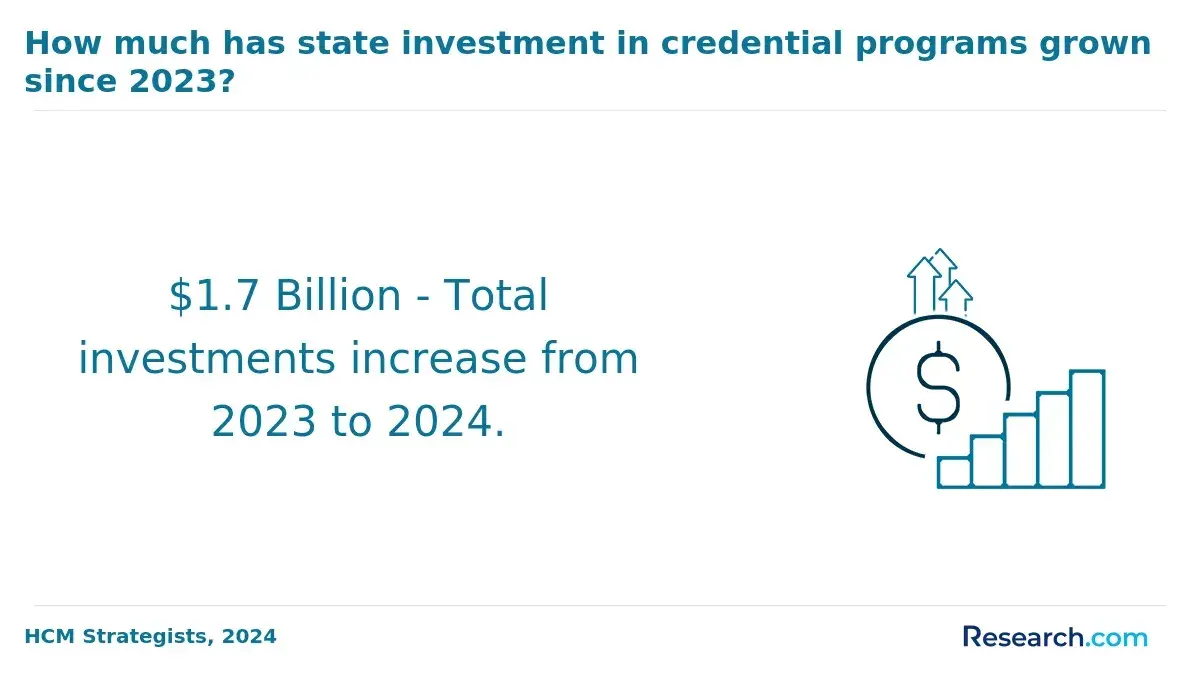
Nurse education degree coursework for working adults is specially tailored to balance career relevance, practical skills, and flexible learning schedules that accommodate full-time employment. Research indicates that over 60% of nursing students are adults returning to school, which underscores the growing need for coursework designed to meet the professional demands of working nurses.
Common required classes in nurse education programs focus on essential areas to help students advance in their careers while maintaining their current roles. These courses include:
- Advanced Clinical Practice: This area develops clinical expertise and techniques vital for nurses seeking to improve patient care or specialize in advanced roles.
- Nurse Leadership and Management: Students learn to lead healthcare teams and manage organizational functions, preparing them for administrative and supervisory positions.
- Health Policy and Ethics: Coursework centers on healthcare laws, ethical decision-making, and regulations, equipping nurses to influence policy and ensure compliance.
- Educational Theory and Instructional Methods: These classes provide strategies for training future healthcare professionals, ideal for nurses transitioning into educator roles.
- Research Methods and Evidence-Based Practice: Emphasizing critical evaluation of medical research, this coursework supports evidence-based clinical improvements and informed decision-making.
Adult learners exploring flexible study options can also consider online medical programs designed to fit work and education demands.
How Long Does It Take to Complete a Nurse Education Degree While Working?
Completion times for nurse education degrees vary widely for working adults, influenced by multiple personal and program-related factors. Data shows that nearly 60% of employed students take longer than the standard timeframe, often spanning two to six years, due to balancing job and study demands.
Several key elements impact how long it takes working learners to finish their nurse education degrees:
- Program format: Flexible options like online or hybrid classes can help students adjust their pace, either speeding up or slowing down progress based on how well they juggle coursework with work obligations.
- Course load: Many students choose part-time enrollment to maintain a healthier work-life balance, which naturally stretches out the duration of their studies compared to full-time programs.
- Prior credits: Transferable college credits or certifications can shorten the required coursework, allowing students to graduate sooner.
- Work schedule: Those with irregular shifts or high work demands often find it harder to dedicate consistent study time, extending their educational timeline.
- Accelerated options: Intensive or fast-track courses provide opportunities for motivated individuals to complete their degrees more quickly despite maintaining employment.
When asked about his journey finishing an online nurse education degree while employed full-time, one professional shared, "Managing both was overwhelming at times, especially when unexpected work projects arose. I had to meticulously plan study sessions late at night and on weekends, often sacrificing social time." He noted that staying motivated was challenging, but "seeing each completed module gave a real sense of progress." His experience highlights the resilience and time management skills essential for balancing work and study successfully.
How Much Does a Nurse Education Degree Cost for Working Adults?
Financing a nurse education degree as a working adult can be complex, with many balancing tuition costs alongside daily expenses and job commitments. Research shows that roughly 60% of adult learners in health fields enroll part-time, often reflecting financial or scheduling challenges. Several key factors determine the overall expense for these students.
Key elements affecting the cost include:
- Tuition per credit: Costs differ widely between institutions, with private programs typically charging more per credit hour than public ones. This variability can significantly impact the total tuition owed.
- Program length: Part-time study, which many working adults choose to accommodate work schedules, extends the duration of the degree and increases cumulative tuition and fees compared to full-time enrollment.
- Additional fees: Beyond tuition, learners may encounter charges for technology use, laboratory access, or course-specific materials, adding to the overall financial burden.
- Textbooks and resources: Required reading materials and digital resources can be costly, though some programs offset expenses by providing inclusive course packs or online library access.
- Format of study: Online programs often reduce commuting or housing costs and provide scheduling flexibility. However, these formats may include technology fees, influencing the total cost differently than traditional on-campus options.
Many working adults reduce costs through employer tuition reimbursement, scholarships, and federal financial aid, which are essential tools for making nurse education degrees attainable without excessive debt.
What Financial Aid Options Are Available for Working Adults in Nurse Education Degree Programs?
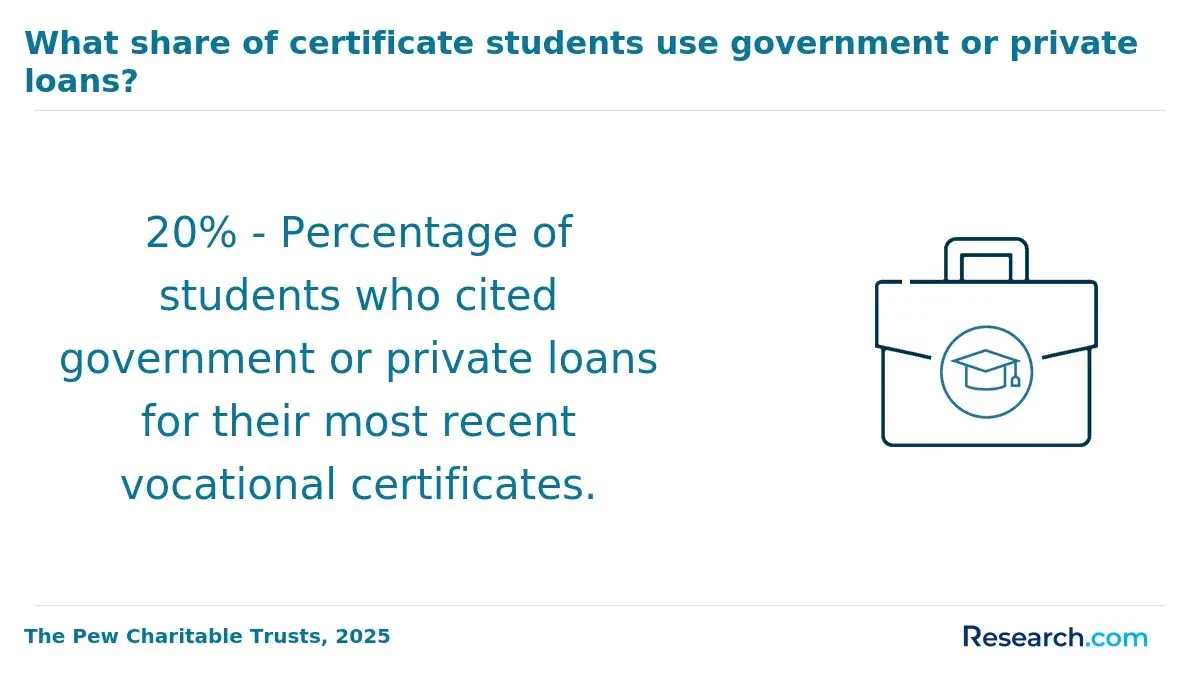
Balancing work, studies, and personal life can make financing a nurse education degree challenging for many adults. Financial aid plays a vital role in easing this burden, allowing students to concentrate on succeeding academically and professionally. Several key options are designed to help working adults manage educational costs effectively.
Common financial aid opportunities include:
- Federal financial aid: Programs such as Pell Grants and federal student loans provide essential support based on financial need and enrollment status. These options often come with lower interest rates and flexible repayment plans, making them accessible for adult learners.
- Employer tuition assistance: Many healthcare organizations offer tuition reimbursement or support to employees pursuing further education. Typically, recipients must agree to remain with their employer for a set time after graduation, promoting workforce retention.
- Scholarships for adult learners: Various scholarships target nontraditional students, weighing criteria like career aspirations, prior work experience, and economic need to award funding that doesn't require repayment.
- Grants: State and private grants supplement financial aid without the need for repayment, often focusing on demographic factors, program enrollment, or income levels.
- Payment plans: Flexible tuition payment arrangements help students spread costs over multiple months or terms, reducing immediate financial pressure while managing ongoing responsibilities.
When I asked a professional who finished her nurse education degree while working full-time about her experience, she reflected on the constant balancing act. "Juggling shift work with school deadlines was exhausting," she recalled, "but knowing my employer would reimburse tuition costs motivated me to keep going."
She described applying for scholarships as a hopeful process, even though the paperwork felt overwhelming at times. "The payment plan options helped me avoid dipping into my savings, which was a relief during months with unexpected expenses." Her story highlights how combining multiple forms of financial support can create a pathway to success despite the challenges of managing work and study simultaneously.
What Support Services Help Working Adults Succeed in a Nurse Education Program?
Working adults pursuing a nurse education degree often struggle to balance coursework with their jobs and personal lives. Support services designed specifically for these learners are essential to help them manage time and maintain academic progress.
- Academic Advising: Tailored guidance assists students in creating manageable course plans that align with their work hours, accelerating their pathway to graduation.
- Flexible Scheduling: Offering evening, weekend, or online classes allows learners to continue working while studying, making it easier to juggle multiple responsibilities.
- Online Learning Support: Providing technical help and virtual tutoring ensures students stay connected and can overcome challenges inherent in remote coursework.
- Mental Health Resources: Access to counseling and stress management services supports students' emotional well-being, enhancing focus and resilience.
- Cohort-Based Learning: Group learning models foster peer connections and accountability, motivating students and creating a supportive educational community.
Are Nurse Education Degrees for Working Adults Accredited?
Accreditation indicates that nurse education programs meet established quality standards set by independent agencies, ensuring the curriculum aligns with current healthcare practices. For working adults, this validation is critical because it confirms the degree's value to employers and professional groups, enhancing its credibility in the job market.
Additionally, accredited programs often make students eligible for federal financial aid, which can be essential for those balancing tuition with other expenses. A noteworthy trend is that nearly 40% of graduate students are adults over 30, reflecting increased demand for programs that accommodate professional and personal commitments.
Accreditation also plays a vital role in the long-term benefits of a nurse education degree. It influences whether credits can transfer if students change programs or further their studies, which is important for flexible learning paths.
Moreover, many nursing certifications and licensure boards require degrees from accredited programs to qualify for exams and credentialing. For working professionals, holding an accredited degree supports career growth by opening access to advanced roles and bolstering professional recognition within healthcare settings.
Does a Nurse Education Degree Increase Salary for Working Adults?
Salary growth is a key motivator for working professionals considering a nurse education degree, with annual salaries typically ranging from $65,000 to $95,000 depending on experience, location, and role. For adult learners focused on advancing their careers, understanding the factors that influence salary increases with a nurse education degree is essential.
- Industry Demand: The healthcare and academic sectors show an increasing need for qualified nurse educators, which drives salary growth as institutions compete to attract skilled professionals.
- Role Advancement: Earning a nurse education degree often allows nurses to transition from direct patient care to higher-paying roles such as nurse educators, clinical instructors, or nurse managers, facilitating meaningful salary growth with nurse educator degree credentials.
- Employer Policies: Some employers incentivize advanced education by offering salary increases, tuition reimbursement, or bonuses to nurses who earn a nurse education degree, directly impacting annual earnings.
- Years of Experience: Nurses with more years of clinical and educational experience tend to command higher salaries due to their combined expertise and leadership capabilities in the field of nurse education.
- Specialization: Additional certifications or focused areas of nurse education, such as simulation training or curriculum development, can further enhance earning potential in specialized roles.
For working adults balancing full-time employment and education, pursuing flexible, accredited programs is critical. Many professionals explore options through an online nursing school to accommodate their schedules while positioning themselves for salary advancement. Considering these factors can help determine how much earning potential increases with a nurse education degree for working adults seeking to elevate their careers in nursing.
What Jobs Can Working adults Get With a Nurse Education Degree?
A nurse education degree enables working adults to qualify for higher-level, specialized, or leadership positions beyond entry-level nursing roles. This advanced education equips professionals with teaching, leadership, and clinical skills necessary for career advancement and expanded responsibilities.
Common upward-mobility job opportunities with a nurse education degree include the following roles:
- Nurse Educator: This role involves training and mentoring nursing students or staff, emphasizing education and professional development. It marks a transition from clinical duties to influencing nursing practices through teaching.
- Clinical Nurse Specialist: Focusing on a specialized nursing area, this position leads efforts to improve patient care and mentor less experienced nurses. The role requires in-depth clinical expertise enhanced by nurse education credentials.
- Nurse Manager: Responsible for overseeing nursing teams and coordinating patient care, nurse managers combine clinical knowledge with leadership skills developed in nurse education programs to improve healthcare delivery.
- Nursing Administrator: This position centers on policy implementation, budgeting, and staffing decisions, demanding broad nursing knowledge paired with management capabilities cultivated through advanced education.
- CNE (Certified Nurse Educator) Coordinator: Professionals in this role design curricula, evaluate educational programs, and ensure accreditation standards are met, demonstrating a blend of clinical proficiency and educational leadership.
Each position reflects the advanced expertise and teaching ability acquired through a nurse education degree, facilitating career progression for experienced professionals. For those exploring flexible qualifications, seeking upward mobility in nursing education careers for working adults is a strategic choice. Interested learners may find the cheapest RN to BSN program online beneficial to start or complement their pathway.
What Graduates Say About Their Nurse Education Degrees for Working Adults
- Damian: "Choosing to enroll in an online nurse education degree program while managing a full-time job was challenging but incredibly rewarding. The average cost of attendance made it a feasible option compared to traditional programs, allowing me to invest in my future without overwhelming debt. Completing the program has opened doors to leadership roles in nursing education that I previously thought were out of reach."
- Cairo: "Balancing work and studies through a part-time nurse education program required a lot of dedication, but the flexible schedule was a lifesaver. Considering that the cost for working adults tends to be more affordable when spread out, it made financial sense for me to pursue this path. Since graduating, I've seen a significant boost in my career opportunities and feel more confident guiding the next generation of nurses."
- Louis: "Taking the leap to pursue nurse education online while continuing my professional duties was a strategic decision influenced by both career aspirations and financial realities. The cost of the program was competitive and justified by the quality of education and networking possibilities it provided. Earning this degree has enhanced my credibility and expanded my role within healthcare education, positioning me for long-term success. "
Other Things You Should Know About Nurse Education Degrees
Many nurse education programs allow working adults to transfer relevant nursing credits from prior coursework or professional certifications. This option can reduce the time and cost required to complete the degree. However, policies on credit transfer vary by institution, so students should confirm transfer limits and eligibility with their chosen program.
Online nurse education degrees are widely accepted and respected when offered by accredited institutions. Accreditation by recognized bodies ensures the program meets industry standards, making online degrees equally competitive with traditional formats. Working adults benefit from the flexibility of online programs without sacrificing educational quality.
When selecting a nurse education degree for working adults in 2027, consider program flexibility, online versus in-person options, accreditation, transferability of credits, and support services for working students. Investigate partnerships with healthcare facilities as they may provide practical training opportunities.
References
- Nursing Degree You Need to Become an RN https://www.allnursingschools.com/registered-nursing/degrees/
- Education grants | RCN Foundation https://rcnfoundation.rcn.org.uk/Grants-and-funding/Educational-grants
- Nursing Student Support https://www.mghihp.edu/academics/academic-resources-services/academic-support/nursing-student-support
- Online ADN Programs with Financial Aid: Which Schools Offer It? https://www.edumed.org/online-schools/associate-nursing-programs/financial-aid/
- Top 10 Cheap, Fast, Online MSN Programs https://nurse.org/articles/cheap-online-masters-degree-in-nursing/
- How to Become an Adult Nurse: The Complete Beginner’s Guide to Starting Your Nursing Career - Edu Xpress https://eduxpress.co.uk/how-to-become-an-adult-nurse-complete-guide/
- UTMB School of Nursing | Nurse Educator Program https://nursing.utmb.edu/Academics/Programs/Graduate/NurseEducator
- Scholarships & Financial Aid https://www.aacnnursing.org/students/scholarships-financial-aid
- Becoming a nurse https://www.nmc.org.uk/education/becoming-a-nurse-midwife-nursing-associate/becoming-a-nurse/
- Nursing Loan Repayment, Scholarship, and Grant Programs https://bhw.hrsa.gov/nursing-programs


