2027 Best Online Media Communication Degree Master's Programs for Working Professionals

Co-Founder and Chief Data Scientist
Many working professionals struggle to find time for advanced education in media communication without sacrificing career progress. Recent studies show that enrollment in online master's programs has grown by over 40% in the last five years, reflecting a shift toward flexible learning models. However, navigating the variety of programs can be overwhelming due to differences in accreditation, curriculum rigor, and cost. This article addresses these challenges by evaluating top online media communication master's programs for working professionals. It examines essential factors such as admission criteria, course structure, financial aid, and career outcomes, empowering readers to select programs that align with their goals and schedules.
Key Things to Know About the Best Online Media Communication Degree Master's Programs for Working Professionals
- Admission requirements typically include a bachelor's degree and relevant work experience; flexible application procedures often allow rolling submissions to accommodate working professionals' schedules.
- Programs usually feature modular, asynchronous coursework balanced with occasional live sessions to support flexibility, emphasizing real-world projects aligned with career advancement in media communication.
- Comparing programs involves assessing accreditation, total cost, faculty expertise, and career services; strong alumni networks and financial aid options can significantly impact career outcomes post-graduation.
What Are the Best Online Media Communication Master's Programs Available for Working Professionals Today?
Media communication roles are seeing steady growth, with employment projected to rise 9% from 2022 to 2032, reflecting strong industry demand. For working professionals seeking career advancement, selecting from top accredited media communication master's degrees is crucial for balancing study with ongoing employment. Below is a concise survey of five nationally recognized online programs, highlighting key features that support working students.
- University of Florida Online: This fully online master's in mass communication offers asynchronous courses designed for professionals. Accredited by SACSCOC, it emphasizes strategic communication and research methods with strong alumni networks and career support.
- Northern Illinois University: Features a flexible online MS in communication with specializations in health communication and organizational communication. It is known for affordable tuition and accessible faculty mentorship.
- West Virginia University: Provides a fully online master's in integrated marketing communication focused on practical applications and analytics. Accredited by ACEJMC, it offers part-time enrollment options suited for working schedules.
- St. Joseph's University: Offers a hybrid media communication master's program combining live sessions with self-paced study. The curriculum integrates leadership and digital media strategy, targeting mid-career professionals.
- Texas Tech University: Delivers an online MS in communication studies focused on research skills and media theory with strong student services, including veteran support programs.
These programs were chosen for their accreditation status, flexibility for working students, and positive outcomes in career advancement, all of which are essential to meet the demands of professionals balancing education with employment. Prospective students should also explore financial aid options and evaluate program quality through faculty credentials and support services. For further guidance on selecting appropriate educational paths, explore the wide range of college programs tailored to diverse career goals.
What Accreditation Standards Should an Online Media Communication Master's Program Meet?
Accreditation is vital for online media communication master's programs to ensure credential recognition, employer acceptance, and eligibility for federal financial aid. With communication roles growing steadily, choosing a program that meets industry-recognized standards is crucial. Prospective students should carefully assess accreditation status and other factors before enrolling. Key considerations include:
- Regional vs. Programmatic Accreditation: Regional accreditation, such as from the Southern Association of Colleges and Schools Commission on Colleges (SACSCOC) or the Higher Learning Commission (HLC), evaluates the overall institutional quality. Programmatic accreditation, offered by bodies like the Accrediting Council on Education in Journalism and Mass Communications (ACEJMC), focuses on specialized standards within the media communication discipline.
- Credential Recognition: Graduates from accredited programs gain wider acceptance by employers and other institutions, enhancing job prospects and transferability of credits. This aligns with industry-recognized standards for online media communication graduate degrees.
- Federal Financial Aid: Only students enrolled in regionally accredited institutions qualify for federal loans and grants, making this accreditation essential for funding opportunities.
- Verification Tools: Prospective students should confirm accreditation through the U.S. Department of Education's Database of Accredited Postsecondary Institutions and Programs and the Council for Higher Education Accreditation's (CHEA) website.
- Beware of Diploma Mills: Avoid unaccredited programs that offer degrees with minimal coursework and lack transparency. Red flags include no physical address, promises of instant degrees, and absence of qualified faculty information.
For those exploring advanced education options, reviewing edd programs can provide insight into accelerated pathways relevant to working professionals.
What Is the Minimum GPA Requirement for an Online Media Communication Master's Program?
Working professionals aiming to advance their careers through online media communication master's programs benefit from understanding typical admission criteria. Recent trends show that many programs adopt a holistic review process, where GPA is one of several factors. Here are key considerations regarding GPA requirements and related strategies for applicants:
- Standard GPA Threshold: Most programs set a minimum GPA near 3.0 on a 4.0 scale to qualify for admission, but this is not absolute. Some schools offer conditional or provisional acceptance for candidates slightly below this benchmark if other credentials are strong.
- Holistic Admissions Approach: Admissions committees weigh professional experience, recommendation letters, and personal statements alongside GPA, recognizing the value of diverse backgrounds and work achievements.
- Enhancing Low GPAs: Applicants with GPAs under 3.0 can improve competitiveness by completing post-baccalaureate courses with strong grades or obtaining certifications in media communication or digital skills, demonstrating commitment and readiness.
- Selective vs. Accessible Programs: Highly selective programs often require GPAs above 3.3, reflecting intense competition. More inclusive programs focus on overall potential and professional qualifications rather than solely academic history.
A graduate of a media communication master's degree program shared that navigating GPA requirements was a significant concern early in the application process. Though their undergraduate GPA was slightly below average, they focused on gaining relevant certifications and composing detailed personal statements to highlight career goals. The experience was both challenging and rewarding, as balancing full-time work with coursework required careful time management. In hindsight, this approach not only strengthened the application but also enhanced practical skills, making the degree a pivotal step in advancing their career.
What Prerequisites and Prior Educational Background Are Required for an Online Media Communication Master's Program?
For working professionals considering an online media communication master's program, evaluating prior educational background for media communication graduate degrees is essential to ensure eligibility and readiness. This review helps to align academic preparation with program expectations, facilitating a smoother admission process and successful progression. Below is a checklist outlining key prerequisites and options to consider before applying.
- Undergraduate Degree Requirements: Most programs expect a bachelor's degree in media communication or related fields such as journalism, communication studies, or digital media. Degrees from adjacent disciplines may be accepted if foundational knowledge relevant to media communication is demonstrated.
- Prerequisite Coursework: Common prerequisite courses include media theory, communication research methods, digital media production, and writing or content development. Candidates without these courses may need to complete leveling classes before or during their graduate studies.
- Bridge or Leveling Courses: Many institutions provide bridge programs to help students from other academic backgrounds acquire essential skills. These courses support students in mastering foundational subjects necessary for advanced study in media communication.
- Professional Experience Substitution: In professionally oriented master's programs, significant work experience in media or communication fields can sometimes replace formal academic prerequisites. Admissions committees may also consider portfolios or résumés that demonstrate relevant skills.
- Assessment of Academic Preparation: Applicants should conduct a self-audit of their previous coursework and professional history to ensure coverage of key topics like media ethics, communication theory, and technological proficiency. This helps identify if supplemental certifications or courses are necessary before enrollment.
Working professionals should also consider affordability when exploring program options. Resources on online executive mba cost can provide relevant financial insights when planning investment in their education.
What Does the Curriculum of an Online Media Communication Master's Program Look Like for Working Professionals?
For working professionals considering an online media communication master's program, examining the curriculum is essential to gauge how well it fits with career demands and personal obligations. The following points outline key aspects typically encountered in these programs.
- Core Required Courses: Foundational classes usually cover media theory, digital storytelling, communication research methods, and strategic communication management. These provide the essential knowledge base for all students regardless of specialization.
- Elective Tracks: Programs offer options to concentrate on areas like social media strategy, digital marketing, public relations, or multimedia production, allowing students to tailor their education toward specific professional interests.
- Capstone and Thesis Options: Most curricula include a capstone project or thesis to synthesize and demonstrate mastery of key skills. Some programs also offer practicum or internship opportunities, often virtual, that enable practical experience without interrupting full-time work.
- Flexible Modular Formats: To accommodate busy schedules, courses are often structured in 8-week terms, weekend intensives, or fully asynchronous formats. This modular approach supports balancing study with employment and other responsibilities.
- Curriculum Models: Competency-based education (CBE) focuses on skill mastery and self-paced progress, ideal for professionals with relevant backgrounds seeking accelerated completion. Traditional credit-hour models operate on fixed semesters with structured deadlines, beneficial for those preferring a consistent schedule.
Before enrolling, it is recommended to review sample syllabi and speak with academic advisors to ensure the curriculum aligns with your career objectives and learning style.
One graduate shared that juggling work and study was initially daunting, but the online program's flexible format was a game changer. "I appreciated that I could complete assignments asynchronously and choose electives related directly to my job," he recalled. The ability to manage coursework around weekends and evenings made it easier to stay committed without sacrificing career momentum or personal time.
How Long Does It Take to Complete an Online Media Communication Master's Degree?
Online media communication master's degrees typically range in length depending on the student's enrollment status and program format. Full-time students generally complete their studies in 12 to 18 months by taking heavier course loads each term. Part-time learners, balancing work and study, often extend their progress over 2 to 3 years. More intensive accelerated tracks enable completion in under 12 months but demand significant commitment.
Several strategies can shorten the time to degree completion for working professionals. Credit transfer policies allow prior coursework to count toward the degree, while prior learning assessments recognize relevant experience, potentially reducing required credits. Dual-enrollment options let students begin graduate-level work during undergraduate studies, further cutting down total duration.
Delays are common and often stem from factors such as managing work-life balance, unexpected financial setbacks, or curriculum changes requiring additional coursework. Planning realistic timelines and understanding program expectations early can help mitigate these challenges.
Nearly half of graduate students enroll part-time, highlighting the demand for flexible pacing. Below are key considerations for time-to-completion:
- Enrollment Status and Pace: Full-time study accelerates graduation but may be difficult to maintain alongside full-time employment, leading many to choose slower part-time schedules to balance responsibilities.
- Credit Transfer and Prior Learning: Policies that accept previous academic or professional experience can significantly reduce required coursework, shortening degree timelines.
- Accelerated Programs: Intensive formats offer faster completion but require dedicated time and focus, suitable for those who can temporarily prioritize studies.
- Common Delays: Work demands, financial interruptions, or shifting program requirements often extend completion time, making flexible planning essential.
- Realistic Planning: Establishing clear goals, communicating with advisors, and accounting for life's unpredictability help students maintain progress without sacrificing employment.
How Much Does an Online Media Communication Master's Program Cost and What Are the Total Expenses for Working Professionals?
Tuition costs for online media communication master's programs vary widely, typically ranging from $400 to $1,200 per credit hour, with total program expenses often falling between $15,000 and $45,000. Many universities now offer a flat tuition rate for online students, eliminating the traditional distinction between in-state and out-of-state fees. Working professionals investigating the total expenses for earning an online media communication master's degree should also account for additional mandatory charges and indirect costs. Below is a summary of key cost factors and trends affecting enrollment:
- Tuition Structure and Fees: Most programs charge a flat rate regardless of residency status, simplifying budgeting. However, prospective students should be aware of extra fees such as technology fees, which can add several hundred dollars per semester. There may also be residency requirements for capstone projects or thesis defenses that necessitate brief campus visits.
- Indirect Costs: Beyond tuition, the cost of textbooks, software subscriptions, and professional organization memberships easily adds $1,000 or more. Certification exam fees related to career advancement are additional expenses that applicants often overlook at first but are crucial for financial planning.
- Enrollment Trends: According to recent data from the National Center for Education Statistics, enrollment in communication-related master's programs has increased by 7% over the past five years, reflecting a rising demand for advanced media communication skills in the job market.
- Cost Comparison Tools: Prospective students are encouraged to utilize resources such as the U.S. Department of Education's College Scorecard and individual schools' net price calculators. These tools incorporate factors like financial aid and scholarships to offer personalized estimates, aiding in more accurate comparisons of programs' overall affordability.
Those seeking further insights into affordable higher education options for experienced professionals might also explore edd programs to understand financial planning within related advanced online degrees.
What Financial Aid, Scholarships, and Employer Tuition Benefits Are Available for Online Media Communication Master's Programs?
Financial support is a key consideration for working professionals pursuing online media communication graduate programs. Understanding federal aid, scholarships, employer benefits, and assistantships can significantly ease the cost burden. Below are important options to explore when navigating funding sources.
- Federal Student Loans: Graduate students can apply for Direct Unsubsidized Loans and Graduate PLUS Loans by submitting the Free Application for Federal Student Aid (FAFSA) each year via studentaid.gov. Unlike undergraduate loans, interest accrues during enrollment on unsubsidized loans, while Graduate PLUS Loans provide higher borrowing limits contingent on credit approval.
- Field-Specific Scholarships and Fellowships: Numerous awards target media communication students, with listings available on resources like Fastweb and Scholarships.com. Eligibility often requires academic achievement, relevant professional experience, or active involvement in media. Typical grants range from $1,000 to $5,000, with deadlines commonly from January through April. Professional media associations may also offer fellowships that combine funding with valuable networking.
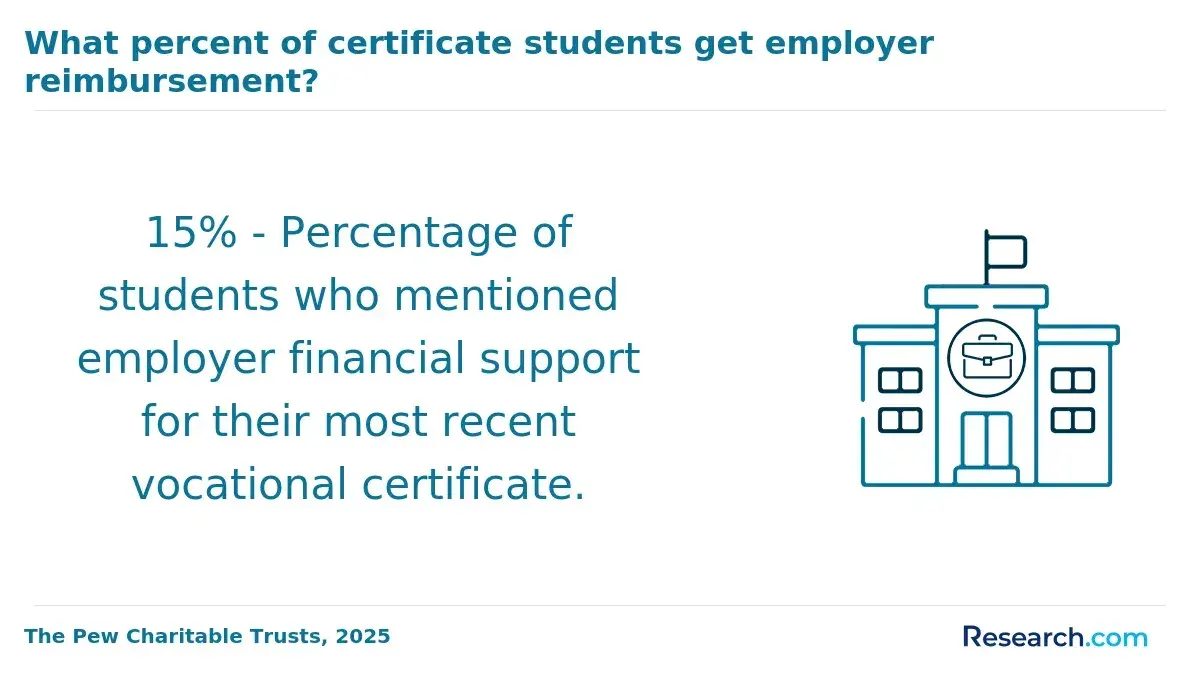
- Employer Tuition Reimbursement: Many working professionals leverage employer programs to offset tuition costs. Successfully accessing these benefits entails coordinating course schedules with reimbursement policies and demonstrating how the program advances career goals within the organization. Coverage varies widely and sometimes includes full tuition support.
- Graduate Assistantships and Fellowships: Some online media communication programs provide assistantships or fellowships that reduce expenses while offering practical experience. These opportunities may be available remotely, enabling distance learners to benefit from financial aid paired with professional development.
How Do Online Media Communication Master's Programs Support Working Professionals Through Flexible Scheduling and Delivery Formats?
Balancing work, study, and personal life is crucial for professionals pursuing an online media communication master's degree. Flexible program designs allow students to fit their education into varied schedules without compromising academic quality. Below are key features that demonstrate how programs cater to the needs of working adults.
- Diverse Scheduling Options: Many programs blend synchronous classes that offer live interaction with asynchronous coursework accessible anytime, helping those with unpredictable or full-time work commitments. Hybrid and cohort-based formats also foster collaborative learning while maintaining flexibility.
- Evening and Weekend Availability: Courses scheduled after typical business hours or on weekends accommodate students who work standard daytime shifts, making participation easier without disrupting employment.
- Accessible Learning Materials: Recorded lectures provide convenient playback for review or catch-up, and mobile-compatible learning platforms enable students to engage with content from any location, maximizing adaptability.
- Specialized Student Support: Programs often employ academic advisors, mentors, or dedicated staff trained to assist non-traditional learners in managing the challenges of juggling professional responsibilities and academic demands.
- Hands-On Technology Trials: Prospective enrollees are encouraged to attend demos or open houses to experience the learning management system firsthand, ensuring the platform's usability aligns with their learning preferences and schedule constraints.
What Technology, Tools, and Technical Requirements Are Needed for an Online Media Communication Master's Program?
Working professionals planning to pursue an online media communication master's degree need to assess their technical readiness carefully. Ensuring that your hardware, software, and internet connection meet program requirements is essential for a smooth learning experience and full participation in coursework and collaboration.
- Standard Hardware: A modern laptop or desktop equipped with at least 8GB of RAM is typically required. Essential peripherals include a webcam, microphone, and headphones or speakers to support synchronous class sessions and multimedia tasks.
- Operating Systems: Supported platforms usually include Windows 10 or newer and macOS versions. Confirming compatibility with your program's specified OS avoids software issues during your studies.
- Internet Speed: A stable high-speed connection of at least 25 Mbps is necessary to facilitate smooth video streaming and real-time collaboration, vital for online media communication degrees.
- Specialized Software: Programs often require access to professional tools such as Adobe Premiere Pro, Final Cut Pro, Photoshop, and Illustrator for video editing and graphic design. Some institutions provide licenses, but frequently students must purchase or subscribe independently. Simulation environments or virtual studios may also be part of the curriculum to enhance practical skills.
- Accessibility: Compliance with ADA standards ensures that course materials support assistive technologies, including screen readers and captioning, accommodating diverse learning needs.
- Technology Readiness Self-Assessment: Prospective students should evaluate their current setup against these technical equipment and internet specifications for online media communication degrees to identify any gaps or necessary upgrades before enrolling.
Those interested in related fields may also find value in exploring the best online construction management degree programs, which similarly emphasize rigorous technical requirements alongside flexible online learning.
What Career Outcomes and Salary Expectations Follow an Online Media Communication Master's Degree for Working Professionals?
For working professionals evaluating online media communication master's programs, understanding career outcomes is essential to gauge return on investment and job market value. Insights into salary trends, job title progression, and employment rates provide clarity on the degree's impact across various career paths.
- Career Advancement and Job Titles: Graduates often achieve elevated positions such as communications director, digital strategist, or media consultant. Holding a master's degree generally improves prospects for moving into leadership roles within media and communication sectors.
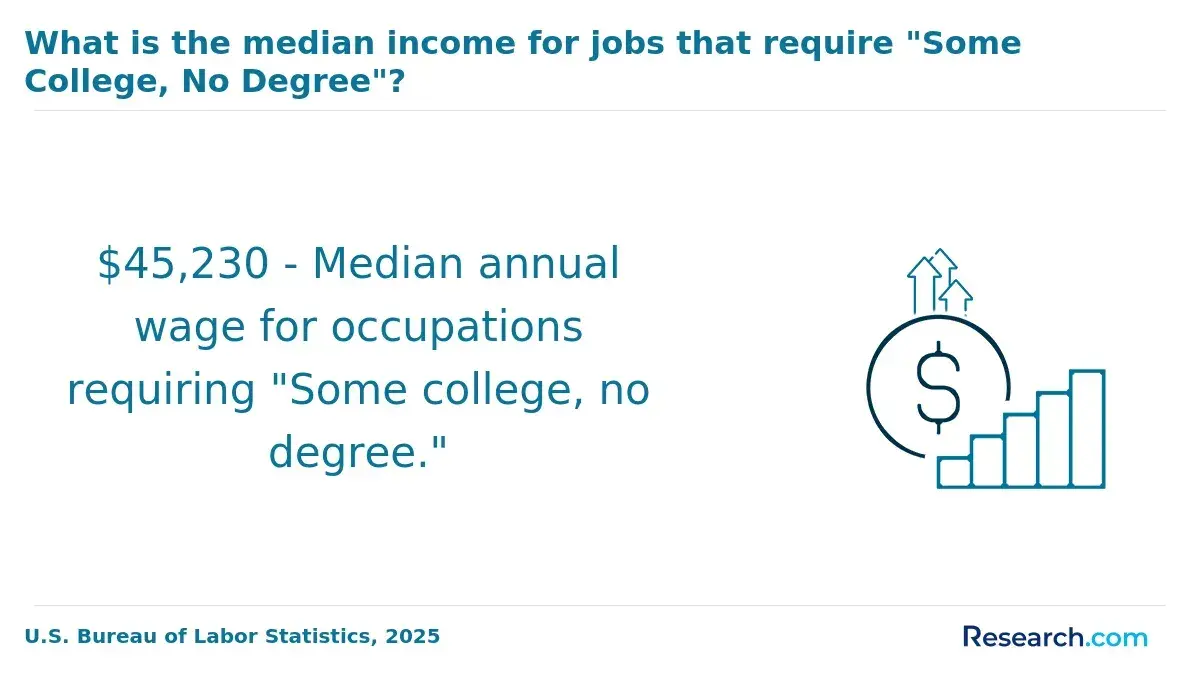
- Salary Expectations: According to the U.S. Bureau of Labor Statistics, median annual wages for media and communication managers are about $130,000, with those holding advanced degrees typically earning more than bachelor's degree holders. Industry, geography, and experience influence income levels significantly.
- Leverage in Salary Negotiation: Professionals utilizing the degree to progress within their current field can use it as a bargaining tool for promotions and salary increases, enhancing upward mobility and compensation.
- Career Pivots and Growth Trajectory: Individuals transitioning to new specialties like marketing, public relations, or digital media may experience slower initial salary growth but widen their employment opportunities across diverse industries.
- Requesting Program Outcomes: Prospective students should obtain detailed employment outcome data directly from admissions, emphasizing job placement rates, median starting salaries, and prominent employers to assess a program's effectiveness in career support.
What Graduates Say About Getting Accepted in Online Media Communication Degree Master's Programs for Working Professionals
- Reign: "Applying for the Media Communication master's program designed specifically for working professionals was a game-changer in balancing my career and education. I appreciated the straightforward admission process that acknowledged my professional experience. The flexibility and support I found throughout the program made the whole journey incredibly rewarding."
- Yousef: "Navigating through the landscape of accredited institutions offering online Media Communication master's programs was initially overwhelming, but it taught me the importance of thorough research. I learned to distinguish credible universities by relying heavily on official academic catalogs and accrediting agencies. This careful approach ensured I chose a program that truly aligned with my professional goals."
- Logan: "Relying on official academic catalogs, accrediting agencies, and federal education resources helped me confidently understand the requirements of an online Media Communication master's degree. The process was professional and informative, laying a solid foundation for my academic success. Reflecting back, this diligence was key to efficiently reaching graduation without surprises."
Other Things You Should Know About Media Communication Degrees
Enrolling in 2027's top online media communication master's programs offers flexible scheduling, allowing professionals to balance work and study. These programs provide access to cutting-edge digital tools, experienced faculty, and networking opportunities, enhancing career growth in a rapidly evolving field.
Faculty qualifications in online media communication master's programs are typically assessed based on academic credentials, professional experience in media fields, and active research contributions. Universities prioritize instructors who hold doctoral degrees or equivalent terminal degrees in communication, journalism, or related disciplines. Research activity is evaluated through faculty publications, participation in conferences, and involvement in current media communication trends, ensuring that students learn from experts engaged in advancing the field.
Online media communication master's programs increasingly match or exceed the academic rigor of on-campus programs due to stringent accreditation standards and quality assurance measures. Employers generally recognize accredited online degrees as equivalent to traditional degrees, especially when offered by reputable institutions. Degree completion from a respected program can demonstrate a working professional's commitment and ability to balance education with employment, which is often viewed positively by hiring managers.
References
- Master’s in Communication Online https://www.snhu.edu/online-degrees/masters/ma-in-communication
- Accrediting Standards https://www.acejmc.org/policies-process/accrediting-standards
- How Long is a Master’s in Communication Program? Full-Time vs Part-Time https://www.mastersincommunications.com/faqs/length-of-masters-in-communication-programs
- MA in Digital Media & Global Communications online & on-campus | UNF https://www.unfc.ca/academics/graduate/master-of-arts-in-digital-media-and-global-communications
- Online Master's in Immersive Media Communication https://online.uoregon.edu/masters-immersive-media-communication
- Digital Media and Communications (Online) MA https://www.tees.ac.uk/postgraduate_courses/media_&_journalism/ma_digital_media_and_communications_(online).cfm
- Online Master’s in Communications: 2025’s Top Programs https://www.onlinemastersdegrees.org/best-programs/communications/
- What can you do with a master's in communication? | edX https://www.edx.org/resources/what-can-you-do-with-a-masters-in-communication
- Digital Media Communication (M.A.) https://www.gradcollege.txst.edu/programs/mass-comm.html
- Flexible and Affordable Online Master's Degree in Communication https://ecampus.uaf.edu/programs/graduate-degrees/communication/