
2027 Is Demand for Media Communication Degree Graduates Growing or Declining?

Co-Founder and Chief Data Scientist
Graduates with a media communication degree often face uncertainty about job availability amid rapidly evolving digital landscapes. For example, employment in media and communication occupations is projected to grow only 3% from 2022 to 2032, slower than the average for all occupations. This slower growth intensifies competition for limited roles in journalism, public relations, and content creation. Understanding these trends is crucial for students and professionals planning their careers. This article examines the current demand for media communication degree holders, explores industry shifts affecting employment, and offers insights to help readers make informed decisions about their educational and professional paths.
Key Things to Know About the Demand for Media Communication Degree Graduates
- Employment trends show steady demand for media communication graduates, with growing roles in digital content creation and social media management.
- Projected job growth for media communication-related fields is estimated at 8% through 2030, aligning with the average for all occupations.
- Specializing in emerging areas like data analytics or virtual reality enhances long-term career prospects amid evolving industry technologies.
What Factors Are Driving Demand for Media Communication Degree Professionals?
Evaluating the factors driving workforce demand allows prospective students to better gauge the long-term value and stability of a media communication degree. Several key drivers shape hiring trends and skill requirements in this evolving field.
- Industry Growth: The surge in digital content consumption has expanded roles in social media management, content creation, and strategic communication. As platforms multiply, professionals who engage diverse audiences remain in high demand.
- Technological Advancement: Integration of artificial intelligence, virtual reality, and data analytics into media operations means employers seek candidates with both technical skills and communication expertise. Staying current with these tools is critical for graduate success.
- Regulatory and Policy Changes: Privacy laws, advertising rules, and broadcast standards compel organizations to ensure compliance. Specialists knowledgeable in ethical practices and media regulations have become increasingly essential.
- Demographic Shifts: Growing and diverse populations require culturally relevant messaging. Media companies look for professionals adept at multicultural communication to effectively reach varied audiences while adhering to regional accreditation standards for media communication degrees.
- Evolving Skill Requirements: Beyond traditional media skills, employers emphasize digital literacy, storytelling, critical thinking, and analytics. Graduates must continuously update capabilities to remain competitive in this dynamic field.
Prospective students should also consider accreditation benefits for media communication degree programs, which often influence program quality and employer recognition. Those interested in expanding their qualifications might explore related opportunities such as SLP online programs to diversify their career prospects.
Which Media Communication Occupations Are Seeing the Highest Growth Rates?
Employment growth rates provide essential guidance for students evaluating media communication career paths, as they reflect future demand and job stability. The U.S. Bureau of Labor Statistics projects an overall employment increase of 5% from 2022 to 2032, making occupations with faster growth rates increasingly attractive options. Below are some of the fastest growing media communication jobs in the US, highlighting their key drivers and typical education requirements.
- Digital Content Creators: Expected to grow by approximately 15%, roles such as social media managers and online video producers are driven by expanding digital marketing and the widespread adoption of social platforms. A bachelor's degree in communication, marketing, or related fields is commonly required.
- Public Relations Specialists: Projected to increase by around 13% due to companies' growing need to manage brand reputation in competitive markets. A degree in public relations, journalism, or communications is typically needed.
- Broadcast Technicians: With roughly 10% growth anticipated, these professionals support the evolving landscape of television and web-based streaming technologies. Technical training or an associate degree is generally sufficient for entry.
- Technical Writers: Expected to grow near 12%, they play a vital role in creating manuals and documentation, particularly in expanding scientific and technological industries. A bachelor's degree in English, communications, or a technical field is usually required.
- Market Research Analysts: Forecasted to grow about 18%, fueled by businesses valuing data-driven decisions to understand consumer trends. A bachelor's degree in marketing, statistics, or communications is typical for this career.
Students interested in rising media communication careers may also explore educational options, including affordable online programs. For example, those considering engineering degrees related to media technology can find guidance on the cheapest online engineering degree options.
Which Industries Hire the Most Media Communication Degree Graduates?
Knowing which industries most frequently employ media communication graduates can help students target career paths with strong job prospects and long-term stability. Several key sectors consistently seek professionals with skills in messaging, content creation, and audience engagement.
- Advertising: Roles such as copywriters, media planners, and account specialists are common in this sector. The industry values creativity and strategic communication skills to craft compelling campaigns and influence consumer behavior.
- Public Relations: Firms in this field employ media communication graduates to manage client reputations, write press releases, and coordinate media outreach. Steady demand exists for experts who can maintain positive public images and handle crisis communication.
- Broadcasting: Graduates find opportunities as producers, reporters, and content editors where storytelling ability and technical production expertise are essential. This sector relies on effective information delivery through television, radio, and online platforms.
- Digital Media: Rapid growth in social media and online content creation drives demand for graduates skilled in analytics, multimedia tools, and content strategy. These professionals help brands expand their digital presence and engage target audiences.
- Corporate Communications: Media communication degree holders contribute to internal messaging, investor relations, and crisis management in large organizations. Their role ensures clear and consistent communication across diverse stakeholder groups.
How Do Media Communication Job Opportunities Vary by State or Region?
Geographic factors play a crucial role in shaping employment opportunities for media communication graduates, influencing job availability, salary levels, and career advancement. Several key regional elements determine how demand for media communication professionals is distributed across the U.S.
- High-Demand States: States like California, New York, and Texas are hotspots for media communication jobs due to the presence of major media corporations, advertising firms, and news organizations. These locations consistently report higher employment rates and offer diverse opportunities.
- Regional Industry Hubs: Different areas specialize in distinct media sectors; for example, broadcast journalism thrives in the Northeast, while digital marketing is concentrated in technology-driven regions such as the San Francisco Bay Area. This specialization influences the types of roles available locally.
- Urban vs. Rural Markets: Metropolitan areas generally provide a broad spectrum of entry-level and senior media communication roles, driven by dense media company networks. Conversely, rural locations offer fewer openings but sometimes present unique community-oriented media positions.
- Cost-of-Living Impact: Elevated salaries in metropolitan centers often correspond with higher living expenses, particularly housing. Graduates must weigh these financial factors when considering relocation for media communication careers.
- Remote and Hybrid Work: The growing acceptance of remote work enables media communication professionals to pursue roles beyond traditional media hubs. However, some positions still require on-site presence, making geographic location a relevant consideration.
How Does Degree Level Affect Employability in Media Communication Fields?
Education level significantly shapes employability, career advancement, and professional standing in media communication fields. Higher academic qualifications generally provide more specialized skills and better job prospects. Below is an overview of how different degree levels impact opportunities and graduate employability by education level.
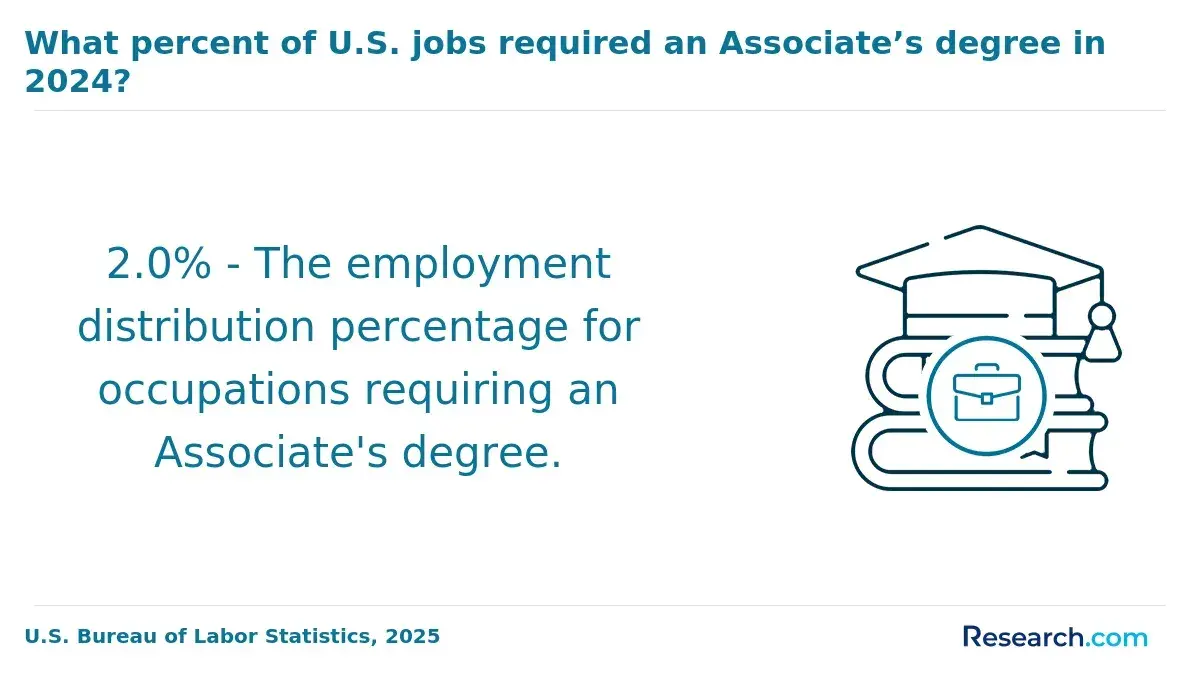
- Associate Degree: Graduates with an associate degree typically qualify for entry-level positions or support roles like social media assistants or production technicians. These roles offer limited room for advancement and often require further education for career growth.
- Bachelor's Degree: This degree serves as the foundational credential for most media communication careers, enabling access to jobs in journalism, public relations, broadcasting, and digital content creation. Bachelor's holders enjoy a stronger competitive edge compared to those with only a high school diploma or associate degree.
- Master's Degree: Advanced degrees allow for specialization in areas such as strategic communication and media management. This level supports progression into leadership roles, policy development, or academia, reflecting the increased employability of masters-level graduates relative to lower degrees. Prospective students may find more options for a library science degree online to complement their media communication expertise.
- Doctorate Degree: Doctoral qualifications are uncommon and primarily suited for university teaching, research, or high-level consultancy requiring expert knowledge. This degree level is linked to the highest credential-based employability within the media communication sector.
Overall, media communication graduate employability by education level improves as degree attainment advances, opening doors to more complex roles and higher earning potential.
What Skills Are Employers Seeking in Media Communication Graduates?
Knowing which skills employers prioritize is vital for media communication graduates to stay competitive and succeed professionally. These capabilities shape how well graduates contribute to projects and adapt within the evolving media landscape. Here are some key competencies valued by employers:
- Digital Literacy: Mastery of content management systems, social media tools, and multimedia software enables graduates to produce and manage captivating digital content, essential for engaging today's audiences effectively.
- Communication Skills: Clear written and verbal communication is crucial for conveying messages accurately and collaborating with diverse teams, ensuring that ideas are shared across various platforms and audiences.
- Analytical Thinking: The ability to interpret data and audience behavior informs strategic choices in campaign planning and media projects, allowing graduates to optimize outcomes based on measurable insights.
- Adaptability: The media sector evolves rapidly; graduates who can quickly embrace new technologies and trends remain relevant and contribute innovative solutions in dynamic environments.
- Project Management: Organizing tasks, setting timelines, and meeting deadlines are vital to delivering media projects efficiently, ensuring smooth workflow and client satisfaction.
- Creative Problem-Solving: Developing original strategies to tackle communication challenges helps graduates stand out by offering unique approaches that capture audience attention and resolve issues effectively.
When discussing what employers are looking for, a graduate of a media communication degree program shared that early in his career, the steep learning curve involved juggling multiple social media campaigns simultaneously was daunting. He recalled, "Managing deadlines across platforms and adjusting content rapidly taught me the importance of staying flexible and organized." He also emphasized that understanding technical tools was just one piece of the puzzle; building rapport with team members and clients often challenged him more, requiring strong interpersonal skills. Reflecting on his experiences, he noted that while the skills were demanding, mastering them ultimately empowered him to contribute confidently and grow within the industry.
How Does Job Demand Affect Media Communication Graduate Salaries?
Fluctuations in job demand directly impact starting salaries, wage growth, and long-term earning potential for media communication graduates by shaping employer competition and graduate supply. According to the U.S. Bureau of Labor Statistics, employment in media-related fields is projected to grow 9% from 2022 to 2032, which may push salaries upward. The following points outline how demand influences salary trends in this field.
- Starting Salaries: When demand for media communication graduates exceeds supply, employers compete more intensely, often offering higher initial pay to attract qualified candidates. Conversely, a surplus of graduates can suppress starting wages due to increased competition among job seekers.
- Wage Growth: Strong, sustained demand encourages employers to implement better compensation packages and promotions, enabling faster wage growth over time for professionals in this field.
- Long-Term Earnings: Graduates benefit from greater access to senior positions and better negotiation leverage when demand remains high, positively affecting their lifetime earning potential.
- Labor Market Dynamics: The balance of job openings versus qualified candidates drives salary trends following basic economic principles of supply and demand, influencing both entry-level and experienced salaries in media communication careers.
How Is AI Changing Demand for Media Communication Professionals?
Artificial intelligence is rapidly transforming workforce demands in media communication, with nearly 40% of media companies accelerating AI adoption over the past two years. This evolution is reshaping the roles and skills that employers prioritize within the field.
The impact of AI on media communication employment can be seen in several key areas:
- Automation of Routine Tasks: AI streamlines repetitive duties like content creation and scheduling, reducing some entry-level positions but increasing overall operational efficiency and allowing professionals to focus on higher-level work.
- Emergence of Specialized Roles: New opportunities in AI-driven content strategy, data analytics, and digital storytelling require expertise that blends media knowledge with technical competence, expanding career pathways.
- Hybrid Skill Demand: Employers seek individuals who combine creative communication skills with proficiency in AI tools and data interpretation, making ongoing education critical for job stability and advancement.
- Adaptability in Hiring: The industry favors candidates committed to continuous learning and flexibility, rewarding those who stay current with AI trends and evolving technologies.
When I spoke with a recent media communication graduate about how AI is affecting demand, she described navigating this shifting landscape as both challenging and rewarding. She explained, "At first, it felt overwhelming to keep up with new AI tools while mastering traditional skills. But learning to integrate these technologies boosted my confidence and made me more competitive. Employers now expect you to adapt quickly, and embracing that mindset has opened doors I didn't anticipate." Her experience underscores the importance of resilience and a proactive approach amid rapid change.
Is Media Communication Considered a Stable Long-Term Career?
Long-term career stability is crucial for students and professionals assessing job prospects in media communication, as it influences job security, financial planning, and professional growth. Several factors determine the stability and growth outlook for media communication graduates, shaping their future opportunities.
- Long-Term Employment Trends: Steady demand exists for communication specialists in areas like digital marketing, public relations, and content creation. These fields continue expanding as businesses emphasize brand messaging and audience engagement, supporting a stable career path.
- Industry Reliance: Organizations ranging from entertainment to corporate sectors depend heavily on media communication roles to shape public perception and distribute information. This broad reliance spreads job opportunities across multiple industries, reducing risk linked to the volatility of any single sector.
- Adaptability to Change: Professionals who stay current with evolving technologies-including data analytics, social media platforms, and multimedia production-are better positioned to maintain relevance. Conversely, those who fail to reskill risk obsolescence, affecting their long-term career stability in this fast-evolving field.
- Career Advancement and Reskilling: Opportunities to upskill and move into leadership, strategy, or specialized technical roles greatly enhance stability. Programs offering continuous learning and certifications support media communication graduates in navigating economic fluctuations and sustaining growth.
For those exploring the job stability and growth outlook for media communication graduates, considering degree affordability can also be important. Resources like the cheapest online EdD offer financial options that may support educational investment in this dynamic field.
Is a Media Communication Degree Worth It Given the Current Job Demand?
The job outlook for a media communication degree in the United States shows steady demand, with varied growth depending on the industry segment. Sectors such as advertising, public relations, and digital marketing expect moderate expansion, supported by U.S. Bureau of Labor Statistics projections of around 8% employment growth from 2022 to 2032 in related fields.
However, competition for positions remains strong, especially for entry-level roles, where employers prioritize candidates who bring practical skills in digital content creation, social media management, and data analytics. Graduates who combine their degree with these sought-after skills are more likely to enhance their employability amid evolving market conditions.
Employment growth trends for media communication graduates also depend heavily on degree level and skill alignment with industry demands. Bachelor's degree holders typically find opportunities in communication, marketing, and media management, while master's graduates may pursue higher-level roles in strategic communications or research.
Career success increasingly depends on how well individuals adapt by developing expertise in areas such as multimedia storytelling or search engine optimization. Prospective students should weigh these factors carefully, considering pathways that integrate hands-on experience-such as internships or coursework from online colleges-to maximize their degree's long-term value in a competitive market.
What Graduates Say About the Demand for Their Media Communication Degree
- Nilla: "Choosing to pursue a media communication degree was a turning point in my life. The practical knowledge and hands-on projects gave me a strong foundation, which translated directly into a rewarding career. I've seen a great return on investment, both financially and personally, as it opened doors I hadn't imagined possible."
- Marvin: "Looking back, my decision to enroll in a media communication program was driven more by curiosity than certainty. However, the diverse skill set I gained proved invaluable in adapting to various roles in the industry. The degree's impact on my career has been profound, giving me confidence to navigate complex media landscapes."
- Parker: "My media communication degree provided the essential expertise I needed to excel in a competitive field. It taught me how to craft impactful messages and understand audience dynamics, which are crucial in my daily work. The investment in education has paid off through increased opportunities and professional growth."
Other Things You Should Know About Media Communication Degrees
In 2027, the job market for media communication graduates is increasingly competitive but also full of diverse opportunities in digital media, public relations, and content creation. Graduates need to be adaptable to evolving technologies and trends to enhance their employment prospects.
Demand for media communication graduates fluctuates with industry changes like digital transformation and evolving consumer habits. Graduates equipped with digital skills and adaptability tend to find more opportunities. Students should be aware that traditional media roles may decline, but new opportunities in online media and content creation are increasing, reshaping the job landscape.
Internships and hands-on experience are crucial in the media communication field, providing practical skills and networking opportunities. Employers often seek candidates with demonstrated real-world experience besides academic credentials. Students who engage in internships increase their chances of securing employment shortly after graduation by showcasing relevant work portfolios.
References
- 6 benefits of a master's in health care management https://www.unfc.ca/blog/must-have-workplace-communication-skills-for-graduates
- Is a career in media and communications a good idea? https://www.lcca.ac.uk/blog/careers/is-a-career-in-media-and-communications-a-good-idea/
- How AI Is Transforming Corporate Communications | 5W PR Agency Blog https://www.5wpr.com/new/how-ai-is-transforming-corporate-communications/
- Artificial Intelligence and the Future of Media Between Empowerment and Bias https://trendsresearch.org/insight/artificial-intelligence-and-the-future-of-media-between-empowerment-and-bias-opportunities-challenges-risks-and-neutrality/
- Mass Communication Career Guide 2025 | DBS - Blog https://dgu.ac/blog/the-most-in-demand-career-in-2025-and-beyond-mass-comm-and-media/
- Communication and Media https://www.tntech.edu/ceis/communication/career-opportunities.php
- Exploring the Versatility of Careers With a Communication Degree https://www.ucumberlands.edu/blog/the-versatility-of-careers-with-a-communication-degree
- 27-3099.00 - Media and Communication Workers, All Other https://www.onetonline.org/link/summary/27-3099.00
- From Chaos to Clarity: Why AI is the Communications Industry’s Strategic Imperative https://fleishmanhillard.com/2025/05/communications-in-the-age-of-ai-and-evolving-role-of-communications/
- Top 10 Highest Paying Jobs in Mass Communication 2025 | Nexford University https://www.nexford.edu/insights/highest-paying-jobs-in-mass-communication


