
2027 Is a Media Communication Online Degree Worth It?

Co-Founder and Chief Data Scientist
With online education enrollment surging by over 30% in recent years, many students are drawn to the flexibility and accessibility of online media communication degrees. This growth reflects a broader trend as learners seek programs that fit diverse schedules and offer relevant skills for a digital-centric job market.
This article will explore whether pursuing an online media communication degree is a worthwhile investment by examining important factors such as tuition costs, program accreditation, career prospects, and how employers view this credential in the evolving media landscape.
Key Benefits of Online Media Communication Degree
- Online media communication programs offer flexible scheduling that accommodates working professionals, enabling skill development without career interruptions.
- Curricula emphasize practical skills like digital storytelling and social media strategy, aligning closely with growing media job market demands.
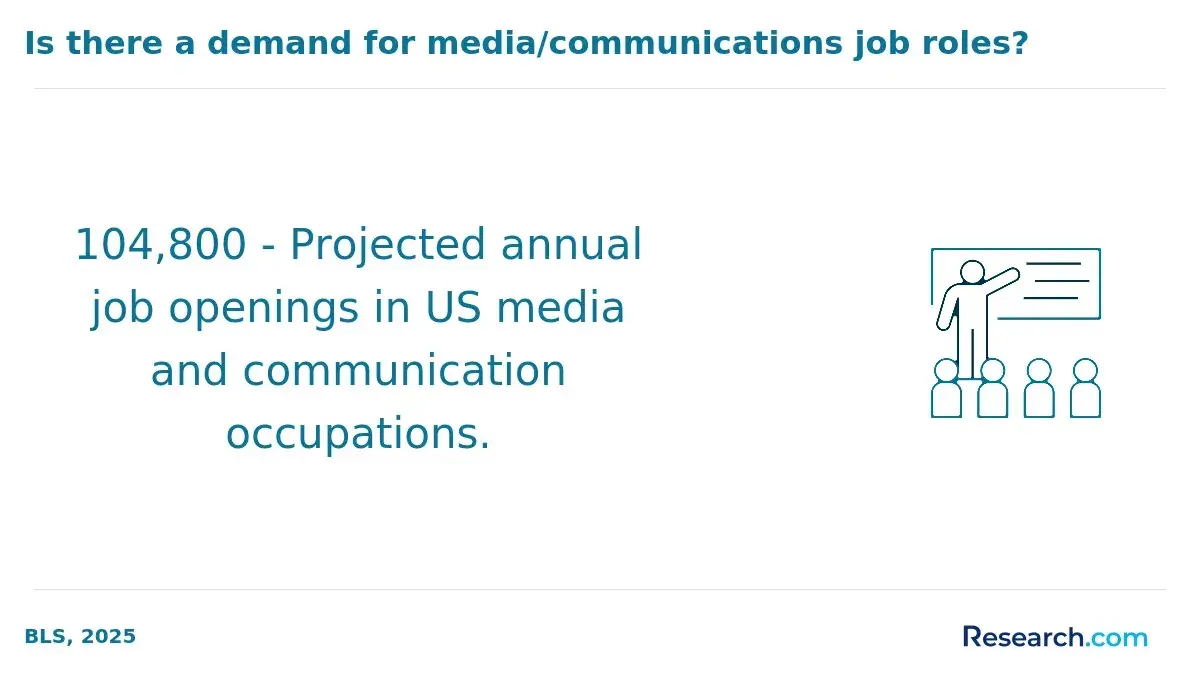
- Graduates often report enhanced career prospects and salary growth, with the Bureau of Labor Statistics projecting 8% media job growth through 2031.
Who Should Choose an Online Media Communication Degree Program?
Online learning has become a convenient option for many students, offering the flexibility to juggle education alongside personal and professional priorities. This adaptable format appeals to individuals with diverse lifestyles and commitments, making higher education more attainable for a wider audience.
Several groups find online media communication degrees particularly advantageous, as outlined below:
- Working professionals: These learners can enhance their skills or shift career paths while maintaining their current jobs. Online programs allow them to progress at their own pace without interrupting daily work responsibilities.
- Parents and caregivers: Balancing family duties with education is easier through online studies, which provide the freedom to fit coursework around childcare and household management.
- Rural and remote residents: People living far from traditional campuses gain access to quality education without relocating, relieving geographic barriers to degree completion.
- Adult learners returning to school: Those resuming education after time away benefit from the supportive, flexible environment that online media communication programs offer, helping them re-engage with academic goals smoothly.
What Are the Pros and Cons of an Online Media Communication Degree?
Online media communication programs have become a popular choice for students and professionals seeking flexibility and career advancement without compromising existing commitments. These programs provide digital pathways to develop industry-relevant skills while accommodating diverse schedules.
Pros of an Online Media Communication Degree
- Flexible Scheduling: Online media communication degree flexibility allows students to learn at their own pace, balancing coursework with jobs, internships, or family responsibilities. Asynchronous classes and recorded lectures offer essential convenience for working professionals.
- Affordability: Many online options reduce education costs by eliminating commuting and housing expenses. This affordability contributes to a steady rise in online enrollment according to education statistics.
- Industry-Relevant Skills: Programs emphasize practical skills like digital storytelling, media technology, and public speaking, which are critical for careers in social media, content creation, and public relations. Job growth in these fields is projected to increase substantially.
- Career Advancement: Online degrees can open diverse paths including marketing and journalism. Concentrations enable students to tailor their education to specific interests or industry needs, enhancing job prospects.
Cons of an Online Media Communication Degree
- Limited Networking: One common drawback is reduced face-to-face interaction, limiting opportunities for in-person networking, mentorship, and campus community engagement, which can be vital in communication fields.
- Self-Discipline Required: Success in online learning demands strong motivation and time management skills. Without a structured classroom environment, some students may find it challenging to stay on track.
- Technology Dependence: Reliable internet and technology access are essential. Technical issues can disrupt participation in group projects and live presentations, impacting learning outcomes.
- Variable Employer Perception: While accredited online degrees are generally respected, some employers may prefer traditional degrees for entry-level roles. Accreditation and program reputation remain crucial consideration factors.
For those interested in fast-tracking their education, you can explore a top associate degree in 6 months accredited, which offers a quick and flexible alternative. Considering the advantages and disadvantages of online learning helps prospective students make informed decisions about the value of an online media communication degree.
How Do AI-Enhanced Virtual Classrooms Work in Online Media Communication Programs?
AI technologies have become central to modern online education by enhancing engagement and tailoring experiences to individual learning preferences. This is particularly true in media communication programs, where AI-powered virtual classroom technology in media communication greatly improves how students interact with content and instructors.
Below are key features that define these AI-enhanced learning environments:
- Adaptive Learning Tools: These systems analyze student performance and learning styles to create personalized learning paths, allowing each student to engage with media communication material at their own pace, boosting retention and comprehension.
- AI-Driven Feedback: Intelligent tutoring systems identify specific knowledge gaps and deliver targeted guidance, helping learners overcome challenges in video analysis, production techniques, and media theory.
- Real-Time Collaboration: Digital whiteboards, breakout rooms, and live chat features facilitate group projects and interactive discussions essential for media communication students' skill development.
- Natural Language Processing: AI transcribes lectures and provides real-time captions, improving accessibility and understanding, especially for complex media communication coursework.
- Gamification Elements: Points, badges, and other incentives maintain motivation and engagement in asynchronous learning environments, making study more interactive and rewarding.
- Automated Study Aids: AI-powered tools generate lecture summaries and study guides that help students synthesize complex concepts and industry practices effectively.
Students considering their next academic step might also explore what is the easiest masters degree to get to find programs that align closely with their goals and learning preferences, including those enhanced by personalized learning with AI in online media degree programs.
What Technology Do You Need for an Online Media Communication Degree?
Having the right technology setup is essential for success in modern online media communication programs, where coursework frequently relies on multimedia production, real-time collaboration, and professional-quality content creation. Without dependable equipment and up-to-date software, students risk falling behind in skill development, deadlines, and practical experience in this fast-changing digital environment.
Below is a list of specific tools, equipment, and software students should prepare before enrolling in an online media communication program.
- Reliable Computer: A modern laptop or desktop with sufficient processing power and memory is critical for media tasks. This enables seamless editing of high-resolution images, video rendering, and running professional applications like Adobe Premiere Pro without lag.
- High-Speed Internet Connection: Fast and stable internet is a must for streaming lectures, uploading large media files, and participating in live discussions. Many virtual learning tools for media degrees require real-time collaboration and timely submission of video projects, making bandwidth essential.
- Adobe Creative Cloud Suite: Industry-standard software such as Photoshop, Premiere Pro, and Illustrator supports coursework in graphic design, video editing, and multimedia storytelling. These programs help students develop skills needed for digital content production and media campaigns.
- MS Office or Google Workspace: Word processing, spreadsheets, and presentations are routine for academic assignments and group collaboration. These productivity suites are vital for scripting, reports, and managing project workflow effectively.
- Professional Headphones and Microphone: Quality audio gear is necessary for podcasting, voiceovers, and video production. Studio headphones (e.g., Audio-Technica ATH-M20x) and a reliable USB microphone ensure clear sound capture and precise editing.
- Essential Cables & USB Hub: Connecting multiple devices such as external drives, cameras, and microphones requires reliable cables and hubs. This hardware simplifies the workflow during media production and file management.
- Optional: Logic Pro or Similar Audio Software: For students interested in music or advanced audio production, digital audio workstations support sound design and intricate editing tasks.
Preparing these technologies not only supports coursework but also mirrors professional setups in media environments, ensuring students gain relevant practical experience. For those exploring advanced academic options, some also consider doctoral programs without dissertation to deepen expertise. Choosing the right virtual learning tools for media degrees lays a strong foundation to thrive in this competitive field.
How Long Does It Take to Finish an Online Media Communication in 2027?
Program length is a key consideration for prospective students as it influences how soon they can start or advance their careers. Timelines vary significantly across online formats due to differences in pacing, course load, and enrollment status.
Below is a breakdown of common completion durations for online media communication programs.
- Bachelor's Degree, Full-Time Online: Typically completed in four years, mirroring traditional on-campus programs. Many universities offer accelerated options allowing students to graduate in two to three years by taking additional courses year-round and transferring credits.
- Bachelor's Degree, Transfer and Accelerated Pathways: For students with prior college credits, some programs enable completion in as little as one year by leveraging transfer policies and intensive course schedules.
- Master's Degree, Full-Time Enrollment: Usually requires 30 to 48 credits and can be completed in one to two years. Flexible, self-paced courses and multiple start dates help accommodate busy schedules.
- Master's Degree, Part-Time Enrollment: Designed for working professionals, part-time students often finish within two to three years, benefiting from adaptable pacing and frequent term options.
Can You Work Full-Time While Completing an Online Media Communication Degree?
Many professionals worry about managing a full-time job alongside an online media communication degree. This concern is understandable since balancing career obligations and academic demands often feels daunting. However, several factors can help determine how successfully one can juggle both responsibilities.
Key aspects to consider include:
- Flexible scheduling: Most online programs offer asynchronous classes, which let you study whenever it suits your day. This flexibility means you can focus on coursework during evenings or weekends without fixed class attendance.
- Program pacing: Options to enroll full- or part-time allow you to adjust your workload to your job's intensity, preventing overwhelm during busy work periods.
- Time management skills: Self-discipline is crucial; establishing clear study hours and daily goals helps ensure steady progress despite work pressures.
- Employer support: Transparent conversations with employers might yield accommodations like flexible hours or reduced shifts during exams or major projects.
- Workload balance: Online coursework can be intensive, so prioritizing tasks and avoiding burnout by setting realistic expectations is necessary.
How Do Online Media Communication Degree Programs Help with Internships?
Internships are vital for gaining practical experience and preparing for careers in media communication. They bridge academic knowledge with real-world skills, enhancing student readiness for professional roles. Online programs employ several strategies to support students in securing and completing these internships effectively:
- Career Services Support: Programs offer resume workshops, interview preparation, and personalized coaching to help students present themselves confidently when applying for internships.
- Virtual Placement Coordination: Dedicated staff connect students with diverse internship opportunities nationwide, including remote positions, ensuring alignment with individual career goals.
- Networking and Mentorship: Students engage with industry professionals through virtual events and mentoring programs that foster relationships and offer insider insights into media communication fields.
- Online Tracking and Academic Integration: Digital platforms allow students to monitor their internship progress and receive academic credit, helping to align experiential learning with degree requirements.
- Partnership Programs: Collaborations with media organizations create a pipeline for internships, giving students access to reputable, hands-on learning environments.
What Is the Average Tuition Cost of an Online Media Communication Program?
Grasping the tuition expenses related to an online media communication degree is crucial for students planning their education budgets and comparing program affordability. The wide variation in costs across schools means understanding these factors can help you make informed financial decisions.
Below is a detailed overview of key tuition-related points to consider.
- Average Tuition Per Credit: Public universities generally charge in-state students about $337 per credit hour, which adds up to roughly $40,500 for a 120-credit bachelor's program. Private colleges are costlier, with averages near $516 per credit hour.
- In-State vs. Out-of-State Rates: Public institutions offer significantly lower tuition for in-state residents. Out-of-state students often face higher charges, which can substantially increase overall program costs.
- Regional Variations: Tuition fees can differ notably by location; for instance, California-based online programs range between $370 and $520 per credit hour, reflecting local cost structures.
- Total Degree Costs: A full four-year online media communication degree usually costs between $24,600 and $71,760 depending on the institution type and residency status.
- Additional Fees: Some schools impose extra charges for online formats, although this applies to about 16% of colleges, potentially adding to the financial burden.
What Is the Average Salary for Someone with an Online Media Communication Degree in 2027?
Knowing the potential earnings after earning an online media communication degree is crucial for making an informed decision about your education investment. Understanding the average salary for media communication graduates in 2025 helps prospective students gauge the financial benefits of pursuing this field.
Below are key salary insights based on recent data and labor market trends.
- Average Entry-Level Salary: Entry-level roles such as communications specialists or coordinators typically offer salaries between $59,000 and $70,000 annually. For example, social media managers in smaller markets start near $59,518, while entry-level news analysts, reporters, and journalists earn around $60,280 per year.
- Mid-Career Salary Growth: As professionals gain experience, salaries increase significantly. Corporate communications specialists earn a median of about $78,697, while marketing managers can reach median salaries as high as $156,580, mostly in major urban areas. Public relations and fundraising managers often earn upwards of $130,480 with specialization and time in the field.
- Salary by Industry: Earnings vary widely depending on the industry. Graduates working in digital marketing, corporate communications, or technical writing typically earn more than those in traditional journalism or local media. For instance, technical writers have a median wage of $91,670, whereas editors earn around $64,031, but salaries may rise sharply in specialized or high-cost-of-living areas.
- Regional and Role Variations: Location remains a large factor in media communication degree salary United States 2025. Larger metropolitan regions tend to offer higher wages due to demand and cost of living. Specific roles also influence pay, where managerial or specialized positions command higher salaries than generalist roles.
For those considering further education, exploring 2 year doctoral programs could also enhance earning potential in related fields.
Which Industries Hire Graduates From Online Media Communication Programs?
An online media communication degree offers versatile skills that prepare graduates for diverse professional fields across the economy. Its focus on digital content, communication strategy, and audience engagement equips students with tools valuable in many industries.
Below are key sectors where graduates find significant job opportunities.
- Media and Entertainment: Traditional and digital media companies seek graduates for roles in broadcasting, video production, podcasting, and online publishing. These roles have a median annual salary of about $66,100, reflecting steady demand for creative communicators in this space.
- Marketing and Advertising: Marketing specialists, digital content strategists, and brand managers are essential across all sectors to connect with consumers online. The average salary here is approximately $76,080 annually, marking it as a lucrative field for media communication graduates.
- Public Relations: Businesses, nonprofits, and government organizations hire communication professionals as PR specialists to manage public image and media relations. Median salaries in PR are around $62,800, demonstrating stable opportunities in this career path.
- Human Resources and Corporate Recruitment: Companies increasingly prioritize digital communication skills in recruitment and internal communication roles, offering salaries above $62,000. This trend underscores the growing value of media communication knowledge in corporate settings.
- Digital and Social Media: Social media managers and digital communication specialists are in demand across industries like retail, technology, healthcare, and education. This segment is projected to grow 6% from 2024 to 2034, indicating expanding opportunities, especially in states with strong digital economies such as California.
This adaptability in roles and industries makes an online media communication degree a marketable credential. For those exploring education options, finding an online bachelor's degree cheapest can make pursuing these careers more accessible.
Overall, media communication jobs are growing across sectors vital to the modern economy.
What Graduates of Online Media Communication Programs Say About Their Degree
- Vance: "Choosing to pursue an online media communication degree was one of the best decisions I've made. The flexible pacing allowed me to balance work and study effectively, and the comprehensive curriculum gave me practical skills that directly boosted my career. Considering the average cost was quite reasonable compared to traditional programs, it was definitely worth the investment."
- Hayes: "Reflecting on my journey through the online media communication degree, I appreciate how the structured yet self-paced courses fit perfectly with my lifestyle. The degree not only enhanced my understanding of communication strategies but also opened doors to new professional opportunities. The cost was manageable, which made advancing my education less stressful financially."
- Parker: "Pursuing an online media communication degree provided me with a unique learning experience that blended convenience with depth. I valued how I could absorb content at my own speed, and the knowledge gained had a clear impact on my personal growth and career prospects. The relatively affordable tuition made it an accessible path to further my expertise."
Other Things You Should Know About Media Communication Degrees
Networking in online media communication programs occurs through virtual class discussions, group projects, and alumni events hosted on digital platforms. Many programs encourage students to join industry-related social media groups and participate in webinars or digital workshops. While face-to-face networking is limited, proactive students can build meaningful connections through dedicated online forums and internship opportunities.
In 2027, an online media communication degree can prepare you for careers in digital marketing, public relations, social media management, content creation, and media analysis. The growing digital landscape ensures diverse roles in media planning, brand storytelling, and communications strategy, as demand for skilled professionals continues to rise.
References
- Online Bachelor's Degree in Communication and Media https://online.lynn.edu/degrees/bachelor-communication-media-online
- Media and Communication Science (M.A.) – study online/digital | Technische Universität Ilmenau https://www.tu-ilmenau.de/en/study/before-the-study/range-of-courses/master/media-and-communication-science-ma-1/mcs-online-study-faq
- Online Communication Degree https://www.snhu.edu/online-degrees/bachelors/ba-in-communication
- Benefit of Earning a Online Degree While Working Full-Time https://amityonline.com/blog/advantages-earning-degree-while-working-full-time
- Is Earning a Journalism Degree Online Worth It? https://www.allartschools.com/5-reasons-journalism-degree-matters/
- Is a Communication Degree Worth It? https://und.edu/blog/is-a-communication-degree-worth-it.html
- Remote Communications Internships | Virtual Internships https://www.virtualinternships.com/interns/career-fields/media-comms-internships/
- Master's in Communication Salaries by Career and Position (2025 Update) https://www.mastersincommunications.com/faqs/masters-in-communication-salary
- Is a Communication Degree Worth It? | UTSA Online https://online.utsa.edu/blog-content/is-a-communication-degree-worth-it/
- Bachelor of Science in Digital Technology & Design with a Concentration in Social Media https://degree.astate.edu/online-programs/undergraduate/bs-digital-technology-design/strategic-communication/
- Advertising, Promotions, and Marketing Managers https://www.bls.gov/ooh/management/advertising-promotions-and-marketing-managers.htm


