
2027 Admission Requirements for Media Communication Degree Programs

Co-Founder and Chief Data Scientist
Admission to media communication degree programs has become increasingly competitive as more students pursue careers in this dynamic field. Recent data shows that acceptance rates for communication-related programs have declined by nearly 10% in the past five years, reflecting heightened demand and rising standards. Navigating these evolving admission landscapes requires a clear understanding of essential entry expectations.
This article provides a comprehensive guide to the key requirements applicants must meet to enhance their chances of gaining acceptance into media communication programs, helping prospective students make informed decisions and prepare effectively for successful admission.
Key Benefits of Media Communication Degree Programs
- Understanding admission requirements helps applicants tailor their portfolios and personal statements to meet specific program expectations, increasing their chances of acceptance in a competitive field where some programs see acceptance rates below 40%.
- Awareness of prerequisites and standardized test preferences enables students to optimize their preparation time and academic planning, contributing to a smoother admission process amid growing competition for media communication degrees, which have seen a 12% enrollment increase in recent years.
- Knowing the requirements in advance supports better financial and time management by allowing students to identify necessary application fees, deadlines, and supplementary materials, which can reduce costly last-minute application mistakes and improve overall admissions outcomes.
What GPA Do You Need to Get Into a Media Communication Program?
GPA remains one of the most important factors in college admissions because it reflects a student's academic consistency and readiness for university-level coursework. However, the GPA needed for admission to US media communication degree programs varies significantly depending on the institution, program level, and competitiveness. Below is an outline of typical GPA expectations and factors that can influence the requirements for media communication programs:
- Minimum GPA Requirements: Most undergraduate media communication programs require a minimum GPA ranging from 2.0 to 2.5 for admission consideration. For example, Southern Connecticut State University and the University of Maryland both set a minimum cumulative GPA of 2.0 for entry and graduation in their communication-focused majors, making the minimum GPA requirement for media communication programs fairly accessible at many institutions.
- Competitive GPA Range: While many programs have minimum GPA requirements between 2.0 and 2.5, more selective or well-known graduate programs often expect higher GPAs, typically between 2.75 and 3.0. Many online master's programs in communication require at least a 2.5 to 3.0 GPA, with admitted students often boasting averages closer to 3.3 or 3.5.
- Conditional and Holistic Admissions: Some programs offer conditional admission for applicants who don't meet GPA thresholds but demonstrate strengths in other areas such as portfolios, professional experience, or recommendations. Admissions committees may use holistic review processes that weigh GPA alongside other materials, providing pathways despite a lower GPA.
- Online vs. On-Campus Programs: Online media communication programs may have more flexible GPA requirements, sometimes not specifying a minimum at all. However, competitive programs, regardless of format, typically admit students with stronger academic records to maintain program quality.
- Tips for Strengthening Applications: Applicants with lower GPAs can improve their chances by excelling in communication-related coursework, submitting strong personal statements, and presenting relevant internships or portfolio work. Demonstrating rising academic performance or success in advanced courses can also positively influence admissions decisions.
- Program-Specific Requirements: It is important to consult each program's official admissions page as GPA requirements differ by specialization and may change annually. Some schools set minimum GPAs for major-specific coursework in addition to the overall GPA, so staying informed is key.
For students interested in exploring media communication degrees that align with strong career outcomes, reviewing college degrees with best job outlook can provide valuable guidance when considering programs and GPA expectations.
What Prior Education Is Required for a Media Communication Program?
Prior education plays a crucial role in determining eligibility for media communication degree programs, with requirements varying significantly based on whether the applicant seeks entry at the undergraduate, graduate, or professional level. Understanding these differences helps prospective students prepare effectively for admission.
The following bullet points summarize common educational prerequisites for media communication programs across different academic levels:
- Undergraduate prerequisites: Most bachelor's programs require a high school diploma or equivalent, emphasizing satisfactory academic performance. Specific courses are generally not mandated, but strong abilities in English, writing, and social sciences enhance an applicant's profile, aligning with common high school requirements for media communication degree admission.
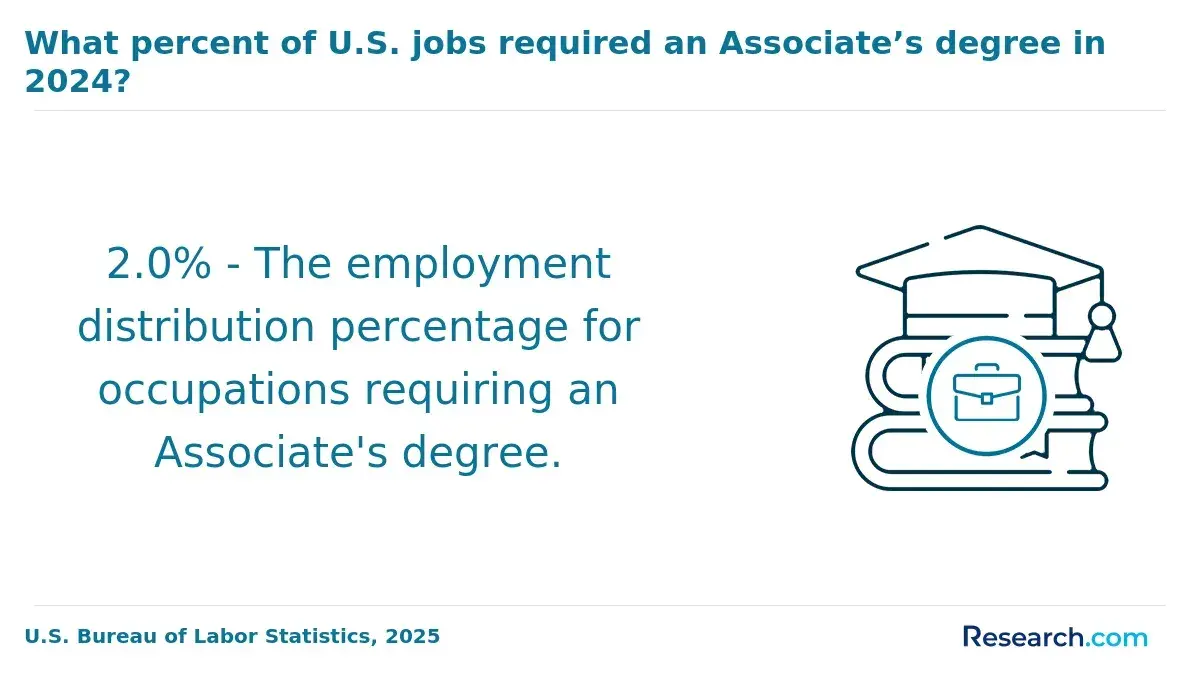
- Associate degree pathways: Community colleges typically adopt open admission policies, sometimes only requiring placement tests. Students with gaps in foundational skills may be assigned developmental coursework to ensure readiness for college-level media communication studies.
- Graduate-level expectations: Applicants usually must hold a bachelor's degree from an accredited institution, with many programs preferring a minimum undergraduate GPA of 3.0. Relevant academic backgrounds often include liberal arts, journalism, or social sciences, but bridge options are available for those from other fields who can demonstrate strong writing and analytical abilities.
- Alternative backgrounds and bridge options: Those without traditional prerequisites can often submit essays or portfolios that showcase critical thinking and communication skills. Some schools offer foundational coursework to help students transition into graduate study in media communication.
- International and language requirements: Non-native English speakers generally need to provide proof of English proficiency through exams like the TOEFL or IELTS. Each institution sets its own minimum scores and waiver policies.
For prospective students interested in flexible learning, exploring college degrees for older adults online may offer additional pathways suited to varied educational and life experiences.
Do Media Communication Programs Require GRE, GMAT, or Other Standardized Tests?
Standardized tests like the GRE (Graduate Record Examination) and GMAT (Graduate Management Admission Test) have traditionally played a key role in graduate admissions, serving as measurable indicators of academic preparedness. However, contemporary shifts in educational priorities and accessibility concerns have led many institutions to rethink the necessity of these exams for media communication graduate programs.
Currently, applicants should consider the following key points regarding standardized test requirements for media communication programs:
- Majority Do Not Require GRE/GMAT: Most master's programs in media communication, especially those offered online, do not require GRE or GMAT scores. For example, out of 154 online programs tracked in 2025, 141 do not require the GRE, and none require the GMAT.
- Conditional Test Requirements: A small subset of programs may ask for GRE scores based on specific conditions, such as a lower undergraduate GPA or limited relevant work experience. Applicants with strong academic backgrounds or professional achievements are often exempt from submitting these scores.
- Rare Use of GMAT: The GMAT is generally uncommon for media communication programs, with exceptions mostly limited to specialized dual-degree tracks or programs that have a business management focus. For instance, some concurrent degree options may require a satisfactory GMAT if the applicant lacks a previous graduate degree.
- Focus on Alternative Criteria: Admissions increasingly emphasize holistic evaluation through undergraduate GPA, personal statements, professional experience, and interviews rather than standardized tests. This approach supports a more comprehensive assessment of a candidate's potential.
- Admissions Policies Change Frequently: Because these requirements can change regularly, applicants are encouraged to closely review program websites and communicate with admissions advisors to stay informed about the latest expectations.
Reflecting on these trends, a graduate of a media communication degree program shared that their application process did not involve any standardized tests, relieving much of the anxiety typically associated with grad school admissions. They recalled feeling initially uncertain about whether to prepare for the GRE, but after confirming with the program's admissions office, they discovered it wasn't required. This allowed them to focus on building a strong personal statement and highlighting professional experiences instead.
The graduate noted, "Knowing that the program valued my practical experience and academic record over test scores made the journey feel more accessible and less intimidating. It truly shifted my perspective on what graduate admissions look like today." This experience underscored for them the evolving nature of admissions and the importance of verifying testing requirements early in the application process.
What Materials Do You Need to Submit for Media Communication Admission?
College and graduate admissions for media communication programs typically require multiple documents that showcase an applicant's academic readiness, relevant experience, and potential fit for the program. These requirements can vary widely depending on the institution, program level, and whether the program is offered online or on campus. Understanding these materials helps applicants submit a complete and competitive application.
Below is a summary of the most common application materials for media communication admission:
- Official Transcripts: These are records from all previously attended high schools or colleges that verify your academic history. They demonstrate your preparedness for media communication coursework. Online programs may accept digital transcript submissions, while on-campus options typically require verified physical copies.
- Standardized Test Scores: Undergraduate applicants might need to provide SAT or ACT scores, though many schools have adopted test-optional policies recently. Graduate programs sometimes request GRE scores, but this requirement is increasingly rare.
- Personal Statement or Statement of Purpose: This essay outlines your interest in media communication, career goals, and reasons for applying. Admissions committees assess your writing clarity, motivation, and how well your goals align with the program's strengths. Tailoring this statement to each program is recommended.
- Résumé or Curriculum Vitae (CV): A résumé summarizes your academic background, work experience, internships, and extracurricular activities relevant to media communication. Graduate applicants may use a CV to include research projects, publications, or media portfolios.
- Letters of Recommendation: Most programs request two or three references from teachers, employers, or mentors familiar with your skills and potential. Choose recommenders who can provide detailed, specific examples of your abilities and achievements in related areas.
- Portfolio or Work Samples (if required): Some media communication programs, especially those focused on production or journalism, ask for portfolios showcasing your writing, video, audio, or digital media projects. Check program guidelines carefully to meet these requirements.
What Are the Admission Requirements for International Students Applying to Media Communication Programs?
International students applying to media communication degree programs in the U.S. face additional admission requirements beyond their academic qualifications. These include proving language proficiency and submitting verified documentation, which together ensure that students are well-prepared for the academic rigor of U.S.-based coursework and meet both institutional policies and federal visa regulations.
Below is a summary of the key admission requirements international applicants should expect and prepare for:
- English Proficiency Proof: Most media communication programs require official scores from recognized English exams such as TOEFL, IELTS, or Duolingo English Test. Minimum score thresholds often range from 80-100 on the TOEFL iBT or 6.5-7.0 on the IELTS. Some universities may set higher standards for speaking or writing components. While online programs might offer more flexibility or waive certain requirements, on-campus programs typically insist on formal test results to confirm language readiness.
- Credential Evaluation: Applicants need to submit transcripts from previous institutions, usually needing official English translations. Many schools also ask for a formal credential evaluation to establish equivalency to a U.S. bachelor's degree, though exceptions exist depending on the program. This step ensures the academic background aligns with U.S. degree standards.
- Financial Documentation: To satisfy U.S. visa requirements, admitted students must provide proof of sufficient funds covering tuition and living expenses for at least their first year. This usually includes bank statements, scholarship letters, or affidavits from sponsors. Missing or incomplete documents can delay visa approval and enrollment.
- Visa-Related Forms: After admission, students must complete essential paperwork like the I-20 form for F-1 status. Accuracy and timely submission of these forms are critical for obtaining the student visa and starting the program without complications.
- Supplementary Assessments: Some programs request additional evaluation methods such as video interviews or online assessments (e.g., Kira Talent) to further gauge communication skills and interactive readiness, adding another layer of quality control to admissions.
- Additional Materials: Standard application components-including personal statements, recommendation letters, and resumes-are required and often benefit from being tailored to highlight international and cross-cultural communication experiences.
When I spoke with an international student currently enrolled in a media communication degree program, she reflected on how these requirements shaped her journey. She recalled that while preparing for the TOEFL was challenging, focusing on the speaking section helped her build confidence not only for the test but also for classroom discussions.
Navigating transcript evaluations initially felt overwhelming, but she found that early coordination with admissions staff made the process smoother. She emphasized that securing financial documentation on time was crucial to prevent visa delays.
Looking back, she described the visa paperwork as "a necessary but manageable hurdle" that paved the way for a rewarding academic experience. Her international background became an asset in group projects and internships, enriching her career prospects and enhancing her understanding of global media landscapes. "Meeting these requirements," she said, "was more than just a checklist-it was the foundation that helped me thrive in my program and beyond."
Do You Need Professional Experience to Get Into a Media Communication Program?
Professional experience can significantly influence admissions decisions for media communication programs, especially at the graduate level, where schools often prefer applicants with relevant backgrounds and practical skills. While some programs list work experience as "recommended" rather than strictly "required," others incorporate it as a core admission criterion. Below are key ways professional experience factors into admission decisions for both online and on-campus media communication programs:
- Minimum Experience Requirements: Most graduate media communication programs do not explicitly require prior professional experience, but some recommend it, particularly for those without a related communication or media studies background. Applicants from other disciplines may need to complete prerequisite courses if admitted.
- Experience as a Competitive Edge: Candidates with relevant work in journalism, digital media, public relations, or broadcasting can distinguish themselves in competitive applicant pools. Admissions committees often seek resumes or personal statements that clearly connect practical experience with the program's focus.
- Personal Statements and Resumes: A statement of purpose is typically required, where applicants should explain how previous professional or internship experiences shape their career goals and preparedness for graduate study. A well-crafted resume highlighting media-related achievements can further strengthen the application.
- Letters of Recommendation: Strong recommendations from supervisors or colleagues in the media field can highlight practical skills, leadership qualities, and active industry engagement, reinforcing the applicant's suitability for the program.
- Flexibility for Online Programs: Online media communication master's programs often serve working professionals and may place greater value on real-world experience, sometimes accepting it in place of a closely related undergraduate degree.
Do Media Communication Programs Have Different Admission Requirements by Concentration?
Many universities tailor their admission standards for media communication programs based on the specific concentration or specialization area. While core requirements such as minimum GPA and standardized test scores generally remain consistent, concentrations with a heavier research or technical focus often require additional prerequisites, coursework, or professional experience. Understanding these distinctions is important for applicants targeting particular tracks within media communication admissions.
Admission requirements can vary across different concentrations in several key ways:
- Technical or Quantitative Tracks: These specializations, including digital media analytics and media technology studies, typically require prior coursework in statistics, computer science, or data analysis. Applicants demonstrating technical proficiency or experience with industry-standard software like Adobe Creative Suite may have an advantage. For online applicants, the ability to navigate virtual platforms is often assessed alongside academic credentials.
- Research-Intensive Concentrations: Tracks focused on media theory or communication research often expect candidates to have completed advanced undergraduate research or present writing samples that demonstrate strong analytical skills. Higher GPAs and evidence of scholarly preparation, such as theses or published work, may also be required.
- Creative or Production-Oriented Concentrations: Applicants interested in areas such as film or audio production frequently need to submit a portfolio showcasing their creative projects or complete specific media production courses. Practical experience, whether through internships or extracurricular involvement, is highly valued. Admission may involve auditions or interviews for on-campus students, while online applicants might submit digital portfolios.
- Leadership and Management Concentrations: Specializations like public relations or strategic media management emphasize leadership experience, strong communication skills, and team management. Letters of recommendation highlighting leadership ability and evidence of work in media organizations are often requested.
- Specialized Professional Experience: Certain areas, such as public affairs or global communications, may require applicants to have relevant professional experience in media organizations or related fields. These experiences are evaluated differently for online and traditional on-campus applicants.
Prospective students should carefully review the distinct requirements for their intended concentration to strengthen their applications. For those interested in the broader impact and opportunities of these concentrations, exploring 4 year degrees that make the most money can provide valuable insights.
Are Admission Requirements the Same for Online and On-Campus Media Communication Programs?
Most universities align their admission standards across both online and on-campus media communication programs to maintain academic consistency and integrity. However, some variations are inevitable due to differences in student demographics, program delivery methods, and experiential learning requirements. These factors contribute to subtle distinctions in application expectations between the two formats.
Below are the main similarities and differences in admission requirements for online and on-campus media communication programs:
- Core academic standards: Both online and on-campus programs typically require a minimum GPA-usually around 2.0 for bachelor's degrees-and applicants must submit official transcripts from regionally accredited institutions. This ensures a consistent baseline for student preparedness regardless of study format.
- Standardized test scores: Many programs ask for SAT, ACT, or GRE scores, but an increasing number of online media communication programs are test-optional. This trend, especially prevalent for online applicants, reflects wider shifts in admissions policies and influences how some assess differences between online and on-campus media communication admission requirements.
- Application materials and process: Both program types commonly require a personal statement, letters of recommendation, and an application fee typically ranging from $30 to $75. Online applications emphasize digital submission and sometimes offer greater flexibility in deadlines, accommodating nontraditional students and working professionals.
- Experiential and residency requirements: While on-campus programs often integrate internships and face-to-face practicums, many online programs are fully remote without residency mandates. However, some online master's programs may require occasional in-person field experiences to enrich networking and hands-on learning opportunities.
- Student demographics and flexibility: Online media communication programs frequently attract working adults and individuals seeking part-time study options, sometimes recognizing professional experience in place of certain academic credentials. This flexibility can lead some to wonder are online media communication degrees easier to get into, though academic standards remain largely aligned.
Those interested in quicker pathways may also explore fast degree programs that pay well as alternatives within media communication and related fields.
Can You Apply for Financial Aid Before Being Accepted into a Media Communication Program?
Most financial aid applications, particularly the Free Application for Federal Student Aid (FAFSA), can be submitted before a student has been formally accepted into a media communication program. Applying early benefits applicants by allowing them to understand potential funding options and estimate overall costs well in advance of enrollment. Completing the FAFSA as soon as it becomes available-typically starting October 1 for the upcoming academic year-helps students meet institutional and federal deadlines, which are often set before the academic year begins.
Early submission is especially important because many grants and scholarships operate on a first-come, first-served basis with limited funds. For those looking to reduce expenses, considering an affordable bachelor's degree online program can also be a strategic financial aid consideration.
However, there are some limitations to keep in mind when you apply for financial aid for media communication degree studies. Specific scholarships, grants, or institutional aids may require admission into a particular program before eligibility can be confirmed or a separate application process after acceptance. While the FAFSA provides an initial estimate of aid, final financial aid eligibility for media communication students is only determined after admission and enrollment verification.
To maximize opportunities, it is practical to list multiple prospective schools on your FAFSA and stay vigilant about each institution's priority deadlines. Aligning financial aid timelines closely with admission decisions ensures that aid eligibility is not compromised due to missed deadlines, which can vary widely between schools and are sometimes as early as February for fall admission.
When Should You Start Applying to Media Communication Programs?
Timing is one of the most important factors in the media communication application process because deadlines are firm and competition for spots and financial aid is often intense. Starting early not only increases the chances of acceptance but also maximizes eligibility for scholarships and assistantships, which are frequently awarded on a first-come, first-served basis. About 60% of four-year colleges in the U.S. use regular admission deadlines, but many top programs offer priority deadlines that fill seats and financial aid much earlier.
To navigate these timelines effectively, it is crucial to understand the ideal schedule for preparing and submitting applications to both online and on-campus media communication programs. Students should begin by researching potential programs at least 12 months before their intended start date.
This phase includes reviewing admission requirements, faculty interests, and exploring financial aid options. Approximately six to eight months before deadlines, applicants should concentrate on assembling key materials such as transcripts, personal statements, writing samples, and letters of recommendation.
Concurrently, aligning financial aid applications, such as the FAFSA, and scholarship submissions with each program's priority deadlines will help maximize funding opportunities.
Online programs may offer more flexible application windows, but applying early still enhances the chances of quicker admission decisions and better access to institutional aid. Missing priority deadlines can limit scholarship availability and delay decisions, so careful planning around these dates is essential. Early preparation provides applicants with the flexibility to refine their materials and address unforeseen challenges, ultimately reducing stress and fostering confidence throughout the admission process.
Here's What Graduates of Media Communication Programs Have to Say About Their Degree
- Amara: "The media communication degree opened doors I never imagined. From mastering multimedia storytelling to understanding digital ethics, I gained skills that made me confident stepping into the fast-paced world of social media marketing. My professors emphasized practical experience, which meant I interned at top agencies before graduating. This hands-on approach helped me land my dream job right after college and grow in a field that constantly evolves. I'm grateful for how the program boosted both my creativity and career readiness."
- Javier: "Reflecting on my journey, earning a media communication degree was transformative not only professionally but personally. It taught me how to craft messages that resonate deeply and responsibly with diverse audiences, fueling my passion for community advocacy. I now work in nonprofit communications, where I use my skills to amplify underrepresented voices and promote social change. This degree didn't just shape my career; it helped me become a more empathetic and effective leader in my community."
- Danielle: "Professionally, a media communication degree equipped me with critical analytical skills and a strong foundation in media law, which are invaluable in my role as a content strategist. The academic rigor and diverse coursework challenged me to think strategically and communicate clearly across platforms. These skills have led to steady career advancement and opportunities to lead innovative campaigns for global brands. This degree truly set me apart in a competitive industry and continues to fuel my professional growth."
Other Things You Should Know About Media Communication Degree Programs
Applicants typically need a high school diploma or equivalent to apply. Some programs may require specific coursework in English, social studies, or communications. Strong writing and critical thinking skills are also often emphasized during the application review.
Many media communication programs may require SAT or ACT scores as part of the application, but some schools have adopted test-optional policies. It is best to check individual program requirements, as these can vary widely by institution.
Applicants need a strong high school academic record, typically including English and social science courses. While the SAT or ACT may be optional, personal statements and portfolios showcasing media-related projects are often required. Some programs may also request letters of recommendation.
References
- Financial Policy https://media.jour.auth.gr/academic-policies/financial-policy/
- 2025 Online Master’s in Communication Programs No GRE Required https://www.mastersincommunications.com/faqs/online-masters-in-communication-gre-requirements
- Master of Media and Communication (MMC) https://www.ntu.edu.sg/education/graduate-programme/master-of-media-and-communication
- Communications Degrees On Campus & Online https://www.fullsail.edu/area-of-study/media-communications
- MA in Strategic Communication, Online and On Campus | School of Communication | American University, Washington, DC https://www.american.edu/soc/communication/ma/ma-strategic-communication-online-on-campus.cfm
- Media Communication Bachelor Degree | Change starts at Monash https://www.monash.edu/study/courses/find-a-course/media-communication-a2002
- Admission requirements for the Master's degree program - Selection procedure / Media University https://www.media-university.de/en/application-form/admission-requirements/masters-degree-program/
- Communication, BA - Media Studies https://comm.uccs.edu/academics/media-studies-ba
- University of Glasgow - Postgraduate study - Taught degree programmes A‑Z https://www.gla.ac.uk/postgraduate/taught/mediacommunicationsinternationaljournalism/
- WVU College of Creative Arts and Media | Graduate https://creativeartsandmedia.wvu.edu/reed-school-of-media-and-communications/reed-graduate


