2027 Best Online Secondary Education Degree Master's Programs for Working Professionals

Co-Founder and Chief Data Scientist
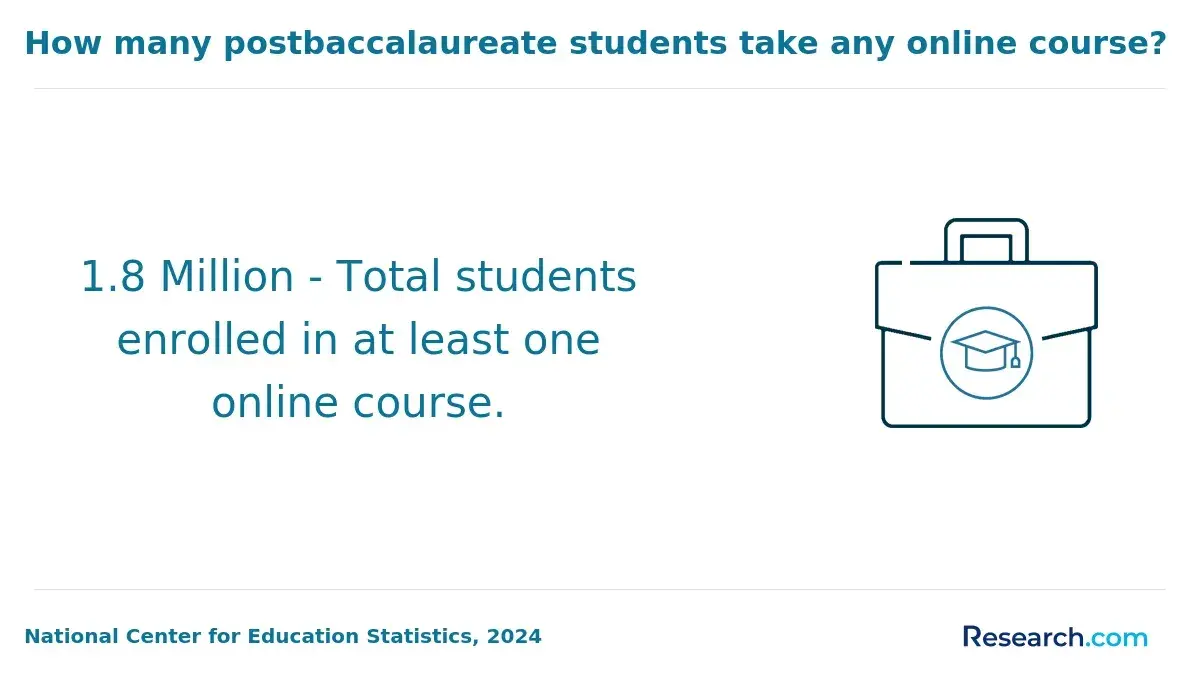
Many working professionals seek to advance their careers through a master's degree in secondary education but struggle to find programs that fit their schedules and financial constraints. According to the National Center for Education Statistics, enrollment in online graduate education programs increased by 20% over the past five years, reflecting growing demand among employed students.
However, selecting a quality online program requires careful evaluation of accreditation, curriculum, and flexibility. This article examines the top online secondary education master's programs for working professionals, focusing on key factors such as admission requirements, cost, career outcomes, and support services to guide informed enrollment decisions.
Key Things to Know About the Best Online Secondary Education Degree Master's Programs for Working Professionals
- Admission typically requires a bachelor's degree, relevant teaching experience, and letters of recommendation, with some programs favoring candidates holding active teaching licenses.
- Programs offer flexible structures such as asynchronous courses and part-time enrollment, ensuring compatibility with full-time employment and diverse learner schedules.
- Comparing programs involves assessing accreditation, tuition costs, faculty qualifications, career support, and alumni success to align choices with professional advancement goals.
What are the best online secondary education master's programs available for working professionals today?
Working professionals seeking the best accredited online master's in secondary education for career advancement benefit from programs that offer flexibility, quality instruction, and career-focused outcomes. The U.S. Bureau of Labor Statistics projects an 8% employment growth for high school teachers from 2022 to 2032, underscoring strong demand and competitive salaries in the field.
Below is a list of five nationally recognized online secondary education master's programs, highlighting key features appealing to working adults.
- University of Florida: Offers a fully online Master of Arts in Teaching with a focus on secondary education. The program combines synchronous and asynchronous learning, allowing flexible pacing for busy professionals. It is accredited by the Council for the Accreditation of Educator Preparation (CAEP) and supported by robust alumni networks.
- Texas A&M University-Commerce: Features an online Master of Education for certified teachers seeking advanced credentials. Minimal campus visits are required, with practicum options designed to fit working teachers' schedules. The program holds regional accreditation and maintains high graduation rates.
- University of Illinois Urbana-Champaign: Provides a Master of Education in Curriculum and Instruction with a concentration in secondary education. It emphasizes research-based curriculum and offers multiple financial aid options alongside competitive tuition rates, taught by experienced faculty.
- Liberty University: Delivers a 100% online Master of Education in Secondary Education with numerous start dates throughout the year. Tailored to working professionals, it allows specialization in various subject areas and carries NCATE accreditation suitable for national certification goals.
- Michigan State University: Presents an online Master of Arts in Teaching Secondary Education integrating flexible coursework with field experiences. The program prioritizes faculty interaction and career counseling services and meets state certification requirements nationwide.
The selection criteria focused on accreditation status, flexible delivery formats for working adults, comprehensive student support, and positive career outcomes reported by reputable educational ranking sources such as Peterson's and institutional websites.
These programs stand out by balancing academic rigor with practical considerations, making them ideal options for working professionals. For those interested in specialized credentials in related fields, resources like BCBA accredited programs online may also offer valuable opportunities for career growth within education.
What accreditation standards should an online secondary education master's program meet?
Accreditation is essential for credential recognition, employer acceptance, and eligibility for federal financial aid when pursuing an online Secondary Education master's degree. Regional accreditation for online Secondary Education master's degrees, such as from the Southern Association of Colleges and Schools Commission on Colleges (SACSCOC) or the Higher Learning Commission (HLC), assesses overall institutional quality.
Meanwhile, specialized programmatic accreditation focuses on the education curriculum itself. Employment for secondary school teachers is projected to grow 8% from 2022 to 2032, emphasizing the importance of valid credentials. Key considerations include:
- Regional vs. Programmatic Accreditation: Regional bodies like SACSCOC and HLC ensure institutional standards, while programmatic groups such as the Council for the Accreditation of Educator Preparation (CAEP) validate teaching programs.
- Credential Recognition: Accredited degrees are necessary for licensure and improving job prospects in education.
- Federal Financial Aid Eligibility: Only accredited programs qualify students for federal loans and grants.
- Verification Resources: Prospective students should confirm accreditation status through the U.S. Department of Education's database or the Council for Higher Education Accreditation (CHEA).
- Warning Signs of Diploma Mills: Watch for unusually low tuition, fast-track promises, and ambiguous accreditation to avoid unaccredited programs.
Those seeking the shortest path to a degree can explore EdD programs designed for working professionals aiming to advance without interruption.
What is the minimum GPA requirement for an online secondary education master's program?
For working professionals balancing their careers and education, knowing the typical GPA expectations for online Secondary Education master's programs helps in setting realistic goals and preparing strong applications. Nearly half of such programs emphasize a holistic review process, incorporating factors beyond GPA. Below are key points to consider when assessing GPA requirements and admission strategies.
- Typical GPA Thresholds: Most programs require a minimum cumulative GPA of around 3.0 on a 4.0 scale to demonstrate academic readiness for graduate study. This baseline ensures candidates can manage rigorous coursework but is not always absolute.
- Conditional Admission Options: Some institutions offer provisional acceptance for applicants with GPAs below the standard cutoff, contingent on completing extra courses or proving professional competence.
- Holistic Admissions Approach: Admissions committees weigh professional experience, letters of recommendation, and personal statements alongside GPA to gauge overall potential and fit for the program.
- Strategies to Strengthen Applications: Candidates with lower GPAs can bolster their profiles by taking post-baccalaureate courses or earning relevant credentials, showing dedication and skill development beyond undergraduate performance.
- Selective vs. Accessible Programs: Competitive programs generally require GPAs above 3.3, while more accessible ones accept candidates with GPAs as low as 2.75, especially when offset by strong professional backgrounds.
Reflecting on his journey, a graduate of a Secondary Education master's program shared how navigating GPA requirements felt daunting at first. He explained, "My undergraduate GPA was just below the typical 3.0 threshold, which made me hesitant to apply." However, by compiling strong recommendations and highlighting years of classroom experience, he was granted conditional admission.
"The provisional status motivated me to excel in my first courses and prove my abilities," he added. This experience boosted his confidence and career prospects, illustrating that with the right approach, professionals can overcome GPA hurdles to achieve meaningful advancement.
What prerequisites and prior educational background are required for an online secondary education master's program?
Working professionals exploring online secondary education master's programs should carefully consider their prior educational background and academic prerequisites to determine readiness for admission and program success. Verifying these criteria also helps in identifying if additional coursework or bridge options are needed to meet program standards. Below is a checklist outlining common requirements and alternatives to align with such programs.
- Undergraduate Degree Requirement: Most programs mandate a bachelor's degree, frequently in education or related fields such as English, math, science, or social studies. Degrees from other disciplines might be accepted if supplemented by relevant foundational courses.
- Foundational Coursework: Applicants are generally expected to have completed key courses in pedagogy, child development, or subject-specific areas tied to secondary education. Those lacking these courses may need to enroll in bridge or leveling classes before or during the master's curriculum.
- Professional Experience: Some programs, especially those designed for working professionals, consider teaching or educational experience as a valuable substitute or supplement to formal academic prerequisites, enhancing practical understanding and readiness.
- Certification or Licensure: While not universally required at admission, holding initial teaching licenses or certifications can strengthen applications and are often essential for licensure-track pathways.
- Bridge or Leveling Options: An increasing number of programs offer pre-master's or leveling courses that enable candidates from adjacent or unrelated disciplines to gain the necessary knowledge to transition smoothly into secondary education master's studies.
Applicants evaluating their qualifications should compare their academic and professional history against these points. For individuals needing to fulfill undergraduate requirements or foundational coursework, finding an affordable path to completion is key. Exploring options for the cheapest online bachelors degree may provide a strategic step to meet prerequisites without excessive cost, supporting timely enrollment in a degree-aligned secondary education master's program.
What does the curriculum of an online secondary education master's program look like for working professionals?
Working professionals considering an online secondary education master's program should examine how the curriculum balances academic rigor with flexibility. This section outlines common curricular features that help candidates determine how well a program fits their schedules and career goals.
Key curricular elements to review include the following:
- Core Courses: Programs usually require foundational classes in adolescent development, curriculum design, instructional strategies, assessment, and educational technology. These build a comprehensive understanding essential for secondary education roles.
- Elective Tracks: Many degrees allow specialization in areas like STEM education, literacy, special education, or educational leadership, enabling students to customize their learning to match professional objectives.
- Flexible Scheduling: To accommodate work commitments, course delivery often includes modular 8-week terms, weekend intensives, or fully asynchronous formats. This structure supports steady progress without compromising depth or quality.
- Practicums and Internships: Hands-on experiences embedded within programs are typically arranged near students' locations. These components provide practical training in real classrooms and connect theory to practice.
- Capstone and Thesis Options: Students can choose to complete a capstone project addressing practical challenges or undertake original research through a thesis, depending on the program's design and career focus.
- Competency-Based vs. Credit-Hour Models: Competency-based education allows self-paced skill mastery suited for independent, motivated learners. Credit-hour systems follow a scheduled timeline ideal for those preferring structured coursework.
- Curriculum Fit: Reviewing sample syllabi and consulting with academic advisors is crucial to ensure alignment with individual career aims and licensure requirements.
A graduate I spoke with reflected on the program's design as a key advantage amid a busy life. Managing full-time teaching while studying was challenging, but the availability of weekend classes and asynchronous sessions "made it possible to keep moving forward without burnout."
They appreciated the practicum arranged locally, which saved commuting time and allowed immediate application of new skills. "It wasn't easy," the alum admitted, "but the tailored curriculum and flexible pacing really helped me stay on track and reach my goals."
How long does it take to complete an online secondary education master's degree?
The duration to finish an online Secondary Education master's degree varies based on enrollment status and program format, generally ranging from under 12 months to around three years. Full-time students typically complete their degree between 12 and 18 months, whereas part-time learners often take 2 to 3 years, accommodating work and other responsibilities.
Accelerated tracks, available at some institutions, allow highly motivated students to finish in less than a year by increasing course loads and utilizing intensive sessions. Around 30% of education graduate students attend part-time, highlighting the need for flexible pacing options.
Several factors can shorten or extend the timeline to graduation. Below are the key considerations for working professionals planning their academic journey:
- Credit Transfer and Prior Learning Assessment: Transferring eligible credits from previous coursework or leveraging prior professional experience through assessments can significantly reduce the number of required classes, hastening degree completion.
- Dual-Enrollment Opportunities: Some programs allow enrollment in graduate courses while finishing undergraduate requirements, effectively overlapping credits to save time.
- Work-Life Balance Challenges: Balancing a job, family, and studies often leads to slower progress, especially if unexpected work demands arise, causing students to reduce course loads or pause enrollment.
- Financial Interruptions: Changes in funding or eligibility for financial aid can delay enrollment continuity, making it essential to plan finances ahead to avoid gaps.
- Changing Program Requirements: Updates in curriculum or the need to complete additional projects like theses or practicums may extend the overall length of study if not anticipated in advance.
Planning a realistic timeline involves regularly consulting academic advisors, setting manageable credit goals per term, and aligning coursework with career schedules to maintain steady progress without overwhelming personal commitments.
How much does an online secondary education master's program cost and what are the total expenses for working professionals?
Costs for online Secondary Education master's programs for working professionals vary considerably among institutions, but many charge between $400 and $700 per credit hour. Total tuition typically ranges from $15,000 to $30,000 depending on program length and credit requirements.
To better understand and compare costs, prospective students should use resources like the College Scorecard and individual universities' Net Price Calculators. These help estimate not only tuition but also total out-of-pocket expenses after financial aid, making it easier to identify programs that align with both financial and career goals. Key cost considerations are summarized below:
- Per-Credit Costs: Most online master's programs charge between $400 and $700 per credit hour, influencing overall tuition depending on required credits.
- Total Tuition Range: Total program costs often fall between $15,000 and $30,000, varying by credit load and program length.
- Residency and Tuition Structures: Many programs now use flat-rate tuition irrespective of residency to simplify pricing, though some still differentiate between in-state and out-of-state students.
- Mandatory Fees: Additional costs such as technology fees, thesis or graduation fees, and campus residency requirements can add to total expenses.
- Indirect Expenses: Books, software subscriptions, professional memberships, and licensure exam fees often add significant costs that students should anticipate.
- Financial Aid Tools: Using trusted calculators like the College Scorecard and Net Price Calculators helps estimate realistic total expenses and financial aid impact.
For working professionals seeking accessible options, exploring the easiest MSW online program may offer insight into flexible program criteria, which can be relevant when comparing online Secondary Education master's degree options as well.
What financial aid, scholarships, and employer tuition benefits are available for online secondary education master's programs?
Securing financial support is a crucial step for working professionals pursuing an online secondary education master's degree. Exploring funding options can ease the burden of tuition costs while balancing employment. Below are key avenues to consider for financial aid and tuition assistance.
- Federal Loan Programs: Graduate students commonly access Direct Unsubsidized Loans and Graduate PLUS Loans through the Free Application for Federal Student Aid (FAFSA). Completing the FAFSA requires reporting income and assets, and must be renewed each year to maintain eligibility for aid.
- Scholarships and Fellowships: Targeted awards for secondary education candidates are available via established databases like Fastweb and Scholarships.com, as well as through professional education organizations. Eligibility often depends on enrollment in accredited programs and demonstrated commitment to teaching, with awards ranging from $1,000 to over $5,000 annually and deadlines varying by source.
- Employer Tuition Reimbursement: Many professionals benefit from tuition support offered by employers. Negotiating these benefits involves understanding company policies, aligning class schedules with reimbursement timelines, and sometimes agreeing to continued employment after graduation. Employers often fund partial or full tuition for coursework related to employees' job roles.
- Graduate Assistantships and Fellowships: Though less common for online learners, some programs offer assistantships or fellowships that provide stipends or tuition discounts in exchange for research, teaching, or administrative tasks. These opportunities can supplement funding for eligible students.
How do online secondary education master's programs support working professionals through flexible scheduling and delivery formats?
Balancing professional responsibilities with graduate study demands flexible program structures. Online secondary education master's programs often tailor their course delivery to accommodate the unpredictable schedules of working adults. Evaluating the variety of scheduling and instructional models can help prospective students find an option that fits their personal and career commitments.
These key features demonstrate intentional design for professionals managing multiple priorities:
- Synchronous and Asynchronous Formats: Asynchronous courses provide access to materials and assignments at any time, offering maximum flexibility for irregular work hours. In contrast, synchronous sessions take place live, often scheduled during evenings or weekends, enabling real-time interaction without interfering with daytime employment.
- Hybrid and Cohort-Based Models: Hybrid programs combine mostly online coursework with occasional in-person meetings, facilitating valuable networking while reducing campus visits. Cohort-based structures foster peer support by progressing through program milestones alongside a consistent group, ideal for those seeking community and accountability.
- Dedicated Support for Working Adults: Programs aimed at non-traditional learners frequently include academic advisors, peer mentors, and staff who specialize in helping students juggle career demands alongside academic work, enhancing persistence and success.
- Mobile-Optimized Learning Platforms: Access to intuitive, mobile-friendly learning management systems allows learners to study during commutes or breaks. Recorded lectures and on-demand resources ensure studying can flexibly fit around professional schedules.
- Evening and Weekend Course Offerings: Scheduling classes outside regular business hours helps students maintain employment while progressing through their degrees, reflecting program sensitivity to work-life balance.
- Trial Access to Learning Systems: Many programs encourage prospective students to participate in open houses or demo sessions to test the online platform beforehand, helping confirm the technology aligns with individual learning styles and logistical needs.
What technology, tools, and technical requirements are needed for an online secondary education master's program?
Working professionals pursuing an online Secondary Education master's degree should ensure their technology meets program requirements to avoid interruptions in coursework. Preparing in advance can streamline access to learning platforms, video lectures, and interactive assignments.
- Hardware Requirements: A reliable computer with at least an Intel i5 or equivalent processor, 8 GB of RAM, and enough storage to run course software smoothly is typically required for optimal performance in these programs.
- Operating Systems: Most programs recommend using Windows 10 or later versions and macOS 10.13 or newer to ensure compatibility with academic software and tools.
- Internet Speed: A stable high-speed internet connection of at least 10 Mbps is essential for streaming live lectures, accessing video content, and submitting assignments without lag or disruption.
- Specialized Software: Students may need learning management systems such as Blackboard or Canvas, video conferencing tools like Zoom, and occasionally specialized simulation or educational software relevant to Secondary Education pedagogy. While LMS and conferencing tools are often provided, professional software licenses might require independent purchase.
- Accessibility: Online programs adhere to ADA compliance by supporting assistive technologies such as screen readers and captioned videos, ensuring inclusivity for students with disabilities.
- Technology Readiness Assessment: Prospective learners should complete a self-assessment checklist to verify if their current setup fits program specifications and to identify any necessary upgrades before enrollment.
For detailed data on accreditation standards and program features, explore the most popular online colleges that offer top-rated Secondary Education master's programs tailored for working professionals seeking the best technology requirements for online Secondary Education master's programs and essential technical tools for working professionals in online Secondary Education master's degrees.
What career outcomes and salary expectations follow an online secondary education master's degree for working professionals?
For working professionals, understanding career outcomes after earning an online secondary education master's degree is essential to evaluating the return on investment. This section highlights key findings from salary surveys by the U.S. Bureau of Labor Statistics, professional organizations, and institutional reports to help inform decision-making.
- Salary Growth Potential: Individuals with a master's degree in secondary education often experience salary increases ranging from 15% to 20% compared to those with only a bachelor's degree. These gains reflect enhanced qualifications recognized in hiring and compensation.
- Advancement Opportunities: Graduates commonly move into higher-level roles such as department chairs, curriculum developers, or instructional coordinators. The degree frequently serves as a catalyst for upward mobility within educational settings.
- Impact on Job Titles and Negotiation: Earning this advanced credential typically strengthens candidates' ability to negotiate salary and secure more prestigious titles, leveraging formal recognition of their expertise.
- Career Path Variations: For those continuing as classroom educators, the degree primarily supports advancement in teaching-related positions. Conversely, professionals pivoting toward administration or education policy may encounter diverse salary outcomes influenced by sector and role specifics.
- Requesting Program-Specific Data: Prospective students are encouraged to obtain detailed employment statistics from admissions representatives. Crucial metrics include graduate employment rates, median entry-level salaries, and a listing of top employers hiring program alumni, offering insight into practical career trajectories.
What Graduates Say About Getting Accepted in Online Secondary Education Degree Master's Programs for Working Professionals
- Erin: "Applying for admission to the secondary education master's program was initially daunting, especially while balancing my full-time job. However, the flexibility offered by the online format made it manageable, allowing me to progress at my own pace. I'm grateful I took the time to explore accredited institutions carefully, as it ensured the quality of my education throughout the journey."
- Katie: "Navigating through the landscape of accredited institutions offering online secondary education master's programs designed for working professionals was a challenge, but an essential step. I relied heavily on official academic catalogs and accrediting agencies to compare options and understand degree requirements clearly. This research made me more confident in my choice and helped me stay organized and focused during my studies."
- Joanne: "My journey through the online secondary education master's degree was shaped by a professional approach to gathering accurate information from federal education resources and academic catalogs. Understanding how to handle these requirements upfront saved me both time and stress later on. Reflecting back, I appreciate how this preparation empowered me to complete my degree efficiently while working full time."
Other Things You Should Know About Secondary Education Degrees
Online secondary education master's programs in 2027 are increasingly comparable to on-campus programs. They often have similar curricula, experienced faculty, and rigorous standards. Employers recognize the flexibility and capability of online graduates, valuing them for their ability to balance work, study, and personal obligations effectively.
In 2027, the top online secondary education master's programs for working professionals offer flexible scheduling, robust support services, and interactive learning platforms. They are designed to balance work and study, providing innovative resources and networking opportunities to enhance professional growth.
Online programs commonly offer comprehensive support services such as academic advising, career counseling, and technical assistance. Many institutions provide online libraries, tutoring, and platforms for peer collaboration to enrich the learning experience. These resources are critical in helping working professionals balance their education with job responsibilities effectively.
References
- Secondary Education Alternative Master's | University of Montevallo https://www.montevallo.edu/grad-programs/secondary-education/
- Online Master’s Degrees in Secondary Education: Review Top Schools https://www.onlinemastersdegrees.org/best-programs/education/secondary-education/
- Benefits of Earning a Master of Education Degree https://www.mountunion.edu/academics/graduate-degrees/med-program/benefits-of-earning-an-med
- Master’s in Education Requirements https://www.ndnu.edu/articles/education/masters-in-education-requirements.html
- Standards for Accreditation and Requirements of Affiliation | Fourteenth Edition - Middle States Commission on Higher Education https://www.msche.org/standards/fourteenth-edition/
- Master of Arts in Teaching with a concentration in Secondary Education https://online.wpunj.edu/degrees/education/mat/secondary-edu/
- Master of Education in Secondary School Education | Worcester State University https://www.worcester.edu/programs/master-of-education-in-secondary-education/
- Masters in Secondary Education Online | IWU https://www.indwes.edu/program/ms-secondary-teaching/
- The Benefits of Online Graduate Education for Working Professionals and Recent Graduates https://www.lincolnu.edu/news/2024/10/benefits-online-graduate-education.html
- Accreditation Standards and Procedures - Canadian Association of Programs in Public Administration https://cappa.ca/en/what-we-do/accreditation/standards-and-procedures/