2027 No-Exam Online Secondary Education Master's Degrees: Schools, Costs & Outcomes

Co-Founder and Chief Data Scientist
Many experienced teachers face the challenge of advancing their careers without the time or resources for standardized exams required by traditional graduate programs. This barrier often delays progress or deters potential candidates entirely. Online no-exam master's degrees in secondary education offer a practical alternative to earn advanced credentials while maintaining flexibility.
Recent data reveals that enrollment in online Secondary Education master's programs has grown by over 35% in the past five years, highlighting their rising popularity among educators seeking convenient advancement options. This article examines top schools, tuition costs, and career outcomes to guide readers in selecting the best no-exam online Secondary Education master's program.
Key Benefits of No-Exam Online Secondary Education Master's Degrees
- Many accredited universities offer no-exam online secondary education master's degrees, providing flexible admissions for working professionals without standardized test requirements.
- Programs typically cost 20-40% less than traditional degrees, reducing financial barriers while maintaining quality curriculum and faculty expertise.
- Graduates report a 15% average salary increase and faster career advancement, reflecting strong employer recognition of online secondary education credentials.
Why do some online secondary education master's programs eliminate admission exams?
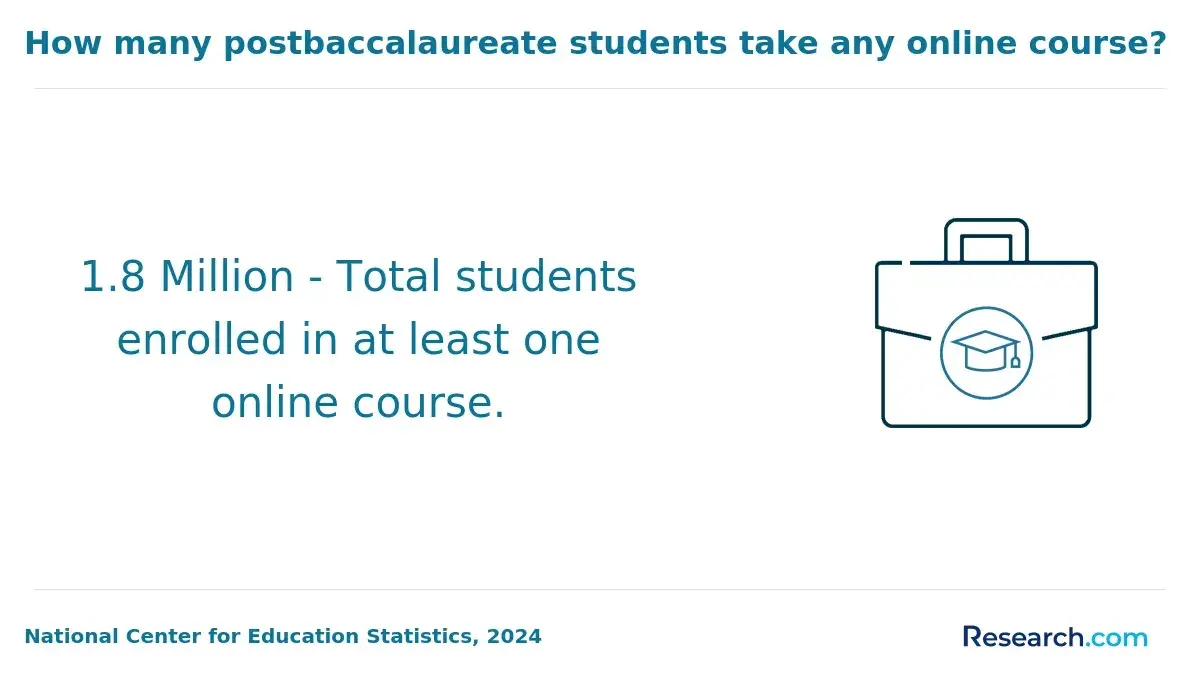
Online graduate admissions are increasingly moving toward waiving standardized tests, with recent data showing that over 60% of online master's programs no longer require exams such as the GRE. This broader shift aims to make graduate study more accessible and better aligned with the realities of working professionals. Key reasons why many online secondary education master's programs eliminate admission exams include:
- Access and Equity: Removing exams broadens opportunities for applicants who face financial or logistical barriers, promoting a more diverse student population.
- Holistic Admissions: Programs focus on academic records, professional experience, and personal statements, which often better predict graduate success than test scores.
- Reduced Stress and Cost: Skipping exams helps decrease application expenses and alleviates pressure, making advanced degrees more attainable for working educators.
- Alignment With Online Learning: Flexible, learner-centered admissions suit digital education formats that emphasize relevant skills over traditional testing.
These factors contribute significantly to the benefits of no-exam online secondary education master's programs, creating smoother pathways for educational advancement. For those exploring options, reviewing tuition costs and career outcomes remains important. Additionally, prospective students may want to investigate related fields through resources such as online speech pathology programs, which also often embrace test-optional approaches.
How do you compare schools offering no-test online secondary education graduate programs?
While the absence of an entrance exam in no-test online secondary education master's degree programs can broaden access, prospective students should consider multiple academic and career-related factors when comparing schools. Research indicates that graduates from accredited online education programs tend to have employment outcomes comparable to those from traditional settings, underscoring accreditation's importance.
To better evaluate no-test secondary education master's programs online, it's essential to examine key elements that influence program quality and career readiness.
- Accreditation: This ensures the program meets rigorous academic standards and is recognized by employers and licensure boards, solidifying the degree's credibility.
- Tuition and Fees: Understanding the full cost helps prospective students assess affordability and the potential return on investment for their education.
- Curriculum Quality: Programs that align with current secondary education standards and teaching practices provide comprehensive preparation for classroom success.
- Faculty Expertise: Experienced faculty with backgrounds in secondary education enhance learning through real-world insights and valuable professional networks.
- Career Support Services: Strong job placement assistance, licensure preparation, and professional development resources contribute to better career outcomes after graduation.
For those exploring online degree options, reviewing the cheapest online EdD programs can provide insight into cost-efficient pathways that maintain program quality while addressing budget concerns related to secondary education graduate studies.
What are the admission requirements for no-exam online secondary education master's programs?
No-exam online secondary education master's programs waive standardized test requirements but uphold strict academic and professional eligibility requirements to ensure candidate preparedness. These programs often require applicants to demonstrate solid foundational knowledge and relevant experience.
Admissions committees rely on a comprehensive review process covering several key areas. Below are important components typically assessed for no-exam admission criteria for online secondary education master's programs:
- Bachelor's Degree Requirement: Applicants must hold a bachelor's degree from an accredited institution, confirming essential academic qualifications. Many programs also look for a minimum GPA, usually around 3.0, as a benchmark for academic performance.
- Professional Experience: Experience in teaching or educational settings is frequently required or recommended. This practical background helps schools assess an applicant's readiness for graduate-level coursework and real-world application.
- Letters of Recommendation: These provide insights into an applicant's skills, commitment, and potential for success. Recommendations typically come from academic mentors or supervisors familiar with the candidate's work.
- Personal Statement or Essay: This narrative allows candidates to explain their goals, motivations, and fit with program values, offering a qualitative perspective in the absence of exam scores.
- Resume or Portfolio Submission: A current resume or portfolio highlights relevant achievements, certifications, and professional development projects that support eligibility requirements for online secondary education master's programs.
- Additional Admission Criteria: Some programs request background checks or verification of teaching licensure to align with professional standards and ensure student suitability.
For those interested in accelerating educational pathways, exploring options such as 2 year accelerated bachelor degrees can complement graduate studies in secondary education.
What is the average tuition for no-exam online secondary education master's degrees?
Removing entrance exams from online secondary education master's programs generally has little impact on tuition rates, as fees are mostly determined by credit requirements and the institution's pricing model. Across the U.S., tuition per credit hour commonly falls between $300 and $800, with total program costs often ranging from $9,000 to nearly $29,000. Several factors contribute to understanding these costs effectively.
- Cost Per Credit: Programs typically bill per credit, and master's degrees in this field require between 30 and 36 credits, making the per-credit price a major cost driver.
- Total Program Cost: The overall expense varies widely based on credit load and rate, from affordable public options to pricier private schools.
- Public vs. Private Pricing: Public institutions usually offer lower tuition, especially for residents, while private universities may charge flat or higher fees for all students regardless of location.
- In-State vs. Out-of-State Tuition: Public schools often impose higher tuition for non-resident students, which can substantially increase total costs for those living outside the institution's state.
- International Student Rates: Fees for international enrollees tend to be similar to out-of-state rates, sometimes with added surcharges reflecting administrative expenses.
- Additional Fees: Beyond tuition, students might encounter mandatory charges like technology fees, registration costs, or other online program-specific expenses that affect the final bill.
When I spoke with a graduate who completed an online secondary education master's without entrance exams, he shared how budgeting was a balancing act. "Though tuition was predictable, unexpected fees sometimes popped up, like course material charges or technology access fees," he explained.
He appreciated not having to worry about entrance exams but emphasized the importance of carefully reviewing all cost components before enrolling. "Knowing the full financial picture upfront helped me avoid surprises and stay focused on finishing my degree."
Can you get financial aid for no-exam online secondary education master's programs?
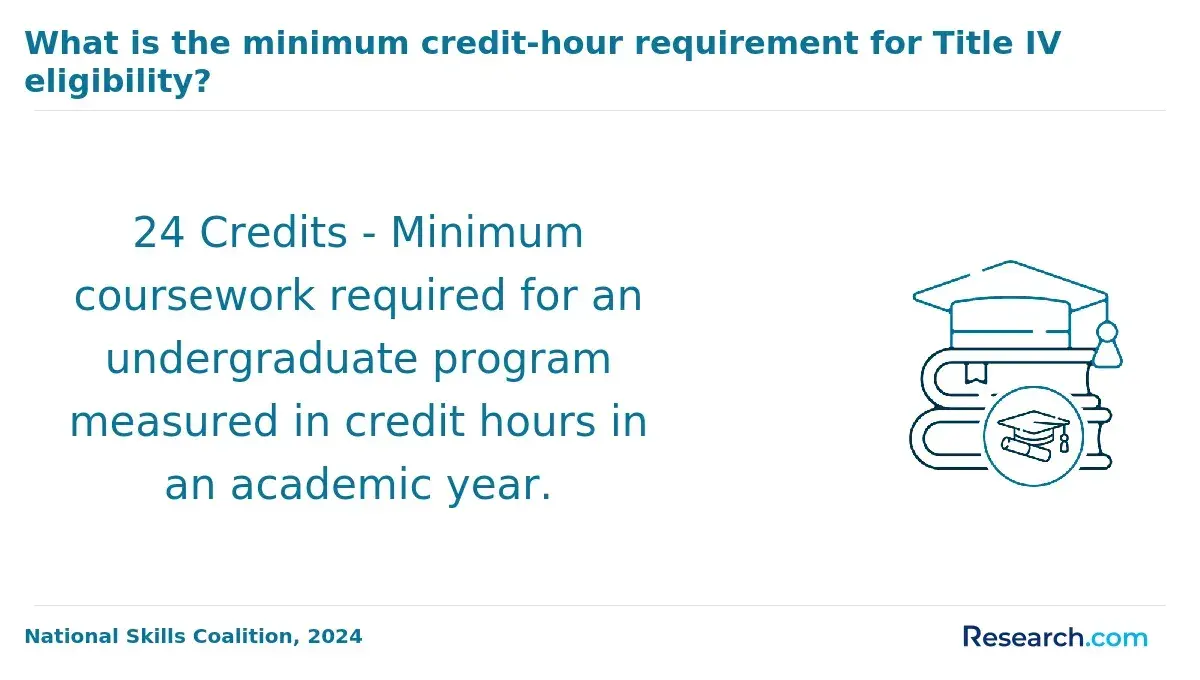
Admission exams generally do not impact eligibility for federal or institutional financial aid for students in no-exam online secondary education master's programs. Around 60% of graduate students benefit from some form of financial assistance, with federal loans averaging approximately $20,500 per year. Below are key financial aid options available to these students:
- Federal Student Loans: Accessible to most graduate students regardless of entrance exam requirements, providing substantial borrowing limits to support tuition and living expenses.
- Graduate Scholarships: Offered by universities or private entities based on factors such as academic performance, financial need, or enrollment in specific secondary education programs.
- Employer Tuition Assistance: Many professionals receive partial or full tuition reimbursement as part of their employer's benefits, aiding continuing education without upfront costs.
- Institutional Grants: Some academic institutions award grant funding independent of federal aid, helping to reduce overall expenses for online master's candidates.
Students pursuing no-exam online secondary education degrees should apply for federal aid via FAFSA and also research institution-specific scholarships and grants to maximize financial support options.
How long does it take to complete a no-exam online secondary education master's degree?
Removing admission exams from no-exam online secondary education master's degree programs does not usually alter their overall length, which largely depends on the total credit hours required, enrollment status, and course delivery format. Typically, these programs ask for around 30 to 36 credit hours, translating to approximately two years of full-time study.
The following highlights some primary factors that influence how long it takes to finish these degrees.
- Full-Time vs. Part-Time Enrollment: Full-time students generally finish within two years, while part-time students often extend their studies over three to five years, balancing coursework with jobs or family commitments.
- Accelerated Course Options: Some programs offer faster tracks through shorter terms or summer classes, enabling motivated students to complete requirements in less time.
- Transfer Credit Opportunities: Students bringing in graduate-level credits can usually reduce their coursework, potentially shortening their time to degree completion by several months or more.
- Capstone or Thesis Requirements: Projects requiring significant research or a thesis may extend the timeline, as these elements demand critical thinking and individualized completion schedules.
When asking a professional who completed a no-exam online secondary education master's degree about her timeline, she shared that juggling work and family meant she chose part-time enrollment, stretching the program closer to four years. She noted that while some courses fit well into her schedule, the capstone required careful planning and pushed her final submission beyond her original expectations.
"It was challenging but rewarding," she explained, emphasizing that the flexible format allowed her to stay engaged without overwhelming her daily responsibilities. "In the end, the time invested matched the quality of learning and professional growth I achieved."
What courses are included in a no-exam secondary education master's curriculum?
Waiving entrance exams in no-exam online secondary education master's programs does not affect the academic rigor or curriculum content of the program. Typically, these programs require around 30 to 36 credit hours, divided between core and elective courses to ensure comprehensive graduate-level training. The typical curriculum components include the following key elements:
- Core Courses: These cover foundational subjects such as adolescent development, educational psychology, curriculum design, and instructional strategies, providing essential knowledge on how secondary students learn and how teachers can support diverse learners.
- Elective Options: Students may choose from electives like classroom technology integration, classroom management, multicultural education, and special education strategies, allowing for customization aligned with career goals.
- Capstone or Applied Project: This requirement involves hands-on work like developing curriculum plans, conducting classroom research, or creating instructional materials to demonstrate practical, graduate-level skills.
- Specialization Tracks: Many programs offer specializations such as STEM education, English language arts, or social studies, preparing graduates for subject-specific certification or leadership roles within their discipline.
The core subjects in secondary education master's programs online emphasize equipping candidates with knowledge and skills tailored to teaching adolescents effectively. Elective courses enhance this foundation by addressing contemporary educational challenges and technologies. For working professionals seeking flexible options, no-exam pathways offer access to these comprehensive curriculum courses without the barrier of entrance exams.
Those interested in pursuing advanced degrees in education might also explore options beyond education, such as an online psychology degree cheap, to complement their understanding of learner behavior and development.
Do employers care if your secondary education master's degree has no entrance exam?
Employers generally place more emphasis on a candidate's skills and credentials than on whether their secondary education master's degree required an entrance exam. Research suggests that approximately 68% of employers prioritize the reputation and accreditation of graduate programs over standardized test requirements during admissions.
This shift reflects a broader focus on practical abilities and professional experience. Key factors shaping employer perception include:
- Accreditation: Employers value degrees from regionally or nationally accredited institutions as a benchmark of quality and rigor, regardless of entrance exam policies.
- Program Reputation: Graduates from well-known programs, even those without entrance exams, benefit from the perceived strength of the curriculum and faculty expertise.
- Professional Experience: Demonstrated work history in education or leadership positions often strengthens a graduate's appeal and readiness to contribute effectively in academic settings.
- Demonstrated Skills: Candidates who successfully showcase relevant teaching, management, or research skills tend to stand out more than those with only exam-based qualifications.
Salary outcomes for online secondary education master's graduates without entrance exams frequently align with those from traditional programs when combined with strong experience. For prospective students comparing schools and tuition costs, focusing on accredited programs with solid reputations is advisable to enhance career prospects. Explore more about advanced degrees in education and related fields, such as PsyD programs, to understand how graduate credentials impact employment and salary outcomes.
What jobs can you get with a no-exam online secondary education master's degree?
Earning a no-exam or test-optional master's degree in secondary education opens doors to the same professional opportunities as traditional programs, offering competitive salaries and steady job growth. According to the U.S. Bureau of Labor Statistics, the median annual salary for secondary school teachers is approximately $62,870, with a projected job growth rate of 4% from 2022 to 2032. Here are some common career paths available to graduates:
- Secondary School Teacher: Delivers subject-specific instruction to students in grades 6-12, develops lesson plans, and evaluates student progress. The degree equips teachers with advanced pedagogical methods and classroom management skills essential for effective teaching.
- Curriculum Developer: Designs and updates educational materials and programs to enhance student learning. Graduates use their expertise to align curricula with educational standards and integrate innovative teaching strategies.
- Educational Consultant: Advises schools and districts on instructional practices, policy implementation, and teacher training. This role benefits from knowledge gained in the master's program about diverse learning needs and educational trends.
- Instructional Coordinator: Oversees curriculum standards and teaching quality, often integrating technology to improve outcomes. The degree prepares graduates to analyze data and support professional development for educators.
- School Administrator: Manages school operations, faculty relations, and policy execution. The program supports leadership skills and knowledge of educational law essential for administrative roles.
What is the average salary after earning a no-exam online secondary education master's degree?
Graduating from a test-optional or no-exam secondary education master's program generally results in salary prospects similar to those of traditional degree holders. For example, the median annual wage for high school teachers, a typical role for these graduates, was approximately $63,000 in 2023. Several elements contribute to variations in salary outcomes, outlined below.
- Geographic Location: Salaries often increase in urban regions or states with higher living expenses, reflecting local economic conditions.
- Experience Level: Teachers with more years in the profession usually receive higher pay through incremental raises or longevity incentives.
- School District Funding: Wealthier districts with substantial budgets can offer more competitive salaries and enhanced benefits.
- Certifications and Endorsements: Additional credentials beyond the master's degree can lead to salary supplements and specialized opportunities.
- Degree Requirements: Certain districts require or give additional compensation for master's degrees, whether earned via exam-based or no-exam programs, influencing overall pay.
Completing a no-exam secondary education master's degree does not inherently restrict earning potential and can effectively position graduates for rewarding careers in education.
What Graduates Say About Their No-Exam Online Secondary Education Master's Degrees
- Antonella: "Choosing the right no-exam online secondary education master's program was a challenge, but I prioritized accredited schools with strong reputations. The affordability really stood out compared to traditional programs, making it manageable alongside my job. Now, I'm seeing real progress in my teaching career, thanks to the flexible learning that fit my schedule perfectly."
- Russelle: "The cost-effectiveness of no-exam online secondary education master's degrees was a major factor for me-being able to complete the degree without extra fees for exams saved a lot. Reflecting on my experience, the streamlined admissions and coursework meant I could focus on acquiring practical skills. This degree has opened doors to leadership roles I previously didn't think were possible."
- Aaron: "I approached my no-exam online secondary education master's program with a professional mindset, carefully weighing schools that provided strong support and relevant curriculum. The reduced need for in-person testing lowered overall expenses and stress. Completing the program advanced my expertise and credibility, which translated into immediate job offers in diverse school settings."
Other Things You Should Know About Secondary Education Degrees
Recognition by state certification boards requires these programs to meet specific accreditation standards set by educational accrediting bodies like CAEP. They should also align with state teaching requirements, which may vary. Research each state's unique needs and ensure the program's accreditation is accepted.
Completing a no-exam online master's degree in secondary education can help enhance teaching skills through advanced coursework in curriculum design, classroom management, and subject-specific pedagogy. These programs often emphasize practical applications and modern educational strategies suitable for diverse classroom settings. While they may not require entrance exams, they maintain rigorous academic standards to promote professional growth.
Many no-exam online secondary education master's programs include practicum or student-teaching components, either virtually or in-person, to meet licensure requirements. These hands-on experiences are critical for applying theoretical knowledge and gaining classroom experience. Students typically arrange placements in their local school districts with guidance from program advisors.
A no-exam online secondary education master's degree in 2027 offers flexibility and accessibility for working professionals. It enhances expertise in curriculum design and student engagement, supporting career advancement while allowing learners to balance personal and professional commitments efficiently.
References
- SSPH+ | Removing the Graduate Record Examination as an Admissions Requirement Does Not Impact Student Success https://www.ssph-journal.org/journals/public-health-reviews/articles/10.3389/phrs.2022.1605023/full
- How to Pay for Grad School Without Breaking the Bank - Graduate Programs for Educators https://www.graduateprogram.org/blog/how-to-pay-for-grad-school-without-breaking-the-bank/
- Online Tuition-Free Master’s Degree in Education (M.Ed.) https://www.uopeople.edu/programs/online-masters/education/
- Most Affordable Online Master’s in Education for 2025 https://www.onlinemastersdegrees.org/most-affordable/education-programs/
- The Benefits of Online Learning | Earn a Graduate Degree Online https://www.tuw.edu/school-news/benefits-of-online-learning-graduate-degree/
- Five Reasons to Stop Giving Exams in Class https://www.facultyfocus.com/articles/educational-assessment/five-reasons-to-stop-giving-exams-in-class/
- Masters of Education Degree | Secondary Education Degree | University of Phoenix https://www.phoenix.edu/online-education-degrees/secondary-teacher-education-masters-degree.html
- 4 Factors to Consider when Choosing an Online Degree Program https://www.indwes.edu/articles/2023/01/4-factors-to-consider-when-choosing-an-online-degree-program
- 8 criteria to compare online high schools https://www.uctonlinehighschool.com/blog/8-criteria-to-compare-online-high-schools