
2027 How to Become an Instructional Designer: Education, Salary, and Job Outlook

Co-Founder and Chief Data Scientist
Instructional design is a career for people who want to improve how others learn—whether that means building employee training, online college courses, software tutorials, compliance programs, or patient education materials. The work sits at the intersection of education, technology, writing, project management, and user experience.
If you are considering this path, the central question is not simply whether you need a degree. Employers usually evaluate instructional designers by looking at three things together: relevant education, proof that you can design effective learning experiences, and fluency with the tools used to deliver digital instruction.
This guide explains the credentials, skills, career path, salary expectations, internship options, advancement strategies, work settings, challenges, and fit factors that matter when deciding whether instructional design is the right career move.
What are the benefits of becoming an instructional designer?
- The instructional design field expects a 9% job growth from 2020 to 2030, reflecting steady demand for learning development expertise.
- Average salary for instructional designers in the US ranges from $60,000 to $80,000 annually, depending on experience and location.
- Career benefits include remote work opportunities, involvement in diverse industries, and potential for advancement with specialized training or certification.
What credentials do you need to become an instructional designer?
Most instructional designer jobs do not require a state-issued license in the United States. Instead, employers set their own requirements based on the role, industry, and level of responsibility. For planning purposes, the instructional design certification requirements in the United States and the educational qualifications for instructional designer jobs in 2025 usually center on formal education, applied experience, tool proficiency, and a portfolio.
Common credentials employers look for
- Bachelor's degree: A bachelor's degree is commonly the minimum credential for entry-level roles. Helpful majors include education, instructional design, instructional technology, psychology, communication, or a related field. The degree signals that you can research, write clearly, organize information, and think critically about learning needs.
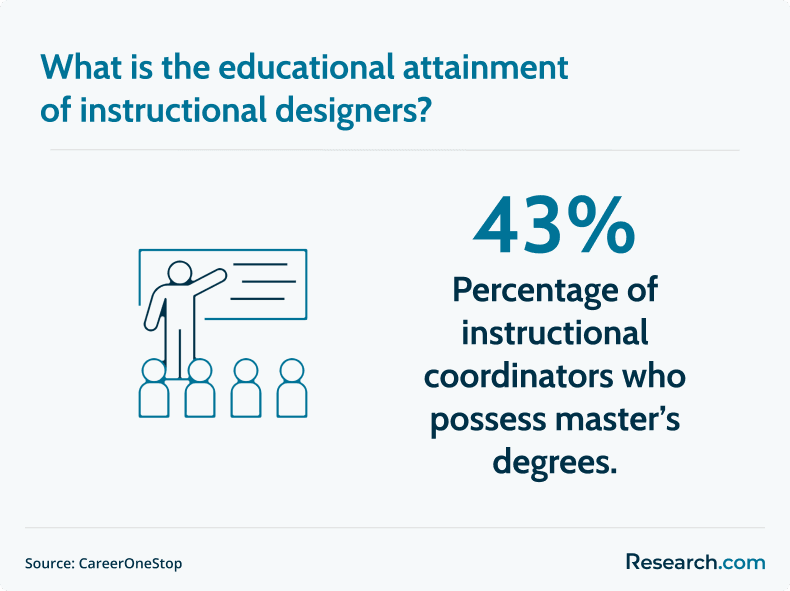
- Master's degree: A master's degree is not always required, but it can strengthen your candidacy for higher education roles, leadership positions, and jobs involving curriculum strategy or program evaluation. Graduate options may include an MSE in Curriculum and Instruction or a related program focused on learning theory, assessment, educational technology, and instructional systems design.
- Certificates and certifications: Shorter programs can help career changers and early-career professionals build job-ready skills. A Professional Certificate in Instructional Design, for example, may provide focused training in course design, storyboarding, authoring tools, and evaluation. If you are comparing quick credential options, review programs carefully and consider this guide to the highest paying 6 month certifications.
- Experience: Employers want evidence that you can turn a learning problem into a usable solution. Internships, teaching experience, freelance projects, volunteer training materials, and workplace learning projects can all help you build that evidence.
- Technical skills: Many job descriptions expect familiarity with eLearning authoring tools such as Articulate Storyline and Adobe Captivate, as well as learning management systems. These skills show that you can move beyond theory and produce deliverables learners can actually use.
How requirements differ by workplace
Corporate instructional design roles often emphasize performance improvement, stakeholder management, deadlines, and business outcomes. Academic roles may place more weight on teaching experience, faculty collaboration, accessibility, and advanced education. Government, healthcare, and compliance-heavy environments may prioritize documentation, accuracy, and regulatory awareness.
The strongest path is usually not one credential by itself. A practical combination is a relevant degree or certificate, a portfolio with real examples, and enough tool experience to contribute quickly in a professional setting.
What skills do you need to have as an instructional designer?
Instructional designers need both design judgment and production ability. You must be able to diagnose what learners need, choose an appropriate instructional approach, build the learning experience, and evaluate whether it worked. Technical tools matter, but they are most valuable when paired with clear writing, collaboration, and evidence-based design decisions.
Core technical and design skills
- E-learning development tools: Learn to create interactive courses using tools such as Articulate 360, Captivate, Lectora, and Camtasia. Employers often expect you to know how to build scenarios, quizzes, simulations, screen recordings, and learner interactions.
- Learning management systems (LMS): Build working knowledge of platforms such as Blackboard, Canvas, Moodle, and Google Classroom. Instructional designers often upload content, organize modules, manage assessments, review learner progress, and troubleshoot course delivery issues.
- Multimedia production: Skills in Adobe Suite applications such as Photoshop, Illustrator, and Premiere Pro can help you create or edit graphics, video, and audio. You do not always need to be a full multimedia specialist, but you should understand how visual and media choices affect learning.
- Curriculum and instructional design: Apply learning theories and design models to create materials that support learner engagement, retention, and performance. Strong designers align objectives, practice activities, assessments, and content instead of treating them as separate pieces.
- Assessment and evaluation: Know how to write measurable learning objectives, create useful assessments, interpret learner data, and revise materials based on evidence rather than preference alone.
- Content development and technical writing: Instructional designers often translate complex information into clear lessons, job aids, scripts, storyboards, facilitator guides, and learner instructions.
Workplace skills that separate strong candidates
- Project management: Course development usually involves deadlines, reviews, revisions, and multiple contributors. Agile methodologies and strong organizational habits can help you keep projects moving without sacrificing quality.
- Collaboration and communication: You will frequently work with subject matter experts, faculty, managers, designers, developers, and learners. The ability to ask precise questions and explain design decisions is essential.
- Problem-solving and critical thinking: Not every training request is truly a training problem. Strong instructional designers investigate the root cause, identify constraints, and recommend solutions that match the learner and business need.
- Adaptability and innovation: Learning technologies change quickly. Employers value professionals who can evaluate new tools thoughtfully without chasing every trend.
- Time management and organization: Many roles require balancing several courses or training assets at once. Clear documentation, version control, and prioritization prevent avoidable delays.
What is the typical career progression for an instructional designer?
Instructional design careers usually progress from production support to independent design work, then into senior, specialized, or management roles. Advancement depends on the quality of your portfolio, your ability to manage stakeholders, and your record of improving learning outcomes—not just years in the field.
- Instructional Design Assistant: Many people begin in a support role, helping senior designers collect learning data, organize assets, prepare course materials, and update existing modules. This stage typically lasts 1-2 years and is useful for learning workflows, terminology, and common tools.
- Instructional Designer: After acquiring 2-4 years of experience, and often after earning a relevant master's degree, professionals may move into full instructional designer roles. Responsibilities can include defining learning goals, creating course structures, writing scripts and storyboards, developing digital materials, and evaluating outcomes through learning management systems and eLearning tools.
- Senior Instructional Designer: With 5-7 years of experience and demonstrated leadership ability, instructional designers may lead larger projects, mentor junior staff, manage complex stakeholder relationships, and influence broader learning strategies.
- Instructional Design Manager or Director of Instructional Design: After 7-10 years in the field, some professionals move into management. These roles involve supervising teams, setting standards, allocating resources, aligning learning initiatives with organizational goals, and demonstrating impact. Advanced degrees and a proven record of results are often helpful at this level.
- Specialist or freelance paths: Not every instructional designer needs to become a manager. You may specialize in Corporate ID for business training, Academic ID for school and university curricula, eLearning ID for digital course production, or Freelance ID for contract-based projects across industries.
A useful career strategy is to decide whether you want to become a generalist, a specialist, or a people leader. Generalists need broad competence across analysis, design, development, implementation, and evaluation. Specialists may go deeper into areas such as accessibility, learning analytics, multimedia, simulations, or technical training. Managers need budgeting, coaching, strategy, and communication skills in addition to instructional design expertise.
How much can you earn as an instructional designer?
Instructional design pay depends on role level, industry, location, portfolio strength, technical skills, and whether the position is corporate, academic, nonprofit, government, healthcare, or technology-focused. Salary information should be treated as a planning range, not a guaranteed outcome.
The instructional designer salary in the United States for 2025 typically ranges from about $72,000 to $121,000 per year, with most professionals making around $78,000 to $90,000 annually. Entry-level roles generally start between $54,000 and $65,000, while experienced designers with advanced education or specialized skills command salaries at the upper end of this spectrum.
Factors that can raise or limit earnings
- Experience and portfolio quality: A strong portfolio showing analysis, design rationale, development work, and measurable results can make a candidate more competitive than a resume that lists tools without evidence.
- Advanced education: A master's degree can support advancement, especially in academic environments or leadership tracks. For working adults, easy online master's programs may be worth comparing if flexibility is a priority.
- Specialized technical skills: Skills in advanced eLearning development, learning analytics, accessibility, multimedia, and systems implementation can improve marketability.
- Industry: Technology, healthcare, and corporate training roles often pay more than nonprofit or educational institutions, though benefits, mission fit, workload, and stability can vary.
- Role scope: A role that includes strategy, stakeholder management, evaluation, or team leadership usually pays more than a role focused only on content updates or basic course production.
To improve long-term earning potential, build a portfolio that shows outcomes, not just attractive screens. Document the problem, audience, learning objectives, design choices, tools used, and how success was measured.
What internships can you apply for to gain experience as an instructional designer?
Internships help you move from studying instructional design to practicing it. They also give you portfolio samples, references, and experience working with subject matter experts. When searching for instructional design intern jobs, look beyond job titles; relevant roles may appear under learning and development, curriculum development, training, educational technology, eLearning, or digital learning.
- Corporations: Corporate learning and development internships may involve creating eLearning modules, onboarding materials, product training, job aids, and internal knowledge resources. These roles are useful if you want experience with business goals, performance improvement, subject matter expert interviews, and content management systems.
- Nonprofits and government agencies: These internships often focus on public education, volunteer training, compliance, or community outreach. You may learn how to design instruction for diverse audiences while keeping materials accessible, inclusive, and aligned with a mission.
- Healthcare providers: Healthcare internships may involve patient education, staff training, continuing education, and regulatory compliance. These settings are valuable for learning how to simplify complex information, write accurately, and design for adult learners in high-stakes environments.
- Universities, K-12 schools, and edtech companies: These opportunities may focus on curriculum development, online course building, digital assessment tools, faculty support, or instructional technology. They can help you apply learning theories, the ADDIE model, and course design practices in real educational settings.
What to look for in a strong internship
- Opportunities to create at least one portfolio-ready deliverable.
- Access to feedback from instructional designers, trainers, faculty, or learning leaders.
- Hands-on use of authoring tools, learning management systems, or multimedia software.
- Experience communicating with subject matter experts or stakeholders.
- A clear project scope so you can explain your role and results later in interviews.
If you are just starting your education, quick associate degree programs may help you build foundational knowledge efficiently before pursuing additional training, certificates, or bachelor’s-level preparation.
How can you advance your career as an instructional designer?
Career advancement in instructional design comes from increasing the value and complexity of the problems you can solve. Employers promote designers who can lead projects, improve learning outcomes, communicate with stakeholders, and connect training to organizational goals.
- Further education: A master's degree in instructional design or a related field can deepen your knowledge of curriculum development, multimedia learning, assessment, research, and project leadership. It may be especially useful for higher education roles, senior positions, and management tracks.
- Certification programs: Credentials in project management, eLearning development, learning management systems, accessibility, or data analytics can validate specific capabilities. Choose programs that produce usable work samples or directly support the roles you want.
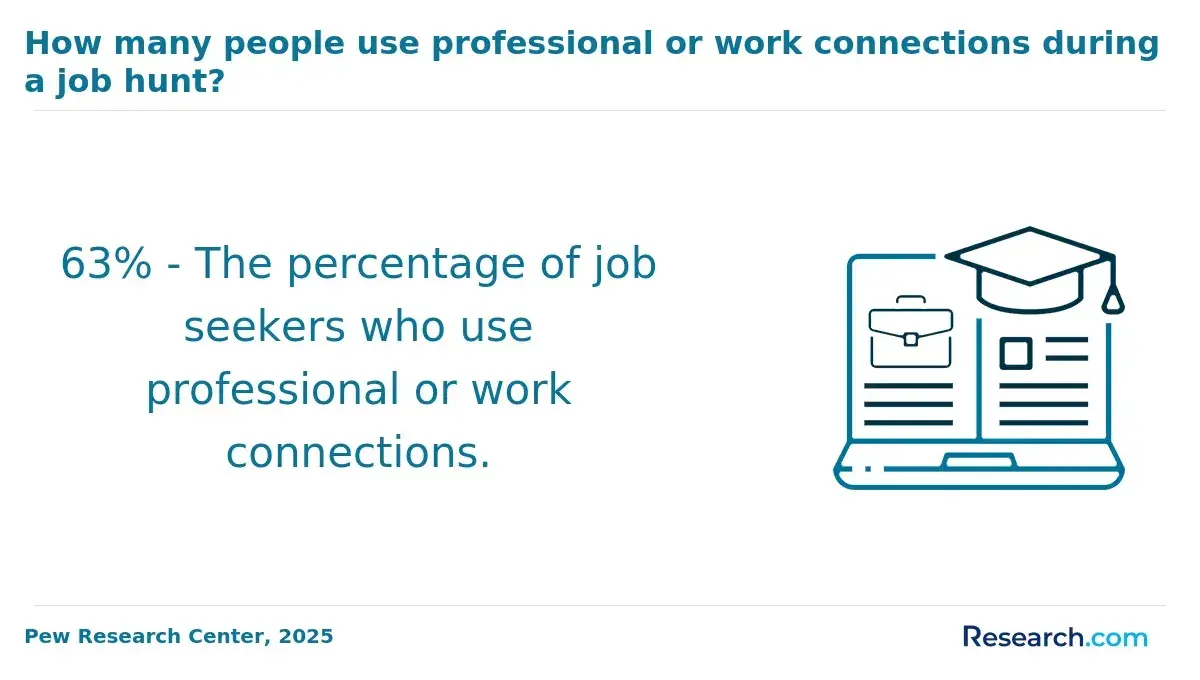
- Networking: Join instructional design groups, attend conferences, participate in webinars, and engage with professional associations. Networking can help you find mentors, learn hiring expectations, discover contract opportunities, and stay current with industry shifts.
- Mentorship: A mentor can help you interpret job descriptions, strengthen your portfolio, prepare for interviews, negotiate career moves, and identify skill gaps. Mentorship can be formal through an organization or informal through professional communities.
- Portfolio and technology updates: Keep your portfolio current with recent projects, clearly stated design problems, and evidence of results. Stay informed about emerging technologies such as artificial intelligence in learning, but focus on how tools improve design quality, efficiency, accessibility, or learner support.
Practical ways to move up
- Ask to lead a small project from analysis through evaluation.
- Volunteer to improve an outdated course and document the before-and-after design decisions.
- Learn to present learning data in a way managers can understand.
- Develop a specialty, such as compliance training, higher education course design, software training, accessibility, or scenario-based learning.
- Translate your work into business or learner outcomes instead of listing only tasks completed.
Where can you work as an instructional designer?
Instructional designers work wherever organizations need people to learn something efficiently and correctly. The best setting for you depends on whether you prefer academic collaboration, corporate performance goals, public service, healthcare accuracy, product education, or independent client work.
- Higher Education: Universities and community colleges like Harvard University and Arizona State University hire instructional designers to develop online courses, redesign curricula, support faculty, improve accessibility, and train instructors on digital tools. These roles may sit in instructional technology departments, online learning units, or central administration.
- Corporate Sector: Companies such as Amazon, Deloitte, and IBM employ instructional designers to build onboarding, leadership development, product training, sales enablement, compliance training, and employee learning programs. Consulting firms like Accenture and CMOE also hire designers to create customized training for external clients.
- Healthcare Systems: Organizations including Kaiser Permanente and Mayo Clinic need instructional designers for compliance training, clinical education, patient education, and continuing education. Accuracy, clarity, and regulatory awareness are especially important in this environment.
- Government Agencies: Federal, state, and local governments—such as the U.S. Department of Defense and Department of Education—hire instructional designers to support workforce training, public education, policy implementation, and compliance programs.
- Nonprofits and Community Organizations: Entities like the American Red Cross use instructional designers to create volunteer training, safety education, outreach materials, and mission-aligned learning resources.
- Tech and Software Companies: EdTech firms including Coursera and LinkedIn Learning employ instructional designers in digital course creation, product learning, user education, educational user experience, and scalable online content development.
If cost is a major factor while preparing for this field, compare accredited and aid-eligible options carefully. This guide to the best affordable online universities that accept fafsa may help you evaluate lower-cost education pathways.
What challenges will you encounter as an instructional designer?
Instructional design can be rewarding, but it is not simply a creative course-building job. You may need to manage unclear requests, tight timelines, changing tools, conflicting stakeholder opinions, and pressure to prove that training actually works.
- Workload and Project Management: Many instructional designers handle several projects at once, each with its own deadlines, reviewers, and dependencies. Strong planning, documentation, and prioritization are necessary to prevent scope creep and repeated revisions.
- Emotional and Cognitive Demands: Designers must accept feedback, mediate disagreements, and sometimes explain why a requested solution may not meet the learning need. Emotional intelligence helps when working with faculty, managers, clients, and learners who have different expectations.
- Competition and Specialization: As automation takes over some routine production tasks, designers who can analyze needs, use data, design accessible learning, and solve complex problems are better positioned. Specializing in areas like data analytics or accessibility can strengthen job prospects.
- Industry and Regulatory Changes: Course design can be affected by policies, accreditation expectations, privacy laws, and accessibility regulations. Designers need to stay alert to compliance requirements, especially in education, healthcare, government, and regulated industries.
- Evidence and Accountability: Organizations increasingly expect learning programs to show results. You may need to measure completion, performance, learner satisfaction, behavior change, or other outcomes and explain what the data means.
- Practical Preparation: Build a diverse portfolio that shows your thinking process, not just finished products. Join professional communities, seek feedback, pursue targeted certifications, and practice explaining how your design choices solve real learning problems.
A common mistake is focusing too much on software and too little on analysis. Tools help you build content, but strong instructional design begins with understanding the audience, the performance gap, the constraints, and the outcome the organization needs.
What tips do you need to know to excel as an instructional designer?
To excel as an instructional designer, you need to demonstrate practical capability. Hiring managers and clients want to see how you think, how you communicate, and how you turn content into learning that supports a real goal.
- Build a portfolio with substance: Develop a varied portfolio featuring at least three substantial projects. If you lack paid experience, use volunteer work, redesign an existing lesson, or create a realistic hypothetical project. Explain the audience, problem, objectives, tools, process, and results.
- Master essential tools: Gain proficiency with Articulate Storyline, learning management systems, and multimedia software. You do not need to know every platform, but you should be comfortable learning new tools and producing polished, functional materials.
- Stay current without chasing every trend: Follow developments in learning technology, accessibility, AI-supported workflows, and instructional design methods. Evaluate new tools by asking whether they improve learning quality, efficiency, or learner support.
- Communicate clearly with experts: Subject matter experts may know the content but not how to teach it. Your job is to ask focused questions, identify what learners must do, and turn expert knowledge into structured learning.
- Strengthen writing and storyboarding: Clear writing is one of the most important instructional design skills. Practice writing learning objectives, scripts, scenarios, feedback, facilitator notes, and storyboards that developers and stakeholders can follow.
- Commit to ongoing education: Join online forums, attend webinars, read case studies, and study examples of strong course design. Continuous learning helps you adapt as tools, learner expectations, and workplace needs change.
- Think analytically: Do not treat every request as a content creation task. Investigate root causes, define the performance problem, propose targeted solutions, and focus on measurable results rather than simply completing deliverables.
What strong instructional designers do differently
- They ask what learners need to do differently after the training.
- They remove unnecessary content instead of adding more slides.
- They design practice and feedback, not just information delivery.
- They document decisions so revisions are easier to manage.
- They connect learning activities to outcomes stakeholders care about.
How do you know if becoming an instructional designer is the right career choice for you?
Instructional design is a good fit if you enjoy learning, technology, writing, structured problem-solving, and collaboration. It may be less appealing if you dislike feedback, prefer working without deadlines, or want a role with little stakeholder interaction.
- Passion for learning and teaching: You may enjoy this career if you like helping people understand new ideas, use new tools, or perform tasks more effectively. Instructional designers are often lifelong learners themselves.
- Creative and analytical problem-solving: The role requires both imagination and discipline. You may design scenarios, visuals, or interactive activities, but those choices should support a measurable learning goal.
- Communication skills: Strong writing and speaking skills are essential. You must translate complex topics into clear materials and collaborate with experts, clients, managers, and learners.
- Adaptability and organization: Instructional design work often changes as stakeholders review materials or project needs shift. You need to stay organized while remaining open to feedback and revision.
- Job stability and flexibility: When asking whether instructional design is a good career, consider its steady demand across industries and the availability of many remote or hybrid roles. Flexibility varies by employer, but the field is generally broader than traditional classroom teaching.
- Real-world work preferences: You are more likely to enjoy the field if you like project-based work, simplifying complex topics, using technology, and improving materials over time. If you strongly dislike software tools or frequent revisions, the work may feel frustrating.
If you want to combine instructional design with another field, such as business, psychology, technology, or education leadership, a dual degree program may be worth considering as part of a longer-term career strategy.
What Professionals Who Work as an Instructional Designer Say About Their Careers
- : "Choosing a career as an instructional designer has been a game changer for me. The steady demand across corporate and academic sectors assures a reliable income, and the salary potential is quite rewarding compared to similar roles in education. This financial stability has allowed me to plan for long-term goals confidently. — Melissa"
- : "The instructional design field constantly pushes me to innovate and adapt, which keeps the work exciting and intellectually stimulating. Every project presents unique challenges, from creating engaging digital modules to addressing diverse learner needs, making this career far from monotonous. — Efren"
- : "One of the most valuable aspects of pursuing instructional design has been the abundant opportunities for professional growth. Organizations invest in advanced training programs, and career paths often lead to leadership roles or specialization in emerging technologies, which has helped me advance steadily. — Nathan"
Other Things You Should Know About Becoming an Instructional Designer
In 2027, aspiring instructional designers typically need a bachelor's degree in education, instructional design, or a related field. Advanced roles often require a master's degree in instructional design or technology. Continuous learning is essential due to evolving educational technologies.
Yes, a portfolio is essential for showcasing your design skills and practical examples of your work. It should include sample lesson plans, e-learning modules, storyboards, and any multimedia content you have created. A well-organized portfolio gives employers concrete evidence of your ability to design effective instructional materials and distinguishes you from other candidates.
In 2027, instructional designers should be proficient in tools like Articulate Storyline, Adobe Captivate, and Camtasia for content creation, as well as mastering Learning Management Systems (LMS) such as Blackboard, Moodle, or Canvas to effectively deliver and manage e-learning modules.
References
- Examples of Instructional Design Problems and Their Fixes | LearnBrite AI https://learnbrite.com/examples-of-instructional-design-problems/
- What Industries Use Instructional Designers? https://www.albertus.edu/instructional-design-and-learning-technology/ms/what-industries-use-instructional-designers.php
- The Top 15 Instructional Design Skills You Need in 2025 | Devlin Peck https://www.devlinpeck.com/content/instructional-design-skills
- Is Instructional Design the Right Career? - Experiencing Elearning https://christytuckerlearning.com/is-instructional-design-the-right-career/
- 13 Instructional Design Careers for Skilled Professionals and Beginners https://www.ispringsolutions.com/blog/instructional-design-careers
- University of Florida - Recent Jobs https://explore.jobs.ufl.edu/en-us/job/537228/ops-instructional-designer-internship
- Instructional Designer Career Path https://4dayweek.io/career-path/instructional-designer
- Top 10 Instructional Design Challenges in eLearning - eLearning Industry https://elearningindustry.com/top-10-instructional-design-challenges-in-elearning


