
2027 Is a Behavioral Health Online Degree Worth It?

Co-Founder and Chief Data Scientist
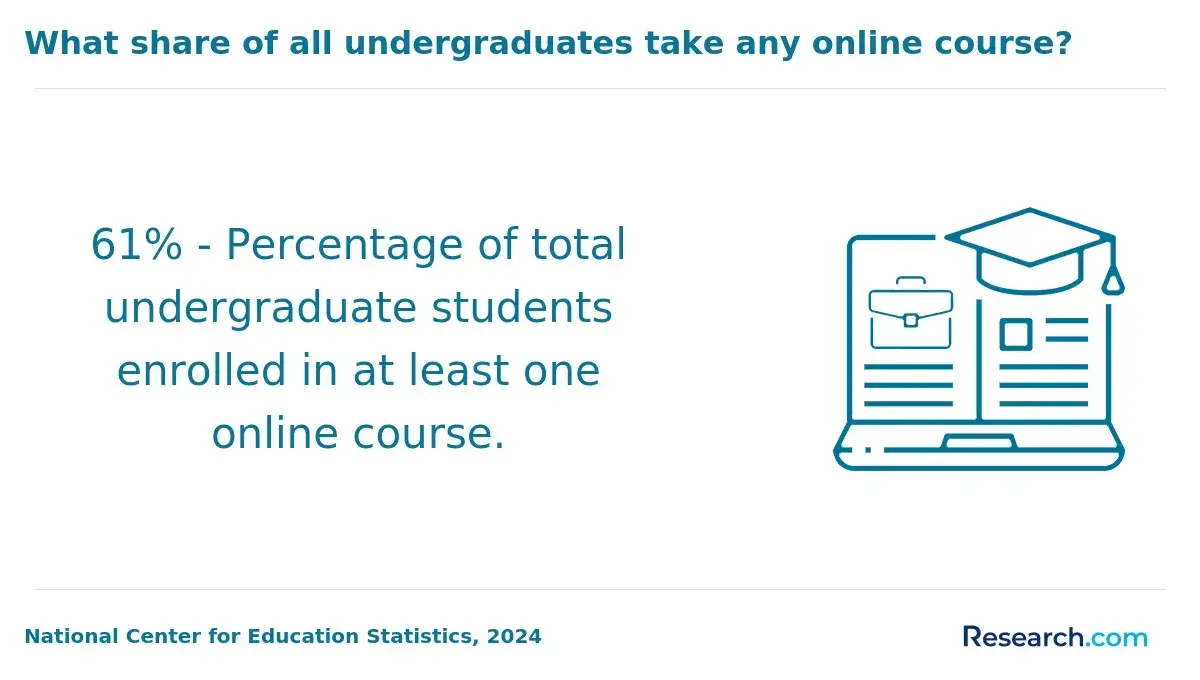
The rise of online education has made earning degrees more accessible than ever, with enrollment in online programs growing by over 30% in recent years. Many students are now considering an online behavioral health degree to enter a field that is expected to grow by 15% in the next decade, driven by increased demand for mental health services.
This article explores whether an online behavioral health degree is worth it by examining key factors like cost, program flexibility, accreditation, job-market trends, and how employers perceive online credentials. Understanding these aspects can help prospective students make an informed decision about pursuing this path.
Key Benefits of Online Behavioral Health Degree
- Online behavioral health programs offer flexibility for working adults, combining asynchronous coursework with practical experiences tailored to career advancement in mental health fields.
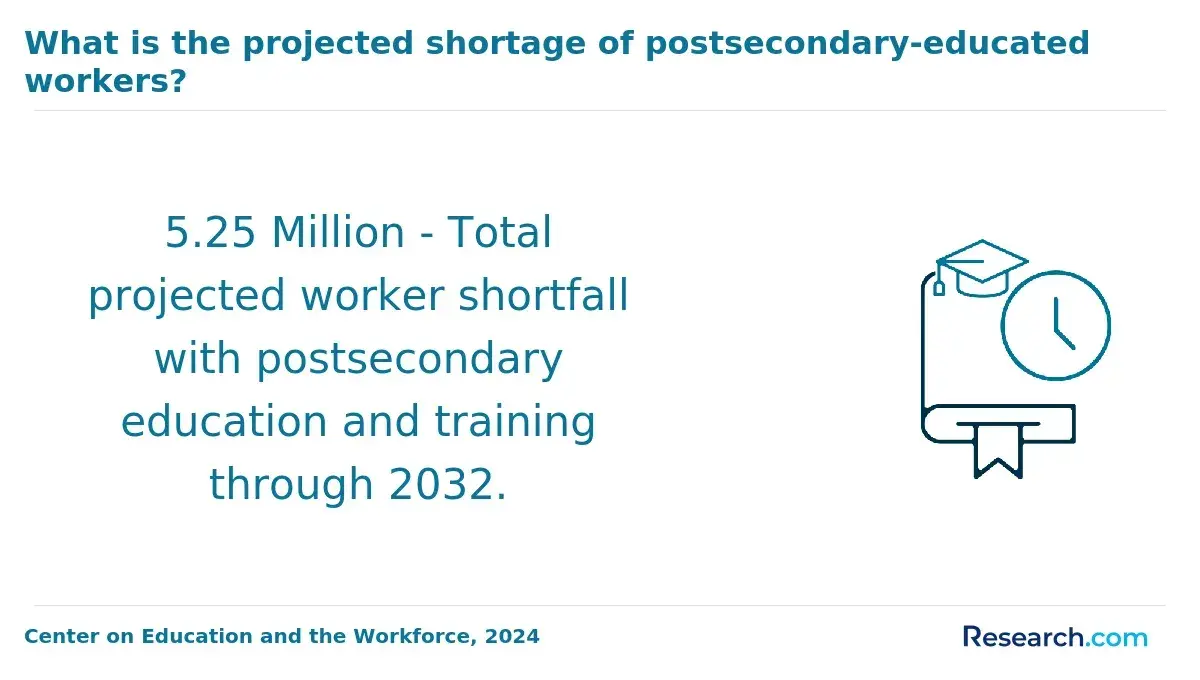
- Graduates enter in-demand roles like substance abuse counselors and mental health technicians, with job growth projected at 22% through 2032 by the Bureau of Labor Statistics.
- Programs emphasize evidence-based practices and cultural competence, equipping students to deliver impactful, ethical care across diverse populations and settings.
Who Should Choose an Online Behavioral Health Degree Program?
Online learning offers significant advantages for students needing flexible scheduling and location-independent access to their education. This adaptability makes it an ideal solution for many balancing complex personal and professional obligations.
Several types of students find online behavioral health degree programs particularly well matched to their needs, including:
- Working professionals: These individuals can further their education without stepping away from their jobs. The ability to study during nontraditional hours allows them to integrate new skills directly into their current roles.
- Career changers: Those moving into behavioral health from other fields benefit from the asynchronous nature of online courses, which lets them maintain existing commitments while preparing for a new career.
- Adult learners with family duties: Parents and caregivers appreciate the flexibility to complete coursework around family responsibilities, making education more accessible without sacrificing household needs.
- Students in rural or remote areas: For learners far from educational institutions, online programs remove barriers like commuting or relocating, broadening access to behavioral health studies regardless of geography.
What Are the Pros and Cons of an Online Behavioral Health Degree?
Online behavioral health programs have become a popular choice for students and professionals seeking flexibility and career advancement without pausing their current employment. These programs offer more accessible pathways to doctoral credentials, especially for those balancing work and personal commitments.
Pros of an Online Behavioral Health Degree
- Flexibility for working professionals: Many online behavioral health programs, such as ASU's Doctor of Behavioral Health, operate on a fully asynchronous model. This structure allows students to complete coursework around existing work schedules, making it ideal for those prioritizing work-life balance and career continuity. This flexibility specifically addresses the needs of professionals looking for an online behavioral health degree flexibility for working professionals.
- Accelerated completion timeline: These degrees often take 3-4 years to finish, which is shorter than traditional psychology doctorates that require 5-7 years. A faster program allows professionals to enter leadership roles sooner with doctoral-level expertise in integrated healthcare.
- Uniform, transparent pricing: Online programs typically charge the same tuition rate regardless of residency. For example, ASU charges $749 per credit hour for all students, enabling clearer financial planning with a total estimated cost near $70,406.
- No GRE requirement: Removing the GRE as an admission barrier expands access for career-changers and working professionals who may not have recent academic records, making enrollment more achievable.
Cons of an Online Behavioral Health Degree
- Limited clinical training hours: A key drawback is the significantly reduced clinical hours compared to traditional programs. Online degrees may require only 400 field experience hours, whereas PsyD programs often mandate over 1,500 hours. This disparity raises concerns around limited clinical hours in online behavioral health programs and practical hands-on experience.
- Reduced professional recognition: The Doctor of Behavioral Health degree is relatively new and less established than PsyD or PhD credentials. This can impact career opportunities in some clinical or academic settings that prioritize traditional licensure paths.
- No licensure path to clinical practice: Graduates cannot pursue psychologist licensure, which restricts independent clinical practice in most states. This limits options for those aiming for traditional psychology careers.
- Self-directed learning requirements: Online formats demand strong motivation and time management. Without structured classroom settings, students must be disciplined to meet program demands, which can challenge individuals accustomed to in-person learning environments.
For those exploring flexible academic options, it's worthwhile to consider shorter programs like a top online associate's degree in 6 months, which offer accelerated credentials in related fields.
How Do AI-Enhanced Virtual Classrooms Work in Online Behavioral Health Programs?
AI technologies have become central to modern online education by enhancing interactivity and personalization, which significantly improves the learning experience for behavioral health students. These advancements support more effective skill-building and knowledge retention. Here are key features that illustrate how AI-powered virtual learning environments work in online behavioral health programs:
- AI Simulations for Online Behavioral Health Education: Virtual classrooms use AI to create realistic scenario-based simulations, such as interacting with AI-driven avatars that replicate mental health challenges like depression and anxiety. This immersive approach allows students to safely practice clinical skills in a controlled, experiential setting.
- Adaptive Feedback in Virtual Mental Health Classrooms: AI dashboards provide students with instant, data-driven feedback by tracking engagement and highlighting areas for improvement. This helps learners refine communication and clinical reasoning skills with precision.
- Collaborative Learning Enhancement: AI tools facilitate group discussions and peer feedback through smart moderation and real-time analytics, boosting engagement and providing critical social learning opportunities.
- 24/7 AI Support Services: Virtual assistants and chatbots offer continuous guidance, answer questions, and connect students with resources, ensuring emotional and academic support at all times.
For those exploring educational paths, it is worth considering easy bachelor degrees that pay well alongside behavioral health studies, as both fields offer promising routes to rewarding careers.
What Technology Do You Need for an Online Behavioral Health Degree?
Having the right technology setup is essential for success in modern online behavioral health programs. It ensures smooth participation in classes, effective virtual supervision, and timely submission of assignments. Below is a list outlining the specific tools, equipment, and software students should prepare before enrolling in an online behavioral health program.
- High-speed internet connection: A reliable broadband connection with at least 25 Mbps download speed is critical. This allows real-time participation in live virtual classes and video conferencing with faculty supervisors, preventing disruptions that could undermine your clinical training quality.
- Modern computer with video conferencing capability: A recent laptop or desktop that supports platforms such as Zoom or Canvas is required. This hardware enables attendance in synchronous classes, engagement in group therapy methods coursework, and participation in virtual supervision where instructors provide feedback on clinical skills.
- Learning management system proficiency: Familiarity with systems like Canvas ensures you can easily access coursework, submit assignments, and review materials on psychopathology and substance use disorder treatments. Many programs also require uploading clinical documentation and case studies, so comfort with these platforms is necessary.
- Backup power and internet solutions: Devices such as mobile hotspots or backup internet options are important contingencies. Since synchronous coursework and clinical supervision sessions can't be rescheduled easily, maintaining connectivity safeguards your progress in behavioral health field education.
Understanding these online behavioral health program technology requirements prepares students for a smoother academic journey. Effective video conferencing and learning management systems for counseling play a vital role in navigating this degree. For those curious about the financial commitment, see how much does it cost to get associates degree for insight on affordable options.
How Long Does It Take to Finish an Online Behavioral Health in 2027?
Program length is a crucial consideration for students managing work, family, and other commitments. Timelines for completing an online behavioral health degree vary widely depending on course format and pacing. Below is a breakdown of common duration options to help prospective students understand what to expect.
- Full-Time Online Track: Typically, students finish master's degrees in behavioral health within two to three years. This path often includes a mix of asynchronous and synchronous courses, allowing flexibility around live sessions and recorded content.
- Part-Time Enrollment: Extending studies over three to four years, part-time options accommodate those balancing additional responsibilities. Completion time depends heavily on course load and scheduling choices.
- Accelerated Programs: Some institutions offer fast-track cohorts designed for motivated learners, enabling graduation in as little as 21 months through intensified coursework and modular formats.
- Flexible Scheduling and Modular Terms: Many programs now use eight-week terms and multiple start dates, enhancing personalization and potentially shortening time to degree. Transfer credits and internships can also impact total duration.
Can You Work Full-Time While Completing an Online Behavioral Health Degree?
Many prospective students worry about balancing a full-time job with online studies, especially in demanding fields like behavioral health. This concern is natural, as managing work and coursework simultaneously requires careful planning. Several key factors influence how well a student can juggle full-time employment with an online behavioral health degree.
These aspects are essential to consider:
- Flexible Scheduling: Programs designed for working adults often offer part-time options and asynchronous courses, allowing students to access content anytime, which helps fit study around work hours.
- Course Format: Asynchronous classes provide greater freedom, while synchronous sessions require live attendance, which can restrict scheduling flexibility.
- Workload: The intensity varies across programs; understanding the expected time commitment helps students plan their weeks realistically.
- Employer Support: Some employers offer flexible hours or tuition benefits, easing the pressure of managing both roles.
- Time Management Skills: Consistent study routines and setting clear boundaries with employers and family are vital strategies for success.
When I spoke with a former student who worked full-time during her online behavioral health studies, she emphasized how challenging it was to maintain focus after long workdays. She shared that building a strict schedule and dedicating weekend hours to coursework made a significant difference. Although moments of frustration and fatigue arose, she felt that the flexibility of asynchronous coursework and supportive communication with her employer were key.
Reflecting on her journey, she noted, "Balancing work and study demanded discipline, but the ability to progress steadily without sacrificing my job was incredibly rewarding." Her experience shows that, with determination and the right program structure, working full-time while earning an online behavioral health degree is achievable.
How Do Online Behavioral Health Degree Programs Help with Internships?
Internships are essential for gaining practical experience and building the skills necessary to succeed in behavioral health careers. They provide critical real-world exposure that bridges academic knowledge with client-centered practice. Online behavioral health programs use several targeted methods to help students secure and complete these vital hands-on experiences:
- Faculty Mentorship: Dedicated advisors actively match students with internship sites that align with their clinical interests and career goals. This personalized guidance is especially helpful for remote learners navigating unfamiliar local options.
- Virtual Placement Coordination: Many programs partner with organizations offering hybrid or fully remote internship placements, allowing students to engage with clients via telehealth platforms while completing coursework online.
- Internship Tracking Tools: Online systems streamline management by enabling students and supervisors to monitor hours, progress, and evaluations, ensuring compliance with program requirements and timely completion.
- Prior Learning Assessment: Students currently working in human services may receive credit for relevant professional experience, reducing redundant internship hours and accelerating program completion.
- Networking Opportunities: Webinars, forums, and alumni connections provide students with ongoing support and access to internship leads and career development resources.
What Is the Average Tuition Cost of an Online Behavioral Health Program?
Knowing the tuition expenses is crucial for students considering an online behavioral health degree, helping them plan finances and weigh return on investment. Costs can vary widely depending on the school, program format, and student residency status. Below is a breakdown of common tuition and fee factors affecting students entering this field.
- Average Tuition Per Credit: Most programs charge between $535 and $2,272 per credit hour, which largely depends on whether the institution is public or private and the prestige of the program. For example, premium programs might exceed $2,000 per credit, significantly increasing total costs.
- Annual Tuition: At more affordable public institutions, master's level counseling programs typically cost between $7,479 and $9,075 per year. Private schools tend to charge more, often reflecting enhanced resources or brand value.
- In-State vs. Out-of-State Rates: Public universities generally offer lower rates for in-state students, while out-of-state learners can expect higher tuition, sometimes nearly double the in-state cost.
- Additional Fees: Beyond tuition, students often face registration fees and term service charges; for instance, initial credit registration might cost $571 with subsequent credits at $79 per term, adding to overall expenses.
When asked about managing tuition costs, a student pursuing an online behavioral health degree shared his experience balancing work and study. He mentioned, "Navigating the tuition breakdown was challenging initially-I had to budget carefully, especially with those smaller fees that kept adding up." Despite the financial pressures, he appreciated the flexibility of online coursework, which allowed him to maintain employment. "It wasn't easy, but understanding the full cost upfront helped me avoid surprises and focus on finishing the program." His story highlights that while tuition varies, thorough planning and commitment can make earning an online behavioral health degree achievable and worthwhile.
What Is the Average Salary for Someone with an Online Behavioral Health Degree in 2027?
Understanding potential earnings is essential when evaluating an online behavioral health program. Knowing the average salary helps prospective students assess the value of their investment. Below are key insights into online behavioral health degree salary 2025 to guide those considering this career path.
- Average Entry-Level Salary: Entry-level positions such as behavioral health technicians or aides typically earn between $36,000 and $43,000 annually. These roles serve as foundational opportunities for graduates starting their careers in behavioral health.
- Mid-Career Salary Growth: As professionals gain experience and acquire advanced credentials like state licensure, salaries tend to rise significantly, with mid-career behavioral health specialists earning between $76,000 and $86,000 per year. This growth reflects increased responsibility and expertise.
- Top Earners: Licensed therapists, directors, and specialized professionals can earn upwards of $100,000 annually, with some top salaries exceeding $111,000. High credentials and leadership positions contribute to this upper salary range.
- Salary by Industry and Region: Behavioral health specialist salary by state 2025 shows notable variation. For example, mental health professionals in California cities such as San Francisco and San Jose can earn close to $90,000 annually. These higher salaries often correspond with cost of living and demand for services in those locations.
- Long-Term Salary Potential: Graduates who pursue state licensure and advanced certifications typically experience the strongest salary growth. Combining an online behavioral health degree with relevant licensure enhances career advancement opportunities in this expanding field.
Students interested in online behavioral health programs should also explore financial assistance options. Resources such as online classes financial aid 2025 can provide valuable support while pursuing their education.
Which Industries Hire Graduates From Online Behavioral Health Programs?
An online behavioral health degree offers remarkable versatility, preparing graduates to enter a variety of professional fields. This credential equips students with skills valued across diverse industries, making it a powerful option for career growth in today's job market. Below are key industries hiring online behavioral health graduates and the roles they typically fill.
- Healthcare and Mental Health Services: This sector is the largest employer of behavioral health degree holders, with roles such as behavioral health therapists, mental health aides, and mental health assistants in settings like psychiatric hospitals, residential treatment, and outpatient centers. The Bureau of Labor Statistics projects an 18% growth rate through 2032 for these clinical positions, fueled by rising mental health awareness and broader insurance coverage.
- Technology and Corporate Sectors: Increasingly interested in behavioral health graduates, these industries hire behavioral data scientists and organizational development specialists who apply behavioral insights to areas including user experience, product design, and employee engagement. Behavioral data scientist jobs lead growth projections with an anticipated 35% increase by 2032.
- Government and Social Services: Graduates find opportunities as probation officers, correctional specialists, and community service managers in programs addressing homelessness, substance abuse, and family services. Public health roles are expanding rapidly, with a 28% projected growth, reflecting the need for behavioral expertise in population health initiatives.
- Education and Human Resources: These sectors value behavioral health knowledge for creating training programs, workplace policies, and enhancing organizational culture. The degree's broad applicability supports various functions centered on human behavior and workplace effectiveness.
Pursuing online behavioral health degree jobs in healthcare industry and other fields is a smart choice given these expanding opportunities. For those exploring options, investigating certification programs that pay well can also enhance career prospects in related areas.
What Graduates of Online Behavioral Health Programs Say About Their Degree
- Nadia: "Pursuing an online behavioral health degree was a game-changer for me. The flexibility of studying at my own pace allowed me to balance work and family commitments seamlessly. Additionally, the affordable tuition compared to traditional programs made it a practical choice without sacrificing quality."
- Sherwin: "The comprehensive curriculum and real-world applications made my online behavioral health degree truly worthwhile. I appreciated the depth of learning I could achieve remotely, which directly influenced my ability to support clients more effectively in my career. It was definitely a valuable investment despite the costs involved. "
- Terry: "Enrolling in an online behavioral health program gave me the opportunity to enhance my professional skills without disrupting my current job. The cost efficiency and convenience made the educational journey rewarding, and now I feel better equipped for advancement in the mental health field. This degree has brought significant personal and career growth."
Other Things You Should Know About Behavioral Health Degrees
In 2027, employers generally recognize online behavioral health degrees as long as they are accredited and meet industry standards. Accreditation from recognized bodies assures the quality of education, making graduates eligible for employment across various sectors of behavioral health. However, specific employer preferences might vary depending on the region and institution.
Online behavioral health degrees can lead to licensure, but this depends on the program meeting specific state licensure board requirements. Many states require supervised clinical hours and coursework that align with their guidelines. Prospective students should verify that their chosen online program is approved for licensure in the state where they intend to practice.
In 2027, practical experience remains crucial for online behavioral health programs, as hands-on skills are essential for career readiness. Many programs incorporate virtual simulations, face-to-face internships, or supervised fieldwork, ensuring that students receive comprehensive training alongside theoretical knowledge.
References
- What Are the Technological Requirements for Telehealth? - Alis Behavioral Health https://www.alisbh.com/blog/what-are-the-technological-requirements-for-telehealth/
- Working While in Counseling Masters Program 2025 https://careersinpsychology.org/working-while-in-counseling-masters-program/
- MSc Artificial Intelligence Applications in Mental Health online | Top University/Provider in Germany https://academic-institute.com/online-degree/msc-artificial-intelligence-mental-health-2-semester/
- AI for Healthcare: A Guide for Behavioral Health Providers https://www.coresolutionsinc.com/ai-for-healthcare-a-guide-for-behavioral-health-providers
- News https://www.setonhill.edu/academics/degrees-programs/online-bachelors-degrees-certificates/behavioral-health-ba.html
- Clinical Mental Health Counseling (MCoun) – Oregon State Online https://ecampus.oregonstate.edu/online-degrees/graduate/education/clinical-mental-health-counseling/
- Firsthand Advice for Taking Online Classes While Working Full Time https://www.umassglobal.edu/blog-news/advice-for-taking-online-classes-while-working-full-time
- 5 Benefits of Taking a Mental Health Course Online? | Hader https://www.haderinstitute.edu.au/news/benefits-of-taking-a-mental-health-course-online
- Behavioral Health Program https://www.centralmethodist.edu/academics/undergraduate/behavior-health/behavior-health.html
- Online Part-Time MPH in Behavioral, Social, and Health Education Sciences https://sph.emory.edu/degrees-programs/mph/online-part-time-mph-behavioral-social-and-health-education-sciences


