2027 Best Online Space Studies Degrees for Jobs

Co-Founder and Chief Data Scientist
Choosing an online space studies degree program poses unique challenges for career-focused students-especially when accreditation rigor, curriculum relevance, cost efficiency, and career outcomes vary widely. Without clear guidance, candidates may enroll in programs that lack practical experience requirements or robust student support, compromising job prospects. According to the National Center for Education Statistics, nearly 30% of online STEM-related graduates find their education did not meet employer expectations. This article evaluates top online space studies degrees based on strict accreditation, comprehensive curricula, and proven return on investment. It equips readers to distinguish high-value programs to maximize career advancement and educational value.
Key Things to Know About the Best Online Space Studies Degrees for Jobs
- Accreditation ensures program quality-most top online space studies degrees meet regional standards, boosting employer recognition and eligibility for federal financial aid.
- Curriculum rigor spans interdisciplinary science and technology-programs with strong STEM integration report 15% higher graduate employment in aerospace sectors.
- Cost and return on investment matter-average online space studies graduates see a 20% salary increase within five years, balancing tuition expense with long-term career growth.
What Is a Space Studies Degree, and What Can It Do for Your Career?
A space studies degree is an interdisciplinary academic program offering broad knowledge of outer space, including scientific, technological, legal, policy, and human dimensions. Unlike aerospace engineering or astronomy, which focus on specialized technical skills, space studies prepares students to address complex challenges spanning space science, policy, satellite technology, and human spaceflight. This foundation equips graduates to work across scientific, governmental, and commercial sectors.
Core knowledge domains in space studies include:
- Science: Astronomy, planetary science, and space environment principles.
- Technology: Fundamentals of spacecraft systems, remote sensing, and satellite operations.
- Policy and Law: International treaties, regulations, and ethics governing space activities.
- Management: Mission design, project planning, and leadership skills essential to space programs.
Academic credentials range from associate's degrees-for technical and operational roles-to bachelor's degrees preparing students for entry-level scientific or policy positions. Advanced master's and doctoral programs emphasize leadership, research, and specialized expertise in space systems or policy analysis.
This guide focuses on the best online space studies degree programs for career advancement, tailored to working adults, veterans, and professionals balancing education with other commitments. It evaluates programs based on accreditation, curriculum quality, cost-effectiveness, career outcomes, practical experience, and student support. Understanding the career benefits of earning a space studies degree online can help prospective students make informed decisions aligned with their goals.
For those wondering what certifications can I get online to strengthen their qualifications in this growing field, this resource offers valuable insights to complement formal degrees.
How Do Online Space Studies Degree Programs Compare to Traditional Campus Programs?
Accredited online space studies degree programs generally match the curriculum depth and rigor of traditional campus-based programs. Both formats offer comprehensive coursework developed by the same faculty, maintaining consistent academic standards. Faculty qualifications are comparable-leading online programs employ instructors with credentials and research experience equivalent to their campus counterparts.
- Student-Faculty Interaction: While campus-based programs offer spontaneous in-person engagement, online programs effectively use synchronous video sessions, discussion boards, and virtual office hours to replicate meaningful interactions. Cohort models and small virtual groups further foster personal connection.
- Peer Collaboration: Face-to-face networking remains a strength of campus learning, but online degree options incorporate collaborative tools and group projects. Some also use virtual labs or simulations to enable practical teamwork.
- Clinical or Practicum Requirements: Hands-on experience remains essential. Online programs address this through local internships or brief on-campus residencies-intensive sessions providing lab access and experiential learning opportunities.
- Employer Perception: Employer acceptance of fully accredited online degrees from regionally reputable institutions has improved markedly. Graduate employment surveys often show similar job placement rates between online and campus graduates.
- Structural Advantages: Online delivery offers genuine benefits for working adults, caregivers, remote learners, and those without campus access. This flexibility allows students to balance education with life responsibilities-key for those assessing flexibility and career outcomes of space studies degrees.
- Limitations and Innovations: Earlier challenges such as limited lab work and reduced informal interaction have been addressed by top institutions using advanced technologies-virtual reality labs, high-fidelity simulations, and immersive video conferencing.
For students seeking the cheapest online mechanical engineering degree, similar considerations apply regarding rigor and outcomes, underlining the importance of evaluating programs with a focus on accreditation, practical experience, and support infrastructure.
What Are the Accreditation Standards That Define a Reputable Online Space Studies Degree?
Accreditation plays a vital role in verifying the quality and legitimacy of online space studies programs. It confirms that a school or program meets established academic standards, ensuring employers and graduate schools recognize your degree.
The accreditation landscape for online space studies typically includes two primary types:
- Regional Accreditation: The most respected in the United States, overseen by agencies like the Middle States Commission on Higher Education (MSCHE), the Higher Learning Commission (HLC), and the Western Association of Schools and Colleges (WASC). Degrees from regionally accredited institutions generally hold greater credibility with employers and other academic programs.
- Programmatic Accreditation: While rare specifically for space studies, related fields such as engineering or science frequently pursue accreditation from organizations like the Accreditation Board for Engineering and Technology (ABET), helping affirm the rigor and relevance of specialized curricula.
Enrolling in an unaccredited or poorly accredited online space studies program can lead to significant drawbacks. Graduates may struggle to earn professional certifications or licenses needed in aerospace sectors, find their credits ineligible for transfer to other universities, and encounter skepticism from employers, especially in government agencies and established aerospace firms, impacting job opportunities.
To confirm accreditation, prospective students should check the U.S. Department of Education's Database of Accredited Postsecondary Institutions and Programs and cross-reference accrediting agencies with the Council for Higher Education Accreditation (CHEA) directory, ensuring the agency itself is legitimate.
Ultimately, accreditation must be a non-negotiable factor when selecting a program. Price or flexibility cannot compensate for the career risks posed by unrecognized credentials.
Reflecting on his journey, a professional who completed a space studies degree shared, "Navigating the accreditation landscape was daunting at first. I spent hours verifying the program's credentials because I knew that without a properly accredited degree, my efforts might not open the doors I needed. Once assured, it gave me confidence to focus fully on learning, knowing the degree would be respected when I sought employment. That clarity removed a huge source of anxiety during my studies."
Which Types of Space Studies Degrees Are Available Online-Bachelor's, Master's, or Doctoral?
- Associate's Degrees: These are typically two-year programs that offer foundational training in space science, ideal for recent high school graduates or individuals switching careers. Often more affordable and shorter in duration, they prepare students for entry-level work or as a base for further education. Many graduates enter technician roles or transfer credits toward a bachelor's degree. For a clearer understanding of accessible options, consider programs like the easiest associates degree.
- Bachelor's Completion Programs: Tailored for adults with prior college credits or an associate's degree, these online programs help complete a bachelor's degree in space studies within two to three years. They're suited to professionals seeking advancement in aerospace fields, research assistance, or education roles. Admission usually requires some previous college coursework.
- Master's Degrees: These online degrees delve into advanced areas such as orbital mechanics, space policy, and research techniques. Designed for professionals targeting leadership or specialized academic, governmental, or industry roles, they often require a bachelor's degree and relevant experience. Typically spanning 1.5 to 3 years, master's programs enhance career mobility and earning potential, fitting well with those exploring online bachelor's space studies degree programs.
- Doctoral Programs: Less common online but expanding, doctoral studies require a master's degree and significant dedication over 3 to 7 years. Graduates contribute novel research and often achieve top-tier salaries. These cater to individuals focused on research, academia, or high-level advisory positions.
- Post-Baccalaureate Certificates: Completed in under a year, these short credentials concentrate on specialized skills like satellite communications or space policy analysis. They offer stackable credits that accelerate progression to bachelor's or master's programs without committing to a full degree path.
- Stackable Credentials: Many institutions facilitate credit transfers across certificates, bachelor's, and master's degrees, supporting adult learners balancing careers and education by enabling flexible progression.
- Prerequisites and Target Students: Associate's and bachelor's programs target newcomers or those with some college background. Master's and doctoral degrees require completed undergraduate studies, often with related experience. Certificates suit professionals needing swift skill enhancements.
- Completion Times and Rates: According to IPEDS data, associate's and certificate programs show higher completion rates within approximately 2 years and under 1 year respectively. Bachelor's and master's degrees generally require 4 and 2 years, while doctorates extend longer with lower completion rates due to their difficulty.
What Is the Typical Cost of an Online Space Studies Degree, and How Can You Finance It?
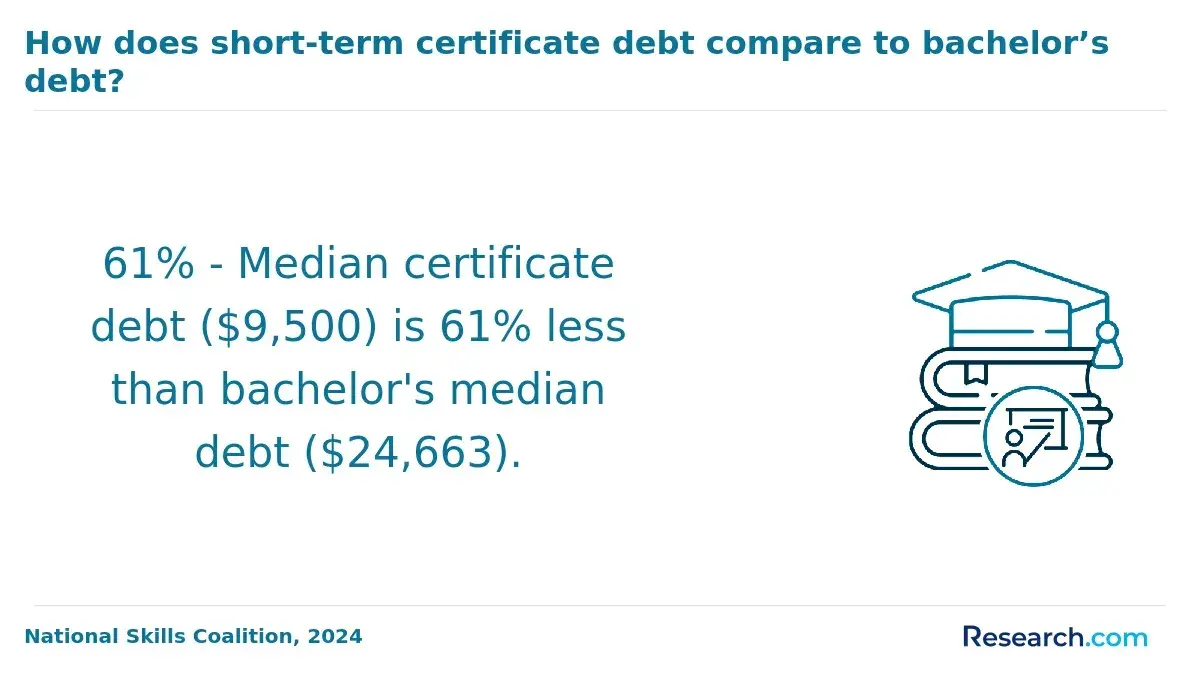
Tuition for an online space studies degree varies significantly depending on the type of institution. Public in-state colleges tend to offer the most affordable rates-generally between $5,000 and $15,000 per year-while public out-of-state schools charge higher tuition, often ranging from $15,000 to $30,000 annually. Private nonprofit institutions usually fall into a higher tuition bracket, approximately $25,000 to $45,000 each academic year. For-profit schools have a broader cost spectrum, with prices typically between $10,000 and $35,000 per year.
Beyond tuition, students should consider additional expenses such as technology fees, course materials, and any required on-site residencies. These can add $500 to $3,000 per year to the total cost. Focusing solely on per-credit-hour prices can be misleading-program length and credit requirements strongly influence the overall investment. Prospective students are encouraged to use tools like the College Scorecard's net price calculator to get a clearer picture of their true out-of-pocket expenses after accounting for financial aid and scholarships.
- Federal Financial Aid: Many students qualify for support through Pell Grants for low-income applicants, as well as subsidized and unsubsidized federal loans. Veterans may access GI Bill benefits that can cover significant tuition portions and related fees.
- Scholarship Programs: Numerous merit-based scholarships specifically support space studies students-offered by organizations such as the American Astronautical Society, various state workforce agencies promoting STEM education, and individual universities. Early and repeated application increases chances of receiving funds.
- Veteran Education Benefits: Military veterans should explore available programs beyond the GI Bill that aid with tuition and help ease the transition to civilian careers.
- Cost Versus Value: When comparing programs, consider outcomes and support services-higher tuition may correlate with better networking opportunities, career assistance, and research involvement.
A professional who successfully launched her career after completing her space studies degree shared that while the financial planning process was daunting at first, breaking down total costs helped her stay on track. "I was initially overwhelmed by the tuition and fees, but using the College Scorecard calculator made the costs feel manageable," she recalled. Accessing scholarship resources and federal aid required persistence, yet that support ultimately made the investment worthwhile. She emphasized how being proactive about financing opened doors to opportunities and eased the stress of balancing work with online coursework.
How Long Does It Take to Complete an Online Space Studies Degree Program?
Online space studies degree durations vary by level and enrollment intensity-associate's programs generally require two years full-time, bachelor's four, master's around two, and doctoral studies range from three to six years. These timelines are averages, shaped by multiple factors beyond the program's nominal length.
- Enrollment Status: Full-time students usually finish more quickly, while part-time learners extend their studies due to work or personal demands. Part-time pacing adds flexibility but can lengthen completion times significantly.
- Transfer Credits: Prior college coursework or military training often counts toward degree requirements. Leveraging transfer credits or prior learning assessments (PLA) helps reduce overall time spent in the program.
- Program Format: Accelerated courses and year-round enrollment options allow students to advance faster by avoiding traditional semester breaks. Competency-based programs, where progression depends on demonstrated mastery, can further expedite degree completion.
- Minimum and Maximum Limits: Schools impose minimum credit loads for active enrollment and maximum timelines to prevent indefinite attendance. These boundaries influence financial aid eligibility, particularly through satisfactory academic progress (SAP) rules.
- Average Time-to-Completion Data: Accredited institutions publish completion statistics reflecting real student experiences, which often differ from advertised "fast-track" timelines, giving a more accurate expectation.
- Adult Learner Considerations: Programs at institutions like Embry-Riddle Aeronautical University and the University of North Dakota provide PLA credit and flexible scheduling to accommodate veterans and working adults, shortening degree paths for those with relevant expertise.
By factoring in these elements, prospective students can establish realistic timelines and choose online space studies programs that fit their career goals and life circumstances.
What Core Curriculum and Coursework Should a Quality Online Space Studies Program Include?
Quality online space studies programs build their curriculum on rigorous standards set by professional accrediting bodies such as the Higher Learning Commission and the Space Studies Board. These frameworks ensure programs integrate scientific fundamentals with practical skills that prepare graduates for dynamic roles in the space sector.
- Fundamental Knowledge: Essential coursework covers astronomy, astrophysics, planetary science, and orbital mechanics-equipping students with a strong technical foundation and analytical expertise necessary to navigate space environments.
- Interdisciplinary Integration: Comprehensive programs embed subjects like space policy, space law, remote sensing, and satellite communications, fostering an understanding of regulatory frameworks and operational challenges across the industry.
- Applied Skills Development: Emphasis on data analysis, computer modeling, and mission design cultivates hands-on capabilities that employers in aerospace and space operations highly value.
- Capstone or Integrative Experience: The culminating project or thesis synthesizes diverse learning outcomes-frequently involving problem-solving or collaborative research with industry partners-to showcase a student's ability to apply knowledge in real-world contexts.
- Competency and Outcomes Alignment: Graduates should demonstrate measurable skills such as critical thinking, technical communication, teamwork, and ethical decision-making, matching documented workforce expectations and outcomes maps from top programs.
- Continuous Curriculum Review: Leading programs maintain currency by engaging industry advisory boards and updating curricula every two to three years to reflect technological advances, new methodologies, and changing regulations from agencies like NASA and the FAA.
- Transparency and Documentation: Prospective students are encouraged to request sample course sequences, detailed syllabi, and explicit learning outcome maps instead of relying only on marketing materials, which may omit crucial academic and experiential details.
With the space sector workforce expanding at over 8% annually, selecting a well-structured program that balances theory with practical application is critical for building a competitive career path in this fast-growing field.
Which Online Space Studies Programs Offer the Best Return on Investment for Working Adults?
Choosing among the best online space studies degree programs for working adults requires careful consideration of return on investment. Public universities with competitive tuition and established employer networks often deliver the strongest career outcomes. These programs balance affordability with higher employment rates, providing exceptional value relative to cost.
- Program Cost: Affordable tuition-especially through in-state reciprocity agreements-can substantially reduce expenses, lowering the initial financial commitment for students. Many top accredited online space studies degrees with high ROI for career advancement also offer scholarships and employer tuition reimbursement, further enhancing cost-effectiveness for working adults.
- Post-Graduation Salary: Median earnings measured at six and ten years after enrollment reveal programs that align closely with industry demands. Graduates who achieve salaries well above national averages reflect rigorous curricular design tailored to aerospace, research, or government roles.
- Employment Outcomes: Strong placement rates shortly after graduation demonstrate a program's practical impact. Successful institutions maintain partnerships with aerospace companies, federal agencies, and defense contractors, facilitating access to relevant internships and jobs.
- Financial Aid and Tuition Reimbursement: Access to employer tuition reimbursement programs and targeted scholarships significantly improves net affordability-making even higher-priced online space studies programs more accessible for adult learners aiming to advance their careers.
- Loan Default Rates: Low default rates signal manageable debt burdens and positive long-term results, indicating that graduates find sustainable employment paths in the space sector.
Working adults should look beyond broad institutional rankings, which often mask meaningful differences in program-specific return data. Instead, evaluating median earnings, employment rates, and student support services will reveal which programs offer real value and alignment with career goals.
This data-driven perspective complements a focus on comprehensive student support-that includes advising, career counseling, and internship opportunities-helping students stay on track and connect with industry. For those considering advancement or career change, reviewing detailed outcome data alongside factors like accreditation and curriculum rigor ensures an informed decision.
For additional insight into graduate-friendly programs, consider exploring the top MBA programs that don't require GMAT or GRE, as they illustrate how flexible degree options enhance ROI for working professionals across many fields.
What Admissions Requirements Do the Top Online Space Studies Programs Typically Require?
Admissions requirements for competitive online space studies programs vary widely across institutions-from open-enrollment community college programs to highly selective master's degrees at research universities. Candidates typically need to demonstrate strong academic performance alongside a clear professional commitment to space science, but specific criteria depend heavily on program level and accreditation standards.
- Minimum GPA: Graduate-level programs usually expect a minimum undergraduate GPA of 3.0 on a 4.0 scale, although some may accept lower GPAs when supplemented by relevant professional experience or exceptional supporting materials. Entry-level and associate degree programs tend to have more flexible standards, focusing broadly on overall application quality in line with top accredited space studies program requirements.
- Standardized Tests: Many competitive programs have adopted test-optional policies recently. However, some graduate programs still require GRE scores, with emphasis on strong quantitative and verbal results to demonstrate readiness. Prospective students should verify testing policies regularly as they evolve.
- Letters of Recommendation: These are almost always required for graduate-level admissions. Strong endorsements from professors, employers, or research supervisors that attest to intellectual capability, teamwork, and dedication to space studies significantly enhance candidacy.
- Personal Statement or Statement of Purpose: A compelling essay articulating career goals, motivation for space studies, and alignment with the program is essential to differentiate applicants.
- Prerequisite Coursework: Applicants lacking a STEM or space studies background may need foundational courses in physics, calculus, astronomy, or programming before advancing to graduate-level coursework. Many programs list prerequisites explicitly, and completing these via community colleges or online platforms can be beneficial.
- Professional Experience: While not always mandatory, relevant work, research, or military experience in aerospace or related science and technology fields bolsters applications, especially at the graduate level.
Because requirements differ widely, applicants should honestly self-assess how their credentials align with specific program demands. Contacting admissions advisors is highly recommended to obtain the latest information on GPA thresholds, test policies, and prerequisite courses.
Working adults considering online degrees might also explore complementary pathways-such as an environmental engineering degree-to broaden applicable skills and enhance career opportunities in STEM fields.
What Career Paths and Job Titles Are Available to Online Space Studies Degree Graduates?
Graduates of online space studies degree programs find diverse opportunities in government agencies, private aerospace companies, research organizations, and educational institutions. Bachelor's degree holders typically enter entry-level roles such as aerospace technician, satellite operations analyst, space mission planner, or data analyst-positions focused on applying core technical knowledge to support missions, handle data, and aid development efforts.
- Advanced Roles: Higher qualifications-often a master's or doctorate-open doors to specialized careers like aerospace engineer, astrophysicist, remote sensing expert, or space policy advisor. These jobs demand deep technical expertise, research experience, and sometimes security clearances, especially within defense and governmental agencies.
- Career Development: Over a five- to ten-year span, professionals often progress from technical roles into leadership positions such as project managers, mission directors, or research leads. Some move laterally into consulting, policy advisement, or academic roles, underscoring space studies' interdisciplinary nature.
- Employment Sectors:
- Government and Defense: Work centers on mission coordination, technology advancement, and regulatory oversight within agencies like NASA and the Department of Defense.
- Commercial Aerospace: Private companies in spacecraft design, launch services, and emerging fields like space tourism hire graduates for a range of technical and operational roles.
- Research and Academia: Graduates engage as research assistants, lab technicians, or educational coordinators-often advancing to faculty or principal investigator posts.
- Career Pivot Opportunities: Space studies degrees facilitate transitions for professionals from related STEM disciplines-such as physics, engineering, or environmental science-who gain space-specific expertise through additional certifications or applied experience.
What Is the Salary Outlook for Professionals with an Online Space Studies Degree?
Salary outcomes for professionals with an online Space Studies degree vary widely depending on degree level, experience, industry, location, and specialization. Entry-level bachelor's degree graduates typically earn median salaries near $70,000 annually, while those with master's or doctoral degrees often see median earnings from $90,000 up to $130,000, influenced by specific roles and expertise.
- Experience Growth: Salaries generally increase by 20% to 30% or more for individuals with five to ten years in the field, particularly when advancing into managerial or specialized technical roles within aerospace companies or government organizations.
- Industry Differences: Compensation is usually higher in the private sector, especially in commercial aerospace and satellite communications, although government jobs may offer superior benefits and greater long-term stability.
- Geographic Impact: Urban centers with dense aerospace activity, such as Houston, Seattle, and Washington D.C., tend to provide higher pay scales, reflecting the cost of living and market demand; smaller regions often pay less.
- Specialization and Certifications: Earnings vary by focus areas like spacecraft engineering, orbital mechanics, or space policy. Advanced credentials such as the Certified Space Technician (CST) or Project Management Professional (PMP) certifications deliver measurable salary boosts-often reaching 15%-and represent strategic opportunities for online graduates aiming to accelerate income growth.
- Salary Forecasts: Wages in Space Studies-related fields are expected to grow steadily over the next decade due to expanding commercial space ventures and sustained government investment. However, ongoing verification of salary data through authoritative labor statistics and industry surveys is essential since market conditions evolve.
What Graduates Say About the Best Online Space Studies Degrees for Jobs
- Tristan: "Choosing an online space studies degree meant prioritizing accreditation standards to me-only a program recognized by reputable institutions would bolster my job prospects. The rigorous curriculum challenged me in ways I didn't expect, providing a strong foundation in both theory and applied sciences. Because of this, the investment felt truly worthwhile, making the path to a fulfilling career in aerospace more attainable than I initially believed."
- Jesiah: "Reflecting on my experience, what stood out most was the practical experience requirements embedded in the online space studies program. Gaining hands-on opportunities-even virtually-made all the academic concepts click and prepared me more confidently for real-world challenges. Additionally, the student support infrastructure was surprisingly robust, always available to guide me through coursework and career planning, which made this demanding journey much smoother."
- Christopher: "From a professional standpoint, the career outcomes of my chosen online space studies degree were well worth the investment. The curriculum was meticulously crafted to align with industry needs, meaning I graduated with relevant skills that employers truly value. While the cost was a factor I considered carefully, the return on investment became clear quickly, as job opportunities opened up shortly after completing the program."
Other Things You Should Know About Space Studies Degrees
The best online space studies programs develop critical thinking, advanced data analysis, and technical proficiency in areas such as astrophysics, orbital mechanics, and spacecraft technology. Graduates also gain strong communication skills-essential for collaboration with interdisciplinary teams and presenting complex scientific information. Practical skills in remote sensing, satellite operations, and space mission design are often emphasized to prepare students for real-world challenges.
Employers increasingly recognize the legitimacy of accredited online space studies degrees-especially when programs have rigorous curricula and provide hands-on practicum experiences. The key consideration is whether the program is properly accredited and offers relevant fieldwork or internship opportunities. Reputation and measurable outcomes, such as graduate placement rates, often influence hiring decisions more than the mode of delivery.
Online space studies programs usually partner with research institutions, space agencies, or industry companies to offer remote or local internships and practicum placements. Students often complete these practical experiences near their residence or through virtual labs and simulations. These requirements ensure students apply theoretical knowledge in professional settings, essential for credentialing and career readiness.
References
- WHAT - Translation from English into Polish https://en.pons.com/translate/english-polish/what
- Accreditation - ABET https://www.abet.org/accreditation/
- ISU’s New Master of Science (MSc): Space Studies, Accredited by ASIIN https://spacenews.com/isus-new-master-of-science-msc-space-studies-accredited-by-asiin/
- The Standards of Accreditation - ACCSC https://www.accsc.org/seeking-accreditation/the-standards-of-accreditation/
- What - Translation into Polish - examples English | Reverso Context https://context.reverso.net/translation/english-polish/What
- The value of space studies programs in higher education https://www.thespacereview.com/article/5031/1
- Study Space Technologies at the AGH University: Zero semester for bachelors! https://innowacyjna.malopolska.pl/en/news/study-space-technologies-at-the-agh-university-zero-semester-for-bachelors