2027 Best Value Online Machine Learning Degree Programs: Affordable Accredited Options with the Strongest ROI

Co-Founder and Chief Data Scientist
Budget-conscious students and working professionals face growing challenges when choosing online machine learning degree programs, rising tuition rates, employer demands for accredited credentials, and the need for flexible schedules complicate decisions.
With over 65% of data scientists reporting salaries above $120,000 annually, understanding total program costs, accreditation status, transfer credit policies, and career outcomes is crucial to ensure strong long-term ROI.
Hidden fees and varying graduation timelines further affect affordability and career advancement. This article offers a strategic guide to comparing affordable, accredited online machine learning degrees, highlighting factors that influence costs, flexibility, and professional growth to support informed, value-driven educational choices.
Key Things to Know About the Best Value Online Machine Learning Degree Programs
- Best-value online machine learning programs combine low tuition, financial aid, transfer credits, and flexible formats to minimize total education expenses while supporting working professionals.
- Evaluating accreditation, graduation rates, student support, pacing, and career outcomes is essential to ensure quality education and strong return on investment.
- Students must assess hidden fees, residency rules, credit transfers, salary prospects, and employer recognition before committing to programs that drive career growth and financial stability.
What Are the Best Value Online Machine Learning Degree Programs?
Students seeking online machine learning degrees increasingly prioritize programs that balance affordability, accreditation, and strong ROI, factors crucial amid rising concerns about student debt and evolving workforce needs.
With employer demand for machine learning skills soaring, cost-effective programs offering flexible options help budget-conscious learners advance their careers without financial strain.
The following categories highlight the best value approaches in this field.
- Public Regional Universities: These institutions offer significantly lower in-state tuition and maintain robust regional accreditation, making them affordable and reputable choices. Their transfer-friendly policies allow students to apply credits from community colleges or other universities, speeding up degree completion and cutting costs.
- Competency-Based Programs: Tailored for working adults, these programs enable students to progress by demonstrating mastery rather than seat time. This flexibility shortens time-to-degree and reduces tuition expenses, matching the needs of professionals balancing education with career responsibilities.
- Community College Transfer Pathways: Articulation agreements in some states permit students to start with low-cost community college credits before moving to accredited online bachelor's programs. This route significantly lowers the price per credit while maintaining academic quality and ensuring smoother transfers.
- Public Online Flagship Programs: Flagship universities with dedicated online divisions blend affordability with strong employer recognition. They offer competitive tuition rates and degree pathways aligned with workforce demands, maximizing graduates' long-term earnings potential.
- STEM-Focused Nonprofits with Scholarships: Although tuition is often higher, some nonprofit institutions specializing in STEM fields provide targeted scholarships that improve affordability. These schools frequently yield strong post-graduation income outcomes, enhancing overall return on investment for students.
For those exploring affordable accredited online machine learning degrees for working adults, it is essential to weigh program flexibility alongside cost and career impact.
Prospective students may also consider related online masters programs that emphasize strong ROI within a compressed timeframe.
How Do You Choose an Affordable Accredited Online Machine Learning Degree?
Balancing affordability, accreditation, flexibility, and long-term ROI is crucial when selecting an online machine learning degree, especially as average tuition for online programs can vary widely.
Approximately 43% of students consider cost the top factor when choosing online education, underscoring the importance of value without sacrificing quality.
Below are key factors to guide budget-conscious students, working professionals, and adult learners toward the best value online machine learning degree programs.
- Accreditation and Recognition: Regional accreditation remains the gold standard, ensuring credits transfer smoothly and employers recognize the credential. Choosing regionally accredited schools or nonprofit institutions enhances both educational quality and future career prospects, a vital consideration for affordability and value.
- Tuition Transparency: Seek programs that clearly disclose total costs, including fees, technology charges, and course materials, to avoid surprise expenses. Public universities and institutions with published flat-rate pricing typically offer the best tuition value, especially for in-state or online learners.
- Online Learning Support: Strong digital platforms with comprehensive student services, academic advising, career counseling, and technical assistance, help reduce dropout rates and enhance flexibility for working adults managing multiple responsibilities.
- Transfer Credit Policies: Programs that accept prior learning or transfer credits allow for faster completion and lower overall costs. Competency-based models also benefit those who can demonstrate mastery to accelerate progress and reduce tuition time.
- Graduation and Outcome Metrics: Institutions reporting high on-time graduation and employment rates typically provide better return on investment. Evaluating these outcomes ensures your affordable accredited online machine learning degree supports meaningful career advancement.
Working professionals looking for the cheapest online civil engineering degree may find useful parallels in comparing cost and flexibility for machine learning programs. By prioritizing accredited, student-centered options, learners can maximize educational value while advancing their careers.
Which Online Machine Learning Degree Programs Offer the Highest ROI?
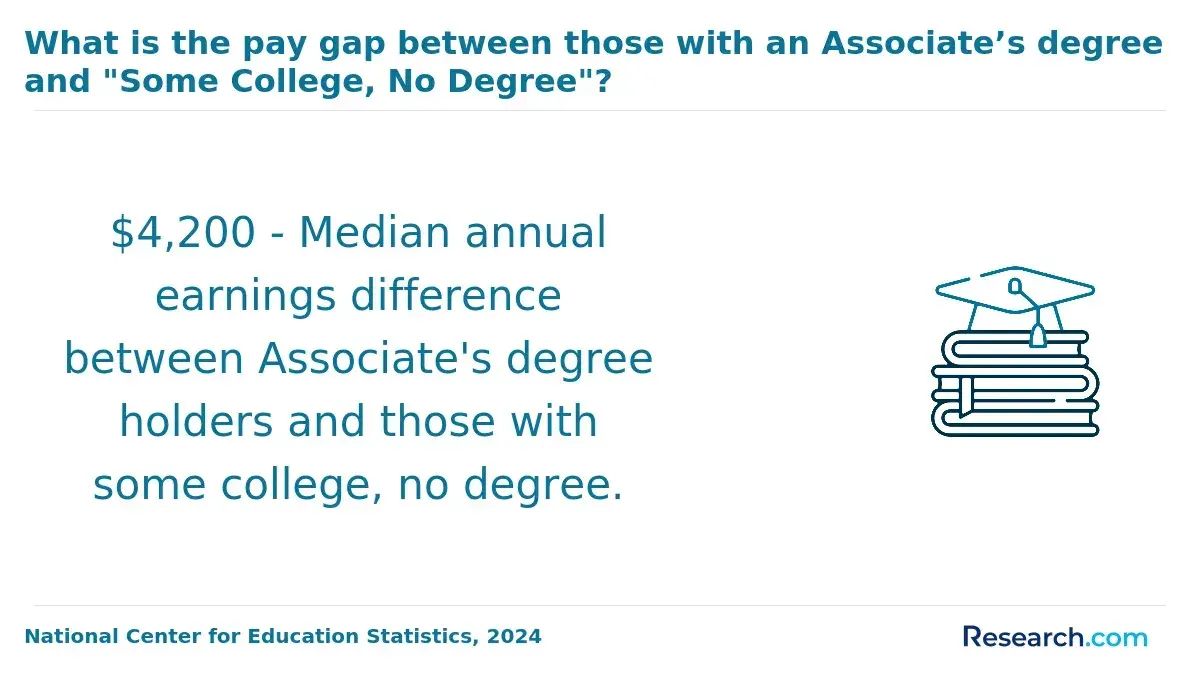
Return on investment has become a critical measure for students comparing online machine learning degree programs, especially as average student debt surpasses $30,000 and employer demand for skilled graduates increases.
With mid-career earnings for accredited STEM alumni often exceeding $70,000, selecting programs that balance cost and career outcomes is essential.
Below are key factors influencing strong ROI in this field.
- Affordable Tuition: Programs with transparent and reasonable tuition rates, often found at public institutions offering in-state or flat tuition, help learners avoid excessive debt and simplify budgeting. Total costs under $30,000 are linked to better long-term financial outcomes based on federal data.
- High Completion Rates: Degrees boasting graduation rates above 60% usually indicate strong support systems and flexible scheduling tailored for working adults, reducing wasted tuition and enabling quicker workforce reentry.
- Employer-Relevant Curriculum: Alignment with workforce needs, verified by positive job placement rates and sustainable salary growth, enhances financial returns. Graduates from regionally accredited, career-focused programs tend to secure competitive salaries and advancement opportunities.
One professional who completed an online machine learning degree shared that balancing full-time work with coursework was challenging but manageable through asynchronous classes and clear communication from faculty.
He explained, "Choosing a program that emphasized affordability without compromising quality was vital. I wanted to avoid debt while gaining skills respected by employers." This combination of flexibility and credible training ultimately helped him transition to a role with significant salary growth and career potential.
What Is the Average Cost of an Online Machine Learning Degree Program?
Calculating the true expense of an online machine learning degree is vital for those comparing flexible programs.
Tuition alone can range broadly, with average costs between $10,000 and $50,000 depending on institution type and enrollment pace. Public universities often provide more affordable options, yet many students face rising costs that influence borrowing and repayment decisions.
Below are key factors shaping total costs and value for affordable accredited online machine learning degrees.
- Tuition Models: Most programs charge per credit hour, but some offer flat-rate tuition per term. Flat-rate models benefit accelerated learners who complete more courses quickly, potentially lowering total tuition, while extended enrollment can increase expenses under this structure.
- Public vs. Private Rates: Public universities typically offer lower tuition, especially for in-state residents, often between $5,000 and $15,000 annually. Private institutions usually cost more but may provide different delivery models or perks that affect overall affordability.
- Transfer Credits: Generous transfer policies can substantially reduce degree costs by shortening completion time. This advantage is especially helpful for working professionals leveraging prior certifications or college credit.
- Technology Fees: Additional charges for online platforms and digital resources add modest costs, which can vary significantly across schools and should be factored into budgeting.
- Accelerated Pathways: Designed to finish degrees faster, these programs help reduce cumulative tuition despite sometimes higher per-credit prices, ideal for motivated students seeking quicker entry into the workforce.
For those interested in maximizing value, online degree choices should reflect tuition structures and institutional policies that align with both financial and career goals. To explore top cost-effective options, consider the best online accounting degree resources as an example of thorough program evaluation strategies.
Are Affordable Online Machine Learning Degrees Respected by Employers?
Employer respect for affordable online machine learning degrees hinges on more than just cost.
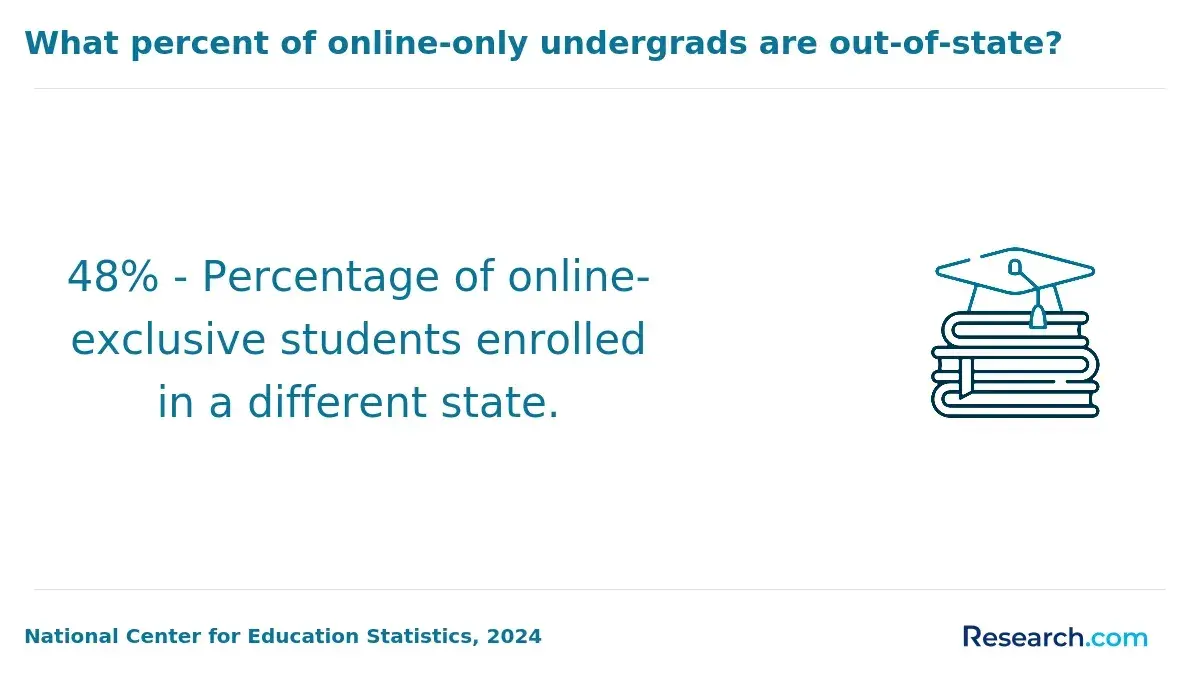
Research shows that 70% of hiring managers value accredited programs with proven outcomes. As demand for skilled professionals grows, candidates must carefully assess institutional credibility to ensure their credentials carry weight in the job market.
Several key factors influence how employers perceive these degrees.
- Regional Accreditation: Degrees from regionally accredited public or nonprofit universities signal rigorous academic standards. This distinction reassures employers that the program meets quality benchmarks established by recognized agencies.
- Workforce Alignment: Curricula developed with input from industry partners align skills training with employer needs. Programs emphasizing practical applications tend to produce graduates who are workforce-ready and valued by recruiters.
- Transparent Outcomes: Accessible data on graduation rates and employment statistics boost confidence in a program's effectiveness. Employers prefer degrees backed by clear evidence of student success.
- Nonprofit Versus For-Profit: Nonprofit institutions often prioritize academic integrity over profit, strengthening their reputation with employers compared to some for-profit providers.
- Transfer Credit Policies: Flexible policies that accept credits from reputable schools increase program legitimacy. This feature reflects a commitment to educational quality and student mobility.
One professional who built his career after completing an affordable online machine learning degree shared that initial doubts about employer recognition faded after leveraging the program's strong industry connections.
"The challenge was convincing employers early on, but my degree's backing from a regionally accredited university made a real difference," he explained. "It was the tangible skills and transparent outcomes from the program that eventually secured my interviews and job offers, showing that affordability does not mean sacrificing credibility."
What Accreditation Should You Look for in an Online Machine Learning Program?
Accreditation plays a critical role in assessing online machine learning degree programs. Over 70% of employers prefer candidates from accredited institutions. It ensures the program meets rigorous academic standards, supports credit transfer, and adds credibility to your investment.
The following factors highlight essential accreditation elements to consider.
- Regional Accreditation: Widely regarded as the benchmark for academic quality, regional accreditation confirms an institution's overall educational excellence. Degrees from regionally accredited schools typically gain higher employer recognition and facilitate smoother credit transfers.
- Programmatic Accreditation: Though less common for machine learning specifically, specialized accreditation from relevant engineering or computer science bodies signals that a program meets industry-driven curriculum standards, boosting professional acceptance.
- Nonprofit Institutional Status: Choosing nonprofit institutions often correlates with stronger governance and reinvestment into student resources, fostering higher education quality and accountability compared to for-profit options.
- Federal Financial Aid Eligibility: Accreditation recognized by the U.S. Department of Education is necessary for accessing federal aid programs. This designation reflects compliance with strict quality and transparency standards, benefiting students seeking affordable education.
- Transfer-Credit Acceptance: Institutions with clear transfer policies, usually those that are regionally accredited, reduce the risk of lost credits and time, offering flexibility for changing academic or career goals.
Which Online Machine Learning Programs Are Best for Working Adults?
Working adults increasingly turn to online machine learning degree programs due to their need for scheduling flexibility, accelerated completion, and valuable long-term outcomes.
In fact, recent data shows that adult learners now comprise over 40% of all online students, reflecting a growing demand for adaptable education options that fit busy lives and career goals.
The following program features highlight the best options for these students.
- Asynchronous Learning: This format allows learners to access course materials and complete assignments on their own schedules, ideal for balancing full-time work and family commitments. It enables self-paced progress without forcing students to adhere to fixed class times, reducing stress and improving retention.
- Competency-Based Pathways: Programs emphasizing mastery over time spent let experienced professionals accelerate their studies, saving both time and tuition costs. This approach maximizes efficiency by awarding credit for existing skills and knowledge relevant to the machine learning field.
- Transfer-Friendly Institutions: Schools with generous credit transfer policies allow learners to apply previous coursework toward their degrees, reducing overall cost and duration. These institutions maintain accreditation standards while supporting adult learners' need to build on prior education.
- Employer-Aligned Programs: Collaborations with industry partners ensure that curricula reflect current workforce demands and skills. Such programs often streamline tuition reimbursement approval and integrate real-world applications, benefiting career-focused students.
- Part-Time Flexible Enrollment: Allowing reduced course loads helps prevent burnout and supports work-life balance. These pathways maintain manageable pacing without significantly extending degree completion time.
Programs incorporating these elements provide working adults with affordable, flexible, and career-focused machine learning degrees, optimizing return on investment while respecting complex schedules and responsibilities.
What Financial Aid Options Are Available for Online Machine Learning Students?
Rising tuition costs and growing student debt, averaging over $30,000 nationally, make financial aid and tuition reduction essential for those comparing affordable online machine learning programs.
FAFSA participation rates have remained strong among distance learners, reflecting sustained federal support. Choosing value-focused programs with multiple aid options can significantly ease financial burdens.
Below are key financial aid pathways and cost-saving strategies for online machine learning students.
- Federal Aid Eligibility: Many accredited online machine learning programs participate in Title IV, allowing students to access Pell Grants and Direct Loans through FAFSA. Maintaining satisfactory academic progress and enrollment intensity is crucial to maximize these federal benefits.
- Employer Tuition Assistance: Working professionals often leverage employer-sponsored tuition reimbursement programs to offset costs. These benefit plans, common in tech and related industries, allow employees to upskill in machine learning while avoiding additional debt, though they typically require proof of employment and service commitments.
- Institutional Scholarships: Accredited schools frequently offer merit- and need-based scholarships tailored for online learners. When combined with accelerated degree paths or transfer-credit savings, these awards can reduce overall tuition substantially.
- Transfer-Credit Optimization: Applying prior coursework or certifications toward degree requirements can shorten the time to graduation and decrease tuition paid. Many affordable online machine learning programs support generous credit transfer policies to enhance cost-effectiveness.
- Military and Veteran Benefits: GI Bill benefits and military tuition assistance programs provide robust support for service members and veterans pursuing online machine learning degrees. Institutions with military-friendly policies often further help balance enrollment flexibility and financial aid utilization.
Prospective students seeking the real estate degree online may also find parallels in financial aid structures with machine learning programs, underscoring the importance of research in affordable online degrees offering strong long-term return on investment.
What Careers Can You Pursue With an Online Machine Learning Degree?
Students increasingly pursue online machine learning degrees to access flexible career pathways that offer competitive salaries and long-term advancement opportunities.
With employment in AI and data science fields projected to grow by over 30% in the next decade, affordable accredited programs deliver strong return on investment.
Below are key career options available for graduates, reflecting both accessibility and workforce relevance.
- Entry-Level Roles: Graduates often begin as data analysts, machine learning engineers, or AI developers, positions emphasizing technical skills and foundational experience critical for building a sustainable career in machine learning.
- Management and Leadership: For those targeting growth, roles such as AI project manager or data science team lead require not only expertise but strategic decision-making abilities, often supported by additional certifications or advanced degrees.
- Industry-Specific Careers: Many find opportunities in specialized sectors like healthcare, finance, and cybersecurity, applying tailored machine learning techniques to solve complex, domain-specific challenges in high-demand areas.
- Remote and Flexible Work: The tech industry's adaptability enables remote or hybrid roles, attracting professionals balancing career goals with personal commitments while maintaining access to competitive pay scales and advancement.
Budget-conscious students should prioritize accredited online machine learning programs that emphasize employer recognition and real-world applicability to maximize earning potential in the highest paying machine learning jobs in the US.
Career-ready curricula, combined with robust student support, are essential for timely graduation and successful job placement. Those planning further specialization may also explore pathways comparable to ASHA accredited SLPA programs online in terms of rigor and career alignment.
What Is the Salary Potential for Graduates of Online Machine Learning Programs?
Salary potential plays a critical role in choosing online machine learning degree programs. Graduates typically see median salaries starting around $80,000, reflecting strong demand in tech and related fields.
With rapid workforce growth and expanding applications, understanding what drives compensation can guide students and professionals seeking value and career growth.
Key factors impacting salary outcomes include:
- Industry Focus: Sectors like healthcare, finance, and technology tend to offer higher pay, especially roles tied to AI research or complex algorithm development compared to more routine data processing jobs.
- Experience Level: Early-career positions often start in the $70,000-$90,000 range, while mid- to senior-level professionals can exceed $150,000 as they deepen expertise and leadership capabilities.
- Location and Work Model: Geographic considerations remain important. With remote and hybrid work creating new earning patterns, graduates in large metropolitan tech hubs often secure higher wages reflecting cost of living and market demand.
- Accreditation Impact: Degrees from accredited, industry-aligned institutions enhance employer confidence, improving early job placement and opening pathways to advanced roles with better compensation.
- Transferable Skills: Mastery in programming, statistics, and software engineering complements machine learning expertise, increasing salary offers and promoting long-term career flexibility.
What Graduates Say About Best Value Online Machine Learning Degree Programs
- Theo: "As a budget-conscious student, I found that choosing an affordable, accredited online machine learning degree really made a difference. The programs with strong ROI meant I could graduate debt-free and still land meaningful jobs in data science fields. It's reassuring to know you don't have to overspend to get quality education and a promising career."
- Sage: "Working full-time while studying was a challenge, but focusing on online machine learning degree programs with the highest ROI helped me prioritize my growth efficiently. I appreciated the flexibility and real-world applications these programs offered, which opened doors in tech and analytics roles without breaking the bank. For professionals like me, finding cost-effective education that translates to solid career advancement is invaluable."
- Anthony: "With my career goals in mind, I was intentional about selecting an online machine learning degree that balanced affordability with accreditation and strong job prospects. The insight that certain specializations yield better returns guided my choice, directing me toward roles in AI development and predictive analytics. Investing smartly in education really paid off by accelerating my career trajectory and financial stability."
Other Things You Should Know About Machine Learning Degrees
In 2027, affordable and high-quality online machine learning degree programs include institutions such as Georgia Tech and the University of Illinois Urbana-Champaign. They offer competitive tuition rates and robust curriculums that align with market demands, providing a balanced ROI for graduates.
Practical experience is essential in machine learning education to develop skills in coding, model building, and data handling. The best value online programs often incorporate labs, projects, and real-world datasets to ensure students can apply theoretical knowledge. Hands-on experience significantly enhances employability and readiness for technical roles.
Many programs offer foundational courses to help students from non-technical backgrounds build necessary skills in math, programming, and statistics before advancing. This approach allows learners with diverse educational histories to pursue machine learning degrees successfully. Prospective students should check if prerequisite courses or bridging modules are available.
Flexibility in scheduling and pacing helps working professionals continue earning income while studying, minimizing opportunity costs and enhancing overall return on investment. Online programs often allow students to learn asynchronously, which reduces the need to relocate or take time off work. This flexibility is a key factor making online degrees more affordable and practical.
References
- AI Careers - Top AI Jobs with Education Requirements and Pay https://aidegreeprograms.org/ai-careers/
- Online Master's Degree in Artificial Intelligence (AI) & Machine Learning | CSU Global | Accredited https://csuglobal.edu/academic-programs/graduate-degrees/masters-science-degree-artificial-intelligence-machine-learning
- AI/Machine Learning Graduate Jobs | Gradcracker - Careers for STEM Students https://www.gradcracker.com/search/computing-technology/ai-machine-learning-graduate-jobs
- Free Machine learning Courses Online with Certificates (2026) https://www.mygreatlearning.com/machine-learning/free-courses
- Guide to Choosing the Right Machine Learning Course https://skillup.online/blog/guide-to-choosing-the-right-machine-learning-course/
- Machine Learning Courses | Online Courses for All Levels | DataCamp https://www.datacamp.com/category/machine-learning
- AI Certifications: Accredited Programs, Vendor Credentials, and Emerging Standards - Total Seminars https://totalsem.com/ai-certifications-accredited-programs-vendor-credentials-and-emerging-standards/