2027 Online MS in Psychology - Forensic Psychology for Work in Restorative Justice Organizations: Compare Degree Fit and Hiring Requirements
Audited and Verified:
Our Editorial and Data Verification Process
Research.com uses government datasets, official education statistics and primary institutional information to support its career and degree guides. Our review process checks factual accuracy, occupational definitions, source dates and the requirements associated with the credentials discussed.
How This Article Was Fact-Checked
Our editorial team verifies salary estimates, employment projections, education requirements and program information against original data providers and official organizations. Salary figures are checked against the relevant occupational definitions and reporting periods. Information about licensure, accreditation and required in-person training is reviewed separately.
Fact-checked and verified on:

Co-Founder and Chief Data Scientist
If you work in victim services, community programs, education, or the justice system, an online MS in forensic psychology may sound like a direct route into restorative justice. The fit is less automatic: organizations often hire for facilitation, safeguarding, community relationships, and program delivery rather than a particular psychology degree. This guide compares the degree with those hiring needs, explains its limits, and shows what to verify before committing to graduate tuition or choosing a shorter training route.
Key Things You Should Know
- An online forensic psychology MS can strengthen research, evaluation, and understanding of behavior in legal settings, but it is not a standard requirement for restorative justice jobs.
- Use a 2-part hiring check: confirm the target employer's degree or credential requirements, then identify the facilitation and supervised experience it expects.
- A nonclinical forensic psychology MS does not, by itself, qualify you to provide therapy, conduct independent forensic evaluations, or practice as a licensed psychologist.
What Is an Online Forensic Psychology Master's Degree?
An online MS in forensic psychology is graduate study of psychological science as it relates to courts, corrections, victimization, and other legal-system contexts. Depending on the school, it may emphasize research and statistics, applied justice-system work, or coursework about clinical topics. The degree title alone does not establish a clinical training pathway or a restorative justice specialization.
Restorative justice is a distinct practice: it creates voluntary, structured opportunities to address harm, accountability, and repair, with the needs and safety of affected people central to the process. An MS may help someone analyze programs or understand relevant behavioral research. It does not substitute for training in facilitating a particular restorative process.
If you are comparing this degree with broader online psychology study, an online psychology degree selection guide can help clarify whether specialization is useful for your goal. For an experienced nonprofit practitioner, the decisive question is what the forensic curriculum adds beyond existing community-service skills.
How Does Forensic Psychology Apply to Restorative Justice Organizations?
The strongest overlap is often nonclinical support and evaluation, not forensic assessment. A graduate might help review evidence on participant engagement, design an appropriate feedback process, train staff to recognize referral needs, or explain how justice-system procedures affect a program. Staff must still follow the organization's protocols and avoid interpreting research as a prediction about an individual participant.
Restorative work may involve people affected by violence, substance use, or other serious harm. Facilitators need informed, voluntary participation; careful preparation; attention to power differences; and a plan for safety and referrals.
Knowledge of addiction can inform respectful communication, but it does not authorize substance-use treatment. Readers whose main goal is recovery-service work may find distance learning degrees in addiction counseling more directly aligned with that role, subject to their state's credential rules.
A useful applied project might evaluate whether participants can access referrals or understand the program's process. Before using interviews or case records, obtain agency permission and determine applicable consent, privacy, safeguarding, and institutional review requirements. An organization's records are not automatically available for a student capstone.
What Degree and Training Does Restorative Justice Work Require?
There is no single US degree requirement for all restorative justice work. A community nonprofit may prioritize relevant experience and facilitator training; a school district, court-connected program, or government agency may specify a degree, background screening, or additional qualifications. The job description and governing agency - not the name of a master's program - control the hiring decision.
This comparison separates roles that are often grouped under "restorative justice." Requirements are illustrative, not a substitute for a current posting.
| Target work | Preparation most likely to matter | When a forensic psychology MS helps |
| Circle or conference facilitation | Process-specific training, supervised practice, safeguarding, and community trust | Useful background, but usually less direct than facilitation experience |
| Victim or participant support | Advocacy skills, referrals, documentation, and role boundaries | Can deepen understanding of legal-system contexts |
| Program evaluation or coordination | Research methods, data stewardship, partnerships, and reporting | Potentially strong fit if the program includes applied research |
| Therapy or clinical assessment | A qualifying professional degree, supervised training, and applicable license | A nonclinical MS is not sufficient |
Someone with a BA and relevant community experience may be able to pursue facilitator training and supervised work without another degree. If you are still choosing an undergraduate route, comparisons of the cost and duration of substance abuse counseling bachelor's degrees illustrate why a narrowly focused alternative should be evaluated against the actual job sought, not treated as an interchangeable restorative justice credential.
Check the university's institutional accreditation with an accreditor recognized by the US Department of Education or the Council for Higher Education Accreditation. Then check what, if any, program-specific recognition applies to the exact degree. Institutional accreditation says something important about the institution; it does not certify that a forensic psychology MS qualifies graduates for a particular license or job.
Do not assume an online, nonclinical forensic psychology MS is APA-accredited. APA accreditation applies to specified professional psychology programs and training settings, not every psychology master's degree.
If your actual goal is licensed counseling, examine qualifying counseling programs and your state board's rules instead. Shorter accredited clinical mental health counseling study plans provide a different comparison, but "accelerated" does not remove required professional training.
Confirm accreditation status for the campus, delivery arrangement, and enrollment term you are considering. Ask the program to identify the accreditor and explain precisely which claims about professional eligibility it does - and does not - make.
Usually, a nonclinical forensic psychology MS is not designed to meet the educational requirements for psychologist licensure. In US jurisdictions, psychologist licensure generally requires qualifying doctoral-level preparation and additional jurisdiction-specific steps. Counseling and social work are separate professions with their own qualifying degrees, supervised experience, examinations, and state rules.
Coursework on psychopathology, interviewing, or psychological testing is not permission to diagnose, provide psychotherapy, administer restricted assessments independently, or offer expert forensic opinions. A restorative justice organization may employ clinicians alongside facilitators; their responsibilities should remain distinct.
If therapy is the desired job, compare qualifying programs rather than assuming a forensic MS will convert into a clinical credential. Shorter routes through mental health counseling graduate study may help frame that separate decision, but eligibility must be checked with the relevant state board.
Curricula differ, but relevant subjects can include psychology and the law, research methods, statistics, ethics, victimology, and behavior in correctional settings. For restorative justice work, assess what you will produce, not just which topics appear in the catalog.
A supervised evaluation plan, careful literature review, or accessible program report may demonstrate more job-relevant ability than an additional survey course. Look for instruction on research limitations, cultural responsiveness, trauma-informed interaction, confidentiality, and communicating findings without labeling participants.
Ask whether a capstone can address a community partner's approved question and who supervises it. A course about addiction may aid referral literacy, but online colleges for addiction-focused psychology study are an alternative academic starting point - not evidence that any graduate can deliver addiction treatment.
Programs commonly review a completed bachelor's degree, academic record, statement of purpose, and recommendations; specific GPA thresholds, prerequisites, tests, and experience expectations vary. A psychology BA can be helpful, but applicants from criminal justice, social work, education, public health, and other fields should check the individual program rather than assume they are ineligible.
For this career goal, explain how your previous work relates to participant safety, community partnerships, or ethical evaluation. If your methods preparation is limited, ask whether statistics or research methods is required before entry, available during the degree, or merely recommended.
An applicant who still needs a bachelor's can review cost-focused comparisons of psychology degrees, then request an official evaluation of prior credits before estimating the remaining time and cost.
Length and price depend on required credits, per-credit tuition, fees, course availability, enrollment pace, and any capstone or placement obligations. An advertised online format does not establish that classes are asynchronous or that a community-based experience can be completed remotely.
Request a term-by-term plan and a written estimate for your intended pace, including fees and any travel or unpaid placement time. Compare the full cost with the least expensive preparation that plausibly meets the hiring requirement: employer-supported facilitator training, supervised experience, a focused certificate, or a different degree.
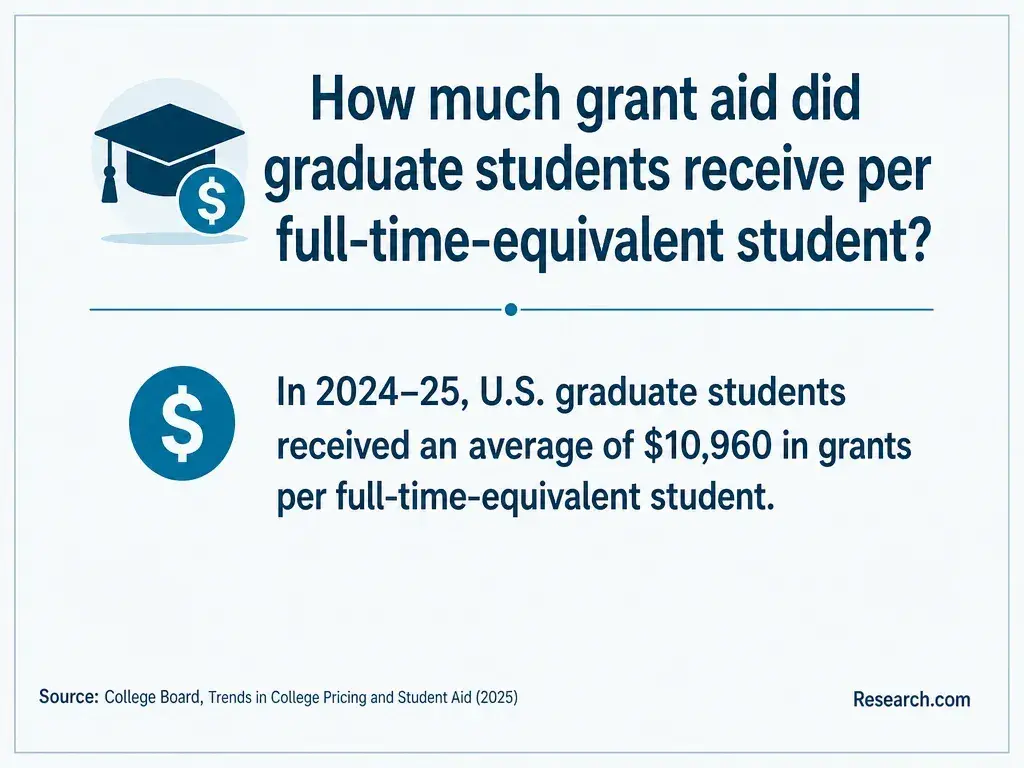
For broader graduate-price context, see affordable distance learning in graduate psychology; verify each program's current charges directly.
Potential targets include restorative justice program coordinator, victim-services specialist, community-service coordinator, and program evaluation assistant. Some graduates may first enter broader human-services work while building facilitation experience. Titles are inconsistent across employers: read the duties, required degree, background-check conditions, and supervision arrangements before treating a posting as a match.
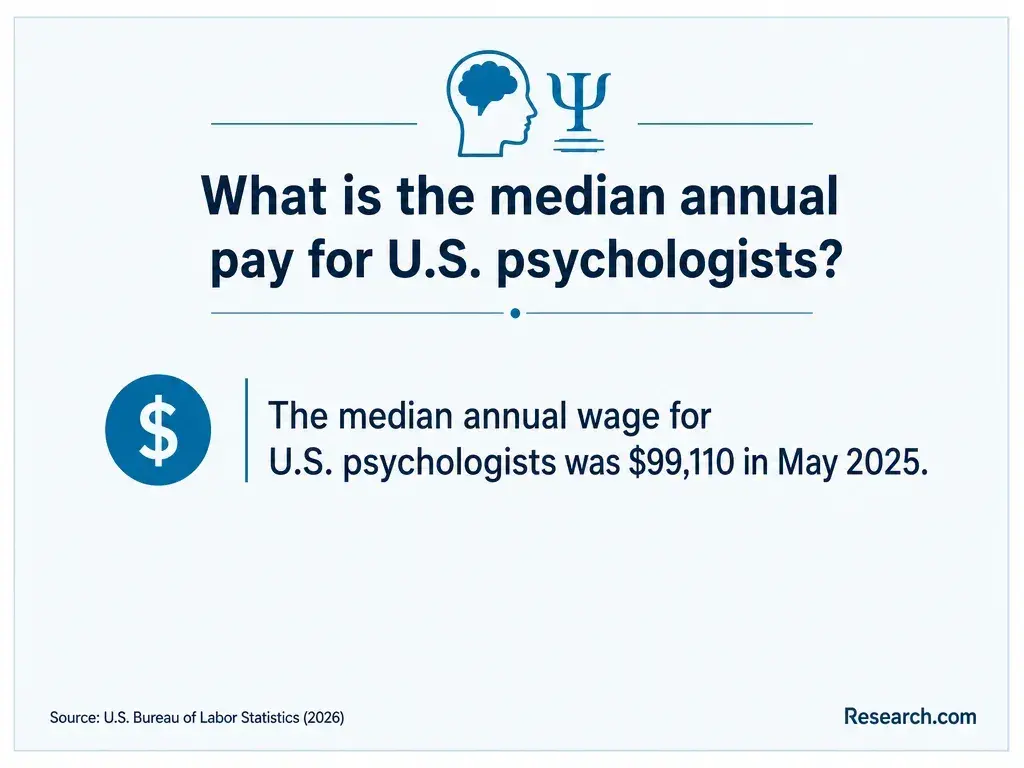
The US Bureau of Labor Statistics does not report a salary specifically for forensic psychology MS graduates working in restorative justice. Its social and human service assistants occupation is one possible comparison for some support duties, but it also covers many unrelated settings and is not a salary prediction for a program coordinator or degree holder.
For a reliable local estimate, compare pay ranges in current postings for the precise role and location, including public-sector pay grades where applicable. If earnings are driving the choice, distinguish nonclinical support jobs from licensed counselor positions before comparing figures.
Shorter online counseling master's financial comparisons concern a different training and hiring pathway; counseling wages should not be presented as the expected return on a forensic psychology MS.
How Should You Choose an Online Forensic Psychology Program?
Start with several actual restorative justice postings and identify which require a graduate degree, which accept equivalent experience, and which prioritize facilitation training. Then compare programs against the remaining gap. For a nonprofit practitioner, a program with a feasible, approved applied project may be more valuable than one with a compelling specialization name but no relevant supervision.
Use these checks before applying or paying a deposit:
- Ask target employers whether the degree would change eligibility or advancement for the specific role.
- Confirm institutional accreditation, exact curriculum, research supervision, and whether a restorative justice project is permitted.
- Get the total-cost estimate and verify live sessions, campus visits, placement approval, and completion options at your intended pace.
- Compare the degree with facilitator training and supervised experience, or a qualifying professional degree if your goal is licensed care.
Affordable distance learning in graduate psychology can provide a starting pool, not a substitute for those checks. Choose the forensic MS when its methods, legal-context expertise, and applied opportunities meet a documented hiring or advancement need.
Otherwise, gaining supervised restorative practice first may be the more direct investment. If you instead need an undergraduate counseling route, financial support for substance abuse counseling majors is relevant to that separate financing decision.
Other Things You Should Know About Psychology
Possibly, but get faculty and employer approval before planning around it. Existing employment does not automatically satisfy a capstone or placement requirement, and access to client information requires separate authorization.
Yes, if your employer permits it and the materials protect participants. Prefer a process description, public-facing resource, or properly authorized, nonidentifying sample over case notes or accounts of private conferences.
It may be required, particularly for roles involving minors, schools, courts, or access to sensitive records. Requirements differ by employer and jurisdiction; ask about them early rather than assuming a degree replaces screening.
It can be valuable when an organization serves that language community, especially alongside cultural knowledge and facilitation skills. Employers may still require a qualified interpreter for particular proceedings; conversational fluency alone may not meet that standard.
- The Psychological Impact of Restorative Justice Practices on Victims of Crimes - a Systematic Review - PMC https://pmc.ncbi.nlm.nih.gov/articles/PMC10240635/
- Role of Human Services During Community Supervision | National Institute of Justice https://nij.ojp.gov/topics/articles/role-human-services-during-community-supervision
- Victim Offender Dialogue Training for Facilitators | The National Institute of https://nicic.gov/training/catalog/hybrid/victim-offender-dialogue-training-facilitators
- Guidelines for Victim-Sensitive Victim-Offender Mediation | ojp.gov https://ovc.ojp.gov/sites/ovc/files/pubs/OVC_Archives/reports/96517-gdlines_victims-sens/guide6.html
- NYS Social Work: Social Work Licensure & Practice FAQs | nysed.gov https://www.op.nysed.gov/professions/licensed-master-social-worker/faq-licensure-practice
- A Career in Forensic and Public Service Psychology | apa.org https://www.apa.org/education-career/guide/subfields/forensic/education-training
- Healing After Harm: Restorative Justice in U.S. Courts | Judicature https://judicature.duke.edu/articles/restorative-justice-a-new-conversation-for-victims-and-offenders/
- Forensic Psychology, MS | Monroe University Catalog https://catalog.monroeu.edu/catalog/schools-academic-programs/criminal-social-justice/forensic-psychology-ms/
- How to Become a Victim Advocate | Goodwin University https://www.goodwin.edu/enews/how-to-become-victims-advocate/
- MS in Forensic Psychology | Neumann University https://www.neumann.edu/academics/grad/masters-degree-in-forensic-psychology