
2027 Different Types of Secondary Education Degrees and Their Salaries

Co-Founder and Chief Data Scientist
Demand for skilled professionals in secondary education continues to rise as schools seek qualified educators to prepare the next generation effectively. According to the U.S. Bureau of Labor Statistics, employment in teaching and education-related roles is projected to grow steadily over the next decade, reflecting a sustained need for specialized knowledge and leadership in the field. Choosing the right educational path plays a crucial role in career success, influencing both job opportunities and earning potential.
This article offers a detailed guide to the various types of secondary education degrees and explores what graduates can expect to earn, helping prospective students make informed decisions aligned with workforce trends and personal goals.
Key Points About Different Types of Secondary Education Degrees and Their Salaries
- Completing a bachelor's degree in secondary education significantly expands career opportunities, with the U.S. Bureau of Labor Statistics reporting a median annual wage of approximately $62,000 for high school teachers as of 2023, which is notably higher than those holding only an associate degree who often enter support roles rather than full teaching positions.
- Master's degrees in secondary education often lead to higher salaries and increased job stability, with teachers earning an average of $75,000 annually, and also allow for advancement into specialized roles such as curriculum specialists or educational coordinators, which are not typically available to those with only a bachelor's degree.
- While associate degrees may provide initial entry into education-related roles, individuals with advanced secondary education degrees experience long-term earning potential growth that surpasses $80,000 annually in administrative or leadership positions, reflecting the strong correlation between degree level and professional advancement in the education sector.
What Are the Different Types of Secondary Education Degrees Available?
Understanding the different secondary education degree types and levels is crucial for students before selecting a program because each option aligns with distinct career goals and educational needs. These degrees offer varied academic experiences and teaching approaches tailored to diverse professional paths and backgrounds.
Below are the main types of secondary education degrees and what makes each unique, providing clarity on what you can expect from their focus and coursework.
- Bachelor of Science (BS) or Bachelor of Arts (BA) in Secondary Education: Focuses on preparing students to teach specific subjects like math, science, or English at the middle or high school level. Coursework combines subject content with teaching methods, classroom management, and foundational education theory.
- Bachelor of Education (B.Ed.) in Secondary Education: Emphasizes subject mastery alongside professional teaching standards, often incorporating practical classroom experience. The curriculum typically centers more on pedagogy and educational psychology to meet certification requirements.
- Master of Education (M.Ed.) or Master of Arts in Teaching (MAT) in Secondary Education: Offers advanced training in teaching strategies, curriculum design, and educational leadership. Students engage with research methods and contemporary issues in secondary education, preparing for classroom and administrative roles.
- Post-Baccalaureate Certificate in Secondary Education: Designed for individuals who already hold a bachelor's degree in another field and seek targeted preparation for becoming licensed secondary teachers. Courses focus on pedagogy, curriculum development, and student assessment to fulfill certification standards.
- Doctoral Degree (Ed.D. or Ph.D.) in Secondary Education: Provides comprehensive study of educational theory, research, and policy related to secondary education. The program involves advanced coursework in curriculum analysis and leadership, often requiring original dissertation research.
Students exploring secondary education degrees might also compare programs with related offerings, such as accelerated online associate's programs, to find the best pathway suited to their academic and professional goals.
What Specializations Are Available in Secondary Education Degrees?
Choosing a specialization in a secondary education degree is crucial as it shapes the subjects you will be qualified to teach and aligns your training with specific career objectives. This selection influences your job prospects, earning capacity, and overall satisfaction in your teaching career.
Below are some common secondary education specializations designed to prepare educators with targeted skills and knowledge for various classroom environments:
- Secondary Education: English: This specialization emphasizes literature, writing, and language instruction. It develops skills in literary analysis, composition, and critical thinking, preparing graduates for careers as English teachers, literacy coaches, or curriculum developers.
- Secondary Education: Mathematics: Focused on mathematical theory and problem-solving, this track trains educators to effectively teach algebra, geometry, calculus, and statistics. Graduates gain strong analytical and communication skills and often find roles teaching math or working in educational technology.
- Secondary Education: Science (Biology, Chemistry, Physics, Earth Science): This path prepares teachers to deliver science content and conduct laboratory instruction safely. It builds expertise in scientific inquiry, making graduates competitive in STEM-focused job markets and typically associated with higher salaries.
- Secondary Education: Social Studies: Concentrating on history, geography, civics, and social sciences, this specialization equips educators to design engaging lessons about government, cultures, and historical events. Career options include classroom teaching, curriculum writing, and educational consulting.
- Secondary Education: Foreign Languages: This area develops language fluency and cultural literacy, using immersion and assessment techniques. Graduates often teach languages such as Spanish, French, or Mandarin in diverse school environments.
- Secondary Education: Special Education: Focused on supporting students with disabilities, this specialization trains educators in individualized instruction, legal frameworks, and teamwork in inclusive settings. Graduates become special education teachers or inclusion specialists.
For those seeking to continue their educational journey or explore options tailored for mature learners, programs featuring the top college degrees for seniors online offer flexible pathways into these specialized fields.
How Long Does It Take to Complete Each Type of Secondary Education Degree?
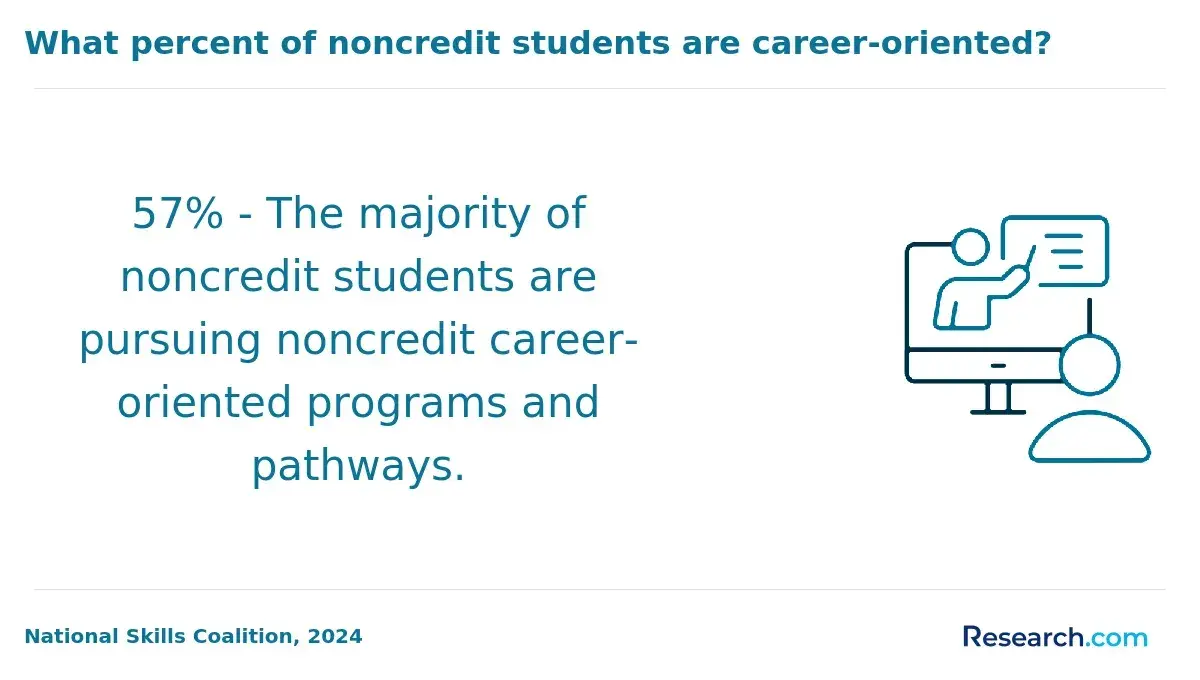
Understanding the duration of secondary education degree programs is crucial for students planning their academic and career paths. Knowing how long each program typically takes helps in setting realistic timelines and managing expectations effectively. Below is a list of common secondary education degree types and their typical completion times to help guide your educational planning.
- Associate Degree in Secondary Education: Usually completed in about two years, this degree provides foundational coursework in education. Completion time can vary depending on whether a student attends full-time or part-time, with some options for accelerated programs or online learning to shorten the timeline.
- Bachelor's Degree in Secondary Education: Typically a four-year program that combines general education and specialized teaching courses. Transfer credits from community colleges or part-time enrollment can extend or reduce the duration. Many institutions offer online or hybrid courses to provide flexible pacing.
- Master's Degree in Secondary Education: Usually requires 1 to 2 years beyond a bachelor's degree, focusing on advanced teaching strategies and subject specialization. Part-time options and accelerated paths are common, particularly for working educators aiming to enhance their credentials without leaving their jobs.
- Doctorate in Secondary Education: This degree often takes 3 to 5 years to complete and involves original research and advanced theory. The timeline depends on the program structure, dissertation progress, and whether the student is full-time or part-time. Some programs offer flexible online components for working professionals.
Are There Accelerated Secondary Education Degree Programs?
Yes, there are accelerated secondary education degree programs in the United States designed to help students enter the teaching profession more quickly than traditional four-year pathways. These programs often allow students to earn a bachelor's and a master's degree in as little as five years or complete a bachelor's degree with licensure requirements within two to three years. Common formats include condensed courses, such as 7- or 8-week terms, year-round study schedules, and credit for prior coursework or experience through transfer credits and degree-completion options. Many programs are available online or in hybrid formats, providing flexibility for working adults or those with family responsibilities. Some institutions even offer intensive one-year pathways for candidates who already hold a bachelor's degree in another field, streamlining their transition into secondary education.
Key considerations for prospective students include an intense workload and fast pace. Due to compressed timelines, coursework is often more demanding, requiring students to take more classes per term, attend summer sessions, or balance student teaching alongside academic responsibilities. Eligibility requirements typically include prior college credits, a minimum GPA, or completion of prerequisite courses. Accelerated programs can lead to financial advantages by reducing tuition costs overall and enabling earlier entry into the workforce. Given the median annual wage for secondary school teachers was $62,360 in 2023, finishing a program faster can result in earlier career earnings. However, applicants should prepare for a rigorous academic experience and consult academic advisors to ensure they can manage the program's demands and meet all entry criteria.
When I asked a graduate of an accelerated secondary education degree program about his experience, he recalled the challenges and rewards of the journey. "The first few months were overwhelming-I had to juggle an intense course load while student teaching simultaneously," he said. He described how condensed 8-week courses required constant focus with little downtime, making time management a crucial skill. "I often felt tired but motivated because I knew this pace would get me into the classroom sooner," he reflected. Having transfer credits from previous studies helped lighten the load slightly but did not diminish the intensity. Despite the fast pace, the graduate emphasized how supportive faculty and clear communication about expectations made the experience manageable. Ultimately, he viewed the accelerated path as a demanding yet highly rewarding process that allowed him to start his teaching career confidently and without delay.
Are Online Secondary Education Degrees as Credible as Traditional Ones?
Online secondary education degree programs and traditional campus-based degrees both uphold academic standards through accreditation by independent agencies authorized by the U.S. Department of Education. These accrediting bodies ensure that online programs meet the same rigorous requirements as traditional ones, including specified credit hours, qualified faculty, and clear graduation criteria. While traditional degrees emphasize structured, in-person interactions and set curricula, online programs use technology to offer flexible and customizable learning experiences. Studies show strong support for the quality of online education: for example, 77% of academic leaders believe online education outcomes are equal to or better than those in classroom settings. Additionally, online courses often see higher retention rates-ranging from 25% to 60%-compared to 8% to 10% in traditional in-person courses.
Employer acceptance of online secondary education degrees has grown significantly in recent years. According to CNN, 83% of executives now view online degrees as credible as traditional ones, and more than 70% of organizations hired employees with online credentials within the past year. However, employer confidence typically depends on institutional reputation and program accreditation rather than the mode of delivery. Degrees from well-known or regionally accredited institutions are rarely questioned regardless of whether they were earned online or on campus. For prospective students, focusing on the reputation and accreditation status of the institution remains the key factor in ensuring a credible secondary education degree.
How Much Does Each Type of Secondary Education Degree Typically Cost?
Understanding tuition differences across degree levels in secondary education is essential for effective budgeting and long-term financial planning. Prospective students can avoid unexpected expenses by comparing costs according to degree type, institution, and learning format. Here is an overview of the typical tuition ranges for each type of Secondary Education degree:
- Associate Degree in Secondary Education: Tuition for associate degrees generally ranges from $3,000 to $4,000 per year at public community colleges, with increased costs for out-of-district or out-of-state residents. These programs provide an affordable pathway toward a bachelor's degree and often qualify students for federal Pell Grants or state financial aid to reduce out-of-pocket expenses.
- Bachelor's Degree in Secondary Education: Public four-year institutions charge approximately $9,970 annually for in-state students and up to $30,148 for out-of-state students. Private colleges typically demand tuition between $30,000 and $39,000 per year. Online programs may offer lower tuition or in-state rates regardless of residency. Financial aid commonly available includes federal and state grants, scholarships, and work-study opportunities.
- Master's in Secondary Education: Tuition varies widely, but online master's programs can cost between $4,800 and $9,300 annually, while the average national tuition is around $7,911. Public universities tend to be more affordable than private ones. Graduate assistantships, federal loans, and scholarships are common ways to offset these expenses.
- Doctorate in Secondary Education: Doctoral tuition averages about $9,856 per year, though costs differ based on program length and institution. Many doctoral candidates secure funding through fellowships, assistantships, federal loans, or institutional grants.
Reflecting on the tuition journey, a graduate of a secondary education degree program shared that managing costs required a strategic approach combining savings, grants, and a part-time job. She recalled, "Balancing work and studies was challenging, but knowing I qualified for a state grant and a teaching assistantship really eased my financial burden." Her graduate assistantship not only offset tuition but also provided hands-on experience that enhanced her career prospects. She emphasized that careful planning and researching all available aid made higher education attainable without overwhelming debt, and she now feels her investment in education has paid off through both personal growth and a rewarding teaching career.
What Jobs Can You Get with Each Type of Secondary Education Degree?
The level of a secondary education degree greatly influences the career paths available to graduates, shaping both the types of roles they can qualify for and their potential for advancement. Understanding these distinctions can help students align their educational goals with job opportunities. Below is a detailed list of common jobs associated with each secondary education degree type to provide a clear overview of potential career directions.
- Associate Degree in Secondary Education: Graduates typically qualify for support roles such as teacher's aide, paraprofessional, or instructional assistant in middle or high schools. These positions involve assisting licensed teachers with classroom management, student tutoring, and lesson plan implementation but do not allow for independent classroom teaching.
- Bachelor's Degree in Secondary Education: This degree is the standard requirement for becoming a licensed middle or high school teacher in public and private schools. Teachers usually specialize in subject areas like math, science, English, or history. For those interested, it is worth noting that a critical factor affecting job choices and salary potential is reflected in the highest earning bachelor degrees, with median salaries around $62,360 as of May 2022.
- Master's Degree in Secondary Education: Holding a master's degree opens doors to advanced roles such as lead teacher, instructional coordinator, or adjunct professor at community colleges. These positions often involve curriculum design, teacher training, and educational leadership, with salaries ranging broadly depending on the role and location.
- Doctoral Degree (EdD or PhD) in Education: Doctorate holders in education typically work as postsecondary educators, education researchers, or policy analysts. These careers focus on higher education teaching, research, and influencing educational policy, often yielding the highest salaries and substantial professional impact.
How Do Salaries Differ by Secondary Education Degree Type?
Degree level in secondary education often influences earning potential, with higher degrees typically leading to better salaries and career opportunities. Understanding these differences can help students make informed decisions about their educational paths and future careers. The following list outlines typical salary ranges for each degree type in secondary education and the key factors affecting pay.
- Associate degree in secondary education: Entry-level teaching roles generally require at least a bachelor's degree, so those holding only an associate degree may be limited to support or assistant positions with salaries ranging from $37,500 to $49,999 annually. These lower-paying roles depend heavily on location and district demand, and advancing to a bachelor's degree is usually necessary for full-time teaching positions and greater earnings.
- Bachelor's degree in secondary education: The most common credential for secondary teachers, bachelor's degree holders earn a median salary of around $64,580 per year in the U.S. Pay varies by subject area-STEM fields often command higher salaries-and factors such as public versus private schools and region also play roles. Starting salaries typically range between $50,000 and $70,000, with additional certifications or specialties boosting income.
- Master's degree in secondary education: Teachers with a master's degree commonly earn more than those with only a bachelor's, with median annual salaries near $67,000. In some states, this can translate to $5,000-$10,000 more per year. A master's degree may also open doors to leadership or specialist positions that offer further salary enhancements.
- Doctoral degree in education (Ed.D. or Ph.D.): Less frequent among classroom teachers, doctoral degrees are often required for administrative, research, or higher education roles. Median salaries for postsecondary educators with doctorates range from $75,000 to $99,999 depending on field and institution, representing the highest earning potential in education.
Students interested in maximizing their long-term earnings should explore educational options carefully, including considering the best non profit accredited colleges that offer flexible opportunities to advance their credentials in secondary education.
Is There High Demand for Secondary Education Degree Holders in the Job Market?
There is a sustained and regionally varied demand for secondary education degree holders across the U.S., driven by factors such as emerging technologies and evolving workforce needs. Subjects like STEM, bilingual education, and special education are particularly important, with schools emphasizing STEM and TESOL certifications to fill shortages. The integration of digital learning tools and the need to prepare students for technology-driven careers have expanded opportunities for teachers trained in STEAM (science, technology, engineering, arts, and mathematics). These trends reflect a broader effort to equip students with relevant skills for the rapidly changing job market. Regional differences also play a crucial role: urban districts and states with diverse populations, such as Connecticut and California, report acute shortages in bilingual and special education teachers. Furthermore, ongoing teacher retirements, rising student enrollment, and legal mandates related to educational equity maintain strong hiring prospects for secondary education graduates.
Salary expectations vary by region and specialization but the national average for middle school teachers is around $61,810 annually, with higher earnings for those in high-demand fields or holding advanced degrees. For students considering their educational path, understanding the market landscape is vital, and exploring options for additional certifications can enhance employability. Those curious about broader career possibilities might wonder what is the highest paying trade school job?, highlighting the importance of considering demand trends when planning one's career. Overall, the outlook for secondary education degree holders remains positive due to persistent demand for specialized skills, technological literacy in education, and a growing array of job opportunities across diverse regions.
What Factors Should You Consider When Picking a Type of Secondary Education Degree?
Choosing the right degree level in secondary education is a critical decision because it directly impacts your career trajectory, earning potential, and personal fulfillment as an educator. Aligning your educational path with both your professional goals and individual circumstances ensures you are best prepared for success in the classroom and beyond. To help you make an informed choice, consider the following key factors:
- Career Goals: Different degrees cater to various teaching roles, such as middle school versus high school, and often require specialization in subjects like math or English. Understanding the specific age group and subject area you want to teach will guide you toward the appropriate degree and certification.
- Salary and Advancement Potential: Higher degree levels generally lead to increased earning power and access to leadership roles, such as department head or instructional coordinator. Reflect on your long-term financial goals and whether advancing your education aligns with these ambitions.
- Time Commitment and Flexibility: Bachelor's degrees typically take about four years, while master's programs can add one to two years and may be necessary for certain positions. Assess your availability and ability to balance education with work or family responsibilities before committing.
- Licensure and State Requirements: Licensing standards vary by state and often influence degree and coursework choices. Research your intended state's requirements to ensure your program meets all necessary criteria for certification.
- Personal Motivation and Satisfaction: Teaching secondary students involves unique challenges and rewards, such as fostering adolescent development and managing classroom dynamics. Consider whether these aspects align with your passion and strengths as an educator.
- Program Reputation and Support: The quality of your education, practical teaching experience, and career support services can greatly affect your job readiness and placement success. Aim for programs known for strong academic standards and hands-on opportunities.
What Secondary Education Graduates Say About Their Degree and Salary
- Jalani: "Completing my secondary education degree in special education opened doors I never expected. Teaching students with diverse learning needs has been both a challenging and incredibly rewarding experience. The tailored training I received prepared me to create inclusive classrooms where every child feels valued and capable. It's fulfilling to know I'm making a tangible difference in these kids' lives and helping shape a more understanding community."
- Sophia: "Having a secondary education degree in STEM subjects has truly set the foundation for my career in educational technology. The rigorous coursework combined with hands-on teaching practicums gave me the confidence to innovate and lead projects in digital learning environments. Beyond professional growth, it ignited my passion for inspiring young learners to embrace science and math, which are critical for their futures. I appreciate the stability and respect this career path offers, along with continual opportunities for advancement."
- Gabriel: "Reflecting on my journey with a secondary education degree in English literature, I'm grateful for how much I have grown personally and professionally. This degree honed my communication skills and deepened my appreciation for storytelling, which I now share with my students every day. The ability to foster critical thinking and empathy in teenagers feels like a true vocation. Despite the challenges teachers face, the personal fulfillment and community impact make every effort worthwhile."
Other Things You Should Know About Secondary Education Degree Programs & Salaries
In 2027, the main types of secondary education degrees include a Bachelor's in Secondary Education, an Associate Degree in Teaching, a Master's in Secondary Education, and Post-Baccalaureate Certificates. Each degree offers different focuses, such as subject specialization or teaching methodologies, and can impact salary potential.
In 2027, secondary education degrees specializing in STEM (Science, Technology, Engineering, Mathematics) subjects typically offer the highest salary potential. Teachers with these specializations are in high demand, leading to competitive salaries in both public and private school settings.
References
- Accelerated M.S.Ed. in Secondary Education https://education.indiana.edu/programs/amps/secondary-education.html
- Secondary Teaching Majors: Salary Info & Career Options - Teaching Degree Search https://teachingdegreesearch.com/majors/teacher-education-grade-specific/secondary-education/
- What Is a Secondary Education Degree? | FAQs | MWCC https://mwcc.edu/blog/secondary-education-faqs/
- Issue Brief: Degree Trends in High-Demand Teaching Specialties - American Association of Colleges for Teacher Education https://aacte.org/report/issue-brief-degree-trends-in-high-demand-teaching-specialties/
- Who is expected to complete upper secondary education?: Education at a Glance 2023 | OECD https://www.oecd.org/en/publications/education-at-a-glance-2023_e13bef63-en/full-report/who-is-expected-to-complete-upper-secondary-education_4c7a0b1e.html
- Secondary Education Degree for 2024 - College Educated https://collegeeducated.com/online-degrees/secondary-education-degree/
- Accelerated Teaching Degree Program - STEP Program NY | Adelphi https://www.adelphi.edu/program/undergraduate/step/
- Secondary Education Specialization, MAT https://uncw.edu/academics/majors-programs/wce/secondary-education-specialization-mat/index.html
- 9 Education & Teaching Degrees to Consider https://www.oxfordscholastica.com/blog/university-preparation-articles/9-education-teaching-degrees-to-consider/


