
2027 How to Become a Physical Education Teacher in Indiana

Co-Founder and Chief Data Scientist
Indiana's demand for physical education teachers is rising, with over 8,000 employed in public schools statewide as of recent data. Pursuing this career offers stable employment in a profession essential to student health and development. Beyond routine teaching, physical education teachers shape lifelong wellness habits and promote inclusivity in physical activities, making their role pivotal in education and community well-being.
This article, crafted by career planning experts, challenges assumptions about the profession’s accessibility and rewards. It guides readers through Indiana’s certification requirements, educational pathways, and practical steps to become a licensed physical education teacher, delivering clear, reliable information to support informed career decisions.
Key Things to Know About Becoming a Physical Education Teacher in Indiana
- Earn a bachelor’s degree in physical education or a related field from an accredited Indiana institution; this is a prerequisite to licensure and critical given Indiana’s growing demand for qualified PE teachers.
- Complete a state-approved teacher preparation program including student teaching experience; hands-on practice is essential as Indiana reports a shortage of PE educators, making practical skill highly valued.
- Pass the Indiana CORE Assessments for Educators and apply for a teaching license; staying current with licensing requirements is crucial since policy updates impact certification validity and employability.
- What are the education requirements to become a physical education teacher in Indiana?
- What skills are essential for physical education teachers in Indiana?
- Do PE teachers in Indiana need a teaching license?
- How do you get certified as a PE teacher in Indiana?
- Can out-of-state teachers transfer their license to Indiana for PE teaching?
- How long does it take to become a PE teacher in Indiana?
- How much does it cost to become a PE teacher in Indiana?
- What are the career advancement opportunities for physical education teachers in Indiana?
- Are there scholarships for physical education teaching students in Indiana?
- Is there demand for physical education teachers in Indiana?
- What is the average salary of a PE teacher in Indiana?
What are the education requirements to become a physical education teacher in Indiana?
Designing effective physical education programs that foster lifelong fitness and student wellness demands more than enthusiasm—it requires rigorous formal education. Teachers must understand diverse physical and developmental needs while navigating evolving health standards. These foundations empower educators to engage students meaningfully.
Below are the foundational education requirements typically necessary to become a physical education teacher in Indiana.
- Bachelor’s Degree in Physical Education or Related Field: Aspiring teachers must obtain a bachelor’s degree in physical education, kinesiology, exercise science, or a closely related area from a regionally accredited institution. Indiana physical education teacher degree requirements emphasize programs blending theory and practical experience over approximately four years of full-time study.
- Completion of a State-Approved Teacher Preparation Program: Candidates must finish a teacher preparation program sanctioned by the Indiana Department of Education. These programs deliver coursework on instructional strategies, classroom management, and child development, along with a semester-long student teaching placement to ensure real-world training.
- Mastery of Content Standards in Physical Education: Prospective teachers must demonstrate proficiency consistent with Indiana Content Standards for Educators. This includes understanding principles of physical development, motor skills, fitness, and adapting lessons for students with disabilities.
- General Education Core Completion: Beyond specialized courses, candidates complete the Indiana College Core or another general education curriculum which advances communication, mathematics, and scientific reasoning—critical areas supporting well-rounded educators.
For those questioning whether is getting education associate degree hard, it’s important to consider these comprehensive bachelor’s programs as foundational to meeting Indiana’s education requirements for physical education teacher in Indiana, ensuring preparedness for the dynamic K–12 teaching environment.
What skills are essential for physical education teachers in Indiana?
Physical education teachers in Indiana play a vital role in shaping not only students' physical abilities but also their long-term wellness and social development. With classrooms that reflect diverse abilities, cultural backgrounds, and learning styles, mastering the essential skills for Indiana PE teachers demands more than just playing sports—it calls for thoughtful engagement and innovation.
These capabilities are fundamental to inspiring students to adopt healthy lifestyles while navigating dynamic and often unpredictable learning environments. Below are the core competencies that define successful physical education teacher skills in Indiana:
- Effective Communication and Instruction: Clear, empathetic communication allows teachers to break down complex movement concepts and safety rules in ways that resonate with all students. This skill ensures that every learner, regardless of ability or background, understands and feels confident in participating.
- Adaptability and Differentiated Instruction: No two students or classes are alike, so tailoring activities and lessons to fit diverse needs is crucial. This skill involves adjusting approaches based on skill levels, cultural nuances, and available resources to create inclusive and engaging experiences.
- Leadership and Classroom Management: Guiding large groups through active lessons requires strong organizational and supervisory skills. Effective teachers cultivate respect for rules, fair play, and positive competition, maintaining a safe but stimulating environment.
- Comprehensive Knowledge of Movement Science and Health: An in-depth grasp of exercise physiology, anatomy, and nutrition empowers teachers to design activities that align with developmental stages and promote lifelong health habits.
- Assessment and Technology Integration: Leveraging varied assessment strategies and technology helps monitor student progress and refine instruction. Embracing digital tools enhances both teaching efficiency and student engagement.
Exploring the pathway to mastering these competencies can be further enriched by reviewing a list of best online education degrees, which provides valuable insights into programs designed to develop well-rounded educators.
Do PE teachers in Indiana need a teaching license?
Licensing requirements in Indiana serve as a vital checkpoint to ensure physical education teachers meet consistent standards of knowledge, skills, and professionalism. These safeguards help maintain the integrity of education and protect student well-being, particularly in areas emphasizing health and safety, such as physical education.
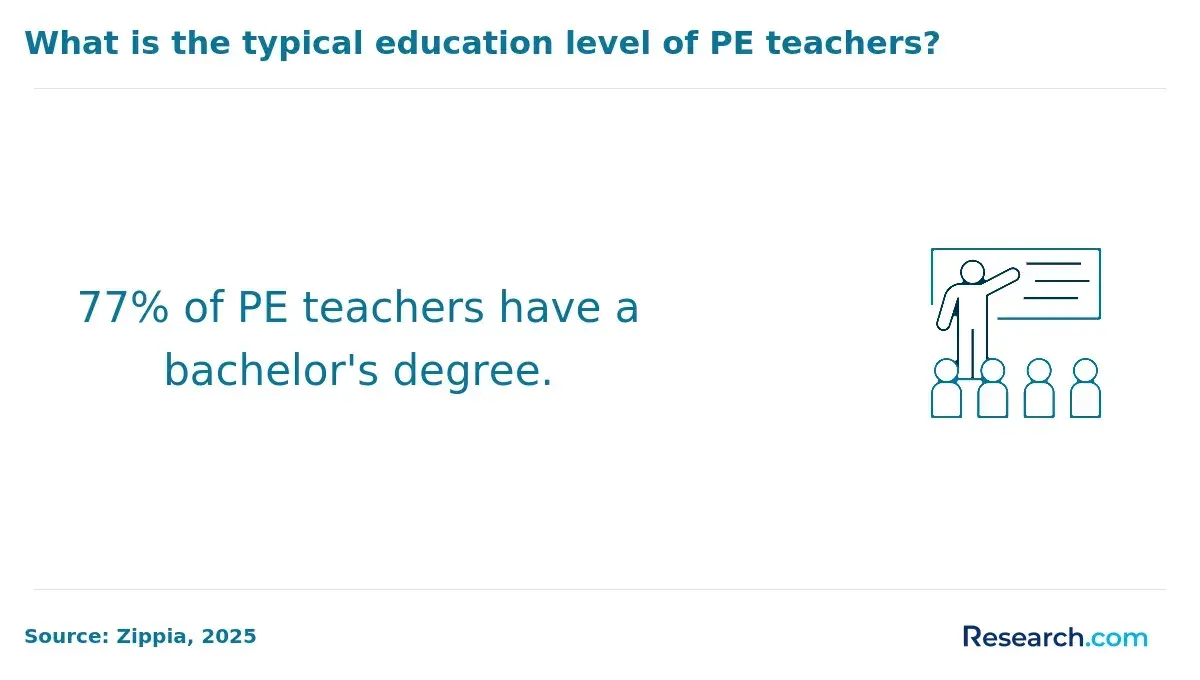
In Indiana’s public schools, a state-issued teaching license is mandatory for physical education teachers. Candidates must hold a bachelor’s degree, complete an approved teacher preparation program, and pass specific state exams like the Praxis II Physical Education Content and Design.
Background checks at state and federal levels are also prerequisites. This comprehensive process reflects a commitment to elevating teacher quality and ensuring that educators are thoroughly prepared to support student growth.
Conversely, private and charter schools enjoy more latitude and may not require formal state licensure for PE teachers. While many still prefer licensed candidates, some allow professionals with relevant degrees or experience to teach without passing state certification exams. This flexibility challenges traditional notions of teacher qualification but may restrict career advancement and limit eligibility within public education.
Ultimately, the divide between licensed public roles and more fluid private or charter roles shapes the professional pathways available to aspiring PE teachers in Indiana, pressing candidates to weigh immediate opportunities against long-term career stability.
How do you get certified as a PE teacher in Indiana?
Certification goes beyond a mere formality; it acts as the gatekeeper for quality physical education that truly nurtures student health and lifelong wellness. In Indiana, the rigorous certification process not only ensures competence but also reflects a deeper commitment to cultivating environments where students thrive physically and mentally.
Here are the essential steps that define this journey.
- Earn a Bachelor’s Degree: Candidates must obtain a degree in physical education, kinesiology, or a related field from an accredited institution, grounding them in anatomy, physiology, and educational strategies essential for effective teaching.
- Complete a Teacher Preparation Program: This state-approved program blends coursework with hands-on student teaching, fostering both pedagogical skills and real-world classroom experience under professional supervision.
- Pass Required State Exams: Aspiring PE teachers face three Pearson exams that assess core academic skills, pedagogy relevant to grade levels, and specialized PE knowledge, including a content exam with a $130 fee.
- Complete Mandatory Trainings: Certification demands current CPR/AED credentials plus trainings in suicide prevention and child abuse awareness, reinforcing the critical role of safety in schools.
- Apply for State Certification: Submission of proofs through the Indiana Licensing Verification and Information System results in an Initial Practitioner License valid for two years, marking official entry into the profession.
- Advance to Proficient Practitioner License: After two years of mentored teaching or fulfilling a professional growth plan, teachers may apply for a renewable five-year license, emphasizing continual development.
A PE teacher from Indiana, who graduated locally, reflected candidly on the certification path: “It feels like weaving theory into practice under constant scrutiny, yet every challenge sharpened my confidence.” He recalled the anxiety of coordinating exam schedules with a demanding student-teaching stint, underscoring how balancing preparation with real classroom dynamics required resilience.
“The CPR and safety trainings initially seemed procedural, but I soon saw their real value during unexpected school emergencies.”
He emphasized the mentoring phase as transformative, stating, “Having a seasoned educator guide me shaped how I approached not just teaching, but connecting with students.” His story reveals that certification is less a checklist and more a meaningful progression forging skilled, thoughtful educators ready to impact Indiana’s youth.
Can out-of-state teachers transfer their license to Indiana for PE teaching?
Indiana does allow out-of-state physical education teachers to transfer their licenses, but it is far from a simple, guaranteed process. While the state participates in reciprocity agreements such as the NASDTEC Interstate Agreement, these do not automatically waive all requirements. Teachers must have completed a state-approved or accredited teacher preparation program and hold a valid, unexpired license from another state.
However, Indiana mandates that every applicant pass a state-specific content licensure exam for all subjects appearing on the Indiana license, including physical education. If this test remains unfinished, a one-year temporary reciprocal permit may be issued, allowing the teacher to work while completing the testing requirement.
Beyond exams, all teachers new to Indiana—regardless of their origin—must complete training in CPR, the Heimlich maneuver, AED use, and suicide prevention within the first year of licensure. Notably, Indiana does not typically require additional coursework for physical education teachers if they have met the preparation criteria elsewhere, but it enforces these unique state-specific conditions and exams.
These regulations create both opportunities and hurdles for PE teachers relocating to Indiana. The requirement to clear Indiana's specific content exam can delay full licensure, even for experienced educators with credentials from other states. The one-year temporary permit provides immediate employment opportunities but comes with the pressure to pass the state tests quickly.
Additionally, mandatory safety and mental health training imposed by Indiana, regardless of prior qualifications, challenges the assumption that teaching licenses are fully portable across states. This insistence on localized standards reflects a broader tension in American education licensing—balancing ease of workforce mobility against ensuring educators meet state-specific expectations.
Therefore, out-of-state physical education teachers must prepare for a transitional period filled with testing and compliance, demonstrating Indiana’s careful vetting process despite its openness to external candidates.
How long does it take to become a PE teacher in Indiana?
The journey to becoming a physical education teacher in Indiana is shaped by a variety of factors, including the type of degree program pursued, completion of certification requirements, and hands-on teaching experience. These elements influence the overall duration, challenging the notion that one fixed timeframe applies to all candidates.
Considering the Indiana PE teacher education timeline reveals the complexity behind “how many years to become a PE teacher in Indiana.”
- Bachelor's Degree in Physical Education: Usually completed in four years, this stage offers critical knowledge in areas like kinesiology, sports psychology, and health education. Many students opt for programs that integrate degree coursework with teacher certification, streamlining the process.
- Teacher Preparation Program: If not integrated with the bachelor's degree, this program adds roughly a semester to a full year. It builds essential teaching skills such as classroom management and educational psychology to prepare candidates for real classrooms.
- Student Teaching Experience: Typically lasting one semester, this hands-on phase places future teachers in active school settings. It is fundamental in applying theoretical knowledge and refining practical teaching techniques.
- State Certification Requirements: Passing content assessments, completing CPR and suicide prevention training, and submitting background checks can take several months. Each component must be successfully completed to ensure eligibility for licensure.
- Licensure and Certification Tests Preparation: Preparing for state-specific exams is a substantial time investment, often requiring months of study. These tests evaluate both subject proficiency and teaching competence, integral to becoming a certified instructor.
- Additional Training and Coursework: Depending on individual circumstances or alternative pathways, extra requirements may extend the timeline. Prospective teachers should remain adaptable to these potential demands.
Those exploring options can also consider an affordable online degree in education to potentially expedite their path while balancing other life commitments.
How much does it cost to become a PE teacher in Indiana?
Becoming a physical education teacher in Indiana demands a clear view of the financial landscape shaping this career path. Tuition, certification fees, and various testing expenses converge to form a significant investment that can influence your approach and decisions.
Diving into these costs reveals how the cost of PE teacher certification in Indiana extends beyond tuition alone, touching every step of the qualifying process. Below is a breakdown of essential expenses to consider.
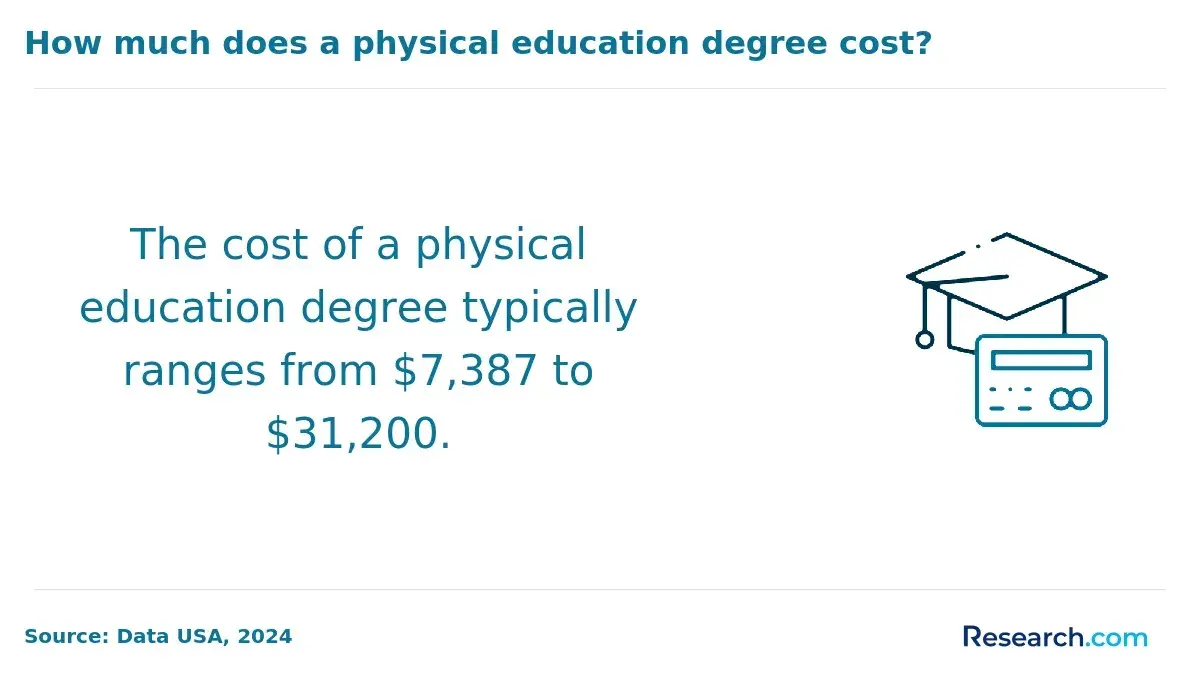
- Bachelor's Degree Program: The foundation of certification starts with earning a bachelor's degree. Costs vary widely between public and private institutions, with in-state tuition at public universities typically offering more affordable rates compared to out-of-state or private schools. Be prepared for tuition fluctuations based on your chosen pathway.
- Teacher Preparation Program Fees: Indiana provides various avenues like the Transition to Teaching program, where fees range approximately from $9,700 for in-state students up to $13,300 for those from out-of-state. These fees include credit hours and necessary tasks such as the EdTPA portfolio submission and supervision costs, crucial parts of meeting state requirements.
- Licensing and Examination Costs: Successfully passing required Praxis exams is imperative, with each subtest demanding a minimum score of 220. Initial educator license fees start at $35, but additional examination expenses depend on your certification track, adding layers to overall program fees.
- Alternative Certification Options: For those seeking cost-effective solutions, programs like Teachers of Tomorrow present alternatives priced around $4,795. Such programs often provide flexible monthly payment plans that reduce upfront financial pressure, making the Indiana physical education teacher program fees more manageable for many.
- Additional Expenses: Don’t overlook the cumulative cost of textbooks, background checks, and student teaching placements—items often excluded from tuition but essential to the complete certification journey. These supplementary costs can affect your budget as much as the primary fees.
When weighing educational investments, comparing options—such as traditional routes versus alternatives—and understanding the full scope of expenses, including the ongoing cost of certification maintenance, offers a strategic advantage.
For insights into related academic pursuits, consider exploring how much is a masters in library science to gauge further educational cost dynamics.
What are the career advancement opportunities for physical education teachers in Indiana?
Advancing beyond the classroom is achievable through specialized certifications, mentorship programs, and graduate studies that equip educators for leadership or coaching roles. Many districts support professional development by offering targeted workshops and training sessions designed to enhance instructional techniques and management skills. These initiatives enable teachers to diversify their expertise and transition into roles such as sports coordinators or curriculum developers, thereby broadening their impact on school health programs. Additionally, understanding how long does it take to become a teacher in Indiana can help educators plan their long-term career trajectories and capitalize on professional growth opportunities.
Are there scholarships for physical education teaching students in Indiana?
Managing the costs of education and licensure is a major hurdle for aspiring physical education teachers in Indiana, making scholarships and financial aid vital. These resources not only reduce financial strain but also open doors to rewarding teaching careers in a field often overlooked for support.
- Federal and State Financial Aid: Programs like the Federal Pell Grant, TEACH Grant, and Indiana’s Frank O’Bannon Grant provide essential funds to offset tuition. The TEACH Grant, in particular, encourages service in high-need schools, linking aid to commitment.
- Institutional Scholarships: Many Indiana universities offer targeted scholarships for PE majors, rewarding academic excellence and commitment with awards such as the C.B. Sputh and William A. Stecher scholarships.
- Teaching Grants: The Next Generation Hoosier Educators Scholarship and Transition to Teaching Scholarship offer substantial aid in exchange for service in Indiana schools, fostering loyalty to local communities.
- Loan Forgiveness Programs: Teacher loan forgiveness programs reward sustained work in low-income schools, offering relief of up to $17,500, a crucial incentive given shortages in PE education.
A PE teacher from Indiana shared with me how financial aid shaped her journey. Graduating from a local university, she described the anxiety of balancing costs with coursework until receiving a program-specific scholarship that recognized her leadership and passion.
“That scholarship wasn’t just money,” she reflected, “it was affirmation that my dedication mattered.”
This aid, combined with a federal grant, eased her path through licensure and into a teaching position in a community that needed her most. Her story underscores how targeted scholarships can transform challenges into opportunities, fueling both education and commitment.
Is there demand for physical education teachers in Indiana?
The demand for physical education teachers in Indiana is influenced by multiple factors such as changing school enrollment, state health initiatives focused on combating childhood obesity, and retirement rates among existing educators.
These dynamics intertwine to shape hiring needs, with schools increasingly valuing PE teachers who can contribute to improving student wellness. As veteran educators retire or shift to administrative roles, openings arise that require new professionals ready to meet evolving health standards in education.
Physical education teacher demand in Indiana is particularly pronounced in public schools located in urban and underserved districts, where student populations are larger and the need for robust health education is critical.
Cities such as Indianapolis, Gary, and Hammond show especially high employment activity for PE teachers due to their focus on combating health disparities. While the projected job growth rate for PE teachers nationwide is modest, steady replacement needs driven by retirements keep job opportunities alive.
Schools emphasize hiring educators with additional skills in health education or coaching to address rising concerns about physical activity and wellness. Aspiring teachers with these competencies may find themselves in a favorable position as districts prioritize qualified candidates.
For those planning their educational path, exploring the easiest EDD programs can be a strategic step to augment teaching credentials and meet these market demands.
Job opportunities for physical education teachers in Indiana often reflect the challenges and priorities of its diverse school districts. The consistent need to replace retiring teachers, combined with efforts to improve student health outcomes, keeps a competitive but steady market.
This environment rewards candidates who not only meet certification requirements but also bring an understanding of public health trends and community engagement to their roles.
What is the average salary of a PE teacher in Indiana?
In Indiana, the average salary is around $52,531, reflecting similar compensation trends in the region. Salary remains a vital factor for those considering a career in physical education in Indiana, as it impacts financial stability, job satisfaction, and long-term career progression.
Several key factors shape these salary figures in the state:
- Years of Experience: Salaries start as low as $23,250 for entry-level teachers and can exceed $100,000 with extensive experience, showing steady increases with tenure.
- Education Level: Advanced degrees such as master’s or specialist credentials generally lead to higher pay, while a bachelor’s degree limits earning potential.
- School Type (Public vs. Private): Public school PE teachers typically receive better salaries and benefits, influenced by district budgets and union agreements.
- Geographic Location: Salaries vary greatly by region; for instance, Pendleton teachers earn about $65,147, surpassing averages in Indianapolis and Gary.
The earning potential for PE teachers in Indiana underscores a complex balance between economic challenges and the intrinsic rewards of fostering student health, prompting aspirants to weigh both financial and personal fulfillment in their career decisions.
What Do Physical Education Teachers in Indiana Say About Their Career?
- Completing my physical education program at Fort Wayne Academy truly set the foundation for a fulfilling career. Starting work in a local Indiana school allowed me to connect deeply with students and understand the unique needs of our community. The job stability and support from the state’s education system gave me confidence from day one. I love seeing the positive impact on students’ well-being as they grow stronger and more confident. The experience has been both rewarding professionally and emotionally. Jamal
- My journey began with finishing my degree at South Bend Central High School, and stepping into a local school environment as a PE teacher was eye-opening. Indiana’s rich outdoor culture offers unique opportunities to incorporate nature-based activities and promote lifelong healthy habits. This role has challenged me to be creative and adaptive while inspiring young people to embrace fitness with enthusiasm. The continuous professional development options available have allowed me to advance my skills and stay current in the field. Latisha
- After graduating from Indianapolis Technical Academy, I started my PE teaching career in a nearby school, where I learned that the profession goes beyond exercise; it’s about shaping character and resilience. The deep sense of contribution to the community’s health drives my passion every day. Indiana’s resources, like the Hoosier Outdoor Experience program, provide excellent avenues to engage students beyond the gym. I appreciate the structured opportunities for career growth that keep me motivated and professionally fulfilled. Wei
Related Articles for Nearby States
- 2027 How to Become a Physical Education Teacher in Ohio
- 2027 How to Become a Physical Education Teacher in Illinois
- 2027 How to Become a Physical Education Teacher in Kentucky
- 2027 How to Become a Physical Education Teacher in Michigan
- 2027 How to Become a Physical Education Teacher in Wisconsin
- 2027 How to Become a Physical Education Teacher in Missouri
- 2027 How to Become a Physical Education Teacher in Tennessee
- 2027 How to Become a Physical Education Teacher in Iowa
- 2027 How to Become a Physical Education Teacher in West Virginia
- 2027 How to Become a Physical Education Teacher in Minnesota
References:
- DOE: Current Indiana Teachers Add Content Areas https://www.in.gov/doe/educators/educator-licensing/current-indiana-teachers-add-content-areas/
- Elementary Assistant Principal Squad | Is anyone from Indiana | Facebook https://www.facebook.com/groups/3354684768181426/posts/3644751089174791/
- Indiana Teacher's License Guide for 2025 | Teachers of Tomorrow https://www.teachersoftomorrow.org/blog/insights/indiana-teachers-license-guide/
- Understanding and Navigating the… | Indiana State Teachers Association https://www.ista-in.org/understanding-and-navigating-the-new-literacy-endorsement-requirements
- Certificate vs. Endorsement: What’s the Difference? - Graduate Programs for Educators https://www.graduateprogram.org/blog/certificate-vs-endorsements-whats-the-difference/
- Online Physical Education Endorsement: Harper College https://www.harpercollege.edu/academics/science/kinesiology/physical-education-endorsement.php
- How to Become a PE Teacher in Indiana | Requirements for PE Teacher Jobs in IN https://www.peteacheredu.org/indiana/
- Physical Education Teacher Education : IU Indianapolis Bulletin https://bulletins.iu.edu/iuin/2025-2026/schools/health-and-human-sciences/undergraduate/pete.shtml
- IHT - 6 Qualities of a Great PE Teacher https://ihtusa.com/6-qualities-of-a-great-pe-teacher/
- Pre-Physical Education Teaching at Anderson University Indiana https://anderson.edu/academics/pre-physical-education-teaching/
Other Things You Should Know About Becoming a Physical Education Teacher in Indiana
In 2027, to become a Physical Education Teacher in Indiana, you must earn a bachelor's degree in physical education or a related field from an accredited institution. Additionally, completion of a state-approved teacher preparation program and passing the Indiana CORE Assessments for Educator Licensure is required.
To become a Physical Education Teacher in Indiana, you must pass the Indiana CORE Assessments for Educator Licensure. These exams cover general content knowledge and specific physical education standards required by the Indiana Department of Education.


