2027 Easy Online MBA Programs With High Acceptance Rates

Co-Founder and Chief Data Scientist
Many aspiring professionals face rejection or lengthy application processes when pursuing an MBA, especially those switching from unrelated fields. Limited time and rigid requirements often block access to reputable programs. This can delay career advancement and increase stress.
Finding an MBA program with high acceptance rates and flexible admission criteria becomes essential for those seeking a practical pathway without compromising quality. This article examines easy online MBA programs that accept a broad range of applicants, highlighting accessible, accredited options designed to support career pivots efficiently and effectively.
Key Things You Should Know
- Easy online MBA programs in 2026 often feature flexible admissions, with acceptance rates exceeding 70%, catering to working professionals and nontraditional students.
- Many programs emphasize practical skills and accelerated formats, enabling completion within 18-24 months while maintaining accreditation standards.
- Tuition for high acceptance online MBAs averages $25,000-$40,000, offering cost-effective options compared to traditional on-campus degrees.
What Are the Easiest Online MBA Programs With High Acceptance Rates?
Easy online MBA programs with high acceptance rates typically admit 60% or more of applicants, making them highly accessible to working professionals and career changers. These programs focus on balancing flexible admissions criteria with quality curriculum, ideal for students who prioritize entry rather than selectivity.
Many affordable online MBA degrees with flexible admission criteria emphasize work experience and personal statements over test scores or GPA, unlike top-tier programs such as Indiana University Kelley's online MBA, which accepted just 23% of applicants.
These easier programs often come from state universities or smaller private colleges with acceptance rates between 60% and 85%. Key features include:
- Holistic admissions considering leadership potential and professional background
- Lowered or waived GMAT/GRE requirements to reduce testing barriers
- Rolling admissions with multiple application cycles annually
- Flexible prerequisites focused on business fundamentals rather than strict academic records
Prospective students should seek schools advertising high acceptance rates or open admissions policies, which are often regional public universities offering affordable tuition and accredited, valuable curricula. While such programs may not rank among the top 25 online MBAs, they deliver meaningful career outcomes.
Overall, the easiest online MBA programs emphasize accessibility through broader application criteria and acceptance rates well above elite programs, making them attractive to candidates seeking guaranteed enrollment with a reasonable academic challenge.
Which Online MBA Programs Have the Highest Acceptance Rates?
The online MBA programs with the highest acceptance rates in the United States offer increased accessibility for many applicants. Emporia State University is notable for its 93% acceptance rate, demonstrating how selectivity can be less of a hurdle without compromising program quality.
Online rankings highlight 15 institutions with acceptance rates at or above 90%, reflecting a trend toward inclusivity in reputable online MBA programs.
Those looking for easy online MBA programs with high acceptance rates should consider key factors such as:
- Emporia State University: A well-regarded option with high accessibility and rigorous coursework.
- Multiple ranked schools: Many offer acceptance rates exceeding 90%, catering to diverse academic and professional backgrounds.
- Flexible admissions: Emphasizing career experience and potential over standardized test scores or GPA.
Such programs support working professionals needing flexibility or career changers without traditional academic markers. High acceptance rates do not imply lower standards; many programs maintain strong curricula and established alumni networks.
Applicants should verify acceptance statistics with schools, as rates vary annually. Evaluating admission criteria with acceptance rates ensures alignment with career and educational goals. For those also considering cost, the cheapest AACSB online MBA options provide another important perspective in choosing the right program.
What Makes an Online MBA Program Easy to Get Into?
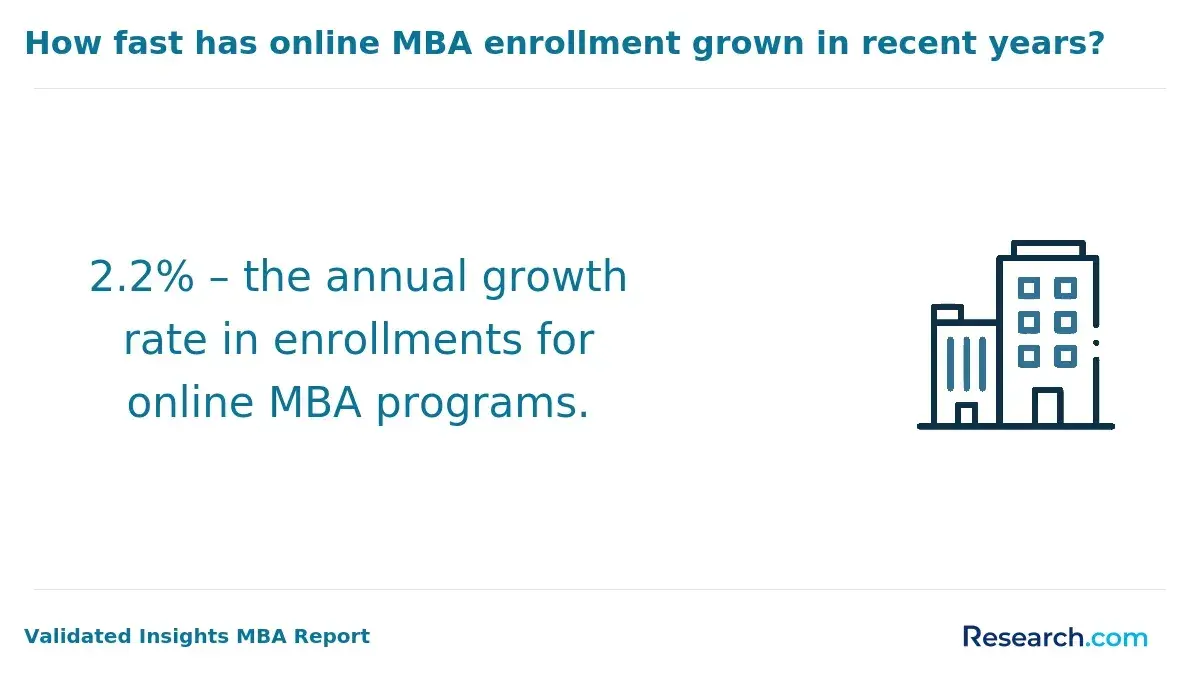
Online MBA programs with easy admission requirements typically feature lenient criteria and a high acceptance rate. Many waive standardized tests like the GMAT or GRE, broadening their applicant pool and making the process simpler. Clarion University of Pennsylvania, for example, boasts a 92% acceptance rate, significantly above the post-pandemic average of 77.28% recent data reports.
These programs often emphasize professional experience over academic scores and accept varied undergraduate GPAs, sometimes below the traditional 3.0 threshold.
Key factors of high acceptance online MBA programs include:
- No or flexible standardized test score requirements.
- Acceptance of diverse undergraduate GPAs.
- Greater focus on relevant professional experience.
- Rolling admissions or extended deadlines for flexibility.
Many easy online MBA admission requirements also involve accepting transfer credits and offering several start dates to accommodate working professionals. Some institutions provide conditional admission contingent on foundation coursework, easing entry for those with weaker academic records. Additionally, streamlined applications with fewer essay demands support higher acceptance rates.
Prospective students balancing career and study should consider programs that recognize work experience as a valuable admission factor. For those seeking affordability alongside accessibility, exploring the cheapest online executive MBA options can be beneficial.
How Do Online MBA Programs Differ From Campus-Based Ones?
Online MBA programs' benefits compared to traditional campus programs often center on flexibility and accessibility. Online courses allow students to study asynchronously from any location, supporting working professionals balancing education with careers or family. In contrast, campus-based programs typically require physical attendance at set times, which can restrict access for those with busy schedules.
The differences between online MBA and on-campus MBA learning experiences include the mode of interaction and resource access. Campus students engage in face-to-face networking, benefit from on-site libraries, and enjoy direct mentorship. Online learners participate via virtual discussions, video lectures, and digital collaboration, demanding strong self-discipline and time management skills.
Admission rates highlight accessibility aspects. The University of Saint Mary's online MBA has a 97% acceptance rate, compared to Wake Forest University's 90% for its traditional MBA program in 2026. This illustrates online programs' focus on inclusivity and serving non-traditional students.
Prospective students should weigh learning styles, networking goals, and scheduling needs. Those seeking immersive campus life may prefer traditional options, while professionals needing adaptable study schedules can find advantages in online formats.
For those interested in flexible paths, consider exploring online MBA no GMAT required programs as a practical alternative.
What Accreditation Should Online MBA Programs Have?
Accreditation is crucial for online MBA programs to guarantee quality education and professional credibility. The most recognized accreditations in the U.S. are from the Association to Advance Collegiate Schools of Business (AACSB) and the Accreditation Council for Business Schools and Programs (ACBSP). AACSB accreditation represents the gold standard, emphasizing faculty expertise, curriculum rigor, and continuous improvement.
Employers widely respect programs with AACSB accreditation, as these meet high academic and professional standards.
ACBSP focuses more on teaching excellence and student outcomes, serving as a solid alternative. Additionally, regional accreditation, such as from The Higher Learning Commission (HLC), is vital because it ensures institutional quality and federal financial aid eligibility.
Students should verify both business school and institutional accreditations to avoid low-quality programs that may not transfer credits or be recognized by employers. Accreditation also influences eligibility for federal financial aid and professional certifications after graduation.
High acceptance rates do not necessarily indicate low quality. For instance, the University of Scranton's online MBA program has a 95% acceptance rate yet remains among a select group of highly ranked programs with acceptance rates over 95%, according to recent data. Despite accessibility, these programs maintain strong accreditation standards.
Focus on programs combining AACSB or ACBSP accreditation with regional accreditation to ensure respect, quality education, and career advancement support.
What Are Typical Admission Requirements for Online MBAs?
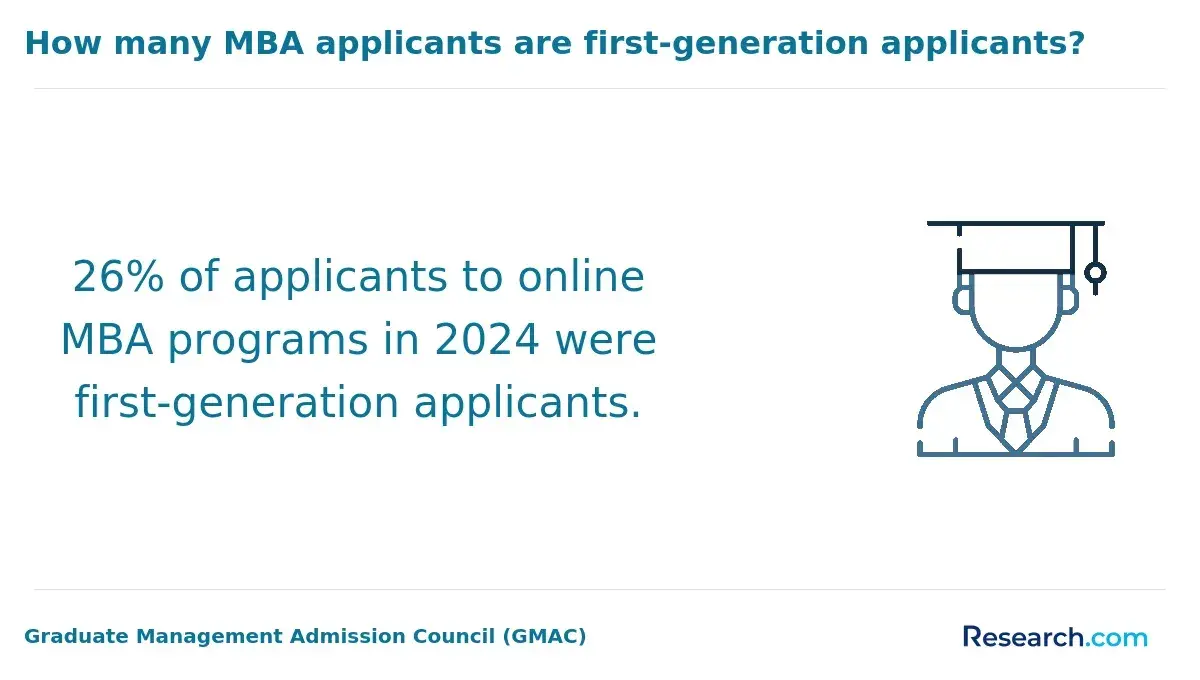
Admission requirements for online MBA programs typically include a bachelor's degree from an accredited institution and a minimum GPA around 3.0. Many programs also consider competitive GMAT or GRE scores, though schools with high acceptance rates often waive these exams for candidates with strong professional backgrounds or advanced degrees. Work experience, usually between two and five years in a relevant field, is essential to show leadership potential and business acumen.
Applicants must submit several materials to support their application: official transcripts, a current resume, letters of recommendation, and a statement of purpose or personal essay. Some programs may additionally require an interview to assess communication skills and motivation.
Admission standards vary widely among institutions. For instance, the University of Southern Indiana offers an online MBA with a total cost of $12,900 and a 96% acceptance rate. Its AACSB accreditation signifies high quality, maintained by fewer than 6% of global business schools, making it an accessible yet reputable choice.
Prospective students should emphasize quantitative skills, leadership experience, and career objectives when applying. Researching each program's specific requirements and deadlines ensures better preparedness. Flexibility in prerequisites and test requirements helps many candidates meet the criteria successfully.
How Long Do Online MBA Programs Take and What Do They Cost?
Online MBA programs generally take one to three years to complete, depending on enrollment status and program format. Full-time students often finish within 12 to 18 months, while part-time students, or those working, may take two to three years. Accelerated programs offer shorter durations but require intense time commitments.
Costs vary widely among institutions, with tuition ranging from under $10,000 to over $60,000. Factors such as accreditation, faculty quality, and additional fees influence pricing. For instance, Southeast Missouri State University's AACSB-accredited online MBA costs $12,738 in total tuition, featuring a 74% acceptance rate, flexible start dates, and personalized career support.
Financial planning should also account for textbooks, technology fees, and any residency requirements. Many programs offer scholarships, employer tuition assistance, or payment plans to ease financial burden.
Prospective students should weigh time-to-completion against tuition to evaluate return on investment. Selecting programs with reasonable acceptance rates while ensuring accreditation quality helps enhance admission chances.
What Curriculum Covers Easy Online MBA Programs?
Easy online MBA programs focus on core business principles, offering streamlined coursework that can often be completed within one year. These curricula cover foundational topics such as finance, marketing, accounting, management, and organizational behavior, helping students quickly develop practical leadership skills. Many programs include optional specializations like entrepreneurship, human resources, or supply chain management to suit diverse career goals.
Flexibility is a key feature, with accelerated courses, asynchronous classes, and condensed semesters helping students balance work and study. For example, Albany State University's ACBSP-accredited online MBA charges a total tuition of $9,870 and has a 97% acceptance rate, allowing students to enter leadership roles faster.
Curricula typically combine theory with practical applications such as case studies, group projects, and real-world problem-solving assignments. This approach prepares graduates to tackle challenges across industries immediately. Programs also emphasize quantitative skills, data analysis, and decision-making frameworks for comprehensive business literacy.
Prospective students should consider curriculum intensity, course load, and thesis requirements. Many programs require fewer credits or no thesis, reducing barriers to graduation. Career services and networking opportunities are often integrated to support job placement and career advancement.
What Careers and Salaries Follow Online MBA Graduation?
Graduates of online MBA programs often advance into roles such as management, finance, consulting, marketing, and operations, with notable salary growth compared to pre-MBA earnings. For example, general management positions typically start near $85,000 annually, increasing to over $130,000 in senior roles.
Finance managers earn between $90,000 and $140,000, while consulting roles offer base salaries around $95,000, often with bonuses.
Louisiana Tech University's AACSB-accredited online MBA provides an accessible, cost-effective option with a total tuition of $8,977.50 and a 97% acceptance rate. The program's optional GMAT waiver and personalized career support enhance its appeal for prospective students seeking strong return on investment.
Online MBA graduates commonly secure promotions into executive roles such as product managers, operations directors, and business development managers, with salaries ranging from $100,000 to $150,000 depending on experience and industry. Entrepreneurs also apply MBA skills in finance and strategy to launch startups, potentially increasing earnings beyond traditional employment.
Career shifts into specialized areas like data analytics management or supply chain leadership offer growth projections above 7% annually, with median salaries near $95,000, reflecting growing demand for data-driven decision-making.
Choosing programs like Louisiana Tech's that combine accreditation, affordable tuition, and high acceptance rates can streamline entry and support career advancement.
How to Choose a Reputable Easy Online MBA Program?
Choosing a reputable and accessible online MBA program involves several key considerations to balance ease of admission with academic quality. Accreditation is crucial; regional accreditation or AACSB accreditation signals a program meets high standards. For example, Ohio University's online MBA program accepted 100% of eligible applicants in 2026, demonstrating that a high acceptance rate can coincide with program legitimacy.
Curriculum relevance and flexibility matter as well. Look for programs with updated courses on topics like digital transformation and leadership, plus asynchronous formats that support working professionals. Credit transfer options can reduce your time to completion if you have prior graduate credits.
Experienced faculty and robust student support services are important indicators of program quality. Transparent outcomes-such as employment rates and salary gains-help gauge effectiveness. Admissions requirements can differ; some waive standardized tests but still require professional experience or a competitive undergraduate GPA to maintain cohort quality.
Tuition costs and financial aid options should be weighed carefully. Lower-cost programs with generous acceptance rates are attractive but verify they maintain rigor. Scholarships and employer tuition assistance can ease financial burden.
By combining accreditation, curriculum quality, faculty expertise, admissions transparency, and cost considerations, prospective students can find an easy online MBA that supports both accessibility and career advancement.
Other Things You Should Know About MBA
Yes, many online MBA programs are designed to accommodate working professionals. They often offer flexible schedules, allowing students to complete coursework during evenings or weekends. This flexibility helps students balance full-time work with their studies effectively.
Requirements usually include a bachelor's degree, a minimum GPA (often around 2.5), and professional work experience. Some programs in 2027 may waive GMAT scores if candidates meet other criteria, such as relevant leadership roles or advanced degrees.
Some online MBA programs allow transfer of graduate-level credits from other accredited institutions. Transfer policies vary by school and typically require that the credits be relevant and completed within a certain timeframe. Confirming transfer options with the admissions office before enrolling can save time and tuition costs.
References
- Top 10 Online MBA Programs with AACSB Accreditation | FIND MBA Online https://findmbaonline.com/lists/top-10-aacsb-accredited-online-mbas
- Online MBA Entry Requirements: Eligibility & Admission https://www.onlinecu.in/blog/cu/most-common-entry-requirements-for-online-mba-programs.php
- Online vs. Campus MBA Program - Swiss School of Business and Management Geneva https://www.ssbm.ch/online-vs-campus-mba-program-difference/
- Online vs. In-Person MBA: Benefits and Differences https://freemannews.tulane.edu/2025/11/04/online-vs-in-person-mba-benefits-and-differences
- Online MBA vs On-Campus MBA https://www.princetonreview.com/business-school-advice/online-mba-vs-on-campus-mba
- 7 Key Factors to Consider Before Choosing an Online MBA Program https://dsuonline.com/resources/blogs/7-tips-before-choosing-online-mba/
- Accreditation and Your Online MBA: What You Should Know | Online MBA Report https://www.onlinembareport.com/articles/accreditation-and-your-online-mba-what-you-should-know
- Online MBA Programs Admission Requirements You Need to Know - consulting https://consulting.mampirbandung.com/online-mba-programs-admission-requirements-you-need-to-know/