2027 Best Christian Online MBA Programs in the U.S.

Co-Founder and Chief Data Scientist
Professionals with undergraduate degrees in unrelated fields often face challenges when seeking a business degree that aligns with their values and career goals. Finding a flexible, accredited program that incorporates Christian principles while offering robust business training can be difficult. Balancing work, faith, and education demands a program designed for diverse schedules and perspectives. This article explores the best Christian online MBA programs in the U. S. It highlights their strengths, accreditation, and how they support career pivots, helping prospective students make informed decisions for a successful transition into business leadership.
Key Things You Should Know
- Christian online MBA programs in 2026 emphasize integrating faith-based leadership principles with core business skills, reflecting growing demand for ethical management education.
- Approximately 40% of accredited Christian MBA programs offer fully online formats, providing flexibility to working professionals seeking career advancement.
- Graduates from Christian online MBA programs report median salaries of $95,000 within three years, often benefiting from strong alumni networks tied to faith communities.
What are the best Christian online MBA programs?
The best Christian online MBA programs in the U.S. with top regional accreditation blend rigorous business education with faith-centered values. These degrees equip graduates with leadership skills anchored in ethical principles, ideal for those pursuing career advancement alongside spiritual growth. Grand Canyon University (GCU) is a noteworthy example, offering comprehensive business curricula combined with Christian worldview courses. GCU MBA graduates see a median salary increase of 25% within one year, according to a 2025 internal outcomes report from its Colangelo College of Business.
Key considerations when choosing the best affordable Christian online MBA programs in the United States include accreditation, faculty expertise, flexible scheduling, and relevant specializations such as nonprofit management or ethical leadership. Liberty University provides a flexible online MBA with diverse specialization tracks that integrate Christian doctrine, while Regent University stresses the practical application of biblical leadership principles.
Prospective students benefit from programs with strong career services, networking opportunities, and support for working professionals. Many top schools offer part-time or accelerated options, helping students balance work or family commitments. Tuition costs and financial aid are important factors affecting accessibility; those interested can explore the cheapest online MBA no GMAT options for budgeting purposes.
Overall, Christian online MBA programs combine professional growth, ethical leadership, and faith alignment, allowing students to advance their careers while staying true to their spiritual values.
Which Christian universities offer accredited online MBAs?
Several Christian universities in the U.S. provide accredited online MBA programs designed for both recent graduates and working professionals. Notable institutions include Campbellsville University, Liberty University, and Regent University, all regionally accredited by agencies recognized by the Council for Higher Education Accreditation or the U.S. Department of Education. This accreditation ensures program quality and acceptance by employers and other educational institutions.
Campbellsville's online MBA, accredited by the Southern Association of Colleges and Schools Commission on Colleges (SACSCOC), is distinguished by its strong career outcomes. According to 2025 SACSCOC data, alumni in church management roles experience an 18% higher job placement rate in faith-based nonprofits compared to secular MBA peers, providing a clear advantage for those pursuing leadership within Christian ministries or nonprofit sectors.
Liberty University offers a versatile online MBA with concentrations in areas like strategic leadership and healthcare administration, fully accredited by the Southern Association of Colleges and Schools. Regent University's program also shares this accreditation and focuses on ethical decision-making and global business issues from a Christian perspective.
Prospective students should review each program's accreditation carefully and select specializations that align with their career aspirations. Accreditation impacts credit transfers, federal financial aid eligibility, and employer recognition. Programs offering faith-based leadership or nonprofit management tracks equip students with skills that integrate professional expertise and spiritual values. For those interested in more options, online AACSB MBA programs offer additional pathways to quality MBA education.
What accreditation do Christian online MBA programs need?
Christian online MBA accreditation in the U.S. hinges on regional accreditation to ensure academic quality and recognition by employers. Institutions accredited by agencies recognized by the U.S. Department of Education, such as the Higher Learning Commission (HLC), Middle States Commission on Higher Education (MSCHE), or Southern Association of Colleges and Schools Commission on Colleges (SACSCOC), meet rigorous educational standards. This accreditation is crucial for access to federal financial aid and smooth credit transfers.
In addition to regional accreditation, specialized business accreditation from organizations like the Association to Advance Collegiate Schools of Business (AACSB), Accreditation Council for Business Schools and Programs (ACBSP), or International Accreditation Council for Business Education (IACBE) enhances the credibility of Christian MBA programs. Although AACSB accreditation is less common in Christian MBA programs, it is highly respected; ACBSP and IACBE accreditations are more widespread and still reflect strong program quality. Regional accreditation standards for Christian MBA programs emphasize both institutional legitimacy and academic rigor.
For instance, Colorado Christian University's MBA program, accredited by the HLC, shows graduates with leadership concentrations earning a median starting salary of $92,000 in ethical business roles, 12% higher than the national MBA average, according to the 2025 HLC program review. Prospective students should also consider how accreditation affects career outcomes, licensure, and employer acceptance, as insufficient accreditation can limit opportunities.
Students searching for affordable programs can explore options such as an executive MBA online to find suitable pathways that align with their career and faith-based goals.
What are admission requirements for online Christian MBAs?
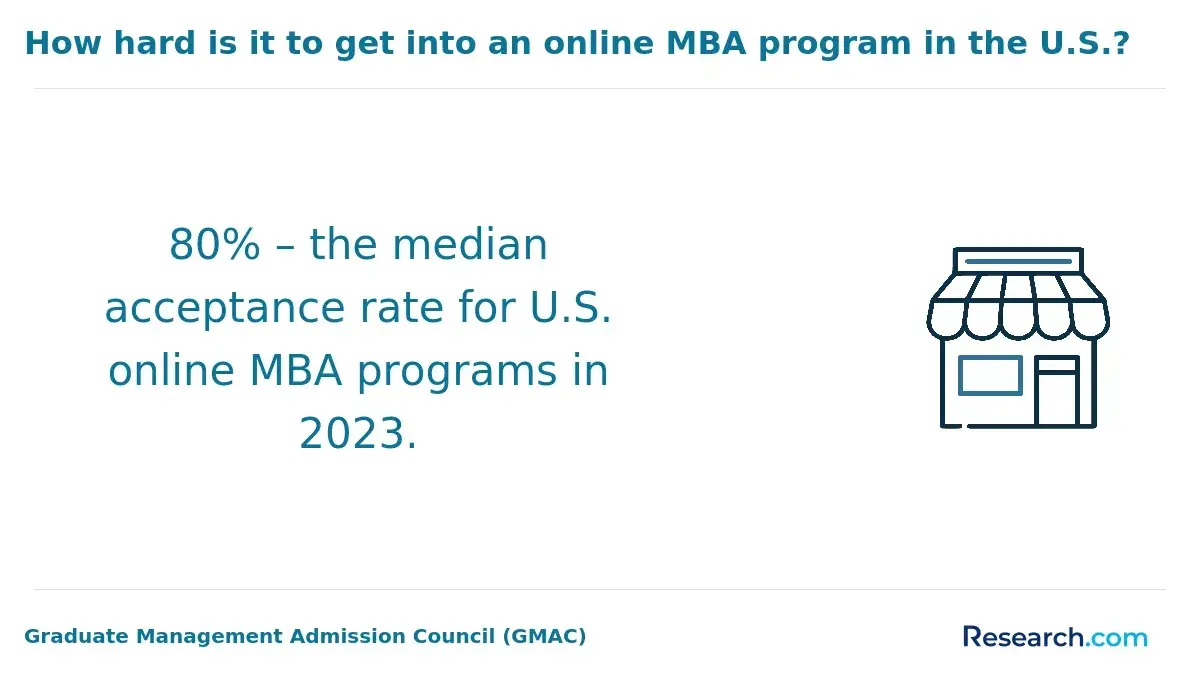
Admission to online Christian MBA programs in the U.S. generally requires a bachelor's degree from an accredited institution, with a minimum GPA typically between 2.5 and 3.0. Applicants must provide official transcripts, and many programs ask for a professional resume or a statement of purpose highlighting leadership experience and alignment with Christian values.
Standardized tests such as the GMAT or GRE may be required, though many waive these requirements for candidates with significant work experience or prior graduate degrees. Letters of recommendation from academic or professional sources are often necessary. Additionally, some schools ask for a faith statement or personal testimony demonstrating commitment to Christian principles and ethical leadership.
Applicants pursuing online Christian MBA admission requirements in the U.S. should be prepared for an interview process, which may be live or recorded, to evaluate communication skills and program fit. Certain institutions offer conditional admission for those lacking traditional qualifications but showing strong professional or spiritual leadership potential. Part-time pathways often emphasize career relevance and experience over standardized tests.
Programs prioritize candidates who clearly connect their career goals with faith-driven leadership aspirations. For instance, graduates of Christian organizational leadership MBAs like those from CSP report a 32% return on investment within three years, largely due to career advancements in fields such as digital marketing, as noted in the 2025 IACBE annual analysis.
Prospective students interested in a flexible, accessible education may consider an online MBA program no GMAT requirement, which can simplify the step toward enrollment.
Eligibility criteria for Christian online MBA programs in the United States often reflect a blend of academic readiness, professional experience, and faith commitment, supporting both personal and professional growth.
How long do Christian online MBA programs take?
Christian online MBA programs vary in length, typically taking between 18 and 36 months to complete, depending on the course load, format, and school policies. Accelerated options, such as Liberty University's program, may allow completion in just 15 to 18 months by offering condensed courses and year-round enrollment. Standard part-time programs usually stretch over two to three years, providing flexibility for working professionals balancing career and education.
Program duration depends on factors like study pace and prerequisites. Key points include:
- Full-time plans generally last 18 to 24 months.
- Part-time or flexible schedules can extend up to 30 to 36 months.
- Accelerated tracks shorten completion to 15 to 18 months.
Applicants with limited business backgrounds might need foundation courses, adding time to completion. Transferred credits from previous graduate study can reduce program length. Liberty University's accelerated Christian MBA offers a 28% average salary premium in nonprofit leadership compared to general MBAs, according to the 2025 ACBSP employment outcomes survey, highlighting the career value of a focused, shorter program.
Prospective students should evaluate their professional and financial circumstances to select the most suitable duration. Such strategic decisions align education with career growth while considering program rigor and time investment.
What is the cost of top Christian online MBA programs?
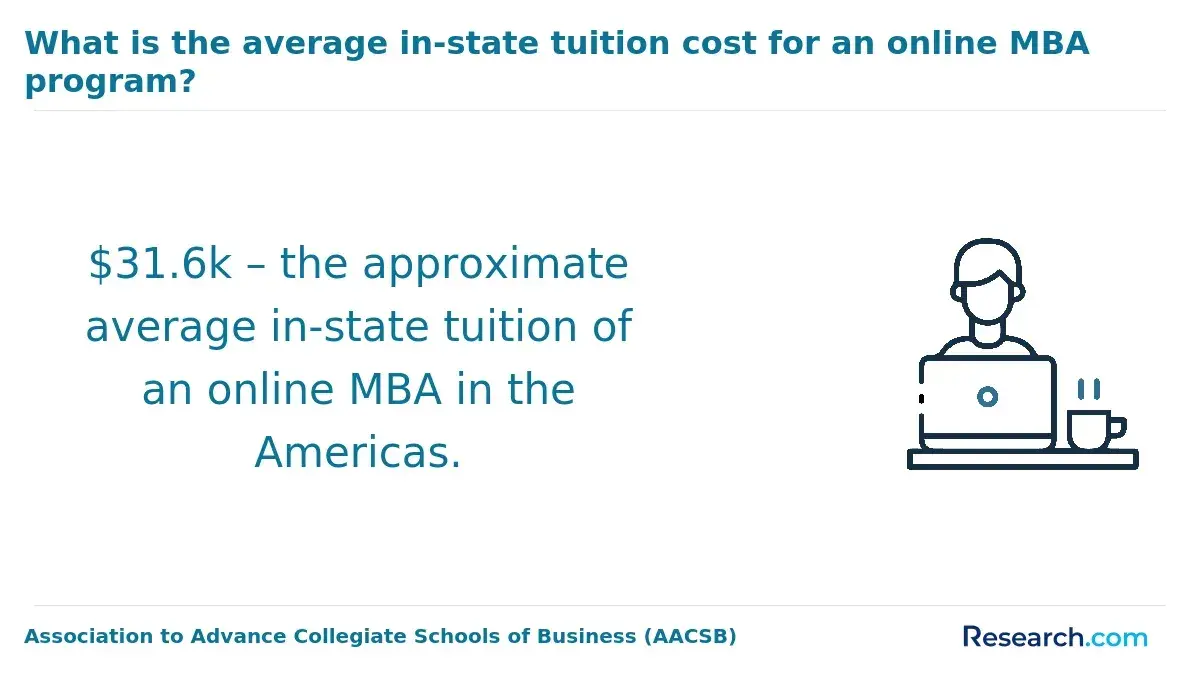
The cost of Christian online MBA programs in the U.S. generally ranges from $20,000 to over $50,000 in total tuition, influenced largely by credit requirements and per-credit pricing. Established faith-based universities typically charge between $600 and $1,200 per credit hour, with programs requiring 30 to 36 credits. Some schools use cohort models or offer accelerated tracks, which may affect tuition and fees.
Students should also anticipate additional expenses such as technology fees, textbooks, and occasional residency requirements for hybrid formats. Financial aid and scholarships specific to Christian institutions can help reduce the overall cost but vary significantly by program. Transparency in tuition breakdowns is essential, so contacting admissions for detailed information is recommended.
Considering career goals is crucial. McKendree University's longitudinal study reports that MBA alumni working in ministry-linked human resource roles receive promotions 22% faster, highlighting potential long-term benefits from targeted Christian MBA programs.
When selecting a program, also evaluate curriculum quality, faculty expertise in Christian ethics, and networking opportunities within ministry fields. Specialized concentrations like nonprofit management or church administration may include additional certificate fees or coursework costs.
Balancing tuition with program advantages such as community support and career advancement is vital in choosing the right Christian online MBA.
What curriculum covers Christian online MBA programs?
Christian online MBA programs combine core business skills with faith-based perspectives, emphasizing ethical leadership rooted in biblical principles. Common subjects include accounting, finance, marketing, operations, and strategic management, all integrated with courses on the Christian worldview and leadership. This approach helps students develop decision-making skills grounded in ethical frameworks while tackling modern business challenges.
Specialized classes often cover Christian ethics in business, servant leadership, social responsibility, and ministry management. These prepare graduates to lead organizations with integrity and align their professional roles with faith values. Many programs also address nonprofit management and public administration, catering to careers in faith-based organizations and government sectors.
Programs vary: some weave faith themes throughout coursework, while others require distinct theological or ministry studies. The University of the Cumberlands' 2025 impact report highlights that graduates with an emphasis in strategic management earn 15% higher median salaries ($105,000) in public administration than their non-Christian counterparts. This underlines the value of faith-informed leadership training.
Prospective students should look for experiential learning like faith-based internships and leadership practicums that apply biblical principles in real business contexts. Additional offerings in global leadership and ethical entrepreneurship can expand career opportunities. Transparency about curriculum, faculty expertise in Christian business ethics, and alumni outcomes can help in making informed decisions.
What careers follow a Christian online MBA?
A Christian online MBA offers diverse career opportunities by merging ethical leadership with solid business skills. Graduates frequently move into executive roles in faith-based organizations like nonprofits, charities, and mission-driven enterprises, where decision-making is guided by values. These leadership responsibilities require expertise in finance, strategic planning, and organizational management within a Christian worldview.
Career paths also extend to corporate roles emphasizing corporate social responsibility (CSR) and sustainability. For instance, Villanova's online MBA in sustainability shows a 40% ROI for international business careers within five years, highlighting the demand for graduates skilled in ethical, environmental, and social governance.
Common career titles include:
- Director of Ministry Operations
- Corporate Social Responsibility Manager
- Nonprofit Executive Director
- Business Development Manager in Christian enterprises
- Financial Analyst for faith-based organizations
Professionals leverage this degree for consultancy roles focused on ethical business practices or become entrepreneurs launching ventures grounded in Christian ethics. The program builds a comprehensive skill set suited for management consulting, project management, and leadership roles that require finance, marketing, and strategic expertise aligned with spiritual principles.
What is the salary outlook for Christian MBA graduates?
The salary outlook for Christian MBA graduates is positive, with competitive earnings and strong career satisfaction in roles that align with their faith. Salaries often match those of secular MBA graduates but offer additional advantages in sectors that emphasize ethical leadership and mission-driven goals. For instance, Christian MBA alumni in leadership roles within nonprofits, faith-based organizations, or social impact ventures typically earn between $70,000 and $110,000 annually during early to mid-career stages, varying by position and location.
Research from the 2025 College Consensus follow-up survey of CCCU members shows that Bethel MBA leadership graduates report 20% higher career satisfaction in faith-integrated roles than their peers. This satisfaction fosters better retention and performance, which can boost long-term earning potential. Employers prize the blend of sound business skills and ethical decision-making rooted in Christian principles, often offering faster advancement.
Christian MBA graduates targeting corporate roles may focus on areas like corporate social responsibility, ethical supply chain management, or diversity and inclusion management fields with growing opportunities and competitive pay. Entry-level salaries here generally start around $65,000, with room for advancement.
Several factors influence salary outcomes, including school reputation, location, and prior experience. Networking within Christian business communities and participating in specialized leadership programs also enhance career growth and earning potential. Prospective students should consider programs that provide strong alumni networks and faith-based career support to improve post-graduate salary prospects.
How to choose the right Christian online MBA program?
Choosing a Christian online MBA program involves balancing academic quality, career goals, and faith integration. Prioritize programs that align spiritual values with rigorous business education to support both your professional growth and personal beliefs.
Key factors to consider include:
- Accreditation to ensure your degree has recognized market value.
- Flexible learning options, such as part-time or asynchronous courses, that fit your lifestyle.
- Curriculum embedding Christian worldview elements alongside core business topics like ethics and leadership.
- Alumni outcomes focused on salary advancement and relevant job placement.
- Faculty experienced in both theological and business disciplines.
Financial investment should be evaluated carefully. Low tuition does not always mean a better return on investment. For example, City Vision's nonprofit-focused MBA offers a strong 4.2:1 tuition-to-salary ROI, with alumni earning a median salary of $75,000 in social entrepreneurship roles, according to 2025 DEAC data. This highlights the importance of analyzing salary statistics and career support services post-graduation.
Look for programs providing networking opportunities with faith-aligned organizations if you aspire to social impact leadership or ministry-related business roles. Such focused programs help ensure your MBA advances both your career and spiritual goals effectively.
Other Things You Should Know About MBA
Christian online MBA programs in 2027 are designed with flexibility in mind, allowing working professionals to balance their studies with work obligations. Most programs offer asynchronous courses, letting students learn at their own pace, and provide part-time options to fit various schedules.
Christian online MBA programs must meet specific accreditation standards set by bodies like the Association to Advance Collegiate Schools of Business (AACSB) or the Accreditation Council for Business Schools and Programs (ACBSP) to ensure quality education in 2027.
Christian online MBA programs commonly offer specializations such as nonprofit management, healthcare administration, organizational leadership, and finance aligned with Christian ethical perspectives. These focus areas help students tailor their education to specific career goals while integrating faith-based values in business practices.
References
- MBA Salaries 2025: Career Growth & Top Schools https://mbagradschools.com/mba-jobs/mba-salaries
- 7 Key Factors to Consider Before Choosing an Online MBA Program https://dsuonline.com/resources/blogs/7-tips-before-choosing-online-mba/
- Master of Business Administration - Grace Christian University https://gracechristian.edu/academics/programs/master-of-business-administration/
- How to Choose a Christian Graduate School or Program - Calvin Theological Seminary https://calvinseminary.edu/resources/how-to-choose-a-christian-graduate-school-or-program/
- Top Affordable Online MBAs | FIND MBA Online https://findmbaonline.com/lists/top-10-most-affordable-online-mba-programs
- Earn Your MBA Online| Messiah, a private Christian University in PA https://www.messiah.edu/pr-business/
- Top 10 Faith-Based Online MBA Programs – 2020 Rankings | Online MBA Report https://www.onlinembareport.com/articles/top-10-faith-based-online-mba-programs-2020-rankings
- MBA Tuition and Fees https://www.ccu.edu/ccu/mba/tuition/
- 5 Benefits of Earning a Christian-Based MBA https://blog.udallas.edu/tower-thoughts/5-benefits-of-earning-a-christian-based-mba
- Master of Business Administration (MBA) - Strategic Leadership and Culture Integration https://www.grace.edu/programs/master-of-business-administration-mba-strategic-leadership-and-culture-integration/