2027 Most Affordable Online MBA Programs With High ROI

Co-Founder and Chief Data Scientist
An online MBA can be a practical way to move into management, change functions, or strengthen business credentials without leaving the workforce. The harder question is whether the degree will pay off. Tuition varies widely, program lengths differ, and the value of an MBA depends on accreditation, employer recognition, career services, alumni reach, and how well the curriculum fits your target role.
This guide focuses on affordable online MBA programs with strong return-on-investment potential. It explains how to compare program cost against likely career benefit, what accreditation means for value, how financial aid can change the true price, and which personal factors—such as work experience, industry, and program pace—can affect outcomes. Use it as a starting point for building a shortlist, then confirm current tuition, fees, admission rules, and graduation requirements directly with each school before applying.
Key Benefits of Enrolling in One of the Most Affordable Online MBA Programs with High ROI
- Lower financial burden: Affordable tuition reduces student debt, making it easier to invest in other career opportunities or personal goals.
- Strong career returns: Programs with high ROI help graduates achieve higher salaries and better career advancement prospects.
- Flexible learning options: Online programs allow professionals to balance work, family, and study without disrupting their careers.
- Access to quality education: Even at a lower cost, many programs provide rigorous coursework, networking opportunities, and industry-relevant skills.
List of the Most Affordable Online MBA Programs with High ROI
Choosing an MBA program should start with fit, not only price. A low-cost program can be a strong investment when it is accredited, flexible enough for working adults, aligned with your career goals, and supported by credible student outcome data. To help readers compare programs more consistently, we use our methodology and review publicly available education data and institutional information, including:
- IPEDS database
- Peterson's database, including their Distance Learning Licensed Data Set
- College Scorecard database
- National Center for Education Statistics
The programs below stand out for comparatively low tuition, recognized accreditation, flexible online delivery, and potential value for professionals who want to increase earning power without taking on unnecessary debt.
1. University of Illinois
The University of Illinois offers its online MBA through the Gies College of Business. The program is built for working professionals who want a flexible, fully online format and a recognizable public university brand. Its pay-as-you-go tuition model can help students manage cash flow, while the 24–60 months timeline gives learners room to accelerate or slow down based on work and family demands.
- Program length: 24–60 months
- Tracks/concentrations: Customizable curriculum with specializations
- Cost: US$ 363/credit (2025–2026 rate)
- Required credits: 72 credits
- Accreditation: Association to Advance Collegiate Schools of Business (AACSB)
Best for: professionals who want a highly flexible MBA from a large, well-known public business school and prefer spreading tuition payments over time.
2. University of Florida
The University of Florida - Warrington College of Business offers online MBA tracks that balance flexibility with a structured graduate business experience. The one-year and two-year options give students a choice between faster completion and a more manageable pace. The program may be especially attractive to candidates who want a stronger brand name while keeping total cost below many private MBA options.
- Program length: 16–24 months (one- or two-year option)
- Tracks/concentrations: Strategy, Finance, Human Capital, Real Estate, Supply Chain, etc.
- Cost: ~$59,808 for the 2-year program (per UF’s grad aid page)
- Required credits: 32–48 credits, depending on the track
- Accreditation: AACSB
Best for: students who want a respected online MBA with shorter completion options and broader elective choices.
3. Texas A&M International University (TAMIU)
Texas A&M International University offers a notably low-cost online MBA with concentration options and AACSB accreditation. At around US$11,000 total for Texas residents, it can be one of the most financially accessible options for students who prioritize tuition control. Its value is strongest for learners who already have a career path in mind and need the MBA credential without a high price tag. Additional affordability references also identify low-cost online MBA options in this category through online MBA affordability rankings.
- Program Length: 12 months
- Tracks/concentrations: human resource development, leadership and decision-making, and entrepreneurship.
- Cost per Credit/Tuition: $367
- Required Credits to Graduate: 30
- Accreditation: AACSB
Best for: cost-sensitive students, especially Texas residents, who want an accredited online MBA with a fast completion pathway.
4. Eastern New Mexico University
Eastern New Mexico University is positioned as one of the lowest-priced online MBA options for students focused on general management. Its appeal is straightforward: a low per-credit cost, a manageable credit load, and a format suitable for working adults. Students considering this program should compare its curriculum, alumni outcomes, and employer recognition against their specific career goals, particularly if they are targeting competitive national roles.
- Program length: 12–24 months
- Tracks/concentrations: General Management, possibly others depending on semester offerings.
- Cost: Around US$ 317/credit for in-state (according to Business Consensus)
- Required credits: ~30 credits
- Accreditation: Accreditation Council for Business Schools and Programs (ACBSP)
Best for: students who need a very low-cost MBA and are seeking broad management training rather than a highly specialized business track.
5. Georgia Southwestern State University
Georgia Southwestern State University offers a fully online MBA with low tuition and business-school accreditation. The program’s value comes from its combination of affordability, a standard MBA credit structure, and an online format that can work for employed students. It may be a strong option for learners who want to keep debt low while earning a business graduate degree from a public institution.
- Program Length: Two Years
- Cost per Credit/Tuition: $263
- Required Credits to Graduate: 36
- Accreditation: AASCB
Best for: students looking for a low-tuition online MBA with a traditional two-year structure.
6. Fayetteville State University
Fayetteville State University offers an AACSB-accredited online MBA with broad specialization choices. The wide completion window can help working professionals adjust their pace, while the concentration list supports students who want a clearer link between their MBA coursework and a target role such as analytics, finance, healthcare technology, or entrepreneurship.
- Program Length: 12 to 72 months
- Tracks/concentrations: business intelligence and data analytics, health informatics, digital enterprise and cloud management, entrepreneurship, finance, general business, international business, and many more.
- Cost per Credit/Tuition: $560 (in-state), $887 (out-of-state)
- Required Credits to Graduate: 36
- Accreditation: AACSB
Best for: students who want an accredited online MBA with multiple specialization options and a flexible completion schedule.
7. Brigham Young University
Brigham Young University - Marriott School is known for strong value and career outcomes. According to ValueColleges, graduates often reach high-paying roles in consulting and tech, with average post‑MBA salaries over $130,000. Students considering this option should verify current online delivery details, admissions requirements, and program format directly with the school, because fit and availability matter as much as reputation.
- Program length: Varies — typical MBA program duration
- Cost: ~$28,000
- Accreditation: AACSB
Best for: applicants who value a strong business school reputation and are targeting higher-paying roles where school network and employer recognition can matter.
8. West Texas A&M University
West Texas A&M University offers a fully online AACSB-accredited MBA with several concentration options. The program can be completed in 12–24 months, making it useful for students who want speed but still need flexibility. The 31–40 credit-hour range means applicants should confirm whether leveling or prerequisite coursework applies to them before estimating total cost.
- Program length: 12–24 months
- Tracks/concentrations: General MBA, Computer Info Systems, Healthcare Management, Marketing, Management, Procurement Management
- Cost: ~US$ 490/credit (in-state); total ~US$ 15,500 for many students
- Required credits: 31–40 credit hours (depending on leveling)
- Accreditation: AACSB
Best for: students seeking a reasonably priced accredited MBA with practical concentration choices and an accelerated completion option.
9. Oklahoma State University
The Oklahoma State University Spears School of Business offers an online MBA taught by the same faculty as the on-campus program. Its asynchronous format is designed for working professionals who need to study around job responsibilities. The program’s value depends on the student’s credit requirements and track, so applicants should confirm the current cost structure and whether certificate options add time or expense.
- Program length: ~2.5–3 years (part‑time)
- Tracks/concentrations: General MBA + graduate certificate options (analytics, etc.)
- Cost: $196/credit hour (per older data) → total ~US$ 8,232 for 42 credits for certain tracks.
- Required credits: 33 credits (for their 33‑credit program)
- Accreditation: AACSB
Best for: working professionals who prefer asynchronous study and want a public university MBA with optional add-on credentials.
10. Oklahoma University (OU) – Online MBA
Oklahoma University offers an online MBA through the Price College of Business for working professionals who want more interaction than a fully self-paced program may provide. The mix of synchronous and asynchronous coursework, along with a cohort model, can support networking and accountability. While its tuition is higher than some programs on this list, its value may appeal to students who want a structured online experience from an AACSB-accredited business school.
- Program length: Flexible (typically part-time; 36 credits total)
- Tracks/concentrations: Core + electives; typical MBA structure
- Cost: US$ 1,015/credit → total $36,540 for the MBA
- Required credits: 36 credits
- Accreditation: AACSB
Best for: students who want cohort-based learning, live interaction, and a structured online MBA experience.
What defines an “affordable” online MBA program?
An affordable online MBA is not simply the program with the lowest advertised tuition. A program is affordable when the full cost is manageable relative to your income, borrowing needs, career goals, and expected salary growth after graduation. The best value usually comes from a program that combines reasonable tuition with credible accreditation, useful coursework, employer recognition, and enough flexibility to let you keep working while enrolled.
When comparing top affordable online MBA programs, look beyond the headline price and calculate the total cost of attendance. Important cost drivers include:
- Cost per credit hour: A low per-credit rate can reduce total cost, but only if the credit requirement is also reasonable.
- Total credits required: A program with a higher per-credit rate but fewer credits may cost less than a cheaper-looking program with more credits.
- Mandatory fees: Technology fees, distance learning fees, graduation fees, books, and course materials can change the real price.
- Residency requirements: Some online MBAs include campus visits, immersions, or travel experiences that add transportation and lodging costs.
- Financial aid and scholarships: Grants, employer tuition benefits, assistantships, and scholarships can lower out-of-pocket cost.
- Schedule flexibility: Programs that allow part-time study can make tuition easier to manage, while accelerated options may reduce the time before career benefits begin.
A practical affordability test is this: can you complete the degree without taking on debt that would limit your financial choices after graduation? If the MBA helps you earn a promotion, move into a better-paying function, or qualify for leadership roles, a moderately priced program may offer better value than the cheapest option with weak career support or limited recognition.
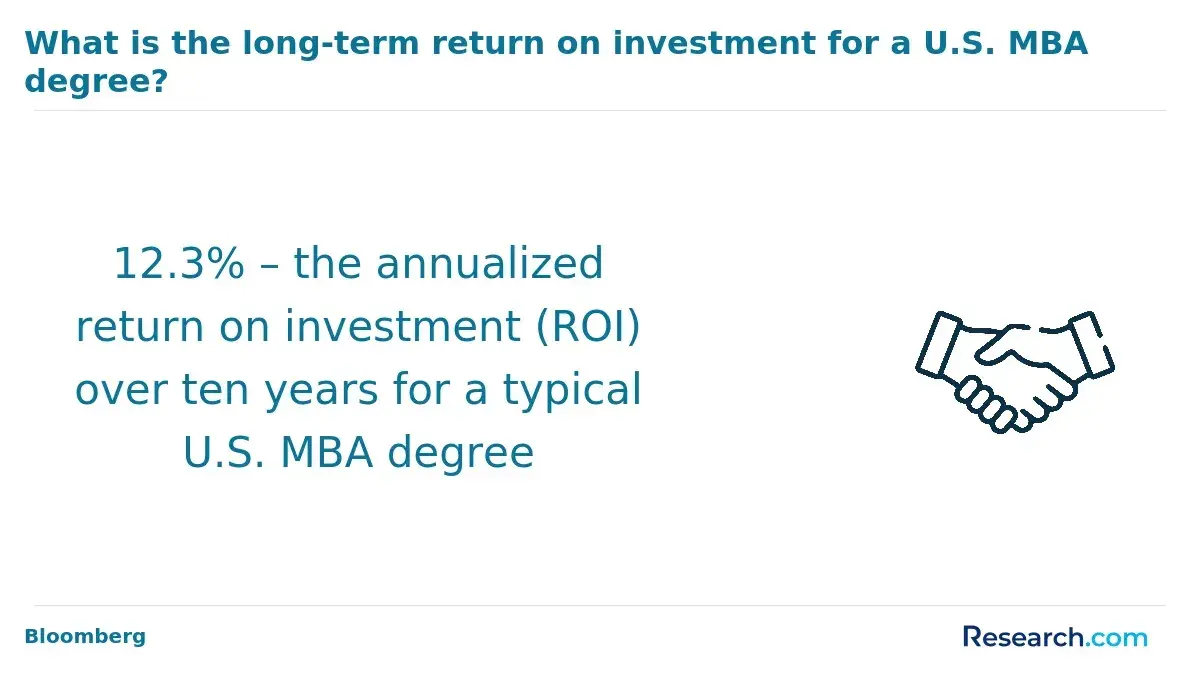
How is ROI measured for online MBA programs?
ROI for an online MBA measures whether the financial and career benefits of the degree justify the cost. The simplest way to think about it is to compare what you spend with what you realistically gain: higher compensation, faster promotion, stronger job mobility, better business skills, and access to a broader professional network.
Key ROI factors include:
- Tuition and fees: The total cost of the program, including per-credit rates, technology fees, and required materials.
- Lost or reduced income: For full-time students, the opportunity cost of leaving a job or reducing work hours.
- Post-MBA salary increase: Average salary gains after graduation compared to pre-MBA earnings.
- Career advancement opportunities: Promotions, leadership roles, and expanded responsibilities gained after completing the MBA.
- Time to recoup investment: How long it takes for salary increases to offset tuition and other costs.
- Intangible benefits: Networking opportunities, new skills, and professional credibility.
To estimate ROI before enrolling, build a conservative calculation. Add tuition, fees, books, travel, and interest on any loans. Then estimate the salary increase you can reasonably expect based on your current role, industry, location, experience, and target position. Avoid assuming that an MBA alone will create a large salary jump. The strongest ROI usually occurs when the degree supports a clear career move, such as shifting from individual contributor to manager, moving from operations into strategy, or qualifying for finance, analytics, consulting, healthcare administration, or technology management roles.
How do scholarships and financial aid impact affordability and ROI?
Scholarships and financial aid can dramatically change the true cost of an online MBA. Because ROI improves when your total cost falls, even a modest scholarship, employer reimbursement benefit, or grant can shorten the time it takes to recover your investment.
- Lower tuition burden: Grants, scholarships, and tuition waivers can substantially reduce the total cost of the program.
- Reduced loan dependence: Financial aid can limit the need for student loans, lowering interest payments and long-term financial strain.
- Improved ROI: Lower costs combined with post-MBA salary gains enhance the overall return on investment.
- Access to higher-ranked programs: Financial support can make it possible to enroll in prestigious programs that might otherwise be unaffordable.
- Support for diverse candidates: Scholarships aimed at underrepresented groups or working professionals expand access to affordable executive MBA online programs.
Before choosing a program, ask the admissions or financial aid office for a full list of institutional scholarships, external scholarship options, employer partnership discounts, military benefits, payment plans, and deadlines. If your employer offers tuition assistance, confirm whether you must stay with the company for a certain period after receiving the benefit. Also compare aid packages by net cost, not award size. A larger scholarship at a higher-priced school may still leave you paying more than a lower-cost program with less aid.
Can attending an accredited online MBA program affect your ROI?
Yes. Accreditation can affect ROI because it influences how employers, licensing bodies, transfer institutions, and financial aid systems view the degree. For MBA programs, business accreditation such as AACSB is often treated as a quality signal, especially by employers that recruit from established business schools. Institutional accreditation is also important because it can affect eligibility for federal financial aid and the transferability of credits.
- Enhanced credibility: Employers often prefer candidates from programs accredited by recognized bodies such as AACSB, ensuring your degree is respected in the job market.
- Higher earning potential: Graduates from accredited programs generally report higher starting salaries and faster salary growth compared to non-accredited programs.
- Stronger networking opportunities: Accredited schools typically provide access to larger alumni networks and professional connections.
- Better transferability: Credits from accredited programs are more likely to be recognized by other institutions, which is helpful for further education.
- Eligibility for financial aid: Accreditation can determine whether students qualify for federal or institutional scholarships and loans, impacting overall affordability.
Students comparing accredited options, including the cheapest AACSB online MBA programs, should still look carefully at outcomes. Accreditation does not guarantee a promotion, salary increase, or job placement. It does, however, reduce the risk of paying for a degree that employers may question. Before applying, verify both institutional accreditation and business-school accreditation on the school’s official website or through the accreditor’s directory.
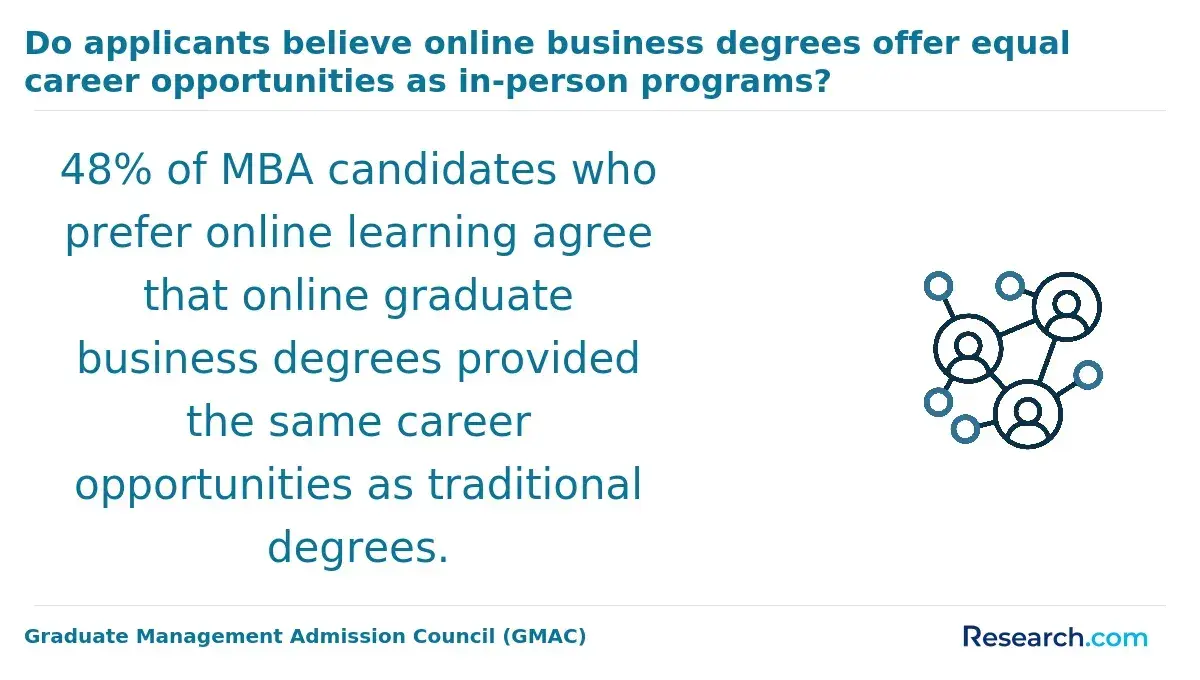
Do part-time or accelerated programs influence cost-effectiveness?
Program pace can have a major effect on cost-effectiveness. A part-time online MBA may be easier to afford month to month because students can keep working and spread tuition over a longer period. An accelerated MBA may improve ROI by helping students finish sooner and pursue promotions faster. The better choice depends on your workload, income, family obligations, and how urgently you need the credential.
- Part-time programs: Spread tuition over a longer period, making payments more manageable, but may extend the time before seeing a return on investment.
- Accelerated programs: Allow students to complete the degree faster, potentially reducing living and opportunity costs while entering the workforce sooner.
- Flexible payment options: Some programs offer per-credit or per-term billing to help manage expenses.
- Opportunity cost management: Working part-time or full-time while studying can offset tuition costs and maintain income streams.
- Career timing: Faster completion may lead to quicker promotions or salary increases, improving overall ROI.
Choose part-time study if maintaining income, avoiding burnout, or balancing family responsibilities is your top priority. Choose an accelerated route only if you can handle the workload without sacrificing job performance, grades, networking, or recruiting opportunities. A rushed MBA that prevents you from using career services or building relationships may be less valuable than a slower program completed strategically.
How does previous work experience affect post-MBA earnings?
Previous work experience is one of the strongest factors shaping post-MBA earnings. Employers generally pay for demonstrated ability, not just the credential. Candidates who enter an MBA with relevant experience, leadership exposure, measurable achievements, and a clear career direction are often better positioned to translate the degree into higher compensation.
- Higher starting salaries: Candidates with substantial experience often receive higher initial offers after graduation.
- Faster career progression: Experienced professionals can leverage their background to move quickly into leadership or specialized roles.
- Better networking leverage: Industry experience allows students to connect more effectively with classmates, alumni, and faculty, expanding professional opportunities.
- Eligibility for advanced programs: Many programs, including the most affordable online MBA no GMAT options, consider work experience in lieu of standardized test scores, providing cost-effective access to quality education.
- Enhanced ROI: The combination of experience and an MBA increases the likelihood of significant salary growth relative to tuition costs.
If you have limited work experience, an online MBA can still be useful, but your immediate salary gain may be smaller. In that case, prioritize programs with internships, applied projects, mentoring, career coaching, and strong employer connections. If you already have several years of experience, focus on programs that match your target advancement path, such as analytics, finance, healthcare management, operations, or executive leadership.
Are certain industries more likely to provide higher ROI after an online MBA?
Yes. ROI often depends on the industry you enter or advance within after graduation. MBA skills are broadly useful, but compensation and promotion speed differ by sector. Fields with high revenue responsibility, complex operations, strong demand for leadership, or performance-based pay can produce stronger financial returns.
- Finance and investment banking: Typically offer high starting salaries and performance-based bonuses, boosting ROI quickly.
- Consulting and management: MBA graduates in consulting often gain accelerated promotion paths and leadership opportunities.
- Technology and IT management: High demand for business-savvy tech leaders leads to competitive salaries and advancement potential.
- Healthcare administration: Increasing complexity in healthcare systems creates opportunities for MBA-trained managers in high-paying roles.
- Entrepreneurship and startups: While riskier, successful ventures can generate substantial financial returns and long-term value.
Industry choice should also reflect your background. A nurse moving into healthcare administration, an engineer moving into product management, or an analyst moving into strategy may have a clearer ROI path than someone using the MBA for an undefined career change. Before enrolling, compare your target industry’s hiring patterns, preferred credentials, salary ranges, and openness to online MBA graduates.
Can international students access affordable online MBA programs with high ROI?
International students can access many affordable online MBA programs, but they should evaluate value differently from domestic students. Online study can remove relocation and housing costs, but students still need to consider tuition policies, time zones, payment options, credential recognition in their home country, and whether the degree supports their intended career market.
- Lower tuition costs: Many U.S. programs, including highly ranked options, offer competitive tuition rates for international students.
- No relocation expenses: Online formats eliminate the need for moving or living on campus, reducing overall costs.
- Global networking opportunities: Online programs often include students from diverse countries, expanding professional networks internationally.
- Access to scholarships and financial aid: Some programs provide funding opportunities for international students, improving affordability and ROI.
- Career support: Many online MBA programs offer career services and alumni networks that help international graduates secure higher-paying roles worldwide.
Before applying, international students should ask whether tuition differs by residency or citizenship, whether scholarships are available to non-U.S. students, how group work is scheduled across time zones, and whether career services support students outside the United States. It is also important to confirm how the online MBA will be viewed by employers, government agencies, or credential evaluators in the country where you plan to work.
What resources or tools can help prospective students evaluate ROI before enrolling?
Prospective students should evaluate ROI using multiple sources rather than relying only on marketing claims. The most useful resources combine cost data, salary information, accreditation verification, alumni feedback, and a realistic assessment of your own career goals.
- Salary and employment data: Platforms like PayScale, U.S. News, and LinkedIn provide insights into post-MBA salaries and career trajectories.
- Program cost calculators: Many schools offer online calculators to estimate tuition, fees, and total program expenses.
- Alumni outcomes reports: Reviewing alumni career paths and advancement rates can indicate potential ROI.
- Accreditation and ranking information: AACSB and other accrediting bodies signal program quality, which often correlates with career outcomes.
- Professional networks and forums: Engaging with current students or alumni through LinkedIn groups, Reddit, or MBA forums can provide real-world perspectives on costs and benefits.
For a stronger decision, create a simple comparison sheet for each program. Include total tuition, fees, credit requirements, program length, accreditation, concentrations, admissions requirements, employer reimbursement eligibility, scholarship options, career services, and alumni presence in your target industry. Then estimate a conservative payback period based on the salary increase you can reasonably expect. The best online MBA for ROI is the one that fits your budget, strengthens your career path, and limits financial risk.
Other Things You Should Know About the Most Affordable Online MBA Programs with High ROI
Most affordable online MBA programs with high ROI in 2027 typically require a bachelor's degree, GMAT or GRE scores, 2-3 years of work experience, and recommendation letters. Some programs may waive GMAT requirements if applicants have significant professional experience or meet certain GPA thresholds.
The most affordable online MBA programs in 2027 achieve a balance between cost and career advancement by offering comprehensive curricula, experienced faculty, and diverse networking opportunities. These programs provide students with in-demand skills that align with market needs, enhancing employability and potential salary increases without burdening students with excessive debt.
References
- Accreditation Council for Business Schools and Programs. (n.d.). ACBSP accreditation Overview - Accreditation Council for Business Schools and programs. acbsp.org.
- Accredited Online Colleges. (n.d.). Cheap Online AACSB Accredited MBA Programs. accredited-online-college.org.
- Harland, N. (2025, November 7). 10 Most Affordable US Online MBA Programs. BusinessBecause.
- Rau, J. (2024, February 15). Are Online MBAs Worth It? Here’s Insight From The Best (And The Rest). Forbes.
- Wintemute, D. (2025, August 13). What Does An M.B.A. Cost, And Is It Worth It? Forbes.