2027 How Online MBA Classes Work: Format & Technology

Co-Founder and Chief Data Scientist
Choosing an online MBA is not just a question of whether you can study from home. The bigger question is whether the class format, technology, interaction style, workload, and support model fit the way you learn and the way your schedule actually works. Online MBA programs can be highly flexible, but they still require steady participation, strong time management, comfort with digital tools, and a clear plan for staying connected with faculty and classmates.
This guide explains how online MBA classes typically work, including how courses are structured, how live and recorded sessions differ, how group projects are handled, what platforms students use, and how programs protect academic integrity. It is designed for working professionals, career changers, and prospective MBA students who want to understand the online learning experience before committing to a program.
Key Benefits of Knowing How Online MBA Classes Work
- Better time management: Knowing the class format helps you plan your schedule around lectures, assignments, and group work.
- Improved learning efficiency: Understanding the technology and tools allows you to navigate coursework more effectively and avoid technical delays.
- Enhanced participation: Awareness of how discussions, group projects, and networking happen online helps you engage more actively with peers and instructors.
- Informed program choice: Knowing how classes are structured can guide you in selecting a program that fits your learning style and career goals.
What is an online MBA and how does it differ from a traditional MBA?
An online MBA is a graduate business degree delivered primarily through digital learning platforms instead of regular on-campus class meetings. The academic purpose is similar to a traditional MBA: students study core business areas such as finance, marketing, operations, strategy, leadership, accounting, economics, and organizational management. The main differences are how classes are delivered, how students interact, and how much flexibility the program provides.
For many students, the appeal is practical. An online format can make it possible to keep working, avoid relocation, and study around family or professional responsibilities. However, online learning also requires more self-direction. Students must track deadlines, participate consistently, and communicate clearly without relying on the routines of a physical classroom.
| Factor | Online MBA | Traditional MBA |
| Class location | Completed remotely through online platforms | Usually completed on campus |
| Schedule | Often includes asynchronous work, live sessions, or a mix of both | Typically follows fixed class meeting times |
| Student experience | Built around digital lectures, forums, virtual meetings, and online teamwork | Built around in-person classes, campus events, and face-to-face networking |
| Flexibility | Generally better for working professionals who need location and schedule flexibility | Often better for students who want an immersive campus experience |
| Networking | Requires intentional participation in virtual events, group projects, and alumni platforms | Often happens more naturally through campus activities and in-person interaction |
Cost can also differ. Some online programs reduce expenses tied to commuting, relocation, or campus-based fees, although tuition and total program costs vary widely by school. Students comparing options should look beyond the advertised tuition and review fees, residency requirements, technology costs, and employer tuition assistance policies.
For professionals who need a flexible path, an affordable MBA online may offer a way to earn a business credential while continuing to work. The best fit depends on accreditation, curriculum quality, faculty access, career support, networking opportunities, and whether the format matches your weekly availability.
How are online MBA classes structured?
Online MBA classes are usually organized around courses or modules, with each course focused on a specific business subject. A typical class includes assigned readings, lectures, case analyses, discussion activities, quizzes or exams, written assignments, and individual or team projects. The format is flexible, but it is rarely unstructured. Most programs use weekly deadlines to keep students moving through the material together.
In practice, an online MBA course often follows a repeatable rhythm. Students review lecture materials, complete readings, contribute to discussions, attend any required live sessions, submit assignments, and work with teammates on projects. This structure helps programs preserve academic rigor while giving students more control over when and where they complete much of the work.
Common parts of an online MBA class
- Course modules: Lessons are often grouped by week or topic, making it easier to see what must be completed and when.
- Lectures and instructional materials: These may include recorded videos, slide decks, instructor notes, readings, simulations, podcasts, or case studies.
- Discussion activities: Students respond to prompts, analyze business problems, challenge assumptions, and comment on classmates’ posts.
- Assessments: Programs may use quizzes, exams, papers, case analyses, presentations, data exercises, and applied business projects.
- Team assignments: Many courses require students to collaborate virtually, which mirrors the distributed teams common in modern workplaces.
- Capstone or final project: Many online MBAs end with a capstone, consulting-style project, strategy assignment, or integrated business plan that draws from multiple courses.
What students should expect week to week
Most online MBA students need to plan around recurring deadlines rather than waiting until the end of a course. Discussion posts may be due midweek, peer responses may be due later, and projects may require several team meetings before submission. The students who do best usually create a weekly study calendar, confirm live session requirements early, and communicate with team members before deadlines become urgent.
What types of course formats are used in online MBA programs?
Online MBA programs use several delivery formats. The format affects how much flexibility students have, how often they interact in real time, and how much structure the program provides. Before enrolling, students should confirm not only whether a program is “online,” but also whether live attendance, campus visits, group meetings, or timed exams are required.
| Course format | How it works | Best for | Potential drawback |
| Asynchronous | Students access recorded lectures, readings, assignments, and discussions on their own schedule within set deadlines. | Students who need maximum flexibility because of work, travel, caregiving, or time zone differences. | Requires strong self-discipline and may feel less interactive if the course is poorly designed. |
| Synchronous | Students attend live online classes at scheduled times using video conferencing tools. | Students who value real-time discussion, instructor access, and a predictable class routine. | Less flexible because attendance is tied to specific times. |
| Hybrid | Programs combine online coursework with live sessions, occasional campus experiences, or required residencies. | Students who want flexibility but still value some structured interaction. | May require travel, scheduling flexibility, or additional costs. |
| Modular | Courses are divided into shorter, focused units, sometimes allowing students to complete one subject at a time. | Working professionals who prefer concentrated learning blocks. | Can move quickly and may leave little room to recover if a student falls behind. |
| Project-based | Students learn through case studies, simulations, consulting-style assignments, and team projects. | Students who want practical application and portfolio-ready work. | Group coordination can be challenging across schedules and time zones. |
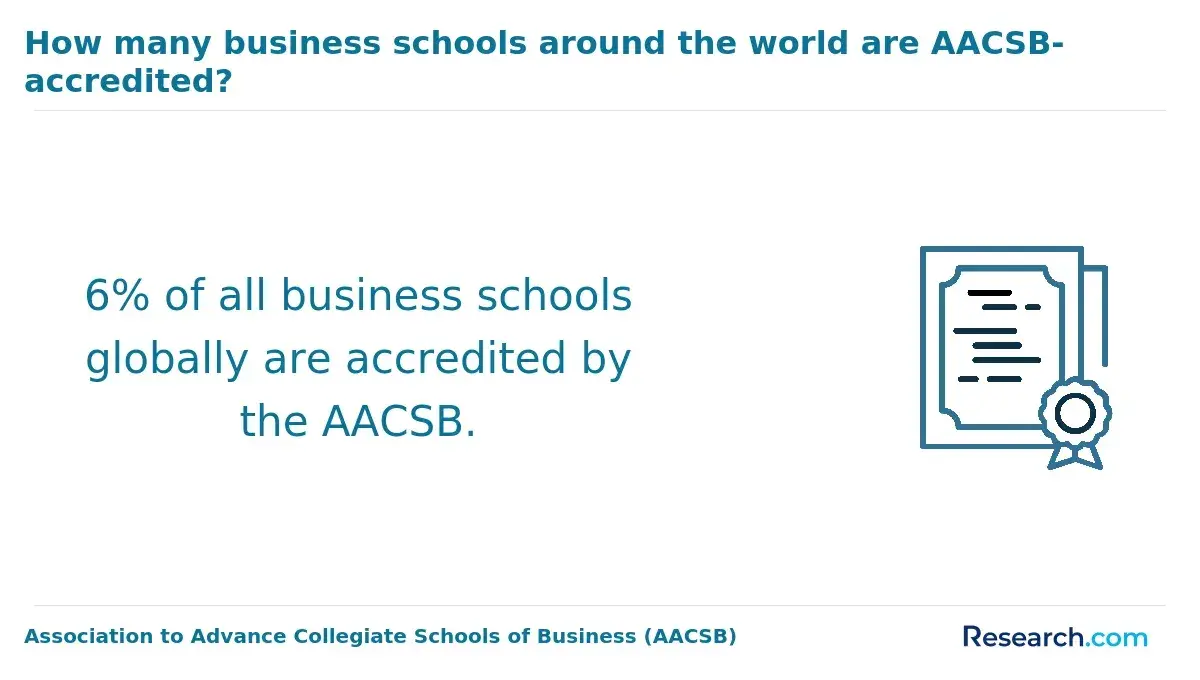
Accreditation is also important when comparing formats. Many reputable options, including online MBA programs accredited by AACSB or Association to Advance Collegiate Schools of Business, use a mix of formats to combine academic structure, faculty interaction, and applied learning. Students should still review each program’s course calendar, live attendance rules, technology expectations, and residency requirements before applying.
How do live (synchronous) and recorded (asynchronous) classes work?
Live and recorded classes serve different purposes in an online MBA. Live classes create real-time interaction, while recorded classes provide schedule flexibility. Many programs combine both because MBA students often need flexibility but still benefit from direct conversation, immediate feedback, and peer discussion.
How live synchronous classes work
In synchronous classes, students log in at a scheduled time for a live session. These sessions may include lectures, case discussions, breakout rooms, polls, presentations, guest speakers, and question-and-answer periods. The experience is closer to a traditional classroom, but it takes place through a video platform.
- Students must attend at specific times, which may be weekly, biweekly, or concentrated during certain parts of the course.
- Professors can call on students, lead discussions, clarify difficult concepts, and respond to questions immediately.
- Breakout rooms are often used for small-group analysis, team exercises, or short presentations.
- Attendance policies vary, so students should confirm whether live sessions are required, optional, or recorded for later viewing.
How recorded asynchronous classes work
In asynchronous classes, students access lectures and course materials when their schedule allows, as long as they meet assignment deadlines. A recorded class may include short lecture videos, narrated slides, readings, practice exercises, discussion prompts, and quizzes. Students can pause, replay, or review materials before completing assignments.
- Students have more control over when they study, which is helpful for those balancing work and personal commitments.
- Interaction usually happens through discussion boards, written feedback, email, shared documents, or team collaboration tools.
- The format rewards planning; falling behind can make it difficult to catch up because assignments often build on prior work.
- Students should check whether exams, presentations, or group meetings still require real-time participation.
The right balance depends on the student. Those who want maximum flexibility may prefer mostly asynchronous courses. Those who learn best through debate and immediate instructor interaction may benefit from more live sessions.
What technology platforms are commonly used for online MBA learning?
Online MBA programs rely on several types of technology to deliver coursework, support communication, manage assignments, and protect academic standards. Students do not need to be technology experts, but they should be comfortable learning new platforms and troubleshooting basic access, audio, video, and file-sharing issues.
Core platforms used in online MBA programs
- Learning Management Systems: Canvas, Blackboard, and Moodle are commonly used to organize syllabi, readings, lecture recordings, assignments, grades, announcements, and discussion boards.
- Video conferencing tools: Zoom, Microsoft Teams, and Webex support live lectures, office hours, breakout discussions, presentations, and team meetings.
- Collaboration tools: Slack, Microsoft Teams, and Google Workspace help students coordinate group projects, share files, edit documents, and communicate outside class.
- Assessment tools: Online quizzes, exam portals, timed tests, and proctoring systems help instructors evaluate student learning and maintain academic standards.
- Digital libraries and databases: University libraries give students access to research articles, business publications, case materials, e-books, and citation tools.
What to check before classes begin
- Whether the program requires a webcam, microphone, specific browser, secure internet connection, or proctoring software.
- Whether live sessions must be attended from a quiet location with video turned on.
- Whether coursework can be completed on a tablet or whether a laptop or desktop computer is recommended.
- How technical support works, including evening or weekend availability for working students.
- Whether international students or frequent travelers may face access issues because of time zones, firewalls, or software restrictions.
Technology can make an online program more accessible, but it can also create friction if expectations are unclear. Students in an executive MBA online program, in particular, should confirm that the platform design works with demanding professional schedules and that support is available when they are most likely to study.
How do students participate in discussions and group projects online?
Participation in an online MBA is usually measured through discussion posts, live class engagement, peer responses, group deliverables, presentations, and project contributions. The strongest programs do not treat participation as busywork. They use it to help students apply business concepts, compare professional perspectives, and practice leadership in virtual settings.
Online discussions
Discussions may take place in written forums, live class sessions, breakout rooms, or peer review activities. Instructors often ask students to analyze a case, respond to a data set, critique a strategy, or connect course concepts to their own professional experience.
- Discussion boards: Students post original responses and reply to classmates, often by a set deadline.
- Live sessions: Students participate through verbal comments, chat, polls, breakout activities, and presentations.
- Peer feedback: Students review classmates’ work and provide structured comments on arguments, analysis, or recommendations.
- Case debates: Some courses assign students to defend different strategic positions, which builds decision-making and communication skills.
Group projects
Group projects are common in online MBA programs because business work often depends on collaboration across locations. Teams may complete case studies, financial analyses, marketing plans, operations projects, business simulations, or final presentations. These assignments can be valuable, but they require clear expectations.
- Shared documents: Google Workspace and Microsoft Teams allow students to draft, edit, and comment on work together.
- Team meetings: Video conferencing tools help teams divide tasks, resolve disagreements, rehearse presentations, and make decisions.
- Project management tools: Trello or Asana can help teams assign responsibilities, monitor deadlines, and track progress.
- Communication norms: Successful teams usually agree early on meeting times, response expectations, file naming, decision rules, and backup plans.
A common mistake is waiting until a deadline is near to coordinate with teammates. Online MBA students should treat group work like professional project management: clarify roles early, document decisions, and address nonparticipation promptly through the process established by the instructor.
How do professors provide feedback and support virtually?
Professors support online MBA students through written comments, announcements, discussion responses, email, messaging tools, video meetings, and virtual office hours. The quality of this support varies by program, so prospective students should ask how often faculty interact with students and what response times are typical.
Common forms of virtual faculty support
- Written assignment feedback: Instructors may comment on case analyses, presentations, discussion posts, exams, and projects through the learning management system.
- Rubrics: Many courses use scoring guides that explain how work is evaluated, which helps students understand expectations before submitting assignments.
- Email and course messaging: Students can ask questions about assignments, concepts, grades, or participation requirements.
- Video consultations: One-on-one or small-group meetings allow students to discuss difficult material, performance concerns, project direction, or career goals.
- Discussion board guidance: Professors may step into forums to clarify misunderstandings, challenge weak arguments, or connect student comments to broader business concepts.
- Live office hours: Scheduled virtual office hours provide real-time access to the instructor outside formal class meetings.
How students can get better feedback
Students should be specific when requesting help. Instead of asking, “Can you explain this assignment?” a better question is, “I am unsure whether the case recommendation should prioritize market entry risk or projected revenue; which criteria should guide the analysis?” Specific questions make it easier for faculty to provide useful guidance.
Students should also read rubrics carefully, review prior feedback before submitting new work, and contact instructors early if work obligations or technical issues may affect a deadline. In online programs, silence can be mistaken for disengagement, so proactive communication matters.
How are networking and collaboration opportunities handled in an online MBA?
Networking in an online MBA is less likely to happen by accident than in an on-campus program. Students need to be intentional about showing up, following up, and using the program’s professional community. Strong online MBA programs create structured opportunities for students to connect with classmates, faculty, alumni, employers, and industry speakers.
Common networking opportunities
- Virtual networking events: Programs may host online mixers, alumni panels, employer sessions, career workshops, and speaker events.
- Course discussions: Regular academic interaction can lead to professional relationships when students share relevant experience and engage thoughtfully.
- Alumni communities: Online alumni groups may provide mentorship, referrals, industry insight, and long-term professional connections.
- Career services: Some programs offer virtual resume reviews, interview preparation, coaching, job boards, and employer introductions.
- Optional residencies or immersions: Some online programs include in-person or intensive experiences that deepen relationships among students and faculty.
How collaboration builds professional value
Collaboration in an online MBA goes beyond completing class assignments. It helps students practice leading remote teams, negotiating responsibilities, managing conflict, presenting virtually, and delivering work with people in different industries or time zones. These are practical skills for managers, consultants, entrepreneurs, and executives who work with distributed teams.
- Group projects: Students collaborate on case studies, presentations, simulations, and business plans.
- Shared workspaces: Slack, Microsoft Teams, and Google Workspace support ongoing communication and document management.
- Peer feedback: Structured critiques help students improve their analysis and communication while learning from classmates’ professional perspectives.
Prospective students should ask how the program supports networking, not simply whether networking exists. Useful questions include whether students are grouped into cohorts, whether alumni participate in events, whether career services are available to online students, and whether the program has active communities for specific industries or career goals. For applicants seeking flexibility in admissions, an online MBA no GMAT required may still provide collaboration and networking opportunities, but students should evaluate the strength of the professional network carefully.
How is academic integrity maintained in online MBA programs?
Academic integrity matters in an online MBA because employers, students, faculty, and alumni all depend on the credibility of the degree. Programs protect that credibility through a combination of clear policies, assessment design, identity verification, plagiarism checks, proctoring, and instructor oversight.
Common academic integrity practices
- Honor codes: Students are usually required to follow academic honesty policies that explain permitted collaboration, citation expectations, exam rules, and consequences for misconduct.
- Plagiarism detection tools: Software such as Turnitin or SafeAssign may compare submitted work against other sources to identify originality concerns.
- Proctored exams: Some online exams are monitored through live or automated proctoring systems to reduce cheating.
- Identity verification: Programs may require secure logins, webcam checks, or other verification steps for exams and course access.
- Applied assignments: Instructors may use current cases, individualized prompts, reflections, projects, and presentations that are harder to copy than generic test questions.
- Participation tracking: Learning platforms can show whether students are accessing materials, contributing to discussions, and submitting work consistently.
What students should understand
Online collaboration can create confusion if rules are not clear. Students should confirm whether they may use shared notes, outside editing help, AI tools, spreadsheets, group chats, or prior course materials. In many MBA courses, collaboration is encouraged for team assignments but prohibited for individual exams or papers. When in doubt, students should ask the instructor before submitting work.
Academic integrity systems are not only about catching misconduct. They also help ensure fair grading and protect students who complete their work honestly. A credible online MBA should make expectations clear from the start and apply policies consistently.
What tools are used for submitting assignments and taking exams?
Online MBA students usually submit assignments and complete exams through the program’s learning management system and related assessment tools. These systems help students meet deadlines, give instructors a central place to grade work, and support academic integrity requirements.
Assignment submission tools
- Learning Management Systems: Canvas, Blackboard, and Moodle commonly allow students to upload papers, spreadsheets, slide decks, case analyses, videos, and project files directly to the course portal.
- Cloud storage tools: Google Drive or OneDrive may be used for large files, shared documents, group projects, and collaborative editing.
- Plagiarism checkers: Tools such as Turnitin may be integrated into the submission process to check originality and citation practices.
- Discussion platforms: Some assignments are submitted as discussion posts, peer replies, or reflective journals within the course site.
- Presentation tools: Students may submit recorded presentations, narrated slides, or live presentation materials depending on the course requirements.
Exam and assessment tools
- Online quiz modules: LMS platforms often include tools for multiple-choice, short-answer, numerical, and essay-style assessments.
- Timed assessments: Exams may open and close during specific windows, with time limits once the student begins.
- Proctored exam software: Services such as ProctorU or Examity may monitor exams to help prevent cheating.
- Lockdown browsers: Some programs use secure browsers that limit access to other websites or applications during an exam.
- Applied assessments: Some MBA courses reduce reliance on traditional exams by using case memos, business simulations, financial models, strategy presentations, and capstone projects.
Practical tips for avoiding submission problems
- Upload assignments before the deadline rather than at the last minute.
- Confirm file type, naming format, and citation requirements before submitting.
- Keep backup copies of major assignments and team documents.
- Test webcam, microphone, browser, and internet connection before a proctored exam.
- Read exam rules carefully, especially policies on notes, calculators, spreadsheets, AI tools, and outside resources.
These tools make online MBA coursework manageable and trackable, but students remain responsible for understanding deadlines, technical requirements, and academic rules. A well-run program will provide instructions and support, while successful students build reliable routines for submitting work and preparing for assessments.
Other Things You Should Know About How Online MBA Classes Work
In 2027, online MBA programs leverage AI-driven analytics for personalized learning, virtual reality for immersive simulations, and blockchain for secure credentialing. These technologies enable seamless interactivity and create a more engaging and efficient learning environment for students.
In 2027, online MBA students should start by ensuring robust internet connectivity and updating their hardware. Familiarizing themselves with learning platforms, productivity software, and communication tools is crucial. Additionally, participating in orientation sessions provided by programs can ease the transition into the digital learning environment.
References
- Accreditation Council for Business Schools and Programs. (n.d.). ACBSP accreditation Overview - Accreditation Council for Business Schools and programs. acbsp.org.
- Garner, B. (2022, April 25). What Do You Learn in An MBA Program? mba.com.
- Santa Clara Leavey School of Business. (2024, September 4). The Evolution of Online MBA Programs: Past, Present and Future. scu.edu.
- The University of Memphis Global. (n.d.). A Glimpse Into the Online MBA Curriculum. memphis.edu.
- William & Mary - Raymond A. Mason School of Business. (2024, May 29). Technological Requirements and Tools for an Online MBA. mason.wm.edu.
- Wood, J.D., et al. (2025, July 24). Enhancing online MBA programmes: Student perceptions and key factors in programme design and delivery. British Education Research Journal.