2027 Where an Online MBA Can Take Your Career in 5 Years

Co-Founder and Chief Data Scientist
Many professionals with degrees outside of business struggle to break into management roles despite years of experience. Ambitions for leadership advancement often stall due to skill gaps or lack of formal business credentials. Traditional on-campus programs may be impractical for those balancing work and personal commitments, creating barriers to timely career growth.
Online MBA programs offer a flexible solution to gain essential business acumen and leadership skills without disrupting current employment. This article explores where an online MBA can take your career in five years by outlining realistic outcomes and strategic advantages tailored for career changers seeking accelerated success.
Key Things You Should Know
- Online MBA graduates typically see a 25% salary increase within five years, supported by growing demand for digital business skills across industries.
- Flexible online MBA programs allow working professionals to advance their careers without interrupting employment, enhancing leadership and strategic expertise remotely.
- By 2026, 60% of top U.S. companies prefer MBA hires with online experience due to proven adaptability and tech-savvy competencies.
What is an online MBA and how does it differ from traditional campus-based programs?
An online MBA program is a graduate business degree delivered primarily through digital platforms, enabling students to access coursework remotely without needing to attend a physical campus. Compared to traditional campus-based MBA programs, online options offer greater flexibility for working professionals, parents, and others balancing education with life commitments.
They typically include video lectures, interactive discussion boards, virtual group projects, and online exams. Key benefits of earning an online MBA in the United States include:
- Flexibility: Students can study anytime and anywhere, which suits professionals managing full-time jobs or family responsibilities.
- Accessibility: Enrollment from different states or countries without relocating broadens access to specialized programs and prestigious schools.
- Networking: Virtual networking events and live sessions help build connections despite the lack of face-to-face interaction.
- Learning Mode: Online programs rely on asynchronous content and digital tools, requiring strong self-discipline, in contrast to campus MBAs with live discussions and immediate feedback.
This shift to online formats reflects the changing demands for flexible, technology-driven education. As of Fall 2024, online enrollments in MBA programs surpassed campus numbers for the first time, emphasizing this trend. Students weighing online MBA programs versus traditional campus-based learning should assess their learning style, career goals, and time availability.
Both formats hold similar accreditation and confer the same degree with equal market recognition. Prospective students seeking affordable options can explore inexpensive MBA programs that maintain quality while reducing financial barriers.
What are the key career outcomes and job roles available to MBA graduates within five years?
MBA graduates in the United States often experience significant career advancement opportunities within five years, securing diverse roles that capitalize on their leadership and analytical skills. Top job roles for MBA holders within five years include management consulting, financial analysis, marketing management, product management, and operations leadership. These positions demand strategic thinking, data-driven decision-making, and adept cross-functional collaboration.
Industries such as technology, finance, healthcare, and consumer goods frequently recruit MBA graduates for mid- to senior-level roles. For example, product management positions in tech companies align naturally with MBA graduates focusing on innovation and strategy, while financial services value MBAs for roles like portfolio management and risk assessment.
Many graduates leverage their MBA education to transition into project leadership, business development, or organizational change management. Data indicates that 26% of the class of 2024 online MBA alumni changed employers during or shortly after graduation, highlighting how the degree supports upward mobility and fresh career opportunities.
Entrepreneurship also attracts many MBA holders who apply their expertise to launch startups or assume strategic roles in early-stage companies. Others pursue global careers in international business development or supply chain management, positioning themselves for director and senior manager roles within leadership pipelines typically reached within five years.
Those exploring accessible education options should consider the AACSB MBA programs, recognized for quality and affordability.
How much can you expect to earn with an online MBA, and what factors influence salary growth?
In 2026, individuals holding an online MBA can expect a median salary of about $125,000, marking a $10,000 increase from the previous year, according to the Graduate Management Admission Council's report cited by Acacia University. This significant rise highlights the average salary growth after online MBA completion, illustrating the degree's strong impact on earning potential.
Several factors affect online MBA salary progression in career paths, including:
- Industry and role: Finance, consulting, and technology tend to offer higher starting pay and faster salary increases compared to nonprofit or government sectors.
- Prior experience: Candidates with relevant work history often secure senior roles and enjoy larger pay raises sooner.
- Geographic location: Urban hubs such as New York, San Francisco, and Chicago typically provide higher compensation, though cost of living may offset gains.
- School reputation: Graduating from top-ranked online MBA programs can unlock better opportunities and robust alumni networks that boost salary growth.
- Specializations: Fields like data analytics, finance, or entrepreneurship usually command premium salaries.
Economic conditions and company performance also impact salary growth, yet the steady $10,000 median boost reflects the strong earning power of an MBA. Graduates pursuing leadership roles and industry certifications alongside their degree often experience more rapid salary increases within five years. Prospective students seeking affordable options might consider programs listed under the cheapest executive MBA in USA.
What are the admission requirements and prerequisites for accredited online MBA programs?
Admission to accredited online MBA programs typically requires a bachelor's degree from an accredited institution, with many schools expecting a minimum GPA of around 3.0. While standardized tests like the GMAT or GRE are standard, an increasing number of programs offer waivers based on professional experience or previous academic performance. For those seeking options without test requirements, specialized resources such as online MBA programs no GMAT can provide valuable guidance.
Prerequisites for top online MBA programs in the US usually include foundational coursework in quantitative subjects like accounting, statistics, or finance. Applicants lacking this background may need to complete preparatory classes before advancing to core coursework. Strong written and oral communication skills, often assessed through essays or interviews, are also critical components of the application process.
Most programs expect professional work experience ranging from two to five years, ideally in managerial or leadership roles, aligning to develop advanced leadership skills. In fact, a Warwick Business School survey revealed that 43% of global online MBA students plan to shift industries, companies, or roles within five years. International applicants may need to meet English proficiency requirements, such as TOEFL or IELTS, and provide appropriate visa and financial documentation.
How long does an online MBA typically take to complete, and what are the total costs?
Online MBA programs typically require 18 to 36 months to complete, varying by structure and enrollment status. Accelerated options can finish in as few as 12 months, while part-time paths may extend up to three years, accommodating professionals balancing work and study. Many hybrid formats offer flexible pacing that blends coursework with career demands.
Tuition costs differ greatly depending on factors like institution type and delivery method. Public universities usually charge between $20,000 and $50,000 for the entire degree, whereas private schools range from $50,000 to $120,000. Additional costs might include textbooks, technology fees, and occasional travel for on-campus residencies.
Students interested in reducing time and expenses should consider programs that award credit for prior work experience or certifications, which can lower both tuition and duration. Some online MBA programs use flat-rate tuition per term, providing clearer financial planning.
Keep in mind that over 24% of MBA graduates switch careers after earning their degree, so evaluating return on investment in relation to personal career goals is essential. Aligning program length and cost with your professional development timeline helps optimize both educational and financial outcomes.
What accreditation standards should you verify when choosing an online MBA program?
Accreditation is a crucial factor when selecting an online MBA program, directly influencing the value of your degree and your long-term return on investment (ROI). The leading accreditors in U.S. business education include the Association to Advance Collegiate Schools of Business (AACSB), Accreditation Council for Business Schools and Programs (ACBSP), and International Accreditation Council for Business Education (IACBE).
Among these, AACSB is widely regarded as the most prestigious and is commonly associated with top-ranked business schools. Equally important is confirming that the institution holds regional accreditation, such as from the Higher Learning Commission or the Middle States Commission on Higher Education. Regional accreditation ensures the school's overall academic quality, facilitating credit transfer, federal financial aid eligibility, and employer recognition.
Key questions to consider before enrolling include:
- Does the online MBA carry accreditation from AACSB, ACBSP, or IACBE?
- Is the institution regionally accredited by a recognized agency?
- Are faculty credentials aligned with accreditation standards?
- Does the curriculum reflect current business practices and competencies?
Lacking these accreditations often limits career advancement and lowers ROI. According to National University MBA Statistics, MBA graduates from highly accredited programs may achieve up to a 325% ROI over ten years. This highlights why verifying accreditation is essential before committing to any program.
What core subjects and specializations are included in most online MBA curricula?
Most online MBA programs cover core subjects vital for leadership and management, such as finance, marketing, operations management, organizational behavior, strategy, and accounting. These areas create a strong foundation for making informed decisions across diverse industries. For example, finance courses focus on budgeting and investment analysis, preparing students to manage corporate resources efficiently. Marketing coursework often highlights digital strategies.
Students can choose specializations to align with their career objectives. Common options include data analytics, entrepreneurship, healthcare management, supply chain management, and sustainability. Data analytics trains students to interpret complex datasets and drive business improvements, while entrepreneurship teaches how to start and grow new ventures. Healthcare management emphasizes leadership in a rapidly changing regulatory environment, focusing on quality improvement.
Flexibility remains a key advantage of online MBA degrees, supporting career advancement and transitions. A report from Imperial College Business School found that 76% of online MBA graduates changed roles during or soon after completing their studies, with 21% entering different sectors. This highlights how a blend of core knowledge and specialization equips professionals to navigate evolving opportunities.
How does the job outlook for MBA-educated professionals compare across different industries?
The job outlook for MBA-educated professionals varies widely by industry, reflecting factors like growth rates, demand for leadership, and adaptability. Technology, healthcare, and finance sectors typically offer the strongest opportunities for MBA graduates. For example, tech companies often seek MBA holders to oversee innovation pipelines and scale operations, while healthcare organizations rely on them to manage complex regulatory and financial challenges.
Manufacturing and retail have mixed prospects. Traditional roles may decline due to automation and changing consumer patterns, yet MBA graduates specializing in supply chain management, digital transformation, or consumer analytics report promising growth potential. Consulting remains lucrative and flexible, enabling transitions across industries and functional areas.
About 44.29% of recent online MBA graduates changed job functions (Poets&Quants for Execs, 2025 OMBA Ranking), highlighting MBA education's role in facilitating significant career pivots. For instance, a finance professional might move to strategic marketing or operations management within five years due to MBA training.
Professionals considering industry choices should focus on:
- Sector growth trajectories and stability
- Alignment of MBA skills with emerging industry needs
- Opportunities for lateral or upward movement enabled by cross-functional expertise
MBA graduates who target dynamic sectors and leverage broad management expertise tend to experience stronger career mobility and advancement over five years.
What is the difference between an online MBA and other business graduate credentials like an EMBA or specialized master's?
An online MBA program is designed to develop broad management skills across disciplines such as finance, marketing, operations, and strategy. It primarily serves working professionals seeking career advancement or a shift, offering flexible schedules suitable for balancing work and study. This contrasts with an executive MBA (EMBA), which targets senior leaders with extensive managerial experience, often more than a decade. EMBAs emphasize strategic leadership, decision-making, and networking.
Specialized master's degrees differ by focusing deeply on specific areas like finance, supply chain management, or data analytics, equipping students with technical expertise rather than broad managerial abilities. These programs suit early to mid-career professionals aiming for niche roles rather than general management.
In 2024, online MBA enrollments nationwide grew from 555 to 732 programs, though average enrollment per program dropped to 182 students. This shift indicates expanding options but also increased selectivity and competition, underscoring the need to align program choice with personal career goals.
Key distinctions to consider:
- Online MBA: Broad management education, flexible learning, mid-career focus.
- Executive MBA: Leadership and strategy for experienced executives.
- Specialized master's: Focused technical training for specialists.
How should you evaluate the reputation and quality of an online MBA program before enrolling?
Start by verifying accreditation from a U.S. Department of Education-approved regional or specialized body like AACSB or ACBSP. Accreditation ensures the program meets rigorous academic standards and increases employer recognition. Faculty credentials matter; seek programs with professors holding advanced degrees and relevant business experience, especially those actively publishing research or consulting in the industry.
Assessing student outcomes is crucial. Look for transparent data on graduation rates, job placement, and median total compensation. For example, National University MBA statistics show a 29% median compensation increase within five years for employed graduates, highlighting career growth potential.
Review the curriculum for alignment with your career goals, focusing on options such as specialized tracks and flexible schedules. Networking opportunities through alumni associations or corporate partnerships can significantly enhance post-graduation prospects.
Consider program rankings from trusted sources like U.S. News & World Report or Financial Times as supplementary information. Additionally, insights from current students and alumni on forums or LinkedIn reveal valuable perspectives on support services and technology platforms often omitted in official materials.
Other Things You Should Know About MBA
An online MBA equips professionals with leadership skills crucial for career development by offering courses in strategic management, decision-making, and team leadership. In 5 years, graduates can leverage these skills to assume higher management roles, effectively lead teams, and drive organizational success in a dynamic business environment.
While online MBA programs may not provide the same face-to-face networking as traditional formats, many have adapted by offering virtual networking events, discussion forums, and group projects. Some programs also arrange regional meetups or alumni events. These alternatives can still foster valuable professional connections that support career growth.
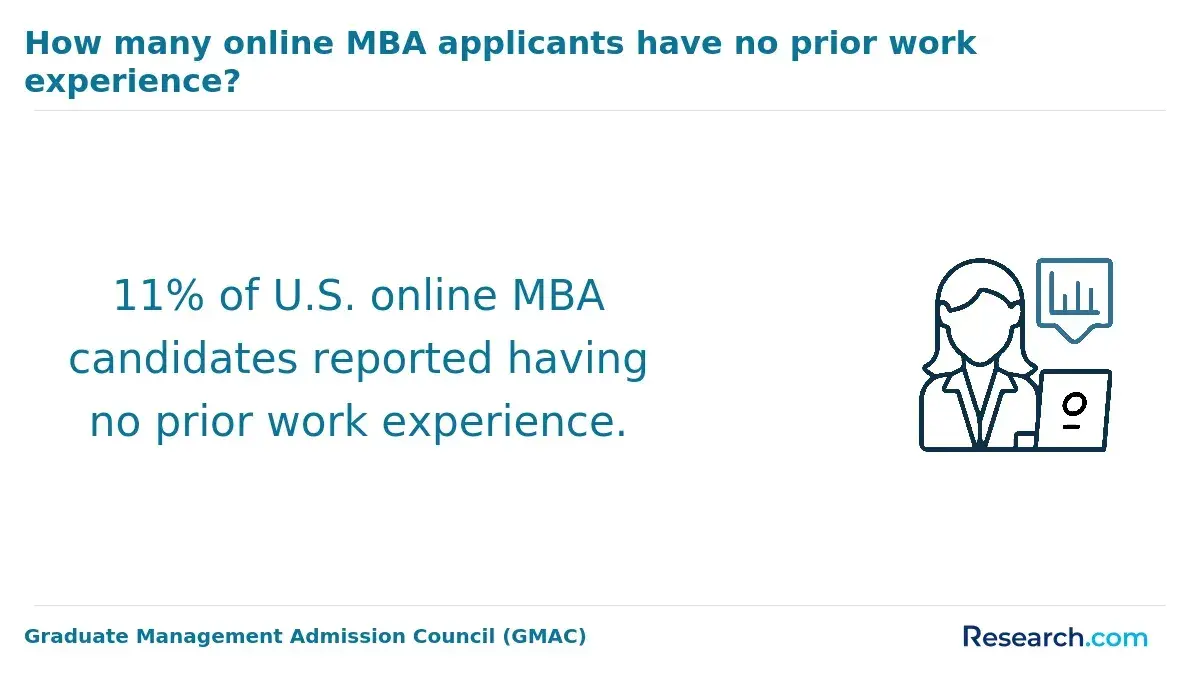
Most accredited online MBA programs prefer or require applicants to have some professional experience, typically ranging from two to five years. Prior work experience helps students relate course material to practical business situations and contributes to richer class discussions. However, some programs offer options for recent graduates without extensive experience.
Online MBA degrees from accredited U.S. institutions are generally recognized internationally, especially if the program holds recognized accreditations such as AACSB or AMBA. Recognition can vary depending on the country and employer, so prospective students should research the acceptance of the degree in their target region before enrolling. Online delivery does not typically diminish the credential's credibility when earned from reputable schools.
References
- Online MBA Entry Requirements: Eligibility & Admission https://www.onlinecu.in/blog/cu/most-common-entry-requirements-for-online-mba-programs.php
- 7 Key Factors to Consider Before Choosing an Online MBA Program https://dsuonline.com/resources/blogs/7-tips-before-choosing-online-mba/
- Online MBA vs Traditional MBA: What are the differences? | StudyNext Australia https://studynext.com/au/resources/online-mba-vs-on-campus-mba
- Online vs. In-Person MBA: Benefits and Differences https://freemannews.tulane.edu/2025/11/04/online-vs-in-person-mba-benefits-and-differences
- Accredited Online MBA Programs Offer Quality and Flexibility https://www.princetonreview.com/business-school-advice/accredited-online-mba-programs-advice
- MBA and Job Market Trends: Is Now the Right Time for an MBA - MBA & Beyond https://www.mbaandbeyond.com/blog/mba-vs-job-market-is-now-the-right-time-for-an-mba
- 4 Features to Look for in a Quality Online MBA Program https://www.concordia.edu/blog/4-features-to-look-for-in-a-quality-online-mba-program.html
- How to Choose an Accredited Fully Online MBA: A Practical Guide for Working Professionals https://www.nexford.edu/insights/how-to-choose-an-accredited-fully-online-mba
- EMBA vs. MBA: how do they differ? - Esade https://www.esade.edu/beyond/en/emba-vs-mba-how-do-they-differ/
- 10 Must-Knows Before Enrolling for Online MBA in India https://manavrachnaonline.com/blogs/know-these-before-enrolling-for-online-mba/