2027 Career Outcomes for Graduates of Online MBA Programs

Co-Founder and Chief Data Scientist
Professionals with unrelated undergraduate degrees often face uncertainty when considering an online MBA to advance or change their careers. The evolving job market demands clarity on whether an online MBA can deliver comparable outcomes to traditional programs. Questions about salary growth, industry transitions, and employment rates create challenges for informed decision-making.
Understanding these factors is vital for maximizing return on time and financial investment. This article examines recent career outcomes of online MBA graduates, providing data-driven insights to help prospective students evaluate how such programs can effectively support their professional goals and career transitions.
Key Things You Should Know
- Online MBA graduates in 2026 report a 15% average salary increase within one year of graduation, reflecting strong employer recognition of these programs.
- Over 60% of graduates secure leadership roles within two years, highlighting the degree's impact on career progression and managerial opportunities.
- Technology, healthcare, and finance remain the top industries hiring online MBA graduates, indicating sector-specific demand for business skills in digital and regulated markets.
What career outcomes do online MBA graduates typically achieve?
Online MBA graduates commonly experience significant career advancement opportunities for online MBA graduates, such as promotions, salary increases, and new leadership roles. Data from Poets&Quants indicates that 50% of graduates from 15 of the top 57 ranked programs reported promotions directly linked to their degree, with the University of Michigan Ross reaching a notable 75% promotion rate. These statistics highlight how employers recognize the tangible value of an online MBA in career growth.
Typical career paths after completing an online MBA include:
- Advancement into mid-level or senior management roles within current organizations.
- Transition into strategic positions involving decision-making and team leadership.
- Entrepreneurship utilizing expanded business knowledge and professional networks.
- Opportunities in consulting, finance, marketing, or operations.
Many graduates also use their MBA to change career directions, especially those coming from technical or specialized fields seeking broader business skills. Employers value practical skills gained, such as financial analysis, strategic planning, and data-driven decision-making.
Students should carefully consider average salaries and job placement rates after online MBA programs when choosing the right degree. Networking and career support services can significantly influence success. Prospective learners can explore options among the cheapest and easiest online MBA programs to balance costs with these important outcomes.
Overall, online MBA degrees offer measurable benefits in career progression, emphasizing the importance of program reputation and individual effort.
How do online MBA salaries compare to traditional MBA graduates?
Online MBA graduates earn competitive salaries comparable to those from traditional MBA programs. Median annual earnings for online MBA holders stand around $92,000, with the 75th percentile surpassing $120,000, indicating a strong return on investment often within four years or less. This salary range aligns closely with traditional MBA alumni across various industries, making online programs a viable pathway for career advancement and competitive compensation.
Several factors affect salary differences beyond program format, including:
- Experience level: Mid-career professionals enrolling in online MBA programs often realize higher immediate salary gains due to prior work history.
- Industry: Consulting, finance, and technology sectors typically offer higher post-MBA salaries whether completed online or traditionally.
- Geographic location: Graduates based in metropolitan areas tend to earn salaries closer to or above the $120,000 mark observed in the 75th percentile for online MBA graduates.
Employers increasingly recognize the rigor and relevance of reputable online MBA programs, which helps achieve salary parity. The flexibility of online learning allows students to maintain full-time work, apply new skills in real-time, and advance their careers more swiftly. Prospective students should focus on program accreditation, strength of alumni networks, and corporate ties rather than delivery method alone to maximize salary potential.
For realistic expectations based on sector and career stage, checking salary information from sources like GMAC and institutional reports is advisable. Those interested can explore verified programs, including affordable options with online MBA AACSB accreditation, which often retain strong market value.
The online MBA graduate salary comparison with traditional MBA holders reveals that both paths can lead to similar financial outcomes, making online MBAs a strategic choice for many working professionals seeking competitive earnings.
Average earnings of online MBA graduates versus traditional MBA alumni continue to demonstrate minimal disparity, emphasizing that program quality and career management remain crucial factors influencing salary.
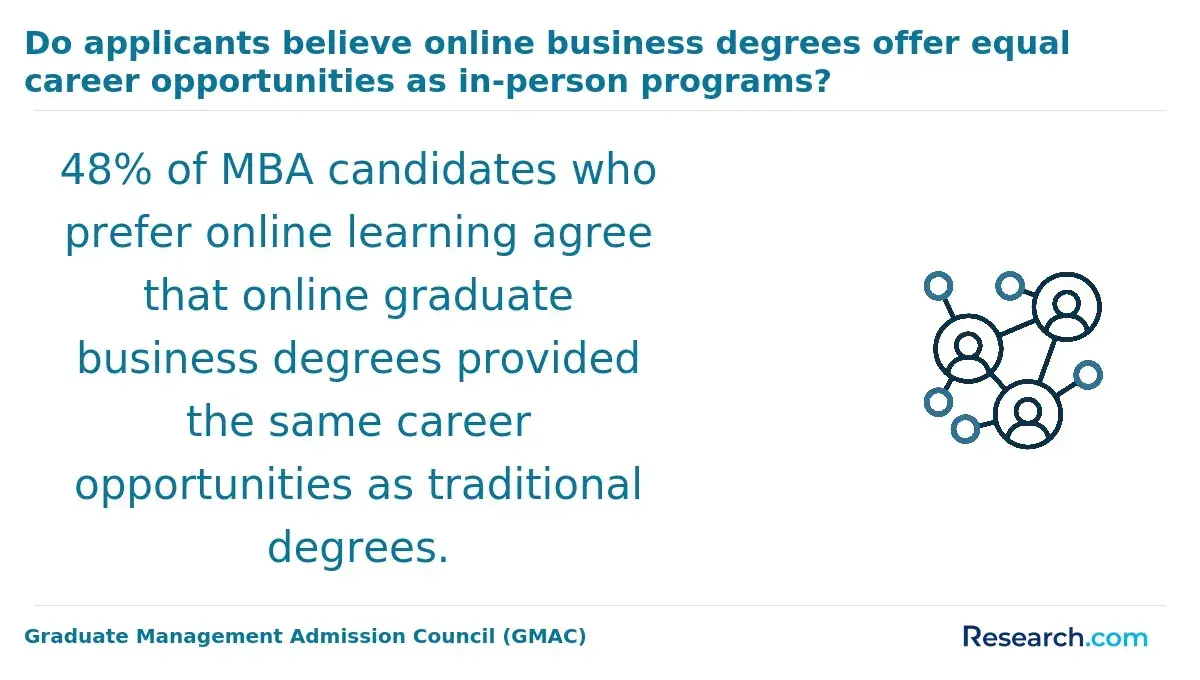
Which industries and job roles hire online MBA graduates most?
Online MBA graduates find opportunities across diverse industries hiring online MBA graduates, including technology, manufacturing, finance, and medical sectors. According to data from CSUMB Online MBA Careers, 14% of graduates enter both technology and manufacturing roles, while 12% pursue careers in finance and another 12% in medical fields. This distribution shows strong demand across traditional and emerging sectors.
Common top job roles for online MBA graduates in technology include product managers, business analysts, and IT project managers, which require blending technical expertise with strategic decision-making. In manufacturing, graduates often assume positions in supply chain management, operations, and process improvement, where MBA skills optimize efficiency and operations.
Finance employers seek financial analysts, investment managers, and compliance officers, roles well supported by MBA training in financial modeling and risk assessment. The medical sector values MBA expertise for healthcare administration, finance leadership, and pharmaceutical project management, navigating complex regulations and organizational needs.
Graduates can also explore consulting, marketing, and entrepreneurship, fields that benefit from leadership, strategy, and innovation skills honed during an MBA. Emphasizing quantitative and problem-solving abilities helps candidates stand out. For those interested in advanced education options, consider exploring executive MBA online programs that offer flexible learning tailored to experienced professionals.
Focused preparation aligned with industry demands enhances the value of an online MBA and expands career pathways.
What accreditation standards ensure online MBA program quality?
Accreditation standards for online MBA programs play a vital role in ensuring quality through thorough evaluation of curriculum, faculty credentials, student support, and learning outcomes. The major accrediting bodies recognized by the U.S. Department of Education include:
- Association to Advance Collegiate Schools of Business (AACSB)
- Accreditation Council for Business Schools and Programs (ACBSP)
- International Accreditation Council for Business Education (IACBE)
Each of these offers different emphases-AACSB is commonly seen as the gold standard for research and continuous improvement, while ACBSP and IACBE focus more on teaching excellence and practical skills.
Regional accreditation for online MBA quality assurance also influences financial aid eligibility and credit transferability, with accredited programs typically receiving higher employer recognition. Prospective students should verify accreditation on official agency websites before enrollment.
Career outcomes linked to accreditation highlight its impact: about half of CSUMB online MBA alumni employed have reported promotions or higher-level positions within three years of graduation. This data underscores how accredited online MBA programs equip students to advance professionally.
Students should also explore specialized accreditation for specific concentrations such as finance or supply chain management, as this layered accreditation ensures program relevance in evolving fields. Additionally, those interested in flexible admissions options may find value in online MBA programs without GMAT, which are increasingly available.
How long does an online MBA take to complete?
Online MBA program durations typically range from 18 to 36 months, varying by program structure, pacing, and student availability. Many programs offer flexible, part-time options that can extend completion to three or four years. Accelerated programs allow completion in as little as 12 to 15 months. Choosing the right length depends on individual career goals and current commitments.
Factors influencing completion time include:
- Course load per term: Full-time students often finish in under two years, while part-time students may take three years or more.
- Program format: Asynchronous courses offer faster progress by allowing students to learn at their own pace, unlike synchronous courses with fixed schedules.
- Credit requirements: Most programs require 36 to 54 credits, with higher credit loads extending study time.
- Transfer credits: Accepting prior coursework can significantly reduce time to degree.
Completing an online MBA faster does not reduce earning potential. Graduates shifting careers-such as from operations to finance-can expect salary increases of about $60,000 within three years post-graduation. This highlights the value of balancing completion speed with comprehensive learning.
Working professionals often benefit from two- to three-year programs with evening or weekend classes. Those seeking rapid career changes may prefer accelerated tracks that maintain quality while fast-tracking degree completion.
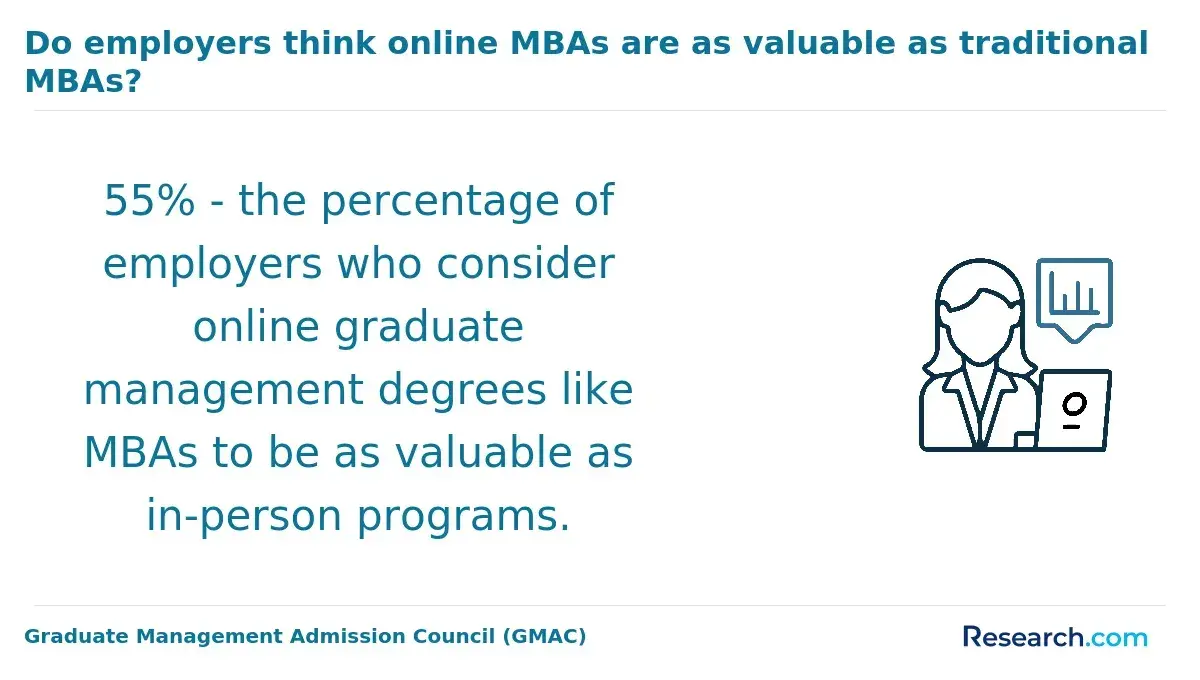
What are the admission requirements for accredited online MBA programs?
Admission to accredited online MBA programs usually requires a bachelor's degree from an accredited institution and official transcripts for evaluation. Most programs expect a minimum GPA between 2.5 and 3.0 on a 4.0 scale, though more competitive options may have higher standards. Work experience is a crucial factor, with many programs asking for two to five years in relevant fields to ensure applicants can apply MBA coursework practically.
Standardized tests like the GMAT or GRE are common but increasingly waived depending on professional background, undergraduate GPA, or prior graduate degrees. Each program's policy varies, so candidates should verify specific requirements. Letters of recommendation-typically one or two-are often requested, highlighting leadership skills and career achievements.
Applicants usually submit essays or personal statements addressing career goals, leadership, and motivation for pursuing an MBA online. Some programs include interviews, assessing communication and cultural fit. International students must provide proof of English proficiency via tests such as TOEFL or IELTS.
Clear, well-organized applications reflect preparedness for the unique demands of remote learning. Studies show around 85% of graduates from UGC-recognized online MBAs secure employment within three months, with companies like TCS and HDFC hiring at levels comparable to full-time programs (Online Mats University, 2024). Meeting these admission standards is essential for successful career outcomes.
How does online MBA curriculum differ from campus-based programs?
Online MBA programs differ notably from campus-based options in structure, flexibility, and technology use, which shapes student experiences and outcomes. They feature asynchronous learning, letting students access materials on their own schedules-ideal for working professionals balancing careers and family. Interactive digital platforms enable discussion boards, virtual group projects, and quick multimedia access.
Course content in online MBA often leans toward practical applications and current business challenges such as digital transformation and global trends. Campus programs emphasize case studies and theory but also offer richer in-person networking through workshops, clubs, and guest speakers. However, online students increasingly benefit from virtual networking events and digital alumni communities that mimic some on-campus advantages.
Entrepreneurial support shows differences as well. Data from Online Mats University highlights that 25% of online MBA graduates launch startups within five years, often securing seed funding via alumni networks. These online connections prove powerful for entrepreneurship, with mentorship from remote industry leaders and resources for self-driven ventures included in many programs.
Key factors for prospective students to weigh include learning style and career goals. Prioritizing flexibility and entrepreneurial opportunities points toward online programs, whereas those seeking immersive campus culture and direct faculty interaction might lean toward traditional formats. Overall, delivery method, networking access, and career resources vary significantly across online and campus MBA curricula.
What is the job placement rate for online MBA graduates?
The job placement rate for online MBA graduates remains strong, with many programs reporting between 85% and 95% securing employment within six months of graduation. This success highlights the growing employer acceptance of online MBA credentials, especially from accredited institutions. Graduates typically find roles in management consulting, finance, marketing, and operations leadership across a range of industries.
Beyond traditional employment, online MBA holders can pursue diverse career paths, including freelance work in specialized areas like CRM (Customer Relationship Management) implementation. Data from Online Mats University shows freelancers earning around ₹5,000 per hour, making gig opportunities a flexible and lucrative option for building networks and portfolios.
Key factors impacting placement success include prior work experience, networking abilities, and the reputation of the online MBA program attended. Programs that offer career services like resume workshops, interview preparation, and employer connections tend to yield better outcomes.
Challenges persist, particularly for graduates switching industries or relocating to areas with limited opportunities. In such cases, leveraging online platforms and freelance gigs can help bridge employment gaps. Employers increasingly value digital proficiency and remote collaboration skills, which online MBA programs emphasize throughout their curriculum.
How much does an online MBA cost compared to alternatives?
The cost of an online MBA typically ranges from $20,000 to $60,000, making it generally more affordable than traditional full-time programs, which can exceed $100,000 in tuition alone at top U.S. universities. Living costs and lost income add significantly to full-time MBA expenses. Part-time MBA programs, often a hybrid of online and on-campus formats, usually cost between $30,000 and $80,000, but their limited flexibility may not suit all working professionals.
Accelerated online MBA programs can lower costs by shortening the duration, though expenses may still approach $50,000 or more. Public universities frequently provide more economical options, with some in-state tuition rates falling below $25,000. Financial aid, scholarships, and employer tuition reimbursement can substantially reduce the net costs, making these programs financially viable for many students.
Online MBA students benefit by maintaining employment while studying, minimizing opportunity costs compared to full-time, on-campus education. Evaluating total expenses-including tuition, fees, and indirect costs-is important when comparing programs. Key factors to consider include:
- Full tuition versus per-credit pricing.
- Availability of scholarships and employer assistance.
- Program length and format flexibility.
- Expected opportunity cost of time off work.
Automation is reducing routine tasks by 40%, and by 2030, digital natives with online MBAs are expected to lead hybrid workforces. Choosing a cost-effective MBA program can help professionals gain advanced skills without incurring heavy debt burdens.
What certifications or credentials complement an online MBA degree?
Certifications significantly enhance the value of an online MBA degree by validating specialized skills and accelerating leadership opportunities. Popular credentials that complement an MBA vary by industry, including:
- Project Management Professional (PMP)
- Certified Public Accountant (CPA)
- Certified Management Accountant (CMA)
- Chartered Financial Analyst (CFA)
- Certified Digital Marketing Professional (CDMP)
Graduates focusing on information technology management find value in certifications such as Certified Information Systems Security Professional (CISSP) or ITIL Foundation. These credentials supplement MBA-level managerial knowledge with critical IT governance skills. Healthcare management students can gain a competitive edge by earning the Certified Professional in Healthcare Quality (CPHQ).
Leadership and organizational management certifications like Six Sigma Green Belt and Lean Six Sigma demonstrate operational excellence often required for upper management roles. Data from Online Mats University shows that combining these credentials with an MBA positions graduates for C-suite roles by age 40, supported by promotion cycles every 18-24 months.
Professionals aiming for rapid career advancement should align certification choices with personal goals and industry demands. These certifications act as credible signals to employers that graduates possess both strategic business insight and functional expertise, fueling faster promotions and executive opportunities.
Other Things You Should Know About MBA
Yes, online MBAs can support international career advancement by providing global business knowledge and networking opportunities. Many programs include coursework on international markets and cross-cultural management, which helps graduates navigate diverse business environments. However, the impact on international careers also depends on the reputation of the institution and the individual's prior experience.
In 2027, online MBAs are increasingly valued by employers, especially when obtained from accredited programs. Both formats offer similar curriculums, and employers often focus on skills and competencies rather than the mode of learning when evaluating candidates.
While online MBAs may lack some in-person interaction, many programs emphasize virtual networking through group projects, discussion forums, and alumni networks. Some institutions also organize hybrid events, allowing students to attend conferences or seminars in person. Effective networking in online MBAs requires active participation but can yield valuable professional connections.
Online MBA programs are designed with flexible schedules to accommodate working professionals by offering asynchronous classes and part-time enrollment options. This structure allows students to balance study with work and personal commitments. Additionally, many programs provide resources such as career services and advising tailored to professionals managing their education alongside a career.
References
- 2025 Online MBA Ranking: How Graduates Rated The Degree’s Career Impact https://finance.yahoo.com/news/online-mba-ranking-graduates-rated-050132039.html
- Admissions https://www.imperial.ac.uk/business-school/mba/global-online-mba/admissions/
- What Accreditations Should One Look for Before Enrolling in an Online MBA Program? - Finance, Tech & Analytics Career Resources | Imarticus Blog https://imarticus.org/blog/what-accreditations-should-one-look-for-before-enrolling-in-an-online-mba-program/
- Online MBA Job Placement Rates: Top Specilizations https://www.onlinecu.in/blog/cu/online-mba-job-placement-rates-explained.php
- Online vs. Campus MBA Program - Swiss School of Business and Management Geneva https://www.ssbm.ch/online-vs-campus-mba-program-difference/
- How to Choose The Right MBA Program Length https://www.princetonreview.com/business-school-advice/mba-program-length
- What can you do with an online MBA? | edX https://www.edx.org/resources/what-can-you-do-with-an-online-mba
- Leveraging Online Courses and Certifications to Strengthen Your MBA Application https://vantagepointmba.com/application-advice/online-courses-strengthen-mba-applications/
- Visions of Quality Assurance in Online MBA Programs | Online Learning https://olj.onlinelearningconsortium.org/index.php/olj/article/view/1514
- Jobs After an Online MBA: Industries Hiring Online MBA Graduates https://www.tmuonline.ac.in/blog/jobs-after-an-online-mba