2027 Best Online MBA Programs for Parents

Co-Founder and Chief Data Scientist
Balancing parenting responsibilities with professional ambitions often leaves little time for traditional education. Parents seeking to advance their careers face the challenge of finding graduate programs that accommodate irregular schedules and family commitments. The demanding nature of parenting calls for flexibility, accessible coursework, and credible accreditation to ensure educational investment yields real career benefits.
This article explores top online MBA programs designed for parents, highlighting options that combine quality, affordability, and flexibility. It guides readers in selecting programs that fit their busy lives while opening pathways to career growth and leadership opportunities in competitive business fields.
Key Things You Should Know
- Flexible online MBA programs in 2026 offer asynchronous courses and part-time options, enabling parents to balance study and family responsibilities efficiently.
- Over 65% of top-ranked online MBA programs provide dedicated family support services, including childcare resources and counseling for student-parents.
- Cost-effective MBA options with scholarships aimed at parents reduce financial barriers, with average tuition savings of 20% reported among enrolled parent-students.
What is an online MBA and how does it differ from traditional campus-based programs?
An online MBA is designed for flexibility, allowing students-especially working parents-to manage coursework remotely without attending traditional classrooms. This format supports study during evenings or weekends, eliminating commute times and fitting smoothly with family responsibilities. For working parents, the ability to access asynchronous lectures, digital resources, and virtual discussions makes balancing education with childcare and employment much more feasible.
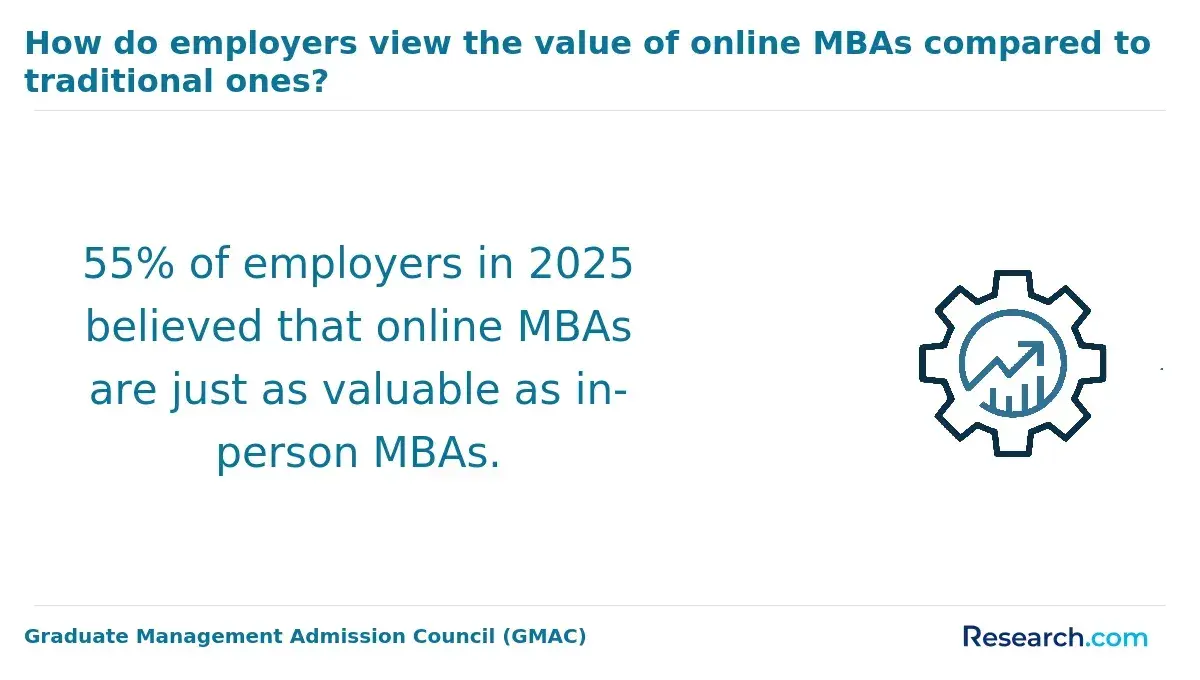
Traditional campus MBA programs typically require fixed schedules and in-person attendance, which can be difficult for those juggling family duties. In contrast, online MBA programs cater to diverse needs through scalable, adaptable study plans. Some programs also offer live sessions or optional residencies to combine remote learning with real-time interaction.
Quality and accreditation remain essential considerations regardless of format. Leading online MBA programs often mirror the standards, curriculum, and networking opportunities of their on-campus counterparts. Indiana University's Kelley School, ranked #1 in online MBA programs by US News, highlights that 100% of its students were employed at enrollment, confirming the strong appeal among working professionals.
When comparing differences between online and traditional MBA programs, factors like employer sponsorship, childcare support, and preferred learning styles are key. Prospective students can explore more about online MBA programs that accommodate career and family demands.
What accreditation standards should parents verify when evaluating online MBA programs?
Parents researching online MBA programs should prioritize regional accreditation for online MBA programs to ensure the institution meets broad academic standards beyond the business school. The two most respected national accreditations are :
- Association to Advance Collegiate Schools of Business (AACSB)
- Accreditation Council for Business Schools and Programs (ACBSP)
AACSB is the gold standard, highlighting rigorous faculty qualifications, curriculum relevance, and continuous improvement, while ACBSP focuses more on teaching excellence and student outcomes, ideal for programs emphasizing practical learning.
Flexibility is another key factor, as managing coursework alongside family responsibilities requires adaptable pacing and course loads. Schools like University of Michigan Ross and Carnegie Mellon Tepper offer customizable options without penalties, accommodating unpredictable parenting demands. It's also important to verify if the accreditation specifically covers online delivery since some focus primarily on traditional formats.
Parents should ask critical questions about the program such as whether it's recognized by industry employers and professional organizations, ensures credit transferability if changing schools, and provides accredited support services tailored to online learners with family duties.
- Does the program hold strong regional accreditation for online MBA programs?
- Is it accredited by top national accreditation agencies for MBA?
- Are flexible course loads available to suit family needs?
Considering these factors can prevent wasting time on degrees lacking credibility or poor support for parents. For those interested in affordability, exploring the cheapest AACSB accredited online MBA no GMAT options can provide budget-conscious pathways without compromising quality.
What are the typical admission requirements and prerequisites for online MBA programs?
Typical admission requirements for online MBA programs include a bachelor's degree from an accredited institution, a competitive GPA (usually 3.0 or higher), and relevant work experience ranging from two to five years, depending on the program. Applicants are generally asked to submit letters of recommendation, a statement of purpose outlining their career goals, and a current resume. Many programs require GRE or GMAT scores, though some waive these for candidates with significant professional experience or advanced degrees.
Prerequisites for online MBA programs for working parents often include foundational knowledge in accounting, statistics, and finance, which can be fulfilled through prior coursework or online prerequisite modules. Programs may also expect applicants to demonstrate leadership potential and strong quantitative skills essential for business management success.
Working parents should consider the application components carefully, especially the time needed for standardized tests or preparatory courses. Programs vary in flexibility and cost; for example, the University of Texas at Dallas (Jindal) offers an online MBA costing $58,198 for in-state students, a 38% savings compared to Indiana University (Kelley) at $94,944, according to Poets&Quants 2026 ranking. This emphasizes balancing admission rigor with affordable options. Exploring executive MBA online programs may provide additional flexible and cost-effective choices.
International applicants must submit proof of English proficiency through TOEFL or IELTS and comply with visa requirements if attending hybrid programs. Those without traditional academic backgrounds might find programs that accept experiential learning credits or offer bridging courses. Early preparation and understanding policies on waivers are crucial for parents managing familial and professional commitments while pursuing an online MBA.
How long does an online MBA take to complete, and what is the average cost?
An online MBA program typically takes between 18 and 36 months to complete, depending on the student's pace and program structure. Accelerated options can finish in about one year, ideal for those who can devote full-time effort. Part-time tracks may extend over two to three years, allowing working parents to balance academic work with family responsibilities. Considering how long does an online MBA program take for parents is crucial when selecting the right format.
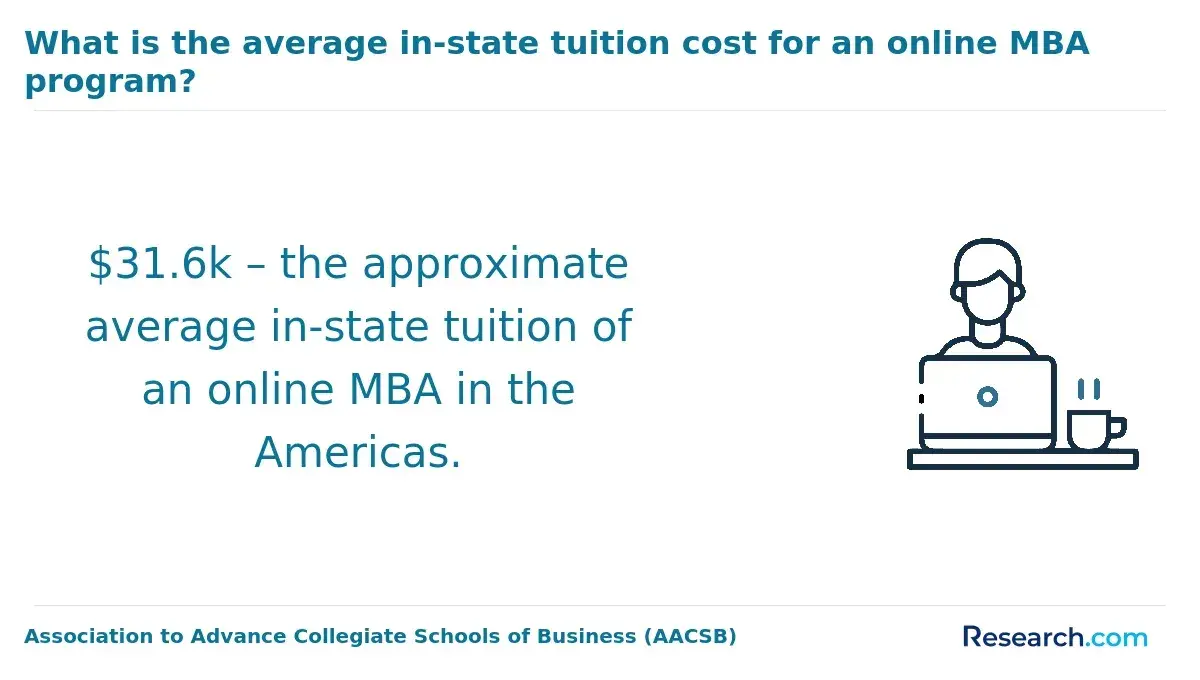
The average cost of an online MBA for parents in the US ranges widely, typically between $20,000 and $65,000 for the full program. Public universities often offer more affordable tuition, usually between $20,000 and $40,000, while private institutions may charge over $60,000. Additional fees like technology, textbooks, and occasional campus visits can increase expenses.
Parents should prioritize programs with strong support services. For example, the University of Iowa provides free childcare during exams, backup childcare, and seasonal camps, helping student parents manage family needs effectively. Practical tips include choosing part-time tracks, verifying childcare support, estimating total costs including hidden fees, and consulting accredited programs for quality assurance.
- Select part-time tracks to space coursework over a manageable timeline
- Verify childcare support and family-friendly campus policies
- Estimate total cost including hidden fees
- Consult accredited programs for quality assurance
Reliable data from the Graduate Management Admission Council support these timelines and costs. For prospective students exploring the best online MBA programs no GMAT is required to combine career advancement with family commitments, making program alignment with personal life essential.
What career outcomes and job roles do online MBA graduates typically pursue?
Online MBA graduates frequently advance into careers across management, consulting, finance, marketing, and entrepreneurship. Typical roles include project manager, financial analyst, marketing director, operations manager, and business consultant.
These positions rely on the strategic, leadership, and analytical expertise gained during the program. Many graduates aim for roles with upward mobility and greater responsibility, showcasing their enhanced business knowledge and problem-solving skills.
Some graduates progress into senior or executive positions such as product manager, supply chain manager, or chief operating officer. Others leverage their MBA to switch industries, moving into fields like healthcare, technology, or non-profit management.
Hybrid online MBA programs-like Carnegie Mellon Tepper-offer critical flexibility for working professionals and parents by combining asynchronous and synchronous learning with optional in-person Access Weekends at no additional cost, fostering both convenience and networking.
Graduates also harness growing demand for tech-savvy leadership skills in data analysis, digital marketing, and innovation management. They often assume roles in business intelligence, product development, and strategic partnerships.
Employers value the practical experience and diverse perspectives these graduates contribute, enhancing their career prospects. Aligning career goals with specific industry needs maximizes return on investment in an online MBA.
What is the expected salary range for MBA graduates across different industries?
Salary ranges for MBA a graduates vary widely across industries, reflecting diverse skills and market demands. Entry-level salaries in the United States generally start around $70,000 annually, while experienced MBA professionals often earn significantly more.
Typical salary ranges include:
- Consulting: $90,000 to $150,000, influenced by firm size and location
- Financial services: $80,000 to $140,000, with investment banking roles exceeding the upper level
- Technology: Starting near $85,000 and surpassing $160,000 for managerial positions
- Healthcare management and pharmaceuticals: $75,000 to $130,000
- Manufacturing and supply chain: $70,000 to $120,000 or more as roles advance
- Marketing and sales leadership: $70,000 to $125,000 depending on scale and reach
- Government and nonprofit: $65,000 to $100,000, usually with added benefits supporting work-life balance
IE Business School Madrid emphasizes flexible MBA schedules, including asynchronous forums accessible across time zones. This adaptability is ideal for students balancing family responsibilities, allowing career advancement without salary compromises. According to MBA 2025, such features make MBA programs increasingly attractive to parents aiming to improve earnings across diverse industries.
How do online MBA curricula differ in specialization options and coursework structure?
Online MBA programs offer a wide range of specializations to match diverse career goals, including finance, marketing, supply chain management, healthcare administration, and technology management. Some programs also feature niche tracks like sustainability or entrepreneurship, while others concentrate on broad managerial skills adaptable across industries.
The structure of coursework varies notably. Modular formats provide flexibility by allowing students to complete courses individually at their own pace-an important benefit for parents balancing work and family. Cohort-based designs offer fixed schedules and emphasize collaboration, fostering networking opportunities suited for those seeking a more structured experience.
Programs tailored for working professionals often emphasize applied learning, such as case studies, real-world business simulations, and leadership workshops, prioritizing practical skills over theory. According to US News 2026 rankings, 97% of University of Maryland (Smith) online MBA students were employed at enrollment, highlighting this focus.
Credit requirements generally range from 30 to 54 credits, with some offering part-time options that extend completion time, a key consideration for working parents. Elective freedom varies; some programs require core courses plus specialization, while others give more choice.
Prospective students should evaluate program flexibility, specialization alignment with career objectives, and delivery formats to balance rigor, relevance, and personal responsibilities effectively.
What is the job outlook and demand for MBA-qualified professionals in the U.S. labor market?
The job outlook for MBA-qualified professionals in the U.S. is strong, with management roles expected to grow about 6% from 2024 to 2034, according to the U.S. Bureau of Labor Statistics. Employers increasingly value advanced business skills for leadership, strategy, and operations positions in sectors like healthcare administration, technology management, financial services, and consulting.
Online MBA graduates gain additional advantages by demonstrating time management and digital collaboration skills favored in remote and hybrid work settings. Peer support communities offered by programs such as Michigan Ross, Durham, Tepper, and IE Business School help working parents balance career, studies, and family life effectively. These networks provide encouragement and share practical experiences, enhancing career readiness and advancement.
Candidates benefit most from MBA programs emphasizing real-world applications, leadership development, and networking opportunities. Building expertise in data analytics and digital transformation further boosts employability. Graduates frequently move into roles such as product manager, financial manager, or operations director, with median salaries often exceeding $130,000 annually, reflecting a solid return on investment.
How should parents evaluate program quality, faculty credentials, and institutional reputation?
Parents considering MBA programs should focus on three critical areas. The program quality, faculty credentials, and institutional reputation. Quality depends on curriculum relevance and flexibility, with programs offering updated coursework that aligns with emerging business trends and practical skills being ideal. Flexible scheduling, including asynchronous options, helps parents balance family and studies effectively.
Faculty expertise is equally important. Look for professors with doctoral degrees from accredited universities who actively engage in research or consulting in industry. Faculty involvement in publishing peer-reviewed journals or working with Fortune 500 companies enriches learning and networking opportunities.
Institutional reputation affects both degree recognition and career prospects. Accreditation by bodies such as AACSB, EQUIS, or ACBSP ensures standards are met. Rankings from respected sources like U.S. News & World Report or Forbes provide additional insight. Alumni success and employer connections further highlight a program's value.
Affordability and support tailored for parents should not be overlooked. For instance, the University of Massachusetts Amherst's University Without Walls program offers reduced tuition rates for student parents, helping reduce financial burdens.
Assess programs that combine academic rigor with flexibility and have strong faculty and accredited standing. Verify all information through accreditation and credible rankings before deciding.
What are the key differences between AACSB, ACBSP, and other MBA accrediting bodies?
AACSB and ACBSP are leading accreditations with distinct emphases impacting MBA candidates' experience and careers. AACSB (Association to Advance Collegiate Schools of Business) prioritizes rigorous academic standards, research output, and faculty qualifications.
Its global recognition benefits those pursuing careers in academia, consulting, or leadership roles requiring advanced analytical skills. In contrast, ACBSP (Accreditation Council for Business Schools and Programs) focuses on teaching quality and practical student outcomes, catering especially to working professionals and part-time students balancing family commitments.
Other bodies like IACBE (International Accreditation Council for Business Education) emphasize student-centered learning and outcomes but generally represent smaller, regionally focused programs with limited global reputation. For parents, these differences influence program flexibility, support services, and career support.
Boston College Children's Center exemplifies growing childcare support in business schools, offering preschool programs for ages 2 years 9 months to 5 years and supporting parents through groups like Students with Kids. Such resources are vital when selecting an MBA program that aligns with parenting demands and academic goals.
Parents should consider accreditation type alongside family support availability, program format, and career objectives to find a balance between academic rigor and personal needs.
Other Things You Should Know About MBA
Yes, many parents successfully balance online MBA studies with family life by leveraging the program's flexibility. Online MBA programs often allow students to access lectures and coursework anytime, which helps accommodate busy parenting schedules. Time management and setting clear priorities are essential to maintaining this balance.
Some online MBA programs offer features tailored to parents, such as asynchronous classes, part-time enrollment options, and family-friendly support services. While not all programs explicitly market to parents, these flexible delivery methods are particularly beneficial for those with caregiving duties. Prospective students should inquire about resources like academic advising and counseling that support work-life balance.
The 2027 best online MBA programs offer flexible schedules, virtual networking events, and dedicated online platforms connecting parents. These features ensure parents can engage with peers, industry experts, and alumni, facilitating professional growth within a manageable framework.
Parents should ensure reliable internet access and a computer with updated software to handle online classes, presentations, and conferencing tools. Specific programs might also require specialized software for data analysis or project management platforms, like SPSS or Microsoft Project, in 2027.
References
- Online MBA vs Traditional MBA: What are the differences? | StudyNext Australia https://studynext.com/au/resources/online-mba-vs-on-campus-mba
- How Much Does an Online MBA Cost? | University of Bridgeport https://www.bridgeport.edu/news/cost-of-online-mba/
- Online MBA Programs Admission Requirements You Need to Know - consulting https://consulting.mampirbandung.com/online-mba-programs-admission-requirements-you-need-to-know/
- MBA Curriculum Breakdown: Core Courses, Electives, and Specializations | Articles | Unimy https://www.unimy.com/article/mba-curriculum-breakdown-core-courses-electives-and-specializations
- How to Choose an Accredited Fully Online MBA: A Practical Guide for Working Professionals https://www.nexford.edu/insights/how-to-choose-an-accredited-fully-online-mba
- The Role of Faculty Credentials in Quality, Credibility, and Reputation in Higher Education - Dr. Theresa Billiot https://theresabilliot.com/the-role-of-faculty-credentials-in-quality-credibility-and-reputation-in-higher-education/
- Online vs. In-Person MBA: Benefits and Differences https://freemannews.tulane.edu/2025/11/04/online-vs-in-person-mba-benefits-and-differences
- Online MBA vs Campus MBA Program - Which one to choose https://rcu.education/online-mba-vs-campus-mba-programs/
- MBA Programs: AACSB vs. ACBSP vs. IACBE Accreditation https://www.onlineeducation.com/business/faqs/who-accredits-mba-programs
- What Accreditations Should One Look for Before Enrolling in an Online MBA Program? - Finance, Tech & Analytics Career Resources | Imarticus Blog https://imarticus.org/blog/what-accreditations-should-one-look-for-before-enrolling-in-an-online-mba-program/