2027 Best Flexible Online MBA Programs With Self-Paced Options

Co-Founder and Chief Data Scientist
Choosing an online MBA is not just a question of reputation or tuition. For many working adults, the real issue is whether the program can fit around a full-time job, travel schedule, caregiving responsibilities, or an unpredictable workload. Flexible online MBA programs with self-paced options are built for that reality: they give students more control over when they study, how quickly they move through courses, and how they balance graduate school with the rest of life.
This format can be especially valuable for professionals who cannot attend live classes every week or commit to a rigid cohort calendar. Nearly 80% of online MBA students continue working full time while studying, which shows why flexibility is now a core feature rather than a convenience. Still, “self-paced” does not mean effortless or unstructured. The best programs combine autonomy with clear academic milestones, faculty access, advising, career support, and recognized accreditation.
This guide explains how flexible self-paced online MBAs work, who they fit best, what admissions teams usually expect, how to evaluate cost and return on investment, and what trade-offs to consider before enrolling.
Key Benefits of Getting Into Flexible Online MBA Programs With Self-Paced Options
- Career advancement opportunities: Graduates often qualify for higher-level management roles such as marketing director, business development manager, or financial analyst.
- Competitive earning potential: The median annual salary for MBA graduates in the U.S. exceeds $125,000.
- Convenience and accessibility: Studying online enables professionals to complete coursework anytime and anywhere, reducing travel costs and scheduling conflicts.
What defines a flexible online MBA program with self-paced options?
A flexible online MBA program with self-paced options allows students to complete coursework with more control over timing than a traditional campus or cohort-based MBA. Instead of requiring students to attend class at the same time each week, these programs often rely on asynchronous delivery: recorded lectures, online readings, case studies, discussion boards, assignments, and exams that can be completed within defined academic windows.
The key distinction is not that students can ignore deadlines. Most self-paced MBAs still use course start dates, assessment windows, prerequisite sequences, and maximum completion limits. The flexibility comes from how much control students have inside those boundaries. A learner may watch lectures after work, complete modules on weekends, or accelerate through material during a lighter work period.
The academic content is generally comparable to other MBA formats. Students typically study core business areas such as finance, accounting, marketing, operations, strategy, analytics, organizational behavior, and leadership. What changes is the delivery model. A strong program will pair independent learning with faculty contact, online office hours, academic advising, tutoring, library access, and technical support.
When comparing online MBA programs, students should look closely at the exact pacing rules. Schools may use the term “flexible” in different ways. Some programs are fully asynchronous, while others require live sessions, group meetings, residency weekends, or fixed weekly deadlines.
- Fully asynchronous: Usually offers the greatest scheduling freedom, with lectures and assignments available online.
- Partially asynchronous: Combines independent coursework with occasional live classes, group projects, or timed exams.
- Hybrid or residency-based: Allows online study but includes required in-person or synchronous components.
- Accelerated flexible: Lets students move quickly, but may require a heavier weekly workload and strong time management.
Before applying, confirm accreditation, course delivery format, assessment expectations, maximum time to degree, and whether the program’s flexibility applies to every course or only selected modules.
Why choose a self-paced online MBA versus a regular online MBA?
A self-paced online MBA is best for students who need more control over when and how quickly they complete coursework. A regular online MBA may still be convenient because it removes commuting and relocation, but many follow a fixed semester calendar, weekly due dates, required live sessions, and cohort-based group work. That structure can be helpful for accountability, but it may not work well for professionals with rotating shifts, frequent travel, seasonal workloads, or caregiving responsibilities.
The main advantage of a self-paced format is adaptability. Students who can devote more time during certain months may move faster, while those facing demanding work periods can slow down without necessarily leaving the program. This can reduce the risk of stopping out because of a temporary conflict.
There are trade-offs. A regular online MBA may provide more built-in interaction, predictable weekly routines, and stronger cohort identity. A self-paced MBA may offer more autonomy but requires students to create their own structure. The better option depends less on convenience in general and more on how the student actually studies, works, and stays accountable.
- Choose a self-paced MBA if: your schedule changes often, you are comfortable studying independently, and you want the option to accelerate or slow down.
- Choose a regular online MBA if: you want weekly structure, frequent live interaction, and a cohort that moves through the program together.
- Be cautious with self-paced formats if: you tend to procrastinate without external deadlines or need frequent instructor feedback to stay engaged.
Some institutions offering cheapest AACSB online MBA no GMAT pathways include flexible pacing as part of their broader effort to make graduate business education more accessible. Even then, students should verify whether the program is truly self-paced or simply online with standard deadlines.
Self-paced learning can also support deeper review. Students can replay lectures, revisit quantitative material, and spend extra time on unfamiliar subjects. The risk is that unlimited flexibility can become drift. Successful students usually treat the program like a standing professional commitment, not an optional side project.
Who is the ideal candidate for a flexible online MBA with self-paced scheduling?
The ideal candidate for a flexible online MBA with self-paced scheduling is a motivated working professional who needs graduate business education to fit around real-world obligations. This format works best for students who can manage their own time, communicate proactively, and stay on track without constant reminders from instructors or classmates.
Common candidates include:
- Full-time employees with unpredictable schedules: Professionals in consulting, healthcare, sales, logistics, public safety, technology, or operations may need coursework that can shift around changing demands.
- Frequent travelers: Students who travel for client work, site visits, military assignments, or regional management roles may benefit from asynchronous access.
- Entrepreneurs and small business owners: A self-paced MBA can allow business owners to apply lessons immediately while managing day-to-day operations.
- Parents and caregivers: Students with family responsibilities may need the ability to study early, late, or in concentrated blocks.
- Military personnel: Flexible pacing can help students manage deployments, relocations, and changing service obligations.
- Professionals returning to school: Those who have been out of an academic environment for years may appreciate the ability to rebuild study habits gradually.
This format is not ideal for every learner. Students who rely on classroom energy, regular live discussion, or strict weekly schedules may feel isolated. Candidates should be honest about their study habits before choosing a self-paced program. The flexibility that makes these MBAs attractive can also make it easier to fall behind.
Employers may value graduates of self-paced programs when they can show evidence of discipline, initiative, and practical business impact. The credential matters, but so does the story behind it: completing an MBA while managing professional responsibilities can signal persistence, organization, and long-term focus.
What are the admission requirements for self-paced online MBA programs?
Admission requirements for self-paced online MBA programs are usually similar to those for other MBA formats. Most schools expect applicants to show academic readiness, professional maturity, and a clear reason for pursuing graduate business study. Flexibility in delivery does not necessarily mean lower academic standards.
Typical application materials include:
- A bachelor’s degree from an accredited institution: Programs generally require proof of completed undergraduate study through official transcripts.
- Professional résumé: Admissions teams use work history to assess leadership potential, career progression, and readiness for applied business coursework.
- Letters of recommendation: Many programs request one to three letters of recommendation, often from supervisors, managers, faculty, or professional mentors.
- Personal statement or goals essay: Applicants should explain why they want an MBA, how the self-paced format fits their circumstances, and what outcomes they expect.
- Standardized test scores, if required: Some schools still ask for GMAT or GRE scores, while others offer waivers or test-optional pathways.
- English proficiency documentation: International applicants may need TOEFL or IELTS scores, depending on the institution’s policy.
Many schools now waive standardized testing for applicants with strong professional experience, prior graduate study, relevant certifications, or evidence of quantitative readiness. This has made affordable online MBA programs no GMAT options more accessible to working adults who may not want to delay enrollment for exam preparation.
A strong application should do more than list job duties. Applicants should connect their experience to MBA-level learning: budget responsibility, team leadership, process improvement, client management, analytics, operations, entrepreneurship, or strategic decision-making. For self-paced programs, it can also help to explain how the applicant plans to manage time, stay accountable, and complete coursework independently.
How much do flexible self-paced online MBA programs cost and what’s the return on investment?
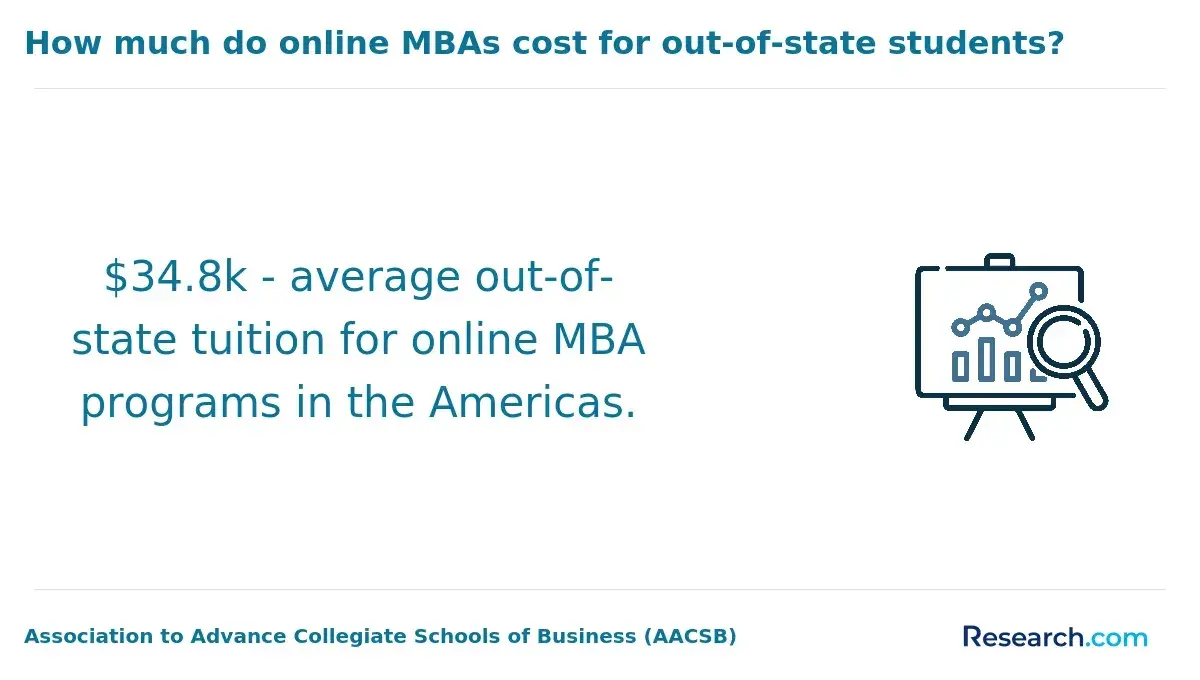
The cost of a flexible self-paced online MBA depends on the school, accreditation, credit requirements, residency expectations, and whether the student pays in-state, out-of-state, public, private, or employer-supported tuition. Public universities may charge between $15,000 and $35,000, while private schools can exceed $60,000. Students should also account for fees, textbooks, software, graduation costs, proctoring fees, and any required travel.
Online study can reduce some expenses compared with a residential MBA. Students may avoid relocation, commuting, campus housing, and income disruption if they continue working while enrolled. However, lower indirect costs do not automatically make a program a good investment. ROI depends on the total price paid, how the degree supports career mobility, and whether the program provides credible employer value.
According to a recent survey, 89% of alumni reported a positive ROI, with many recouping tuition within three years. Individual outcomes can vary, so students should evaluate ROI based on their own industry, role, location, experience level, and goals rather than assuming the average applies to them.
Important ROI factors include:
- Current and target role: An MBA may produce different value for someone moving into management than for someone already in a senior leadership role.
- Industry and job function after graduation: Finance, consulting, technology, healthcare administration, operations, and entrepreneurship may reward the degree differently.
- Employer tuition reimbursement: Reimbursement can significantly reduce out-of-pocket cost, but students should check grade requirements, repayment clauses, and employment commitments.
- Accreditation and institutional reputation: Recognized accreditation can affect employer confidence, transferability, and admission to later doctoral or certificate programs.
- Career support services: Coaching, employer connections, alumni networks, and résumé support can influence the practical value of the degree.
- Opportunity cost: Even when students keep working, they invest substantial time that could otherwise go to earning, family, or other professional development.
Students comparing the cheapest executive MBA options should avoid looking at tuition alone. A lower-cost program with weak support, unclear accreditation, or limited career relevance may not be the best value. The strongest financial choice is usually the program that combines manageable cost, credible academic quality, flexible delivery, and clear alignment with the student’s career plan.
What is the typical structure and timeline of a self-paced online MBA program?
Self-paced online MBA programs often use modular coursework rather than a traditional full-semester classroom schedule. Students may be able to begin courses at multiple points throughout the year, take one or more courses at a time, and adjust their workload based on professional or personal demands.
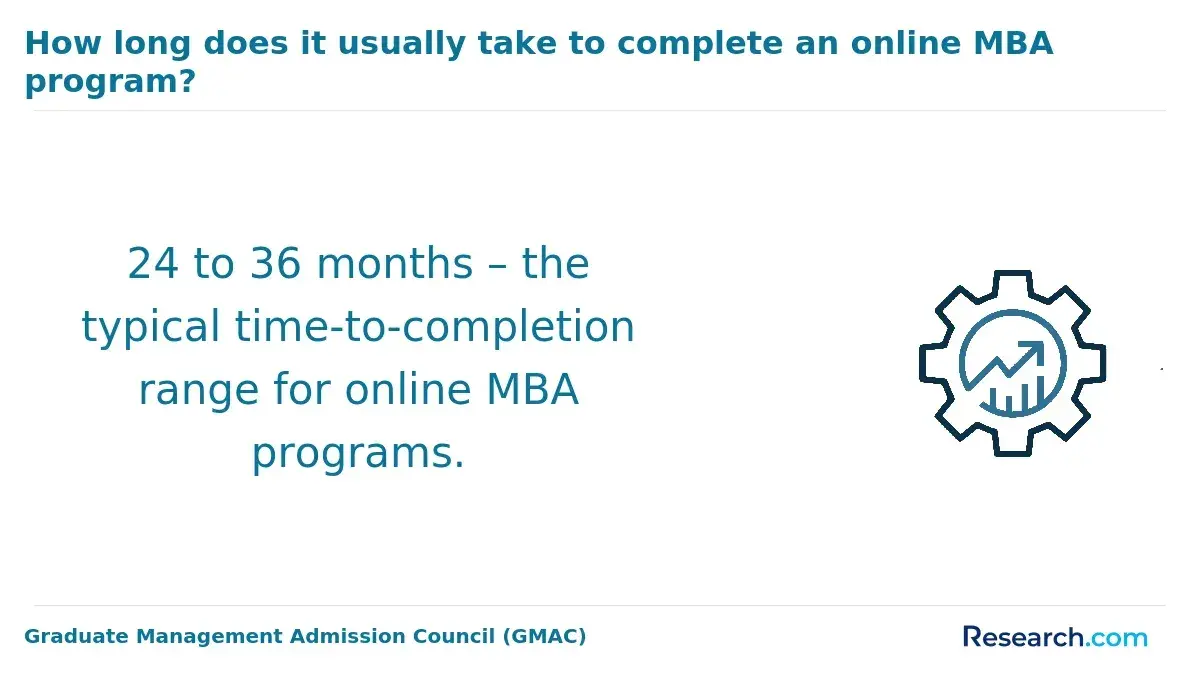
Each module is usually completed within six to ten weeks, though timelines can vary. Most programs require 30 to 45 credit hours, which can be completed in as little as one year or stretched over several years. The exact pace depends on course availability, prerequisite sequencing, transfer credit policies, concentration requirements, and the student’s weekly study capacity.
A typical structure may include:
- Core business courses: Foundational study in accounting, finance, economics, marketing, operations, organizational behavior, strategy, and leadership.
- Electives or concentration courses: Specialized coursework aligned with career goals.
- Asynchronous learning materials: Recorded lectures, readings, simulations, quizzes, case analyses, and digital discussions.
- Faculty interaction: Email, online office hours, feedback on assignments, and sometimes live optional sessions.
- Capstone or applied project: A final project, strategy simulation, consulting-style assignment, or integrative business plan.
Students should ask how much flexibility exists in practice. Some programs allow students to open and complete modules at their own pace within a term. Others are only flexible in the sense that they are online, while assignments still follow weekly deadlines. It is also important to ask whether courses are always available or offered on a rotation, since limited course availability can slow graduation even in a self-paced format.
Advisors can help students build a realistic plan. A student trying to finish quickly may need to treat the MBA like a major time commitment each week. A student balancing heavy work demands may do better with a slower plan that protects academic quality and prevents burnout.
Which specializations and tracks are available in flexible online MBA programs?
Specializations help students align the MBA with a specific career direction. While the core MBA curriculum builds broad management knowledge, a concentration can signal deeper preparation in a field, function, or industry. The right choice depends on where the student wants the degree to lead, not simply which subject sounds most interesting.
Common concentrations include:
- Finance and Accounting: Designed for students interested in corporate finance, budgeting, investment analysis, financial management, accounting leadership, or financial planning.
- Marketing and Strategy: Useful for careers involving brand management, customer insights, competitive strategy, market analytics, product positioning, or growth planning.
- Entrepreneurship and Innovation: Appropriate for startup founders, business owners, product developers, consultants, or professionals leading new initiatives inside established organizations.
- Healthcare Management: Focuses on the business side of healthcare operations, including administration, finance, compliance, quality improvement, and service delivery.
- Technology Management: Built for professionals working in IT leadership, digital transformation, systems implementation, cybersecurity management, analytics, or technology-driven operations.
Some schools also offer industry-specific electives, data analytics coursework, supply chain options, human resources management, international business, public policy electives, or cross-disciplinary opportunities. Capstone projects may allow students to apply their concentration to a real business problem, which can be especially useful for working professionals who want immediate workplace relevance.
When selecting a track, students should compare course titles, descriptions, faculty expertise, and project requirements. A concentration label alone is not enough. For example, one technology management track may focus on IT strategy, while another may emphasize analytics or product innovation. Students should choose the path that supports their target role and fills specific gaps in their current skill set.
How do self-paced online MBAs handle networking, peer interaction, and career support?
Self-paced online MBAs can provide meaningful networking and career support, but students usually need to be more intentional than they would be in a residential or cohort-based program. Because classmates may move through courses at different speeds, peer relationships do not always form automatically. Strong programs address this through structured interaction, digital collaboration, alumni access, and career services.
Common networking and interaction features include:
- Discussion boards and case forums: Students analyze business problems, respond to peers, and compare perspectives across industries.
- Team projects: Group assignments can develop collaboration skills, though students should ask how teams are formed in a self-paced format.
- Video meetings and optional live sessions: These can create real-time contact with faculty, classmates, and guest speakers.
- Virtual networking events: Schools may host panels, employer sessions, alumni talks, and industry-focused meetups.
- Global business simulations: These can connect students across regions and professional backgrounds.
- Residencies or study trips: Some programs include optional or required in-person experiences to deepen relationships.
Career services typically include résumé reviews, interview preparation, job-matching platforms, career coaching, alumni mentorship, and access to employer events. The quality of these services varies widely, so prospective students should ask whether online MBA students receive the same support as campus students.
Working professionals can also use the program to build practical networks beyond job searching. Classmates may become referral sources, business partners, clients, mentors, or collaborators. To get value from the network, students should participate consistently, join optional sessions, follow up after events, and use alumni platforms rather than waiting until graduation to make connections.
What are the challenges of self-paced online MBA programs and how can you manage them?
The biggest challenge of a self-paced online MBA is not usually the technology or the coursework format. It is self-management. Without regular class meetings, fixed classroom routines, or a cohort moving at the same pace, students must create the structure that the program does not automatically provide.
Common challenges include:
- Procrastination: Flexibility can make it easy to delay work until assignments pile up.
- Isolation: Students may feel disconnected if they do not actively participate in discussions, events, or group projects.
- Uneven workload: Some students underestimate the time needed for quantitative courses, team assignments, or capstone projects.
- Technical problems: Unstable internet, unfamiliar software, or limited access to required tools can interrupt progress.
- Work-life conflict: Busy periods at work or home can quickly disrupt study plans.
Students can manage these risks with a clear operating plan. Set weekly study blocks, define personal deadlines ahead of official deadlines, and track progress against the program’s recommended timeline. Treat each course like a recurring commitment, not something to fit in only when time appears.
Practical strategies include:
- Reserve consistent study times each week and protect them like work meetings.
- Break large assignments into smaller milestones with earlier personal due dates.
- Use advising services before falling behind, not only after a problem develops.
- Join discussions early to build accountability and peer visibility.
- Keep backup technology available when possible, including reliable internet access and alternate devices.
- Tell supervisors or family members when major deadlines are approaching so they understand the temporary workload.
Self-paced programs reward students who are organized, proactive, and realistic about capacity. The goal is not to move as fast as possible; it is to complete the degree at a pace that supports learning, professional performance, and personal sustainability.
How should you evaluate and select the best flexible online MBA program with self-paced options?
The best flexible online MBA is the one that combines credible academic quality, genuine scheduling flexibility, manageable cost, and strong alignment with the student’s career goals. A program should not be selected only because it is online, inexpensive, fast, or marketed as self-paced. The details determine whether it will actually work for the student.
Start with accreditation. Confirm that the institution is properly accredited and review whether the business school or program holds AACSB accreditation if that is important for your goals. Accreditation can affect employer recognition, financial aid eligibility, transfer options, and confidence in academic standards.
Next, evaluate the flexibility model in detail. Ask admissions teams direct questions:
- Are courses fully asynchronous, or are live sessions required?
- Can students start courses multiple times per year?
- Are there weekly deadlines, or can work be completed within broader windows?
- What is the minimum and maximum time to finish?
- Can students pause, reduce course load, or accelerate without penalty?
- Are group projects required, and how are they scheduled?
- Are exams proctored, timed, or available only during specific windows?
Then compare academic and career value. Review the curriculum, concentrations, faculty qualifications, capstone structure, alumni network, employer connections, career services, and student support. Ask for outcomes data when available, but interpret it carefully based on your own background and target field.
Cost should be evaluated as total cost, not just tuition. Include fees, books, software, travel, financing costs, and time commitment. Also investigate scholarships, employer reimbursement, veterans benefits, payment plans, and financial aid options.
If speed is a priority, some institutions offer a one-year online MBA format for fast-track completion. Students considering that route should confirm the weekly workload and whether the pace is realistic while working. A faster program is only beneficial if it can be completed without sacrificing learning, performance at work, or personal well-being.
A good final test is simple: can you clearly explain why this specific program fits your schedule, budget, academic needs, and career plan better than the alternatives? If the answer is yes—and the accreditation, support, and pacing rules check out—the program is more likely to be a strong choice.
Other Things You Should Know About Flexible Online MBA Programs With Self-Paced Options
To join a self-paced online MBA program in 2027, you'll need a reliable internet connection, a computer with updated software for accessing course materials, and possibly specific applications for virtual classrooms. Programs may also require access to online libraries and specific e-learning platforms.
Graduates of flexible online MBA programs with self-paced options in 2026 can expect an average salary increase of 20-30%. This increase varies based on factors like industry, prior experience, and geographic location. Students should compare these metrics against the program's cost to assess their potential return on investment.
References
- Business Because. (2024). What Is The Average MBA Salary In The USA?. businessbecause.com.
- GMAC. (2023). Online and Hybrid Learning: Candidate and Employer Perspectives. files.eric.ed.gov.
- GMAC. (2024). Admissions and Application Trends Survey. gmac.com.
- Manhattan Review. (2025). IELTS requirement for business school. manhattanreview.com.
- The Princeton Review. (n.d.). What’s the ROI of an MBA?. princetonreview.com.