2027 Online MBA Careers in Hospitality and Tourism

Co-Founder and Chief Data Scientist
Many professionals face challenges breaking into hospitality and tourism management without direct industry experience. The fast-paced nature and customer-focused demands often require specialized knowledge not acquired in unrelated undergraduate studies. For those seeking leadership roles or career advancement, traditional pathways can be restrictive and time-consuming.
An online MBA in hospitality and tourism offers a flexible solution, equipping individuals with strategic business skills and sector-specific expertise. This article explores key career opportunities, essential program features, and how an online MBA enables a successful transition into this dynamic field, helping readers make informed decisions about their education and career plans.
Key Things You Should Know
- Online MBA programs in hospitality and tourism are growing, with a 15% enrollment increase projected through 2026 due to industry digital transformation and global travel recovery.
- Graduates typically earn $70,000 to $120,000 annually in management roles, with top positions requiring skills in sustainability, technology, and global market strategies.
- Flexible online formats support working professionals, combining business leadership education with sector-specific knowledge, improving career advancement prospects in a competitive job market.
What career opportunities exist for online MBA graduates in hospitality and tourism?
Online MBA graduates pursuing career paths in hospitality management can find roles that capitalize on their leadership and industry expertise. Common opportunities include hotel and resort management, where professionals oversee operations, staff, and customer experience to drive profitability. Tourism development positions focus on destination marketing, sustainable initiatives, and collaborations between public and private sectors aimed at community benefits.
Hospitality and tourism management jobs for MBA graduates are growing alongside digital transformation trends. This has created roles like hospitality technology consultants who deploy new software and improve guest engagement through data analytics. Event management is expanding as well, with MBA holders orchestrating conferences, cultural events, and corporate retreats.
Financial and strategic planning jobs allow graduates to manage budgeting, investments, and revenue, especially within luxury and international hotel chains. Sustainability officer roles are increasingly important, integrating eco-friendly practices in response to rising demand for responsible travel.
The hospitality sector is expected to reach $5.8 trillion by 2026, driven by innovation and sustainable travel trends. This growth fuels demand for skilled managers equipped to navigate complex operations while promoting sustainability.
Examples of specific positions include director of operations, revenue manager, tourism marketing manager, and corporate social responsibility coordinator. These roles require strong leadership, financial knowledge, and sector-specific skills, which online MBA career paths in hospitality management are designed to provide.
Students seeking accessible education options can consider affordable MBA programs tailored to these industry needs.
How do online MBA programs in hospitality compare to traditional campus-based options?
Online MBA programs in hospitality increasingly provide flexibility and affordability comparable to traditional campus options. Employers generally consider accredited online MBA degrees equivalent to on-campus credentials, especially from well-established institutions. These programs benefit working professionals by allowing study without relocating or pausing careers.
Many offer live virtual classes, interactive group projects, and capstone experiences similar to in-person learning. However, some students note that on-campus programs may offer better networking opportunities and direct access to local hospitality internships.
When choosing between online MBA programs in hospitality vs traditional campus programs, candidates should assess curriculum relevance, faculty expertise, and career services. Schools with strong industry relationships can offer virtual mentorship and job placement assistance rivaling campus offerings. Those seeking practical experience might prefer hybrid models combining online coursework with local internships.
Fully online options often focus on strategic management, marketing, finance, and leadership tailored to the hospitality and tourism sectors.
Career outcomes of online MBA hospitality graduates compared to on-campus show promise, supported by labor statistics forecasting a 9% employment growth for lodging managers, 15% for food service managers, and 18% for meeting planners by 2030. Online formats often enable faster market entry or reentry.
Prospective students interested in an accessible path can explore options like the online MBA no GMAT AACSB programs, which balance quality and convenience for hospitality professionals.
What is the job outlook and salary potential for hospitality and tourism MBA professionals?
Hospitality and tourism MBA career growth in the US remains strong, supported by the sector's significant economic impact. The U.S. travel and tourism industry generated nearly $2 trillion in 2019 and supported 9.5 million jobs, accounting for 3% of GDP, according to sources like Washington State University Online MBA and the International Trade Administration.
This robust industry creates numerous opportunities in hotel management, event planning, travel consultancy, and destination marketing.
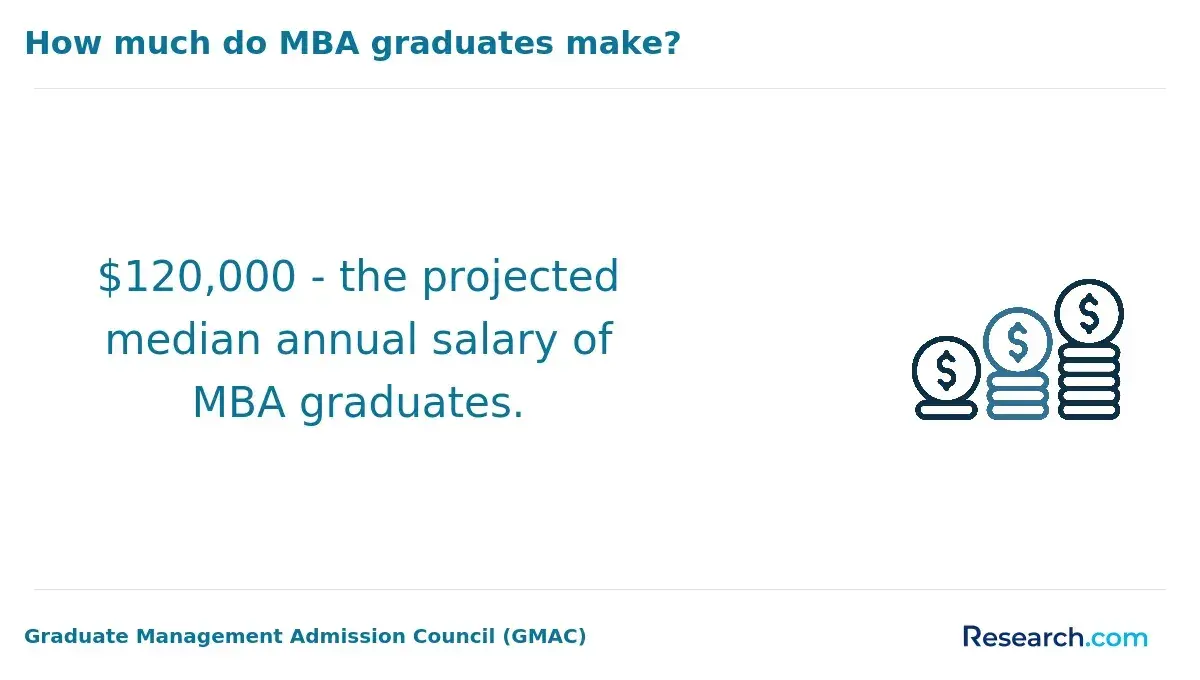
The average salary outlook for MBA professionals in hospitality and tourism varies with experience and role. Entry-level MBA graduates can expect starting salaries around $60,000 annually; mid-level managers earn between $80,000 and $110,000, while senior executives often command over $150,000, especially in metropolitan or luxury market segments.
Bonuses tied to performance and revenue targets further enhance compensation.
Key roles for graduates include:
- Tourism development and promotion
- Corporate travel program management
- Event and conference management
- Restaurant and foodservice management
- Hotel and restaurant management
Professionals with skills in digital transformation, sustainability, and crisis management have a competitive advantage in a post-pandemic industry.
Combining an MBA with language skills or industry-specific certifications boosts employability and salary potential. For those seeking affordable education options, exploring low-cost executive MBA programs can be a practical step toward advancing a career in hospitality and tourism.
What accreditation standards should you verify when choosing a hospitality MBA program?
Verify regional and specialized accreditation standards when choosing a hospitality MBA program. Regional accreditation from bodies such as the Middle States Commission on Higher Education or the Higher Learning Commission guarantees your degree meets rigorous academic standards recognized throughout the U.S. This affects credit transferability, federal financial aid eligibility, and employer recognition.
Seek programs with hospitality-specific accreditation. The Commission on Accreditation of Hospitality Management Education (CAHME) is a top authority that assesses curriculum relevance and industry alignment. Programs accredited by CAHME emphasize practical skills and management competencies tailored to hospitality and tourism sectors, which is a key aspect of hospitality MBA program accreditation standards.
International accreditation like that from the Accreditation Council for Business Schools and Programs (ACBSP) or Association to Advance Collegiate Schools of Business (AACSB) also indicates high quality and global recognition. Many top hospitality MBA programs hold AACSB accreditation, reflecting a balance between business fundamentals and specialized content. This is among the top accreditation bodies for hospitality MBA.
Review alumni outcomes to confirm a program's track record. Graduates qualified for in-demand roles such as hotel general managers often earn U.S. salaries exceeding $100,000 annually in luxury segments, according to Les Roches BLS occupational data, 2026.
Additional factors include faculty expertise, industry partnerships, and program flexibility. Verify if faculty bring relevant industry experience and if the curriculum integrates trends like sustainable tourism or digital marketing. For those seeking flexible options, consider programs offering a no GMAT MBA online pathway.
Ask these key questions before enrolling:
- Is the program regionally accredited by an agency recognized by the U.S. Department of Education?
- Does it hold specialized accreditation such as CAHME?
- Is business school accreditation, like AACSB or ACBSP, in place?
- What are the verified employment and salary outcomes for recent graduates?
What core coursework and specializations are included in hospitality and tourism MBA curricula?
Core coursework in hospitality and tourism MBA programs covers strategic management, financial analysis, marketing, and operations tailored to the sector. Students gain skills in revenue management, hospitality law, and service quality control, developing strong managerial capabilities. Supply chain logistics and human resources management focused on hospitality settings are also common, enhancing operational efficiency and workforce engagement.
Popular specializations provide targeted expertise, including hotel and resort management, event planning, sustainable tourism, and luxury brand management. For example, a sustainable tourism track addresses environmental impact assessments and eco-friendly business models.
Technology management focuses on innovations like AI-powered booking systems and contactless guest services, reflecting rapid industry shifts.
Recent trends highlight technology integration. AI-driven revenue management systems and contactless digital solutions boost operational performance by 20-30% in tested hotels, according to EHL Hospitality Insights. These technologies prepare MBA graduates for data-informed decision-making. Courses often include analytics focused on customer behavior and predictive modeling.
Practical learning opportunities include case studies on crisis management, international market entry, and guest experience optimization. Many programs offer internships or consulting projects to help students apply knowledge to real-world hospitality challenges such as fluctuating travel demand and regulatory changes.
What are the typical admission requirements and prerequisites for online hospitality MBA programs?
Admission to online hospitality MBA programs usually requires a bachelor's degree from an accredited school. Many accept degrees in business, hospitality, tourism, or related fields, while some welcome diverse academic backgrounds if supported by relevant professional experience. A minimum undergraduate GPA of 2.5 to 3.0 is often expected.
Applicants must submit official transcripts, letters of recommendation, and a resume or CV detailing work history. Typically, at least two years of full-time professional experience in hospitality, tourism, or management is required. Leadership experience is often favored due to the managerial focus of the programs.
Some schools mandate standardized tests like the GMAT or GRE, but many waive these for candidates with strong work experience or advanced degrees. Personal statements explaining career goals and motivation are commonly requested, emphasizing alignment with hospitality and tourism ambitions.
International students need to show English proficiency through exams such as TOEFL or IELTS. Reliable internet access and basic technical skills are essential for successful online learning.
Emerging roles like digital experience managers in hospitality grew by 25% in job postings recently due to VR/AR tourism advances. This highlights how innovation and technology increasingly influence admission criteria and career prospects in the hospitality MBA space.
How long does an online hospitality and tourism MBA take to complete, and what are typical costs?
Online hospitality and tourism MBA programs generally take 18 to 24 months to complete for full-time students. Part-time enrollment extends the timeline to three to four years, catering to working professionals who need a flexible pace. Some programs offer accelerated options by allowing extra courses per term or summer sessions.
Tuition costs vary widely depending on the type of institution and residency status. For example, the University of West Florida's tuition for the online MBA in Hospitality and Tourism Leadership is $16,434, with a military discount lowering the price to $15,300 per program.
Public universities typically charge less for in-state students, while private schools may have significantly higher tuition. Additional expenses can include books, technology fees, and occasional on-campus residencies.
Financial aid, employer tuition assistance, scholarships, and military discounts can considerably reduce the cost burden. Prospective students should evaluate the return on investment by comparing total program costs and duration against expected salary growth after graduation.
This is particularly important for working professionals seeking to minimize income loss while studying.
What professional certifications complement an MBA in hospitality and tourism management?
Professional certifications that complement an MBA in hospitality and tourism management are essential for enhancing technical skills and strategic leadership. These credentials fill critical skill gaps, especially in data analytics, where 75% of hospitality leaders reported shortages in guest behavior prediction capabilities.
Key certifications include:
- Certified Revenue Management Executive (CRME), which covers demand forecasting, pricing strategies, and market segmentation.
- Hospitality Analytics Professional Certificate, focusing on interpreting guest data for informed decision-making.
- Certified Hospitality Supervisor (CHS) and Certified Hotel Administrator (CHA), which improve leadership, operations, and HR management skills for senior roles.
- Certified Hospitality Accountant Executive (CHAE), providing expertise in budgeting, financial reporting, and auditing.
- Sustainability and Social Innovation specialization from the Global Sustainable Tourism Council, important for integrating sustainable practices in line with industry demands.
Combining these credentials with an MBA builds a competitive profile by bridging practical skill gaps and verifying expertise relevant to evolving industry needs. These certifications support career advancement into key leadership roles such as hotel general manager or regional director, offering a strong foundation in both analytics and management.
Which industries and job roles actively hire hospitality and tourism MBA graduates?
Hospitality and tourism MBA graduates find leadership roles across diverse industries, including luxury hotels, resorts, and casino management. Common positions are hotel general manager, operations director, and revenue manager, focusing on guest satisfaction and profitability.
Airlines and cruise lines hire MBA holders for strategic roles such as route planning manager, customer experience director, and supply chain manager, emphasizing logistics and service optimization.
Food and beverage companies employ these graduates in product development, marketing, and distribution management. Event planning firms and conference centers also recruit for event director, business development manager, and sponsorship coordinator roles overseeing major meetings.
Corporate travel management companies value their skills for program manager and client relations director positions to improve traveler satisfaction and control costs.
Emerging sustainability-driven sectors offer expanding opportunities. Eco-tourism operators and green hotel chains require sustainability officers and environmental compliance managers. Sustainable travel practices drove a 15% rise in bookings at eco-certified hotels.
Graduates are encouraged to focus on companies embracing digital transformation with expertise in data analytics, revenue management systems, and mobile customer engagement.
How should you evaluate and compare accredited online hospitality MBA programs?
Verify accreditation when evaluating online hospitality MBA programs. Regional accreditation ensures institutions meet recognized quality standards, while program-level accreditation from organizations like the Accreditation Commission for Programs in Hospitality Administration (ACPHA) confirms the curriculum matches industry demands.
Compare curricula to ensure coverage of essential subjects such as hotel management, tourism economics, and service innovation. Programs offering electives or tracks in emerging fields like sustainable tourism or luxury resort management can better prepare graduates for the anticipated 12% growth in cruise line and resort operations roles.
Consider faculty expertise, including industry experience and research engagement. Professors with practical operational backgrounds often provide insights crucial for hospitality leadership development.
Evaluate online delivery methods and student support services. Interactive platforms featuring synchronous sessions, case studies, and professional networking opportunities enhance learning. Additionally, reliable technical support and career services, including internship assistance, are important.
Look into program outcomes such as graduation rates, time to completion, and alumni employment in hospitality and tourism roles. Transparent reporting of these metrics helps gauge return on investment.
Balance cost with financial aid options by comparing tuition, fees, and scholarships to find affordable programs without compromising quality.
Other Things You Should Know About MBA
Yes, most online MBA programs in hospitality and tourism offer flexible schedules to accommodate full-time work commitments. Courses are typically asynchronous, allowing students to complete coursework around their availability. These programs are designed to suit the needs of busy professionals.
While prior experience in hospitality or tourism can strengthen an application, it is not always mandatory. Some programs accept candidates from diverse professional backgrounds but may require foundational knowledge or preparatory coursework in business or hospitality management.
Online hospitality and tourism MBA programs often include virtual networking events, discussion forums, and collaborative projects to foster connections among students and industry professionals. Additionally, some programs organize in-person residencies or internships to enhance real-world interaction.
Many online MBA programs offer career services such as resume reviews, interview coaching, job placement assistance, and connections to industry alumni networks. These resources help students transition into leadership roles within hospitality and tourism sectors more effectively.
References
- Top jobs with a hospitality and tourism masters degree https://www.surrey.ac.uk/news/top-jobs-hospitality-and-tourism-masters-degree
- Search Block https://www.kbs.edu.au/courses/mba-master-of-business-administration/tourism-and-hospitality-leadership
- How to choose an MBA: The ultimate guide to accreditation, quality, and ROI https://blog.henleysa.ac.za/how-to-choose-an-mba-the-ultimate-guide-to-accreditation-quality-and-roi
- MBA Curriculum Breakdown: Core Courses, Electives, and Specializations | Articles | Unimy https://www.unimy.com/article/mba-curriculum-breakdown-core-courses-electives-and-specializations
- MBA Hospitality & Tourism Management - Southpoint Education International https://seidegrees.com/mba-tourism-and-hospitality-management/
- Landing MBA International Tourism and Hospitality Management Online 20% Scolarship https://www.bebs.org/mba-in-international-tourism-and-hospitality-management-online-scholarship20/
- Online MBA vs Traditional MBA: What are the differences? | StudyNext Australia https://studynext.com/au/resources/online-mba-vs-on-campus-mba
- Online MBA in Hospitality Management Admission, Fee, Eligibility https://onlinedistanceadmissions.in/online-mba-in-hospitality-management/