2027 Full-Time vs Part-Time Online MBA: Which Fits Your Goals?

Co-Founder and Chief Data Scientist
Choosing between a full-time and part-time online MBA can overwhelm many prospective students balancing career goals and personal commitments. Full-time programs often demand a significant time investment but may provide faster career advancement. Part-time formats offer flexibility but can extend completion timelines and affect networking opportunities. For those switching from unrelated fields, this decision shapes not only education but future job prospects and lifestyle. Understanding these trade-offs is crucial in selecting a program that aligns with individual ambitions and constraints. This article examines key differences and practical factors to help readers determine which online MBA path best fits their professional objectives.
Key Things You Should Know
- Full-time MBA programs typically last two years, providing immersive learning and networking, while part-time MBAs offer flexible schedules for working professionals, extending over three to five years.
- The average cost of a full-time MBA in 2025 exceeds $75,000, but part-time programs often cost less per year, balancing expenses with ongoing income.
- Employment rates six months post-graduation remain high for both formats, with over 85% placement, though full-time MBA grads report slightly higher starting salaries.
What Is a Full-Time vs Part-Time Online MBA?
A full-time online MBA program requires a dedicated schedule, typically demanding 30 to 40 hours per week for coursework, projects, and live sessions. This format often lasts 1 to 2 years and suits students who can temporarily prioritize education over work. It accelerates career advancement through immersive learning experiences and cohort-based interaction with frequent deadlines. This approach is ideal for those seeking quicker re-entry into advanced roles.
On the other hand, part-time online MBA options provide greater flexibility, allowing students to balance employment or personal commitments while studying. These programs usually extend from 2 to 4 years, requiring about 10 to 20 hours weekly. They emphasize asynchronous content, enabling learners to complete assignments at their own pace. This is beneficial for working professionals who need to maintain income and job responsibilities.
The differences between full-time and part-time online MBA degrees relate heavily to time availability, career impact, financial flexibility, and learning style preferences. As of fall 2023, 58% of MBA students in the U.S. enrolled in online programs, highlighting the growing appeal of flexible study formats that combine convenience with rigorous curriculum standards.
- Time availability: full immersion versus gradual progression
- Career impact: quicker advancement with full-time
- Financial flexibility: part-time supports continued employment
- Learning style: preference for live engagement versus self-paced study
Those considering full-time online MBA programs vs part-time options should explore various programs carefully. For insight into affordable options, see MBA online affordable.
What Are Key Differences Between Full-Time and Part-Time Online MBAs?
The differences between full-time and part-time online MBA programs mainly involve the duration, course load, and how they fit into a student's career life. Full-time options typically last 1 to 2 years and require a heavier study commitment, suitable for those who can focus primarily on their education. Part-time programs usually take 3 to 5 years, allowing students to balance work and study simultaneously, which appeals to many working professionals.
Full-time online MBA students often benefit from immersive experiences, including synchronous sessions and collaborative projects that resemble traditional campus learning, offering accelerated networking opportunities. In contrast, part-time students enjoy greater flexibility through asynchronous classes that fit around their professional schedules. This flexibility allows career advancement without sacrificing current employment, presenting key benefits of full-time versus part-time online MBA options.
Financial considerations also differ: full-time programs may involve higher upfront costs and opportunity costs due to reduced working hours, while part-time formats spread tuition expenses over time and maintain income streams. For example, professionals seeking promotion might prefer part-time programs to apply new skills immediately, while those pursuing a career change often choose full-time routes for quicker transitions.
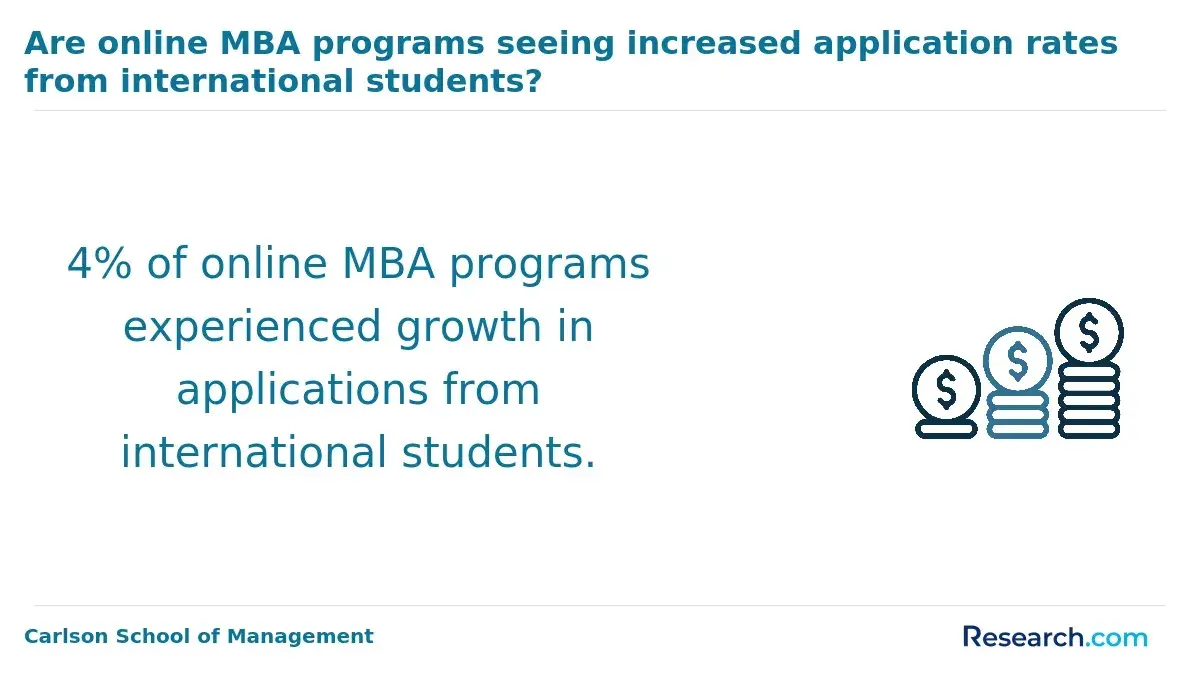
Enrollment in online MBA programs is increasing by 3.2% annually, driven by applicants bypassing graduate admissions tests, signaling a shift in access priorities. For applicants looking for affordable and reputable options, AACSB accredited schools online offer quality and flexibility tailored to diverse needs.
Which Online MBA Format Suits Working Professionals Best?
Working professionals choosing between full-time and part-time online MBA programs should consider their career goals, time availability, and financial situation. Full-time online MBA programs offer the fastest route to advancement, with graduates from top institutions reporting a median 117% salary increase post-graduation, according to the Graduate Management Admission Council (2025). These programs suit those able to dedicate nearly all their work hours to study or take a career break and often provide immersive learning and valuable networking for quicker promotions and leadership roles.
Part-time online MBA programs for working professionals allow students to maintain full employment while pursuing education. Although the median salary increase is more modest at 45%, this path preserves steady income and job security. It's ideal for individuals balancing family, gradual career growth, or employees supported by tuition reimbursement. Typically, coursework extends over two to three years, making it manageable alongside other commitments.
Factors such as work-life balance preferences, industry requirements, employer flexibility, and specialization options influence the best choice. Professionals targeting senior management or industry shifts may benefit from full-time options, whereas those prioritizing steady development often prefer part-time. Transparent communication with schools and employers about commitments and goals is crucial. For those interested in cost-effective choices, the online executive MBA offers valuable insights into affordable programs.
What Are Admission Requirements for Online MBA Programs?
Admission criteria for online MBA programs in the US generally require a bachelor's degree from an accredited college and a minimum GPA near 3.0. Competitive GMAT or GRE scores are often needed, though many institutions waive these tests based on relevant work experience or strong academic records. Applicants must provide a resume demonstrating two to three years of full-time work experience with leadership or management roles clearly highlighted.
Part-time online MBA entry requirements usually emphasize professional background more heavily and tend to offer more flexible criteria tailored for working professionals. Essays or personal statements outlining career objectives, alongside letters of recommendation-commonly from supervisors attesting to leadership potential-are typically requested. Some selective programs also require interviews or English proficiency tests for non-native speakers.
Applicants should be ready to submit transcripts, official test scores if applicable, and comprehensive resumes. Due to the higher return on investment for part-time online MBAs-reported at 75% within five years compared to 62% for full-time programs-many learners prioritize programs offering flexibility. This dynamic influences application priorities and deadlines. For those looking for less restrictive testing requirements, exploring online MBA programs no GMAT or GRE can be beneficial. Preparing early and thoroughly reviewing each school's distinct admissions focus enhances chances of success in this competitive environment.
How Long Do Full-Time and Part-Time Online MBAs Take?
Full-time online MBA programs usually take 1 to 2 years, offering a structured schedule that allows students to focus intensively, similar to traditional programs but with the advantage of remote learning flexibility. Part-time online MBAs generally extend over 3 to 5 years, enabling students to balance coursework with full-time jobs and personal responsibilities.
Duration impacts both cost and career progression. Full-time options require a significant upfront time commitment but can speed up advancement, while part-time paths allow steady income during study and more gradual completion.
Some programs provide additional flexibility:
- Accelerated full-time online MBAs can be finished in as little as 12 months.
- Self-paced part-time MBAs may extend beyond five years.
- Hybrid formats support working professionals in combining work experience with academic classes over time.
Cost differences are notable. The average tuition for part-time online MBAs is around $42,000, which is approximately 58% less than the $102,000 average for full-time residential MBA programs, according to U.S. News & World Report Best Online MBA Rankings (2025). This gap reflects longer durations and lighter course loads for part-time students.
Prospective students are encouraged to evaluate their career goals, finances, and available time carefully to choose the MBA format that best fits their lifestyle and ambitions.
What Is the Typical Cost of Online MBA Programs?
Online MBA programs can vary significantly in cost, typically ranging from $20,000 to $120,000 for the full degree. Public universities usually provide more affordable options, with in-state tuition between $20,000 and $50,000, while out-of-state students may pay up to $60,000. Private institutions often charge between $60,000 and $120,000, reflecting their program quality, faculty expertise, and resources. Some top-tier programs might charge more but often include accelerated formats or dual degrees to add value.
Students should also consider additional expenses like course materials, technology fees, and possible travel for residencies or networking events. Part-time enrollment allows spreading tuition costs over time, which helps with financial planning but doesn't reduce the total cost. Increasingly, employers offer tuition reimbursement, potentially covering 50% to 100% of fees, making online MBA degrees more accessible.
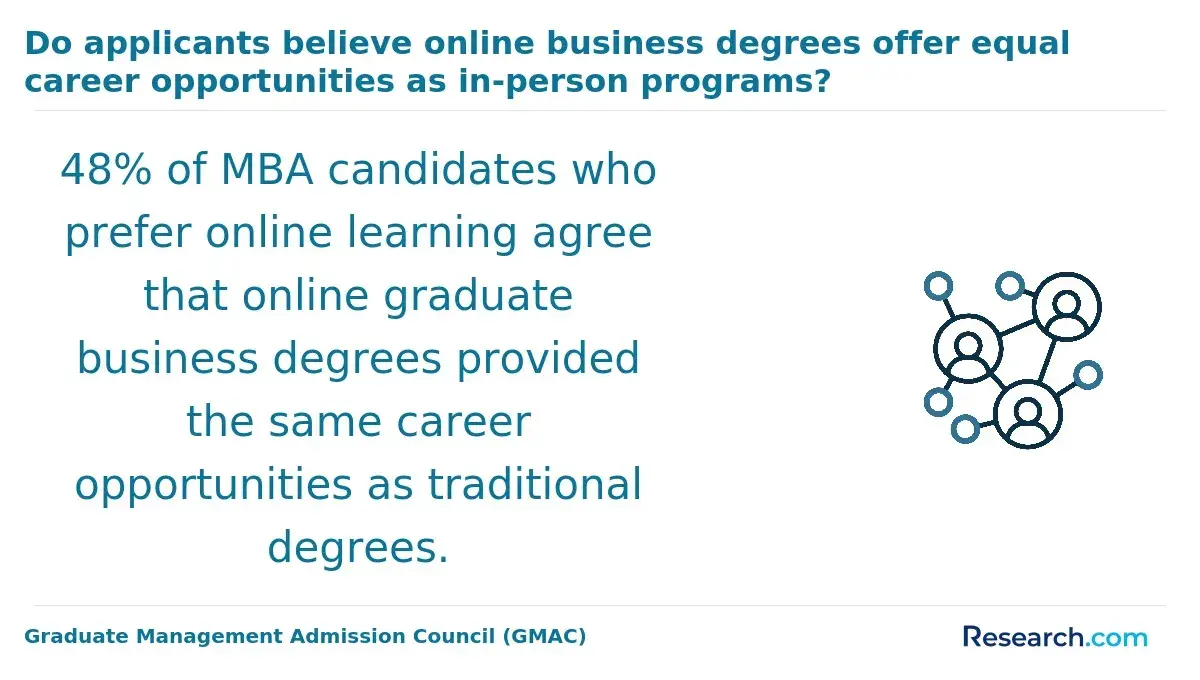
Research from the Northeastern University Center for the Future of Higher Education and Talent Strategy reports that 82% of U.S. employers view online MBAs from accredited institutions as equally valuable or superior to traditional full-time MBAs for promotions. Choosing accredited programs is crucial to ensure degree recognition and career advancement.
- Costs differ by public, private, and hybrid institution types.
- Financial aid, scholarships, and employer sponsorship enhance affordability.
- Accreditation ensures degree credibility and employer acceptance.
What Does an Online MBA Curriculum Typically Cover?
An online MBA curriculum covers fundamental business disciplines such as accounting, finance, marketing, operations management, organizational behavior, and strategy. These courses develop crucial skills in analysis, decision-making, and leadership. For instance, accounting classes emphasize financial reporting and cost management, preparing students to interpret company balance sheets and budgets effectively.
Many programs offer electives or concentrations in areas like entrepreneurship, data analytics, supply chain management, or healthcare administration. Project-based courses and capstone experiences often simulate real-world business challenges, allowing practical application of knowledge.
Students engage in collaborative work through discussion forums, group projects, and case studies, fostering communication skills vital for management roles. Curricula also integrate leadership development and ethical decision-making, meeting growing employer demand for socially responsible managers.
Part-time online MBA programs support working professionals by pacing content to balance study with ongoing employment. Continuous work experience combined with education enhances job readiness, reflected in a reported 92% employment rate within three months after graduation according to the GMAC Corporate Recruiters Survey.
Programs frequently include career services, networking opportunities, and mentorship to support career transitions or advancement. Matching the curriculum to professional goals helps candidates choose the right format, whether full-time or part-time.
What Careers Can You Pursue with an Online MBA?
Graduates with an online MBA can access diverse career opportunities in finance, consulting, technology, healthcare, and marketing. Full-time MBA alumni often advance into leadership positions such as product managers, financial analysts, management consultants, and operations directors. Part-time students frequently use their MBA to grow within their organizations or shift to strategic roles like business development managers or project leads.
Salary data from the Poets&Quants MBA Salary Survey (2025) shows full-time MBA holders earn a median base salary of $185,000 three years post-graduation, while part-time online MBA graduates average $142,000 in similar roles. This reflects strong earning potential across both formats, with a premium for full-time study.
Employers highly value mba graduates for their blend of professional experience and advanced management knowledge. Common roles include:
- Senior financial analysts shaping investment strategies
- Consultants driving corporate strategy and digital initiatives
- Product managers leading cross-functional teams in technology sectors
- Healthcare administrators managing operational complexities
- Marketing directors developing data-driven campaigns
Part-time online MBA learners benefit from flexibility, enabling gradual career transitions while working. Full-time graduates might pursue faster career shifts and higher leadership roles. Both paths provide critical networking and recruitment opportunities crucial for positions at Fortune 500 companies and innovative startups.
Aligning MBA specialization, past experience, and goals with industry demand is essential. Candidates should consider whether immersive networking and swift role changes (favoring full-time) or ongoing experience with flexible study (favoring part-time online) better suit their career plans.
What Is the Average Salary After an Online MBA?
The average salary after an online MBA varies widely depending on program format, industry, and prior experience. According to the Graduate Management Admission Council (GMAC), full-time online MBA graduates in the U.S. typically earn between $90,000 and $110,000 annually at the start. Part-time MBA students, who often continue working while studying, report starting salaries closer to $80,000-$100,000, reflecting their ongoing career progression.
Demographic data from AACSB 2025 Data Trends shows 67% of part-time online MBA students are over 30 and employed full-time, compared to 28% in full-time programs. This experience often means steadier salary growth for part-time students, though initial post-degree increases may be smaller than those of full-time graduates.
Examples illustrate these trends: a part-time MBA professional in finance might move from $85,000 pre-degree to $95,000 after graduation, while full-time students entering consulting or technology can start near $110,000 due to rapid career changes offered by immersive programs.
Factors that affect salary prospects include location, industry demand, and networking opportunities unique to each program type. Part-time students benefit from employer tuition support and salary continuity, while full-time students gain internships that may lead to higher compensation, though less immediately.
How to Choose an Accredited Online MBA Program?
Accreditation by reputable agencies like AACSB, ACBSP, or IACBE is essential to ensure your MBA program meets rigorous academic standards. Degrees from unaccredited programs may lack industry recognition, affecting career and further education opportunities.
Hybrid part-time mbas, combining online and in-person learning, have grown significantly and offer a balanced approach for working professionals seeking flexibility along with face-to-face networking. Fully online programs provide maximum convenience but may offer less direct interaction, so choose based on your learning preferences and schedule.
Curriculum relevance is critical-look for up-to-date courses and specializations aligned with your career goals, such as finance, marketing, or technology management. Programs featuring experiential components like case studies, internships, or consulting projects enhance practical skills.
Faculty expertise and industry connections contribute to a richer educational experience. Investigate career services, including job placement rates, alumni networks, and employer partnerships, to support your post-graduation success.
Budget considerations include tuition, fees, and financial aid options. Compare total costs against expected return on investment to make informed decisions without financial strain.
- Accredited programs ensure quality and recognition.
- Hybrid mbas blend flexibility with networking opportunities.
- Relevant curriculum and practical experience strengthen your skills.
- Strong faculty and career support boost employment outcomes.
- Financial planning helps balance cost and benefit.
Other Things You Should Know About MBA
In 2027, financial aid availability can vary significantly between full-time and part-time online MBA programs. Full-time students often have access to more comprehensive financial aid packages, while part-time students might face limitations but can still explore scholarships, employer assistance, and student loans.
Employers generally evaluate online MBA degrees based on the accreditation of the program rather than the delivery format. A degree from a reputable, accredited institution-whether earned online or on-campus-is widely recognized and valued in the job market.
Many online MBA programs provide virtual networking events, discussion forums, and group projects to facilitate connections among students and alumni. While the experience differs from face-to-face interaction, these platforms can offer meaningful professional networking opportunities when actively engaged.
References
- Part‑time MBA vs Full‑time MBA | Which Is Right for You? | Melbourne Business School https://mbs.edu/degree-programs/degree-resources/part-time-mba-vs-full-time-mba-a-career-focussed-comparisons
- Top Salary Insights for Online MBA Professionals 2025 https://amityonline.com/blog/salary-trends-for-online-mba-graduates
- MBA part-time vs full-time: How to decide based on your career stage https://www.manchester.ac.ae/blog-post/mba-part-time-vs-full-time
- How to Choose an Accredited Fully Online MBA: A Practical Guide for Working Professionals https://www.nexford.edu/insights/how-to-choose-an-accredited-fully-online-mba
- Admissions https://www.imperial.ac.uk/business-school/mba/global-online-mba/admissions/
- Part-time MBA or Full-Time MBA? https://www.princetonreview.com/business-school-advice/part-time-mba-vs-full-time-mba
- 7 Key Factors to Consider Before Choosing an Online MBA Program https://dsuonline.com/resources/blogs/7-tips-before-choosing-online-mba/
- What Are the Main Differences Between Part-Time and Full-Time Online MBAs? https://www.kukonline.in/online-mba/differences-between-part-time-and-full-time-online-mba