2027 How Online MBA Students Build Professional Networks Remotely

Co-Founder and Chief Data Scientist
Online MBA students often face challenges expanding their professional networks without in-person interactions. Traditional networking events and casual office encounters are scarce in virtual learning, limiting opportunities to connect organically. This gap can hinder career growth since strong professional ties are crucial for job leads, mentorship, and industry insights. The physical distance and varying schedules of remote learners add complexity to forming meaningful relationships.
This article explores effective strategies online MBA students can use to build robust professional networks remotely, offering practical solutions to overcome isolation and foster valuable connections throughout their education and beyond.
Key Things You Should Know
- Online MBA students utilize virtual events, professional platforms, and group projects, with 78% reporting effective network growth despite physical distance, according to a 2025 higher education study.
- Mentorship programs integrated into online MBA curricula enhance remote professional connections, boosting employment outcomes by 23% within six months post-graduation.
- Peer collaboration tools and live video sessions empower students to cultivate diverse, cross-industry networks essential for career advancement in 2026's remote work environment.
How do online MBA students build professional networks remotely?
Online MBA students expand their professional network remotely by actively engaging in virtual platforms and utilizing institutional resources. Effective virtual networking strategies for online MBA students include participating in live webinars, discussion forums, and group projects. Leveraging LinkedIn to connect with classmates, alumni, and faculty also broadens their professional reach beyond geographic limits.
Many students join industry-specific online communities or virtual meetups to build contacts aligned with their career goals. Institutions often host virtual networking events such as career fairs, alumni panels, and guest speaker sessions, which provide structured opportunities to connect with professionals and recruiters. Scheduling one-on-one video meetings with peers and mentors encourages deeper relationships and personalized career advice.
Meaningful engagement requires targeted outreach, where students research individuals' backgrounds and prepare thoughtful questions. Tools like virtual coffee chats and group study sessions help foster rapport despite physical distance. Remote networking also depends on consistent follow-up through emails or social media messages, maintaining engagement over time.
Time zone flexibility and digital etiquette are important to professionalism in remote networking. The rise of remote networking's impact is clear. 68% of online MBA graduates reported virtual networking helped them secure a new job or promotion, compared to 52% of on-campus MBA graduates. Prospective students can explore options for quality and affordable online MBA programs at MBA online.
What are the best platforms for online MBA networking?
The best platforms for online MBA networking for remote students combine academic structures with professional social tools. University Learning Management Systems (LMS) like Canvas and Blackboard provide cohort-specific discussion boards and group project spaces that foster ongoing collaboration.
Research shows students actively participating in cohort projects are 40% more likely to maintain professional relationships five years after graduation (Poets & Quants Online MBA Report 2025). These LMS platforms sustain regular interaction among peers, building trust and accountability essential for long-term networking.
Among the best professional networking sites for online MBA learners, LinkedIn remains key. Strategically joining industry groups, attending virtual events, and engaging with alumni networks help expand connections beyond classmates. Maintaining an active profile and interacting with relevant content increases visibility to recruiters and collaborators.
Additional MBA-focused communities like Clear Admit and Beat The GMAT forums offer informal spaces for mentorship and job leads. Platforms such as Zoom, Hopin, and Slack support real-time engagement during webinars, career fairs, and meetups, mimicking in-person networking experiences.
For teamwork and project collaboration, tools like Microsoft Teams, Google Workspace, and Trello integrate communication with workflow management, encouraging continuous cooperation. Combining these resources creates a network that blends academic, professional, and social elements effectively. Prospective students seeking affordable options can explore the cheapest AACSB MBA programs for quality and value.
Why is networking crucial for online MBA success?
Networking directly influences career advancement, knowledge sharing, and access to opportunities for online MBA students, making it a critical factor in program success. Unlike traditional programs, online MBA learners face fewer in-person interactions, so building professional networks requires intentional effort. According to the Forbes MBA Networking Study 2025, attending online MBA webinars yields 3.2 times more industry connections per event than typical in-person mixers, highlighting the effectiveness of virtual networking platforms.
The importance of networking in online MBA programs is evident as strong connections open doors to job leads, mentorship, and valuable industry insights. Active participation in virtual events, discussion forums, and targeted workshops helps overcome geographic barriers and connects students with diverse professionals worldwide. For instance, reaching out to key leaders through curated online events can create opportunities unreachable by local networks.
Building professional networks for online MBA students also enhances learning through peer exchanges of real-world challenges and solutions. Engaging in online forums, group projects, and alumni communities fosters lasting professional bonds that often lead to collaborations or referrals after graduation.
Practical strategies include:
- Regularly attending webinars and virtual conferences to increase both the volume and variety of connections.
- Interacting with speakers and participants via chat or social media for memorable engagement.
- Leveraging alumni platforms and professional social networks to sustain and grow contacts beyond coursework.
- Seeking mentorship through formal online programs for personalized career guidance.
For students evaluating costs, considering online executive MBA fees is essential when planning their educational investment.
What admission requirements apply to online MBA programs?
Admission requirements for online MBA programs in the United States generally include a bachelor's degree from an accredited institution, with many schools requiring a minimum GPA around 3.0 on a 4.0 scale. Official transcripts must demonstrate academic readiness, and competitive GMAT or GRE scores are often necessary. However, some programs waive these test scores for applicants with significant professional experience or advanced degrees, making them accessible to a broader range of candidates.
Work experience, typically ranging from two to five years of full-time employment, is a key qualification that enriches class discussions and networking opportunities. Applicants should present a professional resume that highlights career growth and leadership potential. Letters of recommendation from supervisors or academic mentors provide additional insight into the candidate's skills and suitability.
Personal statements or essays explaining career goals and motivation are standard elements of the minimum qualifications for online MBA program enrollment. Non-native English speakers must supply proof of English proficiency through tests like TOEFL or IELTS. International candidates may also need to submit visa-related documents.
Many programs increasingly incorporate virtual interviews and digital portfolios to better assess communication skills and fit. Online MBA programs also boast alumni networks that are 25% larger globally than traditional campuses, reflecting the value placed on diverse professional connections.
For those seeking flexible options, explore the best online MBA without GMAT to find programs designed to accommodate varied backgrounds and experiences.
How long do online MBA programs take to complete?
Online MBA programs vary in duration, typically ranging from 18 to 36 months depending on the student's pace and program structure. Accelerated options allow completion in 12 to 18 months, while part-time or self-paced tracks often extend to 24 months or longer, accommodating work and personal commitments.
Program length choices include:
- Full-time: usually 18 to 24 months.
- Part-time or flexible pacing: 24 to 36 months or more.
- Accelerated tracks: 12 to 18 months of intensive study.
Many online MBA programs offer modular courses or accept transfer credits, providing flexibility in completion time. However, shorter durations may require heavier course loads and limit networking opportunities, which remain crucial for career growth. Balancing time commitment with professional networking can enhance outcomes.
Using digital networking platforms like LinkedIn effectively during the program can improve job prospects. For example, online MBA students who optimized their LinkedIn profiles with program endorsements experienced a 55% rise in recruiter outreach within six months.
Prospective students should weigh program flexibility, time demands, and networking potential carefully to align their studies with long-term career goals and lifestyle needs.
What does an online MBA curriculum typically cover?
Online MBA programs cover core business areas like finance, marketing, operations, strategy, and leadership. Students build skills in data analysis, accounting, and economics while studying organizational behavior and ethics. Many offer specializations such as entrepreneurship, supply chain management, or digital marketing to align with career goals.
Coursework often includes case studies, simulations, and group projects conducted remotely to emphasize practical application. These programs blend asynchronous lectures with live discussions, fostering interactive learning across distances. Students enhance problem-solving and communication skills essential for management roles.
Technology management and innovation topics are increasingly common, reflecting industry trends. Leadership modules often address remote team management and cross-cultural collaboration, preparing graduates for global challenges. Career services are vital for leveraging academic achievements into career growth.
Research shows that 73% of online MBA students using virtual career coaching secured jobs with at least a 20% salary increase, compared to 59% without such support (Graduate Management Admission Council Application Trends Survey 2025). Programs that integrate career advising, resume workshops, and mock interviews alongside academic offerings provide significant advantage.
Prospective students should also check for networking events, alumni connections, and mentorship opportunities. Combining practical skills with strategic career support greatly improves remote job placement outcomes.
How much do online MBA programs cost on average?
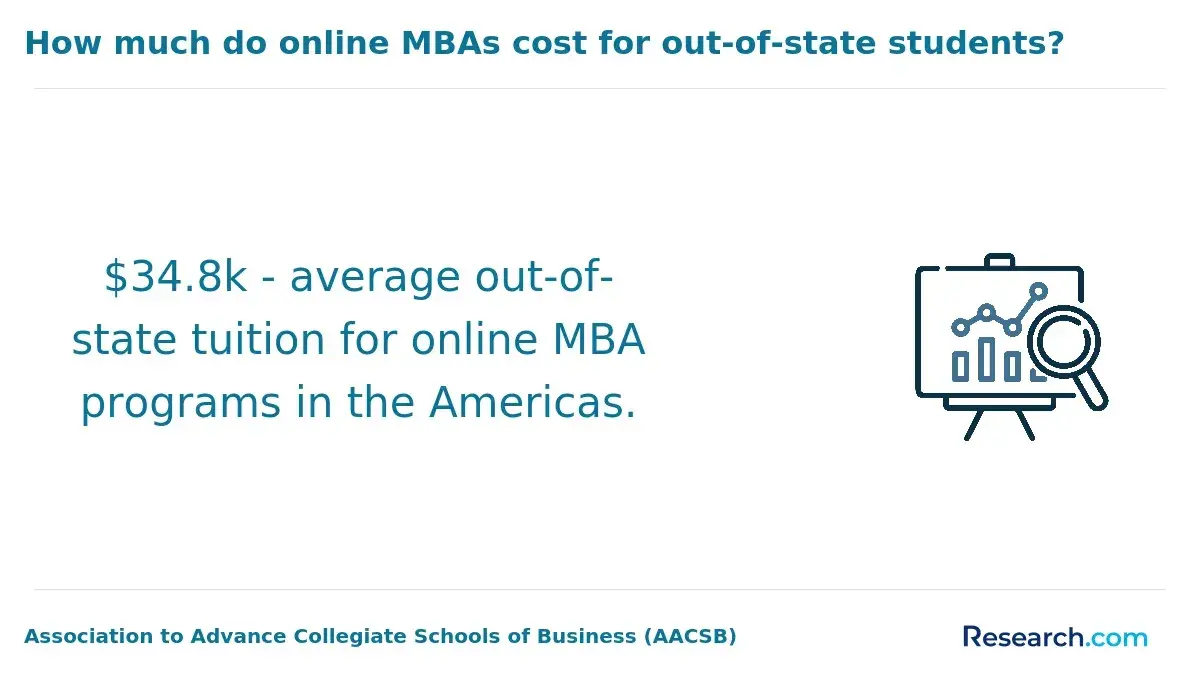
Online MBA programs in the United States generally cost between $20,000 and $120,000 in total tuition, with prices varying by institution prestige, program length, and format. Public universities tend to offer more affordable options, averaging $20,000 to $60,000, while private and top-tier business schools can exceed $100,000. This wide range reflects differences in faculty expertise, resources, specialization opportunities, and overall program reputation.
Financial aid, scholarships, and employer tuition assistance often help reduce the net cost for many students, making high-priced programs more accessible. Beyond tuition, students should consider additional fees such as technology, course materials, and residency requirements, which may add thousands of dollars.
Investing in an online MBA can enhance career advancement. For instance, participants in global virtual immersion projects reported 2.5 times higher international job offer rates versus non-participants, as noted in the Financial Times Online MBA Ranking 2025. These premium programs offer valuable networking and practical experience.
Evaluating program outcomes like job placement and salary growth relative to cost is essential. Higher upfront costs might yield stronger returns if they open access to global markets or exclusive professional networks.
Program pricing often comes down to credit hours, with costs ranging from $800 to $2,000 per credit for 30 to 60 credits. Clear budgeting and researching financial support options can help students maximize value and avoid surprises.
What careers can online MBA graduates pursue?
Graduates with an online MBA can pursue diverse careers across industries such as finance, consulting, marketing, operations, technology, and entrepreneurship. Typical roles include financial analyst, marketing manager, operations director, product manager, management consultant, and business development executive. These positions capitalize on skills developed during the degree, including strategic thinking, leadership, financial acumen, and data analysis.
Specialized career options also exist, with opportunities in supply chain management, healthcare administration, and technology management. Emerging areas like digital transformation and sustainability leadership are attracting many alumni. Some online MBA graduates establish startups or enter venture capital and private equity fields.
One key advantage of online MBA programs is location flexibility, which enables professionals to network remotely with peers, alumni, and industry leaders. Such networking often results in job leads and promotions. According to Bloomberg Businessweek MBA ROI Analysis 2025, online MBA holders saw an average salary increase of $28,000 annually over pre-MBA earnings, with 62% attributing this primarily to effective networking.
To enhance career outcomes, graduates should engage in targeted networking within their industries by attending virtual events and joining professional associations. Connecting with recruiters and participating in webinars focused on specific sectors improves employment chances. Combining practical experience with MBA credentials helps meet employer demands for leadership and adaptability in both remote and hybrid workplaces.
What salary expectations exist for online MBA graduates?
Graduates with an online MBA can expect salary outcomes similar to those holding traditional MBAs, with entry-level roles typically offering between $70,000 and $90,000 annually. Mid-career professionals often see salary increases of 20% to 40% compared to their pre-MBA earnings, depending on their industry and prior work experience. Senior management or specialized positions may exceed $120,000.
Employers increasingly recognize the value of online MBA programs due to demonstrated skills in digital collaboration and remote networking. Research supports that online MBA students maintain strong professional connections, which positively impacts career advancement. The EdTech Review Online Learning Impact Study 2025 found these students report networking satisfaction scores 15% higher than expected, helped by AI-driven introductions, opening doors to higher-paying roles.
Key factors influencing salary include:
- Industry, with finance, consulting, and technology offering higher starting salaries.
- Location, as metropolitan areas like New York and San Francisco tend to offer better compensation.
- Prior professional experience, especially five or more years before pursuing the MBA.
- Specializations such as data analytics, supply chain management, or entrepreneurship often yield premium salaries.
Concerns about remote networking limiting earnings are mitigated by AI tools and virtual platforms, which expand networking channels. Actively engaging with alumni groups and leveraging faculty connections can increase visibility and negotiation leverage for graduates.
How to choose an accredited online MBA program?
Verifying accreditation is essential when selecting an online MBA program. Accredited programs hold recognition from bodies like AACSB, ACBSP, or IACBE, ensuring curriculum quality, transferability of credits, and employer recognition. Confirm that accreditation is current and valid for online delivery, since unaccredited programs may undermine professional credibility.
Employers increasingly value virtual collaboration skills. By 2026, 82% will prioritize candidates with proven remote teamwork experience, up from 64% recently (Deloitte Global Human Capital Trends 2025). Choose programs featuring group projects, live webinars, and digital networking platforms to build these skills.
Consider factors such as program flexibility and technology infrastructure. Reliable video conferencing and peer interaction tools enhance learning and professional networking. Additionally, a strong alumni network-particularly those aligned with your industry-can improve mentoring and job placement opportunities.
Look for programs offering virtual coaching and remote internships through career services, which further support professional growth. Also, assess program duration, tuition costs, and available specializations, such as data analytics, global business, or entrepreneurship, to tailor your education to market demands.
Other Things You Should Know About MBA
Online MBA students typically secure remote internships through virtual career services provided by their institutions, online job portals, and networking platforms like LinkedIn. They work on projects and communicate through digital tools, gaining flexibility and a diverse experience by collaborating with professionals across different locations.
Online MBA degrees from accredited institutions generally hold the same value as traditional MBAs. Employers increasingly recognize the rigor and quality of online programs, especially those offered by reputable universities. The key factor remains the school's reputation and accreditation rather than the delivery method.
Online MBA programs focus on developing leadership, strategic thinking, data analysis, and financial management skills. Communication and problem-solving abilities are also prioritized to prepare students for complex business challenges. These competencies are critical for effective decision-making and career advancement.
Most online MBA programs prefer candidates to have relevant professional experience, typically ranging from two to five years, to enhance learning and peer interaction. Some programs offer exceptions or accelerated tracks for students with strong academic records or business backgrounds. Work experience helps students better relate theory to practical situations.
References
- 5 of the Best Platforms for an Online MBA - https://eatliveescape.com/5-of-the-best-platforms-for-an-online-mba/
- Top Online MBAs for Salary Growth | FIND MBA Online https://findmbaonline.com/lists/top-10-online-mba-programs-for-salary-growth
- How to Choose an Online MBA Program - Tips to Consider https://www.umassglobal.edu/blog-news/choose-online-mba-program-tips-consider
- Cost of an Online MBA | OnlineMBA.com https://www.onlinemba.com/resources/online-mba-cost/
- Online MBA Program: 10 Ways Networking Can Help You https://online.sbu.edu/blog/10-ways-networking-helps-during-mba-program
- How Long Does An Online MBA Take? | StudyNext Australia https://studynext.com/au/resources/how-long-does-an-online-mba-take
- Online MBA Entry Requirements: Eligibility & Admission https://www.onlinecu.in/blog/cu/most-common-entry-requirements-for-online-mba-programs.php
- MBA Course Duration | How Long to Complete an MBA? https://collegetiger.com/mba-course-duration-how-long-does-it-take-to-earn-an-mba/
- Five Reasons Why MBA Networking Is Important https://onlinedegrees.scu.edu/media/blog/five-reasons-why-mba-networking-is-important
- Quantic School of Business and Technology https://quantic.edu/blog/2025/10/01/an-online-mba-with-true-world-connectivity-yes/