2027 Online MBA vs Master's in Marketing: Which Degree Makes More Sense?

Co-Founder and Chief Data Scientist
Choosing between an online MBA and a master's in marketing can be challenging for professionals aiming to shift careers. Both degrees offer unique advantages but differ significantly in curriculum, career outcomes, and flexibility. Candidates often struggle to determine which program aligns best with their goals, especially when juggling work and personal commitments.
This decision impacts future roles, salary prospects, and skill development in highly competitive industries. This article examines the key differences between these degrees and provides insights to help prospective students select the degree that best supports their career transition and growth ambitions.
Key Things You Should Know
- Online MBA graduates earn a median salary of $115,000, compared to $75,000 for master's in marketing holders, reflecting broader managerial career opportunities in 2025 data.
- Marketing master's programs focus deeply on digital strategies and analytics, ideal for specialized marketing roles, while online MBAs offer broader leadership and business skills.
- In 2025, 45% of online MBA students are working professionals seeking career advancement, whereas master's in marketing enrollees often aim to enter or deepen expertise in marketing-specific careers.
What's the difference between an Online MBA and Master's in Marketing?
An online MBA offers a broad understanding of business functions such as finance, operations, strategy, and leadership. It develops managerial skills applicable across industries, preparing graduates for senior roles in various corporate environments. Conversely, a master's in marketing focuses solely on marketing theories, digital marketing, consumer behavior, branding, and market research. It trains students to excel in promoting products, designing campaigns, and analyzing market trends.
Key differences between MBA and master's in marketing degrees include curriculum and career flexibility. An online MBA covers accounting, economics, organizational behavior, and strategic management, providing a versatile skill set. Graduates can lead cross-functional teams or pivot between industries like finance and tech.
On the other hand, master's in marketing programs emphasize SEO, content strategy, and advertising analytics, skills vital for marketing roles but less transferable beyond that domain.
Salary potential also varies. According to 2025 Graduate Management Admission Council data cited by Tulane University, MBA graduates earn a median starting salary of $125,000, nearly double that of bachelor's in business roles. Master's in marketing graduates typically have lower starting salaries, reflecting narrower role scopes. This highlights the MBA's broader leadership training and overall business impact.
Career goals are crucial when choosing programs. Professionals aiming for leadership or general management should consider an online MBA, while those focused on marketing strategy or analytics may prefer a master's in marketing. For those interested in finding the cheapest online MBA program, researching program duration, cost, and networking opportunities is critical.
Which degree offers better salary and career prospects?
The online MBA generally offers stronger salary potential and greater career flexibility than a master's in marketing, especially for those targeting leadership positions. According to the 2025 U.S. Bureau of Labor Statistics (BLS), human resources managers-a common career path for MBA graduates-are projected to grow at a 15% rate from 2023 to 2033, which is much faster than average.
This demand often supports salaries exceeding $120,000 annually in many U.S. markets, illustrating the value of an online MBA salary comparison in the US for prospective students.
In contrast, marketing managers have a projected job growth of 6% during the same period. While faster than average, this growth is notably lower than that for human resources or broader managerial roles typically available to MBA holders. Marketing manager salaries vary widely, usually between $70,000 and $115,000, depending on experience and industry.
The MBA's versatility allows graduates to branch into diverse areas such as operations, finance, consulting, and human resources, which often leads to more stable career growth and upward mobility. For instance, an MBA graduate may progress to director or vice president of business operations, roles less common for those with a strictly marketing-focused master's degree. The career growth prospects for marketing master's graduates tend to be more specialized and somewhat limited in scope.
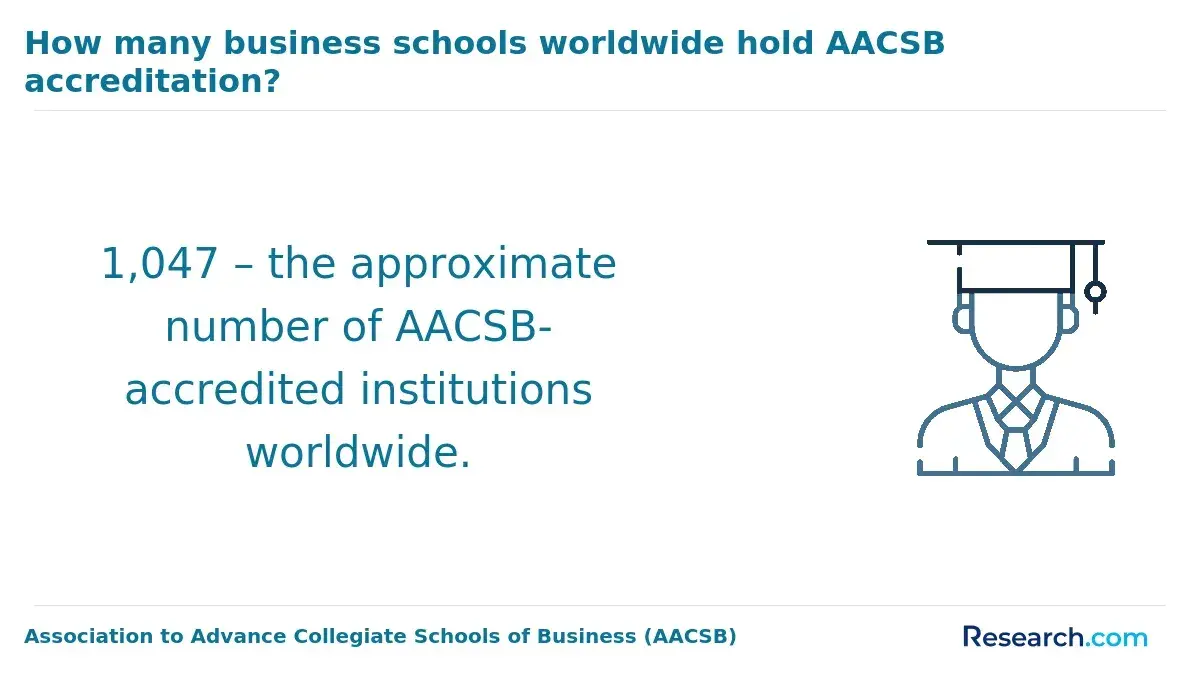
For those considering cost-effective options, exploring cheap online MBA AACSB programs can provide strong returns without excessive tuition, aligning well with broad career ambitions and salary expectations.
What are typical job roles for each degree?
Job roles for MBA graduates in marketing management often emphasize leadership, management, and cross-functional business strategy. Common positions for online MBA holders in business leadership include business development manager, operations manager, financial analyst, and management consultant. These roles highlight organizational oversight, project coordination, and decision-making across departments.
An MBA also prepares professionals for executive roles like product manager, marketing director, or supply chain manager by developing analytical, financial, and strategic expertise.
In contrast, master's in marketing graduates specialize in brand promotion, customer engagement, and market analysis. Typical roles include marketing manager, digital marketing specialist, market research analyst, and advertising coordinator. These positions demand skills in campaign design, consumer behavior, data analytics, and content creation.
Senior roles such as brand strategist or marketing communications manager require deep domain knowledge alongside tactical execution.
The average annual cost of an MBA in the U.S. is about $28,440, while a master of science in marketing averages $31,630, based on the 2025 National University analysis. This financial difference reflects varying program emphases and career outcomes.
Prospective students should consider their career goals carefully, as MBA programs generally lead to broader managerial roles across industries, while marketing masters focus on specialized functions.
Those interested in exploring flexible options for advanced business education may find value in the best online EMBA offerings. This can be especially useful for working professionals seeking career advancement without interrupting their current roles.
What curricula do Online MBA and Marketing Master's cover?
The curricula of an online MBA and a master's in marketing vary widely in scope and focus, influencing distinct professional paths. Core courses in online MBA programs typically cover finance, accounting, operations, strategy, leadership, and economics.
These provide a broad business education, preparing students for senior roles across industries by developing cross-functional management skills through case studies, quantitative analysis, and leadership training.
In contrast, a marketing master's degree curriculum overview centers on specialized marketing knowledge such as consumer behavior, digital marketing, brand management, market research, advertising, and sales strategy. This specialization enhances skills in data analytics, campaign planning, and market segmentation to effectively target and influence customers.
Both degrees often allow electives for customization: an online MBA might include marketing electives, while marketing master's programs may offer deeper dives into areas like social media strategy or marketing analytics. Still, the MBA's broader scope equips graduates for leadership roles beyond marketing, including finance or general management, whereas the marketing master's suits roles that require focused technical marketing expertise.
Labor market data cited by Tulane University from 2025 Lightcast show chief marketing officers earn a median annual salary of $209,800, with an MBA often required for C-suite positions. This highlights the MBA's role in cultivating the leadership and strategic business skills vital for top management, while marketing master's holders tend to fill specialized marketing roles below the C-suite.
Prospective students seeking flexible options may consider a no GMAT MBA online to advance leadership capabilities without entrance exam hurdles.
What are admission requirements for these programs?
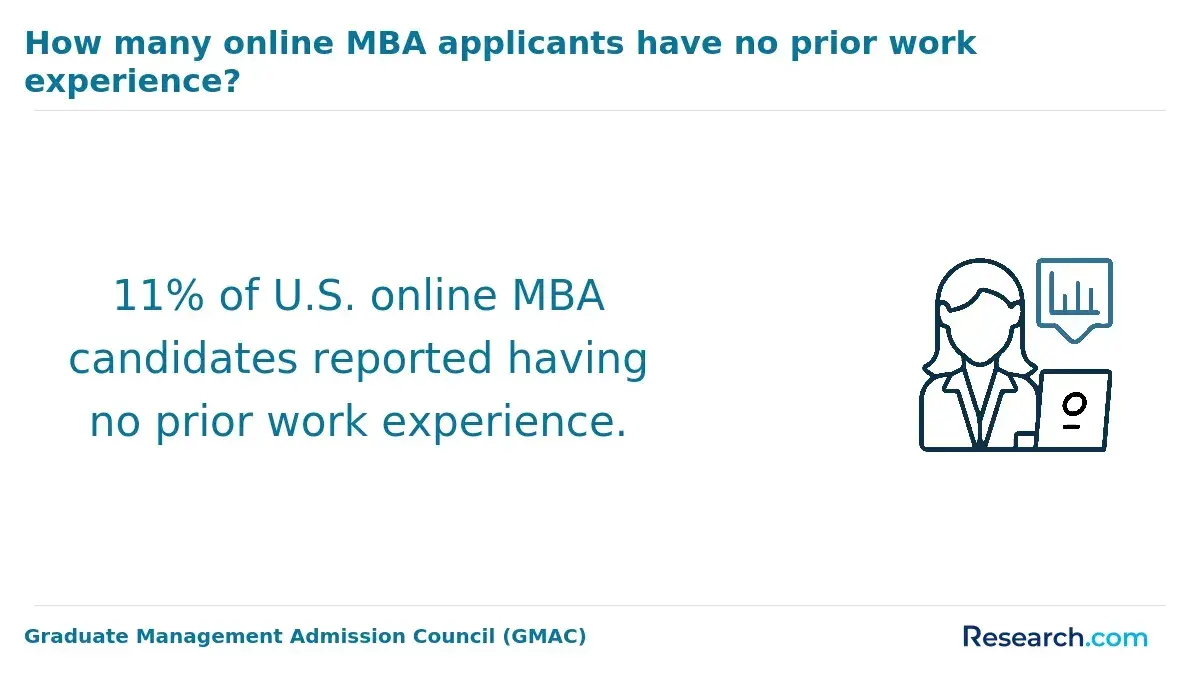
Online MBA and master's in marketing programs share common admission elements but vary by focus. Most MBA programs expect a bachelor's degree from an accredited institution and typically require a minimum GPA of around 3.0, though some accept lower GPAs with strong professional experience. GRE or GMAT scores are often requested, but many waive these for candidates with advanced degrees or substantial work history.
Master's in marketing programs also require a bachelor's, often in business or marketing, and may mandate prerequisite marketing coursework if the applicant's background differs.
Applicants usually submit several materials:
- Professional resume or curriculum vitae emphasizing relevant experience
- Personal statements outlining career goals and motivation
- Two to three letters of recommendation from academic or professional contacts
- Proof of English proficiency for international students, such as TOEFL or IELTS
Career goals influence program choice. For those targeting broad leadership roles, an MBA offers versatility. Meanwhile, specialized roles, like digital marketing managers, may find a master's in marketing fits better. According to 2025 BLS data, digital marketing managers earn a median salary of $159,660 with robust job growth. Weighing admission criteria alongside personal objectives ensures the best program match.
How long do these programs take and what's the cost?
Online MBA programs generally take 18 to 24 months to complete, with some accelerated options finishing in 12 months. Costs vary significantly: public universities may charge around $20,000, while private institutions can exceed $100,000. In comparison, a master's in marketing usually requires 12 to 18 months, often with fewer credits and less intensive coursework.
Tuition for marketing master's programs typically ranges from $15,000 to $50,000, influenced by the school's reputation and location.
Students juggling work and study might favor the shorter duration and lower cost of a marketing master's degree. However, MBA programs often provide broader business training that can lead to higher long-term earning potential. For example, marketing managers in the San Jose-Sunnyvale-Santa Clara, CA area earn an annual mean salary of $182,490, highlighting the impact of regional salary differences on return on investment.
Financial aid, employer tuition reimbursement, and program format-part-time versus full-time-also affect total cost and completion time. Part-time MBA students may take 30 to 36 months to graduate, increasing indirect costs, while many marketing master's programs offer flexible online options tailored for working professionals.
When choosing between these paths, consider career goals, budget, and time availability carefully. Evaluating salary data and program length can help align your education investment with professional growth expectations.
Are online versions as accredited as campus programs?
Online MBA programs can be as credible as traditional campus options when accredited by recognized agencies like AACSB, ACBSP, or EQUIS. These bodies maintain consistent standards regardless of program delivery, so an online MBA from a regionally accredited school holds comparable academic and professional weight.
Students should verify accreditation through official agency sites or the U.S. Department of Education's database, as lacking accreditation can affect credit transfers, employer recognition, and certification eligibility. For example, top employers in finance and consulting often prefer candidates from AACSB-accredited programs, whether online or on-campus.
Quality among online programs varies widely. Many top-tier institutions offer fully online or hybrid MBA tracks with identical curricula and faculty as on-campus versions, plus networking opportunities. Prospective students should focus on course rigor, faculty expertise, and graduate outcomes rather than assuming online is inferior.
Choosing between an online master's in marketing and an online MBA depends on career goals. While MBA graduates often have higher long-term earnings, marketing managers in the top 10% can earn over $239,200 annually, highlighting the value of specialized marketing degrees according to BLS and Lightcast data from Tulane University.
Accredited online MBA programs provide professionally valuable pathways comparable to campus degrees, but thorough research on accreditation and program reputation is vital for a worthwhile investment.
What job outlook exists for MBA and Marketing graduates?
The job outlook for MBA and marketing graduates by 2026 highlights distinct career paths and growth potential. Data from Lightcast 2025 shows a notable demand for marketing leaders with strong cross-functional business skills, giving MBA graduates an edge for executive roles blending broad management and marketing expertise.
Marketing master's graduates often excel in specialized positions like digital marketing managers, brand strategists, or data analysts. However, without wider business knowledge, their advancement may be limited. MBA graduates typically start in generalist roles but quickly progress to leadership, product management, or C-suite positions.
- An MBA graduate advancing to chief marketing officer, integrating financial oversight with marketing strategy.
- A marketing master's graduate focusing on consumer research or campaign analytics without extensive organizational management duties.
MBA degrees also align with sectors valuing strategic decision-making, such as consulting, finance, and technology, often leading to higher median salaries. According to the U.S. Bureau of Labor Statistics, marketing manager roles grow at about 10% through 2031, though business roles accessible to MBA holders may experience even faster growth driven by evolving corporate needs.
Career ambitions should guide degree choice: an MBA suits those pursuing senior leadership across multiple departments, while a specialized marketing master's is fitting for technical expertise but may require upskilling for broader roles.
Do these degrees lead to required certifications?
Neither an online MBA nor a master's in marketing automatically grants professional certifications required by specific industries. These degrees mainly develop foundational knowledge and managerial skills, while certifications like Project Management Professional (PMP) or Chartered Financial Analyst (CFA) require passing separate exams and meeting experience criteria.
A master's in marketing does not provide direct entry into marketing certifications such as the Certified Marketing Management Professional (CMMP) or Google Ads certifications. However, many marketing master's programs do prepare students by covering relevant concepts, supporting later certification efforts.
To gain industry-recognized certifications, students must plan additional study outside their degree curriculum. This is particularly important in digital marketing, where short-term specialist certifications often deliver quicker career benefits.
Data from the 2025 IIDT Escala fee-to-outcome analysis comparing Indian programs illustrates this difference: Tier-3 online MBA courses charge 2-10 lakh rupees and yield starting salaries of 2-3 LPA, while intensive digital marketing courses often guarantee a minimum 3 LPA salary within nine months. This shows faster returns from certification-focused training compared to degrees alone.
For U.S. students, certifications like the American Marketing Association's Professional Certified Marketer (PCM) and the Digital Marketing Institute's Certified Digital Marketing Professional (CDMP) significantly boost career prospects. Employers often prefer these credentials over degrees for specialized roles.
How to choose the right program for your goals?
Selecting between an online MBA and a master's in marketing hinges on your career goals and industry focus. An online MBA equips students with broad strategic, financial, and operational skills suitable for leadership and diverse business roles. In contrast, a marketing master's cultivates specialized knowledge in brand management, digital marketing, consumer behavior, and market analytics.
Your experience level is key. Marketing professionals with 3-5 years in digital roles can earn salaries ranging from 10 to 18 LPA, often outperforming Tier 2 or 3 MBA graduates. Senior marketing positions can command between 20 and 40 LPA, based on 2025 IIDT Escala salary data for India. This highlights that targeted marketing expertise paired with experience delivers strong financial benefits.
Consider curriculum and flexibility:
- Online MBA programs offer broad leadership and electives across business functions, catering to those seeking versatility.
- Marketing master's focus on tactical and strategic marketing, including emerging digital trends, ideal for marketing-centric careers.
Networking opportunities differ: an MBA's diverse cohort and alumni network foster cross-industry connections, while marketing programs connect students with specialized marketing communities and internships.
Practical experience is vital. Opt for programs with real-world applications such as live projects, case studies, or capstone courses aligned with your career path to boost employability and salary prospects.
Other Things You Should Know About MBA
Yes, an online MBA program often emphasizes leadership development through courses in organizational behavior, strategic management, and team leadership. Many programs also include group projects, case studies, and simulations designed to build practical leadership abilities applicable across industries.
Most accredited online MBA programs hold the same recognition as their on-campus counterparts, especially when offered by reputable institutions. Employers increasingly accept online degrees, focusing on the quality of the institution rather than the delivery method.
An online MBA offers various specializations such as finance, entrepreneurship, and healthcare management, providing a broad skill set. In contrast, a Master’s in Marketing focuses deeply on marketing strategies, consumer behavior, and digital marketing, making it ideal for those looking to become marketing experts.
Online MBA programs typically provide networking opportunities through virtual events, discussion forums, alumni groups, and live sessions with faculty and peers. While distinct from in-person networking, these platforms can still be effective for building professional connections and accessing career resources.
References
- Tuition fees | study.gov.pl https://study.gov.pl/tuition-fees
- How to Choose the Right Fitness Program for Your Goals https://halofitnessexperience.com/blog/how-to-choose-the-right-fitness-program-for-your-goals
- How to Choose the Right Workout Plan for Your Goals https://macrosinc.net/blog/how-to-choose-the-right-workout-plan-for-your-goals-2/
- What Is the MBA in Marketing Salary and Career Outlook? https://online-business.tulane.edu/online-mba/articles/mba-in-marketing-salary-and-career-outlook/
- What Can You Do with an MBA in Today’s Market? | Elmhurst University Elmhurst University Blog https://www.elmhurst.edu/blog/what-can-you-do-with-an-mba-in-todays-market/
- How do I know if I meet the entry requirements of a course? https://augstudy.com/guide/course-guide/do-you-meet-entry-requirements/
- Degrees or Certifications: What learners should focus on to get hired https://www.futureskillsprime.in/blogs/degrees-or-certifications-what-learners-should-focus-get-hired/
- How long is a PhD program: Duration and key factors https://vinuni.edu.vn/how-long-is-a-phd-program/
- What are you going to do with that degree? https://benschmidt.org/jobs/
- Are Online Degrees Recognized? Myths vs. Facts - Blog https://manavrachnaonline.com/blogs/are-online-degrees-recognized-myths-vs-facts/