
2027 How Much Does a Human Services Degree Program Cost? Tuition, Fees & Total Expense Breakdown

Co-Founder and Chief Data Scientist
Many students underestimate the true cost of a human services degree due to rising tuition and hidden fees. In recent years, tuition for these programs has increased by over 12%, making it crucial to understand all expenses involved. Without clear budgeting, students often face unexpected financial burdens during their studies.
This article breaks down tuition, fees, and total costs associated with human services degree programs. By providing detailed expense information, it helps prospective students compare schools effectively and plan their finances, ensuring they avoid surprises and make informed education decisions.
Key Benefits of Knowing the Human Services Degree Program Cost in 2026
- Knowing the total cost helps students budget effectively, avoiding unexpected debt and enhancing financial planning throughout their human services degree program.
- A detailed fee breakdown clarifies which expenses like tuition, materials, and administrative fees contribute most, aiding in targeted financial aid applications.
- Understanding costs supports informed decisions about program selection and potential return on investment, with typical human services degrees averaging $15,000-$30,000 annually nationwide.
What Expenses Are Included in the Full Cost of a Human Services Degree?
Accurately estimating the full expenses for human services degree in 2026 requires understanding all major cost components beyond just tuition. This comprehensive view helps students and working professionals plan their finances effectively when pursuing this field.
- Tuition: This is typically the largest expense, varying significantly depending on whether the institution is public or private. Average tuition for undergraduate human services programs can range from about $10,000 annually at public schools to over $35,000 at private institutions.
- Mandatory fees: These fees often include student activity, technology, and health services fees, totaling approximately $1,000 to $2,500 per year. They support essential campus resources that contribute to the academic experience.
- Books and supplies: Textbooks, specialized literature, and course materials average around $1,200 annually. These are vital for keeping up with field-specific knowledge and coursework demands.
- Technology requirements: Many programs require compatible computers or tablets and specific software, which may cost several hundred dollars upfront. Additionally, some schools levy technology access fees that add to the overall expense.
- Clinical or lab fees: For programs including practical training like internships or supervised fieldwork, such fees can range from $500 to $1,500 depending on the institution and the scope of hands-on requirements.
- Living expenses: Housing, food, transportation, and personal costs significantly impact total expenses. Estimates from the U.S. Department of Education place these between $10,000 and $15,000 annually, depending on location and lifestyle.
Prospective students interested in accelerating their timeline can explore accelerated bachelor's degree programs, which may alter cost structures and duration while providing flexibility.
What Is the Average Total Cost of a Human Services Degree Program in 2026?
The average total cost of a human services degree program in 2026 typically ranges between $20,000 and $60,000. This figure reflects tuition and fees, books and supplies, living expenses if attending in person, and any additional costs such as technology fees for online formats. Understanding the 2026 tuition and fees for human services degree programs is essential for students as these expenses directly impact financial planning and long-term affordability. The total cost can vary substantially depending on institution type, program format, and geographic region.
Public community colleges generally offer more affordable associate degrees, often between $5,000 and $15,000, while private universities may charge $30,000 to over $50,000 for bachelor's programs. Regional differences also influence costs, with schools in the Northeast and West Coast being more expensive than those in the Midwest or South. Online programs can moderate some costs related to housing and commuting but exhibit varying tuition rates. For those exploring advanced education options, it is useful to consider factors like cost alongside program demands, such as what is the easiest PhD to get online.
What Mandatory Fees Do Schools Charge for a Human Services Program in 2026?
Mandatory fees are separate from tuition and cover additional services and resources required for a human services degree program. These fees help maintain program quality and student support but vary depending on the institution.
Below is a breakdown of the most common mandatory fees students can expect in 2026 for a human services program.
- Technology fee: Supports campus-wide digital infrastructure and online learning platforms, ranging between $100 and $300 per semester depending on the school's resources.
- Lab or clinical fee: Covers administrative and material costs related to supervised practicums and fieldwork critical to hands-on training, typically ranging from $150 to $500 per semester.
- Student services fees: Fund campus facilities, health services, counseling, and career centers essential for student success, usually totaling $200 to $400 per semester.
- Assessment or testing fees: Applied for standardized exams or state certification preparations, generally $50 to $200 as a one-time or occasional charge.
- Campus facilities fees: Contribute to upkeep of libraries, study areas, and recreational spaces, often ranging from $100 to $250 per semester.
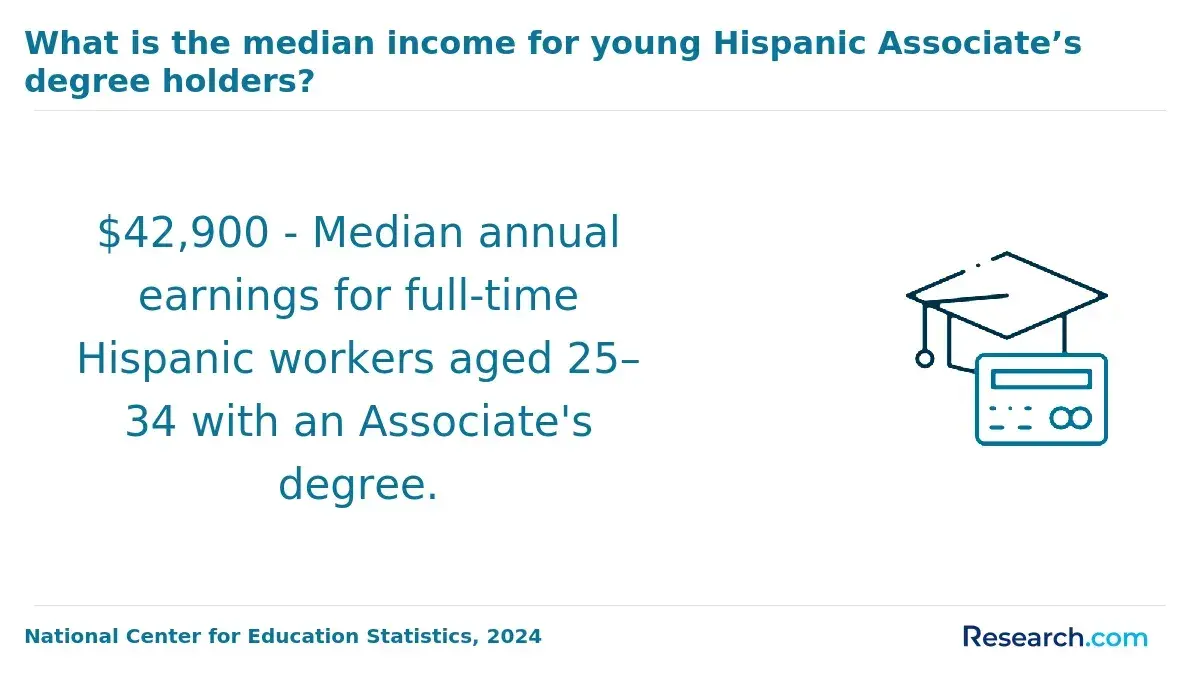
The National Center for Education Statistics estimates these mandatory fees can add approximately 10-15% to the total tuition cost for a human services program. It is important for prospective students to consider these expenses when budgeting for their degree. Exploring options such as the most affordable master's degree online pathways can also help manage overall costs.
Are There Additional Program Fees for the Human Services Major in 2026?
Students pursuing a human services degree in 2026 should anticipate additional program-specific fees on top of regular tuition and institutional charges. These extra costs support practical training and essential learning tools required for the curriculum.
Common fees include the following:
- Specialized Lab Fees: Charges for access to counseling simulation software and assessment resources necessary for skill development.
- Licensing and Certification Prep: Fees ranging from $100 to $400 to cover materials and courses that prepare students for professional credential exams.
- Textbooks and Software: Expenses for required learning materials and program-specific applications that may total several hundred dollars per semester.
- Fieldwork and Practicum Costs: Costs related to background checks, transportation, and liability insurance essential for practical experience, often between $200 and $600.
- Equipment and Supplies: Necessary items such as audio recording devices used during client sessions, which add to the overall budget.
According to the National Center for Education Statistics, these additional fees can increase total program expenses by 10 to 15 percent. Prospective students should consult their institution's financial office for detailed and up-to-date cost information specific to their human services major in 2026.
How Much Do Required Supplies or Equipment Cost for a Human Services Major?
Accurately estimating the costs of supplies and equipment is essential for budgeting the total expenses of a human services degree. These necessary items vary but often represent a significant part of the overall cost.
Common required supplies and their typical expenses include:
- Textbooks and case study materials: Essential for coursework, these resources generally cost between $100 and $300 each semester.
- Software licenses: Specialized programs for data management or counseling practice usually range from $50 to $150 annually.
- Background checks and liability insurance: Required for many internship placements, these fees typically fall between $50 and $100.
- Professional attire or protective gear: Necessary for fieldwork settings, these items can cost up to $100.
Unlike fields requiring costly lab equipment, human services students rarely need specialized hardware. Still, additional expenses such as travel to practicums or certification fees should be considered when planning a complete budget.
What Are the Typical Living, Food, and Travel Expenses for Human Services Students?
Living, food, and travel expenses represent a significant portion of the overall cost for students pursuing a human services degree. These costs differ widely depending on factors like geographic region and individual lifestyle choices, making them essential to consider when budgeting for college.
The main categories influencing these expenses include:
- Housing and utilities: Rent varies widely between on-campus dormitories and off-campus apartments, with utilities like electricity and internet adding to monthly costs. Location greatly impacts these expenses due to regional cost-of-living differences.
- Groceries and dining: Students who prepare meals at home generally spend between $200 and $400 per month, while those relying on campus meal plans or dining out often face higher food costs.
- Local transportation: Commuting expenses encompass public transit fares, parking, or fuel, typically ranging from $50 to $150 monthly, depending on distance and transport options.
- Travel for internships and visits: Occasional trips home or to clinical placements can add hundreds of dollars annually, depending on the frequency and distance traveled.
Do Human Services Programs Require Internships or Residencies that Add Cost?
Human services degree programs typically require internships or residencies as essential components of the curriculum. These practical experiences, often mandatory, provide vital opportunities for skill development and networking, and are usually necessary for graduation and professional certification. Internships commonly take place at community organizations, healthcare settings, or social service agencies. Accredited programs generally demand between 100 and 300 hours of fieldwork, which can contribute to the overall time and financial investment in the degree.
Additional expenses tied to internships vary widely and may include transportation, temporary housing near the placement, background checks, health screenings, liability insurance, and required professional attire or equipment. Travel costs alone can range from several hundred to over a thousand dollars depending on the location. These costs can increase the degree's total cost by 5-15%. To manage expenses, students should inquire about available financial aid or stipends, consider local placements to reduce travel and housing fees, and budget for these additional requirements early in the program planning process.
Are Online Human Services Programs Cheaper Than On-Campus Programs in 2026?
Students pursuing a human services degree can often switch between part-time and full-time enrollment, as most schools permit this flexibility. However, such changes are regulated by institutional policies that require students to carefully evaluate the effects on their academic progress. Before making a switch, students should consider how the adjustment will influence their workload, eligibility for financial aid, and the pace at which they can complete their program. Consultation with academic advisors is essential to understand these implications and ensure informed decisions. Schools typically expect students to follow a formal process when requesting enrollment status changes.
Common requirements include maintaining good academic standing to be eligible for switches and recognizing that reducing credit hours may affect scholarships or grants. Course availability might limit how quickly students can shift between full-time and part-time status, as not all classes are offered every semester. Additionally, the process often requires approval from advisors or the registrar's office. This change can either extend the time needed to graduate if moving to part-time or shorten it when transferring to full-time study.
How Much Does a Full-Time Human Services Program Cost Compared to Part-Time?
Choosing between full-time and part-time enrollment for a human services degree has significant financial implications. Knowing the differences in cost can help prospective students plan effectively and make informed decisions about their education pathways.
Below is a comparison that clarifies the cost structure and associated expenses for each enrollment type.
Full-Time Enrollment
- Tuition per Credit: Full-time students typically pay a flat rate covering 12 to 18 credits per semester, which often results in a lower per-credit cost compared to part-time enrollment.
- Total Program Cost: Completing a degree in about two years for an associate or four years for a bachelor's degree typically means higher semester expenses but less time overall, potentially reducing extended fees and living costs.
- Mandatory Fees: Annual fees such as technology and lab fees usually range from $500 to $1,200 and are consistent regardless of enrollment status, but full-time students may face higher upfront fees due to more concurrent courses.
- Supply and Equipment Costs: With multiple courses running simultaneously, full-time students often have higher initial expenses for textbooks and materials.
- Living and Travel Expenses: These costs tend to be stable but are compressed within a shorter program length, which may benefit budgeting.
Part-Time Enrollment
- Tuition per Credit: Tuition is often charged per credit, sometimes at a slightly higher rate, but lower credit loads (6 to 9 credits per semester) reduce immediate financial pressure each term.
- Total Program Cost: Extended program duration-sometimes twice as long-increases cumulative costs from ongoing fees, supplies, and living expenses over time.
- Mandatory Fees: Similar fees apply as with full-time students, but spread over more semesters, adding to total long-term expenditures.
- Supply and Equipment Costs: Costs may be lower per semester due to fewer courses, but these expenses recur across more terms.
- Living and Travel Expenses: While costs per term do not differ greatly, longer enrollment periods may result in higher aggregate spending.
Students interested in finding affordable options can explore low tuition universities online that accept financial aid to reduce overall debt while pursuing their degree goals.
What Hidden Fees Increase the Cost of a Human Services Program in 2026?
When planning for a human services degree in 2026, students often overlook hidden fees that can significantly increase the total cost of their education. Accounting for these unexpected costs is essential to creating an accurate budget and avoiding financial surprises.
Several common hidden fees can impact affordability for students in human services programs; these include:
- Late registration fees: Charged when students miss administrative deadlines, these fees typically range from $50 to $150 and can accumulate quickly if deadlines are repeatedly missed.
- Library or printing fees: These smaller, recurring charges cover access to resources and printing materials, usually around $20 to $60 per semester, adding up over time.
- Lab consumables: Though less common in human services than in STEM fields, some practical courses or workshops require materials that cost between $30 and $100 per course.
- Exam and certification fees: Professional credentialing exams related to social work or counseling often incur substantial costs, sometimes exceeding $200, not including the price of preparatory materials. Students interested in pursuing the highest paying online certifications should factor these fees into their budgets.
- Parking and transportation: Campus parking permits range from $200 to $500 annually, while commuting and public transport expenses add further financial strain.
What Graduates Say About the Cost of Their Human Services Degree
- Arden: "Investing in a human services degree was more affordable than I initially feared, with the average cost of attendance kept manageable by scholarships and part-time work. Balancing living expenses taught me essential time management skills and resilience. The ROI has been impressive, as I've secured a fulfilling role that aligns with my passion for helping others while offering financial stability."
- Hollis: "Reflecting on my time pursuing a human services degree, the cost was a significant consideration, but I found ways to minimize debt while maintaining my quality of life. The learning journey was challenging yet rewarding, particularly as I juggled work and school, which enhanced my practical skills. Ultimately, the degree has opened doors to meaningful career opportunities that justify every penny spent."
- Avery: "The human services degree required a serious financial commitment, but I appreciated the transparent breakdown of costs upfront. Managing my living expenses alongside coursework was tough but taught me invaluable budgeting and organizational techniques. Professionally, the degree's ROI shines through the steady career progression I've enjoyed, proving it was a worthwhile endeavor."
Other Things You Should Know About Human Services Degrees
Yes, beyond tuition and fees, typically incurred expenses include textbooks, technology fees, necessary software, transportation for internships or fieldwork, and costs for professional exams or certifications. These additional costs can significantly impact the total expense of the program.
Community colleges often provide more affordable pathways to a human services degree, especially for associate degrees or transfer credits. Tuition rates at community colleges are generally lower than at four-year institutions, which helps reduce initial education costs. However, students pursuing bachelor's degrees may eventually need to transfer to a university to complete their program.
The cost of a human services degree program in 2027 is influenced by multiple factors, including the choice of institution (public vs. private), geographic location, and whether the program is online or on-campus. Additionally, expenses may vary based on part-time or full-time enrollment and the availability of financial aid or scholarships.
References
- Human Services, BA (Online) https://calbaptist.edu/academics/programs/online-bachelor-of-arts-human-services/
- Online Human Resources Training | Associate Degree | Tuition & Financing - USCI https://www.uscareerinstitute.edu/online-human-resources-associate-degree/tuition-financing
- Living expenses in the UK for international students | University of Surrey International Study Centre https://isc.surrey.ac.uk/blog/living-expenses-in-uk-for-international-students
- Human Services Degree https://www.nicoletcollege.edu/programs-degrees/human-services/human-services
- Human Services Associate https://www.westerntc.edu/human-services-associate
- Student living costs in the UK 2025 - Save the Student https://www.savethestudent.org/money/student-budgeting/what-do-students-spend-their-money-on.html
- Most Affordable Master’s In Human Services - GradSchoolHub.com https://www.gradschoolhub.com/affordable/online/masters/human-services/
- School of Social Work and Human Services > Fees and costs https://www.ufv.ca/swhs/fees-and-costs/
- The Most Affordable Online Human Services Degrees https://www.edumed.org/online-schools/human-services-degrees/most-affordable/
- The Cost of Online vs. Traditional Classes: A Comprehensive Comparison https://efundi.org/the-cost-of-online-vs-traditional-classes-a-comprehensive-comparison/


