2027 Online MBA Careers in Supply Chain and Logistics

Co-Founder and Chief Data Scientist
Many professionals face challenges transitioning into supply chain and logistics without relevant experience or flexible learning options. Traditional programs often require full-time study, making it difficult for working adults to upskill efficiently. This gap leaves emerging leaders unable to meet growing industry demands for strategic expertise and operational excellence.
Online MBA programs offer a practical solution by combining accessibility with specialized knowledge in supply chain management. This article explores how online MBA careers in supply chain and logistics can provide the credentials and skills required to advance, helping readers navigate the best pathways for career growth in this dynamic field.
Key Things You Should Know
- Online MBA programs in supply chain focus on skills like data analytics and global logistics, with a 20% job growth forecast through 2032 per the Bureau of Labor Statistics.
- Graduates typically see a salary increase of 15-30%, with median wages around $90,000 annually in 2025 for supply chain managers holding an MBA.
- Flexible online formats attract working professionals, enabling career advancement without pausing employment amidst growing demand for digital supply chain expertise.
What careers can you pursue with an online MBA in supply chain and logistics?
Graduates with an online MBA in supply chain and logistics management jobs for online MBA graduates have a variety of career paths that address the growing complexity of global supply networks. Key roles include logistics managers coordinating transportation, warehousing, and distribution, and supply chain analysts using data to optimize inventory and reduce costs. Procurement managers ensure timely material availability by managing supplier relationships.
Operations managers streamline processes and lead cross-functional teams, while supply chain consultants provide expertise in technology integration, risk management, and sustainability. Larger corporations often recruit supply chain directors and vice presidents to develop strategic frameworks that enhance competitive advantage. Careers with an online MBA in supply chain management in the US are expected to grow significantly, supported by an 18% increase in logistics jobs projected by the U.S. Bureau of Labor Statistics Occupational Outlook Handbook, with 21,800 annual openings.
Specializations within supply chain and logistics MBAs increase career flexibility. Focusing on data analytics supports roles in demand forecasting, while an emphasis on sustainability opens opportunities in green logistics and ethical sourcing. Practical experience alongside an online MBA prepares students to tackle supply chain disruptions and implement innovative solutions that boost business resilience.
Prospective students exploring advanced education options can find valuable resources highlighting the best affordable online MBA programs to suit their goals and budgets.
What is an online MBA in supply chain and logistics?
An online MBA in supply chain and logistics covers advanced skills in procurement, production planning, transportation, inventory control, and distribution management. Delivered via flexible digital formats, the program equips students with strategic and operational tools to optimize supply chain performance using data analytics, technology, and leadership strategies.
Core courses often include finance, marketing, and management, alongside specialized subjects such as logistics strategy, global supply chain management, and risk mitigation. Practical classes, like supply chain analytics, teach students to use software for demand forecasting and supplier analysis. This training aligns well with career opportunities with an MBA in logistics and supply chain, preparing graduates for leadership roles in manufacturing, retail, or healthcare sectors.
According to U.S. Bureau of Labor Statistics data, logistics managers with an MBA earn a median salary of $128,430 annually, which is 64% higher than those holding only a bachelor's degree. This significant salary improvement highlights the degree's value in advancing to higher-level management positions.
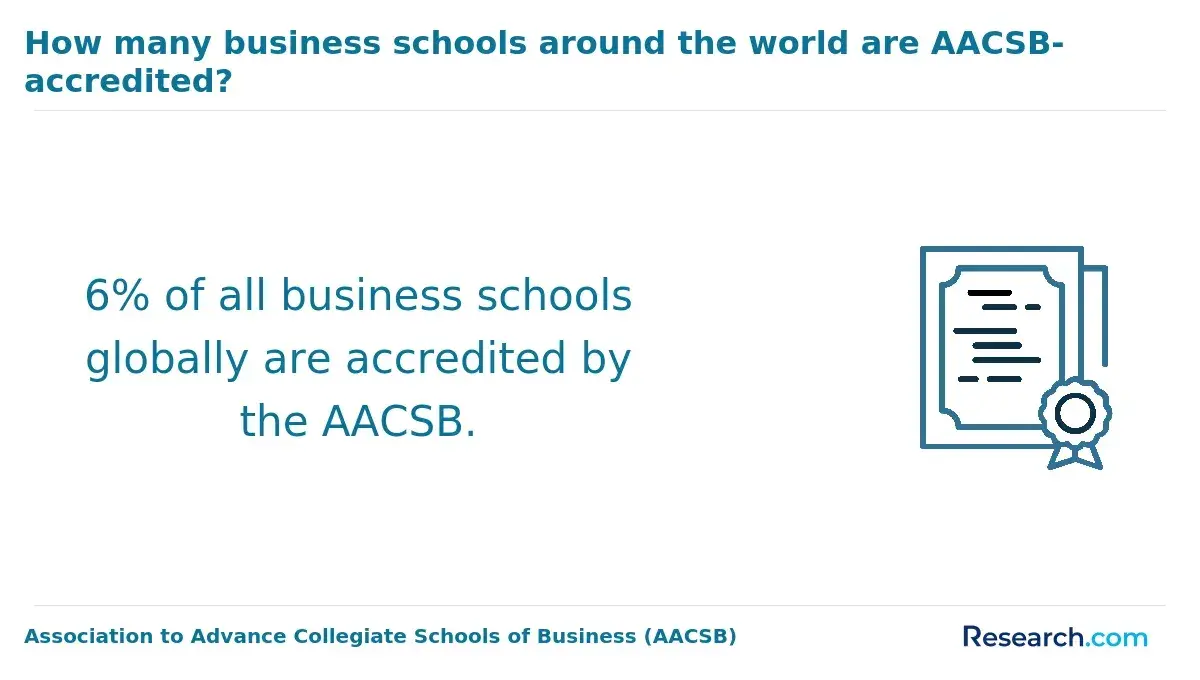
Many programs provide part-time study options, industry-recognized certifications, and virtual internships to help professionals balance full-time work with studies and apply skills immediately. Prospective students should look for accredited programs, including AACSB accredited online MBA programs, to ensure quality education and strong career prospects.
What are the admission requirements for online MBA supply chain programs?
Admission to online MBA supply chain programs typically requires a bachelor's degree from an accredited institution, with many schools expecting a minimum GPA of 3.0. However, some institutions accept applicants with lower GPAs if they demonstrate strong overall qualifications. Candidates must provide official transcripts, a professional resume emphasizing experience in logistics or supply chain roles, and a statement of purpose outlining their career goals in this specialized field. These eligibility criteria for online MBA supply chain programs ensure applicants can effectively engage with advanced coursework.
Most programs prefer candidates with two to three years of full-time work experience, improving practical learning and class discussions. Competitive programs often seek letters of recommendation highlighting leadership and analytical skills relevant to managing complex supply chains. Standardized tests such as the GMAT or GRE are commonly required but may be waived for those with significant professional backgrounds or previous graduate degrees. International students must submit English proficiency exams like TOEFL or IELTS.
In light of recent supply chain disruptions causing $1.6 trillion in global economic losses, programs emphasize knowledge of risk management and resilience strategies. Applicants should prepare detailed examples of problem-solving in global contexts and tailor essays to show adaptability during crises. For those exploring options, finding the best online EMBA programs can offer insights into program quality and affordability.
How long do online MBA supply chain programs take to complete?
The typical duration of an online MBA supply chain program ranges from 12 to 24 months, influenced by the program's structure and the student's pace. Full-time students usually finish in 12 to 18 months, while part-time flexibility can extend the timeline to 24 months or more, accommodating working professionals. Some schools offer accelerated tracks that enable completion in as little as 10 months through intensified coursework and year-round enrollment.
For those assessing time to complete an online MBA in supply chain management, program flexibility is key. Many programs feature modular course designs or asynchronous classes, allowing students to speed up or slow down based on personal and professional commitments. This approach benefits supply chain professionals juggling full-time jobs or family obligations.
Curricula increasingly prioritize skills like artificial intelligence and data analytics, with 92% of supply chain executives in 2025 emphasizing these areas, up from 65% in 2023 (Gartner Supply Chain Executive Survey 2025). Because these competencies require solid integration in coursework, extremely short programs might not fully prepare graduates for evolving industry demands.
Students should also verify experiential learning opportunities such as capstones or internships, which may extend program length but deliver valuable hands-on experience. Accreditation and curriculum rigor further influence how long it takes to meet graduation requirements.
Those seeking affordable options may consider online MBA programs no GMAT or GRE, which often combine accessibility with quality education.
What does the curriculum cover in online MBA supply chain programs?
Online MBA programs in supply chain and logistics cover essential topics such as procurement strategies, inventory management, demand forecasting, and transportation logistics. Students develop skills to optimize end-to-end supply chain operations using quantitative models and advanced software, aiming to reduce costs and improve overall efficiency.
These programs often include courses on supply chain analytics and risk management, preparing students to anticipate disruptions and build resilient supply chains. Financial and operational decision-making is addressed through modules on supply chain finance and performance measurement.
Sustainability in logistics is a key emerging trend integrated into the curriculum. Green supply chain initiatives help students design eco-friendly operations. According to the Deloitte Sustainability in Supply Chains Report 2025, these initiatives led to a 15% average reduction in corporate emissions and boosted brand value by 12% among adopters, highlighting the growing importance of environmentally responsible logistics practices.
Additional coursework frequently explores global trade compliance, strategic sourcing, and cutting-edge technology applications like blockchain and the Internet of Things (IoT). Practical experience comes from case studies, simulations, and capstone projects focused on real-world challenges.
Graduates emerge equipped to manage logistics effectively and lead innovations within rapidly changing supply chain environments influenced by economic, technological, and regulatory factors.
What are the costs of top online MBA supply chain and logistics programs?
Top online MBA programs in supply chain and logistics typically have tuition ranging from $30,000 to $90,000. For instance, Clemson University's online MBA with a supply chain specialization costs about $50,000, while Penn State's World Campus program may reach around $70,000. Some prestigious private institutions can charge upwards of $85,000. These figures generally cover tuition and basic fees but may not include textbooks or technology fees.
Cost should be weighed alongside program features such as career services, internships, and accelerated tracks. While accelerated programs reduce completion time, they often increase monthly payments. Part-time options help spread out expenses but may delay return on investment.
Financial aid, scholarships, and employer tuition reimbursement are essential to consider. Many supply chain professionals receive employer support given the increasing demand for skilled experts in AI-driven supply chain management. PwC's 2025 Digital Supply Chain Trends report notes companies utilizing AI have cut fulfillment times by 35% and improved forecast accuracy by 65%, emphasizing the importance of technology-focused business education.
Value isn't solely tied to price; curriculum relevance, technology integration, and professional networking significantly impact a program's effectiveness in today's digitally-driven supply chain environment.
Is an online MBA in supply chain as valuable as a campus-based one?
An online MBA in supply chain offers value comparable to traditional campus-based programs in terms of career outcomes, return on investment, and market demand. The GMAC Corporate Recruiters Survey 2025 reports that graduates with an online MBA in supply chain see an average salary increase of 180% within three years and typically recover tuition costs in under 2.5 years. This supports the growing recognition of online degrees by employers, especially when earned from accredited institutions with comprehensive curricula.
The flexibility of online programs allows students to maintain employment while studying, enabling them to apply new skills immediately. For instance, a logistics manager pursuing an online MBA can enhance operational strategies in real time, accelerating career progression. Although campus programs may provide richer face-to-face networking, many online options now offer virtual mentorship, collaboration tools, and networking events that effectively replicate these experiences.
Prospective students should consider key factors such as:
- Accreditation and strong industry connections
- Personal learning preferences and scheduling needs
- Career services and job placement support
- Technology platforms for accessibility and interaction
How do you choose an accredited online MBA in supply chain management?
Choosing an accredited online MBA in supply chain management involves carefully assessing accreditation, curriculum strength, faculty expertise, and industry ties. Look for accreditation from recognized bodies such as AACSB, ACBSP, or IACBE, as well as regional accreditation, to ensure recognized academic quality.
The curriculum should cover core supply chain topics like logistics, procurement, operations management, and data analytics. Programs offering specialized electives or projects on e-commerce supply chains are especially valuable since sectors like e-commerce and retail employed 42% of new supply chain MBAs in 2025, outpacing manufacturing's 28%. Focus on courses covering digital supply chain strategies and omnichannel logistics to align with market trends.
Faculty with industry experience or active research in areas such as supply chain analytics, sustainability, or global logistics add significant value. Check faculty credentials and publications before enrolling. Strong corporate partnerships also enhance career prospects by providing networking, internships, and recruitment opportunities.
Format and flexibility are key for working professionals; fully asynchronous or hybrid programs enable balancing studies with job demands. Review alumni career outcomes to evaluate the program's long-term benefit.
Use these factors to compare options, ensuring they meet your professional goals, schedule, and budget. Prioritize accredited programs with relevant curriculum and industry linkages for the best return on investment.
What salaries can you expect after an online MBA in supply chain?
Salaries following an online MBA in supply chain commonly range from $80,000 to $150,000 annually, varying by experience, geography, and role. Entry-level positions such as supply chain analyst or coordinator generally start between $70,000 and $90,000, while professionals with five or more years of experience, especially in managerial roles like supply chain manager or logistics director, often earn between $110,000 and $150,000 or more. Senior executives, including supply chain VPs, frequently command salaries exceeding $180,000.
Geographic factors notably impact compensation. The Asia-Pacific region saw a 28% rise in supply chain roles year-over-year, outpacing North America's growth by 10 points, according to the World Economic Forum Future of Jobs Report 2025. This surge has influenced global salary trends, with logistics hubs such as Singapore, Shanghai, and Sydney offering expanded opportunities.
Sector-wise, manufacturing and technology firms tend to offer higher wages for supply chain MBA compared to retail or third-party logistics. Positions requiring skills in data analytics, risk management, or sustainable supply chains often receive salary premiums.
Career advancement typically follows roles like procurement manager, operations manager, or supply chain consultant, each providing incremental salary increases. Adding certifications such as CSCP (Certified Supply Chain Professional) or CPSM (Certified Professional in Supply Management) can boost earning potential by 10-20%.
Online MBA graduates in supply chain can expect starting salaries near $80,000, with the potential to surpass $150,000 as experience and specialization grow within expanding global markets.
What is the job outlook for supply chain MBA graduates?
The job outlook for supply chain MBA graduates remains strong as demand grows for leaders with advanced expertise in global logistics. According to Korn Ferry Executive Search Trends 2025, 44% of supply chain directors hold MBAs, underscoring the degree's role in career advancement. Graduates with an MBA typically move into senior roles like supply chain director, operations manager, and procurement lead much faster than those without.
Supply chain MBA holders reach c-suite positions 2.3 times faster than non-MBA peers due to their skills in data-driven decision-making, financial acumen, and cross-functional leadership. These capabilities are critical in managing modern integrated supply chains effectively.
Employment opportunities span global logistics firms, manufacturing, and retail, where MBA s lead efforts to improve efficiency, manage risk, and introduce sustainable practices. Growing demand exists for professionals who leverage technology and analytics to optimize inventory and distribution.
Prospective students should consider MBA programs with specialized supply chain tracks emphasizing hands-on projects and industry partnerships. Networking and familiarity with digital tools such as ERP systems and AI applications enhance job prospects.
Supply chain MBA graduates can expect significant career growth with leadership paths favoring those equipped with both technical skills and strategic management competencies that meet evolving industry demands.
Other Things You Should Know About MBA
Yes, many online MBA programs offer flexibility to concentrate in additional areas such as finance, marketing, or information systems alongside supply chain and logistics. This interdisciplinary approach allows students to tailor their education to their career goals and increase their marketability across various business functions.
Students build analytical, strategic planning, and leadership skills specific to managing complex supply chains. They learn to optimize operations, improve efficiency, and make data-driven decisions using technology tools and industry best practices.
Yes, online MBA programs in supply chain and logistics offer networking opportunities through virtual mixers, alumni events, and online forums. These platforms facilitate connections with industry professionals, peers, and alumni, aiding career advancement and real-world insights into the supply chain field.
References
- Online MBA in Logistics and Supply Chain - Fees & Scope 2026 https://courseconnect.in/online-mba-in-logistics-and-supply-chain-management
- Salary After an MBA in Supply Chain Management for Freshers https://www.onlinesrm.in/blog/salary-after-an-mba-in-supply-chain-management/
- Supply Chain Management: Careers, Salary & Future Growth https://rmsbusinessschool.org/blog/supply-chain-management-mba-career-growth/
- MBA Supply Chain Management Online: Eligibility, Admission 2024, Syllabus, Top Colleges, Scope https://collegedunia.com/courses/master-of-business-administration-mba-supply-chain-management/online-courses
- Career Opportunities After an MBA in Supply Chain Management https://www.gemsbschool.com/mba-in-supply-chain-management-career/
- Online MBA in Supply Chain Management | OnlineMBA.com https://www.onlinemba.com/mba-careers/supply-chain-management-programs/
- NO GMAT Online MBA in Supply Chain Management [2026] - Best Accredited Easy and Low GPA MBA in Supply Chain Management https://www.careerherd.com/online-mba-supply-chain-management-no-gmat/
- Benefits of an Online MBA in Logistics and Supply Chain Management https://www.dypatilonline.com/blogs/benefits-of-online-mba-logistics-supply-chain-management
- Accredited Online MBA in Supply Chain Management | AIMS https://aims.education/mba-supply-chain-management-degree/
- How Long Does An Online MBA Take? | StudyNext Australia https://studynext.com/au/resources/how-long-does-an-online-mba-take