2027 Highest-Paying Jobs You Can Get With a Counseling Psychology Degree

Co-Founder and Chief Data Scientist
Choosing a career path in counseling psychology often hinges on understanding the financial benefits that accompany advanced degrees and certification. Many prospective students face uncertainty about how much a graduate degree enhances earning potential-especially when compared to alternative routes in mental health or social services. Research shows that licensed counseling psychologists earn on average 25% more than their non-licensed counterparts across various industries and locations. This wage premium underscores the significant role of professional credentials in boosting salary. This article explores those key factors-degree level, licensure, industry, and geography-to help readers assess the true return on investment of a counseling psychology degree.
Key Things to Know About the Highest-Paying Jobs You Can Get With a Counseling Psychology Degree
- Graduate credentials in counseling psychology can raise salaries by 20% to 30% compared to bachelor's-only roles, reflecting significant wage premiums tied to advanced degrees.
- Professional licensure-such as LPC or psychologist licensure-boosts earning potential by enabling access to higher-paying clinical and private practice positions.
- Return-on-investment analyses reveal counseling psychology degrees often outperform alternative pathways, with median salaries reaching $75,000 to $90,000, balancing educational costs against long-term income growth.
What Exactly Does a Counseling Psychology Degree Qualify You to Do in Today's Job Market?
A counseling psychology degree qualifies graduates for diverse roles focused on mental health, emotional wellbeing, and behavioral support, as defined by the U.S. Bureau of Labor Statistics and relevant professional associations. Employers value this credential because it combines technical expertise, analytical skills, and interpersonal competence-qualities that distinguish degree holders from those with only on-the-job experience.
Job opportunities with a counseling psychology degree today often require formal psychological assessment, therapeutic intervention, and counseling in clinical, educational, or organizational settings.
- Technical Expertise: Graduates understand psychological theories, evidence-based treatment methods, and diagnostic procedures beyond practical experience, enabling them to deliver effective client care and comply with regulatory standards.
- Analytical Skills: These programs develop research literacy and data evaluation abilities that allow professionals to scientifically assess client progress, design intervention plans, and contribute to program development across diverse populations.
- Interpersonal Abilities: Strong communication, empathy, and cultural sensitivity foster trust and rapport with clients, setting degree holders apart from peers without formal training.
- Licensure and Scope: The degree is essential for pursuing professional licensure, which legally authorizes independent practice; however, licensure requires passing exams and supervised hours. Non-licensed positions exist but typically offer lower pay and less responsibility.
- Credential-Gated Careers: High-paying roles usually require a master's or doctoral degree plus licensure or certification. Bachelor's-level holders often work in assistant roles or related fields with fewer income opportunities.
Highest-paying counseling psychology careers in the United States typically involve advanced credentials and specialized certifications. This article explores how degree level and licensure status impact salary outcomes and career trajectories, providing a comprehensive perspective to help determine the return on investment for this field compared to alternatives.
For those balancing education costs and career goals, understanding factors like salary premiums and licensure benefits is vital-especially for mid-career professionals or military veterans seeking a financially sound credential. Users interested in related credential paths might also consider the medical coding certification cost, which can complement or serve as an alternative in health-related careers.
Which Counseling Psychology Jobs Command the Highest Salaries Right Now?
Identifying which counseling psychology jobs command the highest salaries right now in the United States involves analyzing recent Bureau of Labor Statistics (BLS) data alongside other authoritative compensation surveys. Counseling psychology degree holders who reach top-paying roles typically combine advanced degrees, licensure, and niche specialization to enhance their earnings.
- Clinical Psychologists: Median annual salaries are about $81,000, rising to $104,000 at the 75th percentile and exceeding $130,000 for top earners. Doctoral degrees such as a PhD or PsyD, along with state licensure, significantly increase earning potential, especially in clinical neuropsychology and health psychology. Higher pay is typically found in private practice and hospital settings, particularly in metropolitan and higher cost-of-living areas.
- Industrial-Organizational Psychologists: While not strictly counseling psychology roles, professionals with related experience in this sector earn median salaries near $109,000, with 75th percentile wages around $140,000 and top earners exceeding $170,000. Master’s degrees can provide entry, but doctoral credentials typically lead to higher compensation. The highest pay is found in corporate environments, especially tech and consulting firms in major metropolitan business hubs.
- School Psychologists: Counseling psychology graduates working in school psychology earn median salaries around $78,000, with the 75th percentile near $95,000 and top earners exceeding $115,000. Specialist-level degrees (EdS) are often sufficient, though additional advanced credentials can improve pay. Most roles are in public school districts, with some private and charter schools offering bonuses.
- Licensed Professional Counselors (LPCs) and Marriage and Family Therapists (MFTs): These roles typically require a master’s degree and state licensure, with median salaries ranging from $50,000 to $60,000. The 75th percentile reaches $75,000, while top earners exceed $90,000 in competitive markets. Specializing in areas like trauma or substance abuse counseling can increase income, with private practice and healthcare settings often paying more than community agencies.
- Rehabilitation Counselors: Median pay is about $39,000, but specialization in areas such as neurological rehabilitation or veteran services can raise earnings, with 75th percentile incomes above $60,000 and top salaries nearing $80,000. A master’s degree is required, while doctoral degrees can support advancement into leadership roles. Higher salaries are often found in federal and state agencies.
For those reviewing top-paying counseling psychology careers and salary trends 2024 demonstrates that licensure and specialization often influence wages more than degree title alone. Doctoral degrees offer clear premiums for clinical psychologist roles, whereas master's-level counselors typically see smaller differentials unless combined with certification and targeted expertise.
Salary outcomes are highly dependent on degree level, employer sector, specialization, and geographic market-factors detailed further in following sections to aid prospective students in comparing return on investment. For individuals considering alternative or related academic paths, exploring options such as the cheapest RN to BSN online Texas programs may prove insightful for parallel healthcare careers.
How Does Degree Level-Bachelor's vs. Master's vs. Doctoral-Affect Counseling Psychology Earning Potential?
Prospective students must weigh the length and cost of graduate programs-ranging from two to seven years-alongside the lost income during that period. The income premium that follows must justify tuition expenses, student loans, and living costs. For those holding a related bachelor's degree, pursuing a master's often presents the most balanced route to increased earnings.
Career changers might find faster master's tracks or targeted doctoral paths better for reaching their goals, contingent on desired roles and licensing criteria.
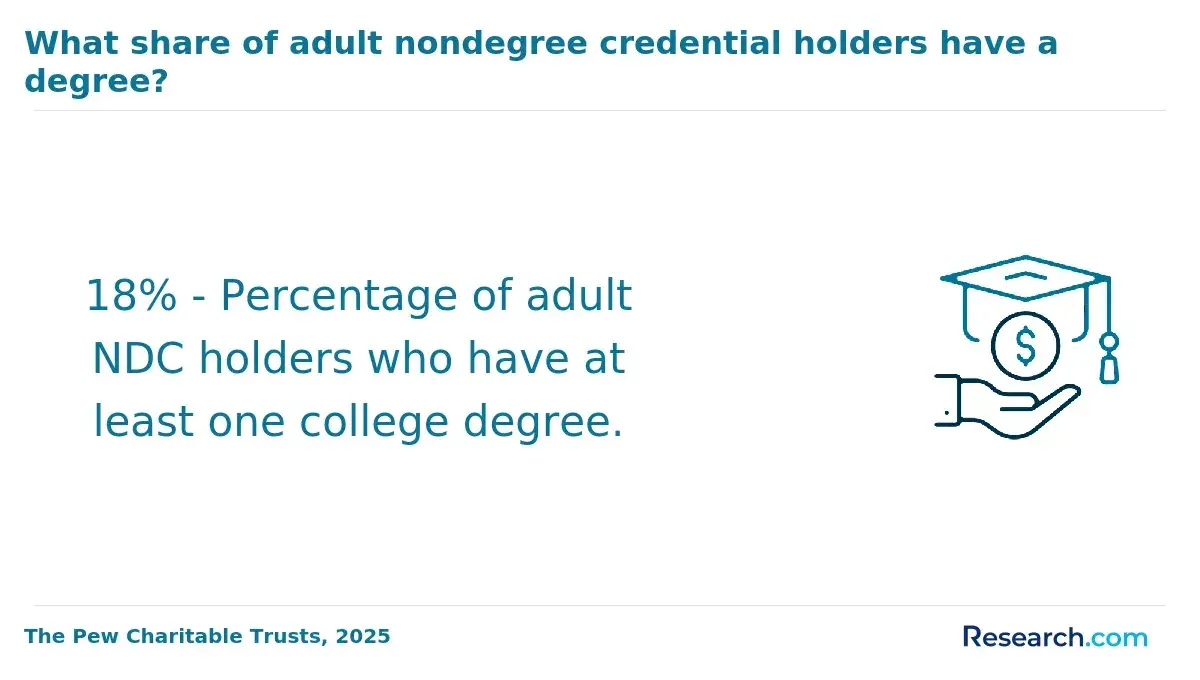
- Bachelor's Degree Earnings: Entry-level positions in counseling psychology-such as behavioral health technicians or case managers-typically require only a bachelor's degree or related field. According to BLS data, median annual wages for these roles range from $35,000 to $45,000, reflecting more limited earning potential compared to graduate-level positions. These roles often serve as stepping stones rather than final career destinations for most professionals in the field.
- Master's Degree Premium: Licensure as a professional counselor, school counselor, or substance abuse counselor usually demands completing a master's degree plus supervised clinical experience. These advanced credentials open doors to higher-paying roles, with median salaries falling between $50,000 and $65,000. The master's degree thus represents a significant financial boost by granting legal authority to provide direct mental health services and positioning holders for roles that involve specialized intervention.
- Doctoral Degree Advantages: Those earning a PsyD or PhD can access the top tier of counseling psychology jobs-clinical psychologists, professors, and senior administrative roles. Median salaries exceed $85,000 and can climb above six figures, especially for licensed clinicians in private practice or specialized institutions. Doctoral credentials are typically required by licensing boards for independent clinical work, underscoring the value of this advanced expertise and training.
Which Industries and Employers Pay Counseling Psychology Graduates the Most?
High-revenue and regulated industries like healthcare and government prioritize securing qualified counseling psychology professionals, driving competitive salaries supplemented by sign-on bonuses and continuing education funding. Talent scarcity intensifies these trends, contributing to wage disparities between industries and job titles.
- Private Sector: Graduates with counseling psychology degrees often receive the highest compensation in private organizations-especially within healthcare systems, large corporate wellness programs, and specialized mental health clinics. These employers leverage substantial financial resources to provide attractive salary packages, responding to strong market demand and talent shortages, particularly in metropolitan areas where the cost of living is high. Advanced degrees paired with licensure significantly boost earnings in this sector.
- Government Agencies: Federal, state, and local governments offer competitive pay for counseling psychology professionals, particularly in agencies serving veterans, social services, and criminal justice rehabilitation. Standardized salary scales and comprehensive benefits contribute to stable income, though salary growth may lag behind private employers. Specialized roles in these agencies frequently come with incentives such as education support and bonuses.
- Nonprofit Organizations: While nonprofit salaries generally trail those in private and government sectors, large nonprofits with ample funding-like national mental health organizations-occasionally match higher salaries, especially for licensed and clinically experienced candidates. Many choose this path motivated by mission-driven work despite comparatively lower pay.
- Self-Employed Practitioners: Independent counseling psychology professionals who establish private practices can set their own fees, often earning more than salaried roles if they cultivate strong business acumen and serve affluent or specialized niches. Earnings in this pathway fluctuate widely based on geographic and market factors.
- Degree Level and Certification Impact: Doctoral graduates with professional licensure such as Licensed Professional Counselor (LPC) or Licensed Clinical Psychologist (LCP) typically command a wage premium over master's degree holders. Certifications act as key multipliers across sectors, amplifying earning potential.
To access the highest paying industries for counseling psychology graduates, it is crucial to develop targeted skills-such as trauma-informed care or criminal justice expertise-and earn relevant certifications. Building robust professional networks during and after degree completion enhances opportunities and salary outcomes.
Considering options like online colleges with free applications can also facilitate affordable credential advancement supporting these goals.
What Geographic Markets Offer the Best-Paying Counseling Psychology Jobs?
Metropolitan areas with strong healthcare and academic sectors generally lead in offering the highest-paying counseling psychology positions, but raw salaries alone don't capture the full financial picture. Adjusting for regional cost of living illuminates the real value of compensation across different locations.
- San Francisco Bay Area, California: Despite steep expenses, high demand across hospitals, universities, and private practices sustains competitive wages, making it a lucrative market when factoring in purchasing power.
- New York City Metro, New York and New Jersey: Wages remain elevated due to dense healthcare networks and academic institutions. High living costs are somewhat balanced by premium pay for specialized counseling roles, especially in private and institutional environments.
- Boston, Massachusetts: The city's robust healthcare system and multiple universities result in strong median salaries, offering reasonable purchasing power given somewhat lower costs compared to other large metros.
- Seattle, Washington: Growth in tech alongside well-regarded medical centers creates opportunities with wages that adapt well to local living expenses.
- Midwest Urban Clusters (Minneapolis-St. Paul, Chicago): Moderate nominal wages combine with substantially lower living costs, delivering favorable adjusted salaries. These areas are expanding hubs for community mental health and education employers of counseling psychologists.
- Florida (Miami and Tampa Bay): Moderate pay paired with no state income tax and affordable living enhances disposable income for professionals in these markets.
The rise of remote and hybrid work is reshaping geographic salary dynamics. Positions like teletherapy, clinical supervision, and consultation can often be done from any location, permitting professionals to live in affordable areas while accessing better-paying roles elsewhere.
Still, licensing rules, client proximity, and facility-based work maintain a strong location dependency for many counseling psychology careers, especially in hospitals or specialty clinics. Prospective professionals must weigh the financial and lifestyle trade-offs of relocating to high-paying urban markets versus leveraging remote work from lower-cost regions to optimize income and quality of life.
How Do Professional Certifications and Licenses Boost Counseling Psychology Salaries?
Professional credentials significantly enhance earnings for counseling psychology practitioners by verifying specialized expertise and boosting job market competitiveness. Many employers offer noticeable wage increases for licensed or certified counselors-recognizing their adherence to rigorous standards and verified clinical skills.
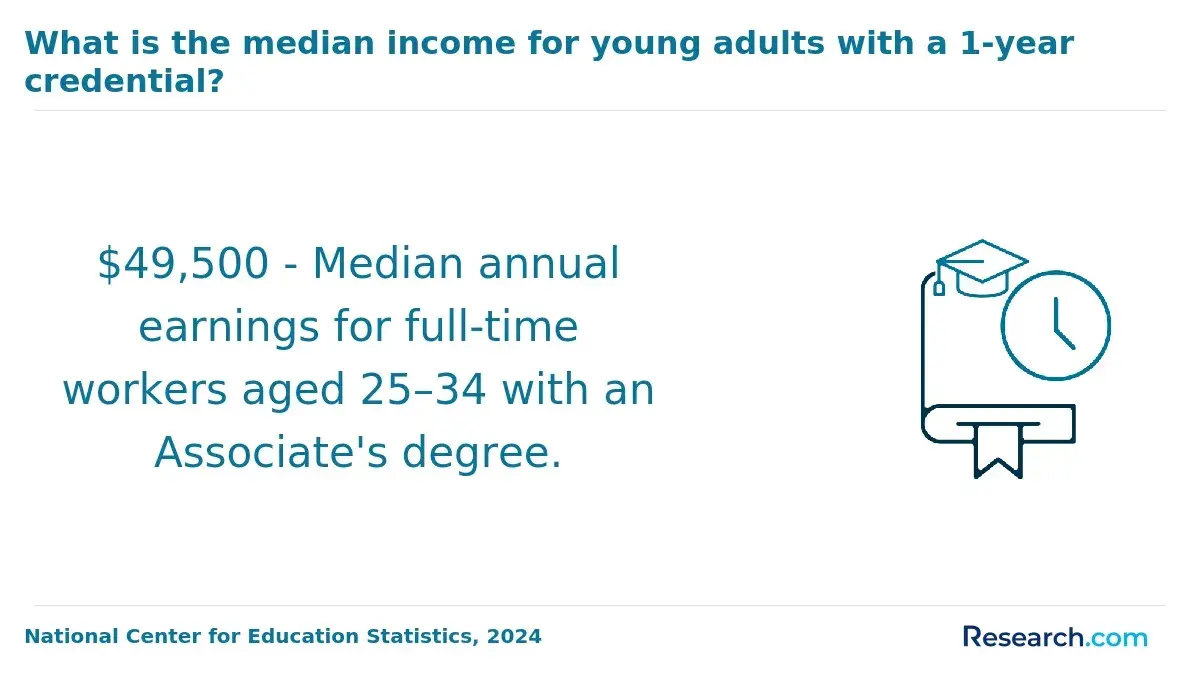
- Licensed Professional Counselor (LPC): This common license generally requires a master's degree in counseling psychology, 2,000 to 4,000 hours of supervised clinical practice, and passing the National Counselor Examination (NCE). Licenses must be renewed annually or biennially through continuing education, with fees typically ranging from $200 to $500. Data suggests LPC holders earn approximately 10-20% more than those without licensure.
- National Certified Counselor (NCC): Awarded by the National Board for Certified Counselors, this certification mandates a master's degree, at least 3,000 post-master supervised hours, and passing the NCE. Renewal occurs every five years, requiring 100 continuing education hours, with an average cost of $350. Professionals with the NCC credential report median salaries 8-15% higher than non-certified counterparts.
- Certified Clinical Mental Health Counselor (CCMHC): Building on NCC certification, this advanced credential evaluates clinical proficiency and requires ongoing education for renewal. Costs range from $400 to $600, and recipients often experience an additional 5-10% salary uplift.
- Accreditation and Eligibility: Prospective candidates should verify state-specific criteria and prioritize certifications accredited by authoritative bodies like ANSI or NCCA. Unaccredited certifications seldom influence compensation positively.
- Employer Preferences: It is crucial to identify whether credentials are preferred or mandatory within targeted industries-such as healthcare or education-as mandated licensure leads to substantially higher salary offers.
What Is the Salary Trajectory for Counseling Psychology Professionals Over a Full Career?
Entry-level counseling psychology professionals typically earn between $45,000 and $60,000 annually, reflecting credentialing and supervised practice requirements. By five years of experience, many attain licensure, boosting salaries to approximately $60,000-$75,000 as they gain autonomy and expand caseloads. Industry compensation surveys and BLS data highlight several career milestones that mark steep earnings growth.
- Mid-Career Advancement: Around ten years into the profession, counselors often reach key inflection points such as board certification, specialization in sectors like neuropsychology or substance abuse, or transitions into supervisory roles. These changes commonly elevate salaries to the $80,000-$100,000 range.
- Management and Leadership: Moving into clinical director or program manager roles significantly increases compensation-often beyond $110,000 yearly. These positions demand oversight of staff and strategic organizational input, commanding higher pay.
- Specialization Premium: Expertise in high-demand niches-like forensic counseling or health psychology-drives faster salary escalation. Additional certifications, for example the Certified Clinical Mental Health Counselor (CCMHC), further enhance earnings.
- Business Development & Reputation: Counselors who establish private practices or strong referral networks may surpass institutional salary limits. Sustained reputation-building and entrepreneurial efforts can push peak earnings well over $120,000 annually.
- Long-Term Benchmarks: With 20 or more years of experience, advanced credentials, and leadership roles, counseling psychology professionals often double or triple their entry-level salaries. Lifetime earnings research from entities such as the Georgetown Center on Education and the Workforce underscores the financial value of strategic career planning in this field.
Which Counseling Psychology Specializations and Concentrations Lead to the Highest-Paying Roles?
Specializations within counseling psychology that lead to the highest-paying roles often focus on areas where market demand, technical complexity, and regulatory requirements converge. For example, clinical neuropsychology and forensic psychology specialties tend to command premium salaries due to their specialized knowledge of brain-behavior relationships and legal system applications-fields marked by talent scarcity and extensive certification prerequisites.
Likewise, health psychology specialists who work within medical settings address complex behavioral factors affecting chronic illness-an expertise highly sought after in integrated care models and thus well-compensated. These top counseling psychology specializations for maximizing salary potential align with current labor market demand.
Occupational roles vary by concentration: neuropsychologists typically work in hospitals or research institutions, forensic psychologists often partner with legal systems, and health psychologists are employed in healthcare organizations or wellness programs. These market conditions create a wage premium tied to advanced skills and certification requirements like board certifications or state licensure with specific endorsements.
Students early in their academic journey should weigh labor market demand and growth forecasts by consulting Bureau of Labor Statistics data and professional association reports to guide specialization choices-prioritizing fields with robust employer demand over general interest.
For those already enrolled in a general counseling psychology program, post-graduation strategies include securing targeted internships in desired sectors, obtaining relevant certifications such as Licensed Professional Counselor (LPC) or Certified Forensic Psychologist credentials, and engaging in continuing education focused on emerging fields.
Considering the return on investment of available paths can help reconcile education costs with salary expectations.
- ROI: Top online counseling psychology programs often offer competitive tuition with flexible pacing, enabling students to minimize lost income while gaining credential value.
- Licensure Premium: Earning state licensure significantly increases earning potential-especially in specialties with stricter scope-of-practice regulations.
- Certification Stacking: Combining credentials tailored to niche specializations can deliver multiplier effects on salary.
Prospective students evaluating various health and behavioral science degrees might also explore related pathways such as the best online registered dietitian programs, illustrating how interdisciplinary credentials can complement counseling psychology expertise in integrated care settings.
How Does the Counseling Psychology Job Market's Growth Outlook Affect Long-Term Earning Stability?
The long-term earning stability for counseling psychology professionals is closely tied to the Bureau of Labor Statistics (BLS) projections on job market growth. Most counseling psychology-related occupations are expected to grow between 8% and 14% over the next decade-outpacing average job growth and fueled by rising mental health awareness, demographic shifts especially an aging population, and legislative support expanding access to behavioral health services.
These factors contribute to the robust demand for clinical, counseling, and school psychologists in educational and healthcare settings.
Labor market trends shaping this growth include a notably low automation risk, as counseling psychology careers depend on interpersonal skills and emotional intelligence, which technology cannot easily replicate. Employers increasingly seek professionals with advanced certifications and licensure, which provide a significant wage premium and better job security.
However, some sectors of this field face structural challenges, including budget cuts in public institutions and credential inflation, leading to more competition for fewer roles.
- Strong Growth: Roles such as clinical psychologists and licensed mental health counselors continue to offer solid employment expansion and income potential.
- Low Automation Risk: The requirement for nuanced human interaction protects these careers from replacement by technology.
- Credential Premium: Advanced degrees and professional licensure substantially enhance earning power and career prospects.
- Structural Challenges: Public sector budget constraints and credential inflation create heightened competition in some segments.
- Market Volatility: High-paying but specialized roles may involve increased risk due to cyclicality or limited job openings, demanding strategic career planning.
Professionals looking to secure their position in the counseling psychology job market growth projections should focus on acquiring advanced credentials, diversifying practice settings, and staying informed about emerging mental health trends.
This nuanced understanding helps differentiate between sustainable high-paying jobs and those with unstable demand. For those considering credential upgrades, exploring relevant pathways such as RN to nurse practitioner programs can provide insight into the value of advanced qualifications across healthcare fields.
What Leadership and Management Roles Are Available to High-Earning Counseling Psychology Graduates?
Leadership positions accessible to counseling psychology graduates include clinical director, program manager, behavioral health administrator, and executive director of mental health services. These roles usually fall within middle to senior management tiers and involve overseeing budgets, staffing, strategic planning, and regulatory compliance.
- Salary Premium: Data from the U.S. Bureau of Labor Statistics indicates management roles in social and community service organizations-which frequently employ counseling psychologists-offer median wages 30-50% higher than those of licensed clinicians without managerial duties. For instance, clinical program managers often earn above $90,000 annually compared to about $60,000 for individual counselors, reflecting the elevated accountability and financial risk.
- Credentials and Experience: Advancement requires at least a master's or doctoral degree in counseling psychology combined with supervisory experience. Many leaders also pursue additional qualifications such as MBAs or healthcare administration certifications to enhance financial acumen and leadership capabilities.
- Career Pathways: Most professionals begin as licensed counselors or therapists and accumulate 5 to 10 years of experience before moving into supervisory or managerial roles. Progression to executive levels involves demonstrated skills in team leadership, policy formulation, and navigating multi-stakeholder environments.
- Professional Development: Ongoing education in organizational behavior, finance, and human resources, alongside leadership training and mentorship participation, can expedite career advancement and readiness for management responsibilities.
Counseling psychology graduates aiming for the highest compensation should consider pursuing advanced degrees such as an MBA early in their careers. This strategic combination of clinical expertise and business knowledge significantly boosts eligibility for well-compensated executive roles within counseling psychology-related organizations.
Which Emerging Counseling Psychology Career Paths Are Positioned to Become Tomorrow's Highest-Paying Jobs?
Emerging roles in counseling psychology are set to become among the most lucrative in the coming decade, influenced by advancements in technology, shifting population needs, and evolving industry demands. Labor market experts and sources like O*NET and the World Economic Forum highlight several key professions shaping this future:
- Digital Mental Health Specialist: These practitioners utilize telehealth platforms, artificial intelligence diagnostics, and mobile apps to expand mental health access, with academic programs increasingly incorporating training on these digital tools and remote therapeutic strategies.
- Neuropsychological Counselor: Combining neuroscience with psychotherapy, these specialists aid clients with brain injuries or neurological conditions. Degree curricula are broadening to include neurocognitive evaluation and recovery methods.
- Diversity and Inclusion Consultant: These experts promote cultural competency and address systemic mental health inequalities through organizational coaching and policy guidance. New credentialing options and workshops focusing on social justice and multicultural counseling prepare graduates for this niche.
- Behavioral Health Data Analyst: Professionals in this role analyze complex health data to improve treatment outcomes, requiring expertise in statistics, machine learning, and health informatics-skills often developed through supplementary data science boot camps.
Pursuing these emerging paths involves weighing the uncertainty of market adoption against the benefits of being an early entrant. Among these, digital mental health and neuropsychology offer particularly strong growth potential due to robust underlying trends and demand.
To maintain a competitive edge, it's essential to engage with professional organizations such as the Society of Counseling Psychology and utilize labor analytics platforms like Lightcast or LinkedIn Economic Graph. Staying informed through specialized journals and conferences, as well as acquiring relevant certifications and ongoing skill updates, are critical steps to maximize earnings and career longevity in this dynamic sector.
What Graduates Say About the Highest-Paying Jobs You Can Get With a Counseling Psychology Degree
- Azrael: "Choosing to pursue my online counseling psychology degree was a game-changer-especially when I saw the wage premium that comes with holding graduate credentials. The salary boost compared to those with just a bachelor's degree was palpable in my job offers. It truly highlighted how investing in advanced education can open doors to higher-paying roles in healthcare and education sectors."
- Alvaro: "My journey through counseling psychology taught me that obtaining professional licensure and certification isn't just a rite of passage-it significantly impacts earning potential. Licensure has been essential in accessing more specialized and lucrative positions, particularly in clinical settings. Reflecting on this, the extra effort required for certification was well worth the substantial salary increase I now enjoy across several states."
- Robert: "When I weighed the return on investment of a counseling psychology degree against alternative career paths, it became clear how uniquely rewarding it is financially and professionally. While some routes may promise quicker entry into the workforce, the degree's versatility-combined with opportunities in both private practice and institutional roles across various regions-makes it invaluable. My perspective shifted once I recognized how different industries and geographic locations can drastically influence compensation."
Other Things You Should Know About Counseling Psychology Degrees
Pursuing a management role within a counseling practice can significantly increase earning potential for degree holders in 2027, as these positions often come with higher salaries due to added responsibilities, leadership duties, and oversight of operations within the practice.
Employer type has a notable impact on compensation in counseling psychology careers. Private sector employers-such as private clinics or healthcare organizations-often provide higher salaries and performance bonuses but may offer fewer benefits. Public sector jobs, including schools and government agencies, usually have more stable salaries and better benefits but lower pay levels. Nonprofit organizations can vary widely, typically offering lower salaries but opportunities for loan forgiveness and mission-driven work.
Internships, practicums, and early clinical experience are critical for increasing starting salaries in counseling psychology. Employers value hands-on experience gained during graduate training because it demonstrates practical skills and readiness to practice independently. Graduates with robust clinical hours and strong professional networks are often offered higher starting pay and better job placement opportunities immediately after graduation.
References
- Certification Benefits for Early Career Psychologists - ABPP https://abpp.org/application-information/application-types/early-career-psychologist-ecp/certification-benefits-for-ecps/
- Counseling psychologists: Salary, career path, job outlook, education and more - RaiseMe https://www.raise.me/careers/life-physical-and-social-science/psychologists/counseling-psychologists/
- 15 Highest Paying Countries for Psychologists https://finance.yahoo.com/news/15-highest-paying-countries-psychologists-100132911.html
- 10 Highest Paying Psychology Jobs https://www.greatvaluecolleges.net/highest-paying-psychology-jobs/
- How to Find a Leadership Job in Behavioral Health | All You Need to Know https://www.therecoveryvillage.com/professionals/jobs/leadership-positions/
- Career Opportunities and Prospects in Counselling Psychology • Psychology Town https://psychology.town/counselling-interventions/career-opportunities-counselling-psychology/
- The 5 Highest Paying Careers in Counseling | CCU Online https://www.ccu.edu/blogs/cags/2014/12/the-5-highest-paying-careers-in-counseling/
- Mental Health Counselor Job Outlook and Salary | Bradley University Online https://onlinedegrees.bradley.edu/blog/mental-health-counselor-job-outlook
- Fastest Growing Careers In Psychology | Psychology.org https://www.psychology.org/resources/fastest-growing-careers-in-psychology/
- 10 Highest Paying Countries for Psychologists: Top Companies & Avg Salary https://www.instarem.com/blog/highest-paying-countries-for-psychologists/