2027 Working Full-Time During an Online MBA: What Makes It Manageable

Co-Founder and Chief Data Scientist
Balancing full-time employment with pursuing an online MBA often challenges time management and stress levels. Many professionals struggle to meet work deadlines while completing coursework, risking burnout and decreased performance in both areas. The lack of in-person interaction can also create feelings of isolation, complicating motivation and study discipline.
This article explores practical strategies for managing workload, utilizing flexible scheduling, and maintaining motivation. It aims to provide actionable insights to help working students succeed in their online MBA programs without sacrificing career progress or personal well-being.
Key Things You Should Know
- Time management and employer support are critical; 78% of online MBA students report flexible work arrangements as key to balancing full-time jobs and studies in 2025.
- Technology-driven platforms enable asynchronous learning, helping students personalize study schedules around demanding work commitments.
- Strong self-discipline and goal setting correlate with a 65% higher completion rate among full-time working online MBA candidates, according to recent academic surveys.
Can you work full-time while pursuing an online MBA?
Yes, you can work full-time while pursuing an online MBA program, but it demands strong time management and a clear strategy. These programs offer flexibility through asynchronous coursework and recorded lectures, allowing students to study outside traditional work hours. Balancing a full-time job and online MBA studies typically requires prioritization and discipline to stay on track.
Working professionals often allocate 10 to 15 hours weekly for MBA coursework, including evenings and weekends. Consistent scheduling and setting clear weekly study goals help prevent burnout. Communicating with employers about your MBA commitments can also lead to support like adjusted hours or tuition assistance.
Full-time employees should identify busy and quieter periods at work to plan study time accordingly. Selecting MBA programs with part-time pacing or extended durations can make balancing responsibilities more manageable. Key considerations include confirming program flexibility and support services, prioritizing assignments early, and maintaining mental and physical health throughout the process.
The 2024 Graduate Management Admission Council Corporate Recruiters Survey reports MBA graduates earn a median starting salary of $120,000, a 70% premium over those with only a bachelor's degree. This salary advantage reflects the value of applying new skills immediately to accelerate career growth. For those exploring options, many turn to most affordable MBA programs to optimize their investment.
What makes online MBAs suitable for full-time professionals?
Online MBAs offer flexibility essential for full-time professionals managing careers and education. These programs typically allow students to customize their pace by taking one course at a time or spreading coursework over several terms. This modular design supports better work-life balance, especially when combined with time management strategies for full-time online MBA students.
Students generally dedicate 10-20 hours weekly to studies, often through asynchronous formats that accommodate varied schedules, including evenings and weekends. This flexible pacing helps working professionals integrate learning without disrupting their job responsibilities.
Multiple delivery formats are available, such as accelerated terms, self-paced options, and part-time enrollment. For instance, a working parent might choose lighter course loads during busy times, while others maintain steady weekly progress. Such adaptability reduces burnout and sustains motivation.
Support services are another critical element, offering virtual tutoring, career coaching, and discussion forums to enhance engagement without requiring physical presence. Technology-driven platforms also enable mobile access, letting students study during breaks or commutes.
Key benefits of flexible online MBA programs for working professionals include:
- Adjustable course loads tailored to personal schedules.
- Asynchronous content for flexible study times.
- Weekly time commitments averaging 10-20 hours.
- Online support services maximizing efficiency.
Those interested in affordable AACSB accredited online MBA programs can explore options through affordable AACSB accredited online MBA programs, ensuring quality education suited to professional lifestyles.
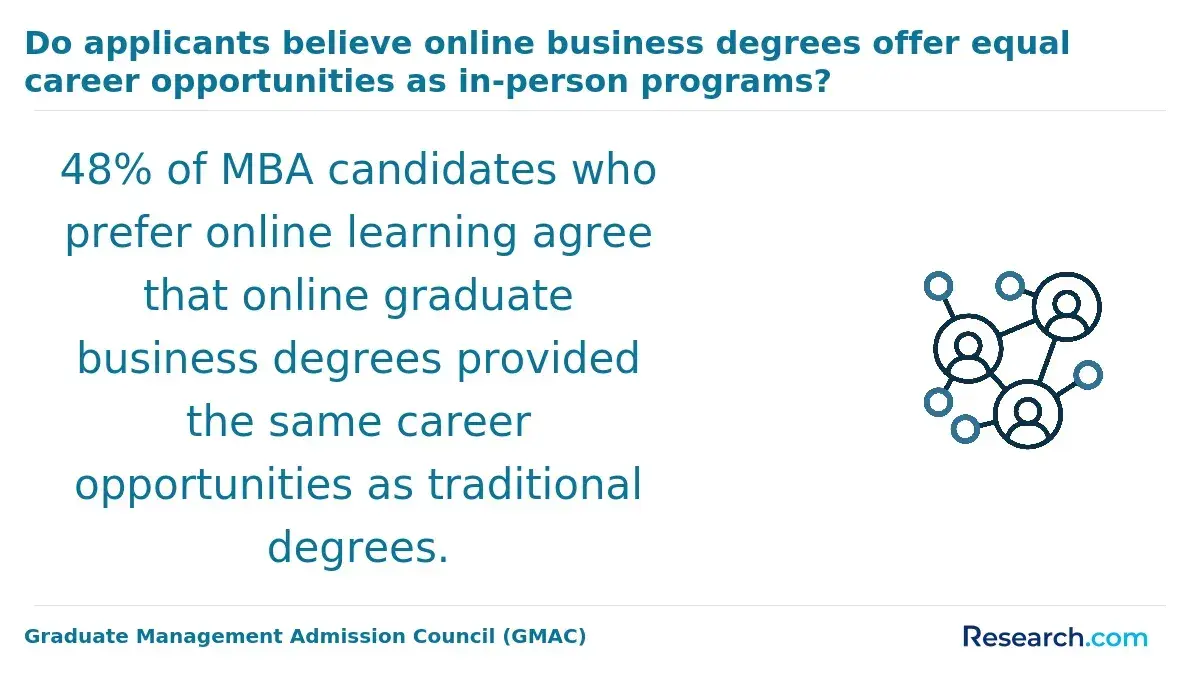
How do you balance a full-time job with an online MBA?
Balancing a full-time job and an online MBA program demands deliberate time management strategies for working professionals in online MBA. Successful students often allocate 10 to 15 hours per week outside work hours, dividing study time between early mornings, evenings, and weekends. This flexibility allows adjustment during busy work periods or personal commitments.
Integrating work and study is an effective approach; applying course concepts directly to job projects reinforces learning and reduces additional effort. Many employers support professional growth by offering schedule flexibility or tuition assistance, which helps manage workload and finances. Part-time online MBA students typically achieve a higher return on investment by maintaining income and minimizing loans, compared to full-time students facing greater opportunity costs (SMU Cox School of Business).
Time management strategies include using digital tools like calendar apps, task managers, and learning platforms to stay organized and avoid burnout. Challenges such as unexpected work deadlines and procrastination can be tackled with clear communication about academic commitments and setting achievable goals. Peer study groups and academic advisors also provide valuable accountability and motivation.
Each student's success depends on job demands, family responsibilities, and program rigor. Customizing study plans and setting firm boundaries between work, school, and personal time are essential. For those exploring options, the cheapest online executive MBA programs can offer accessible paths tailored to working professionals.
What are the top online MBA programs for working professionals?
Top online MBA programs for working professionals in the US combine flexibility with rigorous academics, allowing students to advance their careers while studying. The University of North Carolina's Kenan-Flagler Business School offers a part-time MBA completed in 18 to 36 months with mainly asynchronous coursework. Carnegie Mellon's Tepper School features a hybrid format with live online sessions and in-person intensives, catering to those who want real-time interaction without pausing work. Indiana University's Kelley School is nationally ranked for its strong career services and leadership development, supporting professionals targeting managerial roles.
These programs emphasize relevant skills like leadership, analytics, and strategy, helping students apply new knowledge immediately in the workplace. According to SMU Cox School of Business, balancing work with an MBA enables candidates to demonstrate progress directly to employers, often accelerating promotions. This practical synergy justifies the time invested in the degree.
When selecting the best flexible online MBA degrees for full-time employees, consider:
- Duration flexibility aligned with your work schedule
- Interactive components such as live sessions and group projects to enhance networking
- Strong career support focusing on internships and job placement
- Accreditation and national rankings validating program quality
- Cost-effectiveness and availability of financial aid
Schools like Arizona State University and Rice University also offer quality online MBA programs tailored to working professionals. For those exploring financial barriers, reviewing online MBA programs no GMAT can provide options with reduced entry requirements.
What admission requirements apply to online MBA programs?
Admission to online MBA programs typically requires a bachelor's degree from an accredited institution with a minimum GPA of 2.5 to 3.0, though more competitive programs may ask for 3.2 or higher. Many schools also request GMAT or GRE scores; however, some offer test waivers for applicants with five or more years of relevant work experience.
Work experience is crucial, with most programs expecting two to three years of full-time professional background. This experience not only shows readiness for graduate-level study but also enhances peer learning with diverse cohorts.
Additional requirements include letters of recommendation from supervisors or professional contacts who can attest to the candidate's leadership and analytical skills. A concise statement of purpose is essential, outlining career objectives and how the program aligns with them.
Some programs require interviews to evaluate communication skills and cultural fit. International students must prove English proficiency with TOEFL or IELTS scores if their previous education was not in English.
Prerequisite courses in quantitative subjects such as accounting or statistics may be necessary. Candidates without this background often complete bridge courses before starting the program's core curriculum, ensuring a smooth transition. Early preparation of these elements helps balance work and study demands effectively.
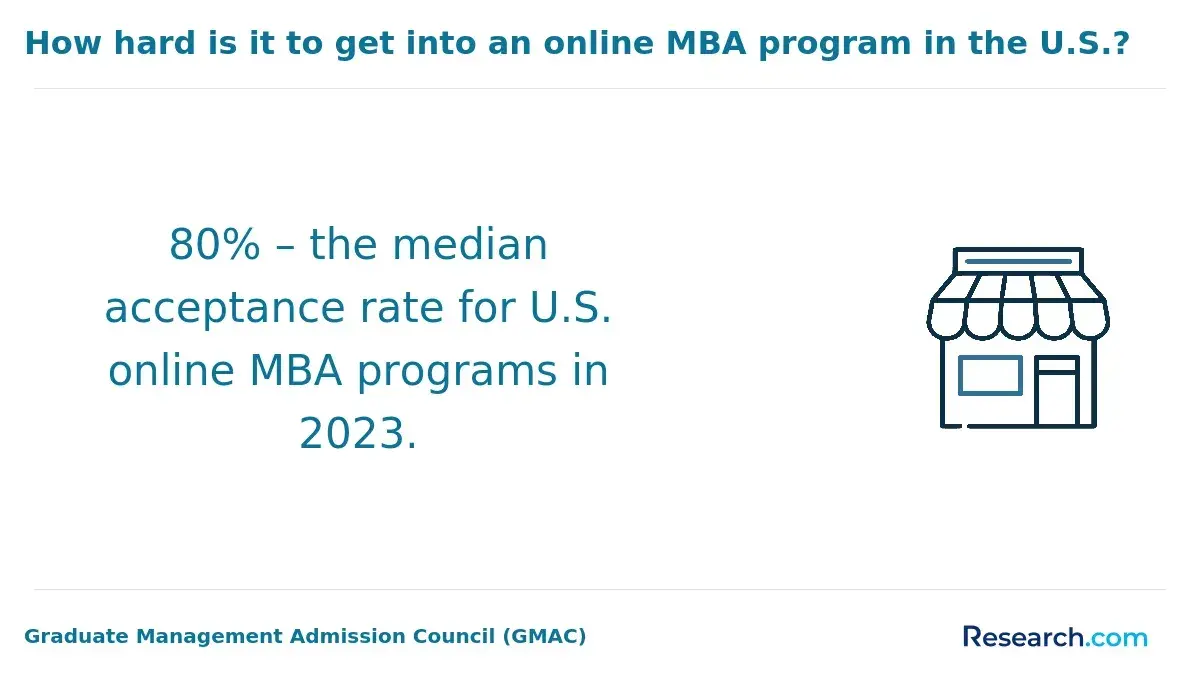
How long does an online MBA take for full-time workers?
An online MBA for full-time workers generally takes two to four years, depending on program design, course load, and a student's ability to juggle work and studies. Part-time enrollment is common, offering flexibility but often extending the duration. Accelerated programs can shorten completion time to about 18 months but require significant weekly commitment.
Several factors affect the timeline, including employer support, program format, and personal scheduling. For instance, a professional working over 40 hours weekly might opt for one or two courses per term, stretching the program over three to four years. Conversely, those with employer tuition assistance and lighter workloads can take heavier course loads, completing the program in two years or less.
Effective time management and prioritization are essential when balancing a full-time job with online study. Many programs offer asynchronous learning, allowing students to access materials on their own schedule. Weekend or evening study sessions help maintain steady progress.
Remaining employed while pursuing an MBA offers advantages. According to a 2017 NACE study referenced by the Howard University Online MBA Blog, only 5.1% of employers disregard work experience in hiring decisions. Continuing to work enhances job competitiveness by combining academic credentials with ongoing career momentum.
What does the online MBA curriculum cover for professionals?
Online MBA programs for working professionals balance comprehensive business education with flexible scheduling. Core courses cover finance, marketing, operations, leadership, strategy, and data analytics, essential for effective decision-making and management. Electives often let students specialize in fields like entrepreneurship, supply chain management, or digital transformation to align with career goals.
The curriculum emphasizes practical learning through case studies, simulations, and team projects, enhancing problem-solving and collaboration skills needed in managerial roles. Many programs include courses on organizational behavior and ethics to prepare students for complex interpersonal dynamics and responsible leadership.
To accommodate busy professionals, online MBA use asynchronous lectures and recorded sessions, allowing study without interrupting work. Interactive tools such as discussion boards and virtual teamwork encourage engagement without fixed schedules. This flexibility supports career advancement while managing existing job demands.
Employers highly value graduates with online MBA degrees for their current expertise and immediate workforce application. According to Howard University, 92% of employers planned to hire MBA graduates in 2022, with a 97% hiring rate in 2021. The median starting salary for MBA holders was $115,000, compared to $65,000 for those with only a bachelor's degree. These figures highlight the value of the MBA curriculum in preparing students for well-paid leadership roles.
What careers and salaries follow an online MBA?
Graduates with an online MBA often secure roles in management, such as project manager, operations manager, marketing director, financial analyst, or business consultant. Salaries for mid-level positions generally range between $70,000 and $110,000 annually, with senior leadership roles exceeding $150,000 depending on experience and industry.
Key industries recruiting online MBA holders include finance, technology, healthcare, and consulting, where specialized business knowledge and flexible online learning backgrounds are highly valued. For example, financial analysts earn a median salary around $85,000, marketing managers average about $105,000, and healthcare administration roles typically start near $90,000 with advancement potential.
Online MBA enrollment has notably increased, doubling from 14% in 2018 to 28% by 2023, with over 47,000 students enrolled in 2021-2022 (Tulane Freeman News, 2025). This trend highlights growing employer confidence and acceptance of online credentials across competitive fields.
To maximize salary growth post-MBA, candidates should pursue internships, part-time consulting, or leadership projects during their studies. Networking via virtual alumni groups and professional associations also broadens access to high-paying opportunities.
Tailoring MBA concentrations to industry needs-such as data analytics for tech or supply chain management for manufacturing-enhances employability. Continuous skills development and relevant certifications further open doors to six-figure salaries and senior roles.
How does accreditation impact online MBA value?
Accreditation plays a vital role in determining the value of an online MBA by confirming that the program meets rigorous academic and professional standards. Reputable accreditations like AACSB or ACBSP ensure that the curriculum, faculty qualifications, and student outcomes align with industry expectations, which enhances employer recognition and credit transferability. Without recognized accreditation, an online MBA may face skepticism from recruiters, limiting career advancement and financial aid opportunities.
Accredited programs typically provide enhanced learning materials and strong support services such as career counseling and networking, which are essential for students balancing work and study. Accessibility and flexibility are important factors for many applicants; for example, women made up 41% of online MBA applicants compared to 35% in traditional full-time programs, while first-generation students often prefer online formats for their adaptability (Tulane Freeman News, 2025 citing GMAC 2024 survey).
When selecting an online MBA, verify the program's accreditation status through recognized agencies. Avoid programs lacking regional or specialized accreditation, as these are less respected professionally. Prioritizing accredited programs helps ensure your degree is valuable for career growth, meets licensing requirements when relevant, and supports pathways to advanced study.
How to choose the best online MBA for your career?
Evaluating an online MBA program's alignment with your career goals and learning style is essential. Prioritize curricula that emphasize strategic thinking and leadership, which offer immediate job return on investment by enabling you to apply skills directly in your current role, as noted by UF Warrington News. Programs with such focus help set graduates apart in today's competitive job market.
Choose accredited institutions recognized by reputable bodies like AACSB to ensure program quality and employer credibility. Flexibility in scheduling-such as asynchronous coursework and manageable time-to-completion-supports balancing full-time work and study effectively.
Consider the experience of faculty members and networking possibilities. Instructors actively engaged in industry bring practical insights, while alumni networks provide valuable career connections. Assessing these can enhance both learning and job prospects.
Costs vary widely, with tuition ranging from $20,000 to over $100,000. Weigh these expenses against expected salary increases post-graduation and check availability of employer tuition assistance or financial aid.
Technical support and platform usability also play a critical role. Reliable learning management systems reduce stress and improve focus-student reviews can help anticipate any challenges.
Examining program relevance, accreditation, schedule flexibility, faculty expertise, costs, and technical infrastructure together ensures you select an online MBA that advances your career without sacrificing work commitments.
Other Things You Should Know About MBA
In 2027, managing full-time work while pursuing an online MBA is achievable through effective time management, leveraging program flexibility, and using technological tools. Many programs offer asynchronous classes that allow students to balance demanding work schedules with academic commitments. Prioritizing tasks and maintaining open communication with employers and professors further enhance manageability.
Online MBA degrees from accredited institutions are generally respected by employers when the program has strong faculty involvement and recognized accreditation. Recent trends show increasing acceptance of online MBAs, especially from well-known universities with robust online platforms. Nonetheless, the reputation of the school and the relevance of the program to one's career field remain important factors for employers.
While online MBA students may face limitations in face-to-face interactions, many programs provide virtual networking events, discussion boards, and group projects to foster connections. Additionally, some online MBA include optional residencies or in-person sessions to enhance networking. Leveraging alumni networks and online professional platforms also helps build valuable industry contacts.
Students should be comfortable with basic computer operations, reliable internet access, and using learning management systems such as Blackboard or Canvas. Familiarity with virtual communication tools like Zoom and Microsoft Teams is also important for participating in live sessions and group work. Strong time management and self-motivation complement these technical skills for success in an online MBA.
References
- Online MBA 2026 https://rankings.ft.com/rankings/3007/online-mba-2026
- How to Choose the Best Online MBA Program for Your Career https://www.dypatilonline.com/blogs/how-to-choose-online-mba-program-for-career-growth
- Balancing Work, Family, and an Online MBA: Strategies for Success https://onlinedegrees.scu.edu/media/blog/balancing-work-family-and-an-online-mba
- Are Online MBAs Recognised by Employers? https://www.mystudy.fit/blog/are-online-mbas-recognised-by-employers
- MBA Accredited Schools | OnlineMBA.com https://www.onlinemba.com/resources/what-is-accreditation/
- Best Online MBA Programs https://www.princetonreview.com/business-school-rankings
- Howard - Online Mba https://www.howard.edu/online-mba
- Online MBA While Working Full Time in India: 8 Time Management Strategies That Actually Work https://educollege.in/blog/online-mba-while-working-full-time-in-india-8-time-management-strategies-that-actually-work
- How to Manage an Online MBA with a Full-Time Job | FIND MBA Online https://findmbaonline.com/articles/how-to-manage-an-online-mba-with-a-full-time-job
- What can you do with an online MBA? | edX https://www.edx.org/resources/what-can-you-do-with-an-online-mba