
2027 Best PsyD Programs in Oregon: APA Accredited Online & Campus

Co-Founder and Chief Data Scientist
Oregon faces a growing demand for licensed psychologists, with employment projected to increase 18% from 2020 to 2030, outpacing national averages. Selecting an APA-accredited PsyD program, whether online or on-campus, ensures rigorous training and eligibility for licensure in the state. Such accreditation validates program quality and aligns with state requirements, enhancing career prospects.
This article, developed by experts in career planning, evaluates the best accredited PsyD programs in Oregon, helping prospective students make informed decisions based on verified data and regional needs. It also highlights key program features and admission criteria to support confident, goal-oriented choices.
Key Benefits of APA Accredited PsyD Programs in Oregon
- Online APA-accredited PsyD programs offer flexibility, allowing students to balance work and study, appealing to the 42% of psychology graduate students who are working professionals.
- Distance learning formats maintain rigorous curriculum standards, with 97% of APA-accredited programs reporting graduation rates above the national average, ensuring quality education regardless of location.
- On-campus programs offer direct access to clinical training sites, which is crucial, given that 85% of PsyD graduates secure practicum placements through campus partnerships, vital for licensure readiness.
- How many APA accredited PsyD programs are available in Oregon?
- What are the best APA accredited PsyD programs in Oregon?
- Who is eligible to apply to APA accredited PsyD programs in Oregon?
- What are the requirements to get into an APA accredited PsyD program in Oregon?
- What PsyD specializations are available in Oregon?
- What courses are typically included in APA accredited PsyD programs in Oregon?
- How do PsyD students find internships in Oregon?
- What are the pros and cons of online and campus PsyD programs in Oregon?
- What jobs can you get with a PsyD in Oregon?
- What is the average salary of PsyD graduates in Oregon?
How many APA accredited PsyD programs are available in Oregon?
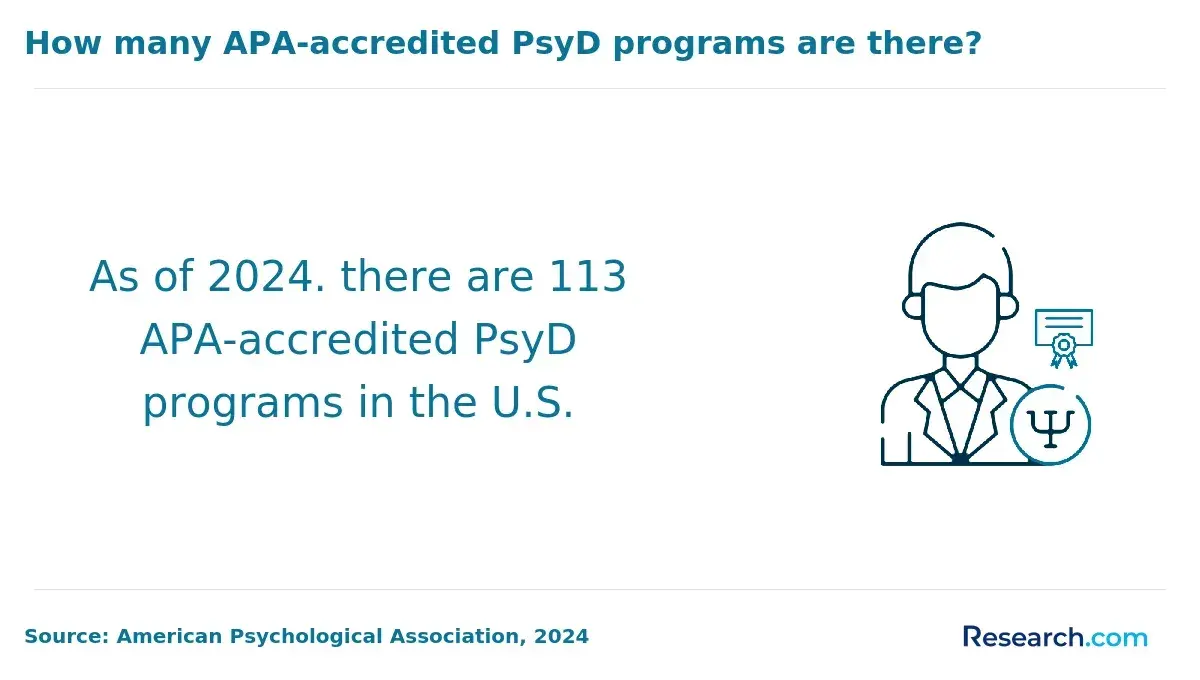
Oregon currently has two APA-accredited PsyD programs, both offered exclusively through campus-based formats with no fully online or hybrid options accredited by the APA in the state. George Fox University in Newberg provides a five-year, in-person PsyD in Clinical Psychology with specializations including Primary Care, Child and Adolescent, and Psychological Assessment. Pacific University in Hillsboro also offers a campus-based PsyD in Clinical Psychology, alongside its PhD program, both APA-accredited and requiring in-person attendance.
APA accreditation involves a rigorous evaluation of program curriculum, faculty qualifications, clinical training, and student outcomes conducted by the American Psychological Association's Commission on Accreditation. This accreditation is critical as it ensures the quality of doctoral training, is often required for state licensure, and is highly regarded by employers.
For those seeking alternatives, Oregon State University offers a Clinical Science PhD designed to meet licensure requirements, though it is not yet APA-accredited but plans to apply for contingent status. Oregon Health & Science University provides a Clinical Psychology PhD focused on health psychology and neuroscience, currently without APA accreditation. Pacific University also offers an APA-accredited PhD in Clinical Psychology as another option within the state.
Recent trends in Oregon's doctoral psychology education indicate a national increase in online psychology doctorates, yet no APA-accredited online PsyD programs exist locally. Workforce data highlight a growing demand for clinical psychologists driven by expanded mental health needs and integrated healthcare roles. Additionally, new programs like Oregon State University's Clinical Science PhD are pursuing APA accreditation, signaling gradual growth and diversification in advanced psychology training options in the state.
What are the best APA accredited PsyD programs in Oregon?
Students seeking the best APA-accredited PsyD programs in Oregon should evaluate factors such as faculty expertise, research opportunities, clinical training partnerships, and student outcomes. APA accreditation ensures that the program meets nationally recognized standards for curriculum quality, clinical supervision, and licensure preparation.
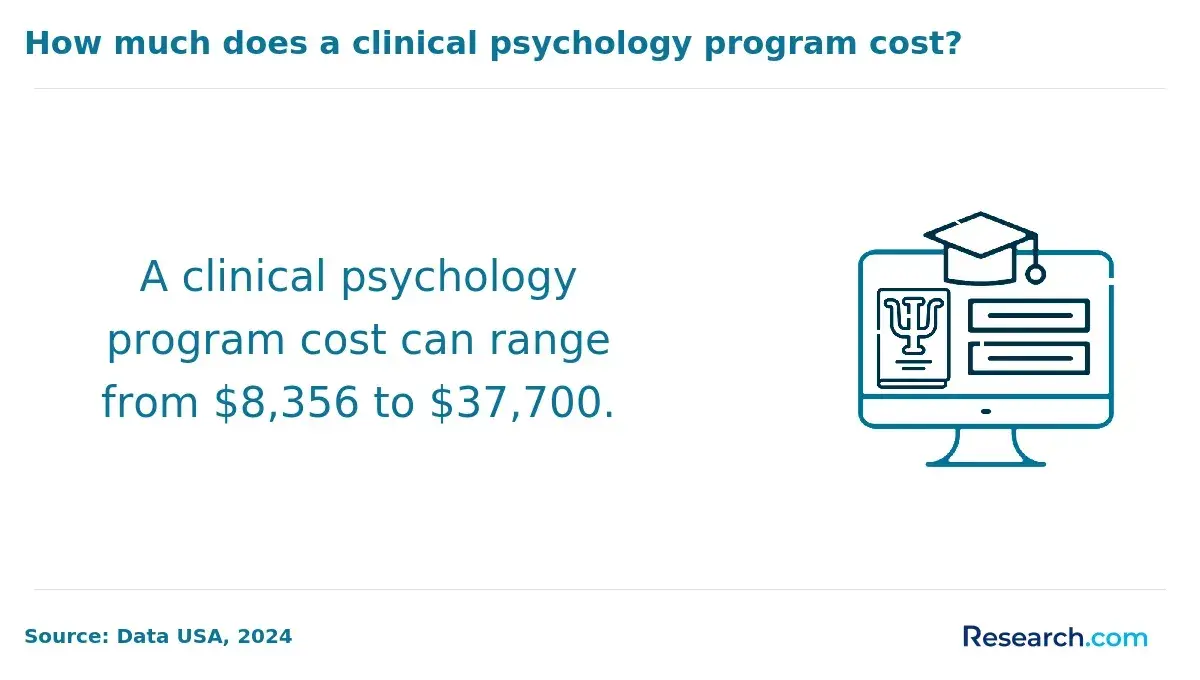
- George Fox University (Newberg, OR) - Campus-Based: Offers a five-year APA-accredited PsyD program in clinical psychology, requiring in-person coursework. Average annual tuition is $28,750, with 85% of students receiving graduate assistantships.
- Pacific University (Forest Grove, OR) - Campus-Based: Provides a five-year APA-accredited PsyD program emphasizing health psychology, child psychology, and neuropsychology, including extensive clinical practicum experiences.
- Antioch University (Hybrid/Seattle Campus): APA-accredited program primarily campus-based in Seattle but accessible to Oregon students via hybrid delivery combining online coursework with required in-person residencies and clinical training over five years.
- Oregon Health & Science University (OHSU) - Hybrid: Clinical Psychology PsyD blends on-campus and online learning focused on health psychology and neuroscience, with clinical placements throughout Oregon supporting flexible training.
- Regent University (Hybrid/Remote Access): Campus-based in Virginia but offers remote coursework to Oregon residents through hybrid models, featuring national internship opportunities and intensive licensure preparation.
Applicants should also investigate each program's current APA accreditation and hybrid delivery details, as the APA does not accredit fully online PsyD programs, emphasizing the need for substantial in-person clinical training. For those comparing pathways, understanding the differences between a board certified behavior analyst vs registered behavior technician key differences can provide useful insights into career specialization within clinical settings.
Who is eligible to apply to APA accredited PsyD programs in Oregon?
Students best suited for APA-accredited on-campus PsyD programs in Oregon generally include recent psychology graduates, career changers aiming for clinical licensure, and those who thrive in structured, immersive academic settings. These individuals value direct mentorship from faculty and collaborative learning with peers, which fosters robust professional development.
Hands-on clinical experiences form a core component of these programs, ensuring candidates gain practical skills required for licensure. Such students often seek access to on-site research facilities and frequent face-to-face interactions that contribute to deeper clinical understanding. This cohort tends to benefit from environments that emphasize in-person supervision and applied practice.
Conversely, online or hybrid PsyD applicants commonly consist of working professionals, caregivers, or those living distant from accredited campuses, requiring greater flexibility. These programs demand self-directed engagement and comfort with digital platforms, as asynchronous coursework accommodates diverse schedules.
Despite the convenience, all candidates in APA-accredited programs must complete substantial in-person clinical training to meet accreditation and licensure standards. Those interested in becoming a board certified behavior analyst may find hybrid formats provide a balanced approach between accessibility and rigorous clinical preparation.
What are the requirements to get into an APA accredited PsyD program in Oregon?
APA-accredited PsyD programs in Oregon have specific academic and professional requirements designed to prepare students for doctoral-level clinical psychology training. Meeting these requirements helps ensure applicants are well-prepared for the rigors of both online and campus-based PsyD programs in Oregon.
Key requirements typically include:
- Educational Background: Applicants must hold a bachelor's degree from a regionally accredited institution, with a strong foundation in psychology coursework preferred.
- GPA: Most programs expect a minimum GPA between 3.0 and 3.4, with Pacific University recommending at least 3.4 in the final two undergraduate years.
- Prerequisite Coursework: Core courses such as Statistics and Abnormal Psychology are required; others, like Research Methods and Experimental Psychology, are recommended.
- Relevant Experience: Research, clinical exposure, or mental health volunteer work demonstrates preparation and interpersonal skills.
- Standardized Tests: The GRE may no longer be required at some institutions; applicants should verify with each program.
- Letters of Recommendation: At least three academic or professional references are generally required.
- Personal Statement: A statement outlining career goals and motivation is essential.
- Interview or Assessment: Finalists often undergo interviews and group assessments to evaluate suitability.
- English Proficiency (International Students): Minimum TOEFL scores, such as 100 on the iBT for Pacific University, are required.
Prospective students interested in clinical training should also explore what is the best online bcba degree program as part of their broader educational planning.
What PsyD specializations are available in Oregon?
Selecting a PsyD specialization is essential for aligning doctoral training with one's professional interests and career trajectory in psychology. Focusing on a particular area allows students to develop targeted skills, making them more competitive in Oregon's varied behavioral health job market.
Below is an overview of common PsyD specializations offered in Oregon, highlighting their unique training emphases and typical career pathways.
- Clinical Psychology: This specialization concentrates on diagnosing and treating mental health disorders throughout the lifespan. Students gain expertise in evidence-based psychotherapy and psychological assessment, preparing graduates for roles in private practice, hospitals, and community mental health centers.
- Primary Care Psychology: Available at George Fox University, this track emphasizes collaboration with medical professionals to address mental health within primary care settings. Training includes brief interventions and health behavior change, leading to careers in integrated health clinics and medical teams.
- Child & Adolescent Psychology: Offered at George Fox and Pacific University, this specialization focuses on developmental psychopathology and family systems, with skills such as play therapy and pediatric assessment. Graduates commonly work in schools, pediatric clinics, and community agencies serving youth.
- Health Psychology: Pacific University's emphasis trains students in behavioral medicine and chronic illness management, preparing them for positions in hospitals and public health organizations.
- Neuropsychology: This track specializes in brain-based disorders, neuropsychological testing, and cognitive rehabilitation, with graduates often employed in hospitals and rehabilitation centers.
- Integrated Primary Care & Telehealth: Both Pacific University and George Fox provide training in telepsychology to deliver remote mental health services, a critical skill for reaching Oregon's diverse urban and rural populations.
- Forensic Psychology: Though not a formal track, practicum placements in forensic settings give students experience in assessments and legal consultation, leading to careers in correctional and forensic hospitals.
What courses are typically included in APA accredited PsyD programs in Oregon?
Courses in APA-accredited PsyD programs in Oregon develop essential clinical, research, and professional skills required for licensure and effective practice. Both campus-based and hybrid formats deliver rigorous training in assessment, intervention, and ethical standards, with campus programs offering more in-person practicum opportunities. Core coursework often covers diverse foundational areas, ensuring students acquire competencies for varied clinical roles.
These programs typically include:
- Behavioral Psychology: Focuses on behavior assessment and intervention strategies, preparing students to treat behavioral disorders effectively.
- Cognitive Psychology: Covers cognitive processes and cognitive-behavioral techniques vital for therapy and neuropsychological evaluations.
- Clinical Assessment and Diagnosis: Teaches diagnostic interviewing and psychometric testing, essential for informed clinical decision-making.
- Research Methods and Statistics: Provides skills in study design and data analysis, supporting evidence-based practice and research proficiency.
- Ethics and Professional Issues: Emphasizes APA ethical guidelines and cultural competence required for responsible practice.
- Practicum and Internship: Ensures supervised clinical experience, a licensure mandate typically completed onsite in campus programs.
How do PsyD students find internships in Oregon?
Clinical internships are fundamental components of APA-accredited PsyD programs in Oregon, providing essential supervised experience that directly supports licensure requirements and enhances professional competencies. These immersive placements enable students to engage with diverse clinical populations and develop practical skills necessary for their future careers.
Below are key strategies and resources that PsyD students utilize to secure internships within the state.
- Centralized Matching Systems: Most Oregon PsyD students apply through the Association of Psychology Postdoctoral and Internship Centers (APPIC) and participate in the National Matching Service. This standardized process streamlines applications, allowing candidates to align with programs that suit their clinical interests and training goals efficiently.
- Faculty and Career Support: Dedicated faculty advisors and training directors provide personalized guidance on preparing applications, selecting internship sites, and refining interview techniques. Both campus-based and remote students benefit from workshops and advising tailored to their modality.
- Local Accredited Programs: Oregon is home to multiple APA-accredited internship sites such as the VA Southern Oregon Rehabilitation Center and Clinics, Oregon State Hospital, and Oregon Health & Science University. These programs welcome students from accredited programs across modalities, contingent on meeting eligibility and supervision prerequisites.
- Professional Networking: Membership in organizations like the Oregon Psychological Association offers access to job postings, networking opportunities, and professional development events, broadening the scope of potential placements statewide and nationally.
- Practicum and Placement Offices: University offices maintain curated lists of approved sites, assist with placement logistics, and troubleshoot challenges, helping students navigate the complexities of securing appropriate internships.
- Virtual Interviewing: The adoption of virtual application and interview formats has increased access and flexibility, enabling applicants to connect with a wider range of internship opportunities regardless of their physical location.
- Eligibility Verification: Internships require enrollment in APA-accredited PsyD programs, with training directors often verifying candidate readiness before applications proceed. This ensures that students meet the rigorous standards expected by clinical sites.
What are the pros and cons of online and campus PsyD programs in Oregon?
Both online and campus-based PsyD programs in Oregon provide distinct advantages and challenges for students seeking APA-accredited doctoral training. Understanding these differences enables applicants to select the format that best aligns with their academic goals, professional development, and scheduling needs.
Pros and Cons of Online PsyD Programs in Oregon
- Flexibility for Working Professionals: Online and hybrid formats allow students to balance coursework with employment and family obligations, supporting nontraditional learners and those unable to relocate.
- Geographic Accessibility: Students can participate remotely from anywhere in Oregon, which benefits rural residents by eliminating commute or relocation barriers.
- Personalized Pacing: Asynchronous coursework lets students progress at their own speed, accommodating diverse learning styles and schedules.
- Cost Savings: Reduced expenses for housing and commuting, alongside competitive tuition rates like Oregon State University's $366 per credit, make online options more affordable.
- Limited APA-Accredited Options: Fully online APA-accredited PsyD programs remain scarce in Oregon, with most requiring significant in-person clinical experiences.
- Restricted Hands-On Training: Online formats can limit direct client interaction and supervised practicums, potentially impacting clinical skill development.
- Potential for Isolation: Reduced peer interaction and mentorship opportunities may affect networking and support compared to traditional programs.
- Licensure Challenges: Oregon's licensure mandates in-person clinical hours not always fulfilled by online-only programs, complicating credentialing.
Pros and Cons of Campus-Based PsyD Programs in Oregon
- Established APA Accreditation: Campus programs such as Pacific University and George Fox University hold APA accreditation and feature strong EPPP pass rates (Pacific at 80%, George Fox at 68%).
- Comprehensive Clinical Training: Extensive supervised practicum, internships, and client care are integrated, essential for professional competence and licensure readiness.
- Networking and Peer Support: On-campus cohorts foster strong mentorship, peer collaboration, and professional connections that aid career advancement.
- Access to University Resources: In-person students benefit from faculty expertise, research facilities, and community partnerships enhancing their learning environment.
- Structured Learning Environment: Fixed schedules and physical presence promote accountability and better student retention.
- Limited Flexibility: Rigid schedules and location requirements can pose challenges for employed students or those with family responsibilities.
- Higher Living Costs: Additional expenses for housing, transportation, and fees increase the financial burden, e.g., Pacific University charges $1,125 per credit.
- Competitive Admissions: Selective admissions and limited cohort sizes create a highly competitive environment for applicants.
What jobs can you get with a PsyD in Oregon?
A PsyD degree prepares graduates for clinical, counseling, and assessment-focused careers that span traditional and emerging settings. APA-accredited PsyD programs in Oregon, whether online or campus-based, provide the clinical competencies essential for licensure and advanced professional roles.
Key career paths for PsyD graduates in Oregon include:
- Licensed Clinical Psychologist: Provide psychotherapy, psychological testing, and treatment planning in diverse settings such as hospitals, private practices, clinics, and telehealth. These professionals are in high demand throughout Oregon, especially in both urban and rural communities.
- Forensic Psychologist: Conduct court-ordered evaluations, competency assessments, and offer expert testimony for legal cases. Forensic psychologists typically work with state agencies or serve as independent consultants within Oregon's judicial system.
- School Psychologist (with additional credentialing): Deliver assessments, counseling, and behavioral interventions in K-12 educational environments. Oregon requires extra licensure for school psychologists, but a PsyD supports entry into leadership and specialist roles in education.
- Health Psychologist/Integrated Care Specialist: Collaborate with primary care teams in hospitals or community health centers focusing on behavioral health, chronic illness, and pain management. This role is expanding due to increased integration of behavioral health services in medical settings across Oregon.
- Program Director or Administrator in Community Mental Health: Manage and design clinical programs for state hospitals, nonprofit organizations, and community agencies. PsyD training equips graduates to lead evidence-based practice initiatives and program evaluations effectively.
For those considering pathways with flexible learning formats, Oregon reflects a national trend toward hybrid and online education; exploring the best rated behavioral psychology degree program online can provide valuable options aligned with licensure requirements and workforce needs.
What is the average salary of PsyD graduates in Oregon?
As of late 2025, PsyD graduates working as psychologists in Oregon earn average annual salaries between $97,669 and $143,000, with clinical psychologists reporting median earnings from $126,830 up to $244,095. Counseling and school psychologists have lower averages, typically ranging from $85,920 to $110,000. No significant salary differences exist between online and on-campus APA-accredited PsyD program graduates, as licensure and accreditation hold more weight than program format.
Nationally, Oregon ranks second highest for psychologist pay, surpassing the U.S. median of $94,310 for all psychologists, according to the Bureau of Labor Statistics.
- Licensure status: Active Oregon state licensure is essential for higher salaries, enabling independent practice and access to better-paying roles.
- Years of experience: Entry-level salaries start around $65,000-$75,000, while seasoned professionals with 10+ years can exceed $150,000 annually.
- Specialization: Advanced expertise in areas like neuropsychology or forensics significantly boosts earning potential.
- Employer type: Government and large health systems offer premium salaries compared to nonprofits or schools.
- Regional demand: High mental health needs in Oregon drive demand and incentives, especially in underserved areas.
Graduates considering their career pathways should weigh these factors carefully, along with exploring the benefits of a licensed behavior analyst or board certified behavior analyst which is better credential for specialized roles.
What APA Accredited PsyD Graduates in Oregon Say About Their Degree
- Completing my PsyD online through Oregon State University allowed me the flexibility to balance work and study without relocating. The program's APA accreditation gave me the confidence that my degree would be respected locally, and starting my career in a nearby school was incredibly rewarding. I've grown both professionally and personally, learning how to support diverse student populations while drawing on Oregon's unique cultural landscape. The emphasis on community-based practice has deepened my passion for fostering positive change among young people in the area. Lenard
- Attending an APA-accredited online PsyD program at Pacific University was a transformative journey that challenged me to evolve in unexpected ways. The combination of rigorous academics and practical application helped me develop well-rounded expertise suited to Oregon's educational settings. Starting out in a local school, I appreciated how the program prepared me to meet the distinct needs of students in our communities, especially considering Oregon's emphasis on inclusivity and mental health. Reflecting on this experience, I feel empowered to contribute meaningfully to both individual growth and broader community wellness. Leslie
- My traditional PsyD program at the University of Portland was a challenging but deeply rewarding experience that grounded me in clinical practice while respecting Oregon's commitment to holistic education. Being part of a close-knit campus community supported my development, and starting work in a local educational institution allowed me to apply hands-on skills immediately. Oregon's natural environment and progressive values influenced my approach to mental health, inspiring a greater dedication to student well-being. The professional growth opportunities I encountered have positioned me to advance confidently in my career. Raven
Related Articles for Nearby States
- 2027 Best PsyD Programs in Washington: APA Accredited Online & Campus
- 2027 Best PsyD Programs in California: APA Accredited Online & Campus
- 2027 Best PsyD Programs in Idaho: APA Accredited Online & Campus
- 2027 Best PsyD Programs in Nevada: APA Accredited Online & Campus
- 2027 Best PsyD Programs in Montana: APA Accredited Online & Campus
- 2027 Best PsyD Programs in Utah: APA Accredited Online & Campus
- 2027 Best PsyD Programs in Wyoming: APA Accredited Online & Campus
- 2027 Best PsyD Programs in Arizona: APA Accredited Online & Campus
- 2027 Best PsyD Programs in Colorado: APA Accredited Online & Campus
- 2027 Best PsyD Programs in New Mexico: APA Accredited Online & Campus
References:
- How to Become a Psychologist in Oregon 2025 https://careersinpsychology.org/how-to-become-a-psychologist-in-oregon/
- Psy.D Programs.org - Best Accredited Psychology Doctorate Degrees Near Me https://psydprograms.org/
- Online PsyD Degree Programs - Campus Explorer https://www.campusexplorer.com/doctorate-degree/online-psyd-programs/
- Mentoring at Oregon State University | Office of Graduate Education https://graduate.oregonstate.edu/faculty/graduate-mentoring
- Graduate Programs https://naturalsciences.uoregon.edu/psychology/graduate-programs
- Doctoral Internship Program | Pacific Psychology & Comprehensive Health Clinic https://www.pacificu.edu/about/campuses-locations/healthcare-clinics/pacific-psychology-comprehensive-health-clinic/doctoral-internship-program
- Community Mentoring | PsyD Program | George Fox University https://www.georgefox.edu/psyd/mentoring.html
- Office of the Provost Menu https://provost.uoregon.edu/mentorship/resources
- Doctoral Internships in Health Service Psychology | Counseling & Psychological Services https://counseling.oregonstate.edu/doctoral-internship-program
- List of APA-Accredited Counseling Psychology PhD and PsyD Program https://www.div17.org/list-of-apa-accredited-counseling-psychology-phd-and-psyd-programs
Other Things You Should Know About PsyD Programs in Oregon
Graduates must complete an APA-accredited program, pass the Examination for Professional Practice in Psychology (EPPP), and complete 1,500 hours of supervised experience. They also need to apply for licensure through the Oregon Board of Psychology. Requirements are subject to change, so consulting the board is advised.
Online Oregon PsyD programs in 2027 typically offer dedicated placement coordinators and robust partnerships with local clinics and mental health institutions to help students secure practicum placements. These programs prioritize experiential learning through strong local connections, ensuring students gain real-world experience in their communities.


