
2027 How to Earn a PsyD Degree in Counseling Psychology: Programs, Admission & GPA Requirements

Co-Founder and Chief Data Scientist
Aspiring counseling psychologists can earn a Doctor of Psychology or PsyD degree in counseling psychology to be one significant step closer to licensure. The degree emphasizes clinical training, assessment, and therapeutic practice. It prepares students for licensure and advanced careers in mental health counseling.
However, embarking on your doctoral journey can be quite overwhelming if you don't know where to begin. So, to help you out, I created this in-depth guide to PsyD degree programs in counseling psychology. With this, you can explore the leading degree programs in the field, admission requirements, common courses, clinical training requirements, and program costs.
What are the benefits of earning a PsyD degree in counseling psychology?
- Aspiring psychologists can take up a PsyD degree in counseling psychology to meet the academic requirements of licensure to practice legally in the US.
- Becoming a licensed psychologist provides abundant career opportunities in different work environments, such as schools, hospitals, and government agencies.
- Counseling psychologists have a decent income potential. In May 2024, clinical and counseling psychologists had a median annual wage of $95,830, which is much higher than the $49,500 median annual wage of all US occupations in the same period (US BLS, 2025).
- What are some examples of PsyD Degree Programs in Counseling Psychology? List of Programs
- What are the prerequisites for a PsyD degree in counseling psychology? Prerequisites
- What is the admission process for a PsyD degree in counseling psychology? Admission Process
- What courses are included in a PsyD degree in counseling psychology curriculum? Common Courses
- What are the clinical training requirements for PsyD students? Clinical Training
- How much research is required in a PsyD degree in counseling psychology program? How much research is required in a PsyD degree in counseling psychology program?
- How much does a PsyD in counseling psychology cost on average? Program Cost
- What are the differences between a PhD and a PsyD degree in counseling psychology? What are the differences between a PhD and a PsyD degree in counseling psychology?
- How can you finance your PsyD degree in counseling psychology? How can you finance your PsyD degree in counseling psychology?
- What factors should you consider when choosing a PsyD program in counseling psychology? What factors should you consider when choosing a PsyD program in counseling psychology?
- How long does it take to get licensed after finishing a PsyD degree program in counseling psychology? How long does it take to get licensed after finishing a PsyD degree program in counseling psychology?
- What to do if your undergraduate degree is not related to psychology? What to do if your undergraduate degree is not related to psychology?
What are some examples of PsyD Degree Programs in Counseling Psychology?
The following PsyD degree programs in counseling psychology are designed for professionals pursuing advanced clinical careers. These programs focus on practical experience, therapeutic skills, and preparing students for professional licensure.
1. Springfield College
Springfield College offers its Doctor of Psychology (PsyD) degree program in counseling psychology. The program has adopted a practitioner-scholar model, highlighting clinical training and research-based practice. The curriculum includes courses in social psychology, counseling psychology in diverse contexts, and psychological statistics for counseling psychologists.
- Program Length: 4 to 5 years
- Cost per Credit: $1,212
- Required Credits to Graduate: 96 credits
- Accreditation: New England Commission of Higher Education (NECHE); American Psychological Association (APA)
2. University of the Pacific
The University of the Pacific offers its hybrid PsyD degree program in counseling psychology. Students can access lectures and activities online, while they experience interactive learning on campus once or twice a week. The program curriculum covers counseling, assessment, development, ethical practice, and psychopharmacology, among other key topics.
- Program Length: 4 years
- Cost per Credit: $1,245
- Required Credits to Graduate: 99 credits
- Accreditation: WASC Senior College and University Commission (WSCUC)
3. Chatham University
Chatham University offers a PsyD degree program in counseling psychology. Courses include the foundations of counseling psychology, assessment, statistics and research methods, biopsychology, as well as group counseling. The program has led several projects funded by the Health Resources and Service Administration (HRSA), including the Healthcare Alliance Promoting Pittsburgh Youth Project (HAPPY Project).
- Program Length: 4 to 5 years
- Cost per Credit: $1,194
- Required Credits to Graduate: 85 to 103 credits
- Accreditation: APA; Middle States Commission on Higher Education (MSCHE)
4. Northwest University
Northwest University offers its PsyD degree in counseling psychology. The program emphasizes theoretical and applied evidence-based literature and research. Students are required to complete 10 hours of individual psychotherapy and a cultural immersion experience in their first year. They also go through a qualifying examination in their third year and must finish a doctoral dissertation.
- Program Length: 5 years
- Cost per Credit: $1,060
- Required Credits to Graduate: 121 credits
- Accreditation: APA; Northwest Commission on Colleges and Universities (NWCCU)
5. Alaska Pacific University
Alaska Pacific University offers a hybrid PsyD degree in counseling psychology. Students undergo classes online and on-campus each semester. The program was created to meet the licensure requirements for the licensed psychologist credential in the state of Alaska. Courses include adult clinical assessment, interventions for trauma, internships, professional practice, dissertation.
- Program Length: 5 years
- Cost per Credit: Contact the university for tuition information.
- Required Credits to Graduate: 93 credits
- Accreditation: NWCCU
What are the prerequisites for a PsyD degree in counseling psychology?
Students aiming to earn a PsyD degree in counseling psychology must meet certain academic and professional requirements. These prerequisites ensure that applicants are prepared for the program’s rigorous training, whether pursuing traditional pathways or considering accelerated online counseling psychology programs.
- Bachelor’s or Master’s Degree: Most PsyD degree programs require at least a bachelor’s degree in psychology or a related field. Some degree programs may prefer applicants who have already earned a master’s degree.
- Relevant Coursework: Having credits on foundational courses, such as in abnormal psychology, statistics, and developmental psychology, are often required to demonstrate readiness for advanced study and clinical training.
- Professional or Research Experience: Many programs value prior professional experience, such as working in counseling settings, research labs, or mental health organizations, as it shows commitment and practical exposure to the field.
What is the admission process for a PsyD degree in counseling psychology?
Applying to a PsyD degree program in counseling psychology involves several key steps. Understanding these requirements helps applicants prepare a strong and competitive application, especially when aiming for the best PsyD programs.
Preparation of Application Materials
Applicants must provide the documents that are part of the application requirements of the school of their choice. These application materials include transcripts, letters of recommendation, and a personal statement, which discusses their interest in counseling psychology, their academic preparation, and their career goals.
Applicants must have a 3.0 grade point average (GPA) and submit their transcripts from the accredited college or university where they complete their bachelor’s degree program. Some programs may also require GRE scores.
Interview
Many PsyD degree programs in counseling psychology conduct interviews to evaluate applicants’ interpersonal skills, professional readiness, and alignment with the program’s mission. This step enables candidates to demonstrate their passion for clinical work.
Submit Application Before Deadline
Each degree program sets specific deadlines for the submission of application requirements. Applicants should carefully review these to ensure that all materials are submitted on time to avoid delays or disqualification from consideration.
Wait for Admission
Once the application and interview stages are complete, admissions officers will then assess candidates according to the school's criteria. After finishing this process, programs begin extending admission offers. Most PsyD programs release decisions in the spring, often between March and April, for enrollment in the fall semester.
Applicants who are not immediately accepted may be placed on a waitlist. Being on the waitlist still offers a chance of admission, as spots sometimes open up if other applicants decline their offers.
After receiving an offer, students are typically required to confirm their acceptance by submitting a formal response and paying a nonrefundable deposit. This step secures their place in the incoming cohort.
What courses are included in a PsyD degree in counseling psychology curriculum?
A PsyD degree in counseling psychology provides a blend of theory, research, and hands-on clinical training. While curricula vary by academic institution, several core courses, such as the following, are commonly included:
- Psychopathology: Psychopathology examines the classification, diagnosis, and treatment of psychological disorders. It helps students develop the ability to assess and understand complex client cases.
- Counseling Theories and Techniques: Students in this course explore major therapeutic approaches and practice applying counseling methods. They develop skills in building rapport and guiding clients through effective interventions.
- Assessment and Testing: This course covers psychological evaluation tools, including cognitive, personality, and diagnostic assessments. It prepares students to administer and interpret tests ethically and accurately.
- Multicultural Counseling: Students learn how cultural identity, diversity, and systemic factors influence mental health. The course equips them to provide culturally responsive care.
- Research Methods in Psychology: This course emphasizes designing and evaluating research. It helps students critically analyze evidence-based practices and contribute to the advancement of the field.
These courses ensure that students are ready for licensure to become skilled mental health professionals, such as psychologists, therapists, and counselors. These licensed roles require advanced education and intensive training; thus, they provide decent income potential and highlight the many advantages of a psychology career.
Explore the chart below for a visualization of the 2024 median annual wages of jobs related to counseling psychology, according to 2025 data from the US BLS.
What are the clinical training requirements for PsyD students?
Clinical training is a cornerstone of PsyD degree programs in counseling psychology. It is designed to prepare students for real-world professional practice. Training usually begins with practicum experiences, where students provide supervised counseling in clinics, schools, or community agencies.
For instance, Springfield College in Massachusetts offers an APA-accredited PsyD degree program in counseling psychology that requires students to go through two doctoral practicums to meet program requirements. These placements enable them to apply classroom learning to client interactions while receiving structured feedback.
As students progress, they complete a pre-doctoral internship, which is a full-time, year-long placement that offers intensive hands-on experience in assessment, therapy, and consultation. Some programs also require additional advanced practicums to refine specific skills, such as in trauma counseling or substance abuse treatment.
These supervised experiences ensure that holders of a PsyD degree in counseling psychology develop the clinical competence, ethical judgment, and cultural sensitivity necessary for licensure and effective practice as counseling psychologists.
For those who want to begin their journey toward advanced psychology training but aren’t ready for a doctoral path, exploring how to earn a 2 year counseling degree can be a practical first step toward gaining foundational experience and preparing for future graduate studies.
How much research is required in a PsyD degree in counseling psychology program?
While PsyD degree programs in counseling psychology emphasize clinical practice, research remains an important component of training. Students usually complete courses in research methods and statistics to strengthen their ability to evaluate and apply evidence-based practices.
Notably, unlike PhD programs, the research load for PsyD programs may be lighter. However, PsyD students are still required to complete a doctoral project or dissertation. For instance, Chatham University in Pennsylvania includes courses in statistics and research methods, in advanced research design and analysis, as well as courses to complete dissertations.
Doctoral projects or dissertations in PsyD degree programs in counseling psychology often focus on applied topics, such as evaluating treatment effectiveness or exploring counseling interventions for specific populations.
Research requirements ensure that graduates can critically assess clinical approaches and contribute to program development. They also get to keep up current with advances in psychology while maintaining a stronger focus on client care.
In some programs, students may also integrate concepts from educational psychology theory to better understand how learning, motivation, and behavior influence therapeutic outcomes—bridging research and real-world counseling practice.
How much does a PsyD in counseling psychology cost on average?
Pursuing a PsyD degree in counseling psychology can be a massive financial commitment. Tuition rates depend on several factors, including the location of the academic institution, its institution type, and the student’s enrollment status. Therefore, researching your options carefully is of utmost importance.
Private universities often charge higher tuition compared to public schools, but residency status, learning resources, and other additional fees may affect rates. Some PsyD degree programs also offer financial aid options, such as scholarships and assistantships.
Explore the tuition rates of the academic institutions featured in our guide:
- Springfield College: $1,212
- University of the Pacific: $1,245
- Chatham University: $1,194
- Northwest University: $1,060
While the cost of earning a PsyD can be substantial, graduates often benefit from strong career prospects and competitive salaries in clinical and academic roles. In some cases, individuals may also explore adjacent career paths—such as clinical social work or administration—where advanced degrees can lead to some of the highest paying social work jobs in the field.
The chart below provides a visualization of the cost per credit of PsyD degree in counseling psychology programs in the US, according to current tuition data from the featured academic institutions.
What are the differences between a PhD and a PsyD degree in counseling psychology?
While both a PhD and PsyD degree in counseling psychology prepare students for careers in mental health, they differ in focus, training, and career outcomes. Explore the following differences to learn more:
- Program Focus: A PhD emphasizes research, theory, and academic scholarship and may be ideal for professionals interested in teaching or conducting studies. A PsyD focuses on clinical training and applied practice, which prepares students for direct client work.
- Research Requirements: PhD students complete intensive research projects and dissertations, contributing original knowledge to the field. PsyD students also complete a dissertation or doctoral project, but it is usually more applied and practice-oriented.
- Career Paths: PhD graduates often pursue careers in academia, research institutions, or clinical practice. PsyD graduates primarily work in clinical settings, such as hospitals, counseling centers, and private practices.
Whether pursuing a PhD or PsyD, understanding professional standards and certification requirements is key to career advancement. For those entering early childhood or developmental psychology fields, it’s equally important to be aware of CDA credential requirements, which establish the foundational competencies needed to support children’s learning and growth.
How can you finance your PsyD degree in counseling psychology?
Securing funding for a PsyD degree in counseling psychology may involve multiple strategies. Explore federal and state grants, institutional scholarships, teaching or research assistantships, and specialized loan programs designed for graduate students. Evaluating alternative learning formats, such as online or hybrid models, can also help reduce ancillary expenses. For example, consider the cheapest BCBA online program as a cost-effective option when planning supplementary certifications. Assessing your financial options early and planning accordingly can support a smoother transition through your doctoral journey.
What factors should you consider when choosing a PsyD program in counseling psychology?
When evaluating PsyD programs in counseling psychology, candidates should assess program accreditation and the expertise of clinical faculty to ensure adherence to professional standards. Consideration of curriculum emphasis—whether it leans more towards clinical training, research integration, or a balanced approach—is critical for aligning with long-term career goals. Additionally, reviewing available clinical practicum and internship opportunities, as well as post-graduation licensure support, can provide insight into the program’s effectiveness. Prospective students may also compare diverse learning formats, including PsyD online programs, to determine which structure best fits their personal and professional needs.
How long does it take to get licensed after finishing a PsyD degree program in counseling psychology?
Finishing a PsyD degree in counseling psychology is only one step toward becoming a licensed psychologist. After graduation, most states require candidates to complete 1,500 to 2,000 hours of supervised postdoctoral experience. The requirement usually takes 1 to 2 years to complete, depending on employment setting and supervision availability.
In addition, graduates must pass the Examination for Professional Practice in Psychology (EPPP), a national licensing exam administered by the Association of State and Provincial Psychology Boards. The EPPP tests knowledge of assessment, treatment, and ethics. Some states may also require a jurisprudence exam or oral examination.
Overall, completing your PsyD degree program in counseling psychology and the licensure process may take 6 to 9 years.
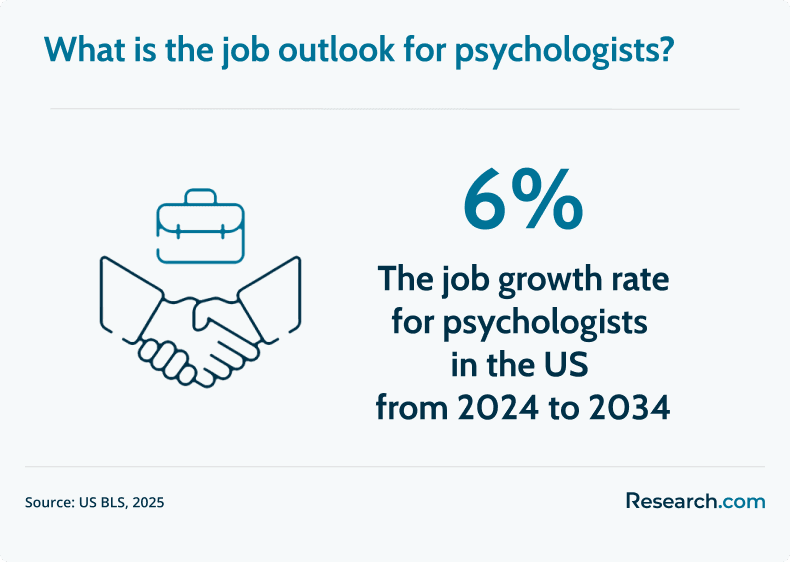
Fortunately for aspirants, employment for psychologists in the US is expected to increase by 6% from 2024 to 2034, which is faster than the average job-growth rate for all US occupations. An average of about 12,900 annual job openings for these professionals have been projected to be available over the decade (US BLS, 2025).
What to do if your undergraduate degree is not related to psychology?
Aspiring psychologists who hold undergraduate degrees outside of psychology can still pursue a PsyD degree in counseling psychology by taking essential steps to meet program requirements. Common options include the following:
- Complete prerequisite courses. Many degree programs allow applicants to take foundational psychology courses, such as abnormal psychology or statistics, before admission to demonstrate academic readiness.
- Earn a master’s in psychology or counseling. Pursuing a related graduate degree helps bridge knowledge gaps and provides relevant clinical or research experience. Options, such as an accelerated master's degree in marriage and family counseling online can also strengthen your application while offering specialized training in counseling. Having a master’s degree can improve your chances of admission.
- Gain relevant work or volunteer experience. Working in mental health clinics, schools, or social service agencies offers valuable exposure to counseling environments and highlights commitment to the field.
Professionals seeking quicker entry into the counseling field can explore the shortest school counseling master's programs online as an alternative path before pursuing a doctorate.
Here’s What PsyD Degree in Counseling Psychology Graduates Say about Their Degrees
- Macy: "Earning my PsyD in counseling psychology improved my career prospects. The program’s focus on evidence-based practice, cultural competency, and hands-on training shaped me into a well-rounded professional. I now enjoy a fulfilling job and benefit from the respect and flexibility the degree provides."
- David: "My PsyD journey strengthened my ability to connect theory with practice. The intensive practicum and supervision experiences built my confidence as a clinician. Pursuing this degree also positioned me for leadership roles in counseling, assessment, and mental health advocacy."
- Jonathan: "Completing my PsyD in counseling psychology was both challenging and transformative. I went through rigorous clinical training and research work. It gave me the skills to help clients navigate complex issues while opening doors to rewarding career paths."
Key Findings
- To become eligible for PsyD degree programs in counseling psychology, applicants must meet requirements, such as transcripts, letters of recommendation, and a personal statement.
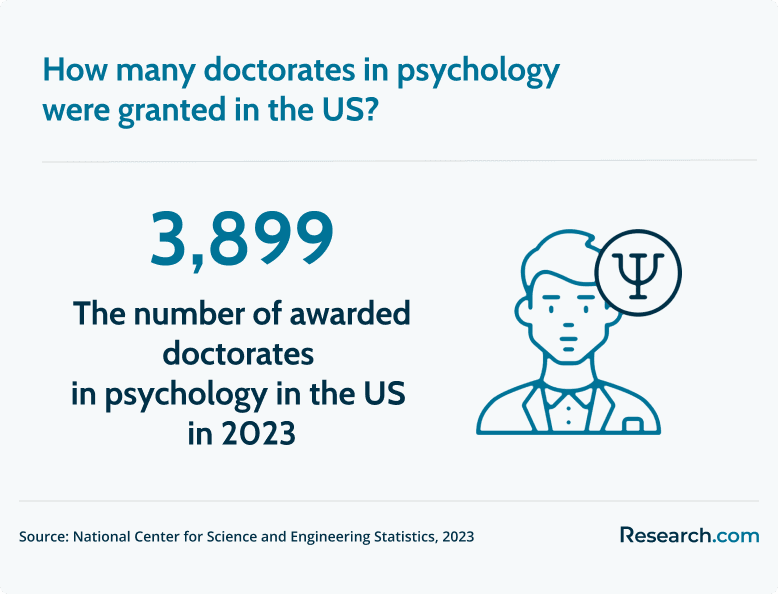
- In 2023, 3,899 doctorates in psychology were awarded in the US (National Center for Science and Engineering Statistics, 2023).
- Clinical training is a cornerstone of PsyD degree programs in counseling psychology. Training usually begins with practicum experiences, where students provide supervised counseling in clinics, schools, or community agencies.
- A PhD emphasizes research, theory, and academic scholarship and may be ideal for professionals interested in teaching or conducting studies. Meanwhile, a PsyD focuses on clinical training and applied practice, which prepares students for direct client work.
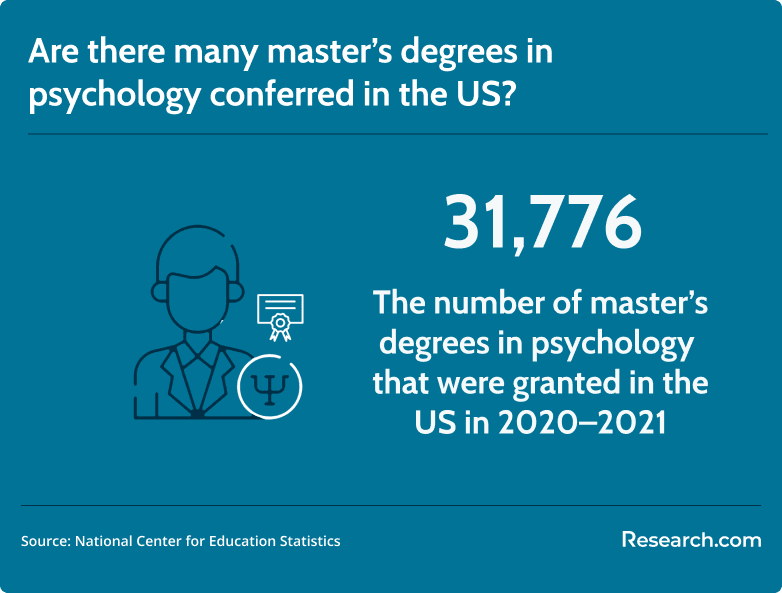
- In the academic year 2020–2021, 31,776 master’s degrees in psychology were granted in the US (National Center for Education Statistics, 2022).
References:
- National Center for Education Statistics. (2022). Table 325.80. Degrees in psychology conferred by postsecondary institutions, by level of degree and sex of student: Selected academic years, 1949-50 through 2020-21. Digest of Education Statistics. https://nces.ed.gov/programs/digest/d22/tables/dt22_325.80.asp
- National Center for Science and Engineering Statistics. (2023). Report: Field of Doctorate. https://ncses.nsf.gov/pubs/nsf25300/report/field-of-doctorate
- US Bureau of Labor Statistics. (2025, August 28). Marriage and Family Therapists. Occupational Outlook Handbook. https://www.bls.gov/ooh/community-and-social-service/marriage-and-family-therapists.htm
- US Bureau of Labor Statistics. (2025). May 2024 OEWS Profiles. Occupational Employment and Wage Statistics (OEWS) Profiles. https://data.bls.gov/oesprofile
- US Bureau of Labor Statistics. (2025, August 28). Psychologists. Occupational Outlook Handbook. https://www.bls.gov/ooh/life-physical-and-social-science/psychologists.htm
- US Bureau of Labor Statistics. (2025, August 28). Substance Abuse, Behavioral Disorder, and Mental Health Counselors. Occupational Outlook Handbook. https://www.bls.gov/ooh/community-and-social-service/substance-abuse-behavioral-disorder-and-mental-health-counselors.htm
Other Things You Should Know about PsyD Degree Programs in Counseling Psychology
A PsyD in counseling psychology primarily focuses on clinical practice and prepares students for careers in mental health treatment. In contrast, a PhD emphasizes research and academia. Both paths offer different career opportunities based on professional goals.
A PsyD in counseling psychology usually takes 4 to 6 years to complete. Notably, some accelerated degree programs may allow graduation in under 4 years.
In 2027, a PsyD degree in counseling psychology offers diverse career opportunities. Graduates may work in clinical settings, private practice, or hospitals, providing therapeutic services. While research roles are less common, some pursue academic positions, program development, or administrative roles within mental health organizations.


