
2027 How to Earn a 2-Year Counseling Degree: Education & Options

Co-Founder and Chief Data Scientist
A two-year degree in counseling can serve as a solid foundation for a counseling career. It's worth noting that the U.S. Bureau of Labor Statistics projects that employment for substance abuse, behavioral disorder, and mental health counselors will grow by 17% from 2024 to 2034.
This guide will explore the various educational options available, from foundational associate degrees to the more intensive master's programs. Furthermore, you'll learn about the practical experience required, such as practicums and internships.
Key things you should know about a 2-year counseling degree
- A master's in counseling program is a comprehensive course of study that typically lasts about two years for full-time students.
- For a full-time, two-year program, the total tuition can range from about $45,000 to over $80,000, with private, non-profit universities generally being more expensive than public universities.
- When you enroll in a program, you can expect a rigorous academic schedule that balances classroom learning with hands-on, clinical training.
- How to earn a 2-year counseling degree? Degree Overview
- How does a 2-year counseling associate's degree differ from a bachelor’s or master’s in counseling? How does a 2-year counseling associate's degree differ from a bachelor’s or master’s in counseling?
- What foundational skills do you learn in a 2-year counseling associate program? Foundational Skills
- How do I choose the best 2-year counseling program for my career goals? Program Selection
- What are the common admission requirements for 2-year counseling degrees? Admission Requirements
- What courses will I take in a 2-year counseling degree program? Counseling Courses
- What entry-level counseling jobs can I get with a 2-year degree? Counseling Jobs
- How does a 2-year counseling associate degree prepare me for further education? How does a 2-year counseling associate degree prepare me for further education?
- What industries hire graduates with a 2-year counseling degree? Top Industries
- What are the long-term career prospects for counseling graduates with an associate degree? Counseling Careers
- What is the return on investment for a 2-year counseling degree? What is the return on investment for a 2-year counseling degree?
How to earn a 2-year counseling degree?
Earning a 2-year counseling degree typically involves several key steps. First, students should decide on the specific type of counseling they want to pursue, such as general counseling, child development, or family studies, which will help guide their program choice.
Next, they need to research and select accredited colleges or community colleges offering associate degree programs in counseling, including options for online studies if needed. After identifying a suitable program, students must ensure they meet the eligibility requirements, which usually include a high school diploma or GED and may require placement tests or prerequisite courses.
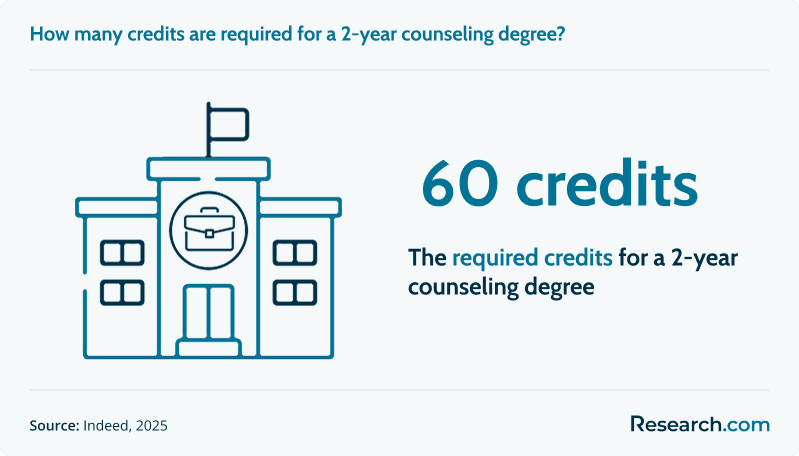
Students apply to their preferred program by submitting transcripts, application forms, and possibly essays by the school’s deadline. Once accepted, students enroll and complete about 60 credit hours of coursework over roughly two years, covering foundational counseling topics along with general education classes such as communication and statistics.
Many programs also encourage participating in extracurricular activities or volunteer work to build practical skills. Upon completing all program requirements successfully, students graduate with an associate degree in counseling, which prepares them for entry-level roles or transfer to a bachelor’s degree program for further education. This structured pathway offers a focused, accessible route to beginning a career in counseling.
For those already working in education, understanding how to transition from teacher to school counselor can make this degree even more meaningful. A 2-year counseling program provides the foundational knowledge and academic stepping stone teachers need to shift from classroom instruction to guiding students through emotional, academic, and personal development challenges.
How does a 2-year counseling associate's degree differ from a bachelor’s or master’s in counseling?
A 2-year counseling degree, typically an associate degree, differs significantly from a bachelor’s or master’s degree in counseling in terms of program length, depth of study, and career outcomes.
The 2-year degree usually requires about 60 credit hours and provides foundational knowledge and technical skills focused on entry-level roles or as a stepping stone to further education. It covers basic counseling principles but generally involves less comprehensive coursework and fewer opportunities for internships or specialized training compared to higher degrees.
In contrast, a bachelor’s degree requires around four years of study with approximately 120 credits, offering a broader and deeper exploration of counseling theories, psychology, and often practical experience through internships. This degree can open doors to more counseling-related job opportunities and better-earning potential.
A master’s degree in counseling, typically requiring an additional two years beyond the bachelor’s, is the essential credential for licensure as a professional counselor and includes advanced coursework, supervised clinical practice, and specialization options.
Overall, while a 2-year counseling degree can prepare students for certain support roles and serve as a foundation, a bachelor’s or master’s degree is generally necessary for full professional practice and career advancement in counseling.
For those seeking a different, yet equally impactful, career path, pursuing the fastest Christian leadership degree online can provide a strong foundation for ministry, nonprofit work, and other mission-driven roles. These programs offer a different set of skills focused on biblical principles and organizational management.
What foundational skills do you learn in a 2-year counseling associate program?
A two-year counseling associate program is designed to provide a foundational understanding of the mental health field. It's important to know that this degree, by itself, is not sufficient for becoming a licensed professional counselor, a role that requires a master's degree.
Instead, the associate program serves as a stepping stone, preparing you for a bachelor's degree and entry-level support roles in human services.
- Counseling Theories and Practice: You will be introduced to different approaches to counseling, such as cognitive-behavioral therapy (CBT), psychodynamic therapy, and humanistic counseling. The goal isn't to make you an expert, but to give you an overview of the most common therapeutic models.
- Human Development: This involves understanding the psychological and social development of individuals throughout their lifespan, from childhood to old age. This knowledge is critical for understanding the root causes of many emotional and behavioral issues.
- Ethics and Professionalism: A significant portion of the curriculum is dedicated to the ethical guidelines and legal issues that govern the counseling profession. You'll learn about client confidentiality, informed consent, and the boundaries of a professional relationship.
- Multicultural Competence: In an increasingly diverse world, counselors must be aware of how culture, race, ethnicity, and socioeconomic status impact a client's experiences. You'll learn to approach each client with cultural humility and sensitivity.
- Introductory Clinical Skills: While you won't be practicing as a licensed therapist, you'll learn foundational skills like active listening, effective communication, and basic assessment. These skills are vital for entry-level positions like a mental health technician, social and human service assistant, or case worker.
By mastering these core skills early, students build the groundwork for more advanced counseling studies that lead to professional licensure. Those who continue on to earn a master’s degree and become Licensed Professional Counselors (LPCs) can expect rewarding career opportunities and competitive salaries. Understanding LPC pay trends can also help students set realistic goals and plan their educational pathway toward a stable and fulfilling counseling career.
How do I choose the best 2-year counseling program for my career goals?
Choosing the best 2-year counseling program for your career goals involves several important considerations.
First, clarify the type of counseling you want to pursue, such as substance abuse, school counseling, family therapy, or general mental health, since some programs offer specialized tracks that align with these interests.
For many students, an associate degree is also viewed as the fastest way to become a counselor, since it provides a direct entry point into the field while allowing for further study later on.
Next, research programs based on accreditation to ensure the education you receive meets industry standards and will be recognized by employers or other educational institutions for transfer credits. Consider whether you prefer an on-campus or online format, factoring in your personal learning style, schedule flexibility, and access to necessary resources like internships.
Evaluate the curriculum to ensure the courses offered align with your career goals and provide a strong foundation in counseling principles, human behavior, and ethics.
Other practical factors include reviewing faculty qualifications, student-to-teacher ratios, financial aid options, program length, and success rates in job placement or further education.
Comparing these elements against your long-term goals will help you find a program that not only fits your current needs but also supports your future counseling career aspirations.
What are the common admission requirements for 2-year counseling degrees?
These requirements help ensure that incoming students have the foundational knowledge, communication skills, and motivation needed to succeed in a rigorous program. While specific criteria can vary by school, most institutions ask for a combination of academic records, application materials, and personal qualifications.
For those interested in a different but related field, researching the best communication disorders online degree programs can also be a great starting point.
Requirements for counseling associate degrees
- High School Diploma or GED: Most programs require applicants to have completed high school or an equivalent credential.
- Transcripts: Submission of official high school (and any prior college) transcripts is usually mandatory to verify academic performance.
- Minimum GPA: Some schools set a minimum GPA requirement, often around 2.0–2.5, to ensure readiness for college-level coursework.
- Placement Tests: Depending on the institution, applicants may need to take placement exams in English or math to determine course levels.
- Application Form and Fee: A completed application with a nominal fee is generally required.
In some cases, colleges may also require personal statements or essays and letters of recommendation. Students must also be prepared to attend interviews with admissions committees.
Requirements for counseling master's degrees
- GPA: The minimum GPA requirement for undergraduate coursework is typically a 3.0 on a 4.0 scale. However, some programs may accept a slightly lower GPA if the applicant has relevant professional experience.
- Prerequisite Coursework: Some programs require applicants to have completed specific prerequisite courses, such as abnormal psychology, developmental psychology, and statistics.
- GRE Scores: While some counseling programs still require GRE scores, many have made it optional or have waived the requirement entirely. You should check the specific requirements of each program you're interested in.
- Personal Statement or Essay: This is your chance to tell the admissions committee about your motivation for pursuing a counseling career. This essay is a key component for demonstrating your maturity, self-awareness, and writing skills.
These requirements are in place to ensure that applicants have the academic foundation and personal qualities necessary for a demanding graduate program and a career in counseling. For those interested in a different but related field, researching the best communication disorders online degree programs can also be a great starting point.
What courses will I take in a 2-year counseling degree program?
A two-year counseling degree is typically an associate’s program, and the curriculum is designed to provide you with the theoretical knowledge and practical skills needed for licensure and professional practice. Coursework focuses on building a strong foundation in human behavior, counseling techniques, ethics, and clinical practice.
Sample courses in a counseling associate's program
- Counseling Theories and Practice: This course introduces students to the major theoretical frameworks that guide counseling and emphasizes practical application by teaching how to integrate these theories into real-world client interactions, case studies, and role-playing exercises.
- Human Growth and Development: You'll study the psychological, social, and emotional development of individuals across the lifespan, from infancy to late adulthood. This helps you understand the context of a client's challenges at different life stages.
- Multicultural and Social Justice Counseling: A critical component of modern counseling, this course explores how cultural backgrounds, including race, ethnicity, gender identity, sexual orientation, and socioeconomic status, affect a person's experiences and how you can provide culturally sensitive and ethical care.
Sample courses in a counseling master's program
- Counseling Techniques and Skills: This course is highly practical and often involves a lab component where students practice and refine core skills. It covers essential techniques like active listening, empathy, building rapport, and using various therapeutic interventions to facilitate client growth.
- Multicultural and Social Justice Counseling: This essential course explores the role of culture, identity, and social factors in the counseling process. Students learn to recognize their own biases, understand diverse worldviews, and apply culturally sensitive and socially conscious strategies to support clients from varied backgrounds.
- Diagnosis and Treatment Planning: This course teaches students how to use the Diagnostic and Statistical Manual of Mental Disorders (DSM) to accurately diagnose mental health conditions. It also covers the process of creating a comprehensive and ethical treatment plan that aligns with a client's specific needs and goals.
Whether you pursue counseling or another helping profession, understanding the structure of associate and master’s programs can guide your long-term career planning. Interestingly, the structure of counseling programs mirrors that of other professional paths that emphasize certification and practical training—such as certifications in accounting, where foundational study is followed by specialized credentials that validate expertise and open doors to advanced opportunities.
What entry-level counseling jobs can I get with a 2-year degree?
A two-year degree in a counseling-related field, such as an associate of science or the best online humanities degree, is a valuable stepping stone that can open doors to a variety of entry-level support roles.
It is important to note that a master's degree is the standard requirement for becoming a licensed professional counselor, so a two-year degree does not qualify you to practice independently as a therapist or counselor.
Instead, it prepares you for roles where you can assist and support licensed professionals.
- Social and Human Service Assistant: These professionals assist clients in accessing community resources, coordinating services, and helping with paperwork.
- Mental Health Technician: In this role, your responsibilities might include monitoring patients' behavior, assisting with daily activities, and providing a supportive presence.
- Substance Abuse Counselor (in some states): This role involves assisting individuals with substance use disorders, creating treatment plans, and providing support for their recovery.
- Case Management Aide: These professionals help organize a client's treatment plan, scheduling appointments, and ensuring they receive the necessary services.
- Youth Worker/Counselor: In this role, you act as a mentor and guide, helping young people navigate behavioral, social, and emotional challenges.
While these positions are entry-level, they offer valuable experience and exposure to the mental health field, helping you decide whether to pursue advanced education later on. For those interested in expanding into specialized healthcare roles, such as psychiatric nursing, pursuing a 1 year PMHNP program online can be a fast and flexible path toward becoming a psychiatric mental health nurse practitioner—a career that blends counseling expertise with medical care to support patients’ overall mental well-being.
How does a 2-year counseling associate degree prepare me for further education?
A 2-year counseling degree prepares you for further education primarily by providing foundational coursework in counseling, psychology, and related general education subjects that are often transferable to bachelor’s degree programs.
Many community colleges that offer these associate degrees have articulation agreements with four-year institutions, which outline exactly how credits earned at the associate level apply toward a bachelor's degree, making the transfer process smoother and reducing the risk of losing credits.
By completing an associate degree, students typically cover the equivalent of the first two years of undergraduate study, which is one of the starting steps to become a rehabilitation counselor. It is important to work closely with academic advisers and transfer coordinators early to ensure your courses align with the requirements of your target bachelor's program.
Additionally, degree audits and credit equivalency tools provided by colleges can help guide your path and ensure that your previous coursework will count toward your continued education.
However, the exact transferability of credits depends on the type of associate degree earned and the receiving institution's policies, so proactive planning is key for a successful transition to further education in counseling.
What industries hire graduates with a 2-year counseling degree?
Graduates with a two-year counseling degree, typically an associate's degree, are primarily hired in industries that require support roles rather than licensed counseling professionals.
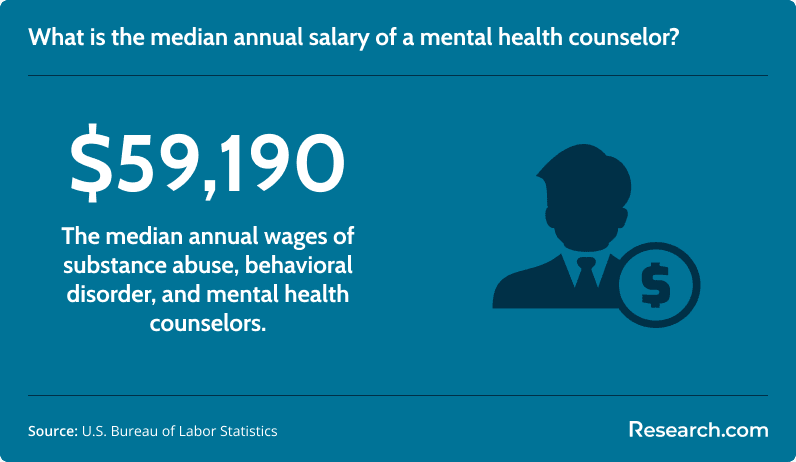
These degrees provide foundational knowledge and skills for assisting clients and licensed practitioners in various settings. The median annual wage for careers in counseling with a 2-year counseling degree is $59,190.
- Hospitals and Clinics: In these settings, they assist nurses, doctors, and licensed counselors by monitoring patient behavior, providing a supportive presence, and helping with daily activities.
- Residential Care Facilities: A two-year degree holder might work as a residential counselor or a case management aide, helping residents with daily routines and coordinating services.
- Correctional Facilities: In jails and prisons, graduates can assist licensed staff in managing inmates, providing basic counseling support, and helping to ensure a safe environment.
- Social Services Agencies: Graduates with an associate degree in counseling can work support staff in these settings, helping to connect people with resources like housing assistance, food aid, and mental health services.
- Nonprofit and Community Organizations: Counseling graduates can serve as liaisons between clients and the resources they need. They might work with at-risk youth, the homeless population, or families in crisis.
What are the long-term career prospects for counseling graduates with an associate degree?
The long-term career prospects for counseling graduates with an associate degree include a variety of entry-level positions in the mental health and human services fields.
Graduates typically qualify for roles such as counseling assistants, human service assistants, substance abuse counselors, caseworkers, mental health technicians, program assistants, outreach specialists, social services assistants, and child care providers.
These positions often involve working directly with licensed counselors or within community support services, providing valuable hands-on experience in counseling environments.
While most states require a master’s degree for licensed counseling positions, an associate degree can be an excellent starting point for gaining practical skills, exploring the profession, and determining whether to pursue further education.
Additionally, several graduates use the associate degree as a stepping stone to transfer credits into bachelor's degree programs, eventually advancing to licensing and higher-paying counseling roles.
The field of counseling is expected to grow considerably, particularly in substance abuse and mental health counseling, with competitive salaries and a meaningful impact on community well-being.
Here's what graduates have to say about their 2-year counseling degree
- Carrie: "Completing my two-year counseling associate degree was the best decision I could have made. It gave me the foundational skills in human development and ethics that I now use every day as a mental health technician, and it showed me just how much I love this field. The program provided the perfect entry point, making my dream of a helping profession feel achievable and real."
- Alexis: "The two-year counseling program gave me the confidence and clarity I needed to pursue my career. Learning about different therapeutic theories and multicultural counseling has prepared me for the diverse clients I now assist as a social services aide. I'm grateful for the experience because it not only gave me a job but also a deeper sense of purpose."
- Lila: "My two-year degree in counseling was a game-changer. I gained a practical understanding of how to support people in need, from learning active listening skills to grasping ethical guidelines. The education was efficient and impactful, proving that a shorter program can still lead to a meaningful career and a strong foundation for future studies. "
What is the return on investment for a 2-year counseling degree?
A 2-year counseling degree often delivers a favorable return on investment by balancing lower tuition costs with the advantage of entering the workforce more quickly. Graduates typically incur less debt compared to longer degree programs and benefit from accelerated practical exposure, making early career earnings more attractive. The cost-effective nature of these programs, combined with steady demand in entry-level support roles, can position degree holders for financial stability and the potential to invest in further education or professional development. For a comparative analysis of affordable options, refer to the most affordable online counseling degrees.
Key Findings
- Most programs have a minimum GPA requirement for undergraduate coursework, which is typically a 3.0 on a 4.0 scale.
- Students who enroll in a 2-year counseling degree need to complete about 60 credit hours of coursework over roughly two years.
- Employment for substance abuse, behavioral disorder, and mental health counselors will grow by 17% from 2024 to 2034.
- The cost of a two-year master's in counseling program can vary significantly depending on the institution. For a full-time, two-year program, the total tuition can range from about $45,000 to over $80,000.
- The median annual wage for graduates of a 2-year counseling degree is $59,190.
References:
- American Counseling Association (ACA). (n.d.). Counseling workforce report. Retrieved from https://www.counseling.org/resources/research-reports/counseling-workforce-report
- Bureau of Labor Statistics. (2023). Occupational Outlook Handbook. Substance abuse, behavioral disorder, and mental health counselors.
- Bureau of Labor Statistics. (2023). Occupational Outlook Handbook. School and career counselors and advisors
- Council for Accreditation of Counseling and Related Educational Programs (CACREP). (n.d.). Annual reports and vital statistics reports
- Health Resources and Services Administration (HRSA). (2023). Behavioral health workforce brief. Bureau of Health Workforce.
- Mental Health America. (2023). The state of mental health in America: 2023.
Other things you should know about how to earn a 2-year counseling degree
Yes, there are certifications that you can earn with a 2-year counseling degree, although these certifications often vary by state and specialization. Common certifications available to associate degree holders include credentials related to substance abuse counseling, mental health technician roles, and human services support.
These programs often require additional coursework or supervised experience but can qualify graduates for entry-level positions such as certified addiction counselor assistants or behavioral health technicians.
Yes, there are affordable online 2-year counseling degree options available. Many accredited community colleges and universities offer associate degrees in counseling that can be completed fully online at a lower cost compared to traditional on-campus programs.
These programs typically provide the same foundational counseling coursework and general education requirements as in-person options.
In 2027, explore community colleges and online programs, often offering lower tuition. Consider scholarships, federal grants, and state-based financial aid. Some schools have payment plans, making education more cost-effective. Attend open houses for financial aid info and apply early.


