
2027 General & Specialized Certifications for Accountants

Co-Founder and Chief Data Scientist
Accounting is a diverse field, and certifications are the primary way professionals demonstrate their expertise and stand out. While some certifications, like the Certified Public Accountant (CPA), are broad and essential for specific public accounting roles, others are highly specialized, such as the Certified Management Accountant (CMA) or the Certified Fraud Examiner (CFE) for forensic accounting.
The market for these credentials is growing, with the global accounting educational system projected to reach $2.65 billion by 2025. This article will explore both general and specialized accounting certifications to help you navigate the landscape of professional credentials. You'll learn about the core requirements, career opportunities, and earning potential associated with key certifications like the CPA, CMA, and CFE.
Key things you should know about general and specialized certifications for accountants
- CPAs generally earn an average annual salary of around $99,000, with experienced CPAs in top roles making significantly more.
- Certified Management Accountant (CMA) holders focus on cost management and financial decision-making and earn about 21% more than their uncertified peers.
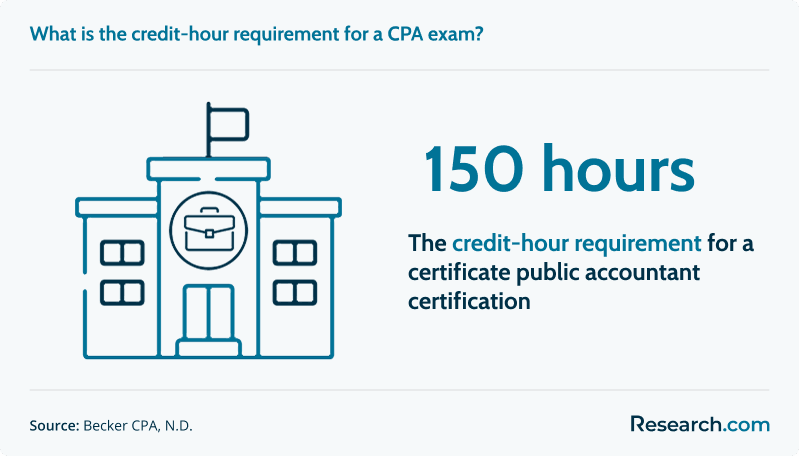
- The CPA requires around 150 credit hours of education, a demanding multi-part exam, and usually one year of relevant experience.
- What are the general certifications for accountants? General Certifications
- What are the specialized certifications for accountants? Specialized Certifications
- What are the most recognized global accounting certifications in 2027? Global Certifications
- What are the benefits of certifications for accountants? Benefits
- How do accounting certifications improve career prospects? How do accounting certifications improve career prospects?
- What are the common requirements for accounting certification exams? Requirements
- What are the typical continuing education requirements for accounting certifications? What are the typical continuing education requirements for accounting certifications?
- Do accounting certifications open doors to accounting jobs with the highest pay? Do accounting certifications open doors to accounting jobs with the highest pay?
- How can accountants stay current with changing regulations and standards? How can accountants stay current with changing regulations and standards?
- What career advancement opportunities exist post-certification? Career Advancement
- Are online certification programs for accountants credible? Are online certification programs for accountants credible?
What are general certifications for accountants?
The most prominent general certification for accountants is the Certified Public Accountant (CPA). It's often considered the "gold standard" in the profession because of its broad scope, covering auditing, taxation, and financial reporting.
This leads many to ask, is a CPA the same as an accountant? While all CPAs are accountants, not all accountants are CPAs. While the CPA is the most widely recognized, other general certifications also exist, covering a wide range of accounting professions and enhancing career opportunities in both public and private sectors.
- Certified Public Accountant (CPA): The most versatile and widely recognized certification covering auditing, financial accounting, reporting, taxation, and business disciplines. It is often the first credential new graduates pursue.
- Certified Financial Planner (CFP): Focuses on long-term financial planning, including investments, estate, and retirement planning. Requires a bachelor's degree, passing an exam, relevant experience, and a background check.
- Certified Internal Auditor (CIA): Recognized internationally, this certification is for those specializing in internal auditing, ensuring compliance and risk monitoring. Candidates need an associate-level degree or higher.
- Certified Management Accountant (CMA): Targets managerial and cost accounting roles. It is valued for financial analysis and strategic business recommendations.
- Certified Public Bookkeeper (CPB) and Certified Bookkeeper (CB): Demonstrate bookkeeping knowledge with exams and experience requirements.
What are specialized certifications for accountants?
Specialized certifications for accountants focus on niche areas within the accounting profession, requiring expertise beyond general accounting knowledge. These certifications demonstrate mastery in specific fields like valuation, forensic accounting, fraud detection, and financial analysis.
Many students exploring accounting pathways also consider long-term career planning, which often includes graduate study. For example, some future professionals research which bachelor degree is best for MBA programs to ensure they build a strong academic foundation before pursuing advanced business or finance credentials.
These often complement general certifications, such as the CPA, and are valued for career advancement in specialized roles.
- Accredited in Business Valuation (ABV): For professionals specializing in business valuation, requiring CPA status, a bachelor's degree, professional experience, and continuing education.
- Chartered Financial Analyst (CFA): Highest-level credential for investment portfolio managers, focusing on financial analysis and investment management.
- Certified in Financial Forensics (CFF): Administered by AICPA for forensic accountants who investigate financial crimes such as fraud and tax evasion.
- Certified Fraud Examiner (CFE): Focuses on fraud detection, prevention, and investigation across financial and business records.
- Certified Government Financial Manager (CGFM): Specialized certification for accounting and financial management in government roles.
- Certification in Risk Management Assurance (CRMA): Concentrates on expertise in risk management assurance within the accounting context.
What are the most recognized global accounting certifications in 2027?
In 2025, the global accounting profession continues to evolve, with an increasing emphasis on strategic analysis, data, and international standards. While many regional credentials exist, several certifications stand out for their widespread recognition and ability to open doors to senior-level roles worldwide.
The most recognized global accounting certifications are:
Certified Public Accountant (CPA)
Many accounting students ask, "Which is better, a CPA or a masters in accounting?" The CPA certification is highly respected internationally, particularly in the fields of public accounting, auditing, and taxation. While it is a U.S.-centric certification, its prestige makes it highly valuable to employers across the globe.
Chartered Financial Analyst (CFA)
Although it is an investment management certification, the CFA is a premier credential for accountants and finance professionals aiming to specialize in financial analysis, portfolio management, and investment decisions.
Certified Management Accountant (CMA)
The CMA is a globally recognized certification that focuses on management accounting, financial planning, and strategic decision-making. It is an ideal credential for accountants who aspire to leadership roles within a corporation, such as a financial manager or Chief Financial Officer (CFO).
Chartered Global Management Accountant (CGMA)
Jointly offered by the American Institute of CPAs (AICPA) and the Chartered Institute of Management Accountants (CIMA), the CGMA is designed for CPAs and CIMA members who want to showcase their skills in strategic business management, particularly for leadership roles in government and business.
Certified Internal Auditor (CIA)
The CIA is the only globally recognized certification for internal auditors. Awarded by The Institute of Internal Auditors (IIA), it demonstrates proficiency in internal auditing practices, risk management, and governance.
What are the benefits of certifications for accountants?
Certifications for accountants offer numerous benefits that significantly enhance career prospects, professional growth, and earning potential. These credentials provide a mark of credibility, specialized knowledge, and a competitive advantage in the job market.
- Increased Credibility and Professionalism: Certifications like CPA, ACCA, and CMA demonstrate a high level of expertise, adherence to ethical standards, and commitment to the profession, boosting an accountant's reputation with employers and clients.
- Expanded Job Opportunities and Career Advancement: Certified accountants qualify for higher-level positions often unavailable to non-certified peers. Employers prefer or require certifications for roles in public accounting, finance management, auditing, and specialized fields, facilitating promotions and leadership roles.
- Higher Salary Potential: Certified professionals typically earn 10-15% more than their non-certified counterparts. The specialized skills and knowledge acquired through certification justify a salary premium and greater billing rates, especially in public accounting and consulting.
- Ongoing Professional Development: Certification mandates continuing professional education (CPE), ensuring accountants stay current with evolving standards, regulations, and technologies. This keeps skills relevant and enhances job security.
- Specialization and Networking Opportunities: Certifications enable accountants to specialize in niche areas like tax, forensic accounting, or financial planning, increasing their market value. Additionally, certification bodies provide access to professional networks, conferences, and resources for career growth.
For some professionals, earning certifications can also support future academic pathways, such as when individuals decide to transfer grad school programs and want to demonstrate advanced competency and commitment through their credentials.
How do accounting certifications improve career prospects?
Accounting certifications significantly boost career prospects by validating expertise, increasing earning potential, and opening doors to new opportunities. They serve as a powerful signal to employers that you possess specialized knowledge, a commitment to professional development, and a high level of dedication to your career.
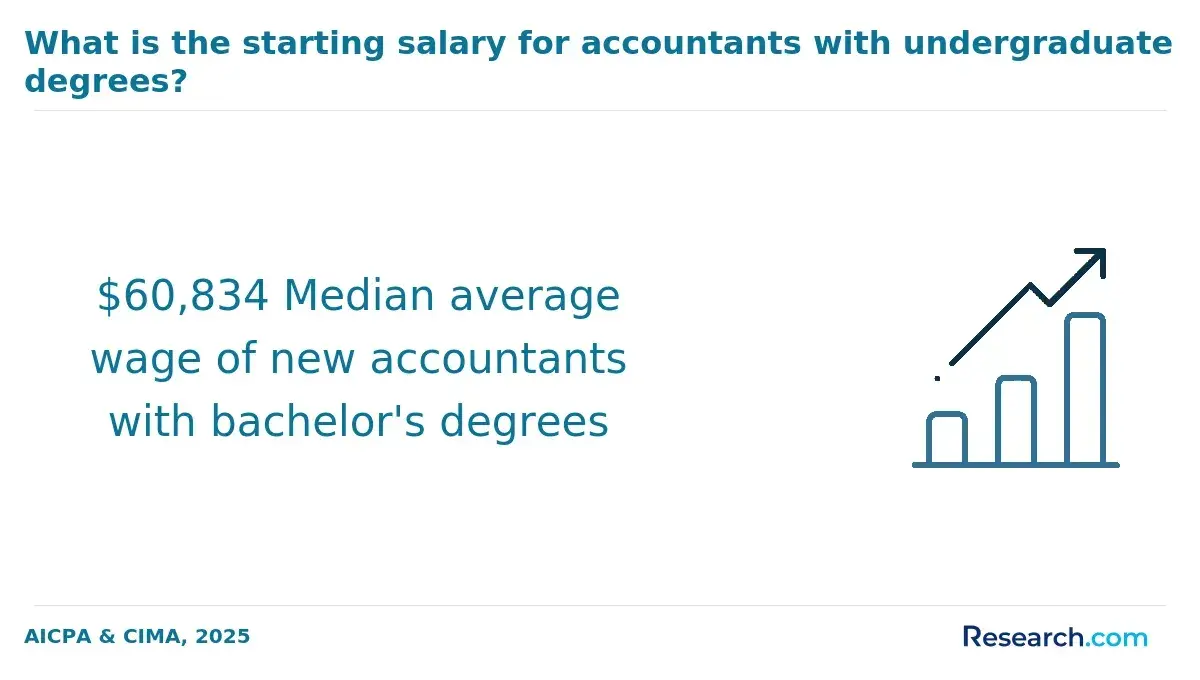
Earning a certification is often directly tied to a higher salary. For example, a Certified Public Accountant (CPA) can earn an average of 10-15% more than their non-certified counterparts with a median annual salary of $81,680. Similarly, professionals with a Certified Fraud Examiner (CFE) certification can earn as much as 34% more than their peers without the credential.
Certifications like the CPA are a mark of credibility and trust. They demonstrate that an accountant has met rigorous standards in ethics, education, and experience, which is particularly crucial for roles involving public trust, such as auditing. Furthermore, specialized certifications allow you to stand out by showcasing expertise in a niche area.
What are the common requirements for accounting certification exams?
While requirements vary for each specific certification, most accounting exams share three common requirements: education, experience, and passing the examination itself. These requirements ensure certified accountants have the necessary expertise and professionalism for the industry.
- Education: Most certifications require candidates to have a bachelor's degree like the
- Professional Experience: Many accounting certifications mandate 1 to 2 years or more of relevant professional accounting or auditing experience. For example, CPA candidates usually need around 2,000 hours under a licensed CPA's supervision, covering key accounting duties.
- Examination: Candidates must pass rigorous multi-part exams covering various accounting topics. For instance, the CPA exam consists of four sections—three core sections on auditing, financial reporting, and taxation, plus one discipline-specific section. Other certifications, like CMA and CIA, also have multi-level exams focusing on management accounting or internal auditing.
- Continuing Education: Certified accountants are typically required to complete continuing professional education (CPE) hours regularly like an accelerated master's degree in mathematics online to maintain their credentials and stay updated on new regulations and best practices.
What are the benefits of earning multiple accounting certifications?
Earning multiple accounting certifications offers several strategic benefits that can significantly enhance an accountant’s career:
- Increased Expertise and Versatility: Holding multiple certifications, such as CPA and CMA, equips professionals with a broad and deep skill set across various accounting disciplines—from financial accounting to management accounting—making them more valuable and adaptable in different roles and industries.
- Enhanced Career Opportunities and Advancement: Dual or multiple certifications open doors to specialized roles and leadership positions that require diverse knowledge. Employers highly value professionals with complementary certifications for their ability to handle complex financial tasks and strategic decision-making, leading to faster promotions and greater job security.
- Higher Earning Potential: Professionals with multiple certifications typically command higher salaries and consulting fees. Data shows that dual-certified accountants can earn up to 50% more than their non-certified or singly certified peers, reflecting the premium on their expertise.
- Efficient Continuing Education: Many continuing professional education (CPE) courses count toward multiple certifications simultaneously, reducing the time and cost to maintain credentials. This can include enrolling in the best master's in mathematics online.
What are the typical continuing education requirements for accounting certifications?
Typical continuing education requirements for accounting certifications generally include the completion of a set number of Continuing Professional Education (CPE) hours within a specific reporting period to maintain the credential and stay current in the field. For those still preparing to enter the profession, planning ahead academically—such as considering how many schools should you apply to for college to maximize both admissions and scholarship opportunities—can help set a strong foundation before beginning certification pathways later on.
These credits are earned through various formats, including webinars, seminars, and conferences, and cover essential topics such as new tax laws, auditing standards, and financial reporting guidelines like the Generally Accepted Accounting Principles (GAAP) and International Financial Reporting Standards (IFRS).
For instance, most states require CPAs to complete about 40 CPE hours annually or 80 hours over two years. Ethics credits are usually mandatory (around 3-4 hours) within this total. Requirements vary by state but generally include formal learning activities and approved course providers to ensure compliance.
Meanwhile, CMAs must complete 30 hours of CPE annually, including at least 2 hours focused on ethics. Annual dues maintenance is also required alongside continuing education.
Other certifications typically require similar CPE commitments, often ranging from 20 to 40 hours yearly or 60 to 80 hours per two- or three-year cycles, with session content covering ethics, technical updates, and professional skills.
Accredited providers and compliance with standards set by governing bodies such as the National Association of State Boards of Accountancy (NASBA) or the Institute of Management Accountants (IMA) are important for acceptance.
Do accounting certifications open doors to accounting jobs with the highest pay?
Evidence indicates that acquiring a recognized accounting certification correlates with increased earning potential and faster advancement into specialized, well-compensated roles. Certified professionals are often targeted for positions that demand advanced technical skills, complex financial analysis, and leadership capabilities. These roles, frequently positioned among the highest paid accounting jobs, rely on the rigor and expertise signified by certified credentials. Targeted credentials not only underscore an individual’s commitment to continuous professional growth but also align with employer expectations for proficiency in evolving industry standards.
How can accountants stay current with changing regulations and standards?
To stay current with ever-changing regulations and standards, accountants must be committed to lifelong learning through a combination of mandatory and self-directed efforts. For students preparing to enter the field, this mindset can begin as early as choosing academic pathways that emphasize flexibility and accessibility, such as exploring colleges that don't need SAT scores for admission, which can open doors to accounting programs without additional testing barriers.
The most crucial method is continuing professional education, which is a requirement for maintaining professional certifications like the Certified Public Accountant (CPA) and Certified Management Accountant (CMA).
Additionally, actively participating in professional organizations such as the American Institute of CPAs (AICPA) or the Institute of Internal Auditors (IIA) is vital. These organizations provide members with real-time news alerts, publications, and networking opportunities that facilitate a deeper understanding of regulatory changes and how they apply to specific industries.
Lastly, a proactive approach to technology is essential; by embracing AI-powered research tools and cloud-based software, accountants can automate compliance monitoring and stay ahead of the curve, allowing them to shift their focus from routine tasks to strategic advisory roles for their clients and organizations.
Are online certification programs for accountants credible?
The credibility of an online certification program for accountants is not determined by its online format, but rather by the reputation of the organization that issues it. In today's professional landscape, online learning is a standard and respected mode of education. Many top-tier professional accounting bodies and universities now offer online courses and certification pathways that are just as rigorous as their in-person counterparts.
For an online certification to be considered credible by employers, it must be offered by a well-recognized and accredited body. For instance, obtaining a Certified Public Accountant (CPA) or Certified Management Accountant (CMA) credential is highly credible, and the exam preparation courses are widely available online.
Similarly, a certificate from a reputable university's online business school, or one offered by a professional society, will hold significant weight. However, a certification from an unknown, unaccredited provider with an easy or untimed online exam is unlikely to be respected. The value is in the rigor of the curriculum and the prestige of the issuing body.
This is similar to the question of "what do you need to be an executive recruiter"; the answer isn't a single class, but a combination of skills, experience, and professional reputation built over time. Ultimately, a certification is a signal of your expertise, and the most credible signals come from the most trusted sources.
Here's what graduates have to say about their accountant certification
- Elaine: "Pursuing my accounting certification was a rigorous process, but it has completely changed my career trajectory. The comprehensive knowledge I gained made me feel incredibly confident during job interviews, and I immediately landed a senior position with a salary increase. It's a huge step that proves your dedication and expertise in the field."
- Jenna: "Getting certified was about more than just a credential for me; it was about building a network and a professional identity. The study groups and professional organization memberships connected me with amazing mentors and peers. The sense of belonging and credibility that comes with the certification has given me the courage to take on more complex projects."
- Daniel: "The accounting certification gave me the specialized knowledge I needed to pivot my career into forensic accounting, a field I am passionate about. The exam forced me to think critically about fraud schemes, and now I feel empowered to make a real impact on financial crime. It has opened up a whole new world of fulfilling and exciting opportunities."
Key Findings
- Certified individuals tend to receive higher salaries; in some cases, salary increments can be up to 30% more than non-certified peers.
- Studies indicate 42% of participants with online certification courses reported salary increases averaging $17,000.
- Most states require CPAs to complete about 40 CPE hours annually or 80 hours over two years.
- Many accounting certifications mandate 1 to 2 years or more of relevant professional accounting or auditing experience.
- A Certified Public Accountant (CPA) can earn an average of 10-15% more than their non-certified counterparts.
// PREVIEW //
References:
- AICPA & CIMA. (2025). MAP survey executive summary. https://www.aicpa-cima.com/resources/download/map-survey-executive-summary
- Bureau of Labor and Statistics. (2024). Job Occupation Outlook: Accountants and auditors. Bureau of Labor Statistics
- Bureau of Labor and Statistics. (2024). Job Occupation Outlook: Bookkeeping, accounting, and auditing clerks. Bureau of Labor Statistics
- Zippia. (2025). Accounting clerk demographics and statistics in the US.
Other Things You Should Know About General and Specialized Certifications for Accountants
In 2027, accountants can pursue certifications such as the Chartered Financial Analyst (CFA) for finance roles or the Certified Management Accountant (CMA) for management positions. These credentials are well-respected in the industry and can enhance career advancement opportunities in both finance and management.
Online courses are generally considered effective for accounting certification exam preparation. Research shows that online learning offers flexibility, allowing candidates to study while working full-time, which is a significant advantage.
Studies also indicate no significant difference in exam results between those who prepare through online versus face-to-face learning platforms. Diverse study tools and full-time study without work correlate positively with exam success.
In 2027, recognized accounting certifications include the CPA (Certified Public Accountant), CMA (Certified Management Accountant), and CFA (Chartered Financial Analyst). These certifications enhance career prospects and specialize skills, providing opportunities in fields such as audit, financial planning, and management accounting.


